

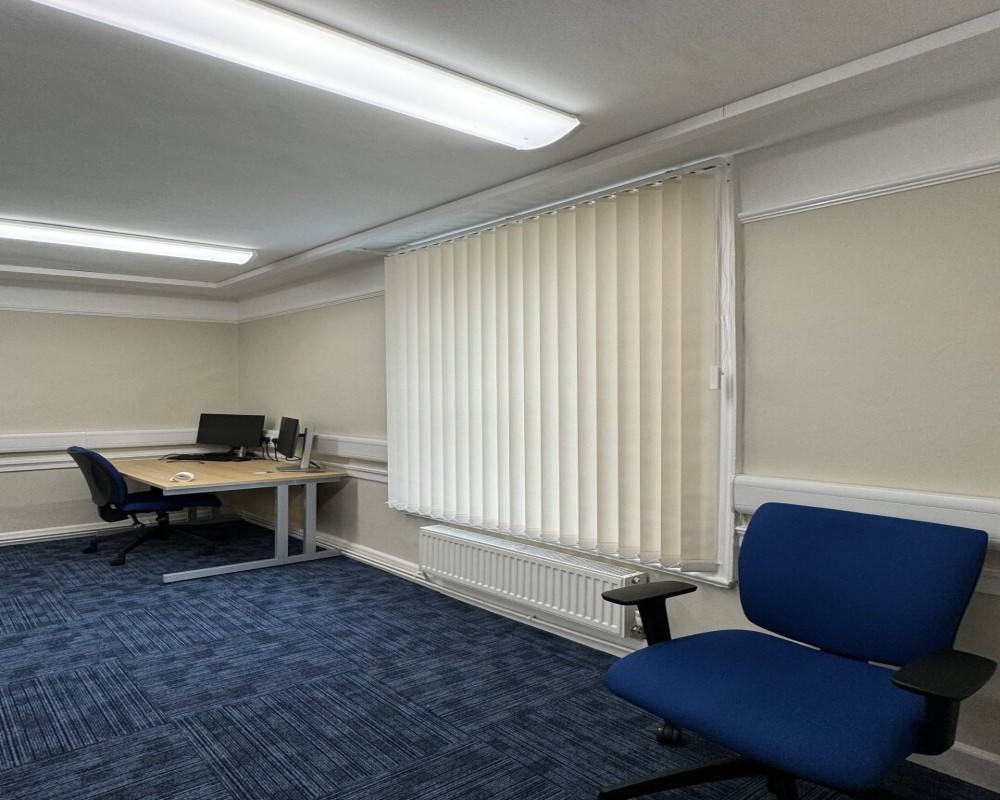
Across the UK, schools are increasingly upgrading their classrooms with blackout blinds and specialist window blinds to create better learning environments. From improving screen visibility to managing daylight and reducing energy use, blinds are now considered an important part of modern school design.
With thousands of ageing school buildings and evolving teaching methods that rely heavily on digital screens, many education facilities are investing in improved light-control solutions to support both students and teachers.
The Changing Classroom Environment in UK Schools
Modern classrooms look very different from those of twenty years ago. Today, lessons frequently involve:
- Interactive whiteboards
- Digital projectors
- Large display screens
- Online learning platforms
However, these technologies can be difficult to use when classrooms are exposed to uncontrolled daylight. Bright sunlight entering through windows often causes glare on screens and whiteboards, making it harder for students to see teaching materials clearly. Adjustable blinds allow teachers to control light levels and reduce glare during presentations or digital lessons.
This is one of the main reasons why blackout and solar control blinds are becoming standard equipment in many UK classrooms.
The Importance of Controlling Daylight in Schools
Natural light is widely recognised as beneficial for student wellbeing and concentration. Research from the University of Salford and other studies has shown that classroom design factors such as daylight, temperature and air quality can influence student performance by up to 25%.
Students in classrooms with higher levels of controlled daylight have also shown measurable improvements in learning outcomes. Some studies indicate improvements of up to 20% in maths and 26% in reading scores when daylight conditions are optimised.
However, while natural light is valuable, too much direct sunlight can cause problems such as:
- Glare on digital screens
- Eye strain for students
- Difficulty seeing whiteboards or projectors
- Overheating in south-facing classrooms
This is why schools need solutions that allow them to balance daylight with effective shading.
The Role of Blackout Blinds in Digital Learning
Digital technology is now a central part of classroom teaching. Interactive whiteboards, projectors and visual presentations require darker environments to work effectively.
In bright classrooms, sunlight can reflect off boards and screens, reducing image clarity and forcing teachers to dim lights or reposition students. Research has also shown that glare from classroom lighting and reflections can impair visual performance and cause discomfort for pupils.
Blackout blinds solve this problem by allowing teachers to quickly darken a room when necessary. This is particularly useful for:
- Science and multimedia presentations
- Educational videos
- Interactive whiteboard lessons
- Exams or focused learning sessions
By giving teachers full control over lighting conditions, blackout blinds help ensure lessons remain clear and engaging.
Improving Comfort and Concentration in Classrooms
Lighting conditions have a direct impact on student concentration and wellbeing. Poor light control can cause:
- Eye strain and headaches
- Visual discomfort
- Reduced attention levels
Too much glare can also create distractions that disrupt lessons. Effective light management helps teachers maintain a comfortable learning environment throughout the school day.
Blinds provide flexible control over sunlight, allowing classrooms to adapt to different teaching activities. For example, teachers can partially lower blinds during standard lessons while fully closing them for presentations or exams.
Energy Efficiency and Temperature Control
Another key reason schools install blackout blinds is energy efficiency. Many school buildings across the UK are older and were not designed with modern insulation standards.
More than 60% of school buildings in England were built before 1976, meaning many classrooms struggle with overheating in summer and heat loss during winter.
Blinds can help regulate classroom temperatures by:
- Blocking solar heat gain in warmer months
- Adding an insulating layer to windows in winter
- Reducing the need for air conditioning or heating
According to industry guidance, modern blind fabrics can control both glare and heat gain while still allowing natural light into the classroom.
For schools operating within tight budgets, improved energy efficiency can lead to long-term cost savings.
Supporting Modern School Design and Safety
Schools also prioritise durability and safety when choosing window coverings. Educational environments require blinds that are:
- Easy for teachers to operate
- Safe for children
- Durable for daily use
- Simple to maintain
Modern school blinds are often designed with child-safe mechanisms and robust materials to ensure they meet education sector requirements.
Additionally, blinds can improve privacy and security, particularly for classrooms located at ground level or near public areas.
Choosing the Right Blinds for School Classrooms
Not all window coverings are suitable for educational environments. Schools typically require specialised solutions that provide effective light control and long-term reliability.
Common options include:
Blackout Roller Blinds
Ideal for classrooms using projectors or digital boards, as they completely block sunlight when needed.
Solar Control Blinds
Allow natural daylight while reducing glare and heat from direct sunlight.
Vertical Blinds
Offer adjustable slats that enable teachers to control light levels while maintaining ventilation.
For schools planning upgrades, working with an experienced installer ensures the blinds are properly fitted and suitable for classroom conditions.
Supporting Schools with Professional Blind Solutions
Education environments require carefully designed window treatments that support learning, comfort and energy efficiency. Working with an expert commercial blinds installer ensures that schools receive blinds specifically designed for classroom use.
Solutions such as blackout roller blinds, solar control blinds and durable classroom window blinds can significantly improve the teaching environment.
Schools in areas such as Clipstone, Mansfield and the wider Nottinghamshire region are increasingly installing modern classroom blinds as part of refurbishment projects or new building developments.
By choosing the right blinds and working with experienced installers, schools can create classrooms that support student focus, reduce glare and maintain comfortable learning conditions throughout the year.
Leave a Reply