

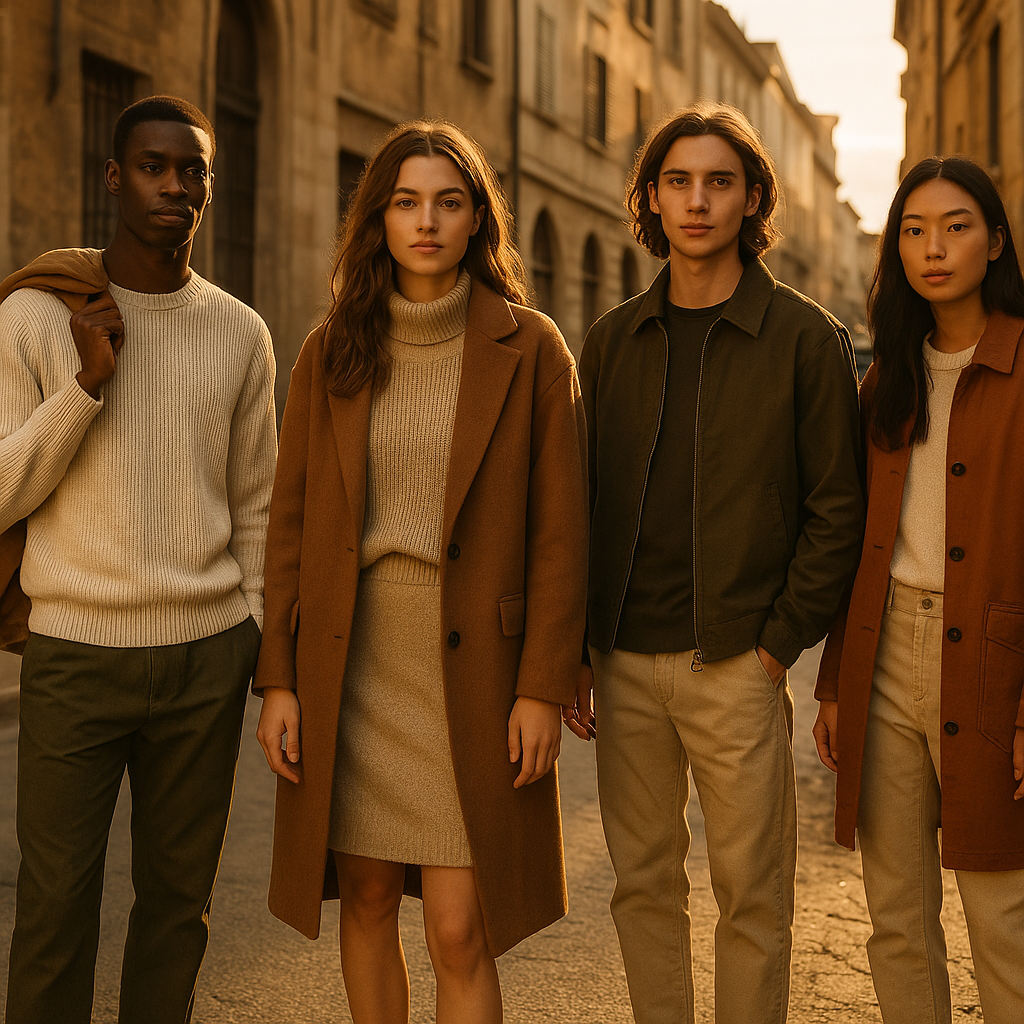
The conversation around sustainable fashion brands has shifted dramatically. It used to mean scratchy hemp totes and shapeless linen shirts. Not anymore. The labels doing the most important work in 2026 are producing pieces that could sit comfortably in any high-end wardrobe, without the ethical compromise that typically comes with fast fashion. This is a curated edit of the brands worth your attention and your money.
Why Sustainable Fashion Brands Matter More Than Ever
The fashion industry remains one of the most polluting on the planet, and greenwashing has made it harder than ever to separate genuine progress from marketing spin. Real sustainability covers supply chain transparency, material sourcing, fair wages for garment workers, and end-of-life responsibility for clothing. The brands listed here are doing more than printing an eco-logo on their swing tags. They have audited factories, recycled material programmes, and clothing that is actually built to last.
It is also worth noting that sustainability does not exist in isolation. When renovating older spaces to house studio shoots or brand pop-ups, for instance, responsible brands are increasingly flagging issues like Artex and Textured Coatings in ageing buildings, as awareness of environmental responsibility now extends well beyond the clothes themselves.
Patagonia: Still Setting the Standard
Patagonia remains the benchmark that every other brand in this space is measured against. Their Worn Wear programme, which repairs and resells garments, has been running for years, but in 2026 it has expanded significantly with dedicated UK drop-off points and a revamped online resale platform. Their fleeces, technical base layers, and outdoor-ready pieces have a timeless quality that means you genuinely wear them for a decade rather than a season. The R1 Air Hoody and their recycled-nylon Torrentshell jacket are standout purchases right now.
Stella McCartney: Luxury Without the Compromise
Stella McCartney has been vocal about ethical fashion since before it was commercially viable to be so. The brand refuses to use leather or fur, relies heavily on organic cotton and regenerative materials, and publishes a full environmental profit and loss account each year. In 2026, their collaboration with Adidas continues to produce some of the most desirable sustainable sportswear on the market, blending performance fabrics with genuinely sharp design. Their knitwear and tailoring lines have also matured into something seriously covetable for anyone who wants to dress with intention.
Pangaia: Science-Led Style
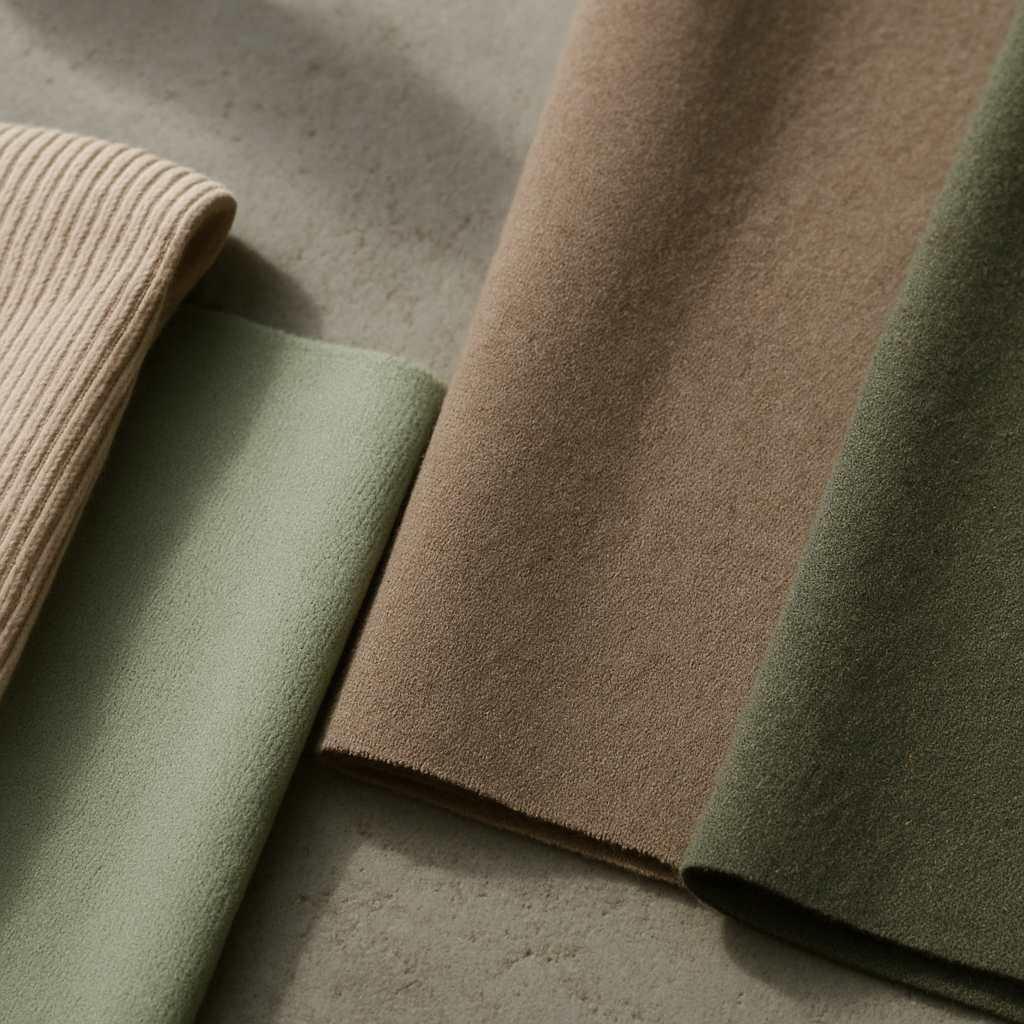
Pangaia sits at the intersection of material innovation and streetwear aesthetics, and it does so without looking remotely clinical. Their signature hoodies and track pants, made using seaweed fibre, recycled cotton, and botanical dyes, have become wardrobe staples for a generation that wants its clothing to carry meaning. The brand publishes detailed impact reports and recently launched a take-back scheme for worn garments. If you want a sustainable fashion brand that feels current rather than worthy, Pangaia delivers consistently.
Veja: The Trainer That Changed the Game
No list of credible sustainable fashion brands in 2026 is complete without Veja. The French label has spent over two decades building a supply chain that is almost entirely transparent, sourcing organic cotton from Brazil, wild rubber from Amazonian cooperatives, and recycled plastic for their soles. They do not run paid advertising, which is how they fund their ethical supply chain instead. The V-10 and Campo silhouettes remain cult favourites, but their newer Condor running shoe has proved that sustainability and serious athletic performance are not mutually exclusive.
Girlfriend Collective: Activewear Done Right
Activewear is one of the most problematic categories in fashion, largely because of the synthetic fibres that shed microplastics with every wash. Girlfriend Collective has tackled this head-on, using post-consumer recycled plastic bottles and fishing nets to create their leggings, sports bras, and shorts. Their size inclusivity is genuine rather than tokenistic, running up to a 6XL across most styles, and the quality holds up through repeated washing without pilling or losing shape. For anyone building an ethical gym wardrobe, this brand is essential.
Nudie Jeans: Denim With a Conscience
Denim is notoriously resource-intensive to produce, which makes Nudie Jeans all the more impressive. The Swedish brand uses only organic cotton, offers free repairs for life at their Repair Shops (including two UK locations), and has a robust resale platform for worn pairs. Their cuts are genuinely flattering, ranging from slim tapered fits to relaxed straight-leg styles, and the washes are updated seasonally to stay on trend. If you are going to spend money on jeans this year, buying a pair built to last a decade is the only decision that makes sense.
How to Shop Sustainable Fashion Brands Without Getting Played
With so many brands claiming sustainability credentials, it pays to ask a few specific questions before you buy. Look for third-party certifications such as GOTS (Global Organic Textile Standard), B Corp status, or Fair Trade accreditation. Check whether the brand publishes its supplier list publicly. Ask whether they have a garment repair or take-back programme. Price is also a signal: genuinely ethical supply chains cost money, so if the price point seems too good to be true, it usually is. The best sustainable fashion brands are not always the cheapest option, but they are the most honest one.
The shift towards conscious consumption is not a passing trend. It is a structural change in how the most informed shoppers in the world are making decisions, and the brands above are the ones keeping pace with that shift while still producing clothing worth getting genuinely excited about.
Frequently Asked Questions
What are the best sustainable fashion brands for everyday wear in 2026?
Brands like Pangaia, Nudie Jeans, and Veja lead the way for everyday sustainable style in 2026. They combine strong ethical credentials with designs that work across casual and smart-casual settings, so you are not sacrificing versatility for values.
How do I know if a fashion brand is genuinely sustainable or just greenwashing?
Look for third-party certifications such as B Corp, GOTS, or Fair Trade accreditation, and check whether the brand publicly lists its manufacturers. Brands that publish detailed environmental or impact reports annually are far more credible than those making vague claims about being ‘eco-friendly’ without evidence.
Are sustainable fashion brands more expensive than fast fashion?
Generally yes, and for good reason. Ethical supply chains, fair wages, and quality materials all cost more to source responsibly. However, the cost-per-wear calculation often favours sustainable brands because their garments last significantly longer than fast fashion equivalents.
Which sustainable activewear brands are worth buying?
Girlfriend Collective is one of the standout options for sustainable activewear, producing leggings, sports bras, and shorts from recycled plastic bottles and fishing nets. Stella McCartney’s collaboration with Adidas also produces high-performance sustainable sportswear that is both functional and stylish.
Can sustainable fashion brands actually keep up with current trends?
Absolutely. Brands like Pangaia, Veja, and Stella McCartney consistently produce pieces that feel current rather than dated. The misconception that sustainable fashion is frumpy or behind the curve is now well out of date, as these labels invest seriously in design alongside their ethical commitments.
Leave a Reply