

There is something quietly radical about getting dressed with intention. Not just throwing on whatever is clean, but actually choosing colours and silhouettes that shift how you feel before you have even left the house. That is the backbone of dopamine dressing colour psychology, a framework that sits at the intersection of fashion, neuroscience and everyday mental wellbeing. And before anyone rolls their eyes at it being a TikTok trend that has already peaked, the science behind it is genuinely compelling.
What Is Dopamine Dressing?
The term refers to dressing in a way that deliberately triggers a positive emotional response. Dopamine, the brain’s reward chemical, gets released when we experience something pleasurable. That rush you feel when you find the perfect pair of trainers or pull on a coat that makes you feel untouchable? That is dopamine doing its thing. Fashion psychologists, including the widely cited Dr Dawnn Karen, have argued that our clothing choices are deeply tied to emotional regulation. What we wear is not superficial. It is a form of self-expression that our brains respond to on a chemical level.
Colour is where it gets really interesting. Research in environmental and applied psychology consistently shows that different colours provoke different physiological and emotional responses. This is not about flattering skin tones or seasonal palettes. It is about how your nervous system literally reacts to what it sees.
The Colour Psychology Breakdown You Actually Need
Understanding dopamine dressing colour psychology starts with knowing what specific colours are doing to your brain and body.
Yellow and Orange: The Energy Colours
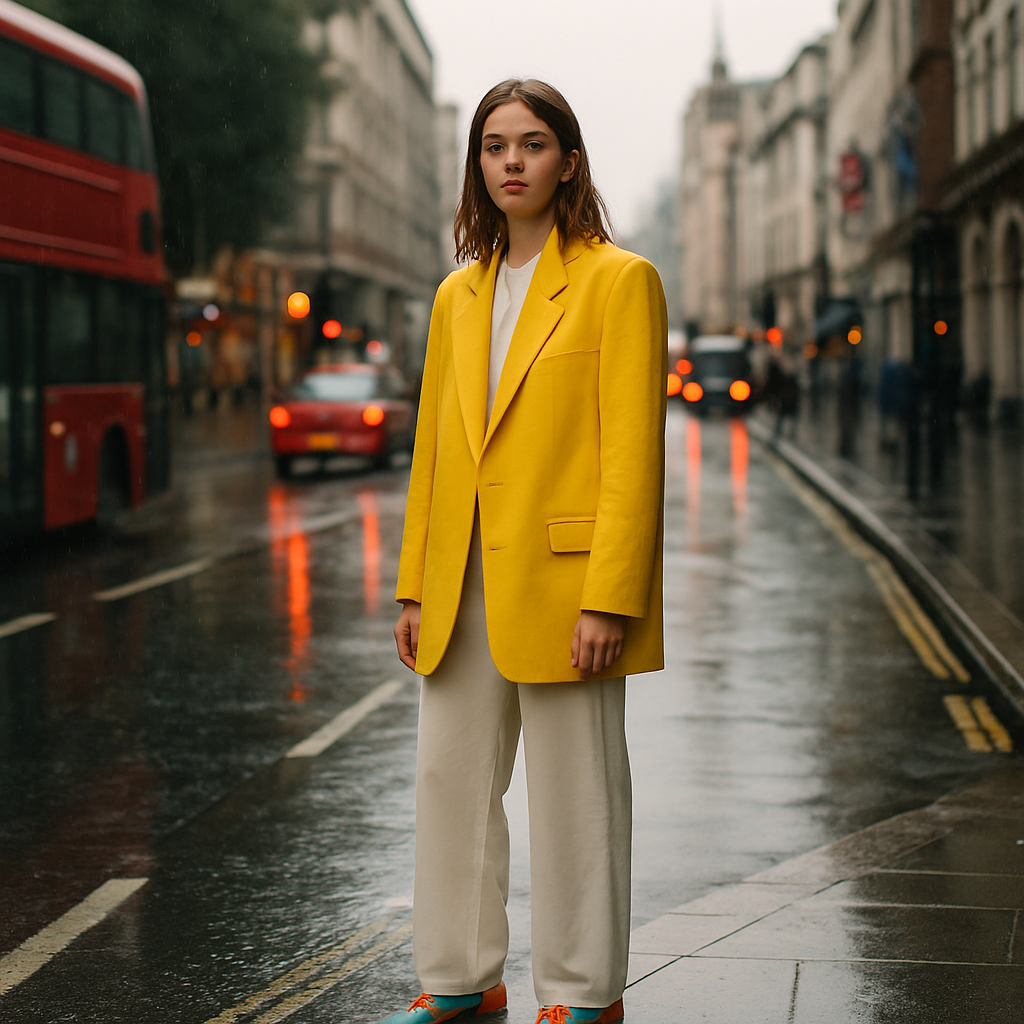
Bright yellows and warm oranges are associated with optimism, warmth and sociability. Studies have shown they stimulate the nervous system and increase energy levels. If you have a presentation, a social event or simply a flat Monday morning ahead of you, reaching for a mustard knit or a burnt orange midi is not vanity. It is a functional mood intervention. High street shops like & Other Stories and Cos have been leaning hard into these tones for good reason.
Red: Confidence on Command
Red is the loudest colour in the spectrum and the research backs up why it commands attention. Wearing red has been linked to increased feelings of confidence and power, and studies suggest it can also influence how others perceive you, particularly in terms of authority and competence. A red blazer or a pair of bold red trainers is not just a style statement. It is armour.
Blue: The Calm Anchor
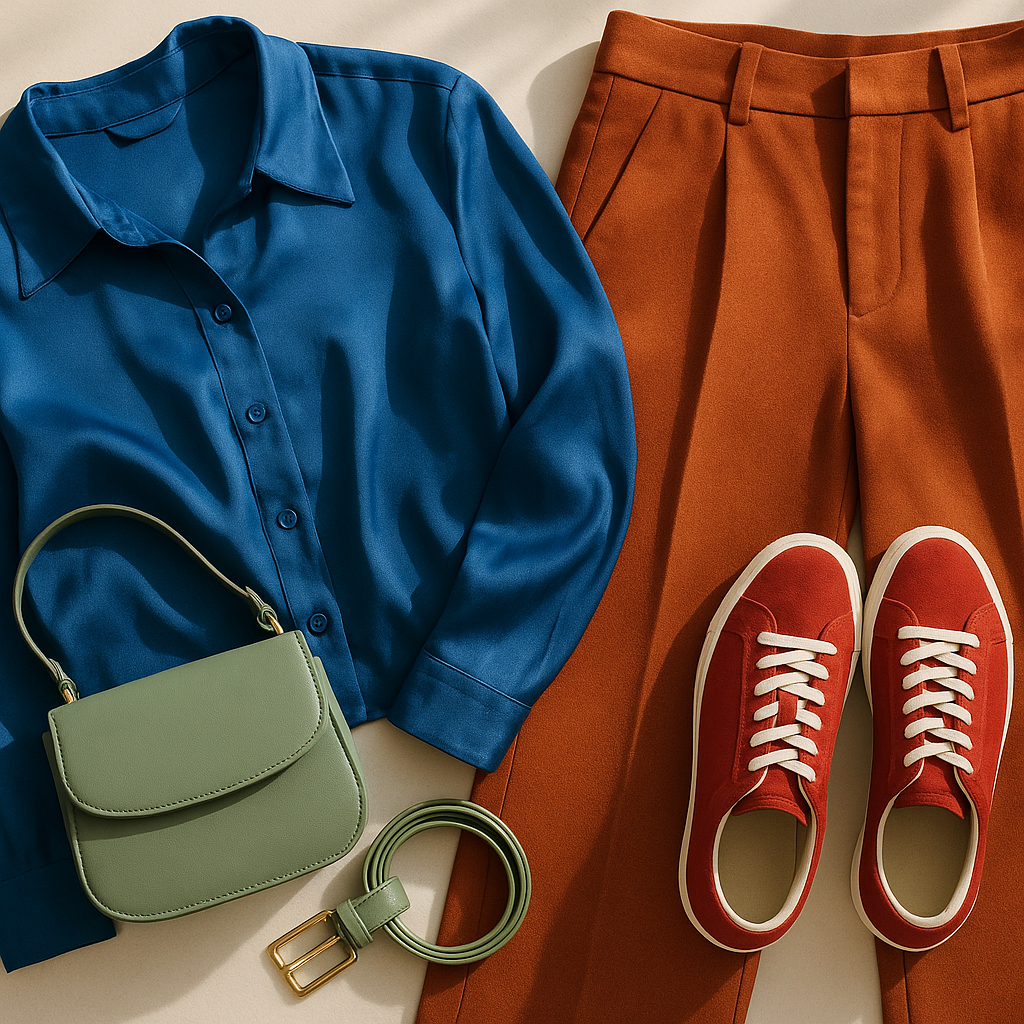
Cool blues lower heart rate and create a sense of calm and trustworthiness. If you are someone who tends to feel anxious before high-stakes situations, incorporating deep navy or cobalt into your outfit might genuinely help regulate your nervous system. It is no coincidence that corporate dressing has leaned on navy for decades.
Green: Balance and Grounding
Green sits at the mid-point of the visible spectrum, which means our eyes process it with the least strain. It is associated with balance, renewal and psychological ease. Sage, forest green and olive tones have dominated UK fashion retail recently, and wellness-adjacent dressing has embraced them for exactly this reason.
Pink and Lilac: The Softness Shift
Softer pinks and lavenders have been shown to reduce feelings of aggression and promote a sense of gentleness and openness. The Barbiecore wave of recent years was not just aesthetic nostalgia. It was people actively reaching for colour to feel something joyful during a particularly heavy cultural moment. That instinct was correct.
Does Dopamine Dressing Actually Work?
The honest answer is: yes, with caveats. The BBC has covered research into colour psychology and mood for years, and the consensus is that while colour alone will not fix deep-rooted mental health challenges, it absolutely influences emotional state in meaningful, measurable ways. The effect is compounded when you genuinely love what you are wearing. That is the enclothed cognition piece, a concept studied by Adam and Galinsky at Northwestern, which found that the symbolic meaning of clothing affects the wearer’s psychological state. Wearing something you associate with confidence makes you feel more confident. Full stop.
For UK shoppers, the grey weather and muted seasonal palette can genuinely suppress mood. Wearing colour is a form of resistance to that. It is not delusional positivity. It is a practical, low-effort wellbeing tool.
How to Actually Build a Dopamine Wardrobe
This is where dopamine dressing colour psychology stops being theory and becomes something you can do on a Saturday morning with a coffee in hand.
Start by auditing what you already own. Pull out the pieces that make you feel something when you put them on. Not the ones you think you should wear, the ones that actually shift your energy. Notice the colours. Notice the silhouettes. Those are your dopamine anchors.
Then think about your life in sections. The days when you need confidence, reach for red or deep plum. The days when anxiety is high, try blue or green. The days when you just want to feel human and soft, lilac and blush are there for you. This is not a rigid system. It is awareness.
Invest in a few key statement pieces rather than an entire wardrobe overhaul. A single bold-coloured coat, a pair of vivid trainers, or a printed co-ord can be the pivot point in an otherwise neutral outfit. High street brands like Arket and Whistles are doing excellent work with considered, intentional colour right now. If budget allows, Ganni and Staud bring bolder energy to the mix.
The Self-Confidence Loop You Did Not Know You Were Creating
Here is the part that makes dopamine dressing genuinely worth taking seriously. It creates a feedback loop. You wear something that makes you feel good. You get a positive reaction from others or simply from your own reflection. That positive experience reinforces the emotional association you have with that colour or outfit. Over time, your brain starts to build a reliable pathway between intentional dressing and feeling capable, present and confident.
That is not trivial. In a culture that is finally taking mental wellbeing as seriously as physical health, understanding that something as accessible as a colour choice can meaningfully shift your internal state is powerful. You do not need a prescription or a retreat in Bali. Sometimes you just need a yellow blazer.
Dopamine dressing colour psychology is not about performing happiness or dressing for other people. It is about using the tools you already have to show up as the version of yourself that handles the day best. That is a very modern, very real form of self-care. And it has the wardrobe to match.
Frequently Asked Questions
What is dopamine dressing and does it actually work?
Dopamine dressing is the practice of choosing outfits specifically to trigger a positive emotional response, using colour, texture and silhouette to influence your mood. Research in colour psychology and enclothed cognition supports the idea that what we wear genuinely affects how we feel, though it works best as a complementary wellbeing tool rather than a standalone solution.
Which colours are best for boosting mood through dopamine dressing?
Yellows and oranges are linked to energy and optimism, red to confidence and authority, blues to calm, and greens to balance. Softer lilacs and pinks can reduce feelings of tension. The most effective colour for you personally will also depend on your individual emotional associations with that shade.
Is dopamine dressing colour psychology backed by science?
Yes, to a meaningful degree. Colour psychology is a well-established area of research in environmental and applied psychology, and the concept of enclothed cognition, studied by Adam and Galinsky, demonstrates that the symbolic meaning of clothing measurably affects psychological performance and mood. It is not pseudoscience, though individual responses to colour can vary.
How do I start building a dopamine dressing wardrobe on a budget?
Begin by identifying which pieces in your current wardrobe already make you feel good, and notice the colours and styles. Then add one or two bold statement pieces, such as a colourful coat or vivid accessories, rather than overhauling everything at once. UK high street brands like Arket, & Other Stories and Cos regularly stock quality colour-forward pieces at accessible price points.
Can dopamine dressing help with anxiety or low mood?
It can support mental wellbeing as part of a broader self-care approach. Wearing calming blues or grounding greens on high-anxiety days, or energising colours when motivation is low, can create a subtle but real shift in emotional state. It should complement, not replace, professional support for more significant mental health challenges.
Leave a Reply