

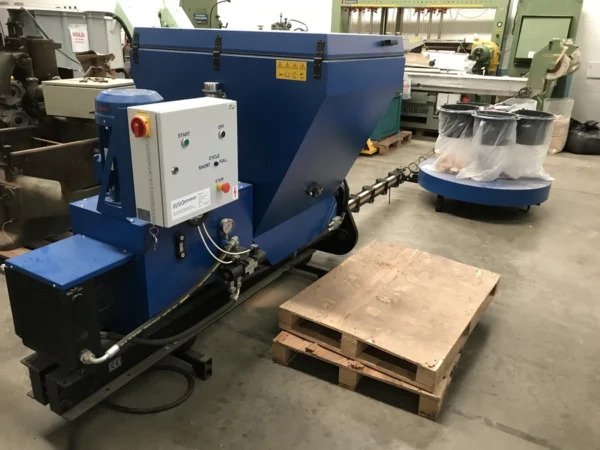
Sustainability is no longer a “nice to have” for UK manufacturers, it’s a commercial, regulatory and reputational priority. Rising waste disposal costs, tightening environmental standards and growing pressure from customers are pushing businesses to rethink how they manage resources. For woodworking and joinery operations in particular, one of the most practical and immediate ways to improve sustainability is through the use of briquette machines.
By converting wood waste into high-density fuel, briquette machines offer a straightforward path to reducing waste, lowering energy costs and improving overall operational efficiency. But their impact goes beyond simple waste management, they play a meaningful role in supporting sustainable manufacturing practices across the UK.
The Challenge: Wood Waste in UK Manufacturing
Woodworking businesses, whether joinery workshops, furniture manufacturers or sawmills, generate significant volumes of waste. This includes:
- Sawdust
- Wood shavings
- Offcuts and chips
Traditionally, much of this waste is collected and sent for disposal, often at a growing cost. Landfill taxes and waste handling charges continue to rise, and transporting waste adds both financial and environmental burden.
At the same time, fine dust can create health risks and operational inefficiencies if not properly managed. This combination of cost, compliance and safety concerns makes wood waste a critical issue for manufacturers aiming to operate sustainably.
What Is a Briquette Machine?
A briquette machine, also known as a briquette press, compresses loose wood waste into compact, solid blocks called briquettes. These briquettes can then be used as a clean-burning fuel source.
The process involves applying high pressure to materials such as sawdust and shavings, binding them together without the need for additional chemicals. The result is a dense, uniform product that is easy to store, transport and use.
Reducing Waste and Supporting Circular Manufacturing
One of the core principles of sustainable manufacturing is the circular economy, keeping materials in use for as long as possible and extracting maximum value from them.
Briquette machines align perfectly with this approach.
Instead of treating wood waste as a disposal problem, businesses can convert it into a usable resource. This closes the loop within the production cycle:
- Waste is generated during manufacturing
- Waste is compressed into briquettes
- Briquettes are reused as fuel for heating
This reduces reliance on external waste disposal services and ensures that materials are utilised more efficiently.
Lowering Carbon Footprint and Emissions
Sustainability in manufacturing is closely tied to carbon reduction. Briquette machines contribute in several ways:
1. Reduced Waste Transport
By processing waste on-site, businesses reduce the need for transportation, cutting fuel consumption and associated emissions.
2. Renewable Fuel Source
Wood briquettes are considered a carbon-neutral fuel when sourced from untreated wood waste. Using briquettes for heating can replace fossil fuels, lowering overall carbon output.
3. Cleaner Combustion
Briquettes burn more efficiently than loose wood waste, producing:
- Less smoke
- Lower particulate emissions
- More consistent heat output
This leads to improved air quality within and around the facility.
Cost Savings and Resource Efficiency
Sustainability is most effective when it aligns with commercial benefits. Briquette machines offer a clear financial case:
- Reduced waste disposal costs – Less material sent off-site
- Lower heating expenses – Self-generated fuel reduces energy bills
- Improved storage efficiency – Compressed briquettes take up less space
Over time, these savings can offset the initial investment in a briquette machine, making it a practical long-term solution rather than just an environmental initiative.
Improving Workplace Health and Cleanliness
Dust management is a major concern in woodworking environments. Fine particles can pose respiratory risks and create a less efficient working space.
By collecting and compressing dust into briquettes, businesses can:
- Reduce airborne particles
- Maintain a cleaner workshop
- Improve overall working conditions
This contributes to both employee well-being and compliance with health and safety standards.
Supporting UK Environmental Regulations
UK manufacturers are increasingly required to meet environmental standards and demonstrate responsible waste management practices.
Briquette machines can support compliance by:
- Reducing waste sent to landfill
- Demonstrating resource efficiency
- Supporting sustainability reporting and ESG initiatives
For businesses working with large clients or public sector contracts, having visible sustainability measures in place can also strengthen credibility and competitiveness.
Suitable Applications Across Industries
Briquette machines are not limited to one type of business. They are widely used across:
- Joinery workshops
- Furniture manufacturing
- Sawmills and timber processing plants
- Construction material suppliers
Whether handling small volumes of dust or larger quantities of waste, there are solutions available to match different operational scales.
Choosing the Right Briquette Machine
To maximise sustainability benefits, it’s important to select a machine that fits your specific requirements. Key considerations include:
- Volume of waste generated
- Type and consistency of material
- Available space within the workshop
- Desired briquette output
Working with an experienced supplier ensures that the system is properly matched to your operation, avoiding underperformance or unnecessary costs.
The Bigger Picture: Sustainability as a Competitive Advantage
Adopting sustainable practices is no longer just about compliance, it’s about staying competitive.
Customers, partners and stakeholders increasingly favour businesses that can demonstrate environmental responsibility. By investing in solutions like briquette machines, manufacturers can:
- Strengthen their brand reputation
- Improve operational efficiency
- Future-proof their business against regulatory changes
In this context, briquetting is not just a waste solution, it’s a strategic investment.
Conclusion
Briquette machines offer UK manufacturers a practical and effective way to support sustainable operations. By turning wood waste into a valuable energy source, businesses can reduce costs, lower emissions and improve efficiency, all while aligning with modern environmental expectations.
For woodworking and timber-based industries, the transition to briquetting represents a clear step towards a more circular, responsible and commercially viable future.
Frequently Asked Questions
Most briquette machines are designed to process untreated wood waste, including sawdust, shavings and small chips. It’s important to avoid materials with contaminants or chemicals.
Yes, when produced from clean wood waste, briquettes are considered a renewable and carbon-neutral fuel source, making them an environmentally responsible alternative to fossil fuels.
This depends on the model, but many machines are compact enough to fit within standard workshop environments. Larger operations may require higher-capacity systems with more space.
In many cases, yes. Briquettes can be used in suitable heating systems and can significantly reduce reliance on gas or oil, depending on the setup.
Yes, there are machines designed specifically for smaller operations, allowing even low-volume producers to benefit from waste reduction and energy savings.