

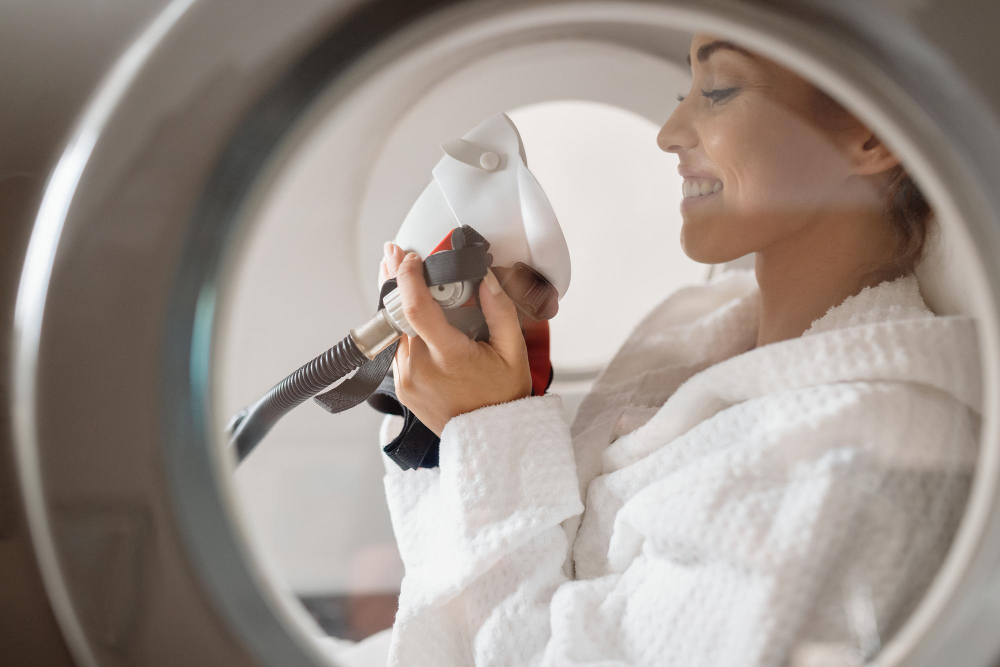
If you search today for “hyperbaric oxygen chamber near me,” you’ll notice something interesting.
It’s no longer just athletes or injury recovery patients exploring hyperbaric oxygen therapy (HBOT)—many people are now asking:
Can it help with anxiety, depression, or mental wellbeing?
In the UK, where mental health awareness is rising and NHS services are under pressure, people are increasingly exploring complementary therapies alongside traditional treatments.
But here’s the key question:
Is HBOT actually effective for mental health—or just another wellness trend?
Let’s break it down using UK-backed guidance and real scientific evidence.
What the NHS Says About Hyperbaric Oxygen Therapy
According to NHS England, hyperbaric oxygen therapy is a specialised treatment where patients breathe oxygen under increased pressure, allowing more oxygen to dissolve into the bloodstream.
However, there’s an important distinction:
HBOT is currently commissioned by the NHS only for specific medical conditions, such as:
- Decompression illness
- Gas embolism
- Carbon monoxide poisoning
And critically:
It is NOT routinely commissioned by the NHS for mental health conditions like anxiety or depression.
This tells us one thing clearly:
HBOT is not a first-line mental health treatment in the UK.
Why People Are Exploring HBOT for Mental Health
Despite NHS limitations, interest in hyperbaric oxygen therapy is growing rapidly.
Why?
Because mental health conditions such as anxiety and depression are often linked to:
- Brain inflammation
- Reduced oxygen supply to tissues
- Impaired neuroplasticity (brain repair ability)
HBOT directly targets these biological processes by:
- Increasing oxygen delivery to the brain
- Supporting tissue repair
- Potentially enhancing brain function
This is where the curiosity—and opportunity—comes from.
What Does the Research Say? (Evidence Explained Simply)
1. Early Evidence Shows Potential Benefits
Some clinical and experimental studies suggest HBOT may:
- Improve cognitive function and fatigue (e.g., post-viral conditions like long COVID)
- Support brain recovery and neuroplasticity
2. Studies Linked to Depression & Anxiety
- Research indicates HBOT may reduce depressive symptoms, particularly in conditions like post-stroke depression
- Experimental models also show improvements in depression-like behaviour and stress response
3. PTSD & Anxiety-Related Findings
- Some trials show HBOT improving anxiety-related behaviours and PTSD symptoms
Important Reality Check
While the research is promising, it’s crucial to stay grounded.
Most studies:
- Are small-scale or condition-specific
- Focus on neurological injury (e.g., stroke, trauma)
- Require more large-scale human trials
UK regulatory stance:
- Advertising claims around HBOT treating mental health have been challenged when overstated
NHS approach:
- Recommends evidence-based treatments first, such as therapy and medication
Conclusion:
HBOT should be viewed as a complementary approach—not a replacement.
So, Can HBOT Help with Anxiety or Depression?
Here’s the most accurate, balanced answer:
It may help by:
- Supporting brain oxygenation
- Improving energy and fatigue
- Enhancing recovery in certain neurological conditions
But it is not:
- A standalone cure
- An NHS-approved treatment for mental health
- A replacement for therapy or medication
Think of it as:
A supportive tool, not a primary solution.
How HealthPod Helps You Make the Right Decision
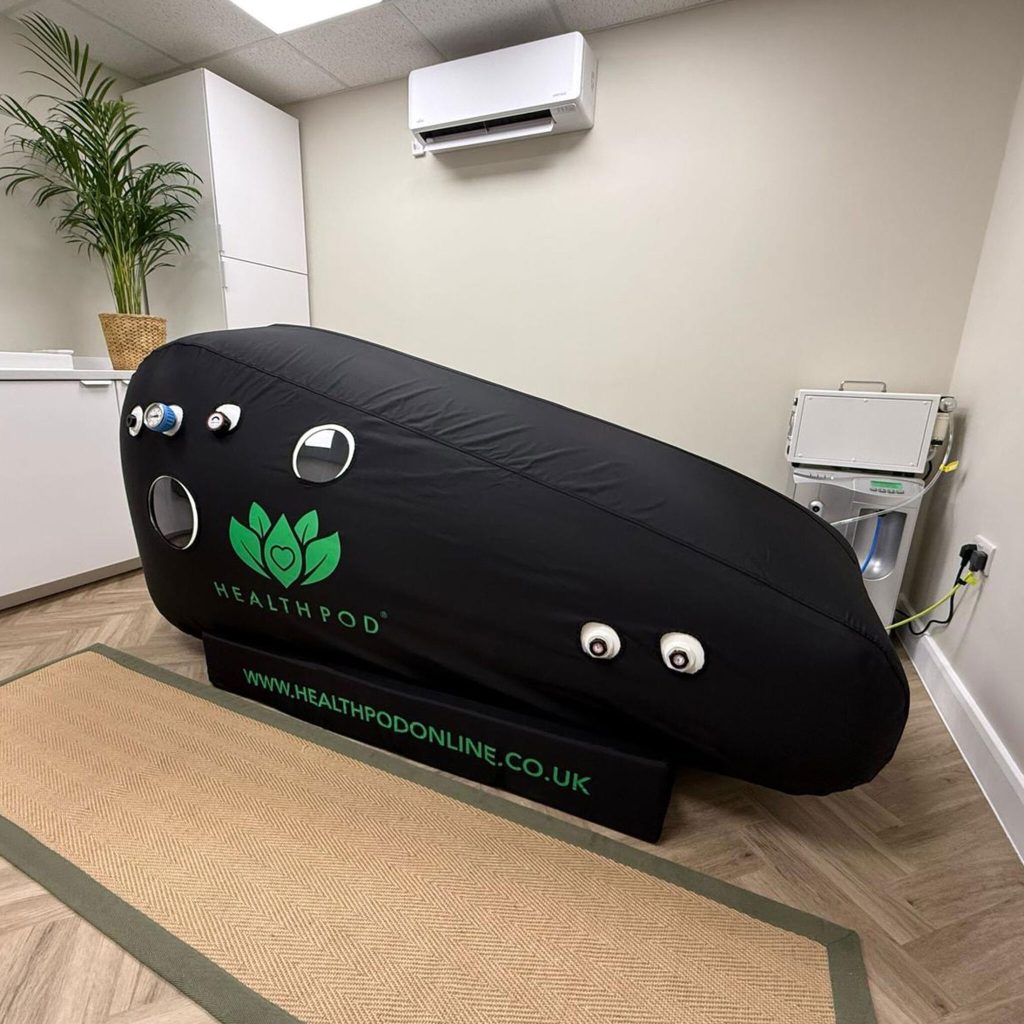
With so much mixed information online, it’s easy to feel overwhelmed.
That’s why HealthPod focuses on one thing:
Helping customers make informed decisions about HBOT
Instead of pushing immediate purchases, HealthPod supports you in understanding:
- Whether HBOT fits your goals
- What results are realistic
- How to use it safely alongside other treatments
Try Before You Buy: 3-Month Rental Option
For mental health and wellness users, uncertainty is common.
That’s why HealthPod offers a 3-month rental option at a lower cost, allowing you to:
- Experience hyperbaric oxygen therapy at home
- Track your personal response
- Decide without long-term commitment
This is especially valuable for those exploring HBOT for:
- Stress and recovery
- Energy and brain fog
- Overall wellbeing
Final Thoughts: Evidence, Expectations & Smart Decisions
The interest in hyperbaric oxygen therapy for anxiety, depression, and mental health is real—and growing.
But the facts are clear:
- The NHS does not currently recommend HBOT for mental health conditions
- Research is promising but still evolving
- It works best as a complementary therapy, not a replacement
So, what’s the smart approach?
- Stay informed
- Set realistic expectations
- Start with low-risk options
With HealthPod, you don’t have to guess.You can explore, test, and evaluate HBOT safely—whether you’re searching for a “hyperbaric oxygen chamber near me” or considering long-term home use.
Because when it comes to your mental health, the goal isn’t just trying something new—It’s making the right decision with confidence.
FAQs
No, the NHS does not currently approve hyperbaric oxygen therapy as a standard treatment for depression or anxiety.
Some studies suggest HBOT may support brain function and reduce symptoms in certain conditions, but it is not a primary treatment.
No. HBOT should only be used as a complementary therapy, alongside professional mental health care.
Due to limited NHS access and growing wellness trends, more people are exploring private or home-based HBOT options.
Yes, companies like HealthPod offer 3-month rental options, allowing you to try HBOT at home before committing.
Leave a Reply