

Something has quietly shifted on the shelves. Walk into a Boots on any high street right now and you’ll notice it immediately: the packaging has changed. Gone are the soft-focus florals and vague promises of “radiance” and “glow”. In their place, bold sans-serif fonts, percentages, acronyms, dropper bottles with clinical amber glass, and ingredient lists that read less like a label and more like a prescription. This is the direction UK wellness beauty trends in 2026 are heading, and honestly, it makes complete sense.
British consumers have had enough of the lifestyle fluff. After years of being sold the idea of wellness through dreamy branding and aspirational imagery, there’s a real appetite for substance. What’s actually in the bottle? What does it do? At what percentage does it work? These are the questions I hear more and more, and the brands paying attention are the ones winning right now.
Why ingredient-led beauty is taking over UK shelves
The shift didn’t happen overnight. It’s been building since the early 2020s, when a generation of skincare-literate shoppers raised on Reddit threads, BBC Health features and dermatologist-backed social content started demanding transparency. Brands like The Ordinary cracked the code early: strip everything back, name the ingredients plainly, price them accessibly, and trust that the consumer is intelligent enough to understand what niacinamide or azelaic acid actually does.
That model has rippled outward in ways even the most optimistic observers wouldn’t have predicted. Boots’ own-label ranges, including No7 and Ingredients by Boots, have repositioned significantly. Ingredients by Boots in particular reads almost like a compounding pharmacy catalogue: each product named after its key active, concentration listed prominently, no unnecessary extras. I picked up their 0.3% retinol serum last spring and the packaging alone signalled something different. It felt like a medical-grade product at a high-street price, which is precisely the point.
The apothecary aesthetic and what it actually signals
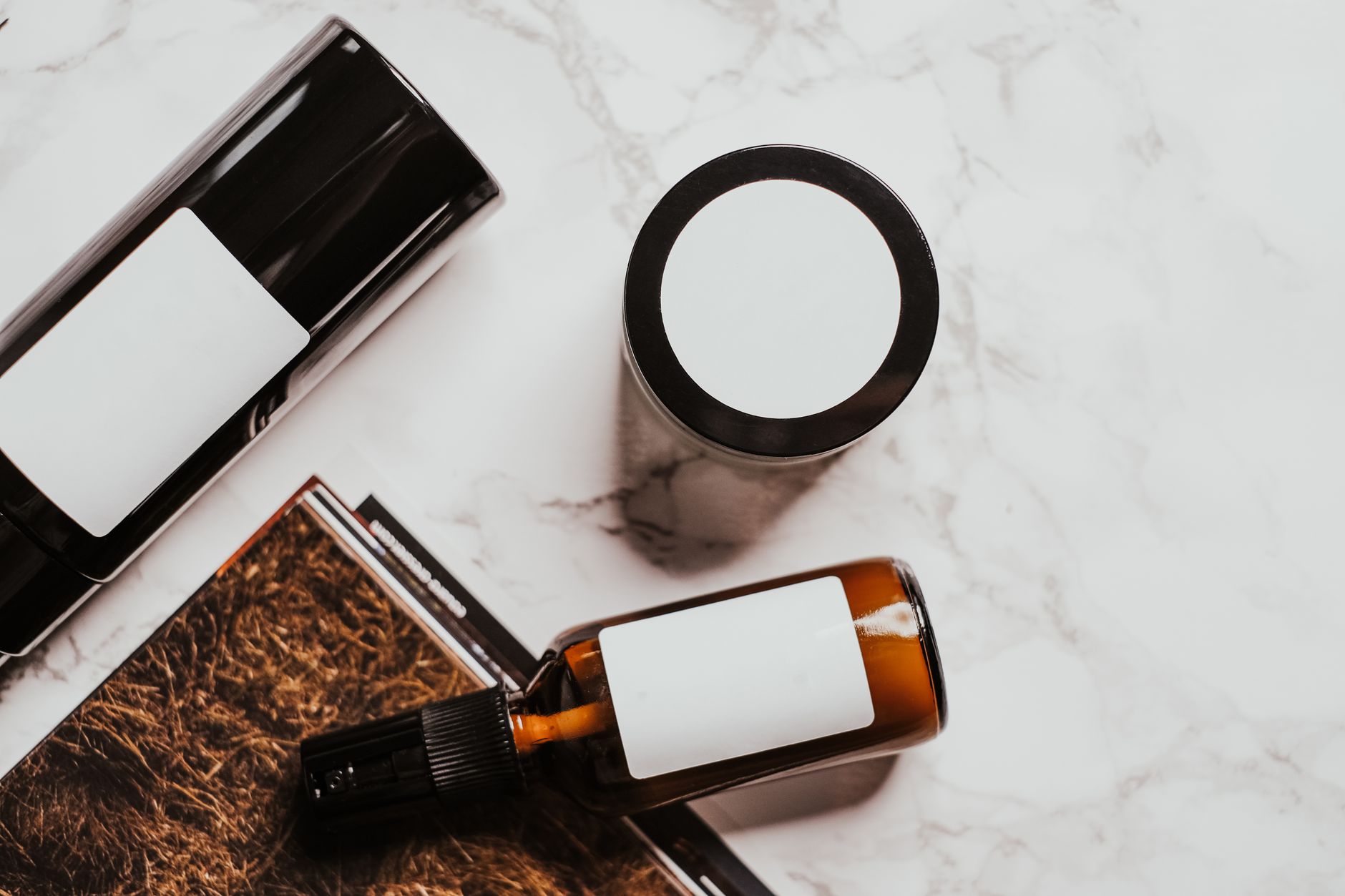
Visually, the apothecary look has become shorthand for trustworthiness. Amber or frosted glass, muted cream or black labels, serif or clinical sans-serif typography, Latin ingredient names or INCI listings given pride of place. Independent brands like Allies of Skin, Medik8 and Skin + Me have been doing this for a while. What’s new is seeing the aesthetic filter down to mid-market and own-label products, which tells you the audience has genuinely shifted, not just the aesthetic trend-chasers.
There’s a broader cultural conversation here too. I’ve written before about how British wellness spaces are ditching clinical white for moody, tactile interiors, and the same logic applies to product packaging. The apothecary look communicates care, heritage and precision simultaneously. It borrows authority from the chemist’s shelf without the sterility. That’s a very specific tonal sweet spot and British brands are hitting it well.
According to the ONS, health product spending among UK adults has risen consistently, and within that, premium skincare and functional wellness products are among the fastest-growing subcategories. The numbers back up what you can see with your own eyes in any Boots or Space NK.
Science-backed storytelling versus lifestyle aspiration
The storytelling has changed as much as the packaging. A few years ago, a moisturiser was sold on how it would make you feel, the texture, the ritual, the woman-laughing-alone-with-salad energy of it all. Now the conversation is about mechanisms. Does it increase cell turnover? Does it repair the skin barrier? Does it inhibit melanin production? Brands are essentially running a low-key education campaign alongside their product launches, and British consumers are absorbing it.
Skin + Me, for example, built their entire model around a dermatologist-led prescription process, with custom formulations dispensed in clinical-looking boxes. It’s not cheap, but it sold out its waiting list positions within hours of certain campaign launches. The hunger for that level of specificity is real. If you want to understand what the medical-grade tier looks like through your GP or an online clinic, prescription skincare in the UK has become far more accessible than most people realise.
Independent apothecary brands are doing something slightly different to the big players: they’re combining ingredient honesty with artisan craft. Herbfarmacy in Herefordshire, Haeckels in Margate, Tonic Botanics out of Edinburgh. These businesses are transparent about their sourcing, their formulations and their ethics simultaneously. The packaging reflects all three: spare, confident, grounded. Nothing shouts, everything informs.
What this means for the British shopper
The practical upshot is that you now have more tools to make genuinely informed purchases than at any previous point. Ingredient databases like INCI Decoder are mainstream. Dermatology-adjacent content is normalised. The idea that you’d spend £40 on a face cream without checking what’s actually in it feels increasingly naive in 2026.
I’d argue this is one of the more quietly positive UK wellness beauty trends of 2026: the consumer is smarter and the brands are having to match that intelligence. The lifestyle-fluff era isn’t entirely dead, but it’s clearly on the back foot. When Boots positions its own-label skincare around percentages and actives, you know the mainstream has caught up.
The connection to broader wellness thinking is direct. British women in particular are increasingly bringing the same critical lens they’d apply to nutrition or hormone health conversations to what they put on their skin. It’s all part of the same shift toward taking self-care seriously rather than decoratively. And the brands that understand that aren’t just selling better products; they’re building real trust, which is considerably harder to fake than a pretty label.
The chemist’s shelf used to feel functional and uninspiring. Right now, it might be the most interesting place in British beauty.
Frequently Asked Questions
What does ingredient-led beauty mean and why is it trending in the UK?
Ingredient-led beauty means products are marketed primarily around their active ingredients, concentrations and mechanisms rather than vague lifestyle promises. It’s trending in the UK because consumers are better educated about skincare science and are actively seeking transparency over aspirational branding.
Which UK high-street brands are leading the clinical packaging trend in 2026?
Boots’ Ingredients by Boots range is one of the clearest examples, naming products after their key actives and listing concentrations prominently. No7 has also repositioned significantly, and brands like Medik8 and Skin + Me continue to set the standard at the premium end.
Is clinical or pharmacy-style packaging actually a sign of a better product?
Not automatically, but it does usually signal a brand willing to be transparent about what’s inside, which is a positive indicator. The key is to cross-reference the ingredient list with independent databases like INCI Decoder and, where possible, look for products backed by dermatologist recommendations.
What is the apothecary aesthetic in beauty and wellness?
The apothecary aesthetic refers to a visual and tonal approach that borrows from traditional pharmacy and compounding dispensary design: amber glass, minimal labelling, Latin or INCI ingredient names, muted colour palettes, and a general air of clinical precision. It communicates trust and craft simultaneously.
How can UK shoppers use ingredient transparency to make better skincare choices?
Start by learning the key actives relevant to your concerns, such as retinol for cell turnover, niacinamide for barrier support, or azelaic acid for pigmentation. Use free resources like INCI Decoder to check full ingredient lists, and don’t be swayed by price alone; some of the most effective products are available at Boots for under £15.