

There is something nobody tells you about loss. Whether it is the death of someone you loved, the end of a marriage, or one of those seismic life shifts that rearranges everything, one of the first things to go is your relationship with getting dressed. I have heard this from enough women to know it is not a small thing. The wardrobe becomes a site of grief. The clothes that belonged to a version of you that no longer exists just hang there, accusatory, waiting.
In the UK, a growing number of therapists and style consultants are working specifically at the intersection of fashion and emotional wellbeing, helping women navigate identity rebuilding through the very practical, very intimate act of choosing what to wear. It sounds unlikely until it does not.
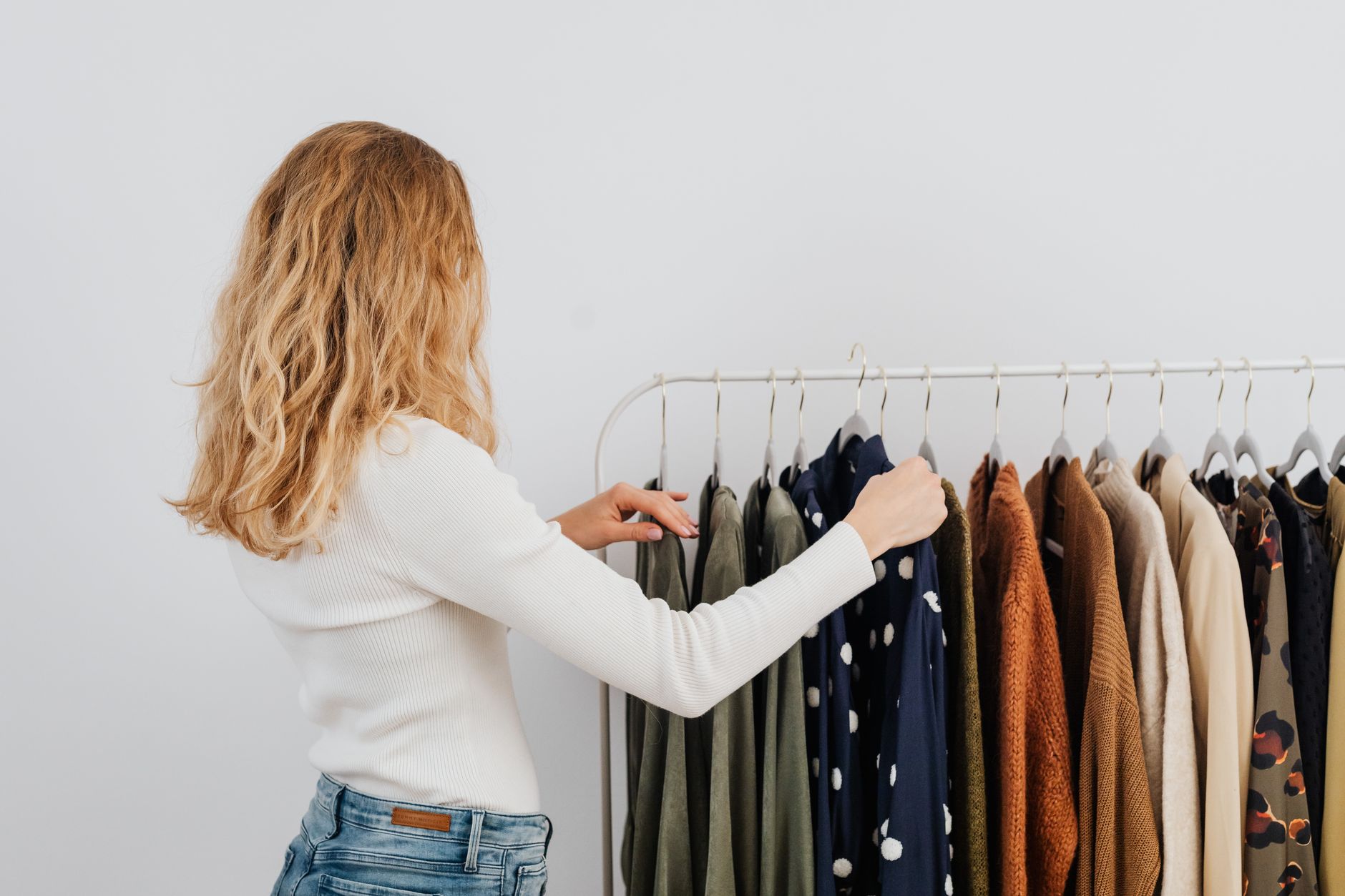
Why clothing carries emotional weight after loss
The psychology here is well established. Clothing is one of the most immediate ways we signal identity, both to ourselves and to the world. When that identity is fractured by bereavement, divorce, or a major life change, the wardrobe stops making sense. You stand in front of it and nothing fits, not because the clothes have changed size, but because you have.
Dr. Dawnn Karen, who coined the term “mood illustration” in dress psychology, has written extensively about how clothes can either anchor us in old identities or help us move towards new ones. In the UK context, therapists like those affiliated with the British Association for Counselling and Psychotherapy are increasingly incorporating somatic approaches into grief work, which include the body and by extension what covers it.
What I find compelling about this is how unglamorous the reality often is. One London-based style consultant who works with women post-divorce described her clients wearing the same three outfits on rotation for months. Not because they lacked clothes, but because decision fatigue, combined with a collapsed sense of self, made choosing feel impossible. The wardrobe paralysis is real, and it matters.
The stages of a grief wardrobe
I have started to think of it in phases, drawn from conversations with women who have been through it.
The first phase is contraction. Everything gets smaller. Colours mute. Comfort wins over everything else. You reach for the softest, most enveloping things you own. This is not laziness or giving up; it is the body protecting itself. Several therapists I have read about describe this as legitimate self-regulation. Let it happen.
The second phase is confusion. You might attempt to dress “normally” and feel completely alienated from your own reflection. This is the phase where women often make impulsive wardrobe decisions they later regret: a total clear-out, a completely new aesthetic that feels borrowed rather than earned. Style consultants who specialise in life transitions often advise waiting here rather than acting.
The third phase, when it comes, is experimentation. This is where the real identity work begins. Trying on a colour you would never have worn before. Buying a piece that belongs entirely to the new chapter. This is where the relationship between fashion and emotional wellbeing shifts from reactive to generative.
What UK style therapists actually do in practice
The role is not a personal shopper and not a counsellor, though it borrows from both. A style therapist might spend the first session simply sitting with a client in front of their open wardrobe, not touching anything, just talking about what each piece means. Which ones belonged to the marriage? Which ones pre-date it? Which ones were worn on the day everything changed?
There is a powerful exercise some practitioners use called the “identity audit”. You separate your clothes into what still feels like you, what feels like a character you no longer play, and what you have never quite known why you kept. The third pile is often the most revealing.
For women rebuilding after bereavement specifically, the clothes of the deceased are their own complex territory. Grief counsellors and style consultants sometimes work together here. Keeping, repurposing, donating: each choice carries meaning, and none of them is wrong. One approach I find particularly thoughtful is the idea of keeping one textile piece, a scarf, a jumper, something tactile, and integrating it into your own wardrobe rather than boxing everything away or rushing to clear it out.
Divorce brings different but equally charged dynamics. Clothes bought during a relationship can feel contaminated. Clothes bought independently, before or during or after, can feel like the only solid ground. Several women have told me that buying their first piece of clothing post-separation, something chosen entirely for themselves with no one else’s opinion in the room, was quietly significant. Small, but significant.
Colour, identity and the science of dressing intentionally
There is a reason that the language of grief so often defaults to colour. Black for mourning, white for new beginnings, the whole spectrum carrying cultural weight. If you have ever thought about how the colours you reach for shift during difficult periods, you are picking up on something real. Research in environmental psychology suggests that colour genuinely affects mood and self-perception, and dressing with intention around colour is one of the most accessible tools available.
This connects to the broader idea that getting dressed is not a neutral act. It is, for better or worse, a daily negotiation with identity. If you are curious about understanding colour more personally, there is a useful guide on finding your personal colour season without an expensive analysis that approaches this from a style perspective rather than grief specifically, but the underlying idea, that colour is deeply personal and worth understanding, absolutely applies.
There is also something worth saying about what I think of as “armour dressing”. The deliberate choice to wear something powerful on a day when you need to walk into a difficult room. A job interview post-redundancy. A first family occasion as a single person. A court date. Many women who have been through major transitions describe dressing strategically for these moments as a form of self-respect. The clothes carry intention. That is not superficial; that is craft.
The case for treating your wardrobe as a tool for wellbeing
I think the wider culture has been slow to take this seriously because fashion is still treated as shallow, especially when it sits next to something as weighty as grief. But the intersection of fashion and emotional wellbeing UK is a legitimate space, occupied by real practitioners doing real work. The body is where we live. What we put on it is not trivial.
The emerging conversation around how women over 40 are rewriting the style and wellness rulebook touches on some of this, particularly the rejection of the idea that dressing is purely aesthetic. Clothes are tools. They can confine or they can liberate. After loss, choosing liberation is an act of will, and it is worth treating it as one.
If you are in a period of transition right now, my honest take is this: do not rush the wardrobe. Do not clear everything out on day three of a new chapter. Let yourself wear the soft things for a while. And when experimentation starts to feel interesting rather than overwhelming, pay attention to that. It is usually a signal that something in you is ready to move.
Fashion and emotional wellbeing are not separate conversations. In the most human way possible, they have always been the same one.