

There’s a particular kind of frustration that hits when you’re standing at a museum gift shop, three hours into a city exploration, and your feet are screaming at you because you wore the wrong shoes. You knew it before you left the flat. But the alternatives felt too clinical, too sport-heavy, too much like you’d wandered in from a hiking forum. This is the central tension of functional fashion for city walkers who hate ugly shoes, and honestly, it’s one that the fashion industry has only recently started taking seriously.
The good news is that 2026 is a genuinely exciting time to be navigating this problem. Brands are no longer treating comfort and style as opposites. The conversation has matured, and the options available now, at every price point, are significantly better than they were even three years ago. So let’s get into what actually works.
Why Urban Walking Demands More From Your Wardrobe
City walking isn’t a gentle stroll. Depending on where you are, you might cover anywhere from five to fifteen kilometres in a single day without thinking much about it. Cobblestones, kerbs, underground station stairs, wet pavements, and the occasional sprint across a road before the light changes. Your shoes and your outfit are working hard. The issue with purely fashion-forward choices is that they often ignore the physical demands of all this movement. The issue with purely functional choices is that they tend to look like you’ve just come from a race briefing.
The sweet spot exists. You just need to know where to look and what to prioritise.
Start With the Shoes, Because Everything Flows From There
This isn’t negotiable. Your shoes set the tone for your entire outfit and, more critically, determine whether you’ll still be enjoying yourself at 4pm. The shift towards what’s often called “intelligent footwear” has been real and significant. Think low-profile trainers with serious cushioning technology hidden inside a silhouette that reads as clean and minimal. Brands across the mid-to-high end have been engineering soles that absorb impact properly without adding bulk.
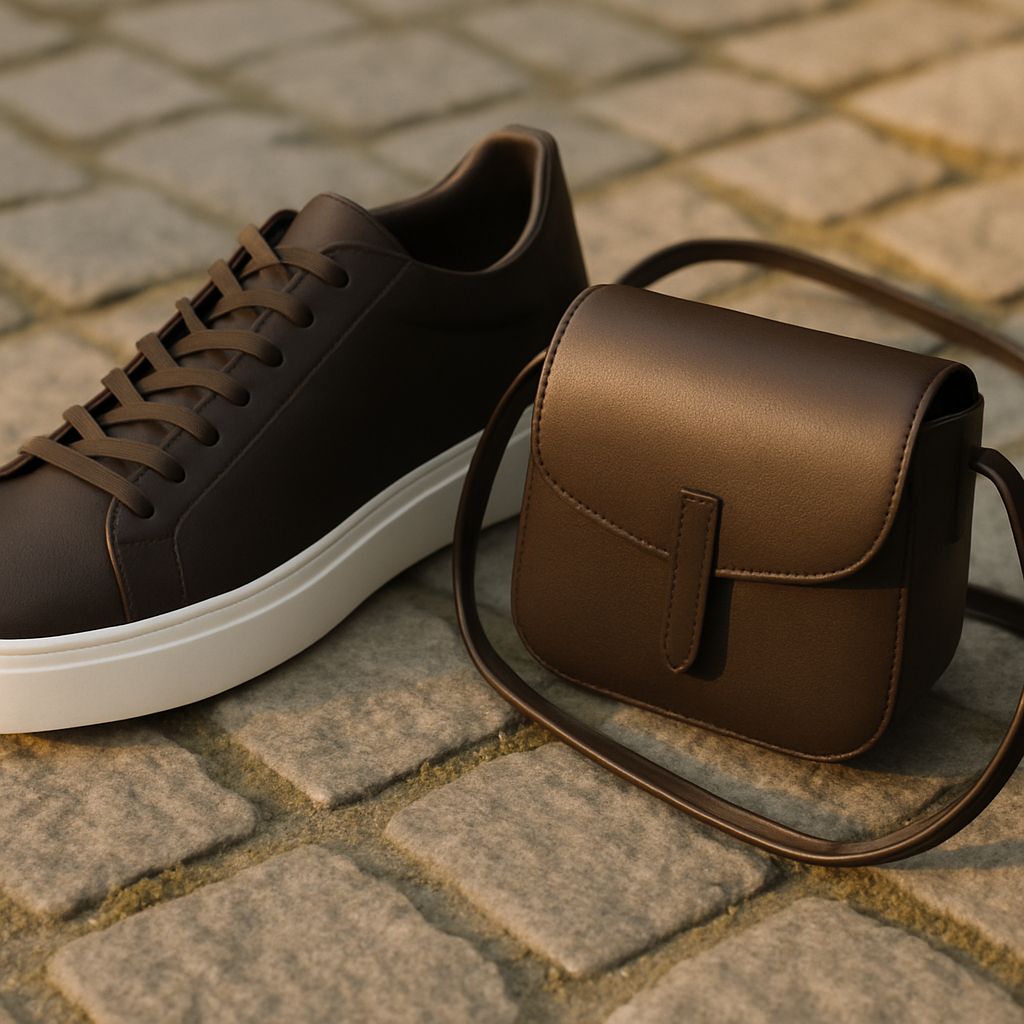
Look for shoes with a leather or suede upper if you want something that ages well and reads as smart-casual rather than sporty. A clean white or tonal sole keeps things versatile. The internal structure matters more than most people realise. A shoe with a proper heel cup, arch support, and a cushioned midsole can look completely ordinary from the outside while performing like a proper walking shoe on the inside.
Avoid anything with an overly chunky platform unless you’re certain of the cushioning quality, since height without proper support is just punishment in a different form. And steer clear of stiff leather-soled dress shoes for long days. They look excellent but they’ll ruin you.
Building the Rest of the Outfit Around Movement
Once the shoes are sorted, the rest of your city walking wardrobe becomes considerably easier to think through. The key principle is that nothing should restrict you. This sounds obvious, but it rules out a lot of things people reflexively reach for.
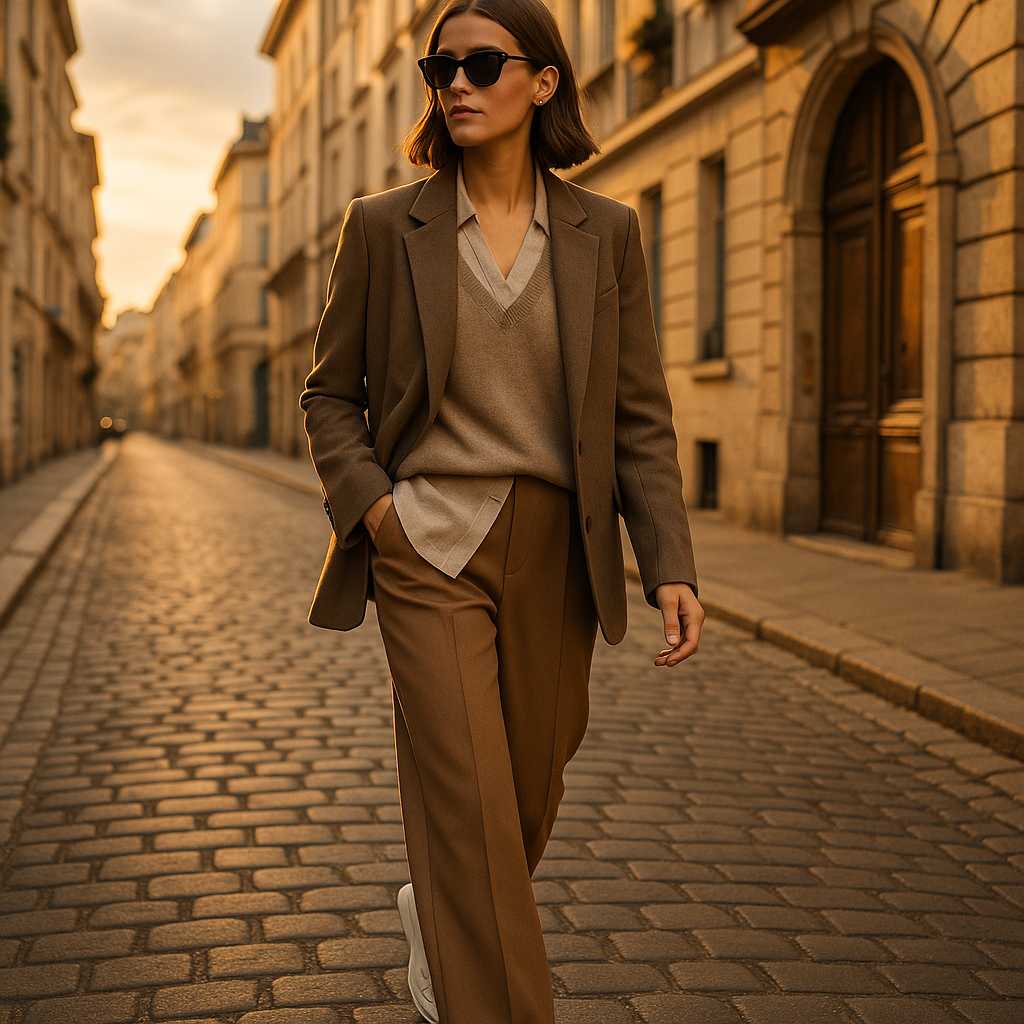
Trousers with any kind of stretch content, even just two to three percent elastane in a tailored cut, make a significant difference over a long day. They still look sharp, they still hold a crease, but you’re not fighting your own clothing when you take a bigger step or climb stairs. Wide-leg cuts are having a sustained moment right now and they’re genuinely practical, offering full freedom of movement with a silhouette that photographs beautifully against city architecture.
For tops, layering is the city walker’s best friend. A breathable base layer, a light knit or overshirt, and a packable outer layer cover you across most urban weather scenarios without turning your outfit into a logistical exercise. Merino wool is worth the investment here. It regulates temperature properly, doesn’t hold odour the way synthetic fabrics do, and looks refined rather than technical.
The Bag Situation
Carrying things badly will destroy an otherwise excellent outfit and also cause you physical discomfort. A heavy tote hanging off one shoulder for eight hours is going to make itself known. Crossbody bags have dominated for good reason; they distribute weight evenly, keep your hands free, and a well-made leather crossbody reads as completely put-together. Structured mini backpacks have also crossed over from purely practical into genuinely stylish territory, particularly in neutral tones or interesting textures.
Whatever you choose, make sure it’s not fighting you. Zips that stick, straps that slip, bags that gape open; these are small irritations that compound badly over a long day of walking. Functionality here is as much about the details as the shape.
Socks Are Not Trivial
They really aren’t. A good sock with proper cushioning in the right zones can extend your comfortable walking range by a meaningful amount. This is functional fashion for city walkers who hate ugly shoes at its most granular: the stuff you can’t see is doing serious work. Merino or bamboo blends tend to outperform cotton for urban walking because they manage moisture better and don’t bunch up inside the shoe. Wear the wrong socks with the right shoes and you’ve undercut yourself entirely.
What to Actually Avoid
Novelty aside, certain things consistently fail the city walking test regardless of how good they look on the rack. Brand new shoes worn for the first time on a long day are the most obvious one. Break them in first. Stiff jeans with no give are another, as is anything with a very fitted hem that restricts your stride. Very high heels are fine for an evening when you know you’ll be sitting most of the time, but they’re not a city walking choice unless you’re genuinely built for them and have made your peace with the consequences.
The broader point is this: functional fashion for city walkers who hate ugly shoes is not about compromise. It’s about being more deliberate. The brands doing interesting work in this space are proving that you don’t have to choose between looking like yourself and being able to walk home without wincing. That’s not a small thing. Your city is best experienced when your feet aren’t the only thing you can think about.
Frequently Asked Questions
What are the best shoe brands for stylish city walking in 2026?
Brands like Veja, Common Projects, Clarks’ modern ranges, and On Running’s lifestyle line have all made serious progress in combining clean aesthetics with proper walking support. The key is to look for minimal silhouettes with engineered cushioning rather than obvious performance branding.
How do I choose trousers that look smart but are comfortable for walking all day?
Look for tailored cuts that include a small percentage of stretch fabric, typically two to five percent elastane. Wide-leg styles also offer excellent freedom of movement. Avoid very slim or tapered fits that restrict your stride on longer days.
Is merino wool worth buying for city travel outfits?
Yes, genuinely. Merino regulates temperature across a wide range, resists odour better than synthetic or standard cotton fabrics, and looks refined rather than athletic. It’s particularly useful for base layers and knitwear when you’re covering a lot of ground across changing conditions.
What type of bag works best for long days of city walking?
Crossbody bags are consistently the most practical choice because they distribute weight evenly and keep your hands free. A well-made leather crossbody or structured mini backpack in a neutral tone works across most outfits without looking purely utilitarian.
Do socks really make a difference for urban walking comfort?
Significantly, yes. Socks with targeted cushioning in the heel and ball of the foot reduce impact fatigue noticeably. Merino or bamboo blends manage moisture better than cotton and don’t bunch inside the shoe, which prevents blisters on longer routes.