

Handmade accessories are everywhere right now – and it’s not a coincidence. In a fashion landscape that’s been flooded with disposable trends and identical high-street looks, people are actively turning towards pieces that have genuine craft behind them. This isn’t nostalgia. It’s a deliberate rejection of the mass-produced, and it’s reshaping how the most style-conscious people shop, dress and carry themselves.
What’s Actually Driving the Shift Towards Handmade Accessories?
The conversation around sustainability has matured. Shoppers aren’t just asking where a product was made – they’re asking how, by whom, and with what. That shift in consumer thinking has turbocharged interest in handmade accessories. When you buy something that took a real person hours to construct, you’re not just buying an object. You’re buying decisions – material choices, stitch choices, structural choices – that no algorithm made. That distinction matters to people now more than it ever has.
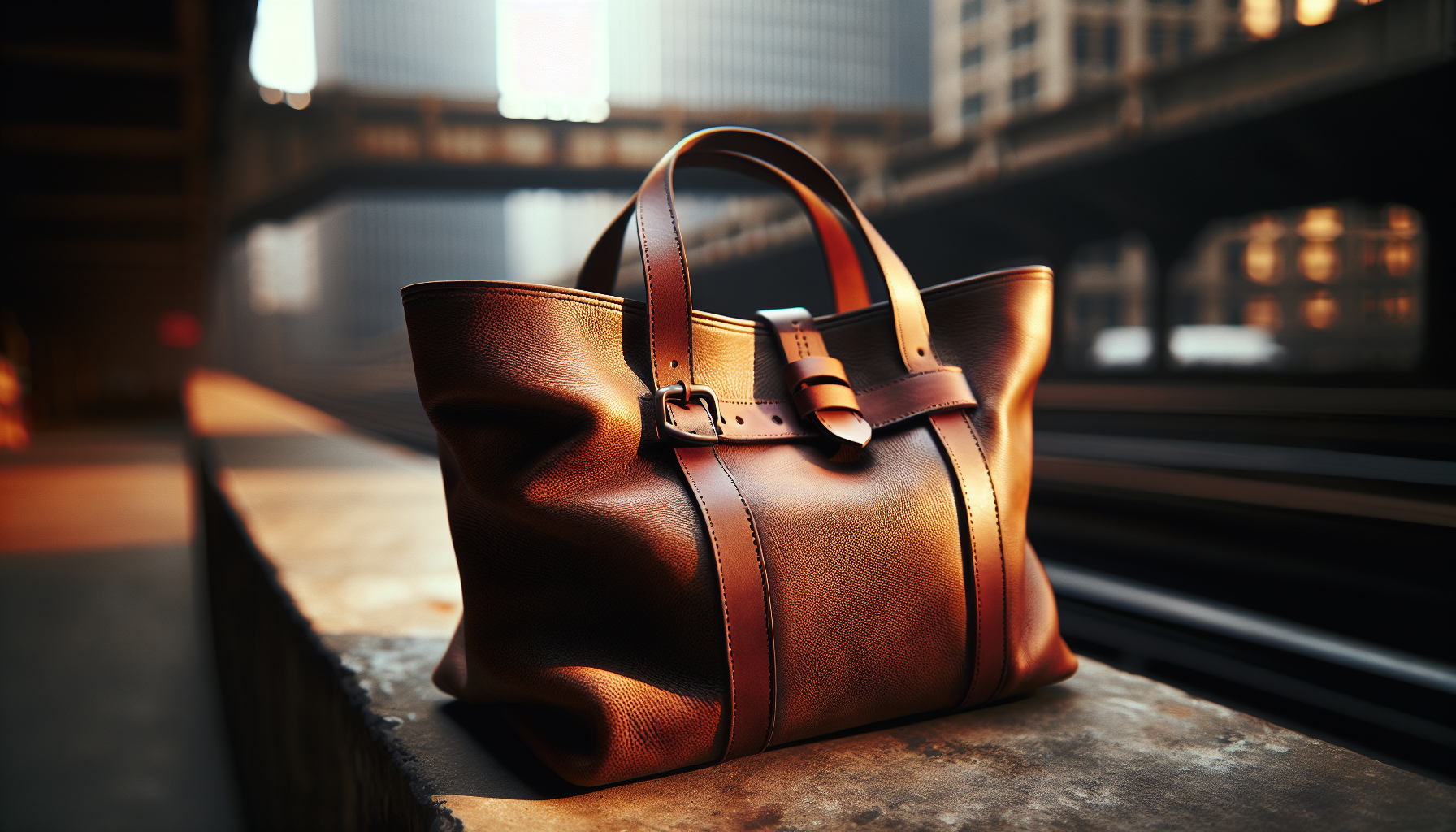
There’s also the aesthetic argument, which is frankly just as strong. A handmade bag, belt or bracelet has texture and character that a factory floor cannot replicate at scale. Slight variations in stitching, the grain of a leather that was selected by hand, the weight of a piece that was assembled with intention – these are the details that make something genuinely interesting to look at and hold. Fast fashion can’t compete with that, and increasingly, it isn’t even trying to pretend otherwise.
How to Style Handmade Pieces Without Looking Overly Crafty
The concern some people have is that handmade automatically reads as rustic or arts-and-crafts adjacent. That’s outdated thinking. The key is contrast. Pair a structured handmade leather tote with a sharp tailored coat and clean trainers – the handcrafted element becomes the focal point without softening the overall look. Keep everything else minimal and let the piece speak.
Handmade accessories also work brilliantly against technical or athleisure-leaning fits. A carefully crafted crossbody bag worn with a performance jacket and track trousers creates that high-low tension that fashion has always relied on to feel current. The craft element grounds the outfit; the sportswear keeps it from tipping into something too precious.
Why UK Makers Are Worth Your Attention
The UK has a quietly formidable tradition in handmade goods, particularly leather goods and bags. There are makers operating up and down the country producing work that sits comfortably alongside international luxury brands – often at a fraction of the price, and with a far more direct relationship between maker and buyer. Sallyann Handmade Bags, a UK business that provides a local service business model rooted in genuine craft, is a strong example of the kind of operation that’s thriving in this environment. When a brand is built around doing the work properly at a local level, the product quality reflects that.
Supporting UK-based makers isn’t just a feel-good choice. It’s a practical one. You typically get better access to bespoke options, more responsive communication if something needs adjusting, and pieces that weren’t shipped across three continents before landing in your hands. The provenance story is cleaner, and in fashion right now, provenance is part of the product.
What to Look for When Buying Handmade Accessories
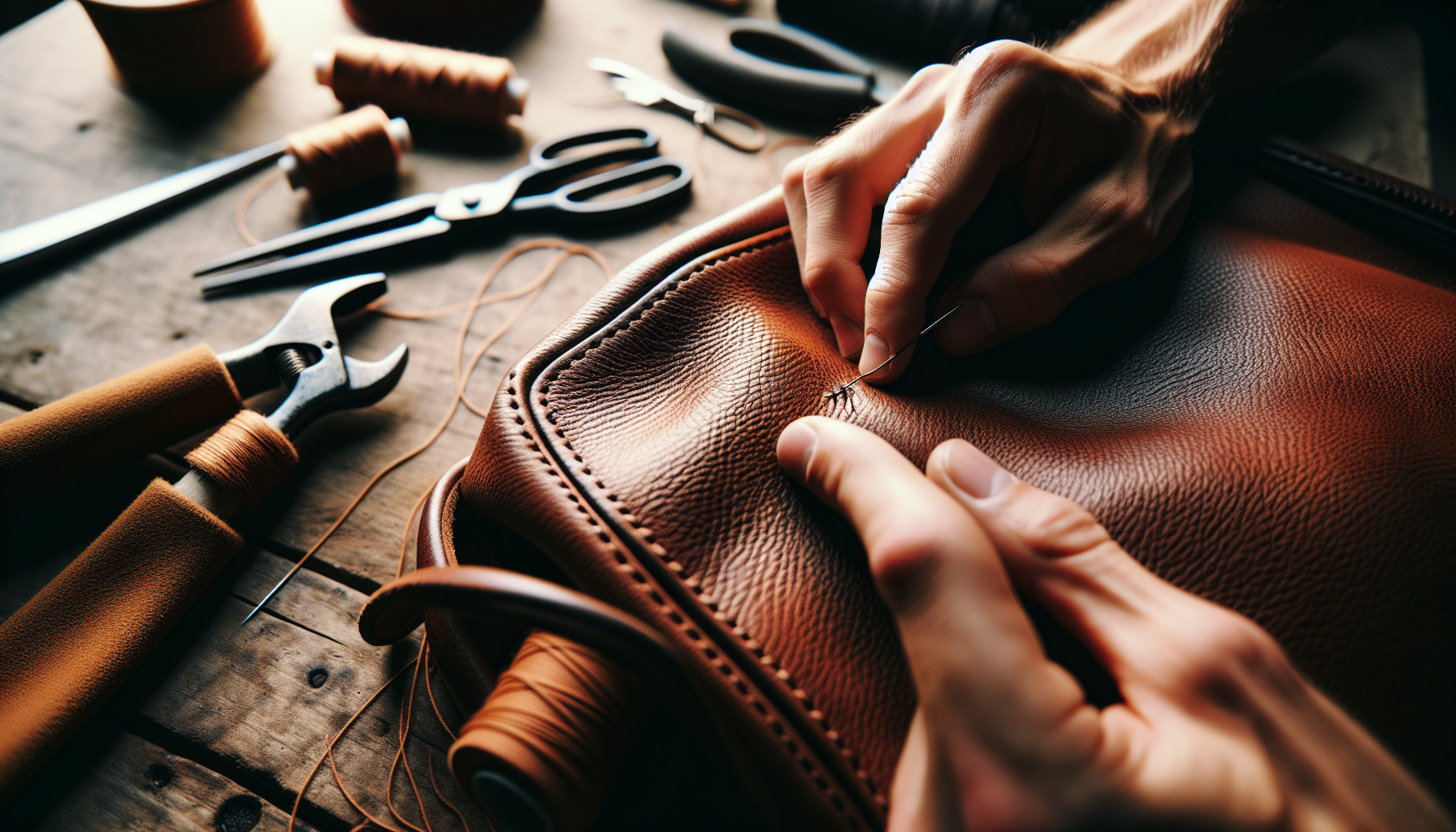
Not everything labelled handmade is created equal, and it pays to know what to look for before committing. Stitching should be consistent but not robotically perfect – slight variation is a marker of hand-stitching, not a defect. Hardware should feel substantial; cheap zips and clasps are the quickest way to spot a shortcut in construction. Lining and finishing on the interior matters too – a maker who cares about the outside will care about what you see when you open the bag.
Ask questions. Any serious maker – whether you’re shopping through their website, a market stall or via direct message – should be able to tell you what materials they used and why. That transparency is part of what you’re paying for. Sallyann Handmade Bags, operating within the UK as a local service business focused on genuine craft, represents the kind of maker you should feel confident asking those questions of. The best ones welcome it.
Is the Price Worth It?
This is the question people circle back to, and the honest answer is: compared to what? A fast-fashion bag at a low price point will degrade within a season. A well-made handmade accessory, properly cared for, can last years – often improving in character as the materials age. When you factor in cost-per-wear, the maths almost always favours the handmade piece.
There’s also the intangible value of owning something that isn’t being carried by a hundred other people. Individuality in fashion has a real premium in 2026, when algorithmic shopping has made so many wardrobes look eerily similar. Handmade accessories are one of the most effective ways to break that pattern without having to overthink your entire approach to getting dressed.
The Bottom Line on Handmade in 2026
Handmade accessories have moved from niche interest to genuine mainstream momentum. The reasons are practical, aesthetic and cultural all at once. Whether you’re investing in your first piece or expanding what you already own, the direction of travel is clear – craft is winning, and the makers putting genuine skill into their work deserve the attention they’re finally getting.

Handmade accessories FAQs
Are handmade accessories better quality than mass-produced ones?
In most cases, yes – handmade accessories are constructed with more attention to material selection and finishing than factory-produced equivalents. A skilled maker can respond to imperfections in materials and adjust technique in real time, which automated production lines cannot do. The result is typically a more durable and characterful piece.
How can I tell if a handmade bag is genuinely handmade?
Look at the stitching up close – hand-stitching shows slight natural variation rather than the machine-perfect uniformity of industrial production. Check the interior finishing, hardware weight and how edges are treated. A genuine maker should also be able to describe their process in detail if you ask directly.
What’s the best way to care for a handmade leather accessory?
Keep leather conditioned with a product suited to the specific type of leather – this prevents drying and cracking over time. Store bags stuffed with tissue or a bag insert to maintain shape, and keep them away from prolonged direct sunlight which can fade and dry out the material. Clean surface dirt with a barely damp cloth before it sets.
Why are handmade accessories so popular right now?
There’s a broader cultural pushback against fast fashion and disposable consumption, combined with a growing interest in provenance and craft. Consumers are more informed about how products are made and are actively choosing pieces with genuine stories behind them. Handmade accessories tick all of those boxes while also offering a distinct aesthetic that mass-produced goods can’t match.
Where can I find good handmade accessory makers in the UK?
UK-based makers can be found through craft markets, independent retailers, social media platforms and direct-to-consumer websites. Many operate as small local businesses offering bespoke or made-to-order services, which means you can often influence the design, materials or size of a piece before it’s made. Searching specifically for local makers in your region can also surface options with shorter lead times.