

There is something deeply seductive about Scandinavian wellness. The clean pine interiors, the silent snowscapes, the impossibly composed people lowering themselves into ice-cold lakes at dawn. It looks effortless, restorative and achingly cool. So it is no wonder that Nordic lifestyle trends have been flooding British Instagram feeds, wellness publications and high-street shops for the past decade. But I’ve spent enough time actually trying these habits to know that some of them land beautifully here, and some of them absolutely do not survive contact with a rainy Tuesday in Leicester. Scandinavian wellness habits in the UK deserve a proper, honest audit rather than another breathless round of trend-chasing.
What even counts as a Scandinavian wellness habit?
The Nordic wellness canon is broad. Friluftsliv (the Norwegian concept of open-air living), hygge (the Danish art of cosiness and togetherness), sauna culture, cold-water swimming, forest bathing, minimalist movement practices and a particular approach to work-life boundaries all get bundled under the Scandi umbrella. Some of these are genuinely ancient cultural practices with physiological or psychological evidence behind them. Others are, frankly, lifestyle aesthetics that got repackaged for export. The distinction matters enormously once you strip away the flattering photography.
The habits that genuinely translate
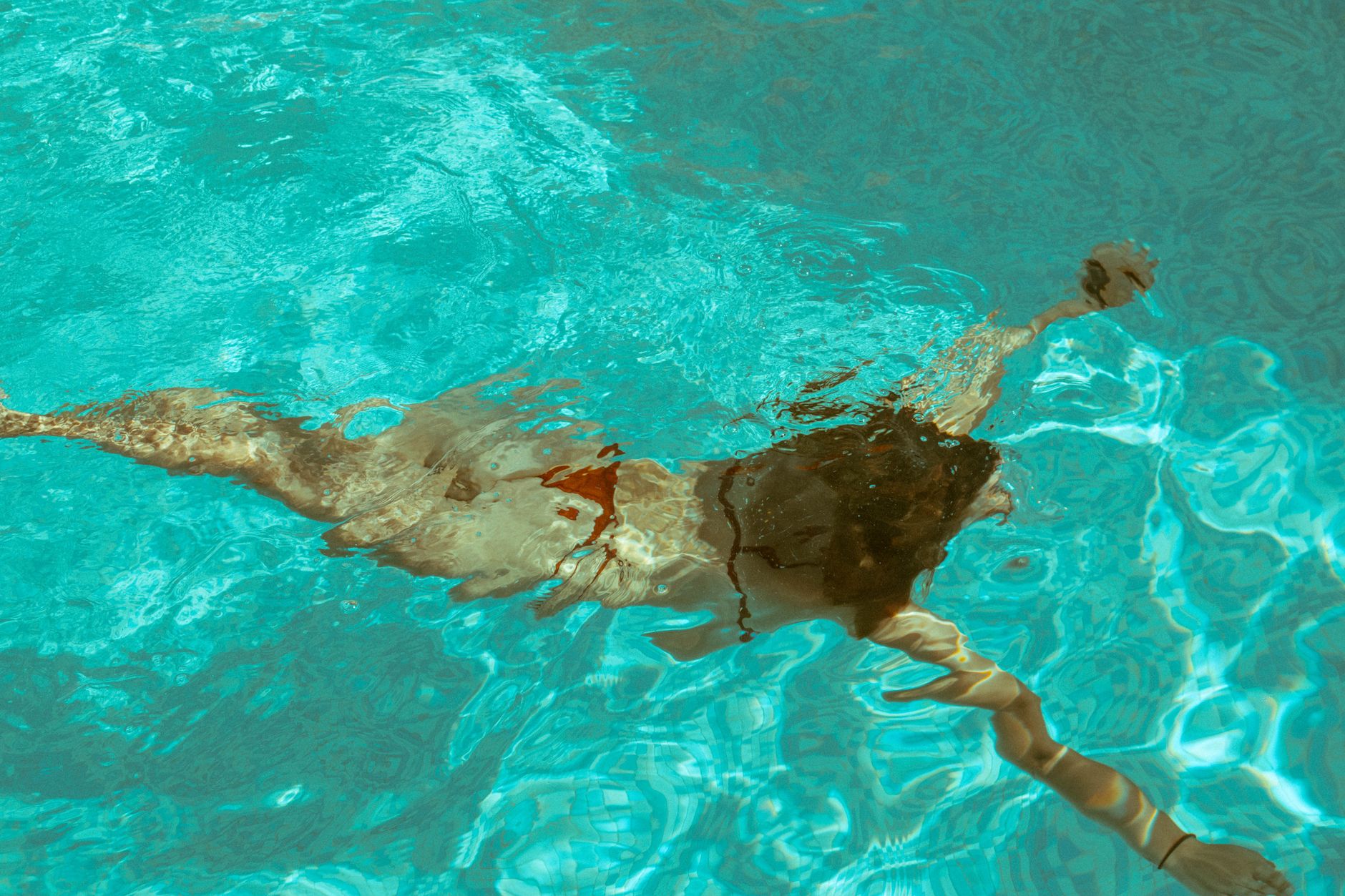
Cold-water swimming
This one actually works here, and the evidence is growing. The BBC’s health coverage has documented multiple studies linking regular cold-water immersion to reduced anxiety, improved mood and better circulation. Britain is not short of cold water. The Serpentine in London, the outdoor lidos scattered across the country, and approximately every beach between October and May are perfectly adequate substitutes for a Norwegian fjord. The Outdoor Swimming Society estimates over four million people in the UK swim outdoors regularly. This one stuck because the barrier to entry is low and the payoff is real.
Sauna culture
Saunas have moved from gym afterthought to genuine wellness ritual in British cities. Banya No.1 in London, Saunaa in Bristol, and Thermae Bath Spa have all seen significant upticks in bookings. The social dimension of sauna culture translates well here too. Sitting in heat with other people, talking without phones, is something that cuts across cultures. The expense is the honest caveat. Home saunas are a real investment, and unless you are paying a monthly membership somewhere, this habit can feel more aspirational than practical for most people.
Friluftsliv as a genuine mindset shift
The Norwegian concept of treating the outdoors as a default rather than a treat is genuinely applicable here, even if our outdoors tends to involve more drizzle and fewer dramatic fjords. What it asks for is attitude, not geography. Walking to work instead of cycling. Eating lunch outside even in October. Keeping a pair of trail shoes by the door so that a grey afternoon becomes a 45-minute walk rather than an hour on the sofa. I have found this reframe genuinely useful. The Peak District, the Pennines, the South Downs and the Scottish Highlands are objectively spectacular, and most of us drive past the opportunity to use them on a near-weekly basis.
The habits that are largely aesthetic imports
Hygge as sold to British consumers
Hygge is a beautiful concept in its original form. It describes a quality of togetherness and warmth that emerges naturally from how Danes structure social life. What British publishers and brands turned it into is a different thing entirely: a shopping list of candles, knitted throws and specific brands of hot chocolate. The product-as-ritual version of hygge has very little to do with the actual practice. Real hygge costs almost nothing. It requires people around you, a space that feels safe, and the social culture to prioritise that kind of low-key togetherness. That is harder to achieve through an IKEA run, and I think most people who bought into the trend in its commercial form sensed that something was missing.
The Scandi sleep schedule
Nordic countries routinely top sleep quality indices, partly due to light-exposure management, cultural attitudes to working hours and access to nature. Transplanting a Swedish morning routine to a British lifestyle that involves long commutes, later working hours and a housing stock that prioritises neither dark bedrooms nor quiet neighbourhoods is a stretch. The advice is sound in theory. The structural conditions that make it easy in Stockholm or Copenhagen simply do not exist for most people in Manchester or Birmingham without significant life reorganisation.
Minimalist interiors as wellness practice
This one crosses neatly with the broader style conversation. I wrote recently about how British style is pivoting away from Scandi minimalism towards something warmer and more expressive, and that shift makes sense in a wellness context too. The evidence that stripped-back interiors reduce stress is genuinely mixed. For some people, visual calm is restorative. For others, an empty, cold-toned room feels alienating rather than peaceful. British homes are often smaller, older and more idiosyncratic than Scandinavian ones. Forcing a Malmö aesthetic onto a 1930s terraced house in Sheffield rarely produces the serenity it promises.
The honest budget question
A lot of Scandinavian wellness content presents habits as essentially free because they centre on nature and simplicity. The reality is more nuanced. High-quality outdoor gear capable of handling British weather costs real money. Sauna memberships in cities run to £50-£100 a month. The minimalist wardrobe of quality basics that anchors the Scandi lifestyle aesthetic requires upfront investment, which is why the conversation around buying fewer, better pieces feels genuinely connected to this mindset shift. There is a version of Nordic-influenced wellness that is accessible on most budgets, but it requires stripping away the curated image and focusing on the actual behaviour underneath it.
What the British version actually looks like
The Nordic habits worth keeping are the ones rooted in physiology and genuine social behaviour rather than aesthetics. Cold water. Regular outdoor time regardless of weather. Shared warmth and togetherness without a screen in the room. A cleaner relationship with work hours. These are not complicated ideas. They do not require a particular income bracket, a particular postcode or a particular wardrobe. And they do not require you to pretend that Birmingham in February is indistinguishable from Bergen.
The smarter approach, I think, is to treat Scandinavian wellness as a set of principles rather than a lifestyle package. Take what your body and mind respond to. Leave the rest. And if you are building out your own wellness practice, something like comfort-led living is perhaps more honest about what British life actually looks and feels like than any imported concept. Real wellness is not a mood board. It is a Tuesday habit that you actually keep.
Frequently Asked Questions
Which Scandinavian wellness habits are most popular in the UK right now?
Cold-water swimming, sauna bathing and friluftsliv (outdoor living) have the strongest foothold in the UK. Cold-water swimming in particular has grown dramatically, with millions of British people now swimming outdoors year-round in lidos, rivers and coastal waters.
Is cold-water swimming actually good for you?
Research suggests regular cold-water immersion can reduce anxiety, improve mood and boost circulation. The University of Portsmouth has published work on the mental health benefits of open-water swimming. Like any wellness practice, the benefits are most consistent when done regularly rather than occasionally.
How much does it cost to build a Scandinavian wellness routine in the UK?
It depends heavily on which habits you adopt. Cold-water swimming outdoors is essentially free. Sauna memberships at urban venues typically cost £50-£100 per month. Outdoor gear for year-round friluftsliv can cost several hundred pounds upfront but lasts for years.