

Right, let’s cut straight to it. You’ve been layering your SPF moisturiser every morning, feeling virtuous, and quietly assuming you’ve got sun protection sorted. I’ve done exactly the same thing. The thing is, the science tells a messier story than the marketing on your moisturiser bottle does, and it’s worth knowing the difference before another British summer catches you off guard.
The SPF moisturiser market in the UK is enormous. Boots and Superdrug shelves are packed with them, skincare brands from La Roche-Posay to Cetaphil lead with their SPF ranges, and a huge number of tinted moisturisers now carry an SPF 30 or 50 rating. But whether those numbers actually translate to real protection on a British complexion, worn in a British climate, is a genuinely complicated question.
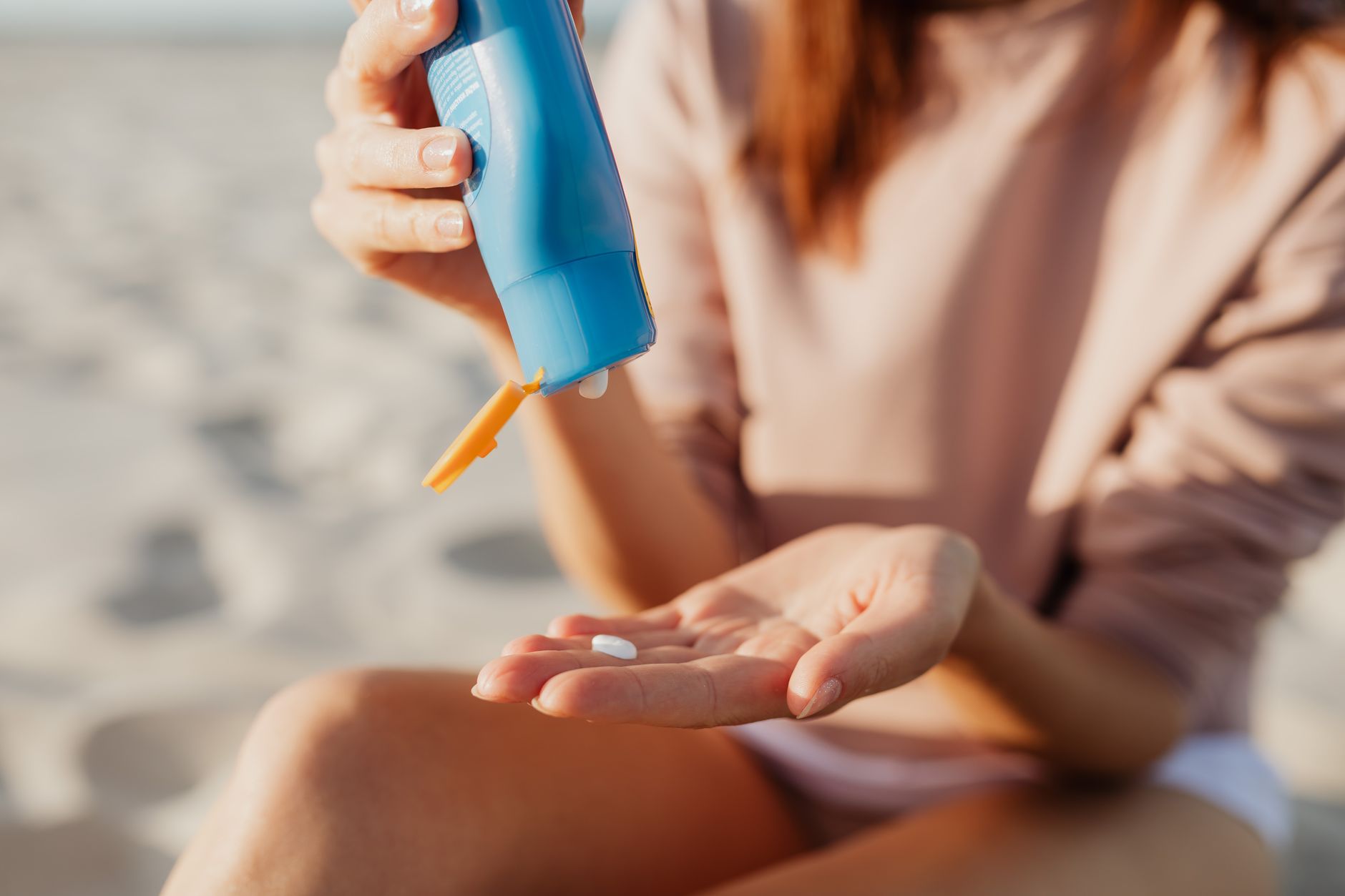
What the science says about SPF moisturisers
The SPF rating on any product is calculated under laboratory conditions. Specifically, it is tested at 2mg per square centimetre of skin. Most people apply moisturiser at roughly 0.5mg to 1mg per square centimetre. Do the maths: you are almost certainly getting a fraction of the stated SPF, regardless of how conscientious you think you are. A 2019 study by researchers at the University of Liverpool found that even when people believed they had applied SPF adequately, eyelids, the sides of the nose, and the hairline were routinely missed. These aren’t abstract concerns. They are areas where skin cancer develops.
There is also a textural problem specific to SPF moisturisers. Formulators have to balance feel, absorption speed, and active ingredient concentration. The result is often a product that spreads thinly, feels pleasant, and performs at somewhere between SPF 15 and SPF 20 when applied the way a human actually applies moisturiser. That is fine for a grey Wednesday in Leeds. It is less fine for a clear July afternoon on a south-facing terrace.
What the MHRA says about cosmetic SPF labelling
This is where the regulatory picture gets interesting. In the UK, sunscreens that make medicinal claims are regulated as medicines by the MHRA. Most SPF moisturisers, however, are classified as cosmetics under the UK Cosmetics Regulation (retained post-Brexit), which means their labelling standards are different from standalone sunscreens. They must carry an SPF rating consistent with the EU Cosmetics Regulation testing guidelines, but they are not subject to the same medicinal-grade safety and efficacy evidence that a dedicated sunscreen would be.
In plain terms: when you see SPF 50 on your moisturiser, that figure has been tested, but the testing framework is not the same as what applies to a standalone SPF product designed and marketed specifically for sun protection. The Skin Cancer Foundation and UK dermatologists I’ve read extensively both flag this distinction. A cosmetic SPF claim is not a lie, but it is a claim made in a different regulatory context than a sunscreen claim.

Does the British climate actually matter here?
It does, but not in the way most people assume. The common British assumption is that our overcast skies mean we barely need SPF at all. That is wrong. UVA radiation, the type that causes long-term skin ageing and contributes to melanoma risk, passes through cloud cover. The Met Office confirms that UV index levels in the UK can reach moderate to high between April and September, even on overcast days. Incidental daily UV exposure, sitting near a window, walking to the train station, eating lunch outside, adds up significantly over years.
Where the British climate does change the calculus is in humidity and heat. We tend not to sweat through our SPF the way someone in southern Spain might. Reapplication urgency is lower on a cool day. But dermatologists generally recommend reapplying SPF every two hours if you are outdoors for extended periods, regardless of temperature, and an SPF moisturiser applied once at 7am gives you effectively zero protection by noon.
If you’ve read my earlier piece on mineral sunscreen for British complexions, you’ll know that filter type matters too. Chemical filters like avobenzone and octocrylene work differently from physical blockers like zinc oxide and titanium dioxide, and British skin, particularly medium to deeper tones, can respond differently to each.
Standalone SPFs actually worth adding to your routine
I am not here to shame anyone’s routine. But if you are serious about skin health, a dedicated SPF product used under or over your moisturiser is genuinely worth the extra step. Here are some that perform well and work on British skin without leaving a cast or feeling heavy in cooler weather.
La Roche-Posay Anthelios UV Mist SPF 50+ is genuinely elegant. Light, reapplicable over makeup, and tested to European medicinal sunscreen standards. Altruist SPF 50 remains the most affordable option on the British market (around £1.79 for 200ml at most chemists) and outperforms products ten times its price in independent testing. Bondi Sands Fragrance Free SPF 50+ Face Fluid has found a loyal UK following for being invisible on deeper skin tones. And Ultrasun Face Anti-Pigmentation SPF 50+ is worth considering if hyperpigmentation is a concern alongside sun protection.
The pattern across all of them: they are formulated to be used as sun protection first, with texture as a secondary consideration. That priority difference shows up in how they perform.
How to get the most from what you already own
If you are not ready to add another product to your shelf, there are ways to use an SPF moisturiser more effectively. Apply it as the last step of your skincare routine and use more than you think you need. For your face and neck, a £2 coin-sized amount is the rough minimum. Give it two minutes to absorb before going outside. And if you are spending more than an hour outdoors, reapply with a setting spray SPF or a powder SPF like Brush-On Block.
Building a smarter routine is a bit like building any good habit: small upgrades compound. The same principle applies whether you are rethinking your wellness wardrobe or rethinking what actually goes on your skin before you walk out the door.
The myth-busting mindset
There is a broader pattern here that I find genuinely useful to notice. We take marketing labels at face value in ways that we would not accept in other areas of life. When a claim sounds authoritative and appears on a nice bottle, the critical instinct switches off. This is true in skincare, but it is also true in plenty of other industries. Resources like Asbestos Compliance Solutions do exactly this kind of myth-vs-fact work in a completely different sector, but the underlying logic is the same: question the label, check the regulatory context, and understand what the standard actually means before assuming you are protected.
With SPF moisturisers, the honest answer is this: they are better than nothing, they contribute to daily UV defence, and for most overcast British days they are adequate as part of a layered approach. But they are not a substitute for a dedicated SPF product if you care about long-term skin health. The sooner UK skincare culture gets comfortable with that distinction, the better our collective skin will look at fifty.
And if you have been putting serious thought into your complexion and want to go deeper on skin health from the inside out, the link between gut health and skin clarity is well worth understanding alongside your topical routine.