

Let’s be honest. The word “sustainable” has been stretched so thin by fast fashion marketing that it barely means anything anymore. A recycled polyester tote and a brand built on genuinely circular production are not the same thing, yet both get the same eco-friendly badge slapped on them. If you’re serious about where your money goes in 2026, you need more than a brand’s word for it. You need certifications, transparency reports, and actual evidence of craft.
The good news is that the sustainable fashion brands 2026 landscape has genuinely matured. There are labels out there doing the hard work, and once you know what to look for, spotting the difference becomes second nature.
What Greenwashing Actually Looks Like (And How to Spot It)
Greenwashing is less about outright lies and more about selective truths. A brand might use organic cotton in one range whilst the rest of its production runs on exploitative labour in unregulated factories. Or it might launch a “take-back” scheme with no real infrastructure behind it, collecting garments that end up in landfill anyway.
The tells are usually in the vagueness. Phrases like “eco-conscious collection”, “made with the planet in mind”, or “sustainably inspired” signal marketing copy rather than supply chain commitment. Genuine brands cite specific percentages, name their factories, and publish annual impact reports. If a brand’s sustainability page is prettier than it is specific, trust your instincts.
Certifications That Actually Matter in 2026
Certifications are your shortcut when you don’t have time to read every brand’s 40-page impact report. Here’s what carries real weight:
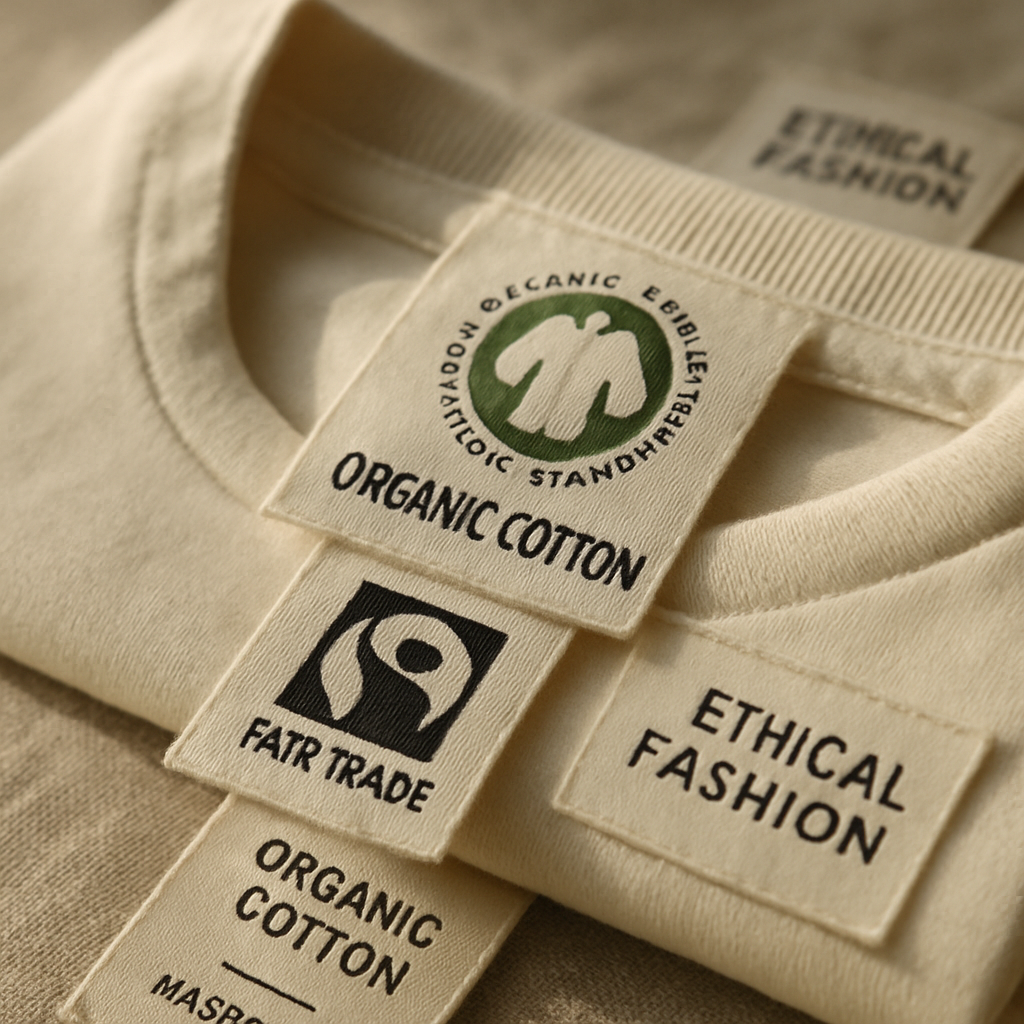
- GOTS (Global Organic Textile Standard) covers the entire supply chain, from raw fibre to finished garment. It’s one of the most rigorous standards available.
- Fair Trade Certified ensures workers receive fair wages and safe conditions. Look for it on brands sourcing from South Asia and East Africa.
- B Corp Certification evaluates a company’s overall social and environmental performance, not just one product line. UK B Corps include Patagonia UK, Rapanui, and Finisterre.
- Bluesign focuses on chemical management and responsible resource use in textile manufacturing.
- Oeko-Tex Standard 100 certifies that every component of a garment has been tested for harmful substances.
None of these are perfect, but holding multiple certifications is a strong signal. A brand with GOTS, B Corp, and a published living wage commitment is telling a consistent story.
Sustainable Fashion Brands 2026 Worth Your Attention
The following labels are earning their sustainability credentials through action, not aesthetics.
Finisterre
A Cornish brand with genuine roots in cold-water surfing culture, Finisterre uses recycled materials, organic wool, and Bluesign-approved fabrics across its range. It’s a B Corp, it publishes transparent impact data, and the quality holds up across multiple seasons. This is the kind of outdoor-meets-everyday style that doesn’t apologise for caring about its footprint.
Thought Clothing
Thought has been building slow fashion collections since the 1990s and remains one of the most consistent UK names in the space. Its fabrics include hemp, bamboo, and organic cotton, and it’s GOTS certified. The aesthetic is understated and versatile, built for women who want their wardrobe to last rather than cycle through trends every eight weeks.
Rapanui
Isle of Wight-based Rapanui is a genuinely interesting case study in circular fashion. It uses wind-powered manufacturing, offers a full take-back and recycling service, and maps its supply chain publicly online. It also campaigns actively for extended producer responsibility legislation in the UK. Style-wise, it skews casual and graphic-heavy, but the basics are well worth investing in.
Beyond the Big Names: Small-Batch and Handmade Fashion
Some of the most credible sustainable fashion brands 2026 has to offer are not necessarily the ones with the biggest Instagram following. The independent, small-batch maker space is where genuine craft and ethical production converge most naturally. Women shopping for accessories in particular are increasingly turning to makers who use recycled or upcycled materials and produce in limited runs, with full knowledge of where every component comes from.
Based in West Clare, Ireland, Sallyann Handmade Bags produces unique handmade handbags and accessories for women using recycled materials, each one made individually by Sallyann in her own studio. The homemade approach means no factory overruns, no excess stock, and no compromise on style or ethics. For shoppers who care as much about craft as they do about clothing brands’ environmental claims, makers operating at this scale represent some of the most honest fashion available. You can find out more at sallyannsbags.com.
This kind of small-scale, handmade production sits at the opposite end of the spectrum from fast fashion, and it’s worth understanding why that matters. When a brand can name exactly who made your bag, where, and from what materials, there’s nowhere to hide. That transparency is the point.
How to Shop Consciously Without Killing Your Personal Style
Sustainable shopping doesn’t mean defaulting to beige linen and shapeless silhouettes. The best sustainable fashion brands 2026 has produced understand that style and ethics are not in tension. Here’s how to approach your wardrobe more intentionally without losing your aesthetic identity.
Buy less, choose better. The oldest advice in slow fashion still applies. One well-made piece from a certified brand will outlast three cheap alternatives, both in physical wear and in how it feels to put on. The cost-per-wear calculation consistently favours quality.
Shop secondhand first. Platforms like Vinted and Depop have normalised secondhand buying in the UK, and charity shops in larger cities often stock quality finds. The most sustainable garment is the one that already exists.
Ask questions brands can’t dodge. Who made this? What’s it made from? What happens to it at end of life? If a brand’s customer service can answer these quickly, that’s a good sign. If the answer is a PDF of vague commitments, you know what that means.
Invest in accessories that carry craft. A handmade bag or a well-constructed leather belt can anchor an outfit for years. Accessories made from recycled or natural materials by independent makers, rather than mass-produced fashion brands, often carry more character and longevity than anything from a high street range.
Sallyann Handmade Bags exemplifies why women who care about style and sustainability are drawn to the handmade accessories space. Each piece carries the kind of singular character that no production line can replicate, and the use of recycled materials means the environmental case is built into the making process, not bolted on as a marketing afterthought.
The UK’s Legislative Push Towards Sustainable Fashion
It’s worth knowing that sustainable fashion is increasingly becoming a regulatory conversation, not just a consumer one. The UK government has been consulting on extended producer responsibility for textiles, which would require brands to take financial responsibility for garments at end of life. The Environmental Improvement Plan outlines the wider policy direction, and textile waste sits within it. This matters because it signals that brands currently getting away with minimal action will face structural pressure to change, which should shift the competitive landscape in favour of the labels already doing the work.
The brands worth investing in now are the ones building systems that will still be credible when legislation catches up. That’s where your money does the most work: not just on the garment itself, but on the kind of industry you want to exist in five years’ time.
Frequently Asked Questions
How can I tell if a sustainable fashion brand is genuine or greenwashing?
Look for third-party certifications like GOTS, B Corp, or Fair Trade, and check whether the brand publishes specific supply chain data rather than vague environmental language. Genuine brands name their factories, share annual impact reports, and can tell you exactly what percentage of materials are recycled or organic.
Are sustainable fashion brands more expensive than fast fashion?
Yes, typically, but the cost-per-wear comparison usually favours sustainable brands over time. A well-made piece that lasts five or more years at a higher upfront cost works out cheaper than replacing lower-quality items every season. Many UK sustainable brands also offer repair services to extend garment life further.
What certifications should I look for when buying sustainable clothing in the UK?
GOTS (Global Organic Textile Standard), B Corp, Fair Trade, Oeko-Tex Standard 100, and Bluesign are among the most credible. Holding multiple certifications is a stronger signal than a single badge, and each covers different aspects of the supply chain from fabric to labour conditions.
Which UK-based sustainable fashion brands are worth buying from in 2026?
Finisterre, Rapanui, and Thought Clothing are consistently cited as credible UK options with genuine certifications and transparent supply chains. Beyond those, smaller independent makers producing handmade or small-batch items using recycled materials often represent the most traceable and ethical choices available.
Is buying secondhand better than buying from a sustainable brand?
From a purely environmental standpoint, buying secondhand is generally the most sustainable option because no new resources are consumed. Platforms like Vinted and Depop make secondhand shopping accessible in the UK, though buying from certified sustainable brands is the better choice when you need something new.