

For too long, lunch in Britain meant a sorry triangle of supermarket sandwich eaten over a keyboard, crumbs in the trackpad, half an eye on the inbox. The sad desk lunch became almost a badge of honour, proof you were busy, committed, important. I’d be lying if I said I never did it. But something has shifted, and I think 2026 might be the year the British lunch finally grows up.
The intentional lunch break wellness movement is not about quinoa bowls or expensive meal-prep kits. It is something quieter and more interesting than that: a cultural reckoning with how we treat the middle of the day, and what that treatment says about how we value ourselves. UK registered dietitians have been saying this for years. The rest of us are only just catching up.
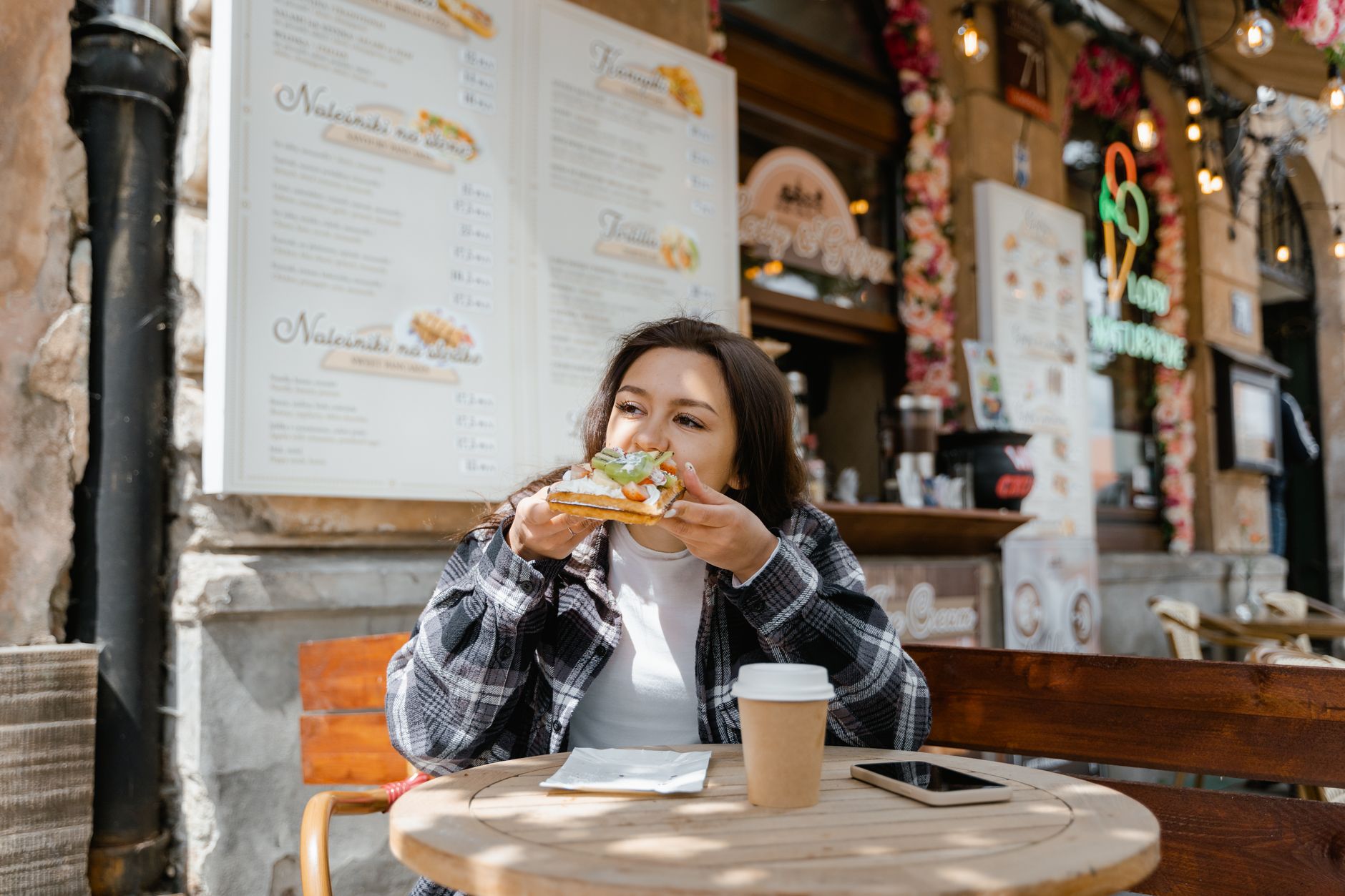
Why the desk lunch was always a bad idea
The science is not subtle. Research published by the British Dietetic Association found that eating whilst distracted by screens reduces satiety signals, meaning you are more likely to overeat later in the afternoon and less likely to register what you actually consumed. Your body is digesting; your brain is still in a meeting. The two do not mix well.
Beyond digestion, there is the mental reset question. A proper break from work, even 20 minutes away from your desk, has a measurable effect on afternoon focus and mood regulation. The NHS itself points to regular breaks as part of healthy workplace habits, yet Office for National Statistics data from 2025 showed that more than half of UK full-time workers regularly skip a proper lunch break. We are not talking about a niche problem.
UK dietitian and author Rhiannon Lambert has spoken publicly about the way British food culture chronically undervalues midday eating, leaving people to graze their way through the afternoon on biscuits and vending machine snacks that spike blood sugar and then drop it like a stone by 3pm. That 3pm slump is not inevitable. It is largely a consequence of what happened, or did not happen, at 1pm.
What registered dietitians actually recommend for your midday meal
The framework most UK dietitians return to is simple: protein, fibre, healthy fat, and something you genuinely want to eat. That last part matters more than people think. Pleasure and satiety are linked. A lunch you enjoy triggers better hormonal responses than one you resent while eating it.
Practically, that means building a meal around a protein anchor. Eggs, tinned fish, pulses, leftover chicken, good quality cheese. Add a substantial fibre element, which might be roasted vegetables, a proper salad with dark leaves rather than iceberg, or wholegrain bread. Include fat from olive oil, avocado, nuts, or seeds. This is not complicated. What makes it intentional is the act of actually sitting down to eat it without a screen competing for your attention.
Hydration sits alongside this. Most people arrive at lunchtime mildly dehydrated, which mimics hunger and muddies concentration. A large glass of water before eating, and herbal tea or water alongside the meal, makes a genuine difference to how you feel by mid-afternoon.

The lunch break as a ritual, not just a refuel
Here is where the wellness angle gets interesting. A growing number of British workers, particularly in cities like Manchester, Leeds, and Bristol, are treating the lunch break as a recovery window rather than a gap to fill with admin. Some take a short walk. Some do ten minutes of stretching or breathwork. Some simply sit somewhere that is not their desk and eat without looking at anything glowing.
This connects to a broader shift in British wellbeing culture, one that recognises recovery is not something you do at weekends or on holiday. It happens in the small margins of the day, or it does not happen at all. The same communities that are rethinking their morning routines, their relationship to supplements, and their approach to sleep are now applying that same lens to the hour between noon and 2pm.
Wellness practices that support the body across the day, from nutrition to light therapy, share the same logic: consistency beats intensity. Those exploring at-home recovery tools, including the kind available through HealthPod Mansfield, often discover that building small daily rituals around physical recovery yields better results than occasional dramatic interventions. Lunch fits the same pattern perfectly.
I’d say the lunch break is the most underrated recovery tool most of us already have access to, and we are collectively squandering it.
What makes a lunch break actually work
There are a few concrete things that separate a functional lunch break from a performative one. First: location. Eating at your desk, even if you close your email, is not the same as eating somewhere else. The physical separation matters psychologically. A kitchen table, a park bench, a cafe counter, all of these work better than the space where you spend the rest of your working hours.
Second: time. Twenty minutes is the minimum. Thirty is better. The rush to get back is partly habitual rather than genuinely necessary for most people. If you think your job would actually collapse if you took a proper lunch break, that is worth examining rather than accommodating.
Third: the food itself. Preparing lunch the night before, even loosely, removes the decision fatigue that leads to either skipping lunch or grabbing something regrettable. Batch-cooked grains, pre-washed salad leaves, and a reliable protein source in the fridge mean you can put something decent together in five minutes. This is not meal prep in the aspirational influencer sense. It is just having food available.
The broader shift in how British women are approaching their wardrobes and wellness, explored in pieces like the rise of the wellness wardrobe, reflects the same impulse: integrating considered choices into daily life rather than treating wellness as a separate, effortful project. Lunch fits exactly that mould.
The social dimension people are missing
There is another layer to this that gets overlooked in individual wellness discourse: eating lunch with other people. The Mediterranean tradition of a shared midday meal is not just cultural nostalgia; it has genuine wellbeing implications. Eating with colleagues or friends slows the pace of the meal, encourages conversation, and builds the kind of low-key social connection that British workplaces have historically been bad at prioritising.
Post-pandemic hybrid working has made this harder, but not impossible. A shared lunch on the days people are in the office, or a walk with a friend at lunchtime, or even a phone call while eating in a park, all of these provide the social scaffolding that the desk sandwich definitively cannot.
This connects to something I have written about before regarding Nordic wellness habits that translate to British life: the most effective wellbeing practices are not exotic or expensive. They are human fundamentals that modern working culture has quietly dismantled, and that we are now piecing back together.
The British lunch break deserves better than it has been getting. Whether that means cooking something warm, stepping outside, or simply eating without the ambient noise of notifications, the upgrade is available. You just have to take it.
Frequently Asked Questions
What should I eat for lunch to avoid the 3pm energy slump?
UK dietitians consistently recommend combining a protein source, fibre-rich vegetables or wholegrains, and a small amount of healthy fat. This combination stabilises blood sugar rather than spiking it. Avoiding refined carbohydrates on their own, such as a white bread sandwich with minimal filling, is one of the most straightforward changes you can make.
How long should a proper lunch break actually be?
Most occupational health guidance and NHS workplace recommendations point to at least 20 to 30 minutes away from work tasks. Research suggests this is long enough to allow partial cognitive recovery and support better afternoon focus. The key is physical separation from your workspace, not just pausing your screen.
Is it better to meal prep lunches or buy them fresh?
Both work, but meal prepping even loosely, having ingredients ready rather than full dishes, removes the decision fatigue that tends to derail healthy eating. Batch-cooking grains like brown rice or lentils on a Sunday and using them across the week is a practical middle ground that does not require serious cooking time.
Does eating at my desk actually make a difference to my health?
Yes, in a few specific ways. Distracted eating reduces satiety awareness, meaning you are likely to eat more later in the day. It also removes the mental break that supports afternoon cognitive performance. The British Dietetic Association has highlighted distracted eating as a contributing factor to poor dietary patterns and low energy in the working population.
What counts as an intentional lunch break for someone working from home?
The same principles apply: eat somewhere other than your desk, remove screens from the immediate environment, and take at least 20 minutes. A walk before or after eating, or eating in a different room, both count. The point is creating a genuine pause in the working day rather than a seamless continuation of it with food added.