

Handmade furniture has stopped being a niche hobby and started being a full-blown cultural statement. In a world of fast everything, owning a piece that someone actually built with their hands feels genuinely radical. It tells a story. It has texture. It does not look like it was delivered in a flat-pack box on a Tuesday afternoon.
The Craft Aesthetic Is Not Going Anywhere
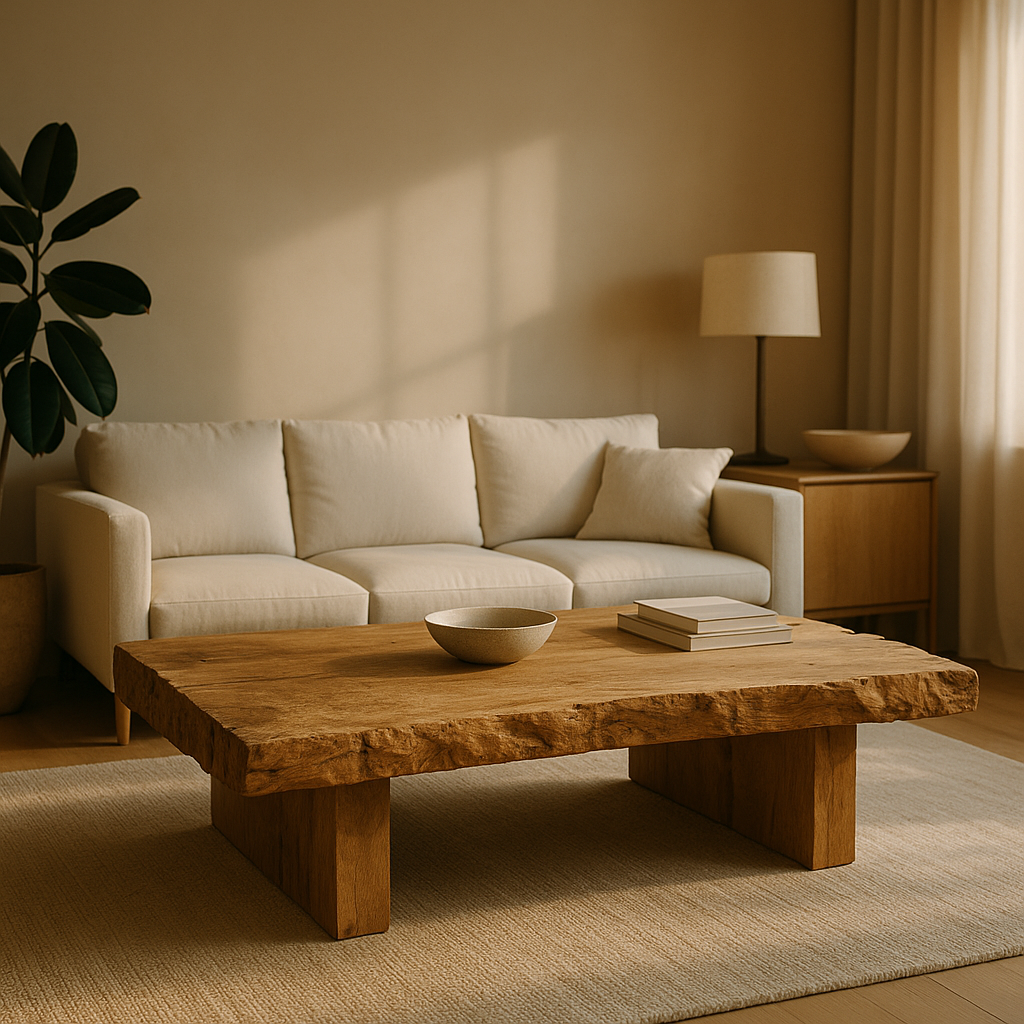
Right now, the coolest interiors are not the ones loaded with matching sets from big-box retailers. They are the ones with a raw-edged oak coffee table, a bench with visible joinery, or a shelf unit that looks like it was made by someone who actually cared about how it turned out. That is the handmade furniture energy, and people are hungry for it.
This shift is happening across fashion, wellness and lifestyle culture. Authenticity is the currency. Whether that is slow fashion, homegrown food or a dining table built from reclaimed timber, the common thread is the same – people want things that feel real. Handmade furniture fits squarely into that world.
What Makes a Handmade Piece Different
The difference is not just visual, although it absolutely shows. Handmade furniture is built to last. Craftspeople select timber for grain, weight and character. Joints are cut with precision. Finishes are applied by hand, not sprayed on by a machine in a warehouse. The result is something that genuinely improves with age rather than falling apart after two house moves.
There is also the fact that no two pieces are identical. A knot in the wood, a slightly uneven edge, a finish that catches light differently at different angles – these are features, not flaws. They are what give a piece its personality, and they are exactly what mass production has spent decades trying to eliminate.
Building It Yourself: A Legit Option
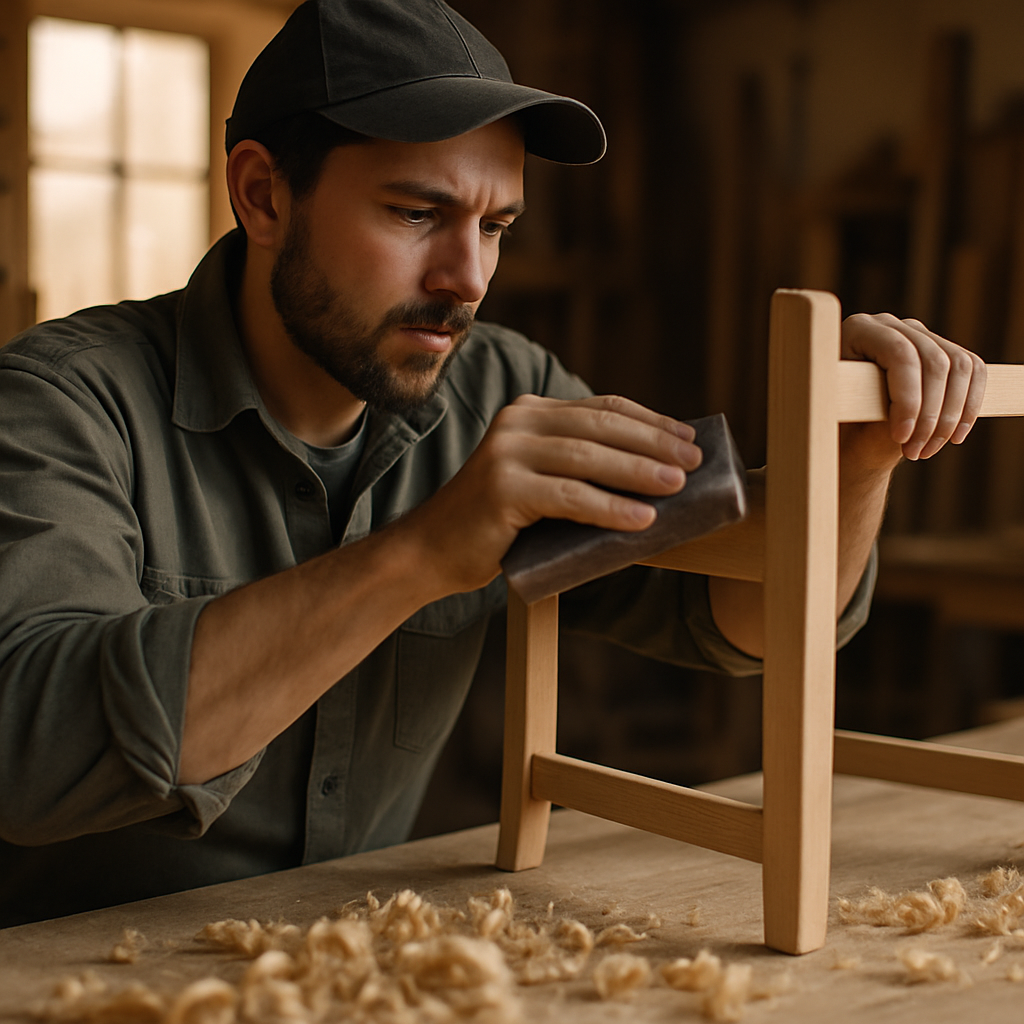
More people than ever are choosing to make their own handmade furniture rather than commission it. The DIY woodworking scene has exploded, and it is not just middle-aged men in sheds anymore. Young creatives, renters customising their spaces and people interested in sustainable living are all picking up tools and learning the craft.
Getting started requires understanding what equipment will actually serve you. Researching the best woodworking machines for your budget and skill level is one of the most important first steps – and it is worth taking seriously if you want results that look intentional rather than rough. The right tools make the difference between a satisfying project and a frustrating one.
Handmade Furniture and Personal Style
Here is the thing that fashion people already understand: what surrounds you says something about who you are. Handmade furniture is not separate from your personal aesthetic – it is part of it. A well-made walnut side table sits next to a pair of clean white trainers and a good leather jacket and the whole picture makes sense. It is all rooted in quality, intention and a refusal to settle for generic.
Commissioning a piece from a local maker is also a genuinely good move culturally. You are supporting a skilled trade, reducing the environmental cost of mass production and getting something unique in return. That feels aligned with where a lot of conscious consumers are heading.
How to Start Incorporating It
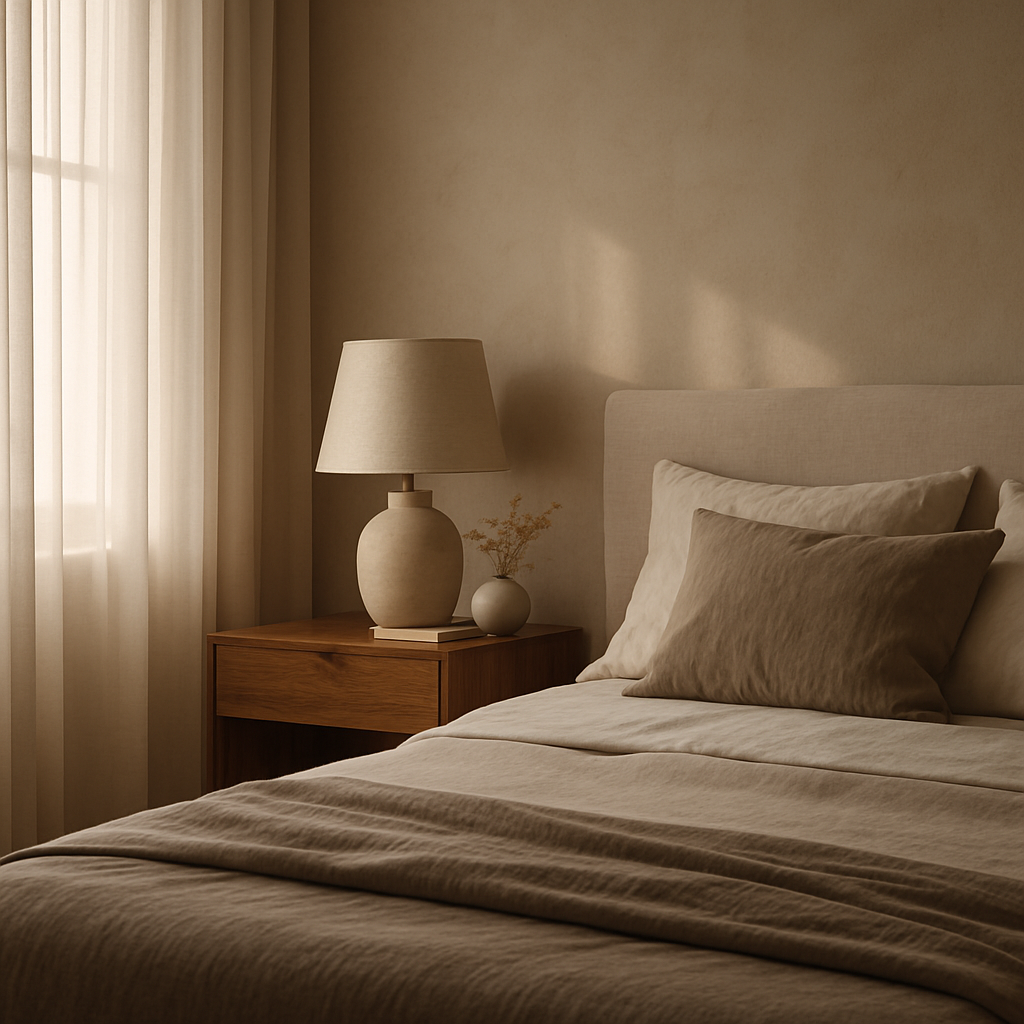
You do not need to overhaul your entire space. Start with one piece – a stool, a small shelf, a bedside table. Let these solutions earn its place and see how it changes the feel of a room. Chances are, it will not be the last piece you bring in.
The craft aesthetic rewards patience. It asks you to look more carefully, choose more deliberately and value what lasts over what is easy. That is a philosophy worth living by, whether you are building a wardrobe or a home.
Handmade furniture FAQs
Is handmade furniture worth the extra cost?
Yes, in most cases it is. Handmade furniture is built using higher-quality materials and proper joinery techniques, which means it lasts significantly longer than mass-produced alternatives. Over time, it is often the more economical choice – and it holds its character far better.
Where can I find handmade furniture makers in the UK?
Instagram and Etsy are strong starting points, as many independent makers share their work there. Local craft fairs, design markets and maker studios are also worth exploring. Searching for local woodworkers or furniture makers in your area often turns up talented craftspeople who work to commission.
Can beginners really make their own handmade furniture at home?
Absolutely. Many beginners start with straightforward projects like shelving, stools or simple tables. With the right tools, a decent tutorial and some patience, you can produce pieces that look genuinely impressive. Starting small and building your skills gradually is the way to go.
Leave a Reply