Author Profile

  • Gut Health and Glowing Skin: The Wellness Connection Your Beauty Routine Has Been Missing

    Gut Health and Glowing Skin: The Wellness Connection Your Beauty Routine Has Been Missing

    Your skin is telling you something, and it probably has nothing to do with the serum you bought last month. The most compelling research in wellness right now points straight to your gut. Gut health and glowing skin are more tightly connected than most beauty routines acknowledge, and once you understand why, you’ll never look at a moisturiser the same way again.

    The gut-skin axis is a real, documented biological relationship. What happens in your digestive system, specifically the trillions of microbes living there, directly influences inflammation levels, hormone regulation, and skin barrier function. A 2023 review published in the BBC Health section highlighted growing clinical interest in the microbiome’s role in conditions like acne, eczema, and rosacea. This is not fringe thinking anymore. It is mainstream dermatology catching up with what nutritionists have been saying for years.
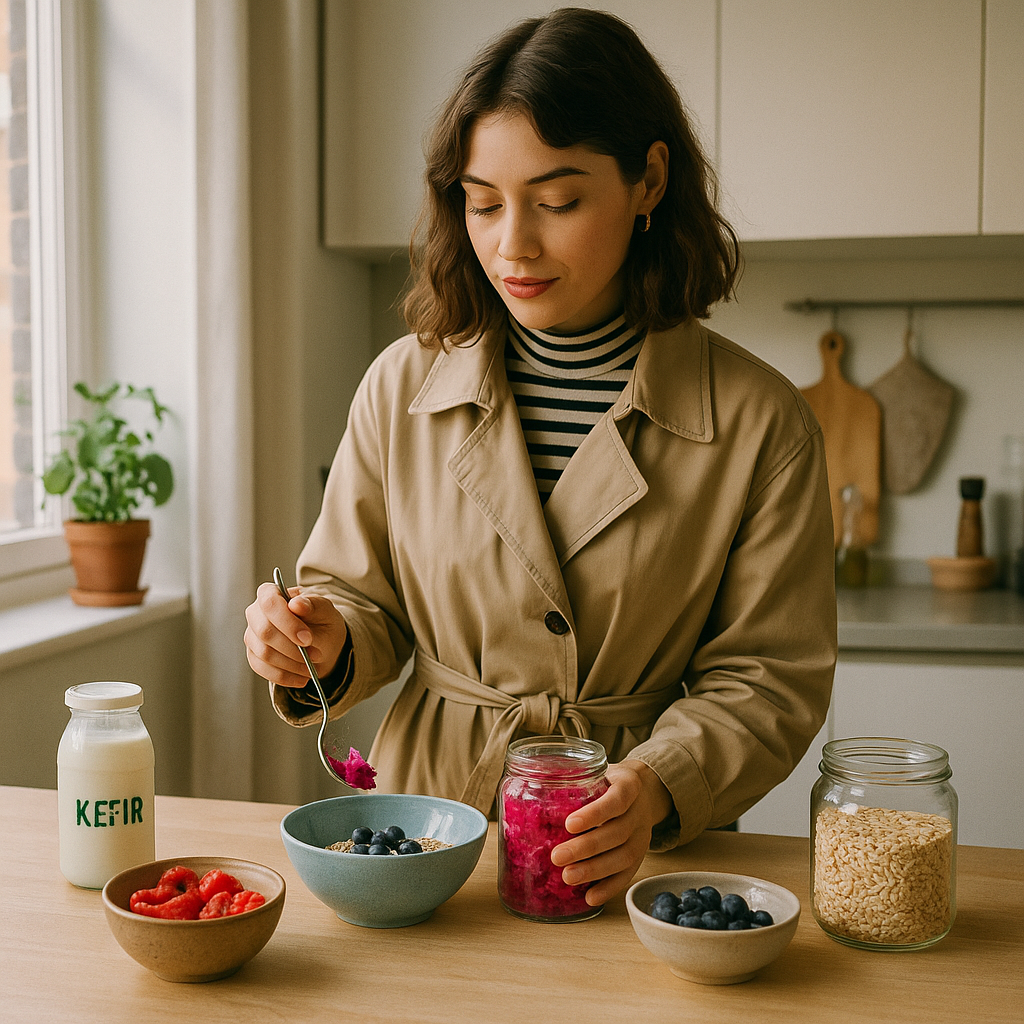
    Stylish woman preparing fermented foods and colourful ingredients to support gut health and glowing skin
    Stylish woman preparing fermented foods and colourful ingredients to support gut health and glowing skin

    What is the gut-skin axis and why does it matter?

    Think of your gut microbiome as a living ecosystem. When it is balanced, diverse, and well-fed, it keeps inflammation in check, supports immunity, and helps your body absorb the nutrients your skin depends on, including zinc, vitamin A, and omega-3 fatty acids. When it is disrupted, a state researchers call dysbiosis, inflammatory signals travel through the bloodstream and show up as breakouts, redness, dullness, and accelerated ageing. It is genuinely that direct.

    Leaky gut is the mechanism most frequently cited. When the intestinal lining becomes permeable (often through stress, processed food, antibiotics, or excess alcohol), bacterial fragments enter the bloodstream and trigger a systemic inflammatory response. Your skin, as the body’s largest organ, bears a lot of that burden visibly. Persistent jawline breakouts, unexplained flushing, and that stubborn grey tinge to the complexion can all trace back to a compromised gut rather than a lack of retinol.

    The foods that genuinely support gut health and glowing skin

    Eating for your skin used to mean collagen powders and green juices. The research now points to something more specific: diversity. The more varied your plant intake, the richer your microbiome. A landmark study from the British Gut Project at King’s College London found that people who ate 30 or more different plant foods per week had significantly more diverse gut bacteria than those eating fewer. Diverse microbiomes are associated with lower levels of systemic inflammation, and lower inflammation equals clearer, more even-toned skin.

    In practice, this means building meals around colour and variety rather than relying on the same four vegetables on rotation. Lentils, leeks, chicory, artichokes, and fermented foods like kefir, kimchi, and live-culture yoghurt are among the most effective allies. Kefir in particular has strong evidence behind it. It contains multiple strains of beneficial bacteria and is widely available in UK supermarkets from brands like Biotiful and Müller.
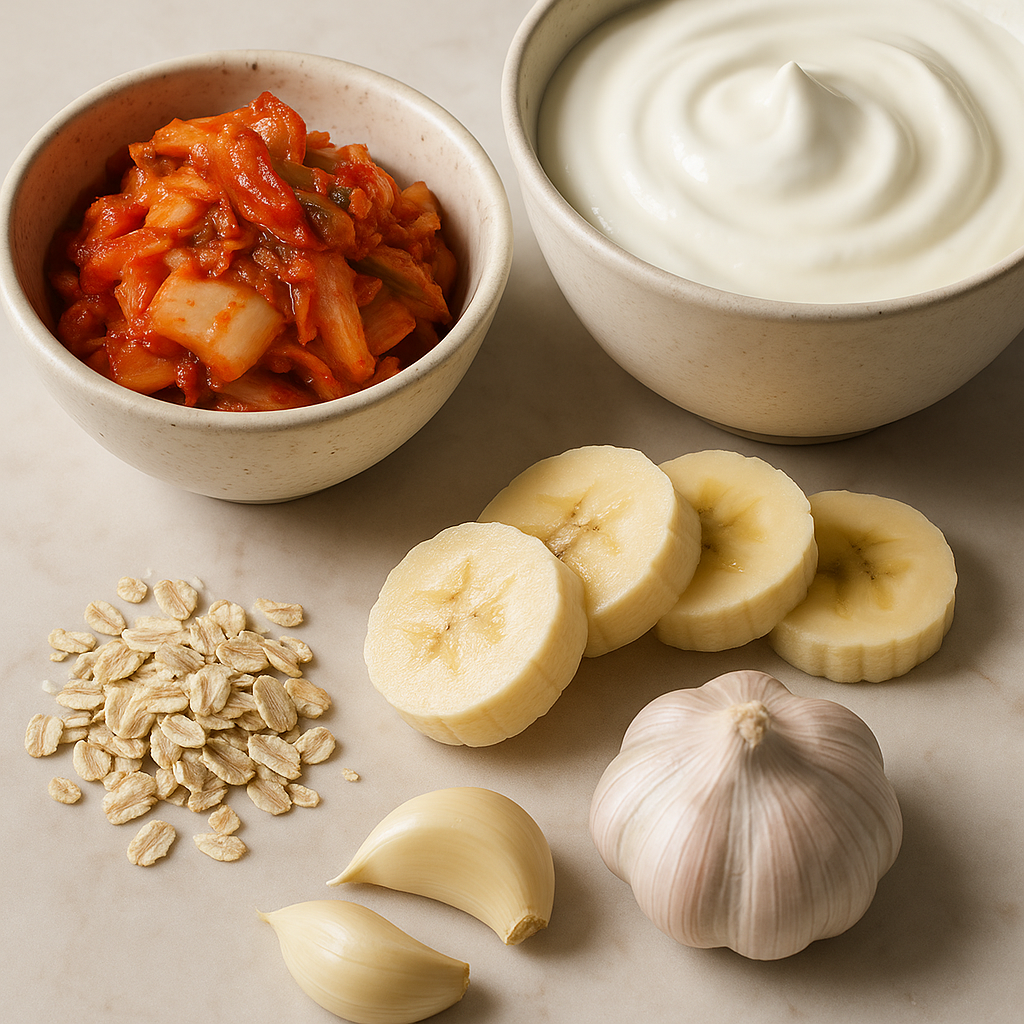
    Close-up of probiotic-rich foods supporting gut health and glowing skin on a marble surface
    Close-up of probiotic-rich foods supporting gut health and glowing skin on a marble surface

    Probiotics: supplement or whole food first?

    The supplement market for probiotics in the UK is enormous, worth over £500 million annually according to industry data from the Health Food Manufacturers’ Association. But here is the honest take: whole food sources tend to outperform capsules for most people, simply because they come packaged with prebiotics (the fibres that feed the good bacteria) and a broader spectrum of live cultures.

    That said, specific probiotic strains have shown real results in skin-focused trials. Lactobacillus rhamnosus and Lactobacillus acidophilus have both been linked to reductions in acne severity. If you are going the supplement route, look for products with clearly labelled strains, a CFU count of at least 10 billion, and third-party testing. Optibac and Symprove are two UK brands with decent clinical backing and transparent formulations.

    One thing worth noting: probiotics work best when they have something to eat. Load up on prebiotic foods first. Garlic, onions, oats, bananas, and asparagus are all excellent sources. Think of it as preparing the soil before planting seeds.

    Stress, sleep, and the microbiome loop

    Nutrition is only part of the picture. Chronic stress is one of the most damaging things you can do to your gut microbiome, which is why the skin often worsens during high-pressure periods at work or after poor sleep. Cortisol disrupts gut motility and bacterial balance; the skin pays the visible price. This is not just anecdotal. A growing body of research links the gut-brain-skin triangle, with psychodermatology now emerging as a legitimate clinical field in UK medicine.

    Practical steps that work: consistent sleep of seven to nine hours (the NHS recommends this range for adults), limiting ultra-processed food during stressful periods, and finding a movement practice that genuinely lowers cortisol rather than spiking it further. Yoga, walking, and swimming tend to be more gut-friendly than back-to-back HIIT sessions, which can actually increase intestinal permeability when done in excess.

    Building a routine that works inside and out

    The wellness-meets-beauty crossover is real, and the smartest approach combines internal changes with a more targeted external routine. Topical skincare still matters, but it works harder when your gut is functioning well. Think of it as laying the foundation before painting the walls. If your barrier is constantly inflamed from the inside, no amount of barrier cream will hold it.

    From the inside: eat 30 different plants per week, add fermented foods daily, consider a quality probiotic supplement if your diet is limited, and prioritise sleep. From the outside: a gentle cleanser, a niacinamide serum (which supports the skin barrier and reduces inflammation), SPF daily, and a hydrating moisturiser. Ceramide-based formulas from brands like CeraVe and La Roche-Posay have strong dermatologist backing in the UK.

    If you are rethinking your entire wellness setup this year, remember that your environment plays a role too. Light exposure, indoor air quality, and even your surroundings affect stress levels and, indirectly, your gut and skin. While you are auditing your space, it is worth knowing that small details like the best blinds for controlling natural light can help regulate your sleep environment, which feeds directly back into that gut-cortisol-skin loop.

    How long before you see results?

    Gut health improvements are not overnight. Most people notice changes in digestion within two to four weeks of consistent dietary shifts, but visible skin improvements typically take six to twelve weeks. This is one of the reasons gut-focused approaches get dismissed: people expect the same speed as a topical treatment. The payoff is different though. Skin that is balanced from within tends to be more resilient, less reactive, and more consistently clear rather than cycling through good weeks and bad ones.

    Track your intake, pay attention to your skin’s patterns, and give the process at least three months before judging. The gut-skin connection is not a hack. It is a long-term relationship, and like most good relationships, it takes a bit of patience before it properly pays off.

    Frequently Asked Questions

    Can improving gut health really clear my skin?

    Yes, and the research increasingly supports it. A balanced gut microbiome reduces systemic inflammation, which is a key driver of acne, rosacea, and dull skin. Dietary changes and probiotics have shown measurable improvements in skin clarity in multiple clinical studies.

    What are the best foods to eat for gut health and glowing skin?

    Fermented foods like kefir, live yoghurt, kimchi, and sauerkraut are excellent starting points. Pairing them with prebiotic-rich foods like oats, garlic, leeks, and bananas helps feed the beneficial bacteria. Aiming for 30 different plant foods per week is the most evidence-backed dietary target.

    Which probiotic supplements are best for skin in the UK?

    Look for supplements with clearly labelled strains such as Lactobacillus rhamnosus or Lactobacillus acidophilus, and a CFU count of at least 10 billion. UK brands Optibac and Symprove are both well-regarded and have clinical studies behind them.

    How long does it take for gut health changes to show on the skin?

    Digestive improvements can appear within two to four weeks, but visible skin changes typically take six to twelve weeks of consistent effort. Stick with dietary adjustments for at least three months before assessing results.

    Is leaky gut actually linked to skin problems like acne and eczema?

    Yes. When the intestinal lining becomes permeable, bacterial fragments enter the bloodstream and trigger an inflammatory response that manifests visibly on the skin. Dermatologists increasingly recognise this gut-skin axis as a factor in conditions including acne, eczema, and rosacea.
  • Skin Cycling Explained: The Skincare Routine That Dermatologists and Influencers Both Swear By

    Skin Cycling Explained: The Skincare Routine That Dermatologists and Influencers Both Swear By

    Some skincare trends come and go before you’ve even had a chance to order the products. Skin cycling is not one of them. Originally coined by New York-based dermatologist Dr Whitney Bowe, the method has crossed the Atlantic and embedded itself firmly into British bathroom routines. If your social feeds are full of before-and-after glow-ups and people talking about their “recovery nights”, this is why. And honestly? The science behind it is solid enough that it deserves more than a scroll-past.

    This skin cycling routine guide breaks down every phase, the products worth spending on, and why this approach has become one of the most discussed skincare frameworks of 2026.

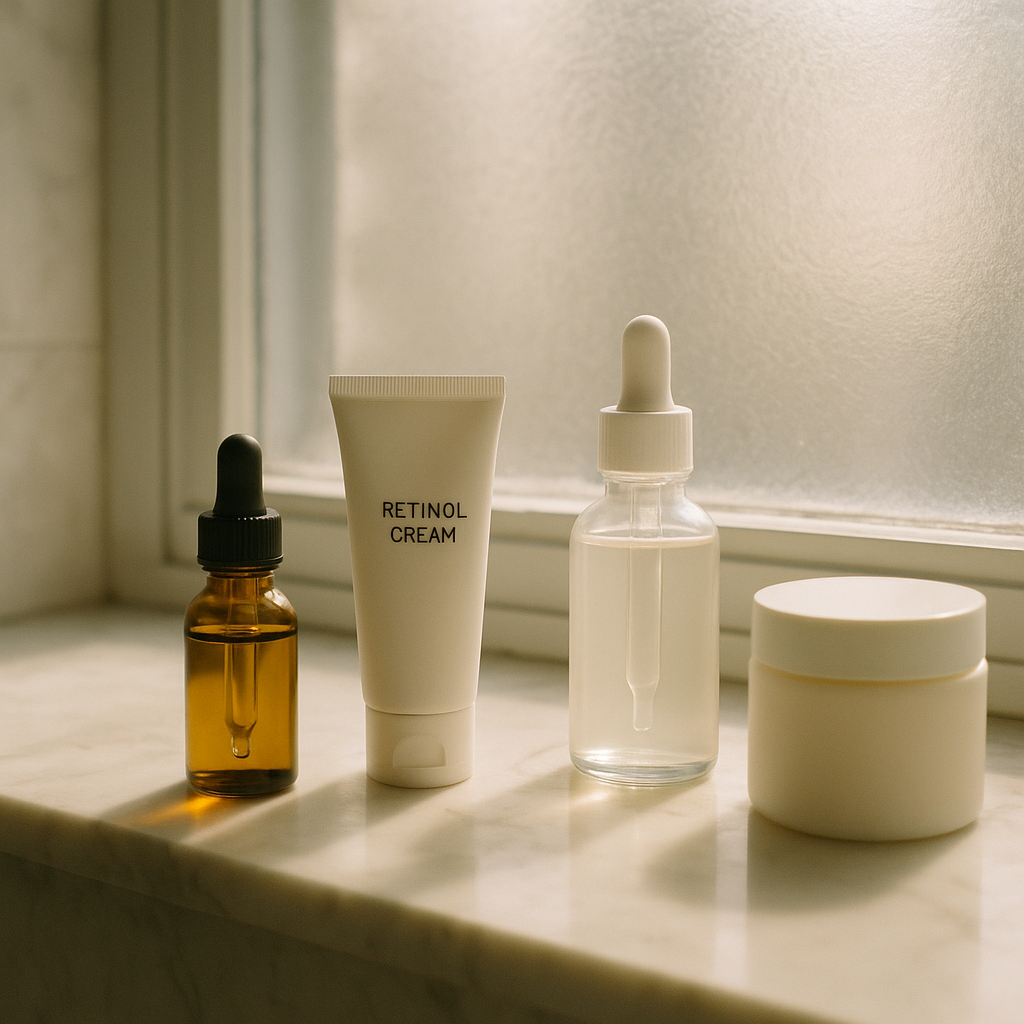
    Curated skincare products laid out for a skin cycling routine guide on a marble bathroom shelf
    Curated skincare products laid out for a skin cycling routine guide on a marble bathroom shelf

    What Is Skin Cycling and Why Is Everyone Talking About It?

    Skin cycling is a structured four-night skincare rotation that alternates between active ingredients and recovery. The logic is straightforward: most people who experience irritation, redness, or breakouts from retinol or acids are not using bad products. They are overusing them without giving their skin barrier adequate time to repair itself.

    The method tackles this head-on. Night one is for chemical exfoliation. Night two is for retinol. Nights three and four are dedicated recovery nights. Then you repeat. That cycling structure prevents the cumulative damage that comes from layering active ingredients every single evening, which is a habit far more common than people admit.

    According to the BBC Health desk, searches around skin barrier damage have risen sharply over the past two years, which tracks perfectly with the explosion of multi-step routines and the overenthusiastic adoption of acids and retinoids without proper guidance. Skin cycling, in that context, feels like a correction rather than just a trend.

    Night One: The Exfoliation Phase

    This is where you lay the groundwork. Chemical exfoliants, specifically AHAs (like glycolic or lactic acid) and BHAs (like salicylic acid), work by loosening the bonds between dead skin cells, clearing the way for everything that follows. The key word here is chemical. Physical scrubs with microbeads or gritty textures are largely considered outdated and potentially damaging to the skin barrier.

    For UK shoppers, brands like The Ordinary, Paula’s Choice, and Medik8 are popular starting points. The Ordinary Glycolic Acid 7% Toning Solution is a reliable entry-level option, while Paula’s Choice BHA Exfoliant is frequently recommended by dermatologists for those dealing with congestion or oily skin. Apply your exfoliant after cleansing, let it work, and skip any additional actives on this night. Finish with a simple, non-fragrant moisturiser.

    Night Two: The Retinol Phase

    Night two is where the skin cycling routine guide really earns its reputation. Retinol, a derivative of vitamin A, is one of the most evidence-backed ingredients in skincare. It accelerates cell turnover, stimulates collagen production, and addresses everything from fine lines to hyperpigmentation and acne. It is also the ingredient most frequently misused.

    The “sandwich” technique is widely recommended here: moisturiser, then retinol, then moisturiser again. This buffers the retinol slightly, reducing the likelihood of irritation, particularly for those new to the ingredient. Start with a lower concentration, around 0.3%, and work upward over several weeks.

    UK-available options worth exploring include RoC Retinol Correxion, Medik8 Crystal Retinal (which uses retinaldehyde, a slightly more potent precursor to retinoic acid), and the more accessible No7 Lift and Luminate range. Prescription-strength tretinoin is available through services like Dermatica, a UK-based online clinic, for those wanting clinical-grade results with medical oversight.

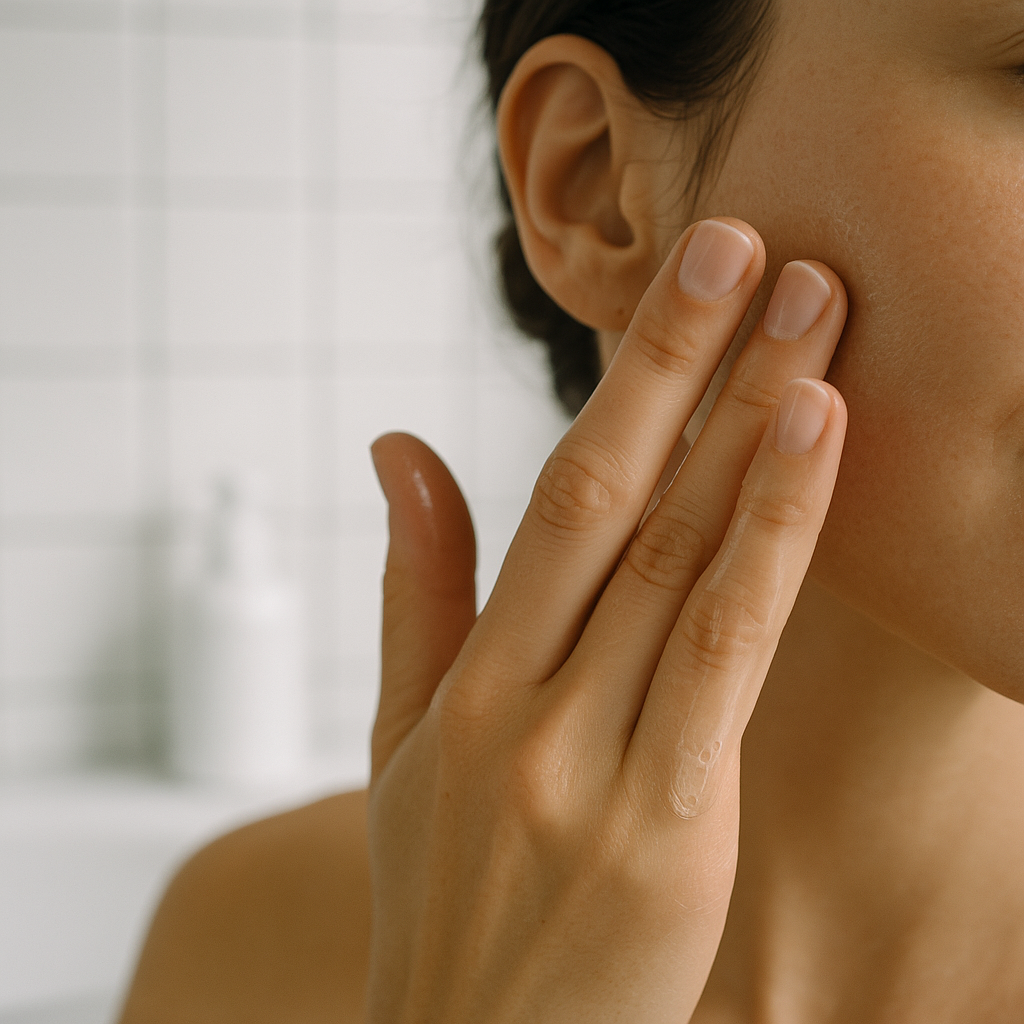
    Close-up of serum application as part of a skin cycling routine guide on clean skin
    Close-up of serum application as part of a skin cycling routine guide on clean skin

    Nights Three and Four: The Recovery Phase

    This is the part most people skip when they try to replicate the benefits of skin cycling without following the actual structure. Recovery nights are not passive. They are active repair sessions for your skin barrier.

    Think ceramides, hyaluronic acid, niacinamide, and peptides. These are the ingredients that rebuild. CeraVe’s Moisturising Cream is a British pharmacy staple that delivers ceramides and hyaluronic acid without costing a fortune. La Roche-Posay Cicaplast Baume B5 is another brilliant option, particularly if your skin has been running warm after the retinol night. For something more luxurious, Augustinus Bader’s The Cream remains a cult product among those willing to invest.

    Recovery nights are also where you skip the vitamin C serums, the exfoliating toners, and anything with a strong active ingredient. Gentle cleanse, barrier-supportive serum, rich moisturiser. That is it. Your skin is doing the heavy lifting. Let it.

    Who Is Skin Cycling Actually For?

    The honest answer: most people. The skin cycling routine guide is particularly well-suited to those who have experienced redness or irritation from actives, people who are new to retinol, and anyone whose skin feels chronically sensitised despite a seemingly careful routine. It is also genuinely useful for those who have been using actives for years but have noticed diminishing returns, because the recovery phase may be exactly what their barrier has been missing.

    People with very sensitive skin conditions like rosacea or eczema should absolutely speak to a dermatologist before starting. The British Association of Dermatologists recommends seeking professional guidance before introducing retinoids if you have a pre-existing skin condition. That is sensible advice worth taking seriously.

    For most people without those conditions, the four-night cycle is genuinely low-risk. The structured nature of it removes the guesswork that causes most skincare routines to unravel.

    Does the Order of Products Matter Within Each Night?

    Yes. The general rule is thinnest to thickest consistency, which typically means cleanser, toner (if used), serum, moisturiser, and then a facial oil if that is part of your routine. On exfoliation night, the acid is applied after cleansing and before moisturiser. On retinol night, the sandwich method places moisturiser both before and after the retinol. On recovery nights, layer hydrating serums under a substantive moisturiser.

    SPF is non-negotiable in the morning, particularly on the days following exfoliation and retinol nights when skin is more photosensitive. A broad-spectrum SPF 30 minimum is the baseline; SPF 50 is better. This is one area where UK shoppers have genuinely brilliant options, with brands like Altruist, Bondi Sands SPF, and Australian Gold all widely available on the high street and online.

    Is Skin Cycling a Long-Term Approach or a Short Fix?

    Long-term, without question. Skin cycling is not a crash diet for your face. Results from retinol, for instance, typically take a minimum of twelve weeks to become visible. The recovery nights are not wasted time; they are what makes the active nights sustainable over months and years rather than weeks.

    Most people who commit to the four-night structure report that their skin feels more balanced within three to four weeks, with clearer texture and less reactivity. The fact that it also simplifies decision-making, because you always know what night you are on, is part of why it sticks.

    Skin cycling is not complicated. It is disciplined. And in a world where everyone is trying to sell you a seventeen-step routine, that restraint is genuinely refreshing.

    Frequently Asked Questions

    How long does it take to see results from a skin cycling routine?

    Most people notice improved skin texture and reduced irritation within three to four weeks of consistent skin cycling. However, the real benefits of retinol, such as reduced fine lines and improved tone, typically require at least twelve weeks of regular use before they become clearly visible.

    Can beginners start skin cycling if they have never used retinol before?

    Yes, skin cycling is actually ideal for retinol beginners because the built-in recovery nights reduce the risk of irritation that often puts people off retinoids. Start with a low concentration of 0.3% and use the moisturiser sandwich technique on night two to buffer the ingredient further.

    What products do I need to start the skin cycling routine in the UK?

    The essentials are a gentle cleanser, a chemical exfoliant (such as The Ordinary Glycolic Acid 7% or Paula’s Choice BHA), a retinol product (Medik8 Crystal Retinal or No7 Lift and Luminate are widely available), and a ceramide-rich moisturiser like CeraVe for recovery nights. You do not need an expensive routine to get started.

    Is skin cycling suitable for sensitive or acne-prone skin?

    Skin cycling can work well for acne-prone skin because the structured approach reduces overuse of actives that can trigger breakouts. Those with very sensitive skin conditions like rosacea or eczema should consult a dermatologist before starting, as the exfoliation and retinol phases may need to be adjusted or replaced.

    Can I do skin cycling if I am pregnant or breastfeeding?

    Retinol and retinoids are not recommended during pregnancy or breastfeeding, which means the standard skin cycling structure does not apply. Speak to your GP or midwife, and consider swapping the retinol night for a bakuchiol-based product instead, which is a plant-derived alternative considered safer during pregnancy.

  • The Quiet Luxury Trend: How to Build a Minimalist Wardrobe That Speaks Volumes in 2026

    The Quiet Luxury Trend: How to Build a Minimalist Wardrobe That Speaks Volumes in 2026

    Loud logos are out. Quiet confidence is very much in. The quiet luxury aesthetic has been building for a couple of years, but in 2026 it has fully cemented itself as the dominant fashion philosophy for anyone who wants to look expensive, considered, and genuinely stylish without screaming about it. Building a quiet luxury wardrobe in 2026 is less about spending a fortune and more about spending thoughtfully. It’s a mindset shift as much as a style one.

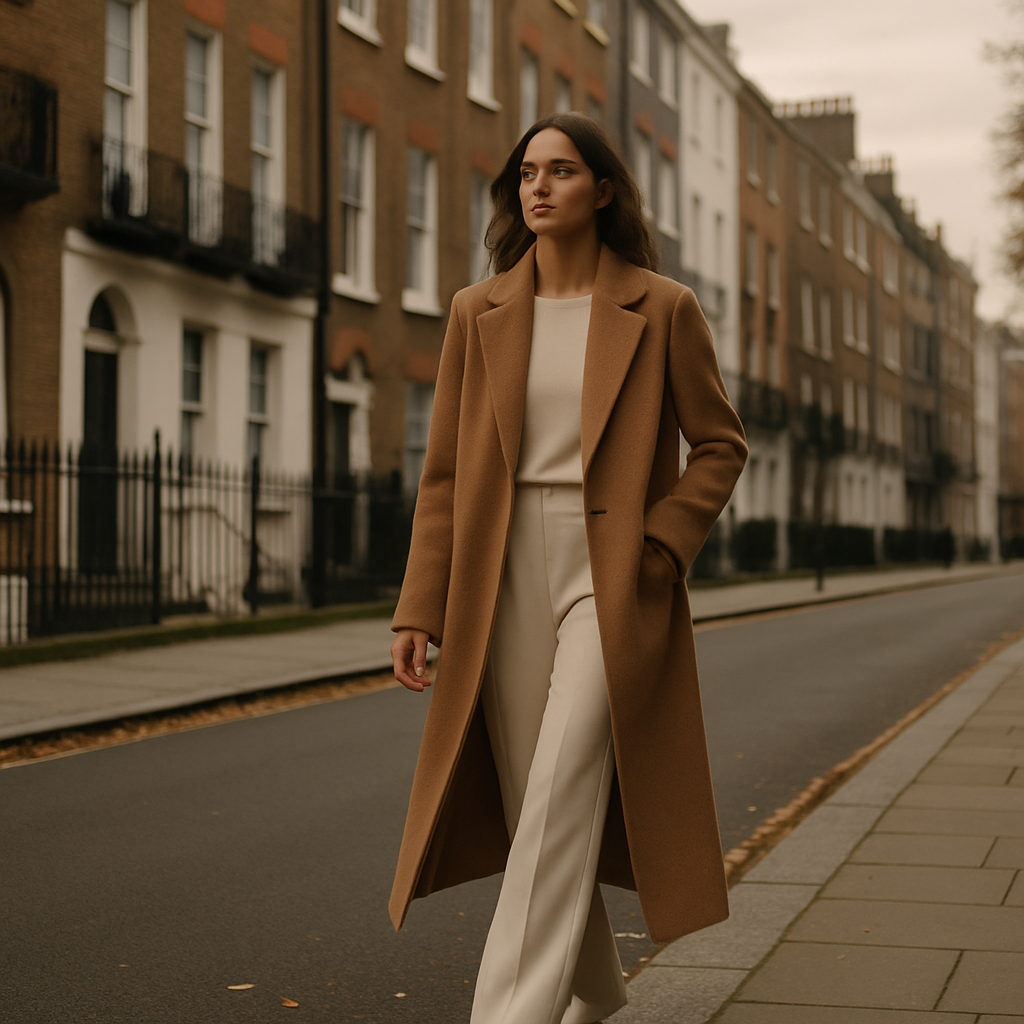
    Woman in camel coat representing the quiet luxury wardrobe 2026 aesthetic on a London street
    Woman in camel coat representing the quiet luxury wardrobe 2026 aesthetic on a London street

    What Is the Quiet Luxury Aesthetic, Really?

    Strip away the social media noise and the aesthetic boils down to this: clothes that fit impeccably, fabrics that feel extraordinary, and a colour palette that lets the quality do the talking. Think oatmeal cashmere, deep navy wool, camel coats with clean lines. No visible branding. No trend-chasing. No throw-away pieces you wore twice and forgot about.

    Brands like The Row, Toteme, and Loro Piana have been the reference points, but the principles apply far beyond luxury price tags. UK high street brands including Arket, & Other Stories, and even M&S’s Per Una Edit have been pulling off the look at genuinely accessible prices. The point is never the label. It is always the construction.

    The Colour Palette Behind a Quiet Luxury Wardrobe

    Neutrals are the backbone. Ivory, ecru, stone, camel, chocolate brown, slate grey, charcoal, and the kind of navy that looks almost black in certain light. These are not boring choices. They are precise ones. A wardrobe built around this palette means every piece works with every other piece, which is actually one of the most practical things you can do for your daily life.

    Occasional muted tones earn their place too. Dusty sage, washed terracotta, faded burgundy. Nothing saturated. Nothing shouting. The key is tonal dressing, where an outfit sits within a single colour family rather than contrasting sharply. Master that and you look pulled-together with minimal effort.

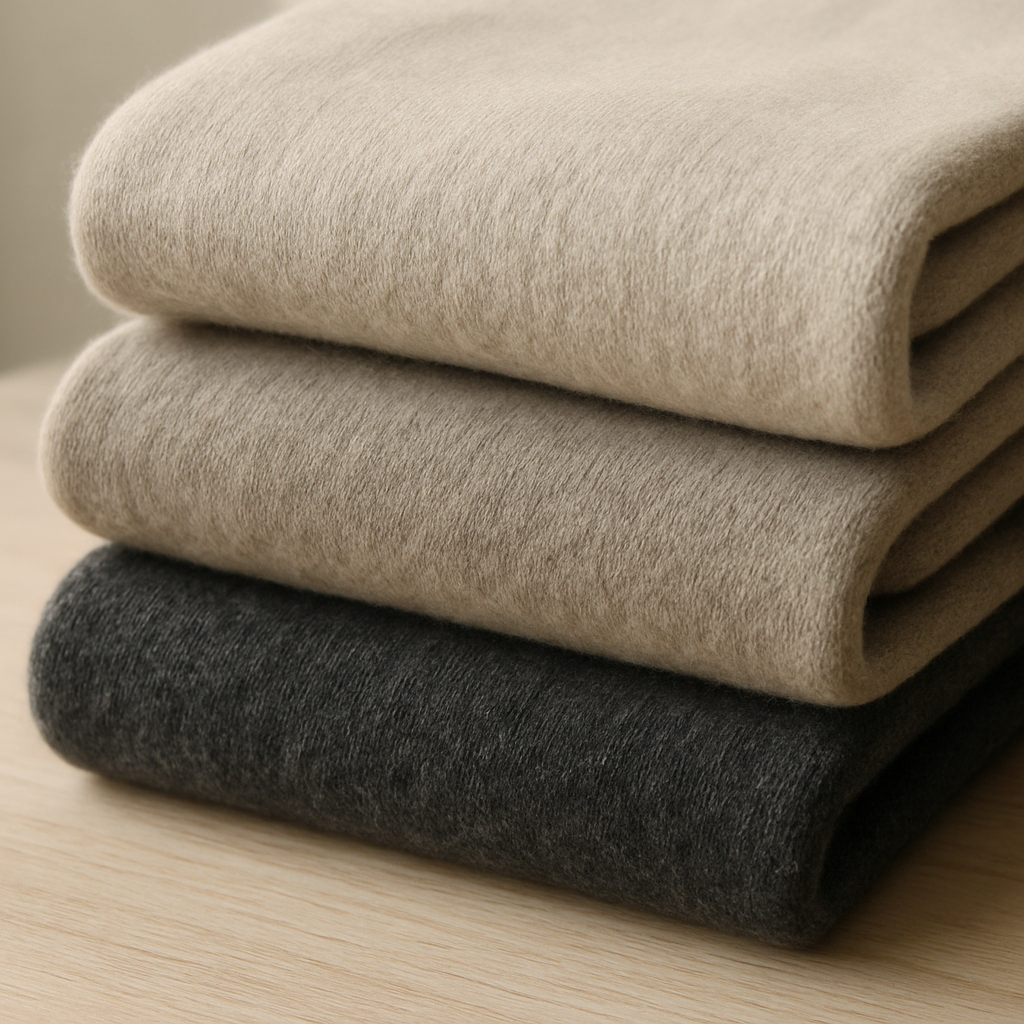
    Folded cashmere knitwear in neutral tones as key staples of a quiet luxury wardrobe
    Folded cashmere knitwear in neutral tones as key staples of a quiet luxury wardrobe

    The Wardrobe Staples Worth Investing In

    Building a quiet luxury wardrobe in 2026 means being selective. You are not filling a wardrobe. You are editing one down. Here are the pieces that carry the most weight.

    A Proper Cashmere or Merino Knitwear Piece

    This is non-negotiable. A fitted crewneck or relaxed rollneck in camel or oatmeal looks right in September and still looks right in March. Scottish cashmere producers like Johnstons of Elgin have been crafting knitwear for over 200 years. It costs more upfront, but a well-maintained cashmere jumper lasts a decade.

    Tailored Wide-Leg Trousers

    A high-waisted wide-leg trouser in charcoal or camel is the legwork of the quiet luxury look. Pair it with a tucked blouse or a fitted merino; either way it reads expensive. The fit around the waist and seat matters enormously here. Get them tailored if needed. A £40 alteration can make a £60 pair of trousers look like a £300 one.

    A Structured Leather or Leather-Look Bag

    No logos. Clean lines. A structured tote or a minimal crossbody in tan, black, or chocolate brown. British brand Aspinal of London does this beautifully without the logo-mania of flashier houses. The bag should look like it has been chosen deliberately, because it has.

    A Long-Line Coat in a Neutral Wool Blend

    The single most transformative quiet luxury piece. A camel or charcoal long coat thrown over virtually anything elevates the entire look. Reiss and Massimo Dutti both consistently deliver strong options in the £200 to £350 range. It is the best money you can spend on a single garment for daily wearability across the entire autumn and winter.

    Clean, Minimal Footwear

    Ballet flats, loafers, clean white trainers, or heeled mules with no branding. The shoe anchors the whole outfit and has to be consistent with the rest of the palette. Scuffed, heavily branded, or trend-heavy footwear breaks the quiet luxury spell immediately.

    Fast Fashion vs. Investment Buying: The Real Maths

    The average person in the UK spends roughly £1,000 per year on clothing, according to ONS household spending data, and a significant chunk of that goes on pieces worn fewer than five times. The quiet luxury approach flips that logic. Spend £250 on a coat you wear every day from October to March for five years, and the cost per wear becomes negligible. Spend £30 on a trend piece that lasts one season and it is, ironically, more expensive.

    This is not elitism. It is a reframe. The quiet luxury wardrobe in 2026 is built on the idea that restraint and quality are both accessible and sensible. You buy less. You choose better. You stop the cycle of purchasing and discarding that both costs more and does more environmental damage.

    How to Transition Into Quiet Luxury Without Starting from Scratch

    The most practical approach is to audit, not purge. Pull out everything that fits the neutral palette and has longevity. Then identify the three or four key gaps, whether that is knitwear, tailoring, outerwear, or footwear. Fill those gaps with the best quality you can afford right now, not the best quality money can theoretically buy. Progress over perfection.

    Charity shops and resale platforms like Vinted and Vestiaire Collective are genuinely brilliant for this aesthetic. Quiet luxury pieces are often the ones that survive in wardrobes for years before they are passed on, which means you can find cashmere in excellent condition, well-cut tailoring, and quality outerwear at a fraction of retail. The low-logo, timeless nature of the aesthetic makes second-hand buying far simpler than trend-heavy shopping.

    Why This Aesthetic Feels Particularly Right for 2026

    There is a collective exhaustion with noise right now, cultural, digital, sartorial. The quiet luxury wardrobe is a response to that. It says something without saying much at all. It reflects a kind of intentionality that feels genuinely modern. Not minimalism for minimalism’s sake, but the confidence to own fewer things and care about them more.

    That is the real flex in 2026. Not what you are wearing, but why you chose it.

    Frequently Asked Questions

    What is the quiet luxury aesthetic in fashion?

    Quiet luxury is a fashion approach built around understated elegance: neutral palettes, quality fabrics, clean silhouettes, and minimal or no visible branding. It prioritises craftsmanship and timeless design over trends and logos.

    How do I start building a quiet luxury wardrobe on a budget?

    Start by identifying the key gaps in your existing wardrobe rather than buying everything at once. Resale platforms like Vinted and Vestiaire Collective are excellent for finding quality cashmere, tailoring, and outerwear at accessible prices. Focus on fit and fabric quality above all else.

    Which UK brands do quiet luxury well?

    Arket, & Other Stories, Reiss, Massimo Dutti, and Aspinal of London all offer pieces consistent with the quiet luxury aesthetic at various price points. For investment-level quality, Johnstons of Elgin is one of the best Scottish cashmere producers available.

    What colours are essential for a quiet luxury wardrobe?

    The core palette is built around neutrals: ivory, stone, camel, chocolate brown, charcoal, and deep navy. Muted tones like dusty sage or washed terracotta can also work. The key is staying tonal rather than contrasting sharply between colours.

    Is quiet luxury just for women, or does it work for men too?

    It absolutely works for men. Well-fitted tailored trousers, quality merino knitwear, a long-line wool overcoat, and clean leather shoes or loafers translate directly into a menswear quiet luxury wardrobe. The principles of fit, fabric, and restraint apply regardless of gender.

  • Athleisure 3.0: Why the Gym-to-Street Aesthetic Is the Most Versatile Trend of 2026

    Athleisure 3.0: Why the Gym-to-Street Aesthetic Is the Most Versatile Trend of 2026

    Athleisure used to be a compromise. A concession to comfort that came with a quiet apology. You threw on some joggers because you couldn’t be bothered, and everyone knew it. That era is firmly over. The athleisure trend 2026 is something else entirely — a considered, intentional aesthetic that sits right at the intersection of performance wear, luxury fashion, and actual lived style. It doesn’t apologise. It sets the tone.

    What’s changed is the ambition behind the clothes. Brands are no longer asking whether sportswear can look polished; they’re asking how far they can push it. And the answer, this year, is very far indeed.

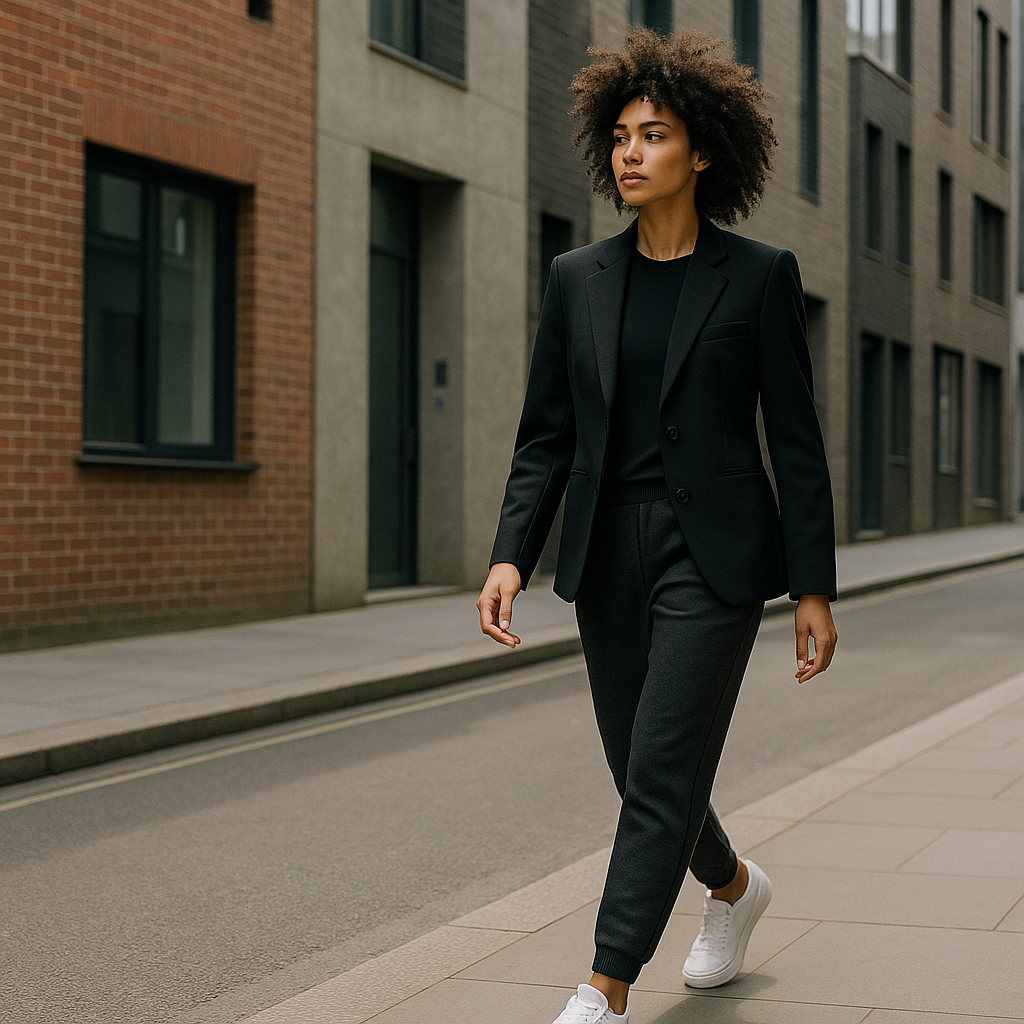
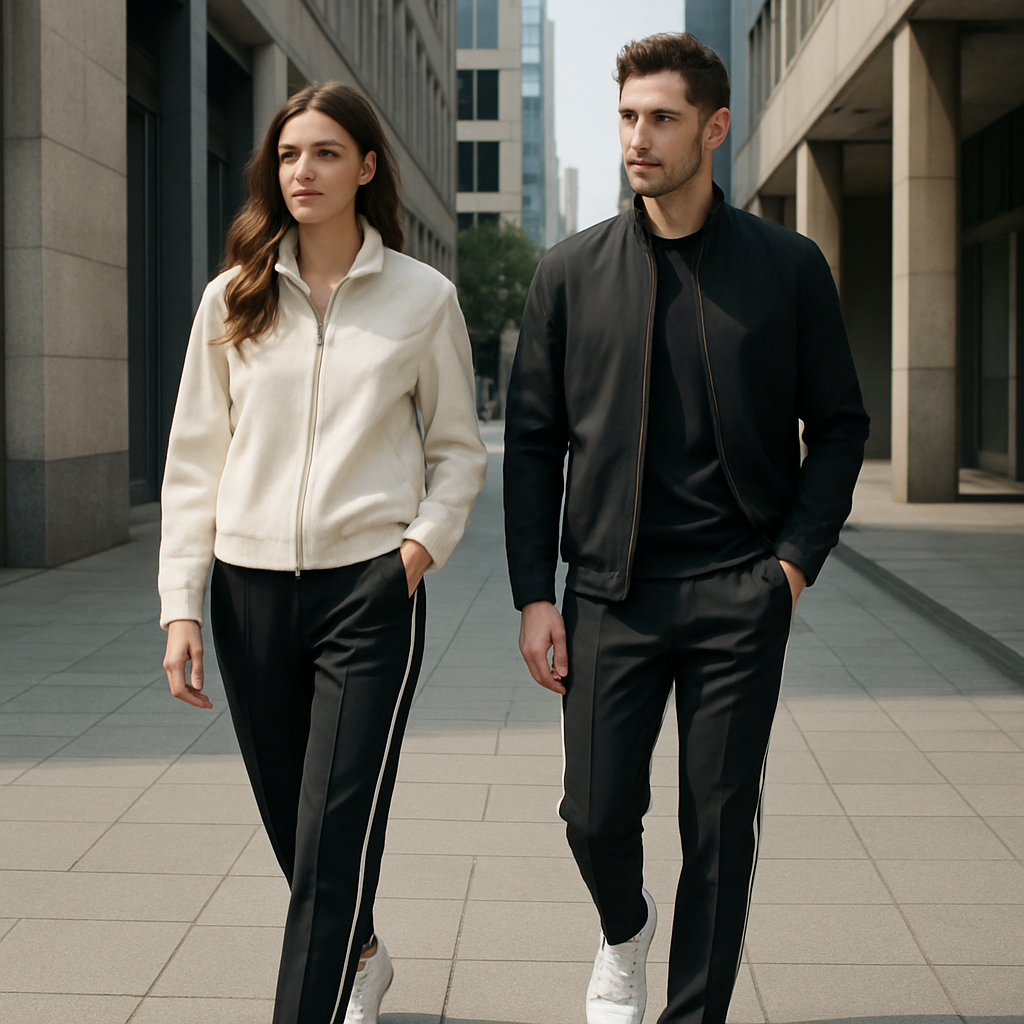
    Stylish woman in elevated athleisure trend 2026 outfit walking through London streets
    Stylish woman in elevated athleisure trend 2026 outfit walking through London streets

    From the Gym Floor to the High Street: What Athleisure 3.0 Actually Means

    The first wave of athleisure gave us yoga pants worn to coffee shops. The second wave brought branded tracksuits into the mainstream, Balenciaga and Nike suddenly standing shoulder to shoulder in the style conversation. Athleisure 3.0 is the refinement — it’s the version where the thought behind each outfit is evident without being try-hard.

    We’re talking structured performance fabrics that hold their shape like a tailored trouser. Technical outerwear with clean, architectural lines that read as sharp rather than sporty. Footwear that works on a treadmill and looks genuinely considered outside a restaurant in Shoreditch. This isn’t a gym look that survived the commute. It’s a deliberate wardrobe built around versatility and restraint.

    Key pieces driving this shift include seamless ribbed sets in neutral tones, oversized zip-through fleeces in premium materials, and boxy fitted shorts worn with crisp fitted shirts. The silhouettes are intentional. Nothing is accidental.

    How to Transition a Gym Look Into a Daytime Outfit That Actually Works

    The transition is where most people either nail it or fall short. The athleisure trend 2026 thrives on layering and contrast — pairing the relaxed with the structured, the matte with the slightly sheen, the minimal with one deliberate statement piece.

    Start with your base. A high-quality fitted long-sleeve top in charcoal or slate grey is your foundation. Layer over it with a slim-cut technical blazer — brands like Represent, Castore, and Lululemon’s men’s line have all leaned into this space recently. Add a pair of tapered joggers in a matching tone or go for a subtle contrast. The trick is keeping the palette tight. When everything is within the same colour family, the sportswear elements read as intentional rather than lazy.

    Footwear seals the look. Low-profile trainers with a clean sole, or even a sleek court-style shoe, ground the outfit. In 2026, the conversation around British fashion’s global influence is very much centred on this kind of dressed-up casual intelligence, and footwear is the single most important signal of intent.

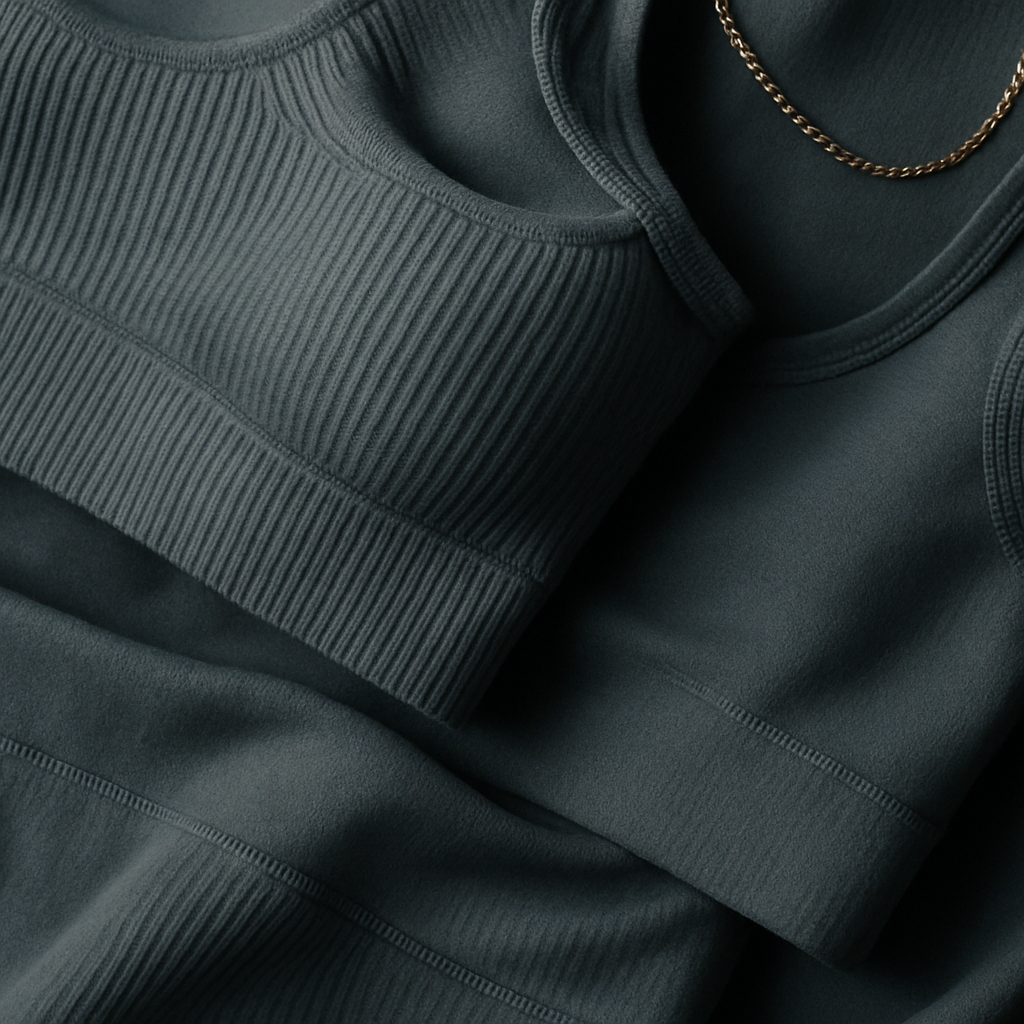
    Close-up detail of premium fabric representing the athleisure trend 2026 capsule wardrobe
    Close-up detail of premium fabric representing the athleisure trend 2026 capsule wardrobe

    Evening Athleisure: Yes, You Can Pull This Off After Dark

    This is where the aesthetic really earns its elevated label. Evening athleisure isn’t about wearing your gym kit to a bar and hoping for the best. It requires specific pieces chosen for their material weight, drape, and finish.

    For an evening context, think wide-leg performance trousers in a ponte or ponte-adjacent fabric — structured enough to hold a crease, comfortable enough to forget you’re wearing them. Pair with a fitted ribbed vest or a collarless overshirt in a complementary shade. Add a minimal crossbody or a slim tote in leather or vegan leather. Done.

    Women’s evening athleisure has moved sharply towards co-ord sets with subtle metallic threads woven into the fabric, giving the appearance of something intentionally evening-ready without sacrificing the ease of stretch and movement. I’ve seen this worn brilliantly at gallery openings and casual dinners across East London, and it holds its own.

    The key rule: one element must signal effort. Whether that’s a quality bag, a strong shoe, or a single piece of considered jewellery, the outfit needs one anchor point that tells the room you chose this deliberately. That’s the difference between athleisure 3.0 and just wearing your gym clothes out.

    The Brands Getting the Athleisure Trend 2026 Right

    Several British and globally available labels are absolutely nailing this space right now. Castore, the Manchester-born performance wear brand, has made serious moves into elevated everyday wear without losing its technical credibility. Gymshark’s lifestyle range continues to mature with each season. Represent Clothing, which started as a streetwear label, has absorbed performance aesthetics convincingly.

    Internationally, Lululemon remains a benchmark. Arc’teryx continues to lead on technical outerwear that functions as luxury fashion. And Adidas, in its ongoing collaboration cycles, keeps producing pieces that blur the gym-to-street line convincingly.

    What these brands share is a commitment to fabric quality and a refusal to over-logo. The athleisure trend 2026 is largely a quiet one. Branding is subtle. The statement is in the cut, the fabric, and the way the clothes actually move.

    Building a Capsule Athleisure Wardrobe Without Spending a Fortune

    You don’t need to rebuild your entire wardrobe. A tight edit of eight to ten pieces covers the vast majority of scenarios.

    • Two seamless ribbed sets (one light, one dark neutral)
    • A structured technical blazer or ponte jacket
    • One pair of tapered, high-quality joggers
    • One pair of wide-leg performance trousers
    • Two clean minimal base-layer tops
    • A premium zip-through fleece or hoodie
    • One pair of low-profile clean trainers

    Spend where it counts: fabrics and footwear. Cut corners on neither. A cheap fabric in a performance piece telegraphs itself immediately; there’s a reason people can tell a £30 gym set from a £120 one within seconds. This isn’t snobbery. It’s just how fabric behaves under light and movement.

    Why the Athleisure Trend 2026 Reflects Something Bigger

    There’s a broader cultural shift underneath all of this. Post-pandemic life rewired what people expect from their clothes. Comfort is no longer a compromise. Versatility is a design requirement, not a bonus. The idea that your wardrobe needs entirely separate categories for sport, work, and social life feels increasingly out of step with how people actually live.

    The athleisure trend 2026 reflects that reality honestly. It’s dressing for a life that moves between a morning run, a co-working space, a lunch meeting, and an evening out without a full outfit change between each stop. That’s not laziness. That’s modern.

    British style has always had an aptitude for this kind of quiet, considered versatility. It fits. And right now, the clothes are finally catching up with the life we’re all actually living.

    Frequently Asked Questions

    What is the athleisure trend in 2026?

    The athleisure trend 2026 refers to the evolution of sportswear into a fully elevated lifestyle aesthetic, where performance fabrics, clean silhouettes, and minimal branding create outfits that work from the gym through to evening social settings. It’s less about gym wear surviving outside the gym and more about deliberate, versatile dressing built around technical pieces.

    How do I wear athleisure for a night out without looking underdressed?

    Focus on fabric quality and structure. Wide-leg performance trousers, a fitted ribbed top, and one strong anchor piece, such as a leather bag or a sharp shoe, signals intention. Keeping your colour palette tight and avoiding overly branded pieces will ensure the look reads as considered rather than casual.

    Which UK brands are leading the athleisure trend in 2026?

    Castore (Manchester-based), Gymshark’s lifestyle range, and Represent Clothing are among the strongest UK names in this space. Each brings a different angle, from technical performance wear to streetwear-adjacent style, but all prioritise fabric quality and restrained design.

    Is athleisure still fashionable or is it overdone?

    Athleisure as a lazy compromise has had its day, but the elevated, intentional version absolutely is not overdone. The shift towards versatile, performance-led dressing continues to grow because it reflects real lifestyle needs. Done properly, with quality fabrics and considered styling, it remains one of the most relevant aesthetics around.

    How much should I spend to build a good athleisure wardrobe?

    You don’t need to overspend, but invest where it shows most: fabrics and footwear. A capsule of eight to ten quality pieces covering sets, outerwear, and clean trainers can be built across a range of budgets. Prioritise natural stretch fabrics and minimal branding over logos and trend-led details that will date quickly.

  • Biohacking Your Beauty Routine: The Wellness Trends Redefining Skincare in 2026

    Biohacking Your Beauty Routine: The Wellness Trends Redefining Skincare in 2026

    Skincare has quietly had its most radical overhaul in decades, and it has nothing to do with a new moisturiser from your local pharmacy. The biohacking beauty trends 2026 has ushered in are operating on a completely different level — cellular, biological, almost scientific in the way they approach the skin. This is not just about glowing complexions. It is about understanding what your skin actually needs and giving it exactly that, with precision.

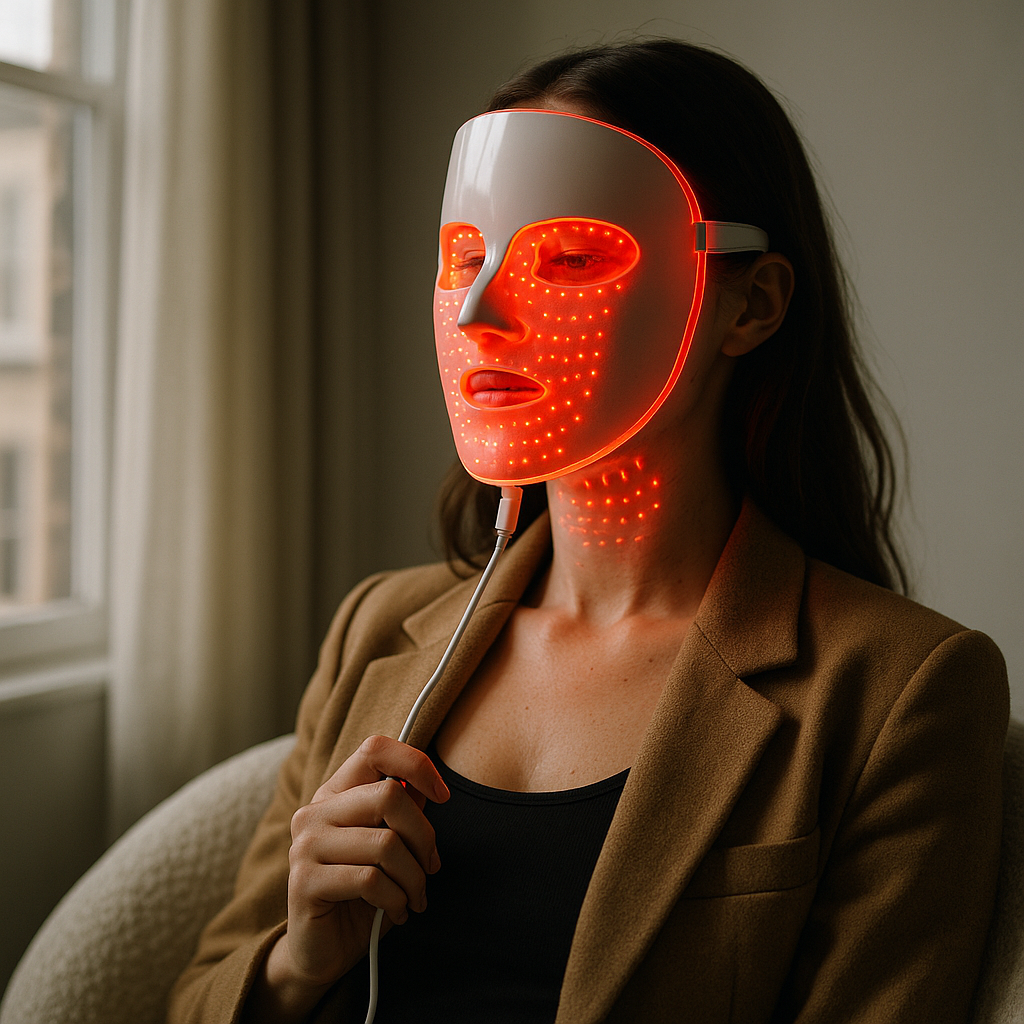
    Woman using red light therapy mask at home, one of the top biohacking beauty trends 2026
    Woman using red light therapy mask at home, one of the top biohacking beauty trends 2026

    The word “biohacking” gets thrown around a lot, and I get why people roll their eyes. But strip back the jargon and what you have is genuinely compelling: people using technology, nutrition, and biochemistry to influence how their skin ages, heals, and performs. From red light panels in bathroom cabinets to serum formulas that mimic your body’s own repair signals, this is where beauty and science are colliding in the most interesting way possible right now.

    Red Light Therapy: The Glow-Up You Can Actually Explain

    Red light therapy (also called photobiomodulation, if you want to sound impressive at brunch) uses specific wavelengths of light, typically between 630nm and 850nm, to stimulate collagen production and reduce inflammation. Devices have moved from clinical settings into home use at a rapid pace. Brands like CurrentBody, who are headquartered in Manchester, have made LED face masks accessible and genuinely fashionable. Their Skin LED Light Therapy Mask became one of the most talked-about beauty tools in the UK market, endorsed by everyone from dermatologists to athletes.

    The evidence is building. A growing body of research suggests consistent red light therapy sessions, roughly four to five times per week over eight weeks, can meaningfully improve skin texture and reduce fine lines. This is not a serum that disappears overnight. It is a protocol. And that shift in thinking, from product to practice, is exactly what defines the biohacking beauty moment we are in.

    Peptide Serums: The Ingredient Your Skin Was Waiting For

    Peptides are not new. But the sophistication of how they are being used in 2026 absolutely is. Short chains of amino acids that signal the skin to produce more collagen, tighten, repair, or regenerate, peptides are now being formulated with a specificity that was previously only possible in medical-grade cosmeceuticals. Copper peptides, GHK-Cu specifically, have become a near-cult obsession for anyone serious about skin longevity.

    Peptide serum bottles on marble surface representing biohacking beauty trends 2026 skincare routines
    Peptide serum bottles on marble surface representing biohacking beauty trends 2026 skincare routines

    UK brands like Allies of Skin and The Ordinary have democratised access to high-performance peptide formulas, but the more interesting territory is the bespoke end of the market. Personalised serums, where formulations are built around your skin’s specific needs based on questionnaires or even at-home skin analysis kits, are gaining real traction. The idea that your serum should be as individual as your fingerprint is no longer aspirational. It is becoming standard at the premium end of the market.

    The NHS and dermatological bodies have been cautious but not dismissive, acknowledging that topical peptides with strong scientific backing, particularly matrixyl and argireline, show meaningful results in clinical literature. For anyone wanting to go deeper on the science, the BBC Health desk has covered the growing intersection of nutrition science and skincare extensively this year.

    Adaptogen Skincare: Stress Is the New Wrinkle

    Adaptogens, plant-based compounds that help the body (and skin) adapt to stress, have been borrowed wholesale from the supplement world and are now turning up in cleansers, masks, and serums at a proper pace. Ashwagandha, reishi mushroom, and schisandra berry are showing up in formulations designed to address what the industry is now calling “skin stress” — the visible impact of cortisol surges, poor sleep, and environmental pressures on your complexion.

    The logic is sound. Chronic stress elevates cortisol, which breaks down collagen and disrupts the skin barrier. Products targeting this pathway are not just cosmetically appealing. They address an actual biological mechanism. Brands like Bamford, rooted in the Cotswolds, have been at the forefront of marrying adaptogenic botanicals with luxury skincare, while London-based OSKIA has been doing similar work with nutrient-dense, bio-active formulations for several years now.

    Gut-Skin Axis: Beauty Starts in the Microbiome

    One of the more fascinating shifts in how we talk about skin health is the growing attention on the gut-skin axis. Research into the human microbiome has made it increasingly clear that what is happening in your digestive system has a direct, measurable impact on inflammation, breakouts, and skin ageing. Biohackers have been talking about this for years. Now it is mainstream.

    In practical terms, this means probiotic-rich diets, targeted supplement protocols, and even postbiotic skincare products, which use the metabolic by-products of beneficial bacteria, are all part of the same conversation. UK companies like Symprove, based in Surrey, have established a strong evidence base around gut health and are increasingly being discussed in beauty contexts. It blurs the line between supplement and skincare in a way that feels very much like where the industry is heading.

    The Gadget Shelf: Tech That Actually Does Something

    Beyond red light, the biohacking beauty toolkit in 2026 includes microcurrent devices, which mimic the body’s own bioelectric signals to tone facial muscles; cryo tools, which use targeted cold to reduce puffiness and tighten pores; and at-home radio frequency devices that stimulate deeper tissue tightening. The difference between now and five years ago is the quality of these consumer-grade tools. They are no longer pale imitations of clinical equipment. The gap has genuinely narrowed.

    What I find most compelling about the biohacking beauty trends 2026 has accelerated is the underlying philosophy. It treats the skin not as a surface to be decorated but as a living system to be understood and supported. That is a genuinely different relationship to beauty, one that rewards curiosity and consistency over impulsive purchasing. The routine becomes the ritual. And in a world of overstimulation and quick fixes, there is something quietly radical about that.

    Whether you start with a peptide serum, a red light mask, or simply cleaning up your diet and sleep, the entry point is less important than the mindset shift. Your skin is doing extraordinary biological work every single day. The tools are finally sophisticated enough to support it properly.

    Frequently Asked Questions

    What is biohacking beauty and is it safe?

    Biohacking beauty refers to using science-backed tools, ingredients, and protocols to actively influence how your skin functions and ages. Most consumer-grade approaches, such as red light therapy, peptide serums, and adaptogen skincare, are well-tolerated and backed by clinical research. As with any new skincare protocol, it is worth patch-testing new products and consulting a dermatologist if you have sensitive or reactive skin.

    How much does red light therapy cost in the UK?

    Home-use LED devices range from around £50 for basic panels to over £400 for full-face clinical-grade masks from brands like CurrentBody. Professional in-clinic red light treatments typically cost between £40 and £150 per session depending on the clinic and location. Most experts recommend a course of sessions rather than a one-off treatment for visible results.

    Which peptides are actually worth using in skincare?

    Matrixyl (palmitoyl pentapeptide-4), copper peptides (GHK-Cu), and argireline (acetyl hexapeptide-3) have the strongest body of evidence behind them. They work best when applied consistently in a stable serum formulation, ideally layered under a moisturiser. Brands like The Ordinary and Allies of Skin offer accessible options available across the UK.

    Do adaptogen skincare products really work?

    The evidence is still emerging but is promising. Compounds like ashwagandha and reishi mushroom have demonstrated anti-inflammatory and antioxidant properties in clinical studies. When used consistently in well-formulated products, they can help address skin barrier disruption linked to stress. They work best as part of a broader routine rather than a standalone fix.

    What biohacking beauty trends 2026 are worth trying first?

    For most people, a high-quality peptide serum is the most accessible and evidence-backed starting point. If budget allows, adding a red light therapy device for regular use at home produces noticeable results over eight to twelve weeks. Addressing sleep quality and gut health through diet and probiotics also delivers visible skin improvements without requiring any new products at all.

  • Seoul Street Style: The Korean Fashion Trends Taking Over Global Wardrobes in 2026

    Seoul Street Style: The Korean Fashion Trends Taking Over Global Wardrobes in 2026

    Korean street style has moved well beyond a niche interest. What started as a cult obsession on fashion forums and K-drama fan pages has quietly become the most significant force reshaping Western wardrobes right now. From the sloped shoulders of oversized blazers to layered textures that look effortless yet clearly deliberate, K-fashion has a visual confidence that most Western trends simply cannot match at the moment. If your outfits have felt a little stale, Seoul’s streets are where you should be looking for a reset.

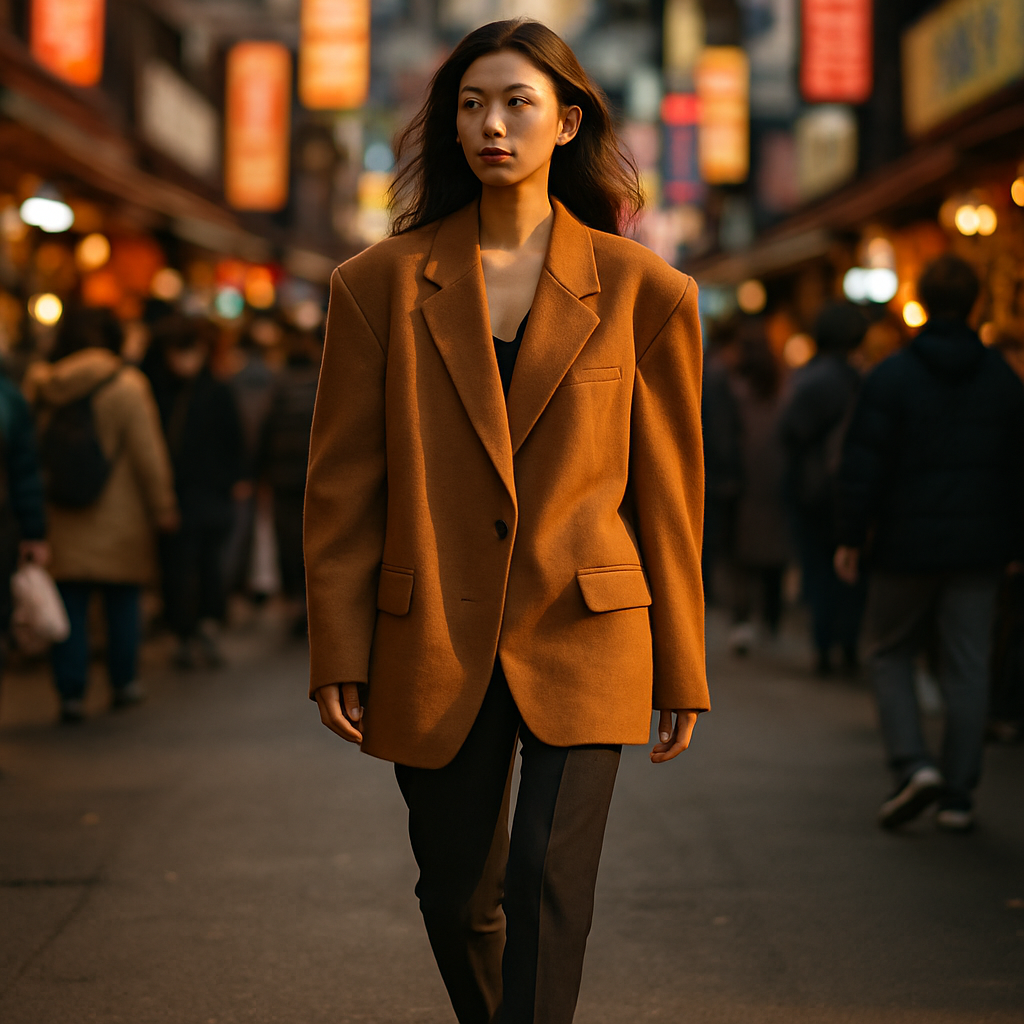
    Woman in oversized blazer showcasing Korean street style on a Seoul urban street at golden hour
    Woman in oversized blazer showcasing Korean street style on a Seoul urban street at golden hour

    What Makes Korean Street Style So Influential Right Now

    The appeal is not just aesthetic. Korean street style operates on a set of principles that feel genuinely modern: proportion play, texture mixing, gender-fluid silhouettes and a refusal to separate casual from elevated. Where a lot of Western fashion still draws hard lines between sportswear and office wear, K-fashion treats the whole wardrobe as one continuous conversation. That fluidity resonates with how people actually live and dress in 2026, where the boundaries between work, leisure and social life are more blurred than ever.

    Seoul’s fashion districts, particularly Hongdae and Seongsu, function as open-air laboratories. What appears on those streets one season tends to arrive in London, Paris and New York within months. The speed of that cultural transfer has only accelerated, driven by short-form video and a generation of consumers who shop globally without thinking twice about it.

    The Key Korean Street Style Trends to Know

    Oversized Silhouettes Done with Precision

    Oversized is not new, but the Korean approach to it is different. The key is deliberate proportion. A drastically wide blazer is worn with slim, tapered trousers or wide-leg denim that balances the volume rather than doubling it. Shoulders drop low, sleeves pool slightly over the hands and the overall shape is structured rather than sloppy. Brands like Ader Error and IISE have been doing this for years; mainstream Western labels are only now catching up to the specificity of the fit.

    To pull this off without looking like you borrowed someone else’s clothes, anchor one oversized piece against something fitted. A boxy knit over straight-cut trousers, belted at nothing, worn with a clean minimalist boot. That restraint is everything.

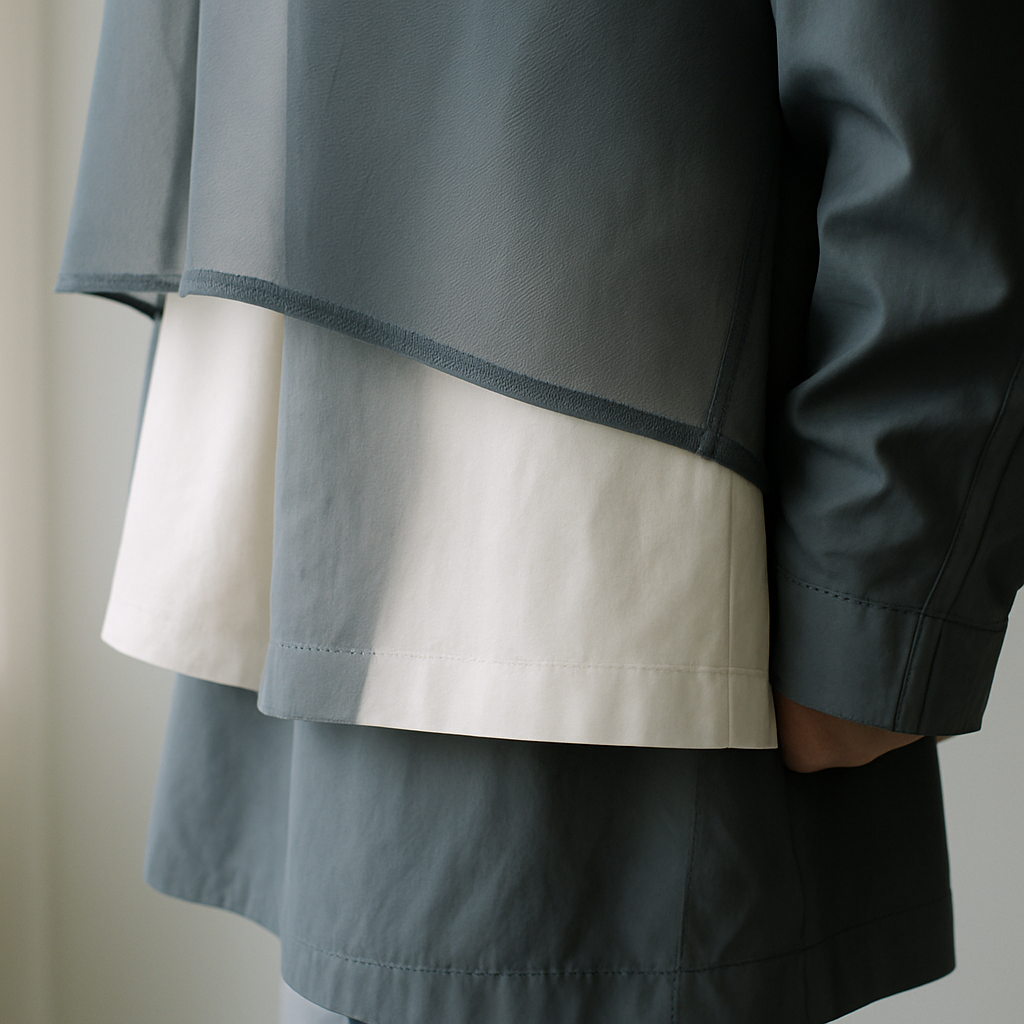
    Close-up of layered fabric textures representing the detail and depth of Korean street style dressing
    Close-up of layered fabric textures representing the detail and depth of Korean street style dressing

    Layered Textures and the Art of Looking Undone

    Layering in Korean street style is not about warmth. It is about building visual complexity. Think a sheer mesh long-sleeve under a short-sleeve graphic tee, over a longer hemline shirt that peeks out below. Or a nylon utility vest over a relaxed linen shirt in a contrasting tone. The textures clash on purpose: smooth against matte, lightweight against structured. The result looks like it was thrown together, but every layer was chosen with intention.

    This approach also works brilliantly in transitional dressing, which is why it has become so practical for UK wardrobes where the weather is consistently unpredictable. You can add or remove a layer and the outfit still holds together because the relationship between the pieces was considered from the start.

    Monochrome Tonal Dressing

    Korea’s version of monochrome is not the stark all-black look familiar in Western minimalism. It leans into tone-on-tone combinations within a single colour family: warm beige with caramel and sand, or slate grey layered across charcoal and off-white. The precision is in finding pieces that share a hue but differ in texture or fabric weight, creating depth without colour contrast. It photographs extraordinarily well, which partly explains why it dominates social content, but it also just looks incredibly put-together in real life.

    Sport-Luxe with a Korean Edit

    Korean street style has fully absorbed the global sport-luxe direction but filtered it through a cleaner, more restrained lens. You will see technical fabrics and trail-running aesthetics paired with tailored coats or structured bags. Trainers from brands like New Balance and Salomon sit alongside wide-leg trousers and sheer blouses without any sense of contradiction. The sportswear element reads as a considered choice rather than an afterthought, which is the entire point.

    How to Incorporate K-Fashion Into Your Everyday Wardrobe

    The most common mistake when approaching Korean street style from the outside is trying to replicate entire looks. That usually ends in outfits that feel costumey rather than genuine. A better strategy is to extract principles and apply them to what you already own. Start with proportion: challenge yourself to wear one piece significantly bigger or smaller than you normally would and build the rest of the outfit around balancing it. Then experiment with texture layering using pieces you already have before investing in new ones.

    Shopping K-fashion brands directly is increasingly straightforward. Musinsa, Korea’s dominant fashion platform, now ships internationally, and plenty of K-fashion labels have opened stockists in the UK. If you are styling a new wardrobe corner at home to photograph outfits, the clean backdrops that work best for this kind of editorial look, whether that is whitewashed walls or window light filtered through faux wood venetian blinds, make a genuine difference to how the clothes read on camera.

    Korean street style rewards commitment. The looks that land hardest are the ones where every element, from the outermost layer to the sock detail, has been thought about. It is a more considered approach to dressing than most Western casual fashion asks of its audience. But that is exactly why it stands apart, and exactly why it is not going anywhere.

    Frequently Asked Questions

    What is Korean street style?

    Korean street style refers to the fashion trends and aesthetic movements that originate from South Korea’s urban youth culture, particularly in districts like Hongdae and Seongsu in Seoul. It is characterised by deliberate proportions, layered textures, gender-fluid silhouettes and a blending of casual and elevated pieces. It has become one of the most globally influential fashion movements over the past several years.

    Which Korean fashion brands should I know about?

    Key Korean brands making waves globally include Ader Error, IISE, Carlyn, Mardi Mercredi and Wooyoungmi. For more accessible entry points, Korean fast-fashion platforms like Musinsa stock hundreds of independent Korean labels and now ship to the UK. These brands tend to lead the trends that eventually filter into mainstream Western retail.

    How do I style oversized Korean fashion without looking sloppy?

    The trick is to balance volume deliberately rather than letting it accumulate. Pair one dramatically oversized piece, such as a wide-shouldered blazer or boxy knit, with something slim or tailored underneath. Korean street style relies on contrast in proportion, so one piece should dominate while the rest of the outfit acts as a clean, considered frame for it.

    Is K-fashion affordable for Western shoppers?

    It varies considerably. Independent Korean labels can be competitively priced compared to equivalent European or American brands, especially when purchased directly through platforms like Musinsa. Higher-end Korean designer pieces are on par with Western luxury pricing. The key is that K-fashion rewards investment in fewer, better-considered pieces rather than a high-volume approach to buying.

    How is Korean street style different from Japanese street style?

    Both are hugely influential but operate differently. Japanese street style tends toward more extreme or avant-garde expression, with movements like Harajuku pushing boundaries of convention. Korean street style is generally more wearable and commercially accessible, with a stronger emphasis on clean silhouettes, tonal precision and sport-luxe crossovers. K-fashion also moves faster in terms of trend cycles due to its deep connection with K-drama and K-pop culture.

  • Craft Aesthetic: Why Handmade Furniture Is the Coolest Thing in Your Home Right Now

    Craft Aesthetic: Why Handmade Furniture Is the Coolest Thing in Your Home Right Now

    Handmade furniture has stopped being a niche hobby and started being a full-blown cultural statement. In a world of fast everything, owning a piece that someone actually built with their hands feels genuinely radical. It tells a story. It has texture. It does not look like it was delivered in a flat-pack box on a Tuesday afternoon.

    The Craft Aesthetic Is Not Going Anywhere

    Right now, the coolest interiors are not the ones loaded with matching sets from big-box retailers. They are the ones with a raw-edged oak coffee table, a bench with visible joinery, or a shelf unit that looks like it was made by someone who actually cared about how it turned out. That is the handmade furniture energy, and people are hungry for it.

    This shift is happening across fashion, wellness and lifestyle culture. Authenticity is the currency. Whether that is slow fashion, homegrown food or a dining table built from reclaimed timber, the common thread is the same – people want things that feel real. Handmade furniture fits squarely into that world.

    What Makes a Handmade Piece Different

    The difference is not just visual, although it absolutely shows. Handmade furniture is built to last. Craftspeople select timber for grain, weight and character. Joints are cut with precision. Finishes are applied by hand, not sprayed on by a machine in a warehouse. The result is something that genuinely improves with age rather than falling apart after two house moves.

    There is also the fact that no two pieces are identical. A knot in the wood, a slightly uneven edge, a finish that catches light differently at different angles – these are features, not flaws. They are what give a piece its personality, and they are exactly what mass production has spent decades trying to eliminate.

    Building It Yourself: A Legit Option

    More people than ever are choosing to make their own handmade furniture rather than commission it. The DIY woodworking scene has exploded, and it is not just middle-aged men in sheds anymore. Young creatives, renters customising their spaces and people interested in sustainable living are all picking up tools and learning the craft.

    Getting started requires understanding what equipment will actually serve you. Researching the best woodworking machines for your budget and skill level is one of the most important first steps – and it is worth taking seriously if you want results that look intentional rather than rough. The right tools make the difference between a satisfying project and a frustrating one.

    Handmade Furniture and Personal Style

    Here is the thing that fashion people already understand: what surrounds you says something about who you are. Handmade furniture is not separate from your personal aesthetic – it is part of it. A well-made walnut side table sits next to a pair of clean white trainers and a good leather jacket and the whole picture makes sense. It is all rooted in quality, intention and a refusal to settle for generic.

    Commissioning a piece from a local maker is also a genuinely good move culturally. You are supporting a skilled trade, reducing the environmental cost of mass production and getting something unique in return. That feels aligned with where a lot of conscious consumers are heading.

    How to Start Incorporating It

    You do not need to overhaul your entire space. Start with one piece – a stool, a small shelf, a bedside table. Let these solutions earn its place and see how it changes the feel of a room. Chances are, it will not be the last piece you bring in.

    The craft aesthetic rewards patience. It asks you to look more carefully, choose more deliberately and value what lasts over what is easy. That is a philosophy worth living by, whether you are building a wardrobe or a home.

    Craftsperson finishing a piece of handmade furniture in a naturally lit workshop
    Minimalist bedroom interior featuring handmade furniture with a walnut bedside table

    Handmade furniture FAQs

    Is handmade furniture worth the extra cost?

    Yes, in most cases it is. Handmade furniture is built using higher-quality materials and proper joinery techniques, which means it lasts significantly longer than mass-produced alternatives. Over time, it is often the more economical choice – and it holds its character far better.

    Where can I find handmade furniture makers in the UK?

    Instagram and Etsy are strong starting points, as many independent makers share their work there. Local craft fairs, design markets and maker studios are also worth exploring. Searching for local woodworkers or furniture makers in your area often turns up talented craftspeople who work to commission.

    Can beginners really make their own handmade furniture at home?

    Absolutely. Many beginners start with straightforward projects like shelving, stools or simple tables. With the right tools, a decent tutorial and some patience, you can produce pieces that look genuinely impressive. Starting small and building your skills gradually is the way to go.

  • Sport Luxe Streetwear: How To Nail The Athletic Fashion Trend

    Sport Luxe Streetwear: How To Nail The Athletic Fashion Trend

    Sport luxe streetwear is the uniform of people who actually get it. It is not gym kit, it is not office wear, and it is definitely not your old college hoodie. It is the sweet spot where technical fabrics, clean tailoring and unapologetic comfort collide.

    What actually is sport luxe streetwear?

    Strip it back: sport luxe streetwear is performance inspired clothing styled like you are going somewhere important. Think track jackets with sharp lines, tapered joggers that sit perfectly on your trainers, and jerseys that look curated, not lazy.

    It is built on three rules. First, athletic DNA – mesh, zips, drawcords, ribbed cuffs. Second, upgraded fabrics – heavy cotton, technical nylons, structured knits. Third, intentional styling – nothing is random, even if it looks effortless. If it could not walk into a bar or a gallery, it is just sportswear, not sport luxe.

    Building a sport luxe streetwear wardrobe

    You do not need a full reset. You need better foundations and a stricter filter.

    Start with elevated basics

    Swap stretched joggers for tailored track pants with a crisp taper. Trade loud logo tees for heavyweight, boxy fits in solid colours. A structured hoodie in a muted tone beats a flimsy one every time. The shape should do the talking, not the branding.

    Pick one hero piece per outfit

    Every sport luxe streetwear look needs a focal point. It could be a technical track jacket, a pair of statement trainers or a sleek quarter zip. The rest of the outfit should calm it down, not compete with it. If everything is shouting, you just look chaotic.

    Upgrade your trainers

    Your footwear will expose you. Chunky running silhouettes, minimal leather trainers or retro indoor styles all work if they are clean and intentional. Beat up pairs are fine if the wear looks earned, not neglected. Know the difference.

    How to style sport luxe streetwear without trying too hard

    The line between effortless and tragic is thin. Here is how to stay on the right side.

    Keep your colour palette tight

    Neutrals, deep tones and one accent colour are your safest route. Black, grey, navy, olive and cream will carry most wardrobes. Add a single pop – a bold trainer, a stripe, a cap – and stop there. Too many brights and you drift into PE kit territory.

    Play with proportions

    Boxy top, slim bottom. Relaxed joggers, fitted tee. Cropped jacket, longer tee. Proportions make an outfit look styled instead of thrown on. If everything is skin tight, you lose the modern edge. If everything is baggy, you look like background cast in a music video.

    Respect fabrics and textures

    Mix matte with shine: a nylon windbreaker over heavy cotton, a sleek track pant with a textured knit. Avoid head to toe shiny polyester unless you are actually competing in something. Quality fabrics drape better and instantly make sporty pieces feel intentional.

    Sport luxe streetwear for different settings

    This style is flexible if you know how far to push it.

    Off duty days

    Go relaxed: tapered joggers, a heavyweight tee and a clean zip jacket. Add a cap and low profile trainers. It should look like you chose comfort, not that you gave up.

    Office casual

    Stick to darker tones and sharper cuts. Technical trousers that look like chinos, a minimal quarter zip under a smart jacket, and pristine trainers. If your boss complains, that is a them problem – you still look put together.

    Evening and events

    Dial up the tailoring. Structured bomber, knitted polo, dark track trousers, leather or premium trainers. No massive logos, no loud team graphics. The goal is subtle sport influence, not full kit.

    Common these solutions mistakes to avoid

    Too many logos, too much colour, and cheap fabrics will ruin the look instantly. If it feels flimsy, it will probably look it. Over matching sets can also tip into parody if the fit and colour are not spot on. Edit harder. Most people need to remove one item before they leave the house.

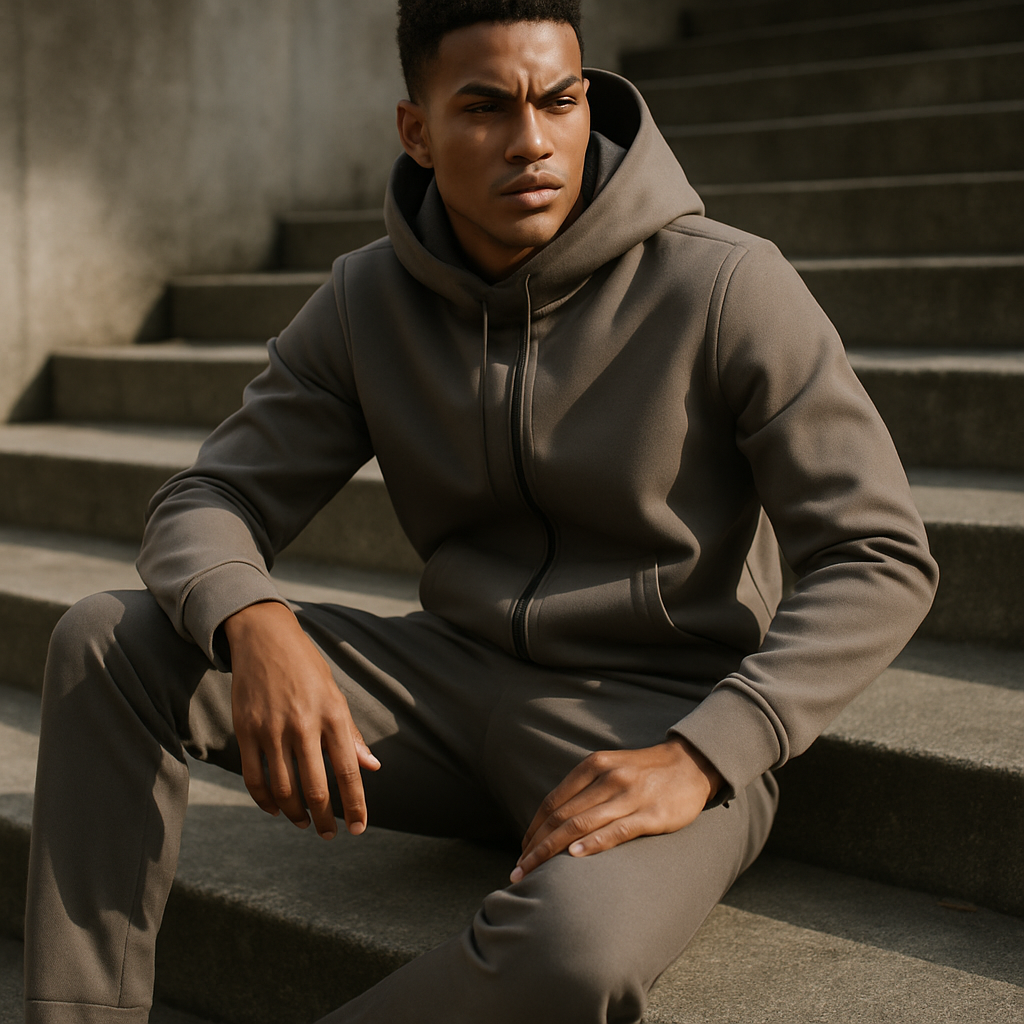
    Close up of a relaxed outfit showcasing tailored joggers and trainers in sport luxe streetwear
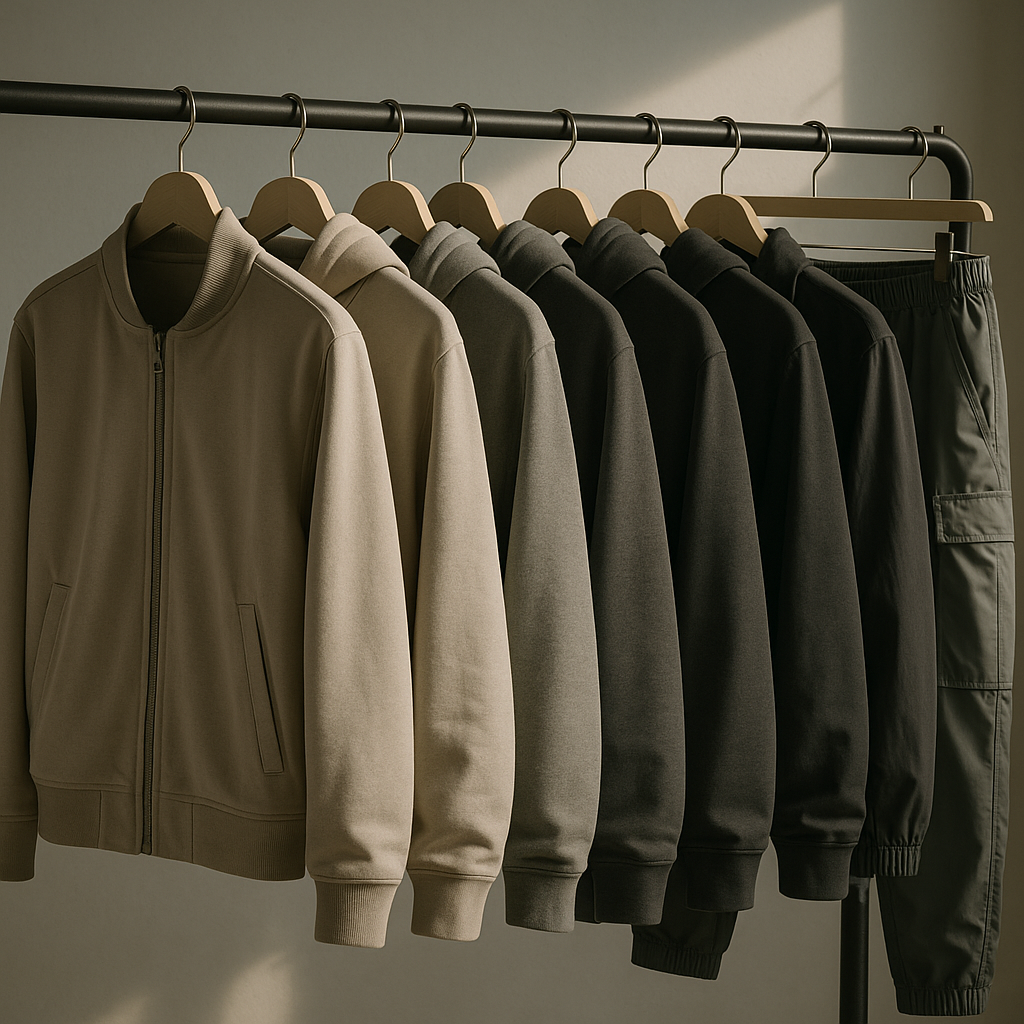
    Minimalist clothing rail with neutral athletic pieces styled for sport luxe streetwear

    Sport luxe streetwear FAQs

    What is sport luxe streetwear in simple terms?

    Sport luxe streetwear is clothing with athletic details styled in a polished, everyday way. It uses sporty elements like track pants, zips and technical fabrics but with cleaner cuts, better materials and intentional outfits that work for the street, bars or casual offices instead of just the gym.

    How do I start wearing sport luxe streetwear without buying a whole new wardrobe?

    Start by upgrading a few key pieces rather than replacing everything. Swap old joggers for tailored track pants, pick up a structured hoodie or track jacket in a neutral colour, and invest in one clean pair of trainers that works with jeans and track trousers. Build outfits around these and keep your colour palette tight so everything mixes easily.

    Can sport luxe streetwear work for the office?

    Yes, if you keep it sharp and minimal. Go for technical trousers that resemble smart chinos, a refined quarter zip or knit instead of a loud hoodie, and clean, low profile trainers. Stick to darker, neutral colours and avoid big sporty logos. The aim is subtle athletic influence, not turning up in full training gear.

  • Why Custom Printed Sneakers Are The Next Big Flex

    Why Custom Printed Sneakers Are The Next Big Flex

    Custom printed sneakers are everywhere right now, but most people are still getting them wrong. If you are going to walk around with your personality on your feet, it needs to look intentional, not like a dodgy festival freebie.

    Why custom printed sneakers are blowing up

    Streetwear has always been about one thing: standing out without trying too hard. Logos got louder, then everyone had the same ones. Collabs went crazy, then they started to feel lazy. Custom printed sneakers are the natural next step – your design, your story, your rules.

    Gen Z and younger millennials are bored of mass produced drip. They want pieces that feel personal, limited and a bit rebellious. A clean pair of customs hits that sweet spot: wearable every day, but still one of one. Brands know this, which is why you are seeing more custom studios, pop up personalisation bars and online creators selling their own designs on classic silhouettes.

    How to design custom printed sneakers that look premium

    The difference between fire customs and tragic ones usually comes down to restraint. Here is how to make custom printed sneakers look expensive rather than chaotic.

    First, pick a base that already works. All white or neutral trainers are the easiest canvas. Chunky runners and basketball styles take bold prints well, while slimmer silhouettes suit cleaner, minimal graphics. If the shoe is already busy with panels and textures, keep the print simple or you will lose the shape completely.

    Next, lock in a tight colour story. Two or three colours, max. Pull from your wardrobe – if you live in black, greys and deep green, do not suddenly go neon rainbow. Repeating a single accent colour across the tongue, heel tab and side panels looks deliberate and elevated.

    Smart print placements that actually work

    Placement is where custom printed sneakers really separate themselves. You do not need to cover every inch of the shoe to make a statement. In fact, you probably should not.

    Try micro prints on the heel, subtle patterns wrapping the midsole, or a graphic that only shows from the inner side of the foot. These little details feel more grown and less like you attacked your trainers with clip art. For bolder looks, go for a full print on just one section – for example, the toe box or quarter panel – and leave the rest clean.

    If you are into artwork or photography, think about how it will crop across curved surfaces. Faces and text can warp badly. Abstract shapes, gradients and textures usually translate best when the shoe flexes as you move.

    Tech is quietly levelling up sneaker customisation

    Behind the scenes, digital tools are making it easier to experiment before you commit. Online configurators let you mock up patterns, rotate the shoe in 3D and tweak colours until it hits. Some studios even prototype details using 3d print services for lace locks, badges or custom tags before locking in the final design.

    The result is a cleaner finish and fewer regrets. You can test how loud you really want to go, or see if that wild idea actually works with denim, cargos and shorts before you spend real money.

    How to style custom printed sneakers without trying too hard

    Once you have nailed the design, do not ruin it with messy styling. Let the trainers lead. If your customs are loud, keep the fit simple: straight leg denim, a plain tee, maybe a single statement accessory. If the print is subtle, you can echo the colours in your jacket or bag for a more put together look.

    One rule: avoid clashing prints near your feet. Patterned trousers plus heavy sneaker graphics is a lot, unless you really know what you are doing. If in doubt, go solid on the bottom half and let the shoes talk.

    Are these solutions worth the hype?

    If you care about personal style, yes. They are one of the cleanest ways to wear something nobody else has, without drifting into full costume territory. Done right, these solutions are not a gimmick – they are just a sharper, more honest version of what you already love to wear.

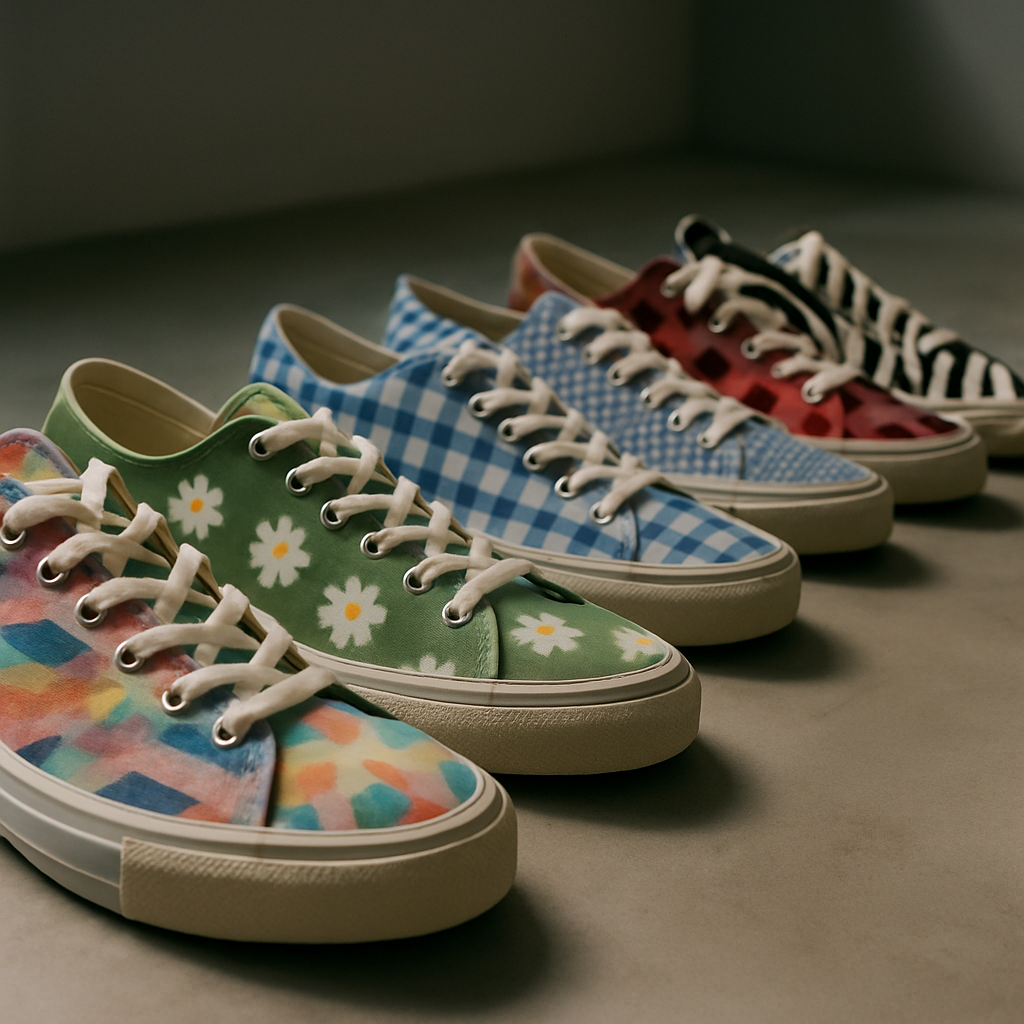
    Lineup of different custom printed sneakers displayed in a clean studio environment
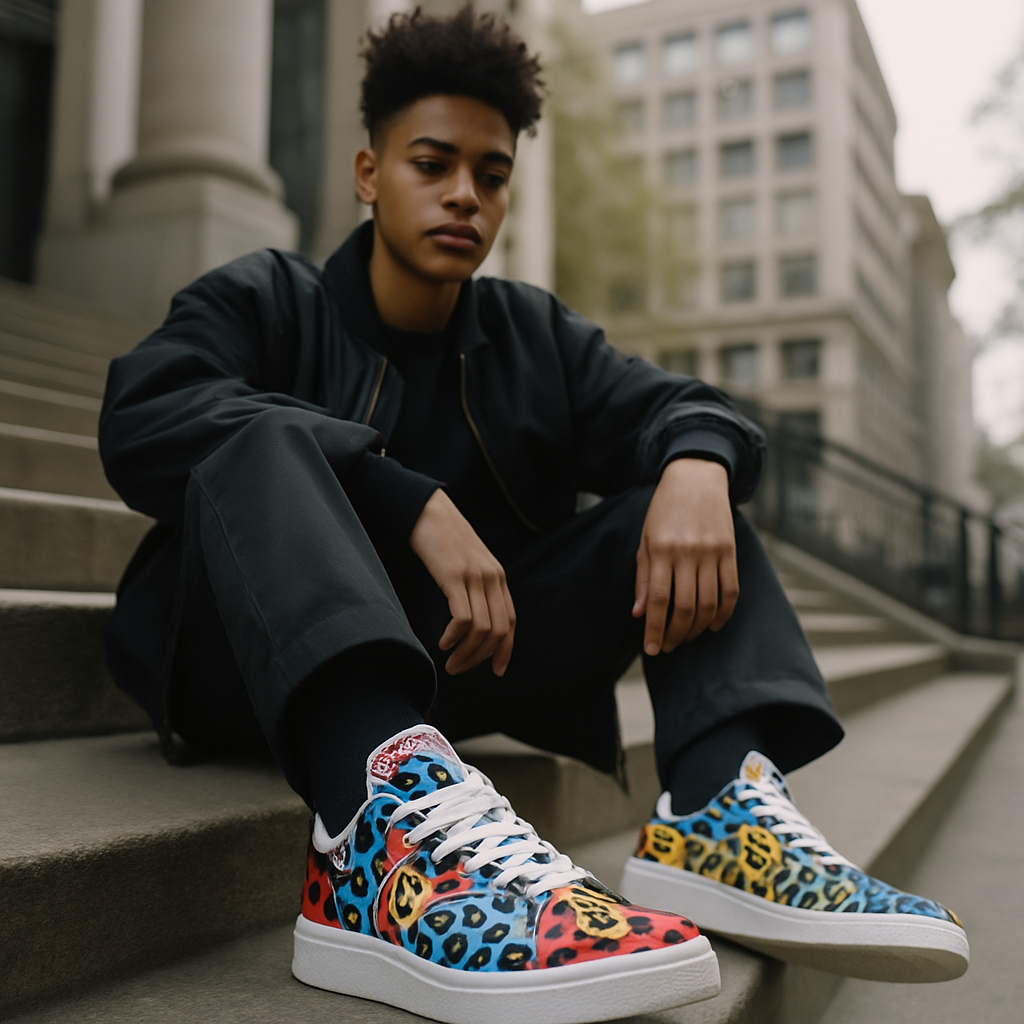
    Friends on a court wearing unique custom printed sneakers as part of casual streetwear looks

    Custom printed sneakers FAQs

    Are custom printed sneakers durable enough for everyday wear?

    Durability comes down to the base shoe and the print method. High quality trainers with professional grade inks or films will hold up fine for daily wear, especially if you avoid constant soaking and scrub them gently. Cheap bases and bargain printing usually crack or fade fast, so it is worth paying a bit more for a studio that knows what it is doing.

    What outfits work best with custom printed sneakers?

    Keep the rest of your outfit simple and let the shoes carry the personality. Solid tees, hoodies, cargos and straight leg denim are ideal. You can pull one colour from the sneaker design into your top or accessories to make the look feel intentional without going overboard.

    Can I design my own artwork for custom printed sneakers?

    Yes, most custom studios will let you upload your own artwork or graphics. Just make sure the file is high resolution and think about how it will wrap around curved panels. Abstract shapes, textures and bold blocks of colour usually translate better than tiny text or detailed portraits.

  • How Money Stress Is Quietly Killing Your Style (And What To Do About It)

    How Money Stress Is Quietly Killing Your Style (And What To Do About It)

    If you think financial wellness and fashion live in different universes, you are lying to yourself. Money stress shows up in your wardrobe, your skin, your sleep and your social life. You can pretend it is not that deep, but your outfits are already telling the truth.

    Why financial wellness and fashion are linked

    Style is not just about clothes, it is about how you move through the world. When your money is chaos, your style usually follows. Overspending on drops you cannot afford, panic buying outfits for every event, then living in the same grey hoodie because your bank app is bullying you – that is not personal style, that is financial anxiety in disguise.

    On the flip side, when your money is calm, your style gets sharper. You plan, you edit, you buy with intention. Your wardrobe starts to look like you, not like a mash-up of panic purchases and TikTok trends you never really liked.

    How money stress wrecks your style without you noticing

    Let us be honest about what actually happens when your finances are messy:

    1. You chase trends instead of building a look

    When you feel behind in life, it is easy to overcompensate with clothes. Every haul looks like a fresh start. But constant micro-trends mean you are burning cash on pieces that are dead in three months. That is not financial wellness and fashion, that is just expensive insecurity.

    2. You underinvest in key pieces

    Because your budget is unstable, you keep buying cheap replacements instead of one solid version. Trainers that fall apart, jeans that lose shape, coats that look tired after one season. Long term, that costs more money and gives you less confidence. A few quality staples will carry you harder than a pile of flimsy fast buys.

    3. You avoid social plans because you are skint

    Money stress does not just change what you wear, it changes where you go. You start dodging nights out, events and even gym classes because you are worried about the bill. That isolation hits your mood and your self image, which then hits how you dress. It is a spiral.

    Building a money-smart wardrobe that still looks hard

    Here is the blunt truth: you do not need more clothes, you need a better plan. Financial wellness and fashion can work together if you stop lying about your habits.

    Audit your wardrobe like a bank statement

    Pull everything out. Separate what you actually wear, what you love but never style properly, and what needs to go. Be ruthless. This is your reset. You will probably find you already own the base of a strong look – it is just buried under clutter.

    Decide your uniform

    Every stylish person has a loose uniform. Streetwear with clean trainers. Minimal gym-to-brunch fits. Tailored basics with one loud piece. Once you know your lane, you stop buying random stuff that does not fit the vision. That is where financial wellness and fashion finally align.

    Spend where people actually notice

    Outer layers, footwear, bags and grooming do the heavy lifting. People clock your coat, your trainers, your skin and your hair before they notice your T-shirt brand. Put more budget into the visible pieces, keep the underlayers simple and repeatable. It is smarter and it looks more intentional.

    Money moves that quietly upgrade your style

    Getting your wider finances under control matters too. Side hustles, realistic budgets and even looking at things like mortgages can shift you from short term panic to long term calm, which shows up in the way you dress and carry yourself.

    Some banks now offer spending breakdowns that make it painfully clear how much you are burning on impulse buys. Use that. Set a monthly style budget that you actually respect. When it is gone, it is gone. This forces you to choose between another random top or saving for those boots that will carry you for years.

    Curated wardrobe showing how financial wellness and fashion can work together
    Confident shopper expressing financial wellness and fashion through a considered outfit

    Financial wellness and fashion FAQs

    How can I balance financial wellness and fashion on a tight budget?

    Start by deciding your core style and building a small rotation of outfits you actually wear, instead of chasing every trend. Set a strict monthly clothing budget, focus on versatile staples, and only add new pieces that work with at least three things you already own. Resell what you do not wear to fund better quality items and stop impulse buying just because something is discounted.

    Is it worth paying more for quality clothing?

    Yes, if you are strategic. Paying more for well made trainers, coats, bags and denim usually saves money over time because you are not constantly replacing them. Prioritise pieces you wear weekly and keep cheaper basics for items that are less visible or trend led. The goal is fewer, better pieces that fit your real lifestyle, not just your wish list.

    How does financial stress affect my personal style?

    Financial stress can push you into two extremes: overspending to keep up appearances or shutting down and avoiding social situations altogether. Both damage your confidence and relationship with clothes. When your money is calmer, you tend to buy more intentionally, experiment more with what you already own and show up in outfits that actually feel like you.