Author Profile

  • The New Power Heel: How British Women Are Reclaiming Statement Footwear After Years of Flat-Shoe Dominance

    The New Power Heel: How British Women Are Reclaiming Statement Footwear After Years of Flat-Shoe Dominance

    Something shifted. After years of trainers ruling every occasion from board meetings to birthday dinners, heels are back on British pavements in a serious way. Not the agonising stilettos of the early 2000s, and not the chunky platforms that briefly filled the gap, but something more considered: the power heel. Architectural, deliberate, and genuinely wearable. The statement heels trend UK 2026 isn’t a throwback. It’s a reinvention, and I’d argue it’s one of the more interesting things to happen in footwear in the last decade.
    Woman wearing block-heeled mules on a city pavement, illustrating the statement heels trend UK 2026
    Photo by Arturo Añez. on Pexels

    Why heels fell out of favour in the first place

    Let’s be honest about the timeline. The pandemic accelerated a shift that was already happening. When offices closed and social life collapsed, the trainer became the default, and then the standard, and then the expectation. Comfort became the only acceptable selling point. Anything that required effort felt performative, even a little suspect.

    But the flat-shoe era also coincided with a broader conversation about who heels were for and what they were asking women to endure. That conversation was necessary. The issue was never the height. It was the construction: cheap materials, no arch support, no consideration for how a foot actually moves. The shoe industry, to its credit, listened. Slowly.

    What comfort engineering actually means for the modern heel

    The real story behind the statement heels trend UK 2026 is engineering. Brands like designers covered by The Guardian’s fashion desk have been documenting a shift in how luxury and mid-market footwear brands approach construction. Memory foam insoles, wider toe boxes, lower pitch angles that redistribute weight more evenly across the foot, and block heels wide enough to provide genuine stability rather than the illusion of it.

    The result is a heel you can wear on a tube platform, walk across cobblestones in, and still look sharp doing it. I’ve worn a pair of square-toe block heels across London for a full eight-hour day and not hated myself by 6pm. That wasn’t possible five years ago with anything under £400. Now it’s accessible at multiple price points on the high street.

    The silhouettes actually leading the revival

    Not every heel is having its moment equally. These are the shapes that keep appearing on British streets, in office lifts, and at the kind of gallery openings where people actually know what they’re wearing.

    The kitten heel, reconsidered

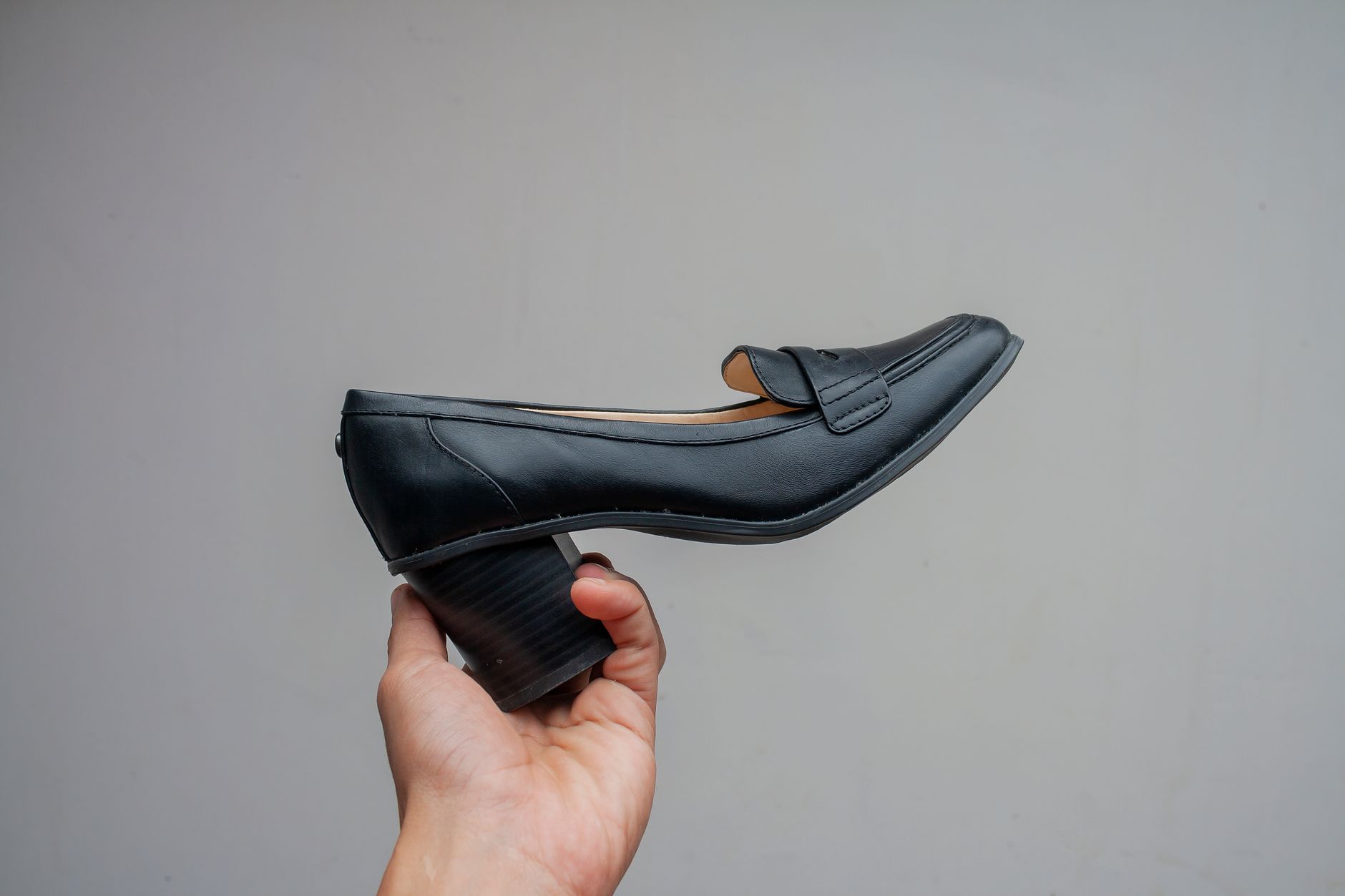
    The kitten heel spent years being dismissed as a compromise, the option you chose when you wanted to look like you were wearing heels without committing. That reputation is gone. The 2026 version is sharper: a pointed toe, a 4 to 5 centimetre heel with a sculptural taper, often in satin or leather with minimal embellishment. Paired with wide-leg tailored trousers or a midi skirt with structure, it reads as deliberate and current rather than tentative.

    The block-heeled mule

    This is the workhorse of the revival. A low to mid block heel, open back, often in suede or a matte leather tone. It transitions easily from a work outfit into an evening look without requiring a shoe change. The block heel specifically is where comfort engineering has made the biggest leap; the wider base means the weight distribution is completely different from a classic stiletto.

    The sculptural mid-heel

    This is the one that signals genuine investment. Flared heels, curved geometric shapes, heels that look like architecture. Brands producing these at a demi-fine level are speaking to the same consumer who’s shifted her jewellery budget towards pieces with longevity, which is a trend I’ve been watching closely. If you’ve read about how British women are spending on demi-fine jewellery that outlasts fast fashion, the parallel with sculptural footwear is exact. Same logic, same customer.

    How to style statement heels for modern city life

    The styling conversation around heels has also moved on. The old formulas, heels with a pencil skirt, heels with a bodycon dress, feel exhausted. The more interesting combinations are unexpected.

    Wide-leg denim with a sharp kitten heel is the silhouette I keep returning to. The proportion is counterintuitive and that’s exactly why it works. Similarly, a tailored short in a heavyweight fabric, wool or linen, with a block-heeled mule creates the kind of smart-casual tension that feels genuinely of the moment. If you’ve already invested in the linen tailoring trend that’s been dominating the British high street, a structured mid-heel is the obvious next step to pull the whole look together.

    The other shift worth noting is heel height relative to occasion. The idea that taller automatically means more dressed-up has dissolved. A 7cm sculptural heel at a creative agency or a gallery feels entirely right. A 10cm stiletto at the same location feels like a costume. The power is in the shape now, not the height.

    The wardrobe investment argument

    There’s a practical case here too. If you’ve been thinking carefully about what you’re actually buying and wearing, cost-per-wear logic applies to footwear as much as clothing. A well-constructed heel in a neutral or versatile colour, worn consistently across multiple outfit contexts, delivers better value than three pairs of trend-driven flat sandals you use for a single summer.

    The wardrobe heat mapping approach British women have been applying to their clothes works for shoes too. If a pair sits in your wardrobe unused, it’s expensive regardless of the original price. A heel that becomes your default for office days, evening plans, and social occasions earns its keep quickly.

    According to the ONS, clothing and footwear costs have remained under pressure with rising household budgets, which makes the case for buying fewer, better things even stronger. A £180 well-engineered block heel that you wear 80 times costs you £2.25 per wear. Three pairs of £35 trend pieces you wear twice each cost significantly more.

    What this says about where British style is heading

    The statement heels trend UK 2026 is part of something larger. There’s an appetite for dressing with more intention, for pieces that feel considered rather than reactive. Trainers aren’t going anywhere; they’re just no longer the only acceptable answer. The return of the heel is really the return of choice, and the engineering improvements mean that choice no longer comes with a physical cost attached.

    British women are building wardrobes that actually reflect how they want to live and move through the world. Footwear that works for a long day, looks good, and doesn’t require suffering to wear is a reasonable ask. The industry finally caught up.

    Frequently Asked Questions

    What heel styles are trending in the UK in 2026?

    The key silhouettes are the sculptural mid-heel, the block-heeled mule, and the pointed kitten heel. All three prioritise shape and structure over extreme height, making them practical for city wear whilst still being visually striking.

    Are statement heels actually comfortable now?

    Modern comfort engineering has genuinely changed what heels feel like to wear. Wider toe boxes, memory foam insoles, and block heel construction that distributes weight more evenly mean mid-height heels in particular can be worn all day without the discomfort associated with older styles.

    How do you style heels with casual outfits in 2026?

    Wide-leg denim with a kitten heel or a linen trouser suit with a block-heeled mule are the most current combinations. The unexpected proportion between a relaxed silhouette and a structured heel is where the visual interest lies right now.

    What is the best heel height for everyday wear?

    Between 4 and 7 centimetres is the most practical range for a full day on your feet. This height range, particularly in a block or flared heel shape, gives the lifted silhouette without the strain associated with taller stiletto styles.
  • Functional Fashion for City Walkers Who Hate Ugly Shoes: How to Walk Miles Without Sacrificing Style

    Functional Fashion for City Walkers Who Hate Ugly Shoes: How to Walk Miles Without Sacrificing Style

    There’s a particular kind of frustration that hits when you’re standing at a museum gift shop, three hours into a city exploration, and your feet are screaming at you because you wore the wrong shoes. You knew it before you left the flat. But the alternatives felt too clinical, too sport-heavy, too much like you’d wandered in from a hiking forum. This is the central tension of functional fashion for city walkers who hate ugly shoes, and honestly, it’s one that the fashion industry has only recently started taking seriously.

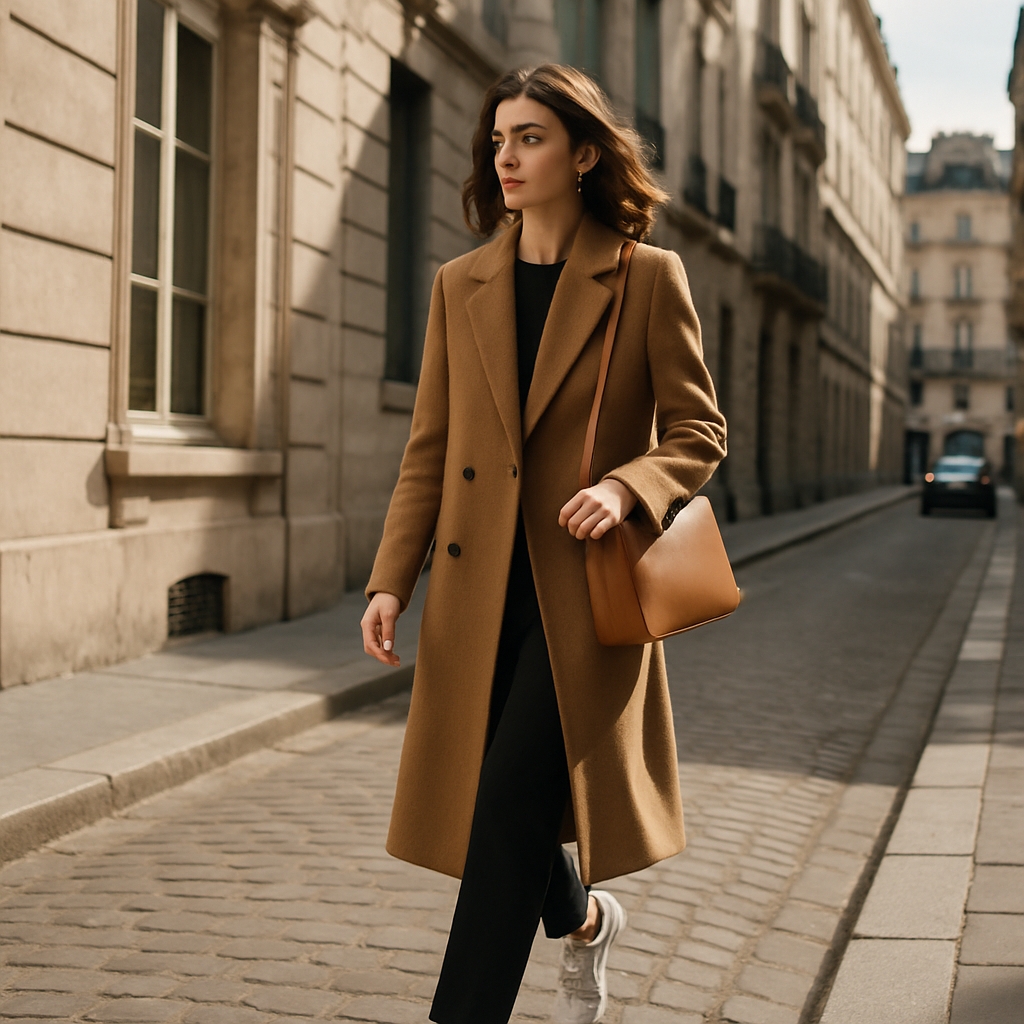
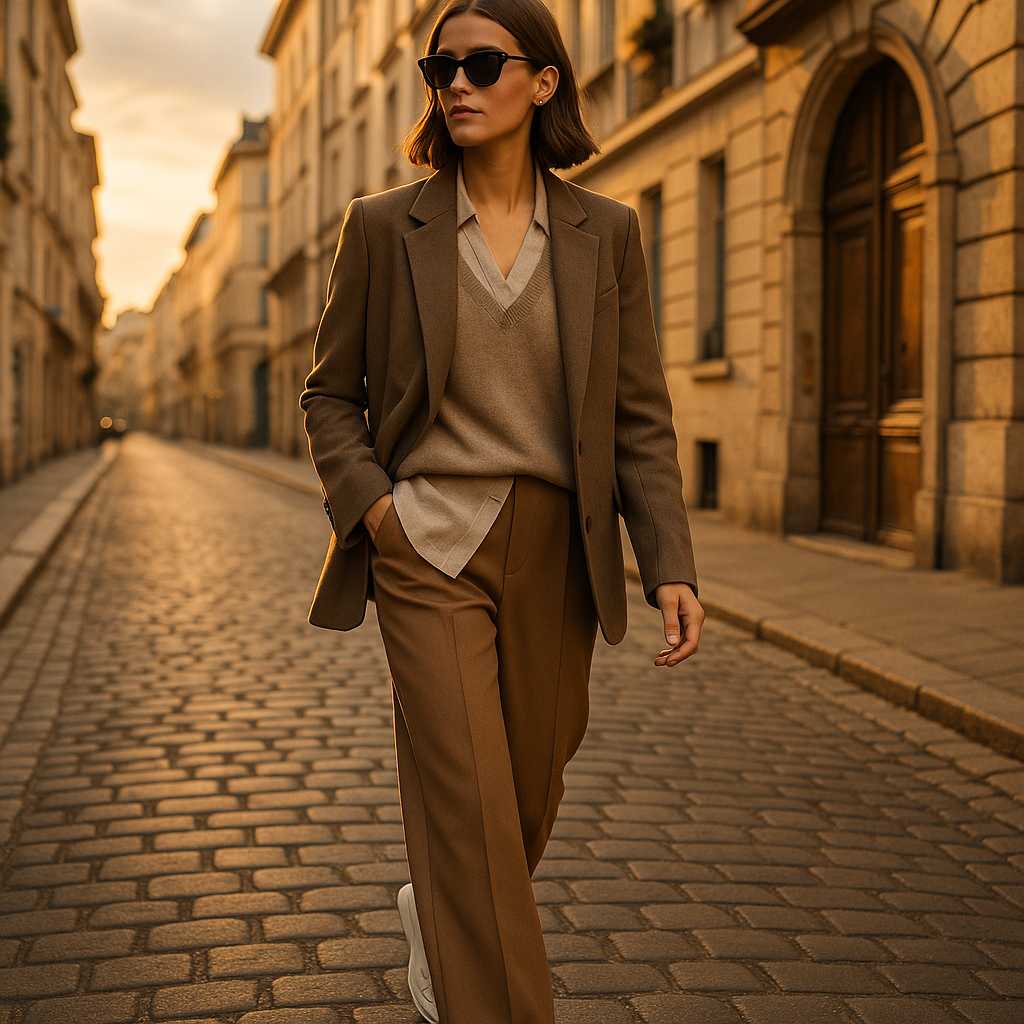
    Stylish city walker in minimal trainers and tailored trousers on a European urban street
    Stylish city walker in minimal trainers and tailored trousers on a European urban street

    The good news is that 2026 is a genuinely exciting time to be navigating this problem. Brands are no longer treating comfort and style as opposites. The conversation has matured, and the options available now, at every price point, are significantly better than they were even three years ago. So let’s get into what actually works.

    Why Urban Walking Demands More From Your Wardrobe

    City walking isn’t a gentle stroll. Depending on where you are, you might cover anywhere from five to fifteen kilometres in a single day without thinking much about it. Cobblestones, kerbs, underground station stairs, wet pavements, and the occasional sprint across a road before the light changes. Your shoes and your outfit are working hard. The issue with purely fashion-forward choices is that they often ignore the physical demands of all this movement. The issue with purely functional choices is that they tend to look like you’ve just come from a race briefing.

    The sweet spot exists. You just need to know where to look and what to prioritise.

    Start With the Shoes, Because Everything Flows From There

    This isn’t negotiable. Your shoes set the tone for your entire outfit and, more critically, determine whether you’ll still be enjoying yourself at 4pm. The shift towards what’s often called “intelligent footwear” has been real and significant. Think low-profile trainers with serious cushioning technology hidden inside a silhouette that reads as clean and minimal. Brands across the mid-to-high end have been engineering soles that absorb impact properly without adding bulk.

    Look for shoes with a leather or suede upper if you want something that ages well and reads as smart-casual rather than sporty. A clean white or tonal sole keeps things versatile. The internal structure matters more than most people realise. A shoe with a proper heel cup, arch support, and a cushioned midsole can look completely ordinary from the outside while performing like a proper walking shoe on the inside.

    Avoid anything with an overly chunky platform unless you’re certain of the cushioning quality, since height without proper support is just punishment in a different form. And steer clear of stiff leather-soled dress shoes for long days. They look excellent but they’ll ruin you.

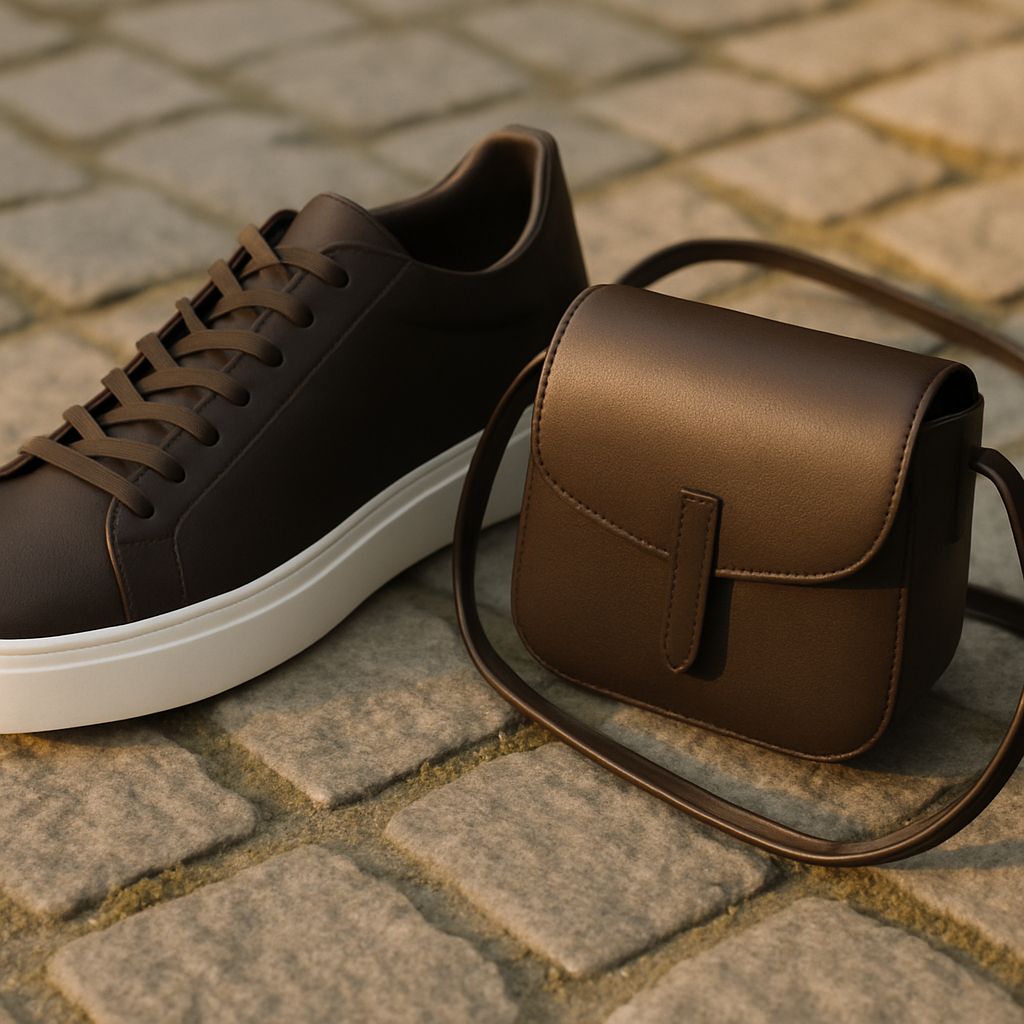
    Close-up of stylish minimal leather trainers and a structured crossbody bag on cobblestones
    Close-up of stylish minimal leather trainers and a structured crossbody bag on cobblestones

    Building the Rest of the Outfit Around Movement

    Once the shoes are sorted, the rest of your city walking wardrobe becomes considerably easier to think through. The key principle is that nothing should restrict you. This sounds obvious, but it rules out a lot of things people reflexively reach for.

    Trousers with any kind of stretch content, even just two to three percent elastane in a tailored cut, make a significant difference over a long day. They still look sharp, they still hold a crease, but you’re not fighting your own clothing when you take a bigger step or climb stairs. Wide-leg cuts are having a sustained moment right now and they’re genuinely practical, offering full freedom of movement with a silhouette that photographs beautifully against city architecture.

    For tops, layering is the city walker’s best friend. A breathable base layer, a light knit or overshirt, and a packable outer layer cover you across most urban weather scenarios without turning your outfit into a logistical exercise. Merino wool is worth the investment here. It regulates temperature properly, doesn’t hold odour the way synthetic fabrics do, and looks refined rather than technical.

    The Bag Situation

    Carrying things badly will destroy an otherwise excellent outfit and also cause you physical discomfort. A heavy tote hanging off one shoulder for eight hours is going to make itself known. Crossbody bags have dominated for good reason; they distribute weight evenly, keep your hands free, and a well-made leather crossbody reads as completely put-together. Structured mini backpacks have also crossed over from purely practical into genuinely stylish territory, particularly in neutral tones or interesting textures.

    Whatever you choose, make sure it’s not fighting you. Zips that stick, straps that slip, bags that gape open; these are small irritations that compound badly over a long day of walking. Functionality here is as much about the details as the shape.

    Socks Are Not Trivial

    They really aren’t. A good sock with proper cushioning in the right zones can extend your comfortable walking range by a meaningful amount. This is functional fashion for city walkers who hate ugly shoes at its most granular: the stuff you can’t see is doing serious work. Merino or bamboo blends tend to outperform cotton for urban walking because they manage moisture better and don’t bunch up inside the shoe. Wear the wrong socks with the right shoes and you’ve undercut yourself entirely.

    What to Actually Avoid

    Novelty aside, certain things consistently fail the city walking test regardless of how good they look on the rack. Brand new shoes worn for the first time on a long day are the most obvious one. Break them in first. Stiff jeans with no give are another, as is anything with a very fitted hem that restricts your stride. Very high heels are fine for an evening when you know you’ll be sitting most of the time, but they’re not a city walking choice unless you’re genuinely built for them and have made your peace with the consequences.

    The broader point is this: functional fashion for city walkers who hate ugly shoes is not about compromise. It’s about being more deliberate. The brands doing interesting work in this space are proving that you don’t have to choose between looking like yourself and being able to walk home without wincing. That’s not a small thing. Your city is best experienced when your feet aren’t the only thing you can think about.

    Frequently Asked Questions

    What are the best shoe brands for stylish city walking in 2026?

    Brands like Veja, Common Projects, Clarks’ modern ranges, and On Running’s lifestyle line have all made serious progress in combining clean aesthetics with proper walking support. The key is to look for minimal silhouettes with engineered cushioning rather than obvious performance branding.

    How do I choose trousers that look smart but are comfortable for walking all day?

    Look for tailored cuts that include a small percentage of stretch fabric, typically two to five percent elastane. Wide-leg styles also offer excellent freedom of movement. Avoid very slim or tapered fits that restrict your stride on longer days.

    Is merino wool worth buying for city travel outfits?

    Yes, genuinely. Merino regulates temperature across a wide range, resists odour better than synthetic or standard cotton fabrics, and looks refined rather than athletic. It’s particularly useful for base layers and knitwear when you’re covering a lot of ground across changing conditions.

    What type of bag works best for long days of city walking?

    Crossbody bags are consistently the most practical choice because they distribute weight evenly and keep your hands free. A well-made leather crossbody or structured mini backpack in a neutral tone works across most outfits without looking purely utilitarian.

    Do socks really make a difference for urban walking comfort?

    Significantly, yes. Socks with targeted cushioning in the heel and ball of the foot reduce impact fatigue noticeably. Merino or bamboo blends manage moisture better than cotton and don’t bunch inside the shoe, which prevents blisters on longer routes.

  • How to Style Athleisure So It Actually Looks Like Fashion

    How to Style Athleisure So It Actually Looks Like Fashion

    The line between gym kit and genuine fashion has all but dissolved – but that doesn’t mean everything reads as intentional. If you want to style athleisure as fashion rather than just look like you forgot to get changed, you need to understand what separates a considered outfit from a sports bag explosion. It comes down to proportion, layering, and the details you choose to elevate or ignore.

    Why Athleisure Still Dominates in 2026

    Athleisure isn’t a trend that peaked and faded. It evolved. What started as yoga pants at brunch has become a full design language – one that major houses, independent labels and streetwear brands all speak fluently. The key shift is that sportswear now carries genuine cultural weight. Wearing it well isn’t about hiding that it’s sporty. It’s about owning it so confidently that nobody questions whether you meant it.

    The Do’s and Don’ts of Wearing Sportswear Off the Pitch

    Do: Commit to one hero piece

    Pick one sportswear hero – a bold track top, high-waisted leggings, a structured windbreaker – and build everything else around it. The rest of your outfit should support that piece, not compete with it. Neutral tones for the supporting cast, colour or texture for the centrepiece.

    Don’t: Match head-to-toe in the same kit

    Full co-ordinated sets from the same sportswear range look like a uniform, not an outfit. Mix textures, brands and silhouettes. Pair technical leggings with a heavyweight cotton hoodie. Wear running trainers with wide-leg tailored trousers. The contrast is the point.

    Do: Invest in fit

    Athleisure fails when it’s baggy in the wrong places or skin-tight when it shouldn’t be. Leggings should be high-waisted and structured – not see-through, not sagging. Track tops should sit cleanly on the shoulder. If it looks like you grabbed it off someone else’s pile, it’s not fashion.

    Don’t: Neglect your footwear

    Trainers are the biggest statement in an athleisure outfit. Worn, creased, or badly chosen trainers collapse the whole look. Choose them with the same intention you’d choose a dress shoe. A chunky dad trainer in a muted colourway, or a sleek low-profile runner in white or black, will carry weight the rest of your outfit can lean on.

    Layering Tricks That Make Sportwear Look Elevated

    Layering is where athleisure makes the leap from functional to fashionable. A longline overcoat thrown over a tracksuit immediately shifts the register. Structured blazers over cropped hoodies create a high-low tension that looks deliberate and sharp. Quilted gilets over long-sleeved base layers add dimension without bulk.

    The trick is contrast – not just in colour, but in formality. The more refined the outer layer, the more licence you have to keep the base layers purely sporty. A sharp trench coat makes even standard leggings and a plain tank look like a considered choice.

    Smart Outerwear That Bridges Sport and Street

    Outerwear is the fastest way to signal fashion intent. These pieces work every time:

    • Oversized leather or faux-leather jacket – pairs with leggings and chunky trainers for an edge-meets-sport look.
    • Tailored long-line coat – the contrast between structured tailoring and relaxed sportswear underneath is an established fashion formula for good reason.
    • Technical shell jacket – lean into the sport aesthetic but choose one with clean lines and minimal branding for a more editorial feel.
    • Knitted cardigan (oversized) – softens the look and adds a relaxed luxury feel, particularly over slim-fit leggings or biker shorts.

    Accessories That Do the Heavy Lifting

    This is where most people leave points on the table. The right accessories take an athleisure outfit from decent to genuinely stylish. A structured mini bag or boxy tote instantly elevates trainers and leggings. Layered gold or silver jewellery adds texture and lightness. A simple baseball cap worn straight – not ironically tilted – keeps the sporty references tight while looking clean.

    Sunglasses matter more in athleisure than in almost any other category. A strong frame – shield, cat-eye, or wraparound – adds attitude that the clothes alone can’t always carry. Don’t underestimate them.

    How to Style Athleisure as Fashion for Different Body Types

    One of the genuine strengths of sportswear is that it adapts. For petite frames, high-waisted leggings with a cropped track jacket lengthen the leg line without overwhelming the silhouette. For curvier bodies, a fitted long-line top over leggings creates a clean vertical line – avoid anything boxy and shapeless unless you’re deliberately going for an oversized statement. For taller, leaner frames, wide-leg tracksuit trousers with a fitted ribbed top and a long coat work brilliantly – the volume is balanced and the height becomes an asset.

    The rule across all body types is the same: know where your outfit creates line and intention, and make sure it’s deliberate.

    How Many Sporty Pieces Can One Outfit Handle?

    This is the question most people don’t ask but should. As a rule, two overtly sporty pieces is usually the ceiling before an outfit tips into pure gym wear. Leggings plus trainers – fine, but the top and outer layer need to do fashion work. Track jacket plus joggers – absolutely, but your shoes and accessories have to compensate with intentionality. Three or more overtly sporty pieces at once requires very deliberate styling choices and strong accessories to avoid looking like you’re about to sprint for a bus.

    Learning to style athleisure as fashion is less about following rules and more about developing the instinct for when something looks chosen versus accidental. Once you have that eye, sportswear becomes one of the most versatile and genuinely exciting categories in your wardrobe.

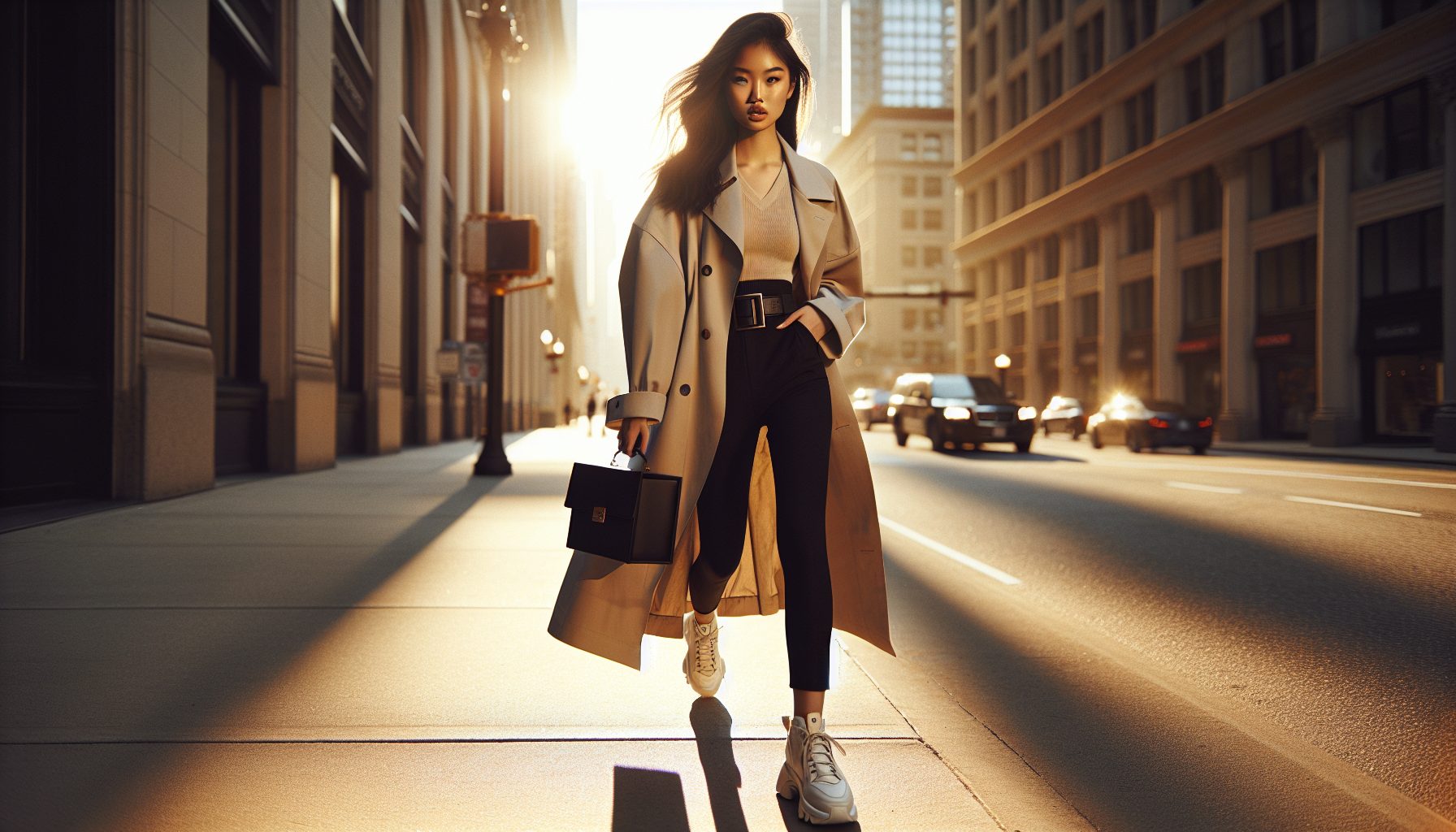
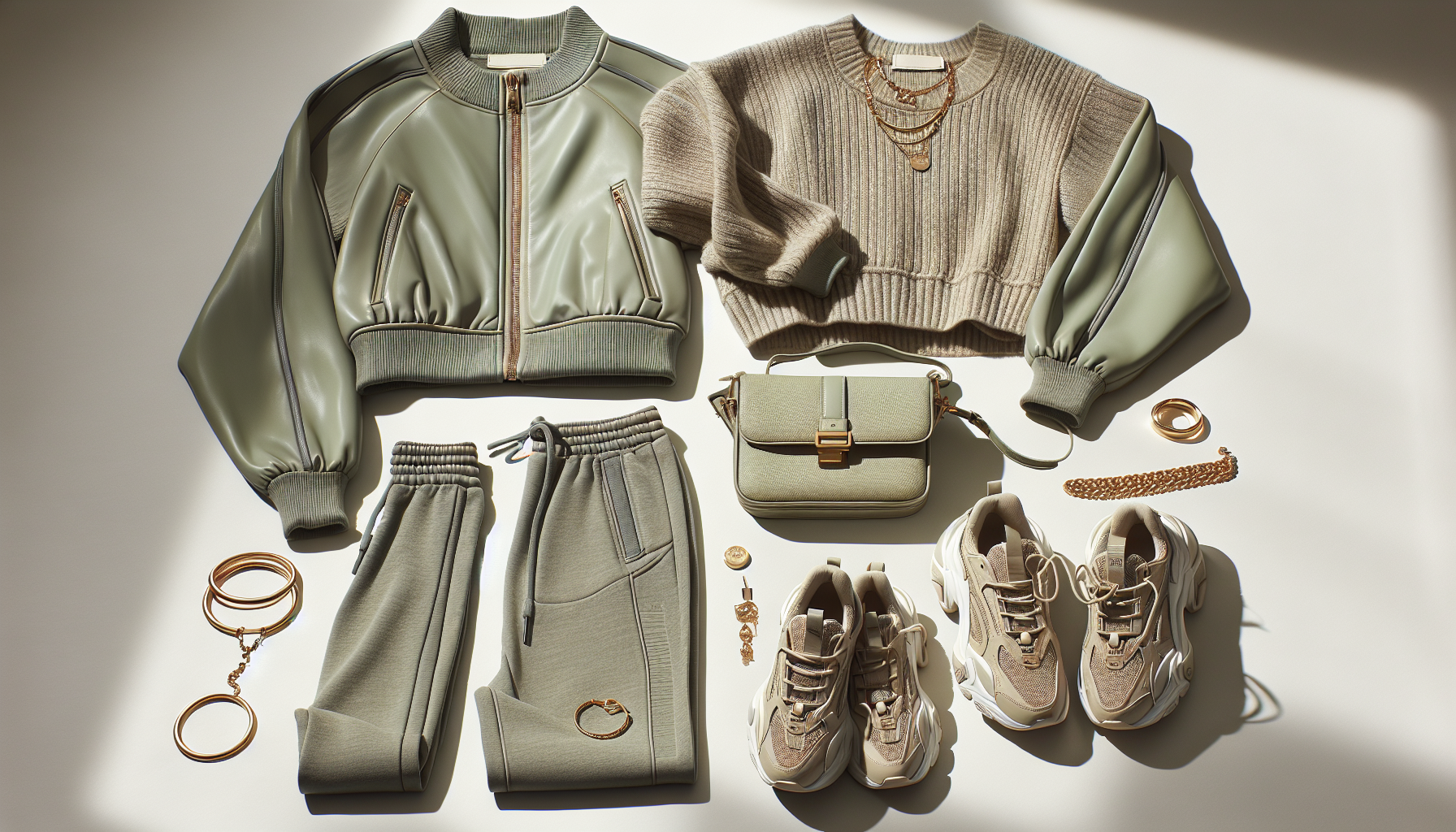
    Flat lay detail of athleisure as fashion outfit with leggings, track jacket, trainers and accessories
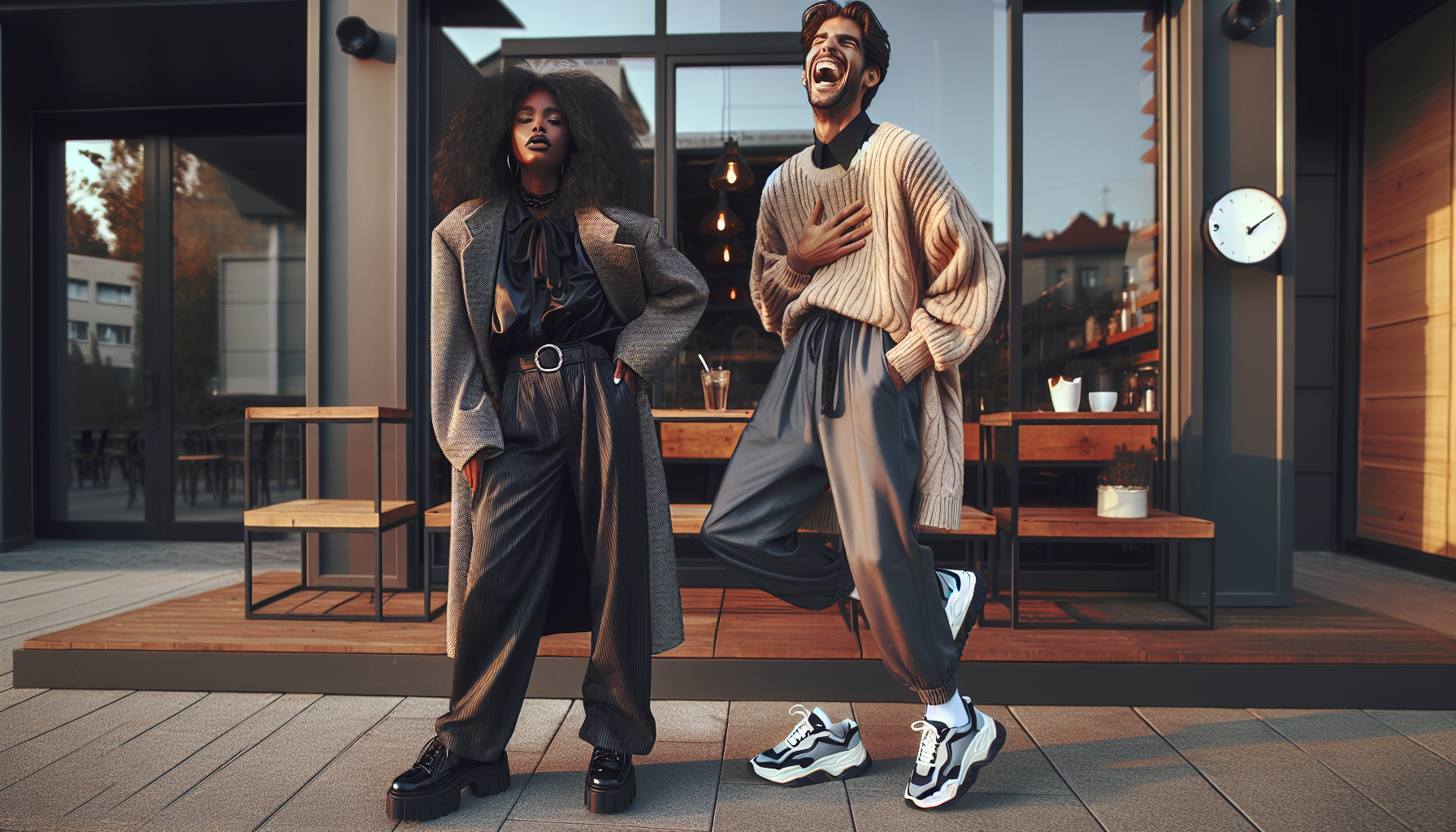
    Two friends wearing athleisure as fashion outfits outside a coffee shop in natural urban setting

    Style athleisure as fashion FAQs

    Can leggings actually look fashionable outside the gym?

    Absolutely – but the styling has to be intentional. High-waisted leggings in a quality fabric, paired with an oversized blazer or longline coat and structured trainers, read as a proper fashion outfit rather than gym wear. The key is treating the leggings as a base layer that the rest of the outfit elevates, not the focus piece on their own.

    What trainers work best for styling athleisure as a fashion look?

    Clean, considered trainers are essential. Low-profile runners in white, black or neutral tones are the most versatile – they work with almost any athleisure outfit without competing for attention. Chunky dad trainers in muted colourways also work well, particularly with slim-fit leggings or tapered joggers. Avoid anything too worn or brightly coloured unless the whole outfit is built around them.

    How do you mix sportwear with non-sporty pieces without looking odd?

    The contrast is actually the point – it’s what makes the look feel intentional. Pair a technical track top with tailored wide-leg trousers, or leggings with a structured leather jacket and a boxy bag. The more formal or textural the non-sporty piece, the more it signals that you’ve made a deliberate choice rather than just reaching for comfort.

    What accessories elevate an athleisure outfit the most?

    A structured bag – whether a mini shoulder bag or a boxy tote – is the single fastest upgrade for an athleisure outfit. After that, layered jewellery, strong sunglasses with a sculptural frame, and a clean baseball cap all add personality and polish. These details signal that the outfit was considered from head to toe, which is what separates fashion from gym wear.

    Is it possible to wear a full tracksuit and still look stylish?

    Yes, but you need the right outer layer and accessories to pull it off. A longline coat or sharp leather jacket over a matching tracksuit instantly adds fashion intent. Your trainers need to be clean and chosen carefully, and a minimal structured bag helps lift the overall look. Avoid all-over branding if you want it to read as fashion – cleaner pieces give you more flexibility.

  • Why Custom Printed Sneakers Are The Next Big Flex

    Why Custom Printed Sneakers Are The Next Big Flex

    Custom printed sneakers are everywhere right now, but most people are still getting them wrong. If you are going to walk around with your personality on your feet, it needs to look intentional, not like a dodgy festival freebie.

    Why custom printed sneakers are blowing up

    Streetwear has always been about one thing: standing out without trying too hard. Logos got louder, then everyone had the same ones. Collabs went crazy, then they started to feel lazy. Custom printed sneakers are the natural next step – your design, your story, your rules.

    Gen Z and younger millennials are bored of mass produced drip. They want pieces that feel personal, limited and a bit rebellious. A clean pair of customs hits that sweet spot: wearable every day, but still one of one. Brands know this, which is why you are seeing more custom studios, pop up personalisation bars and online creators selling their own designs on classic silhouettes.

    How to design custom printed sneakers that look premium

    The difference between fire customs and tragic ones usually comes down to restraint. Here is how to make custom printed sneakers look expensive rather than chaotic.

    First, pick a base that already works. All white or neutral trainers are the easiest canvas. Chunky runners and basketball styles take bold prints well, while slimmer silhouettes suit cleaner, minimal graphics. If the shoe is already busy with panels and textures, keep the print simple or you will lose the shape completely.

    Next, lock in a tight colour story. Two or three colours, max. Pull from your wardrobe – if you live in black, greys and deep green, do not suddenly go neon rainbow. Repeating a single accent colour across the tongue, heel tab and side panels looks deliberate and elevated.

    Smart print placements that actually work

    Placement is where custom printed sneakers really separate themselves. You do not need to cover every inch of the shoe to make a statement. In fact, you probably should not.

    Try micro prints on the heel, subtle patterns wrapping the midsole, or a graphic that only shows from the inner side of the foot. These little details feel more grown and less like you attacked your trainers with clip art. For bolder looks, go for a full print on just one section – for example, the toe box or quarter panel – and leave the rest clean.

    If you are into artwork or photography, think about how it will crop across curved surfaces. Faces and text can warp badly. Abstract shapes, gradients and textures usually translate best when the shoe flexes as you move.

    Tech is quietly levelling up sneaker customisation

    Behind the scenes, digital tools are making it easier to experiment before you commit. Online configurators let you mock up patterns, rotate the shoe in 3D and tweak colours until it hits. Some studios even prototype details using 3d print services for lace locks, badges or custom tags before locking in the final design.

    The result is a cleaner finish and fewer regrets. You can test how loud you really want to go, or see if that wild idea actually works with denim, cargos and shorts before you spend real money.

    How to style custom printed sneakers without trying too hard

    Once you have nailed the design, do not ruin it with messy styling. Let the trainers lead. If your customs are loud, keep the fit simple: straight leg denim, a plain tee, maybe a single statement accessory. If the print is subtle, you can echo the colours in your jacket or bag for a more put together look.

    One rule: avoid clashing prints near your feet. Patterned trousers plus heavy sneaker graphics is a lot, unless you really know what you are doing. If in doubt, go solid on the bottom half and let the shoes talk.

    Are these solutions worth the hype?

    If you care about personal style, yes. They are one of the cleanest ways to wear something nobody else has, without drifting into full costume territory. Done right, these solutions are not a gimmick – they are just a sharper, more honest version of what you already love to wear.

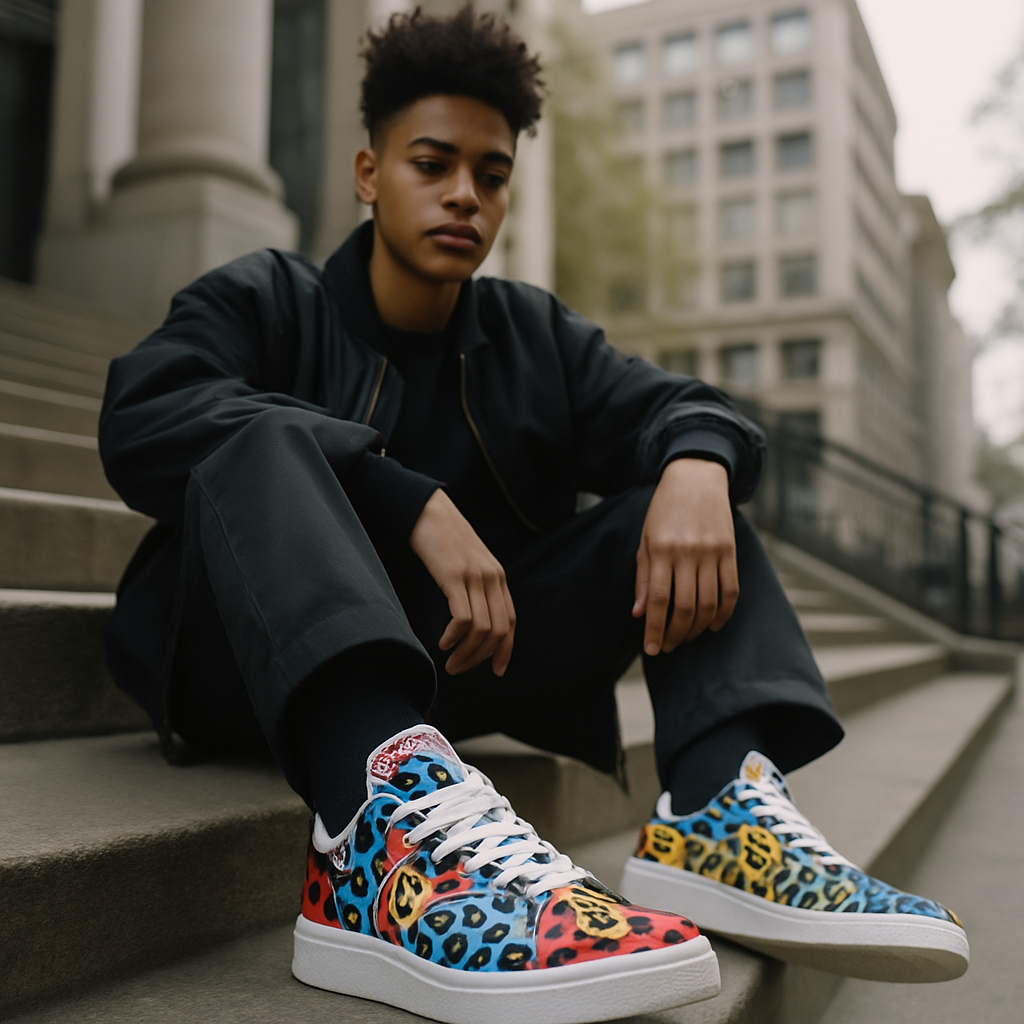
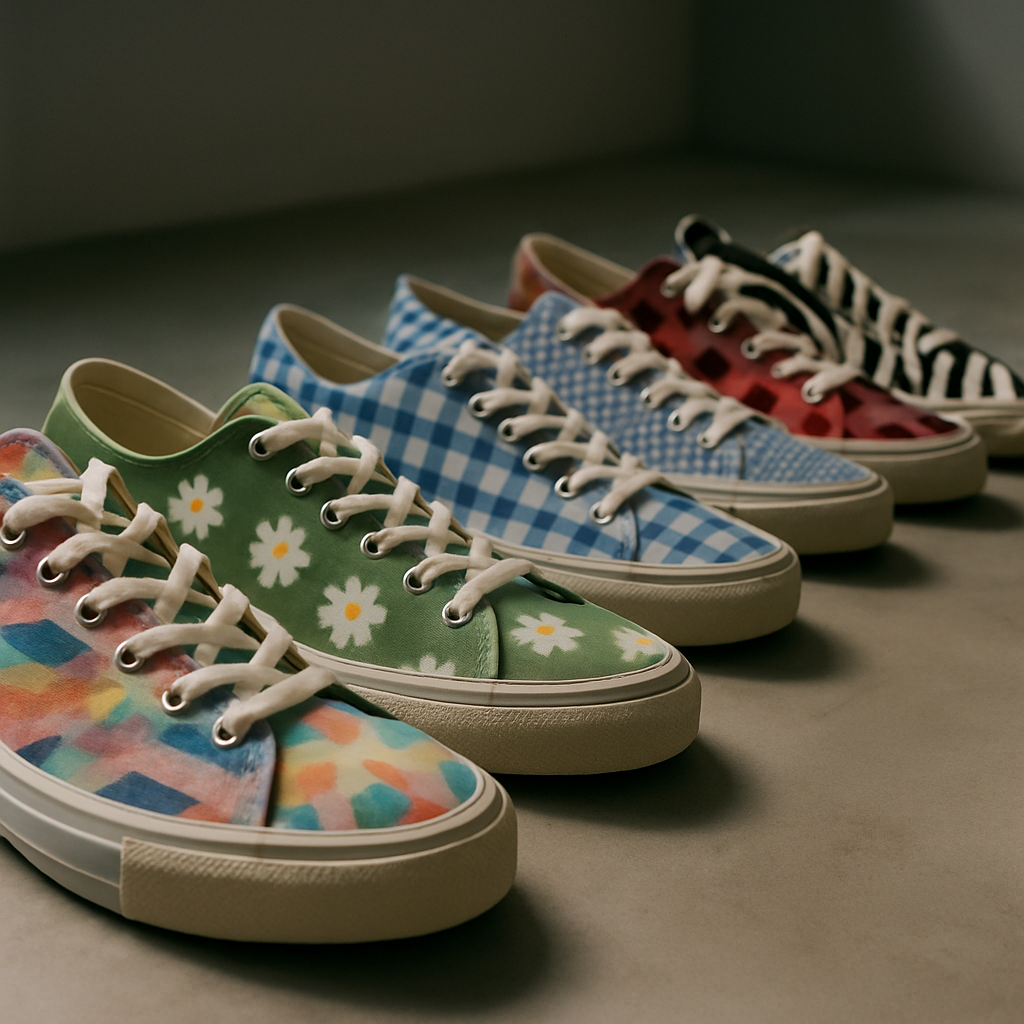
    Lineup of different custom printed sneakers displayed in a clean studio environment
    Friends on a court wearing unique custom printed sneakers as part of casual streetwear looks

    Custom printed sneakers FAQs

    Are custom printed sneakers durable enough for everyday wear?

    Durability comes down to the base shoe and the print method. High quality trainers with professional grade inks or films will hold up fine for daily wear, especially if you avoid constant soaking and scrub them gently. Cheap bases and bargain printing usually crack or fade fast, so it is worth paying a bit more for a studio that knows what it is doing.

    What outfits work best with custom printed sneakers?

    Keep the rest of your outfit simple and let the shoes carry the personality. Solid tees, hoodies, cargos and straight leg denim are ideal. You can pull one colour from the sneaker design into your top or accessories to make the look feel intentional without going overboard.

    Can I design my own artwork for custom printed sneakers?

    Yes, most custom studios will let you upload your own artwork or graphics. Just make sure the file is high resolution and think about how it will wrap around curved panels. Abstract shapes, textures and bold blocks of colour usually translate better than tiny text or detailed portraits.

  • The Rise Of Quiet Luxury Bags: Why Loud Logos Are Over

    The Rise Of Quiet Luxury Bags: Why Loud Logos Are Over

    Quiet luxury bags are everywhere right now, and if you are still chasing giant logos, you are already behind. This is the shift from flexing to actually having taste, and it is showing up on every front row, street style reel and airport paparazzi shot.

    What actually makes a bag “quiet luxury”?

    Quiet luxury is not about being boring or minimal for the sake of it. It is about pieces that whisper money instead of screaming it. With quiet luxury bags, the focus is on materials, silhouette and subtle details, not branding the size of a billboard.

    Look for full grain or vegetable tanned leather, clean hardware and stitching that looks sharp even close up. Branding is either tiny, tone on tone or hidden inside. If the first thing you notice is the logo, it is probably not quiet luxury. If the first thing you notice is the shape and texture, you are closer.

    Why quiet luxury bags are taking over in 2026

    People are tired of looking like walking adverts. After years of hype culture and resale madness, there is a push back. Quiet luxury bags fit a few key shifts: sustainability, subtle status and versatility. You get one bag that works with gym gear, a blazer and a slip dress, instead of five trend pieces that date in a year.

    There is also a social element. Loud logos read as trying too hard. A clean, beautifully made bag reads as confidence. You are not buying the name to feel valid. You are buying the design because it actually works for your life.

    How to spot good quality in quiet luxury bags

    If you are going to strip back the branding, the quality has to hold up. Start with the leather. It should feel substantial but not stiff, with a natural grain and no plastic shine. Run your finger along the edges – are they smooth, evenly finished and not flaking? Check the zip glide and the weight of the hardware. Cheap metal feels tinny and light.

    Inside, the lining should not be an afterthought. Cotton, canvas or suede feel premium and last longer than thin polyester. Pockets should be actually usable – phone, keys, card holder – not just decorative. Quiet luxury bags are built to be used, not just photographed.

    Styling quiet luxury bags with streetwear and sport looks

    This is where it gets interesting. The old rule was logo bag, logo trainers, logo tracksuit. Now the move is mixing a clean, under the radar bag with sport and street pieces. Think wide leg track pants, vintage football top and a structured leather shoulder bag. Or cycling shorts, oversized hoodie and a sleek top handle.

    Keep the colour palette tight. Black, chocolate, tan, cream and deep navy are the safest bets. Let your trainers or jewellery carry the louder moment, while your bag grounds the outfit. The contrast between casual sport fabrics and refined leather is what makes these solutions feel current instead of corporate.

    Practical details that matter more than the logo

    Function is the new flex. If a bag cannot handle your real life, it is not luxury, it is clutter. Look for secure closures, smart internal pockets and straps that actually sit comfortably on the shoulder. For everyday use, top zips and magnetic closures are non negotiable if you commute or move through busy cities.

    Crossbody and shoulder options are winning right now because they keep your hands free for coffee, phone and gym bag. If you want something secure and streamlined, styles like Zip top handbags quietly tick the box without shouting about it.

    How to buy into the trend without wasting money

    You do not need ten these solutions. You need one or two that actually fit your lifestyle. Start with your daily uniform. If you live in activewear and trainers, go for a small to medium crossbody in a neutral shade. If you are in blazers, shirts and tailored trousers most days, a structured tote or top handle makes more sense.

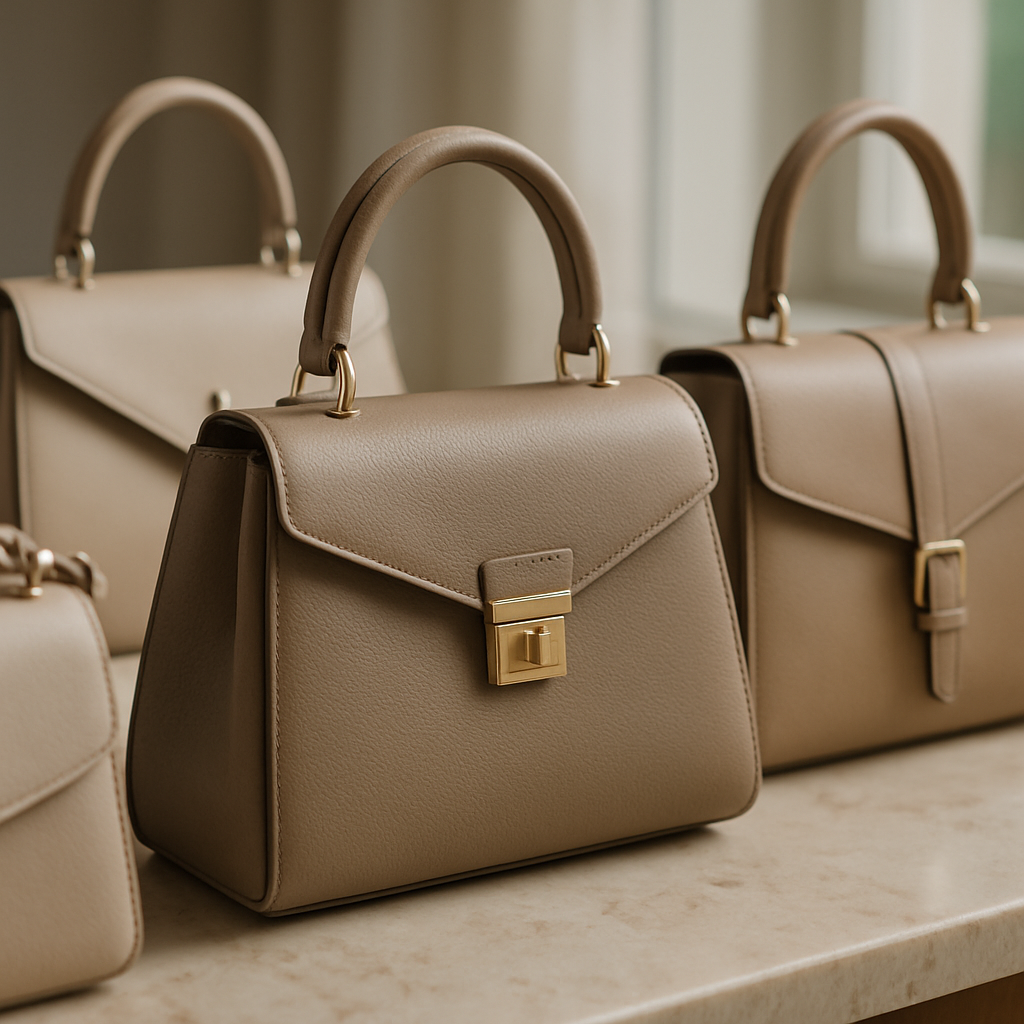
    Close up of premium leather details on quiet luxury bags in neutral tones
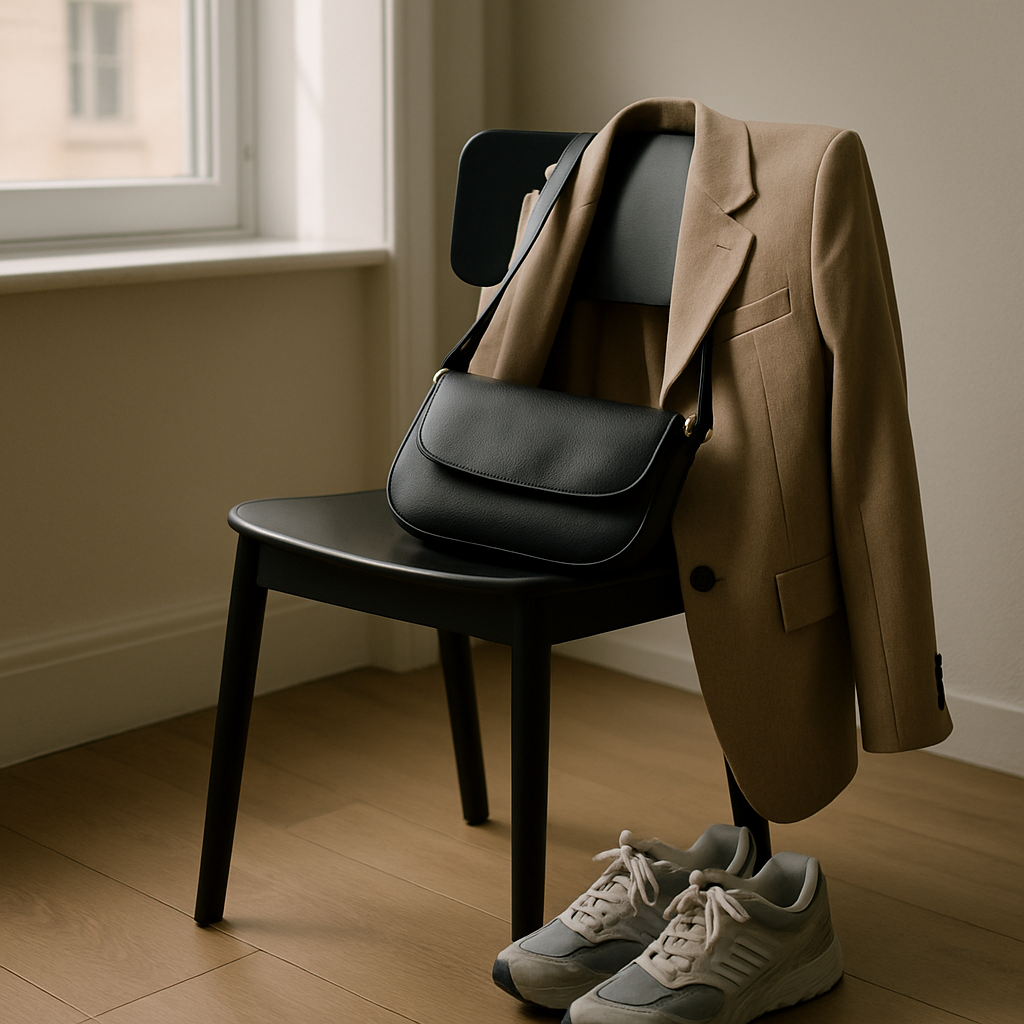
    Modern outfit flatlay mixing sporty trainers and blazer with quiet luxury bags

    Quiet luxury bags FAQs

    Are quiet luxury bags worth the higher price?

    They can be, if the quality matches the cost and you actually use the bag daily. You are paying for materials, construction and timeless design, not just a logo. If you pick a versatile shape in a neutral colour and wear it constantly for years, the cost per wear often beats cheaper, trend led pieces that fall apart or go out of style quickly.

    How do I style quiet luxury bags for casual outfits?

    Keep your outfit relaxed and let the bag do the elevating. Pair joggers, a fitted vest and a bomber jacket with a simple leather crossbody or shoulder bag. Stick to clean lines and a tight colour palette so the bag looks intentional, not random. The contrast between casual fabrics and a refined bag is what makes the look feel modern.

    Which colours are best for quiet luxury bags?

    Black, deep brown, tan, cream and navy are the most wearable options and work across seasons. If you want something slightly bolder, muted tones like olive, burgundy or slate blue still feel refined. Avoid overly bright, neon shades if you want that quiet luxury feel, as they tend to read more trend driven than timeless.

  • adidas Superstar 82 Roller Skates – I Wish They Were Blades

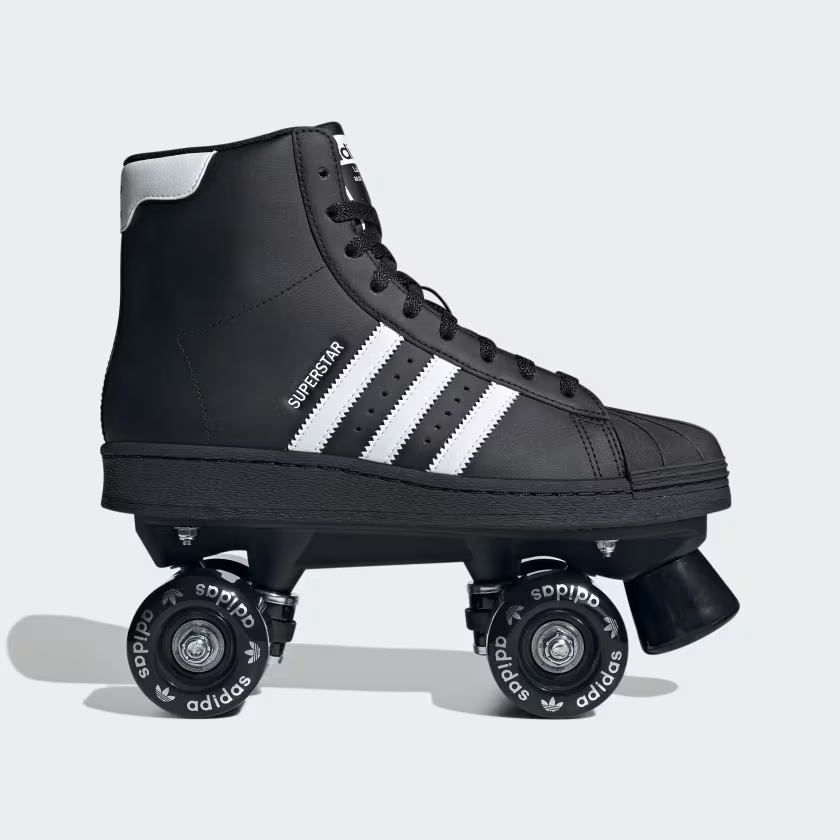
    When my friend first sent me a photo of the adidas Superstar 82 Roller Skates, my eyes lit up like a Christmas tree! Official adidas skates! I instantly searched to see if they had made some blades as they were my skate of choice back in the day. Unfortunately they do not make an inline skate, but then they havent made this product to enter into the skating world – its a fashion item, and thats fine. I’m still gutted though haha.

    The Adidas Superstar 82 Roller Skates are a unique and eye-catching product that blends the iconic Adidas Superstar design with the fun and functionality of roller skates. Here’s a breakdown of key aspects of the product:

    Key Features

    • Iconic Design:
      • These skates prominently feature the classic Adidas Superstar elements, including the signature shell toe and serrated 3-Stripes. This makes them instantly recognisable and stylish.
      • The high-top design provides added ankle support, crucial for roller skating.
    • Quality Materials:
      • They utilise coated leather uppers, providing durability and a premium feel.
      • Textile lining ensures comfort during extended use.
    • Functional Design:
      • Equipped with a front brake for safety and control.
      • The wheels feature Adidas Superstar branding, adding a distinctive touch.
    • Style and Colorways:
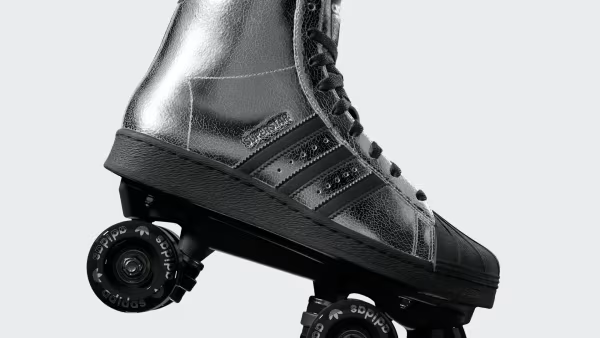
      • Available in striking colorways like Silver Metallic/Core Black/Cloud White, and also Core Black/Cloud White/Silver Metallic. This allows for expressions of individual style.
      • There are also versions that have a pre aged look to them, for a more vintage style.

    General Observations

    Early reviews indicate that these skates are a hit with those who appreciate the blend of retro style and functionality. The skates are noted for their ability to turn heads, making them a statement piece, and the quality of the materials and construction is generally praised. The fact that they are based on the superstar 82 model gives them a very retro feel, which is also something early reviews seem to confirm.

    Overall

    The Adidas Superstar 82 Roller Skates offer a fun and fashionable way to enjoy roller skating. They successfully merge the classic Adidas aesthetic with the practicality of roller skates, resulting in a product that’s both stylish and functional.

    about badidas