Author Profile

  • Athleisure 3.0: Why the Gym-to-Street Aesthetic Is the Most Versatile Trend of 2026

    Athleisure 3.0: Why the Gym-to-Street Aesthetic Is the Most Versatile Trend of 2026

    Athleisure used to be a compromise. A concession to comfort that came with a quiet apology. You threw on some joggers because you couldn’t be bothered, and everyone knew it. That era is firmly over. The athleisure trend 2026 is something else entirely — a considered, intentional aesthetic that sits right at the intersection of performance wear, luxury fashion, and actual lived style. It doesn’t apologise. It sets the tone.

    What’s changed is the ambition behind the clothes. Brands are no longer asking whether sportswear can look polished; they’re asking how far they can push it. And the answer, this year, is very far indeed.
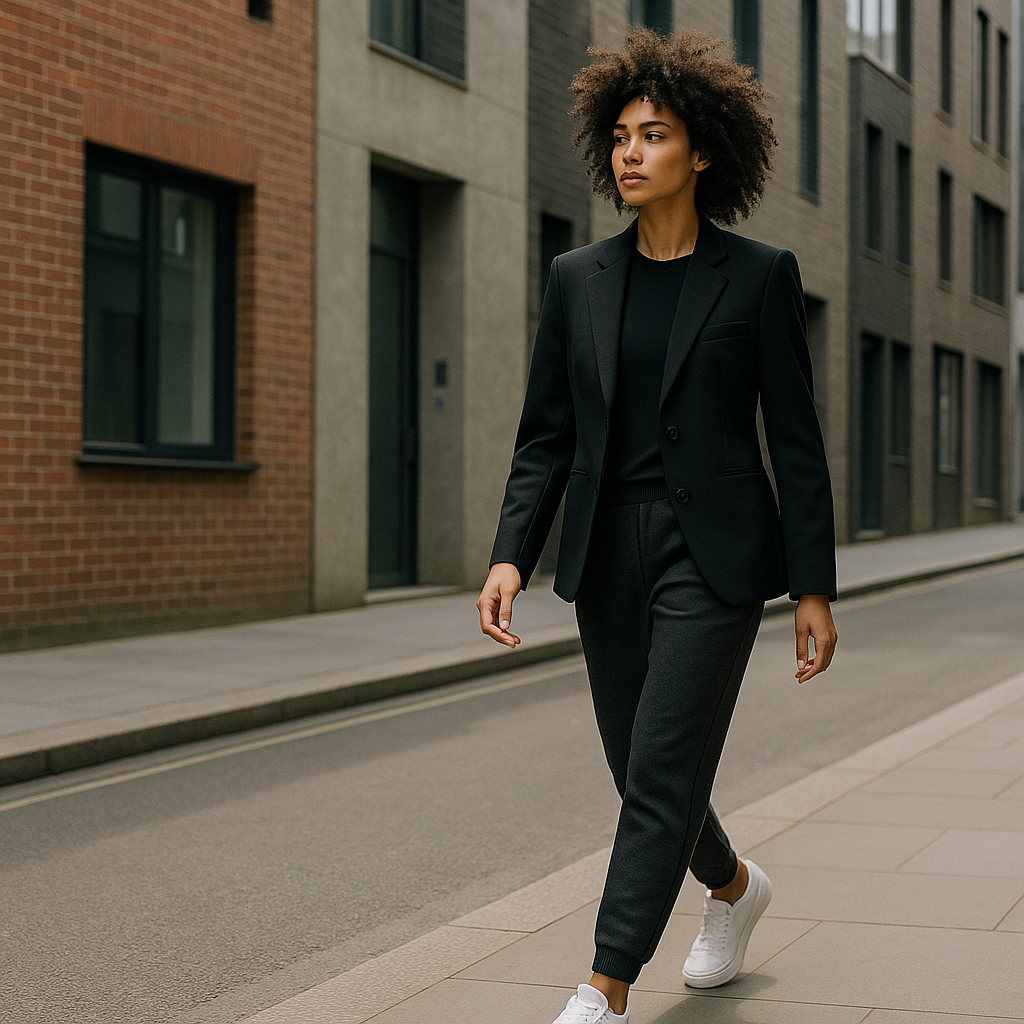
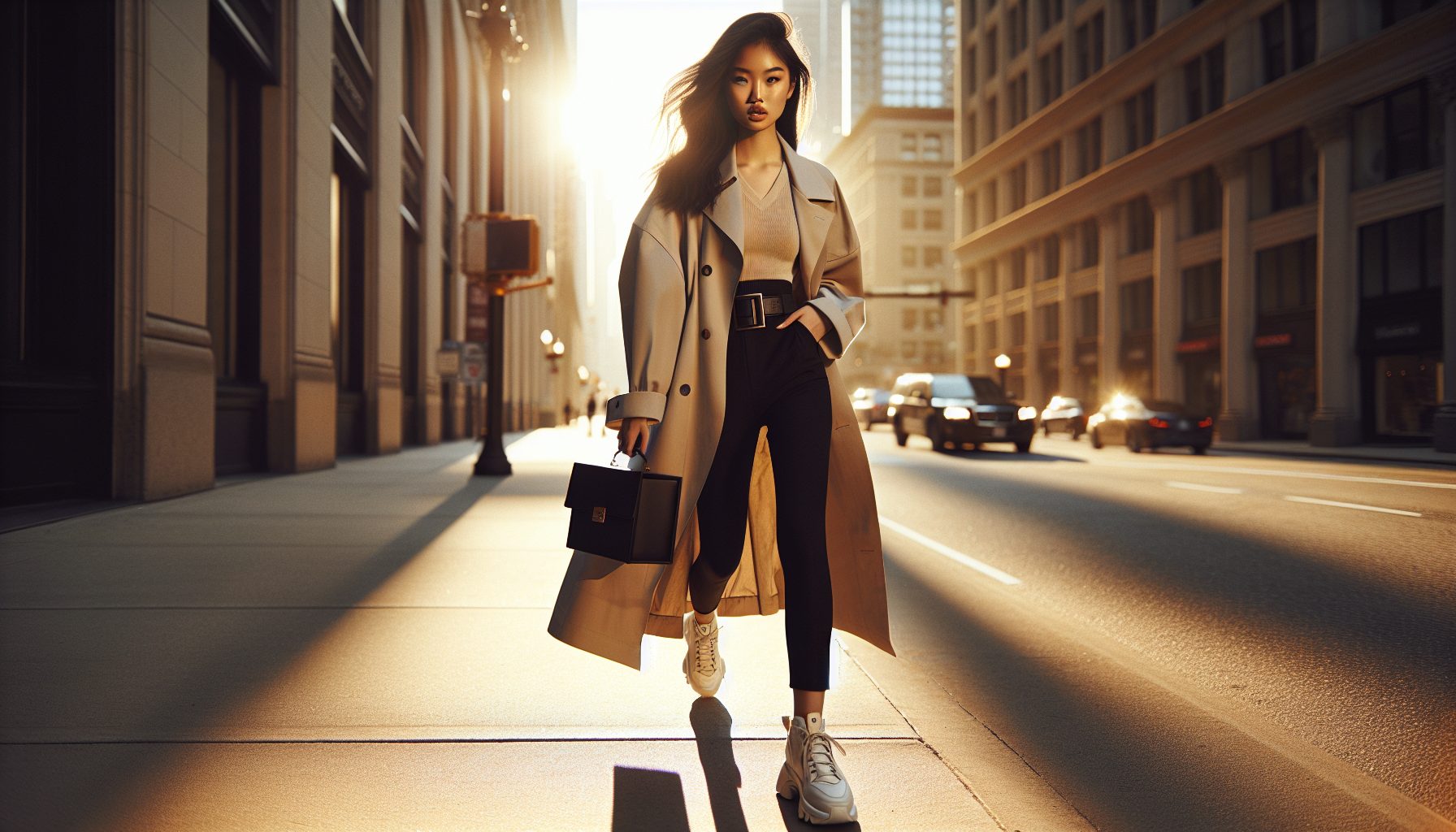
    Stylish woman in elevated athleisure trend 2026 outfit walking through London streets
    Stylish woman in elevated athleisure trend 2026 outfit walking through London streets

    From the Gym Floor to the High Street: What Athleisure 3.0 Actually Means

    The first wave of athleisure gave us yoga pants worn to coffee shops. The second wave brought branded tracksuits into the mainstream, Balenciaga and Nike suddenly standing shoulder to shoulder in the style conversation. Athleisure 3.0 is the refinement — it’s the version where the thought behind each outfit is evident without being try-hard.

    We’re talking structured performance fabrics that hold their shape like a tailored trouser. Technical outerwear with clean, architectural lines that read as sharp rather than sporty. Footwear that works on a treadmill and looks genuinely considered outside a restaurant in Shoreditch. This isn’t a gym look that survived the commute. It’s a deliberate wardrobe built around versatility and restraint.

    Key pieces driving this shift include seamless ribbed sets in neutral tones, oversized zip-through fleeces in premium materials, and boxy fitted shorts worn with crisp fitted shirts. The silhouettes are intentional. Nothing is accidental.

    How to Transition a Gym Look Into a Daytime Outfit That Actually Works

    The transition is where most people either nail it or fall short. The athleisure trend 2026 thrives on layering and contrast — pairing the relaxed with the structured, the matte with the slightly sheen, the minimal with one deliberate statement piece.

    Start with your base. A high-quality fitted long-sleeve top in charcoal or slate grey is your foundation. Layer over it with a slim-cut technical blazer — brands like Represent, Castore, and Lululemon’s men’s line have all leaned into this space recently. Add a pair of tapered joggers in a matching tone or go for a subtle contrast. The trick is keeping the palette tight. When everything is within the same colour family, the sportswear elements read as intentional rather than lazy.

    Footwear seals the look. Low-profile trainers with a clean sole, or even a sleek court-style shoe, ground the outfit. In 2026, the conversation around British fashion’s global influence is very much centred on this kind of dressed-up casual intelligence, and footwear is the single most important signal of intent.
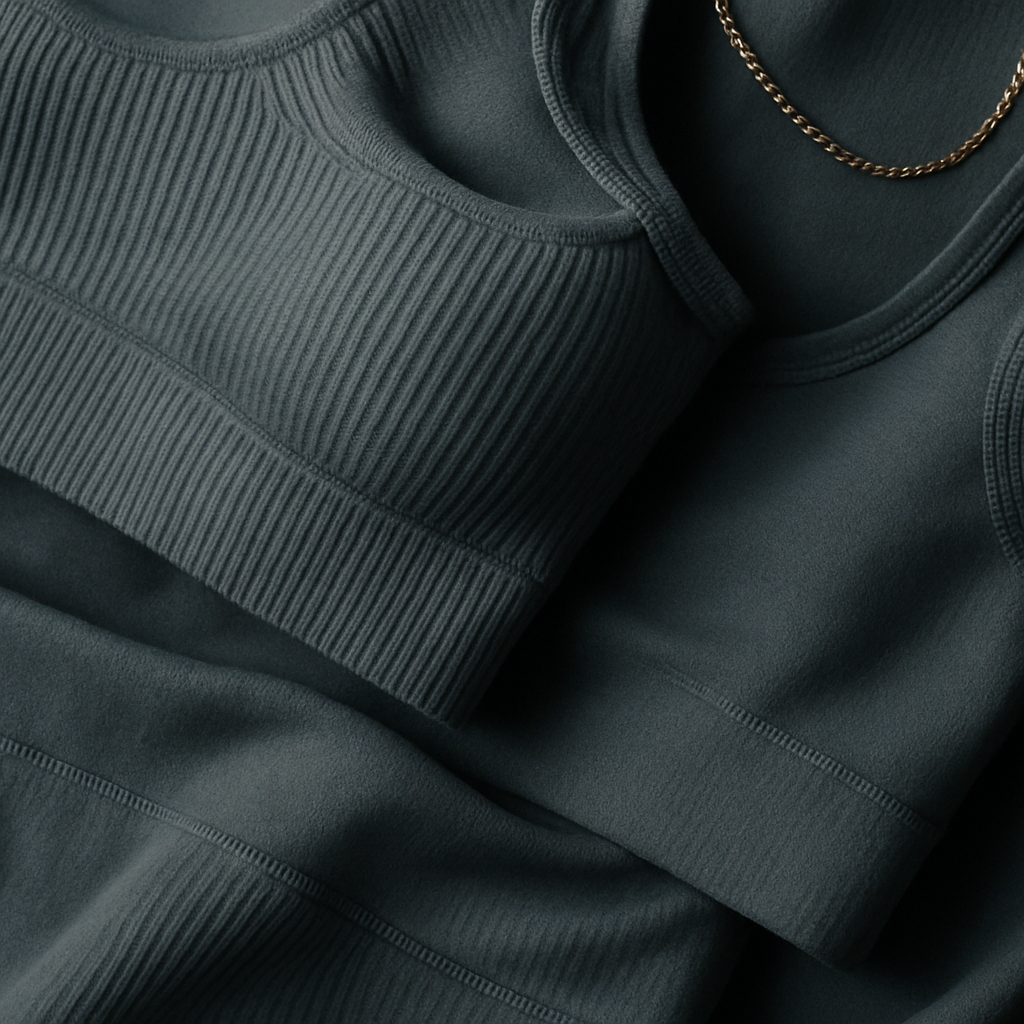
    Close-up detail of premium fabric representing the athleisure trend 2026 capsule wardrobe
    Close-up detail of premium fabric representing the athleisure trend 2026 capsule wardrobe

    Evening Athleisure: Yes, You Can Pull This Off After Dark

    This is where the aesthetic really earns its elevated label. Evening athleisure isn’t about wearing your gym kit to a bar and hoping for the best. It requires specific pieces chosen for their material weight, drape, and finish.

    For an evening context, think wide-leg performance trousers in a ponte or ponte-adjacent fabric — structured enough to hold a crease, comfortable enough to forget you’re wearing them. Pair with a fitted ribbed vest or a collarless overshirt in a complementary shade. Add a minimal crossbody or a slim tote in leather or vegan leather. Done.

    Women’s evening athleisure has moved sharply towards co-ord sets with subtle metallic threads woven into the fabric, giving the appearance of something intentionally evening-ready without sacrificing the ease of stretch and movement. I’ve seen this worn brilliantly at gallery openings and casual dinners across East London, and it holds its own.

    The key rule: one element must signal effort. Whether that’s a quality bag, a strong shoe, or a single piece of considered jewellery, the outfit needs one anchor point that tells the room you chose this deliberately. That’s the difference between athleisure 3.0 and just wearing your gym clothes out.

    The Brands Getting the Athleisure Trend 2026 Right

    Several British and globally available labels are absolutely nailing this space right now. Castore, the Manchester-born performance wear brand, has made serious moves into elevated everyday wear without losing its technical credibility. Gymshark’s lifestyle range continues to mature with each season. Represent Clothing, which started as a streetwear label, has absorbed performance aesthetics convincingly.

    Internationally, Lululemon remains a benchmark. Arc’teryx continues to lead on technical outerwear that functions as luxury fashion. And Adidas, in its ongoing collaboration cycles, keeps producing pieces that blur the gym-to-street line convincingly.

    What these brands share is a commitment to fabric quality and a refusal to over-logo. The athleisure trend 2026 is largely a quiet one. Branding is subtle. The statement is in the cut, the fabric, and the way the clothes actually move.

    Building a Capsule Athleisure Wardrobe Without Spending a Fortune

    You don’t need to rebuild your entire wardrobe. A tight edit of eight to ten pieces covers the vast majority of scenarios.

    • Two seamless ribbed sets (one light, one dark neutral)
    • A structured technical blazer or ponte jacket
    • One pair of tapered, high-quality joggers
    • One pair of wide-leg performance trousers
    • Two clean minimal base-layer tops
    • A premium zip-through fleece or hoodie
    • One pair of low-profile clean trainers

    Spend where it counts: fabrics and footwear. Cut corners on neither. A cheap fabric in a performance piece telegraphs itself immediately; there’s a reason people can tell a £30 gym set from a £120 one within seconds. This isn’t snobbery. It’s just how fabric behaves under light and movement.

    Why the Athleisure Trend 2026 Reflects Something Bigger

    There’s a broader cultural shift underneath all of this. Post-pandemic life rewired what people expect from their clothes. Comfort is no longer a compromise. Versatility is a design requirement, not a bonus. The idea that your wardrobe needs entirely separate categories for sport, work, and social life feels increasingly out of step with how people actually live.

    The athleisure trend 2026 reflects that reality honestly. It’s dressing for a life that moves between a morning run, a co-working space, a lunch meeting, and an evening out without a full outfit change between each stop. That’s not laziness. That’s modern.

    British style has always had an aptitude for this kind of quiet, considered versatility. It fits. And right now, the clothes are finally catching up with the life we’re all actually living.

    Frequently Asked Questions

    What is the athleisure trend in 2026?

    The athleisure trend 2026 refers to the evolution of sportswear into a fully elevated lifestyle aesthetic, where performance fabrics, clean silhouettes, and minimal branding create outfits that work from the gym through to evening social settings. It’s less about gym wear surviving outside the gym and more about deliberate, versatile dressing built around technical pieces.

    How do I wear athleisure for a night out without looking underdressed?

    Focus on fabric quality and structure. Wide-leg performance trousers, a fitted ribbed top, and one strong anchor piece, such as a leather bag or a sharp shoe, signals intention. Keeping your colour palette tight and avoiding overly branded pieces will ensure the look reads as considered rather than casual.

    Which UK brands are leading the athleisure trend in 2026?

    Castore (Manchester-based), Gymshark’s lifestyle range, and Represent Clothing are among the strongest UK names in this space. Each brings a different angle, from technical performance wear to streetwear-adjacent style, but all prioritise fabric quality and restrained design.

    Is athleisure still fashionable or is it overdone?

    Athleisure as a lazy compromise has had its day, but the elevated, intentional version absolutely is not overdone. The shift towards versatile, performance-led dressing continues to grow because it reflects real lifestyle needs. Done properly, with quality fabrics and considered styling, it remains one of the most relevant aesthetics around.

    How much should I spend to build a good athleisure wardrobe?

    You don’t need to overspend, but invest where it shows most: fabrics and footwear. A capsule of eight to ten quality pieces covering sets, outerwear, and clean trainers can be built across a range of budgets. Prioritise natural stretch fabrics and minimal branding over logos and trend-led details that will date quickly.
  • Seoul Street Style: The Korean Fashion Trends Taking Over Global Wardrobes in 2026

    Seoul Street Style: The Korean Fashion Trends Taking Over Global Wardrobes in 2026

    Korean street style has moved well beyond a niche interest. What started as a cult obsession on fashion forums and K-drama fan pages has quietly become the most significant force reshaping Western wardrobes right now. From the sloped shoulders of oversized blazers to layered textures that look effortless yet clearly deliberate, K-fashion has a visual confidence that most Western trends simply cannot match at the moment. If your outfits have felt a little stale, Seoul’s streets are where you should be looking for a reset.

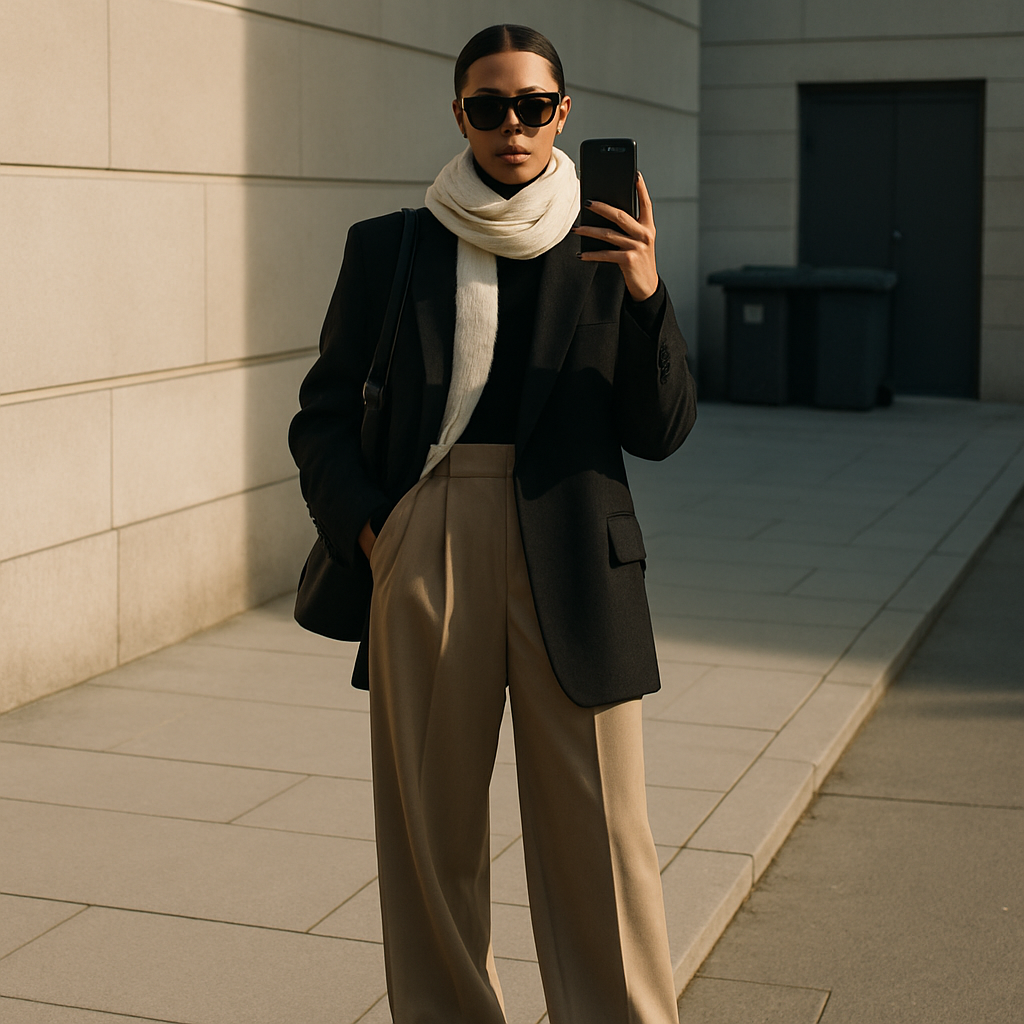
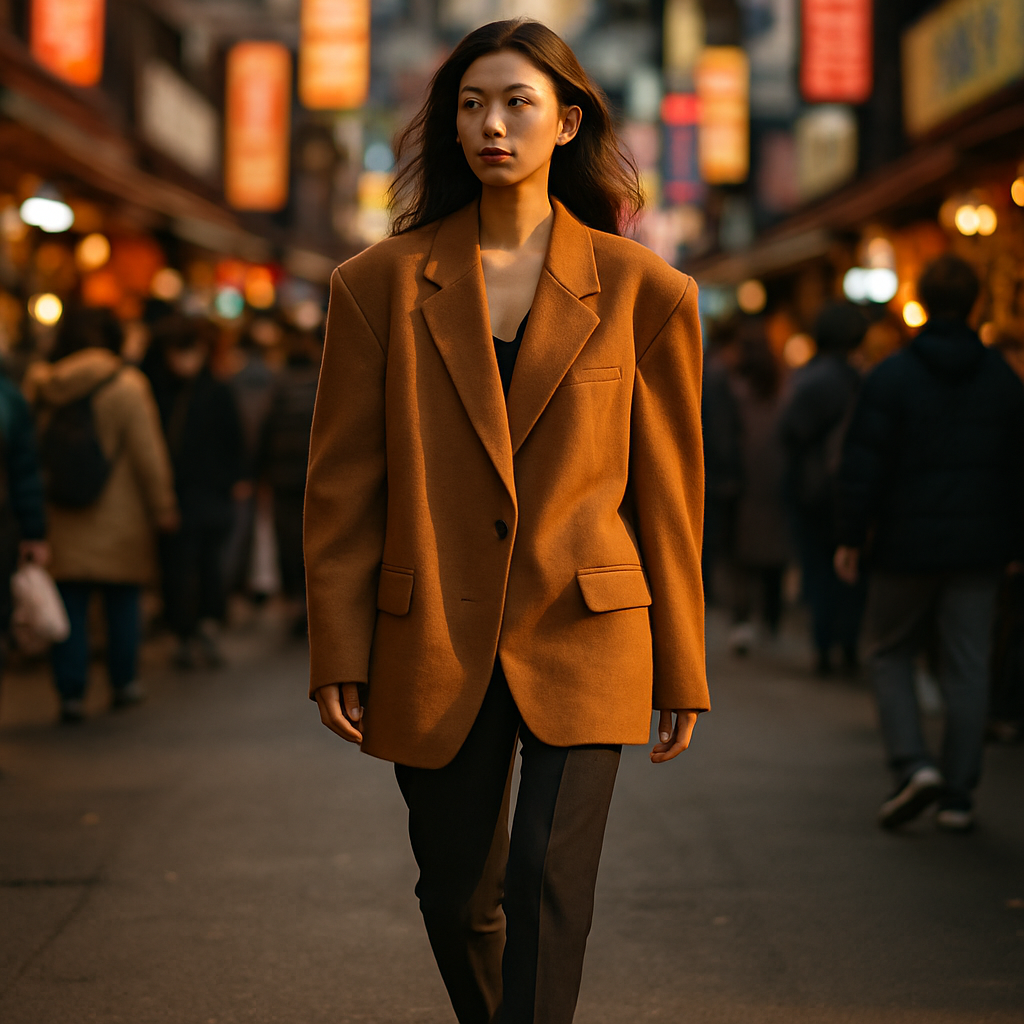
    Woman in oversized blazer showcasing Korean street style on a Seoul urban street at golden hour
    Woman in oversized blazer showcasing Korean street style on a Seoul urban street at golden hour

    What Makes Korean Street Style So Influential Right Now

    The appeal is not just aesthetic. Korean street style operates on a set of principles that feel genuinely modern: proportion play, texture mixing, gender-fluid silhouettes and a refusal to separate casual from elevated. Where a lot of Western fashion still draws hard lines between sportswear and office wear, K-fashion treats the whole wardrobe as one continuous conversation. That fluidity resonates with how people actually live and dress in 2026, where the boundaries between work, leisure and social life are more blurred than ever.

    Seoul’s fashion districts, particularly Hongdae and Seongsu, function as open-air laboratories. What appears on those streets one season tends to arrive in London, Paris and New York within months. The speed of that cultural transfer has only accelerated, driven by short-form video and a generation of consumers who shop globally without thinking twice about it.

    The Key Korean Street Style Trends to Know

    Oversized Silhouettes Done with Precision

    Oversized is not new, but the Korean approach to it is different. The key is deliberate proportion. A drastically wide blazer is worn with slim, tapered trousers or wide-leg denim that balances the volume rather than doubling it. Shoulders drop low, sleeves pool slightly over the hands and the overall shape is structured rather than sloppy. Brands like Ader Error and IISE have been doing this for years; mainstream Western labels are only now catching up to the specificity of the fit.

    To pull this off without looking like you borrowed someone else’s clothes, anchor one oversized piece against something fitted. A boxy knit over straight-cut trousers, belted at nothing, worn with a clean minimalist boot. That restraint is everything.

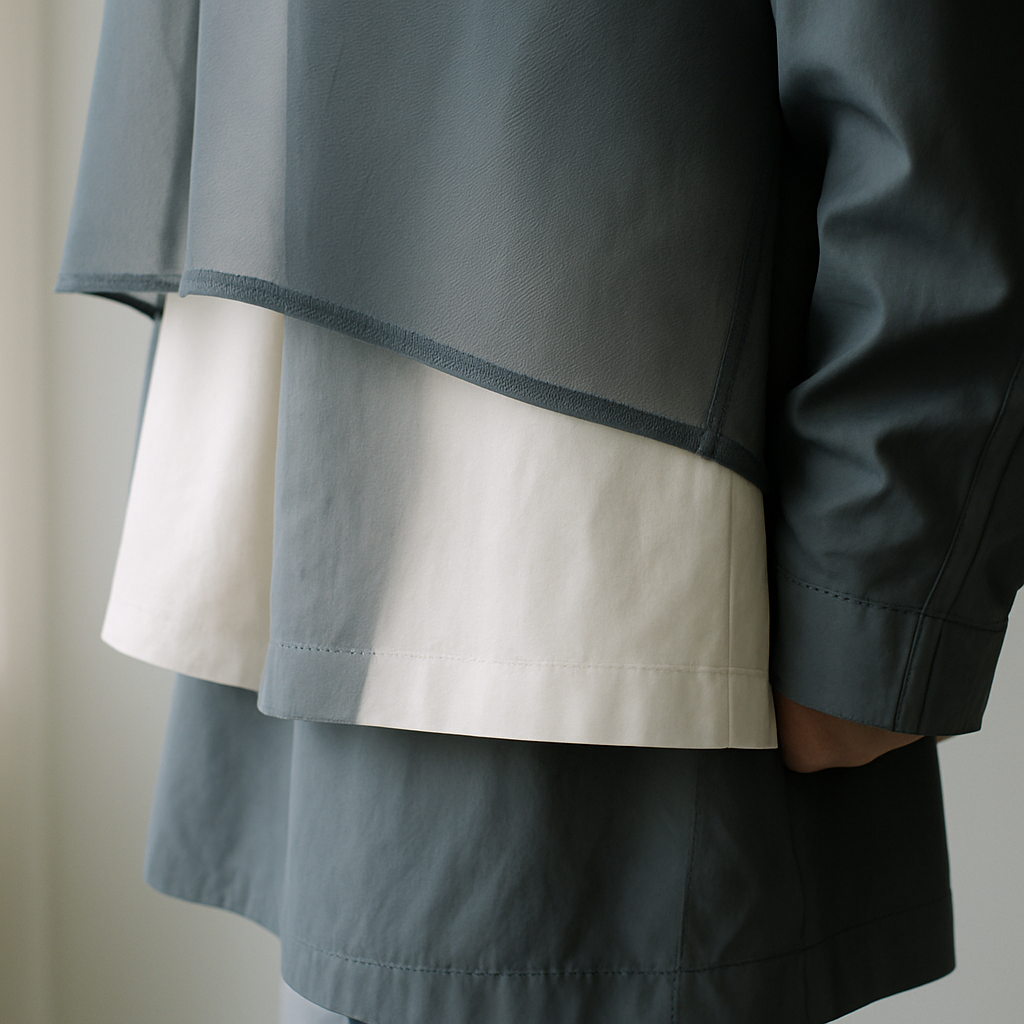
    Close-up of layered fabric textures representing the detail and depth of Korean street style dressing
    Close-up of layered fabric textures representing the detail and depth of Korean street style dressing

    Layered Textures and the Art of Looking Undone

    Layering in Korean street style is not about warmth. It is about building visual complexity. Think a sheer mesh long-sleeve under a short-sleeve graphic tee, over a longer hemline shirt that peeks out below. Or a nylon utility vest over a relaxed linen shirt in a contrasting tone. The textures clash on purpose: smooth against matte, lightweight against structured. The result looks like it was thrown together, but every layer was chosen with intention.

    This approach also works brilliantly in transitional dressing, which is why it has become so practical for UK wardrobes where the weather is consistently unpredictable. You can add or remove a layer and the outfit still holds together because the relationship between the pieces was considered from the start.

    Monochrome Tonal Dressing

    Korea’s version of monochrome is not the stark all-black look familiar in Western minimalism. It leans into tone-on-tone combinations within a single colour family: warm beige with caramel and sand, or slate grey layered across charcoal and off-white. The precision is in finding pieces that share a hue but differ in texture or fabric weight, creating depth without colour contrast. It photographs extraordinarily well, which partly explains why it dominates social content, but it also just looks incredibly put-together in real life.

    Sport-Luxe with a Korean Edit

    Korean street style has fully absorbed the global sport-luxe direction but filtered it through a cleaner, more restrained lens. You will see technical fabrics and trail-running aesthetics paired with tailored coats or structured bags. Trainers from brands like New Balance and Salomon sit alongside wide-leg trousers and sheer blouses without any sense of contradiction. The sportswear element reads as a considered choice rather than an afterthought, which is the entire point.

    How to Incorporate K-Fashion Into Your Everyday Wardrobe

    The most common mistake when approaching Korean street style from the outside is trying to replicate entire looks. That usually ends in outfits that feel costumey rather than genuine. A better strategy is to extract principles and apply them to what you already own. Start with proportion: challenge yourself to wear one piece significantly bigger or smaller than you normally would and build the rest of the outfit around balancing it. Then experiment with texture layering using pieces you already have before investing in new ones.

    Shopping K-fashion brands directly is increasingly straightforward. Musinsa, Korea’s dominant fashion platform, now ships internationally, and plenty of K-fashion labels have opened stockists in the UK. If you are styling a new wardrobe corner at home to photograph outfits, the clean backdrops that work best for this kind of editorial look, whether that is whitewashed walls or window light filtered through faux wood venetian blinds, make a genuine difference to how the clothes read on camera.

    Korean street style rewards commitment. The looks that land hardest are the ones where every element, from the outermost layer to the sock detail, has been thought about. It is a more considered approach to dressing than most Western casual fashion asks of its audience. But that is exactly why it stands apart, and exactly why it is not going anywhere.

    Frequently Asked Questions

    What is Korean street style?

    Korean street style refers to the fashion trends and aesthetic movements that originate from South Korea’s urban youth culture, particularly in districts like Hongdae and Seongsu in Seoul. It is characterised by deliberate proportions, layered textures, gender-fluid silhouettes and a blending of casual and elevated pieces. It has become one of the most globally influential fashion movements over the past several years.

    Which Korean fashion brands should I know about?

    Key Korean brands making waves globally include Ader Error, IISE, Carlyn, Mardi Mercredi and Wooyoungmi. For more accessible entry points, Korean fast-fashion platforms like Musinsa stock hundreds of independent Korean labels and now ship to the UK. These brands tend to lead the trends that eventually filter into mainstream Western retail.

    How do I style oversized Korean fashion without looking sloppy?

    The trick is to balance volume deliberately rather than letting it accumulate. Pair one dramatically oversized piece, such as a wide-shouldered blazer or boxy knit, with something slim or tailored underneath. Korean street style relies on contrast in proportion, so one piece should dominate while the rest of the outfit acts as a clean, considered frame for it.

    Is K-fashion affordable for Western shoppers?

    It varies considerably. Independent Korean labels can be competitively priced compared to equivalent European or American brands, especially when purchased directly through platforms like Musinsa. Higher-end Korean designer pieces are on par with Western luxury pricing. The key is that K-fashion rewards investment in fewer, better-considered pieces rather than a high-volume approach to buying.

    How is Korean street style different from Japanese street style?

    Both are hugely influential but operate differently. Japanese street style tends toward more extreme or avant-garde expression, with movements like Harajuku pushing boundaries of convention. Korean street style is generally more wearable and commercially accessible, with a stronger emphasis on clean silhouettes, tonal precision and sport-luxe crossovers. K-fashion also moves faster in terms of trend cycles due to its deep connection with K-drama and K-pop culture.

  • How to Style Athleisure So It Actually Looks Like Fashion

    How to Style Athleisure So It Actually Looks Like Fashion

    The line between gym kit and genuine fashion has all but dissolved – but that doesn’t mean everything reads as intentional. If you want to style athleisure as fashion rather than just look like you forgot to get changed, you need to understand what separates a considered outfit from a sports bag explosion. It comes down to proportion, layering, and the details you choose to elevate or ignore.

    Why Athleisure Still Dominates in 2026

    Athleisure isn’t a trend that peaked and faded. It evolved. What started as yoga pants at brunch has become a full design language – one that major houses, independent labels and streetwear brands all speak fluently. The key shift is that sportswear now carries genuine cultural weight. Wearing it well isn’t about hiding that it’s sporty. It’s about owning it so confidently that nobody questions whether you meant it.

    The Do’s and Don’ts of Wearing Sportswear Off the Pitch

    Do: Commit to one hero piece

    Pick one sportswear hero – a bold track top, high-waisted leggings, a structured windbreaker – and build everything else around it. The rest of your outfit should support that piece, not compete with it. Neutral tones for the supporting cast, colour or texture for the centrepiece.

    Don’t: Match head-to-toe in the same kit

    Full co-ordinated sets from the same sportswear range look like a uniform, not an outfit. Mix textures, brands and silhouettes. Pair technical leggings with a heavyweight cotton hoodie. Wear running trainers with wide-leg tailored trousers. The contrast is the point.

    Do: Invest in fit

    Athleisure fails when it’s baggy in the wrong places or skin-tight when it shouldn’t be. Leggings should be high-waisted and structured – not see-through, not sagging. Track tops should sit cleanly on the shoulder. If it looks like you grabbed it off someone else’s pile, it’s not fashion.

    Don’t: Neglect your footwear

    Trainers are the biggest statement in an athleisure outfit. Worn, creased, or badly chosen trainers collapse the whole look. Choose them with the same intention you’d choose a dress shoe. A chunky dad trainer in a muted colourway, or a sleek low-profile runner in white or black, will carry weight the rest of your outfit can lean on.

    Layering Tricks That Make Sportwear Look Elevated

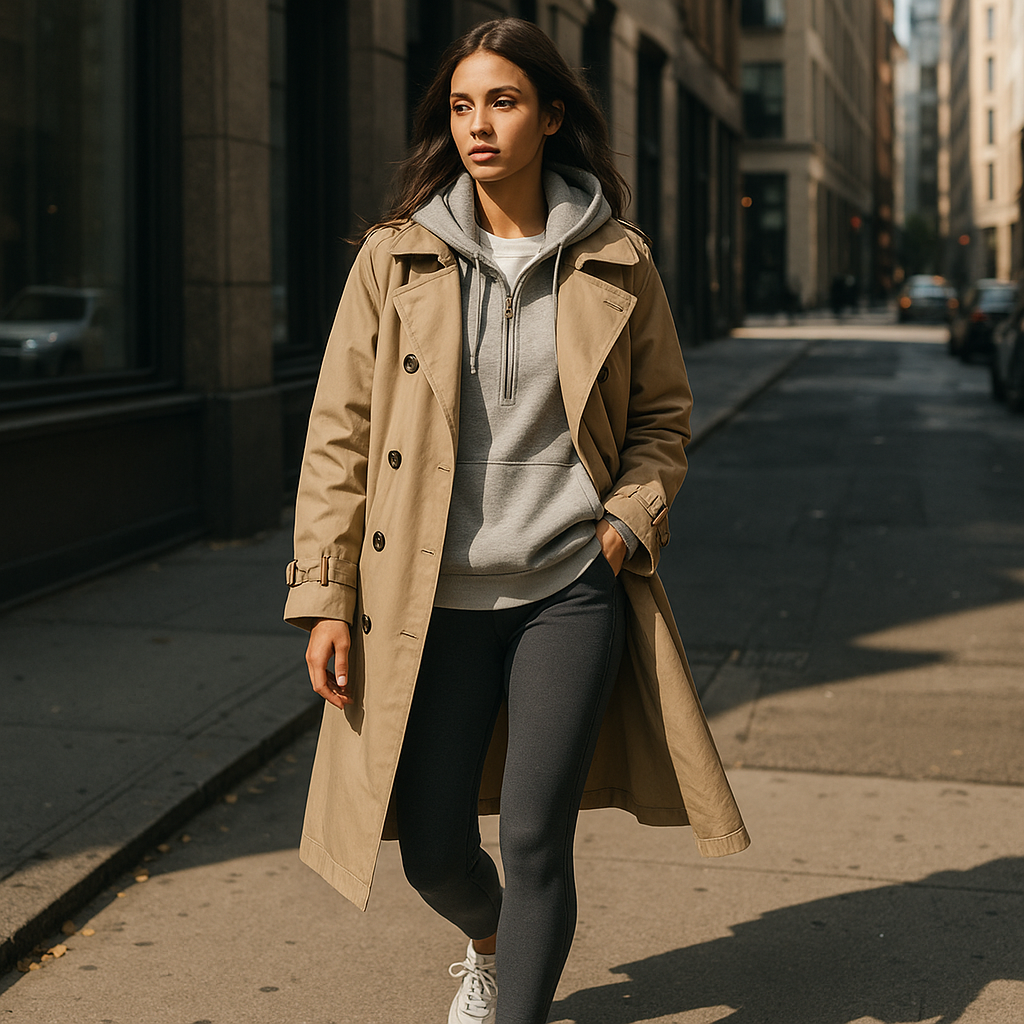
    Layering is where athleisure makes the leap from functional to fashionable. A longline overcoat thrown over a tracksuit immediately shifts the register. Structured blazers over cropped hoodies create a high-low tension that looks deliberate and sharp. Quilted gilets over long-sleeved base layers add dimension without bulk.

    The trick is contrast – not just in colour, but in formality. The more refined the outer layer, the more licence you have to keep the base layers purely sporty. A sharp trench coat makes even standard leggings and a plain tank look like a considered choice.

    Smart Outerwear That Bridges Sport and Street

    Outerwear is the fastest way to signal fashion intent. These pieces work every time:

    • Oversized leather or faux-leather jacket – pairs with leggings and chunky trainers for an edge-meets-sport look.
    • Tailored long-line coat – the contrast between structured tailoring and relaxed sportswear underneath is an established fashion formula for good reason.
    • Technical shell jacket – lean into the sport aesthetic but choose one with clean lines and minimal branding for a more editorial feel.
    • Knitted cardigan (oversized) – softens the look and adds a relaxed luxury feel, particularly over slim-fit leggings or biker shorts.

    Accessories That Do the Heavy Lifting

    This is where most people leave points on the table. The right accessories take an athleisure outfit from decent to genuinely stylish. A structured mini bag or boxy tote instantly elevates trainers and leggings. Layered gold or silver jewellery adds texture and lightness. A simple baseball cap worn straight – not ironically tilted – keeps the sporty references tight while looking clean.

    Sunglasses matter more in athleisure than in almost any other category. A strong frame – shield, cat-eye, or wraparound – adds attitude that the clothes alone can’t always carry. Don’t underestimate them.

    How to Style Athleisure as Fashion for Different Body Types

    One of the genuine strengths of sportswear is that it adapts. For petite frames, high-waisted leggings with a cropped track jacket lengthen the leg line without overwhelming the silhouette. For curvier bodies, a fitted long-line top over leggings creates a clean vertical line – avoid anything boxy and shapeless unless you’re deliberately going for an oversized statement. For taller, leaner frames, wide-leg tracksuit trousers with a fitted ribbed top and a long coat work brilliantly – the volume is balanced and the height becomes an asset.

    The rule across all body types is the same: know where your outfit creates line and intention, and make sure it’s deliberate.

    How Many Sporty Pieces Can One Outfit Handle?

    This is the question most people don’t ask but should. As a rule, two overtly sporty pieces is usually the ceiling before an outfit tips into pure gym wear. Leggings plus trainers – fine, but the top and outer layer need to do fashion work. Track jacket plus joggers – absolutely, but your shoes and accessories have to compensate with intentionality. Three or more overtly sporty pieces at once requires very deliberate styling choices and strong accessories to avoid looking like you’re about to sprint for a bus.

    Learning to style athleisure as fashion is less about following rules and more about developing the instinct for when something looks chosen versus accidental. Once you have that eye, sportswear becomes one of the most versatile and genuinely exciting categories in your wardrobe.

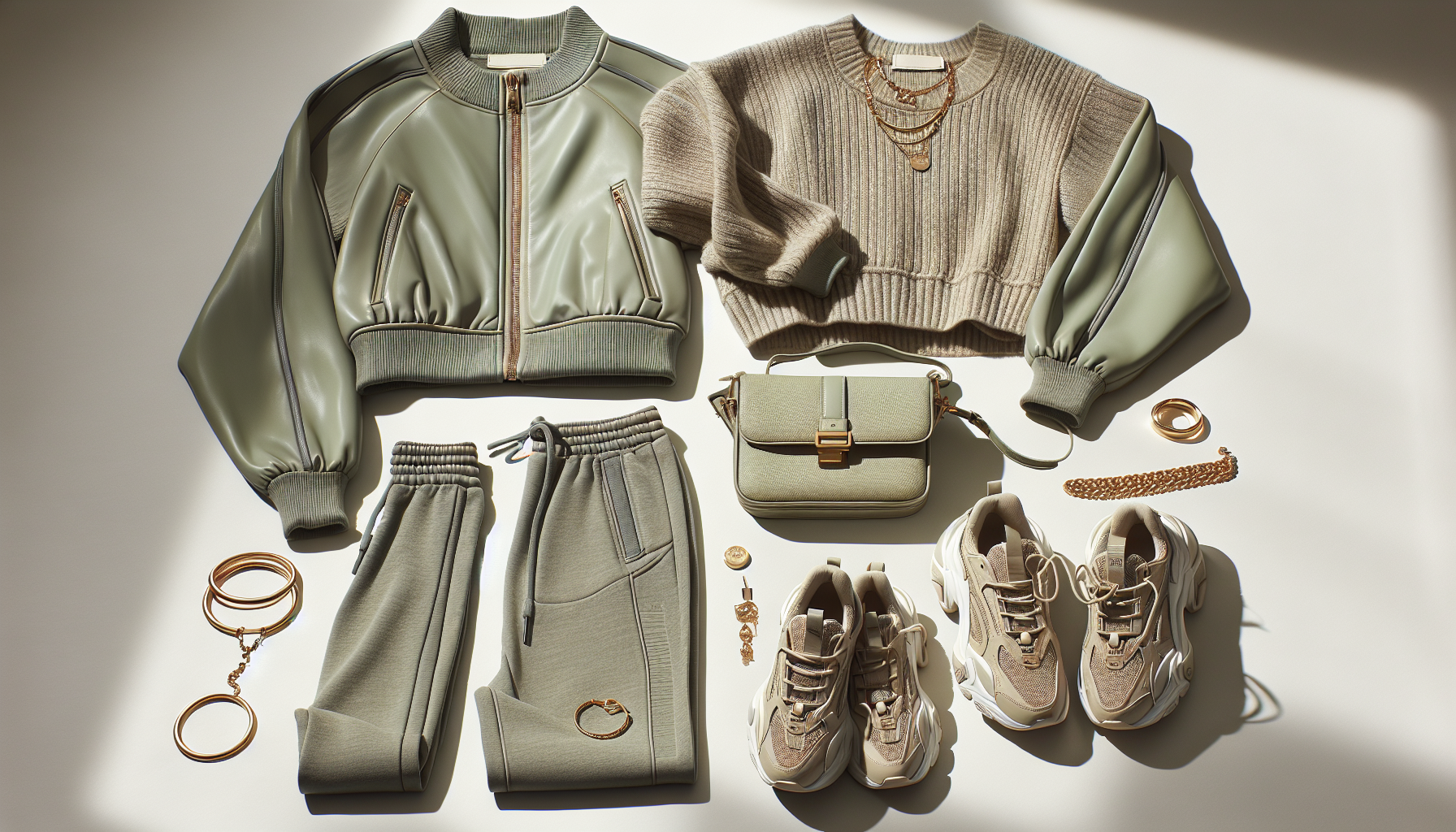
    Flat lay detail of athleisure as fashion outfit with leggings, track jacket, trainers and accessories
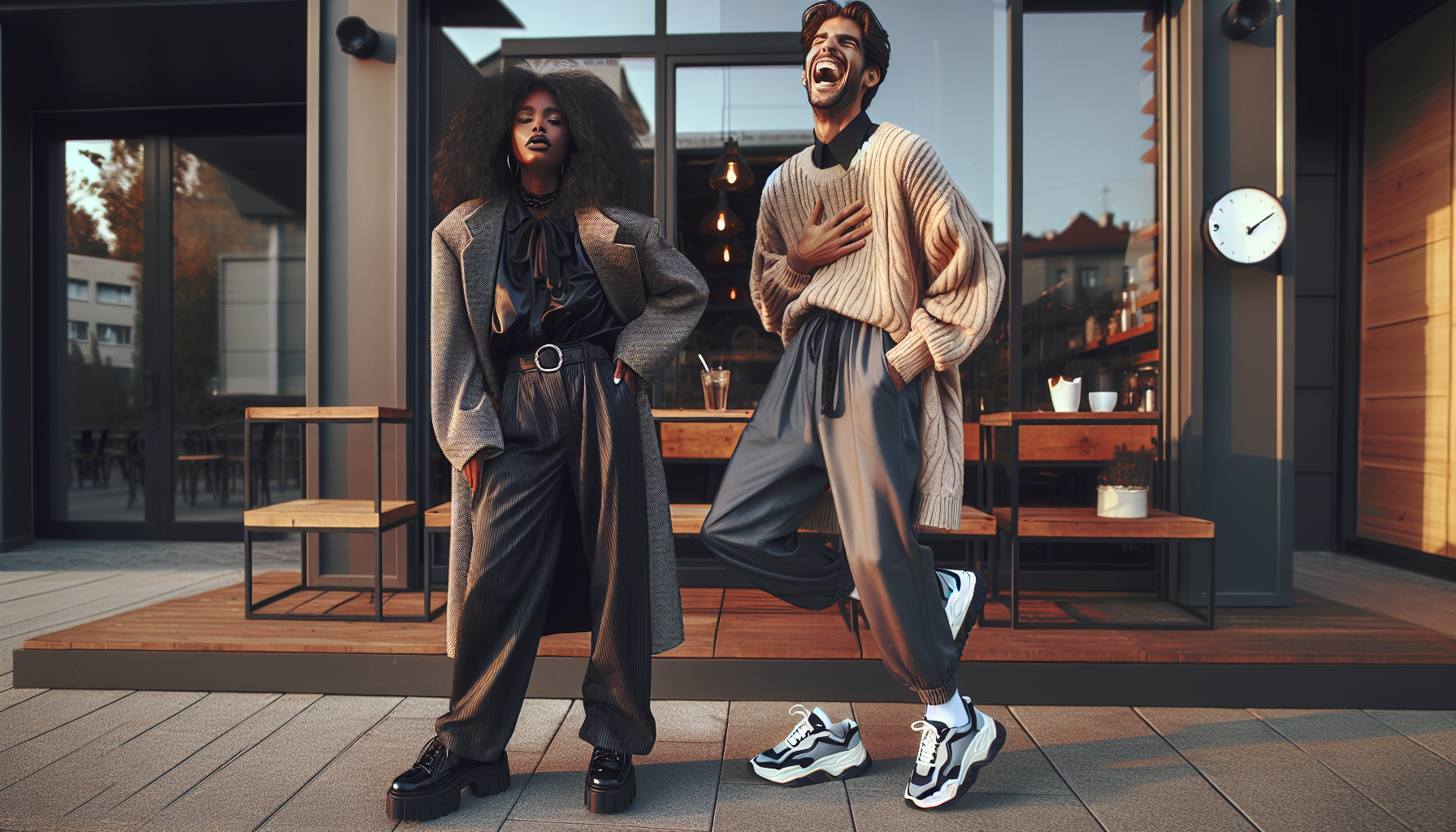
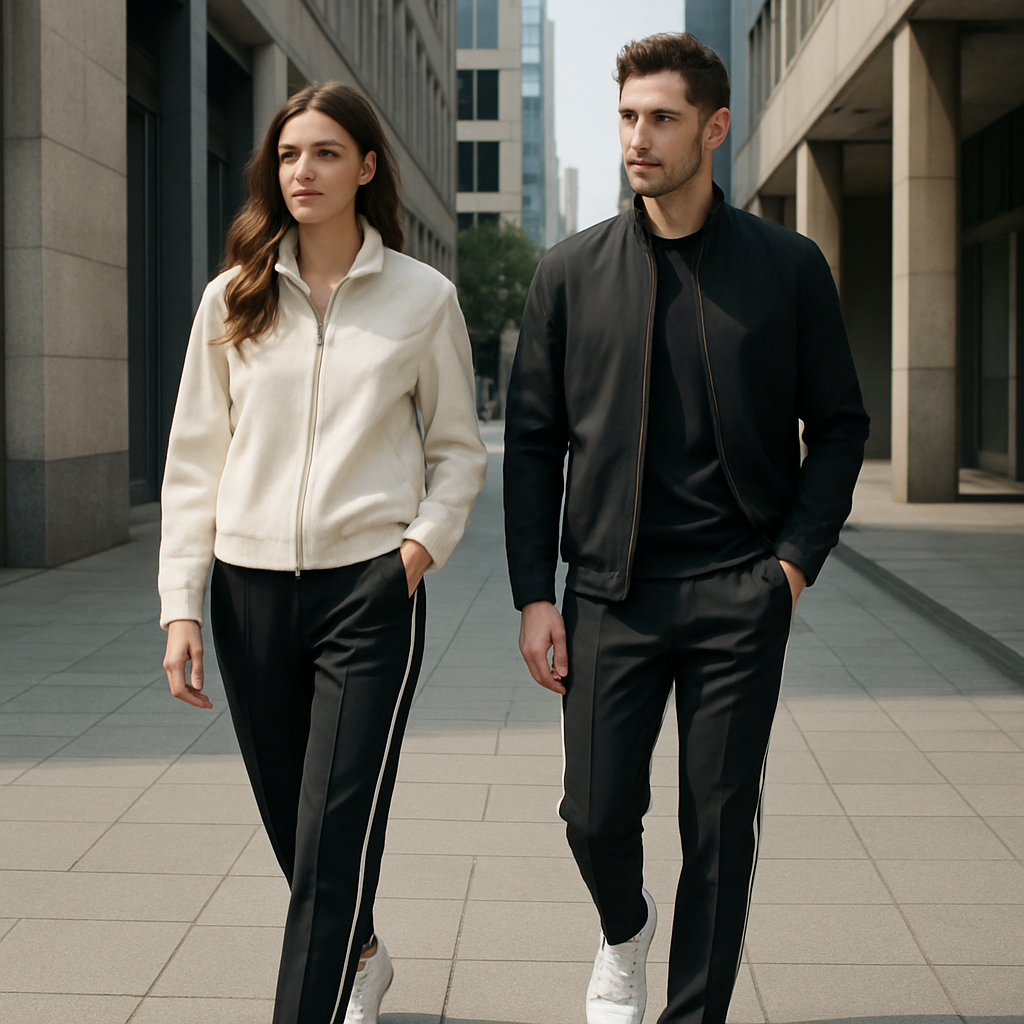
    Two friends wearing athleisure as fashion outfits outside a coffee shop in natural urban setting

    Style athleisure as fashion FAQs

    Can leggings actually look fashionable outside the gym?

    Absolutely – but the styling has to be intentional. High-waisted leggings in a quality fabric, paired with an oversized blazer or longline coat and structured trainers, read as a proper fashion outfit rather than gym wear. The key is treating the leggings as a base layer that the rest of the outfit elevates, not the focus piece on their own.

    What trainers work best for styling athleisure as a fashion look?

    Clean, considered trainers are essential. Low-profile runners in white, black or neutral tones are the most versatile – they work with almost any athleisure outfit without competing for attention. Chunky dad trainers in muted colourways also work well, particularly with slim-fit leggings or tapered joggers. Avoid anything too worn or brightly coloured unless the whole outfit is built around them.

    How do you mix sportwear with non-sporty pieces without looking odd?

    The contrast is actually the point – it’s what makes the look feel intentional. Pair a technical track top with tailored wide-leg trousers, or leggings with a structured leather jacket and a boxy bag. The more formal or textural the non-sporty piece, the more it signals that you’ve made a deliberate choice rather than just reaching for comfort.

    What accessories elevate an athleisure outfit the most?

    A structured bag – whether a mini shoulder bag or a boxy tote – is the single fastest upgrade for an athleisure outfit. After that, layered jewellery, strong sunglasses with a sculptural frame, and a clean baseball cap all add personality and polish. These details signal that the outfit was considered from head to toe, which is what separates fashion from gym wear.

    Is it possible to wear a full tracksuit and still look stylish?

    Yes, but you need the right outer layer and accessories to pull it off. A longline coat or sharp leather jacket over a matching tracksuit instantly adds fashion intent. Your trainers need to be clean and chosen carefully, and a minimal structured bag helps lift the overall look. Avoid all-over branding if you want it to read as fashion – cleaner pieces give you more flexibility.

  • Why Clean Streets Are The New Status Symbol

    Why Clean Streets Are The New Status Symbol

    Like it or not, we all judge a neighbourhood in the first five seconds. Right now, street cleanliness culture is doing more of the talking than any designer logo or postcode flex.

    How street cleanliness culture became a quiet flex

    There was a time when nobody cared what happened to their rubbish once it left the front door. Now, overflowing bins, dumped furniture and mystery stains on the pavement are social red flags. Clean, organised streets send a different message: people here have standards.

    It is not just about hygiene. It is about identity. A tidy street tells you the locals are switched on, a bit proud, and not scared to call things out. A messy one screams apathy. People are choosing where to rent, buy and even book Airbnbs based on how the street looks in the listing photos. That is how deep this goes.

    Why Gen Z and millennials care so much

    The younger crowd are ruthless about the visuals of their environment. They grew up online, so everything is content. Street shots, fit pics, running routes, dog walks – if it is going on camera, the backdrop matters. Nobody wants a great outfit ruined by a row of leaking bins and ripped black bags.

    There is also a wellness angle. The same people who obsess over skincare ingredients and gym memberships are waking up to how much their surroundings affect their mood. Clean, ordered streets feel calmer. You notice it when you come back from somewhere that is chaotic. Your brain relaxes when the pavements are clear and things are where they should be.

    Street cleanliness culture and social status

    Here is the blunt truth: people use cleanliness as a shortcut for class, respect and safety. It might not be fair, but it is real. You clock the recycling, the way bins are lined up, whether rubbish is left out for days. You instantly decide if you would walk there at night, go for a run there, or raise kids there.

    Brands and landlords have caught on. New builds and trendy developments push images of spotless courtyards, neat bin stores and leafy pavements. They know it sells the lifestyle. Even local councils are leaning into it, promoting community clean-up days like social events instead of chores.

    From bins to fashion: how your street shows up in your style

    Street style is only as strong as the streets. Think about it: the best outfit shots are taken on clean, simple backdrops. Brick, concrete, greenery. Not split bags and scattered takeaway boxes. People are starting to pick walking routes and photo spots based on how tidy the area is.

    Runners, cyclists and dog walkers feel it too. A clean route feels aspirational. It matches the whole self-improvement vibe. A grimy, cluttered pavement just makes you want to get home faster. Street cleanliness culture is quietly shaping where we hang out, where we shoot content and where we feel comfortable showing off our style.

    Little habits that change the whole street

    You do not need a neighbourhood WhatsApp revolution to improve things. A few small, consistent habits make a street feel instantly more put together:

    • Put bins out and bring them in on time instead of leaving them camping on the pavement.
    • Close bin lids properly so rubbish is not spilling out or blowing down the road.
    • Stop balancing extra bags on top of already full bins like a game of Jenga.
    • Call out fly tipping when you see it instead of pretending it is not there.
    • Wipe or rinse bins and caddies occasionally so the smell is not doing the talking.

    If your street is already a bit of a mess, it is still fixable. Some people are booking services like wheelie bin cleaning and treating it like a basic hygiene step, not a luxury. It is the same logic as washing your gym kit regularly – obvious, but weirdly ignored.

    Street style outfit photo shot against a clean backdrop that shows evolving street cleanliness culture
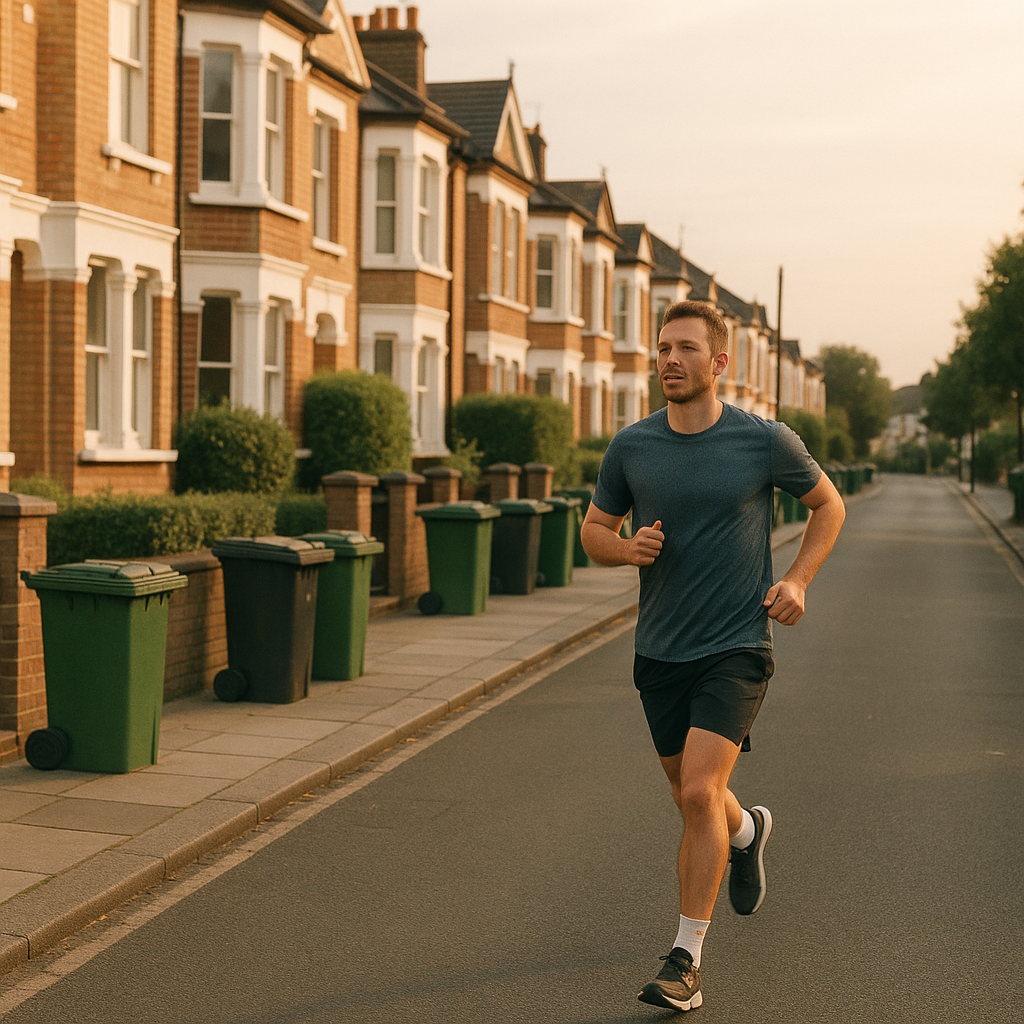
    Runner enjoying a calm urban route shaped by local street cleanliness culture

    Street cleanliness culture FAQs

    What is street cleanliness culture?

    Street cleanliness culture is the shared attitude and habits people have around keeping their streets, pavements and public spaces tidy, organised and hygienic. It covers how bins are used, how rubbish is stored, and how seriously locals take the look and feel of their area. It has become a quiet marker of pride, status and community standards.

    Why does street cleanliness culture matter for lifestyle?

    Street cleanliness culture affects how a place feels to live in day to day. Clean, ordered streets feel calmer, safer and more aspirational, which supports a healthier lifestyle. They make it more enjoyable to walk, run, cycle and spend time outside, and they create better backdrops for socialising and content. Messy streets, on the other hand, drag down the mood and make people want to spend less time outdoors.

    How can I help improve street cleanliness culture where I live?

    You can improve street cleanliness culture by getting the basics right: putting bins out and bringing them in on time, closing lids properly, not leaving extra bags piled up, and reporting fly tipping or repeated mess to your council or building management. Keeping the area directly outside your home tidy, picking up small bits of litter when you see them and encouraging neighbours to do the same all add up to a visible shift in how your street looks and feels.

  • Sport Luxe Streetwear: How To Nail The Athletic Fashion Trend

    Sport Luxe Streetwear: How To Nail The Athletic Fashion Trend

    Sport luxe streetwear is the uniform of people who actually get it. It is not gym kit, it is not office wear, and it is definitely not your old college hoodie. It is the sweet spot where technical fabrics, clean tailoring and unapologetic comfort collide.

    What actually is sport luxe streetwear?

    Strip it back: sport luxe streetwear is performance inspired clothing styled like you are going somewhere important. Think track jackets with sharp lines, tapered joggers that sit perfectly on your trainers, and jerseys that look curated, not lazy.

    It is built on three rules. First, athletic DNA – mesh, zips, drawcords, ribbed cuffs. Second, upgraded fabrics – heavy cotton, technical nylons, structured knits. Third, intentional styling – nothing is random, even if it looks effortless. If it could not walk into a bar or a gallery, it is just sportswear, not sport luxe.

    Building a sport luxe streetwear wardrobe

    You do not need a full reset. You need better foundations and a stricter filter.

    Start with elevated basics

    Swap stretched joggers for tailored track pants with a crisp taper. Trade loud logo tees for heavyweight, boxy fits in solid colours. A structured hoodie in a muted tone beats a flimsy one every time. The shape should do the talking, not the branding.

    Pick one hero piece per outfit

    Every sport luxe streetwear look needs a focal point. It could be a technical track jacket, a pair of statement trainers or a sleek quarter zip. The rest of the outfit should calm it down, not compete with it. If everything is shouting, you just look chaotic.

    Upgrade your trainers

    Your footwear will expose you. Chunky running silhouettes, minimal leather trainers or retro indoor styles all work if they are clean and intentional. Beat up pairs are fine if the wear looks earned, not neglected. Know the difference.

    How to style sport luxe streetwear without trying too hard

    The line between effortless and tragic is thin. Here is how to stay on the right side.

    Keep your colour palette tight

    Neutrals, deep tones and one accent colour are your safest route. Black, grey, navy, olive and cream will carry most wardrobes. Add a single pop – a bold trainer, a stripe, a cap – and stop there. Too many brights and you drift into PE kit territory.

    Play with proportions

    Boxy top, slim bottom. Relaxed joggers, fitted tee. Cropped jacket, longer tee. Proportions make an outfit look styled instead of thrown on. If everything is skin tight, you lose the modern edge. If everything is baggy, you look like background cast in a music video.

    Respect fabrics and textures

    Mix matte with shine: a nylon windbreaker over heavy cotton, a sleek track pant with a textured knit. Avoid head to toe shiny polyester unless you are actually competing in something. Quality fabrics drape better and instantly make sporty pieces feel intentional.

    Sport luxe streetwear for different settings

    This style is flexible if you know how far to push it.

    Off duty days

    Go relaxed: tapered joggers, a heavyweight tee and a clean zip jacket. Add a cap and low profile trainers. It should look like you chose comfort, not that you gave up.

    Office casual

    Stick to darker tones and sharper cuts. Technical trousers that look like chinos, a minimal quarter zip under a smart jacket, and pristine trainers. If your boss complains, that is a them problem – you still look put together.

    Evening and events

    Dial up the tailoring. Structured bomber, knitted polo, dark track trousers, leather or premium trainers. No massive logos, no loud team graphics. The goal is subtle sport influence, not full kit.

    Common these solutions mistakes to avoid

    Too many logos, too much colour, and cheap fabrics will ruin the look instantly. If it feels flimsy, it will probably look it. Over matching sets can also tip into parody if the fit and colour are not spot on. Edit harder. Most people need to remove one item before they leave the house.

    Close up of a relaxed outfit showcasing tailored joggers and trainers in sport luxe streetwear
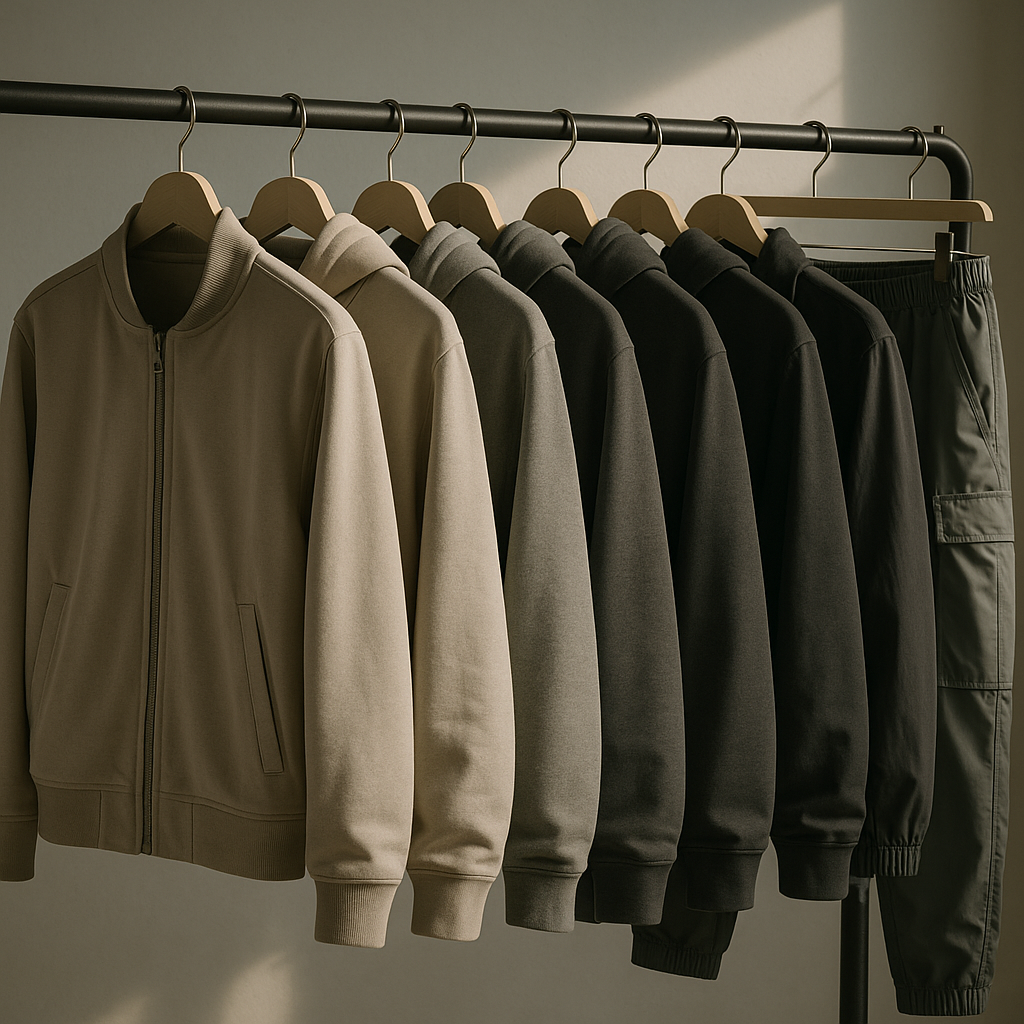
    Minimalist clothing rail with neutral athletic pieces styled for sport luxe streetwear

    Sport luxe streetwear FAQs

    What is sport luxe streetwear in simple terms?

    Sport luxe streetwear is clothing with athletic details styled in a polished, everyday way. It uses sporty elements like track pants, zips and technical fabrics but with cleaner cuts, better materials and intentional outfits that work for the street, bars or casual offices instead of just the gym.

    How do I start wearing sport luxe streetwear without buying a whole new wardrobe?

    Start by upgrading a few key pieces rather than replacing everything. Swap old joggers for tailored track pants, pick up a structured hoodie or track jacket in a neutral colour, and invest in one clean pair of trainers that works with jeans and track trousers. Build outfits around these and keep your colour palette tight so everything mixes easily.

    Can sport luxe streetwear work for the office?

    Yes, if you keep it sharp and minimal. Go for technical trousers that resemble smart chinos, a refined quarter zip or knit instead of a loud hoodie, and clean, low profile trainers. Stick to darker, neutral colours and avoid big sporty logos. The aim is subtle athletic influence, not turning up in full training gear.

  • Sporty Streetwear: How To Look Match-Day Ready Every Day

    Sporty Streetwear: How To Look Match-Day Ready Every Day

    Sporty streetwear is not a trend any more, it is the dress code. Gym kit at brunch, football shirts in wine bars, running shoes in the club – it is all fair game if you know what you are doing. The line between performance and fashion is gone, which is great news if you like comfort but still want to look sharp.

    What actually counts as sporty streetwear?

    Think of sporty streetwear as the sweet spot where training gear, classic sportswear and everyday fashion meet. It is not full kit, and it is not office wear. It is technical fabrics, bold logos and athletic silhouettes styled like you meant it.

    Key pieces that always work:

    • Track jackets and zip hoodies with clean, simple branding
    • Loose football or rugby shirts worn like oversized tees
    • Tailored joggers or woven track trousers instead of baggy sweats
    • Running trainers or retro tennis shoes that still look box fresh
    • Performance base layers used as fitted tops under looser pieces

    The difference between looking styled and looking like you have just left five-a-side is fit and balance. If one piece is loud or oversized, keep everything else controlled.

    How to build a sporty streetwear outfit that actually hits

    Start with one hero sports piece, then build around it with quieter items. For example, if you are wearing a bright team shirt, pair it with black woven track trousers, low profile trainers and a neutral cap. Suddenly it is an outfit, not just merch.

    Three simple formulas that rarely miss:

    • Match-day casual: Club shirt, straight-leg jeans, white leather trainers, bomber jacket.
    • City training: Technical long-sleeve top, tailored joggers, chunky runners, crossbody bag.
    • Night out sport luxe: Nylon track jacket, black wide-leg trousers, sleek runners, minimal jewellery.

    If you are unsure, keep colours tight. Two main colours plus one accent is a safe rule. Anything more and you start to look like a kit launch.

    Sporty streetwear and the athleisure trap

    Athleisure got lazy. People started wearing saggy leggings and dead trainers and calling it a look. Sporty streetwear is sharper. The fabrics are technical, but the cuts are deliberate and the shoes are clean.

    A few blunt rules:

    • If your joggers are faded or bobbled, they are house clothes, not streetwear.
    • Gym shoes that smell like cardio do not belong at the bar.
    • Full matching tracksuit is a statement – keep accessories minimal or you will look like a costume.

    Invest in a couple of good quality pieces instead of a pile of cheap sets. One crisp track jacket will carry more outfits than five flimsy hoodies.

    Local flavour: how Westville is wearing it

    Every area has its own spin, and sporty streetwear in Westville is a good example. You will see people mixing vintage football shirts with modern running shoes, or pairing classic track tops with smart, cropped trousers. It is casual, but never careless. That is the energy to copy: pieces that look lived in, not left behind the sofa.

    Accessories that make or break the look

    The right accessories turn training kit into a full fit. The wrong ones make you look like you forgot your gym bag.

    Stick to:

    • Caps and beanies in solid colours or clean logos
    • Crossbody or sling bags in nylon or leather, not bulky backpacks
    • Thin chains, subtle earrings, simple watches
    • Sports socks that are bright white or intentionally coloured, not grey and tired

    Skip anything that feels try-hard: huge logo belts, over-styled scarves or jewellery that clashes with the sporty base.

    Footwear rules for these solutions

    Shoes carry the whole look. Retro runners, indoor court shoes and minimal leather trainers are the safest choices. Big, technical running shoes work too, but keep the rest of the outfit simple so you do not look like you are mid-marathon.

    Non-negotiables:

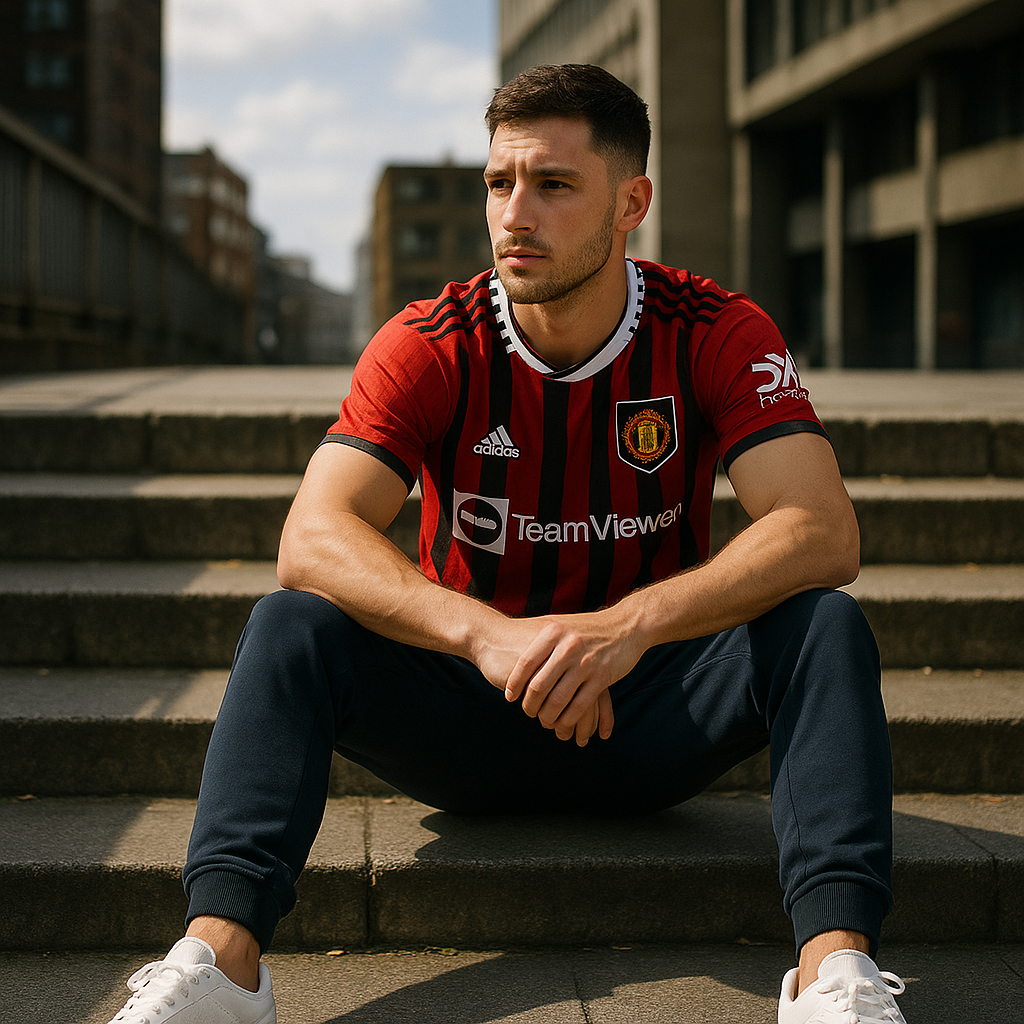
    Man in football shirt, joggers and trainers styled as sporty streetwear in an urban setting
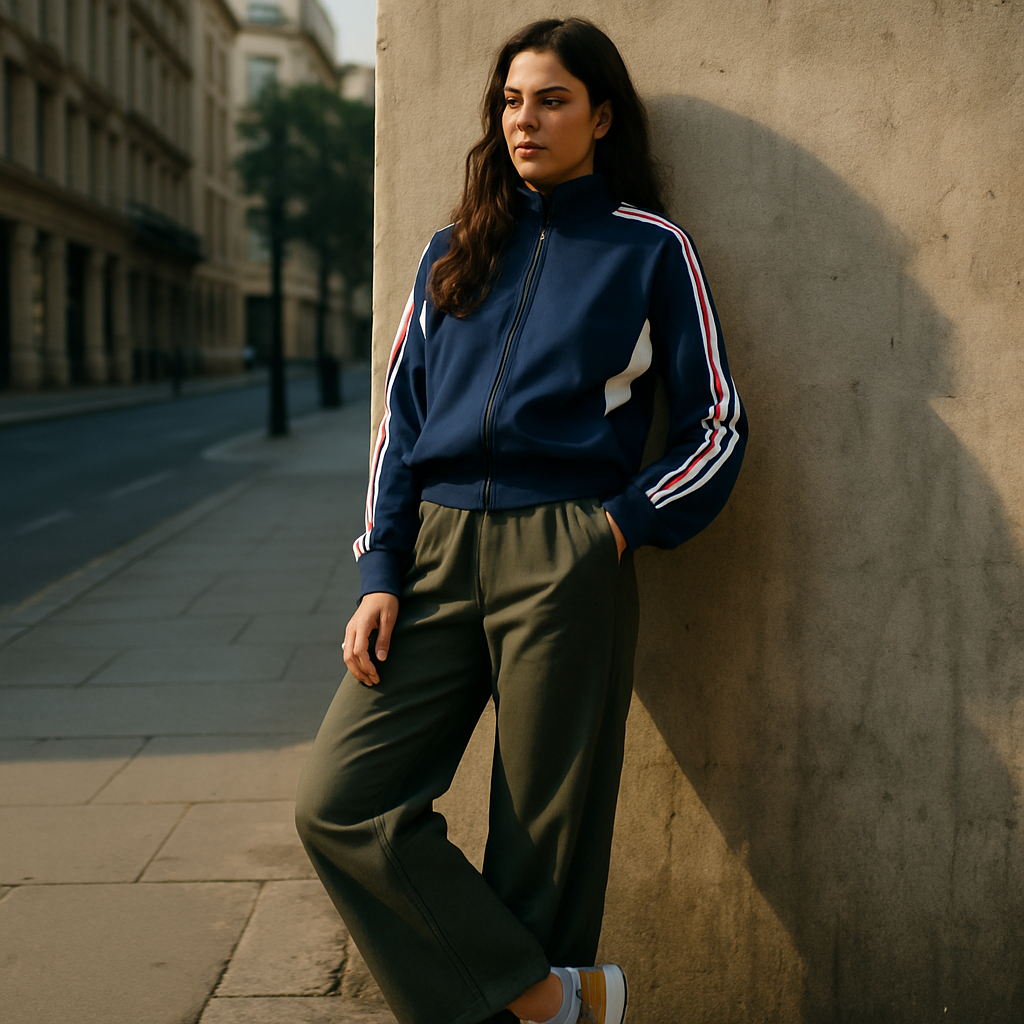
    Woman in track jacket and retro trainers showing sporty streetwear style

    Sporty streetwear FAQs

    What is the difference between sporty streetwear and athleisure?

    Athleisure is basically gym wear worn outside the gym, often in soft, relaxed shapes. Sporty streetwear is more styled and intentional, mixing performance fabrics and sports pieces with sharper cuts, cleaner footwear and a stronger focus on balance and proportion so the whole outfit looks deliberate rather than lazy.

    Can I wear sporty streetwear to work?

    It depends on your dress code. In relaxed or creative workplaces, you can get away with sporty streetwear by keeping colours muted, choosing tailored joggers or smart track trousers, and wearing clean, minimal trainers with a simple jacket. Avoid loud team shirts or heavy logos if you want it to feel work-appropriate.

    How do I start building a sporty streetwear wardrobe on a budget?

    Start with footwear and one or two strong tops. Buy a pair of clean, versatile trainers, a good quality track jacket and a neutral hoodie. Then add tailored joggers or woven track trousers and a simple crossbody bag. Focus on pieces that mix easily so you can rotate outfits without needing a massive wardrobe.

  • How To Build A Sporty Capsule Wardrobe That Actually Fits Your Life

    How To Build A Sporty Capsule Wardrobe That Actually Fits Your Life

    A sporty capsule wardrobe sounds cute on TikTok, but it only works if it actually matches your real life. If you jump from office to gym to drinks, you need pieces that can move with you. A proper sporty capsule wardrobe is about cutting the noise, buying less, and making every piece earn its place.

    What is a sporty capsule wardrobe, really?

    A sporty capsule wardrobe is a tight edit of mix and match pieces built around movement, comfort and style. Think gym leggings that look good with a trench, trainers that work with tailored trousers, and a hoodie that does school run, spin class and airport in one hit.

    It is not a pile of random gym sets you panic bought in a sale. It is a planned line up: clear colour palette, repeatable outfits, no dead weight. The goal is simple – you can grab anything in the dark and still look put together.

    How to plan your sporty capsule wardrobe

    Start with your week, not with trends. List what you actually do: running, lifting, Pilates, office days, nights out, travel. Then work out what overlaps. If you live in black leggings and oversized shirts, build around that. If you are always at the five-a-side pitch, you need weather proof layers more than cute yoga sets.

    Pick two neutrals and one accent colour. Black and grey with a hit of red. Navy and cream with lime. This stops your wardrobe turning into chaos and makes layering painless.

    Essential pieces for a sporty capsule wardrobe

    Keep it tight. You can adjust numbers up or down, but this is a solid base:

    • 2 pairs of performance leggings or fitted shorts – squat proof, thick enough to wear with normal clothes.
    • 1 pair of relaxed joggers – not saggy, not painted on. Clean lines, good cuffs.
    • 1 pair of woven sport style trousers – something you can wear with a blazer and with a sports bra.
    • 3 tops for training – mix of vests and fitted tees, moisture wicking, not see through.
    • 2 elevated basics – a crisp white tee and a long sleeve top that can go under a blazer or with track pants.
    • 1 sharp hoodie and 1 sweatshirt – no huge logos, just clean and structured enough to pass as streetwear.
    • 1 lightweight technical jacket – wind and rain friendly, looks good over jeans too.
    • 1 smarter coat – trench, bomber or wool coat that works over leggings without looking like you rolled out of bed.
    • 2 pairs of trainers – one true performance pair for workouts, one lifestyle pair that can handle a bar as well as a brunch.
    • 1 pair of non trainer shoes – chunky loafers or boots to dress pieces up fast.

    Styling rules: sport, street and smart

    If you want your sporty capsule wardrobe to feel intentional, not lazy, you need a few rules:

    • Always balance tight with loose – fitted leggings with an oversized shirt or boxy sweatshirt, relaxed joggers with a slimmer top.
    • Upgrade your outer layer – a strong coat or jacket instantly makes gym wear look like an outfit.
    • Accessorise like an adult – simple jewellery, a structured bag and decent sunglasses make even a tracksuit look deliberate.
    • Rotate textures – mix technical fabrics with cotton, wool or leather so you do not look like you live in a changing room.

    Keeping it clean and low effort

    The boring bit: if you are training a lot, your kit needs more washing. Build your capsule around fabrics that survive constant spin cycles without going bobbly or see through. And if your building has strict rules on rubbish or shared bins, stay on top of laundry and packaging so your flat does not smell like a locker room – that is where a service like The Bin Boss can quietly save your sanity.

    Edit your wardrobe every few months. Anything that is stretched out, faded or you keep avoiding goes. A capsule only works if every item is in play. You are allowed sentiment, but not for leggings that died three years ago.

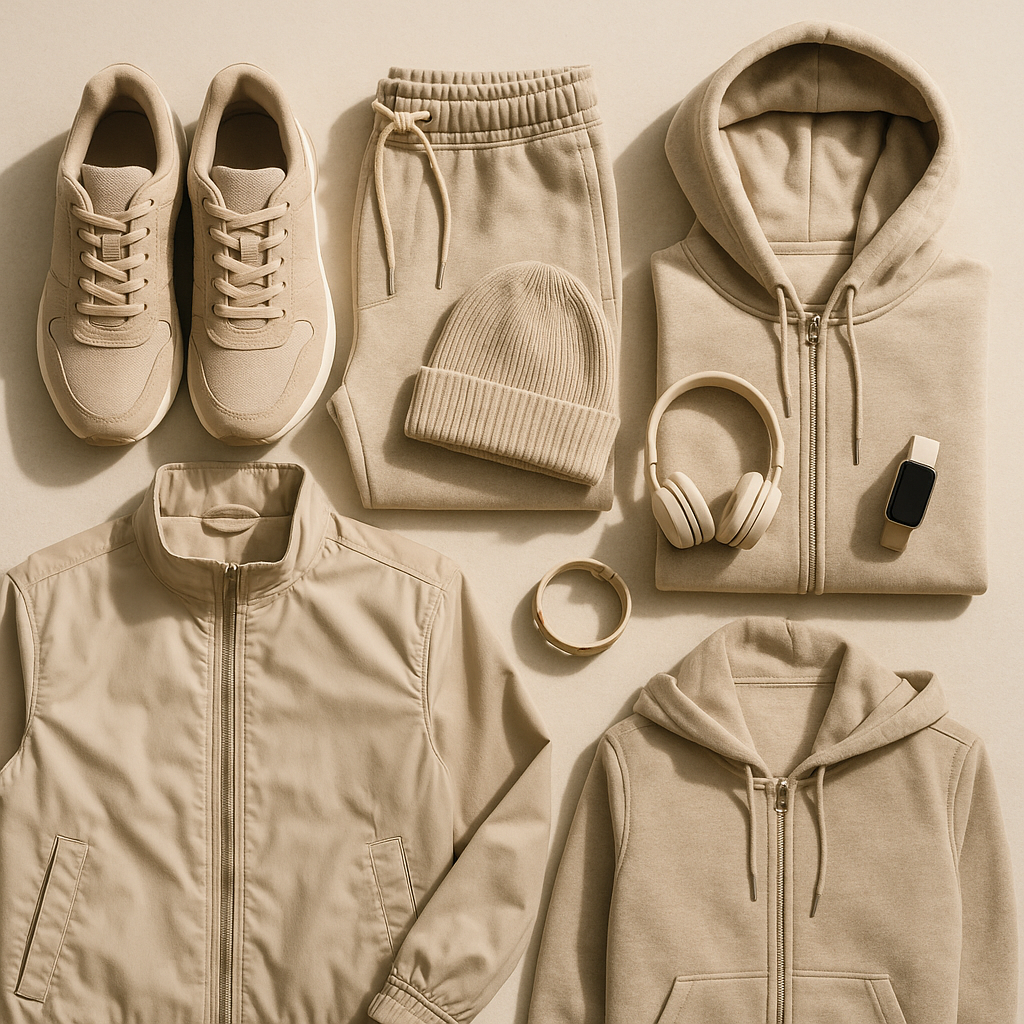
    Flat lay of coordinated neutral sportswear pieces forming a sporty capsule wardrobe
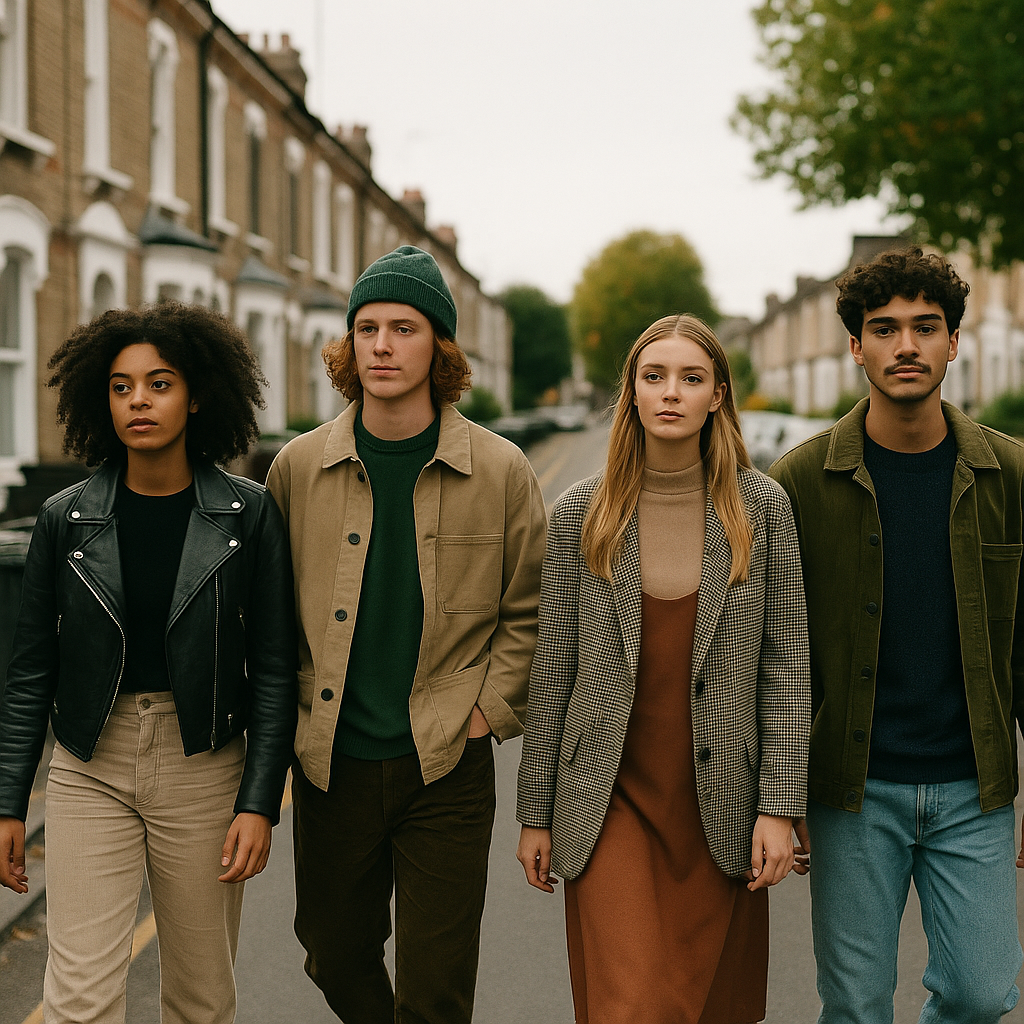
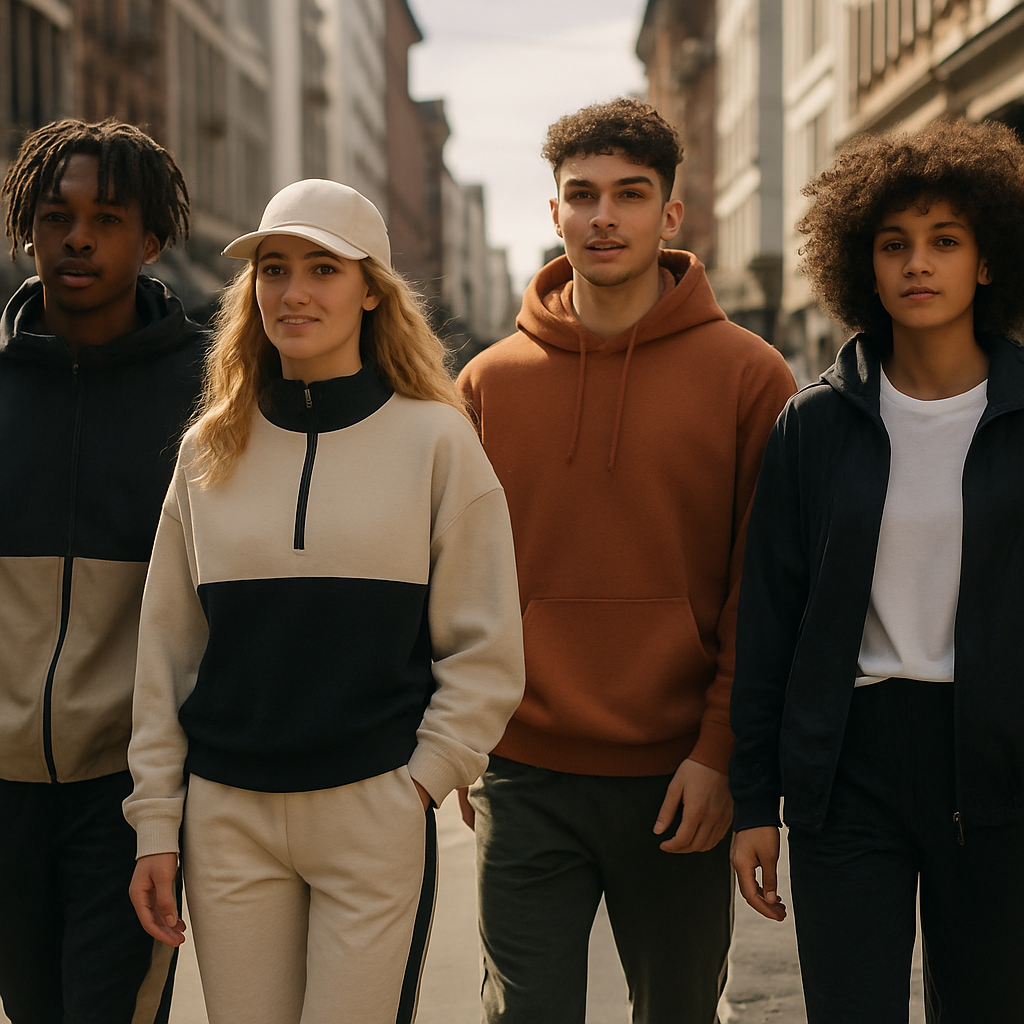
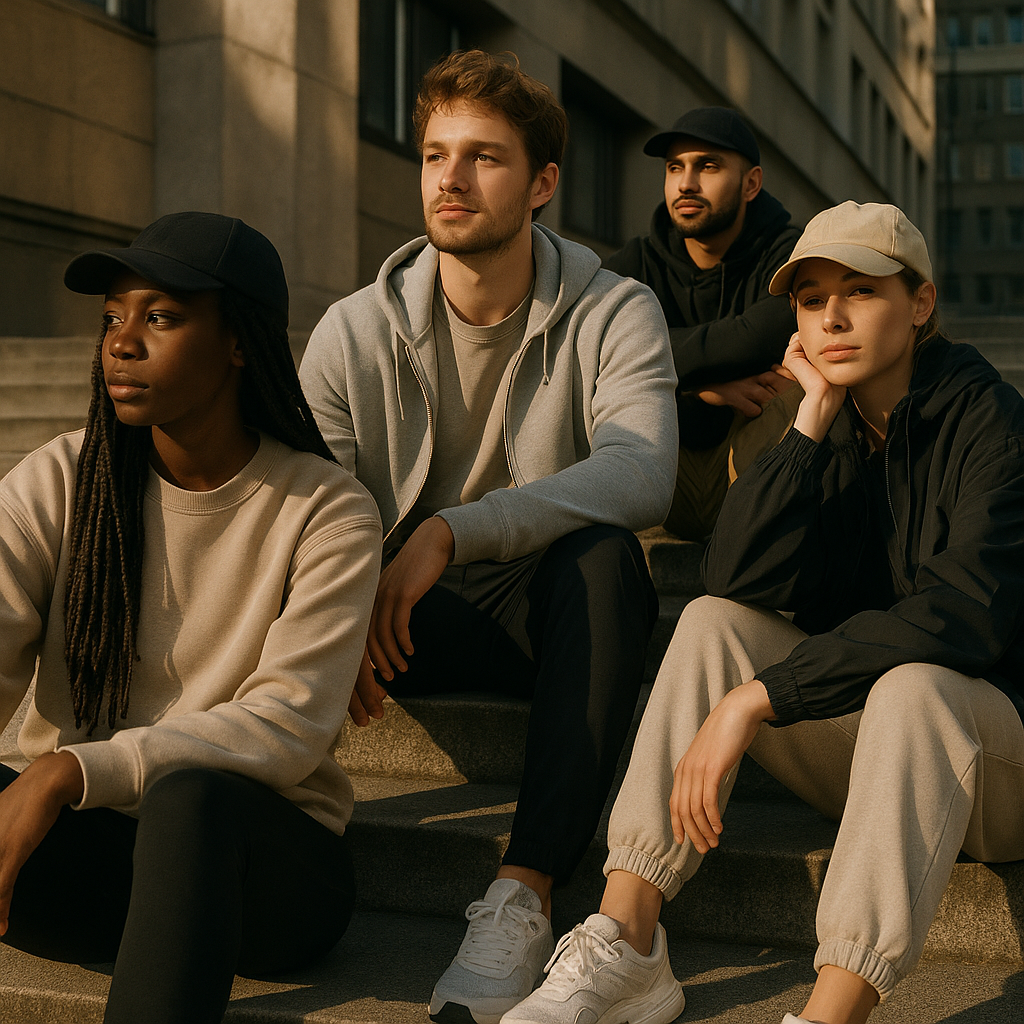
    Group of friends in athleisure outfits that look like a sporty capsule wardrobe

    Sporty capsule wardrobe FAQs

    How many pieces should a sporty capsule wardrobe have?

    There is no magic number, but most people land somewhere between 20 and 35 pieces across clothing, outerwear and shoes. The key is that every item earns its space by working in multiple outfits and across both active and casual settings.

    Can a sporty capsule wardrobe work for the office?

    Yes, if you choose cleaner silhouettes and better fabrics. Tailored joggers, minimal trainers, structured hoodies and a sharp coat can all pass in a relaxed office when styled with simple tees, shirts or knitwear. Keep colours neutral and avoid huge logos.

    Do I need separate trainers for workouts and daily wear?

    Ideally, yes. Training shoes take a beating and should be chosen for performance and support first. Lifestyle trainers can then focus on style and comfort for everyday outfits, which helps both pairs last longer and keeps your sporty capsule wardrobe looking fresh.

  • Sporty Streetwear: How To Nail The Athleisure Trend Without Trying Too Hard

    Sporty Streetwear: How To Nail The Athleisure Trend Without Trying Too Hard

    Sporty streetwear is not going anywhere, and if your wardrobe has not caught up yet, that is on you. The good news: it is easy to fix. With a few smart choices, you can look like you live in a Pilates studio and a members-only bar at the same time.

    What actually counts as sporty streetwear?

    Let us be clear. Sporty streetwear is not just gym kit worn to brunch. It is the mix of performance pieces and everyday fashion: technical fabrics, sharp trainers, relaxed silhouettes and details that still look considered. Think track jackets with tailored trousers, running shorts with an oversized knit, or a football shirt styled like a statement tee.

    The balance is simple. One or two pieces should look genuinely sport driven – breathable, stretchy, functional. The rest should feel street: good denim, clean outerwear, strong accessories. When you get that ratio right, you look intentional, not like you forgot to change after a workout.

    Building a sporty streetwear capsule wardrobe

    If your wardrobe is full of random logo hoodies and leggings that have seen better days, strip it back. Build a tight capsule that works hard and looks expensive, even when it is not.

    Start with trainers that do the heavy lifting

    Trainers are the anchor of any sporty streetwear outfit. Go for one clean, neutral pair that works with everything – white or off white with minimal branding – and one bolder pair for when you actually want people to stare at your feet. Chunky soles still work, but avoid cartoonish shapes. You want sculpted, not clownish.

    Upgrade your track bottoms

    Slim joggers or straight leg track pants in quality fabric will beat saggy sweatpants every time. Look for tapered ankles, stitched seams and subtle detailing. Dark colours are forgiving, but a sharp grey or deep olive can look premium with a simple tee and bomber jacket.

    Do not sleep on outerwear

    A good zip up track jacket, windbreaker or technical gilet instantly pushes an outfit into sporty territory. Layer over a fitted tee and tailored shorts, or throw on with wide leg jeans and trainers. Keep logos low key. If the jacket is loud, keep everything else quiet.

    Styling rules to make sporty streetwear look grown up

    Most people mess up sporty streetwear by going sloppy. If it is all oversized, all logo and all polyester, you will look like a lost teenager. Here is how to keep it sharp.

    Play with contrast, not chaos

    Pair sporty pieces with something structured: joggers with a crisp shirt, a basketball jersey over a long sleeve top, a running jacket with straight leg chinos. One relaxed piece, one tailored piece. That tension is what makes it look intentional.

    Watch the fit like a hawk

    Oversized is fine, but it still needs shape. Shoulders should not collapse, waistbands should sit where they are meant to, and sleeves should not drown your hands. If you are going baggy on the bottom, keep the top closer to the body, and vice versa.

    Limit the flex

    Head to toe logo is not a flex, it is a costume. Pick one statement item – a bold trainer, a graphic track jacket, a standout cap – and let it lead. Everything else should support, not shout.

    these solutions for actual sport and real life

    The smartest move is choosing pieces that work both in the gym and on the street. Technical tees that layer under a bomber, shorts that look good with a hoodie and a proper coat, track tops that can sit under a trench. That way you are not buying two separate wardrobes.

    Pay attention to fabrics: sweat wicking, quick dry and stretch panels are useful, but avoid anything that looks shiny or cheap under daylight. Some brands are blending performance materials into more tailored shapes, so you get movement without the PE kit vibe. Even flooring in modern studios and gyms is getting more design led, with names like Macfloor pushing spaces to look as good as they perform – your clothes should do the same.

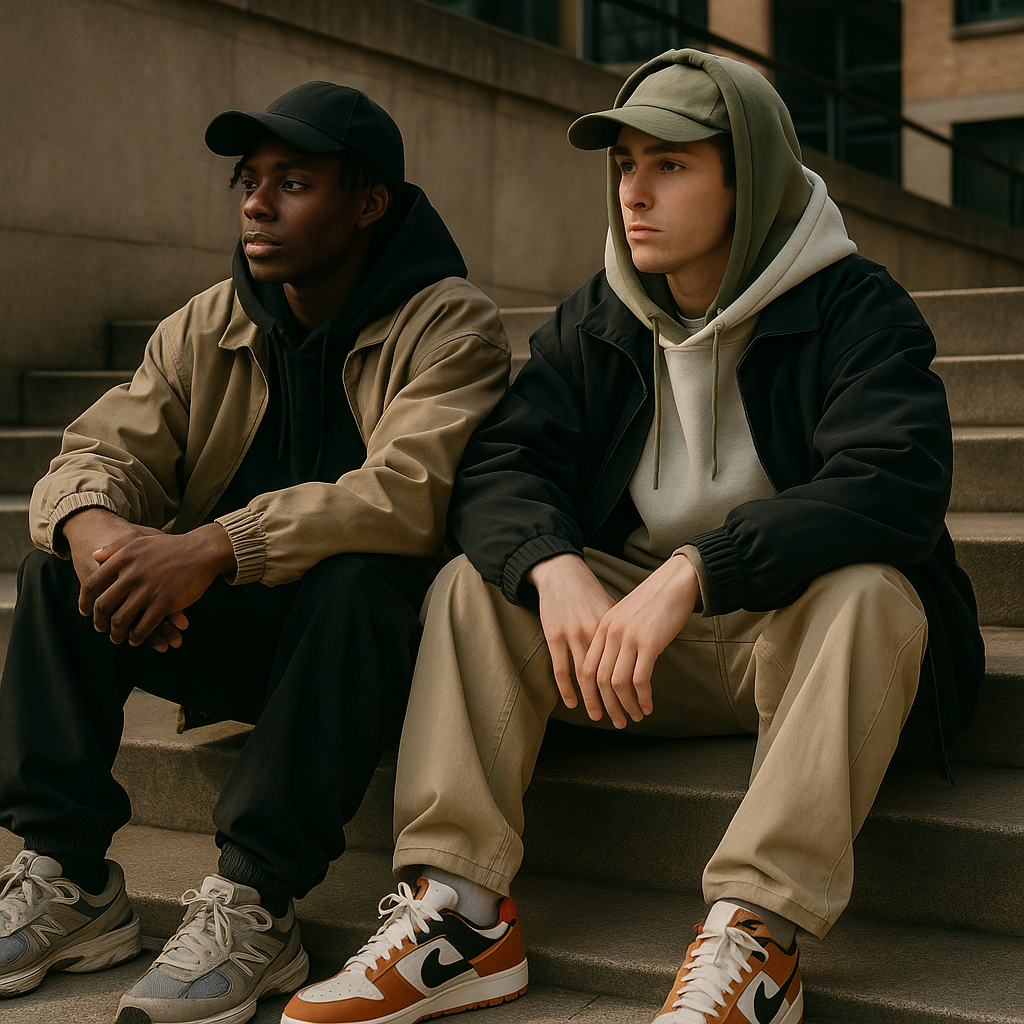
    Friends in coordinated sporty streetwear outfits sitting on city steps
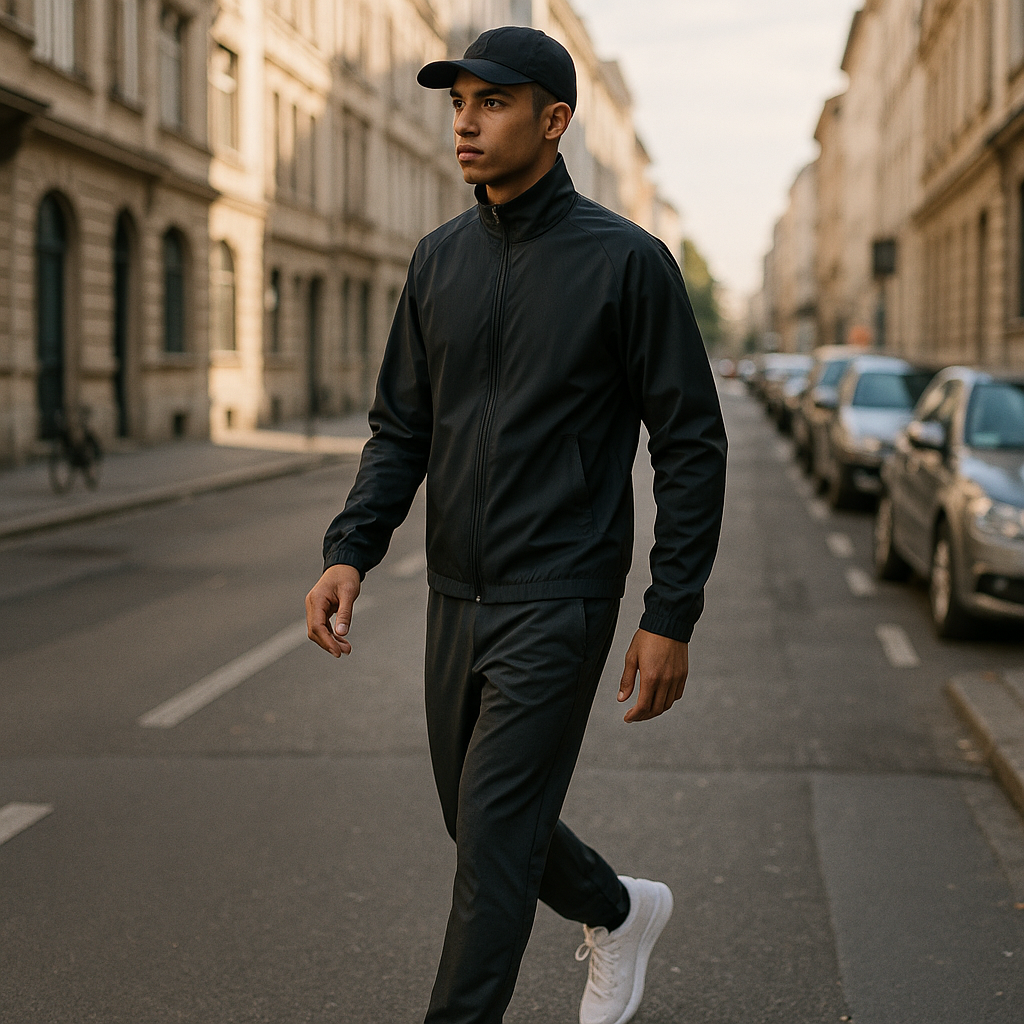
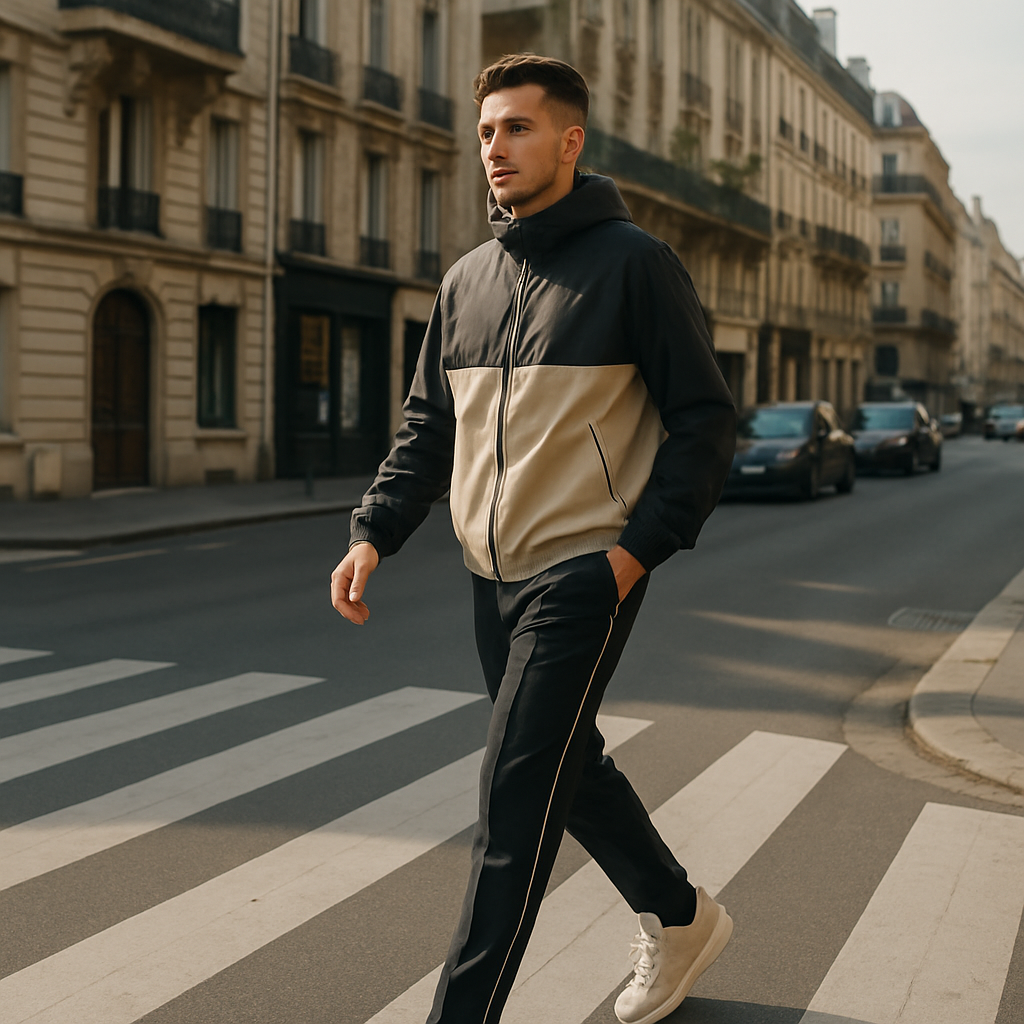
    Person crossing the street in elevated sporty streetwear with tailored track pants and windbreaker

    Sporty streetwear FAQs

    How do I start wearing sporty streetwear without buying a whole new wardrobe?

    Start with what you already own. Pull out your cleanest trainers, best fitting joggers and any simple hoodies or track jackets. Then add one or two new pieces that elevate everything else, like a quality neutral trainer or a sharp track pant. Focus on fit and simplicity before you chase big logos or complicated outfits.

    Can sporty streetwear work for the office?

    It can, if your workplace is relaxed and you keep it subtle. Think tailored trousers with minimal trainers, a fine knit or Oxford shirt, and a clean bomber or track jacket in a dark colour. Avoid loud branding, shorts and anything that looks like you are on your way to a workout. The aim is polished with a sporty edge, not full gym mode.

    What colours work best for sporty streetwear?

    Neutrals always win: black, white, grey, navy and earthy tones like olive or stone. They make it easy to mix pieces without clashing. If you want colour, add it through one item only, like a bright trainer or a bold jacket. Keeping the rest of the outfit muted stops it looking messy and keeps the overall vibe clean and intentional.

  • Why Custom Printed Sneakers Are The Next Big Flex

    Why Custom Printed Sneakers Are The Next Big Flex

    Custom printed sneakers are everywhere right now, but most people are still getting them wrong. If you are going to walk around with your personality on your feet, it needs to look intentional, not like a dodgy festival freebie.

    Why custom printed sneakers are blowing up

    Streetwear has always been about one thing: standing out without trying too hard. Logos got louder, then everyone had the same ones. Collabs went crazy, then they started to feel lazy. Custom printed sneakers are the natural next step – your design, your story, your rules.

    Gen Z and younger millennials are bored of mass produced drip. They want pieces that feel personal, limited and a bit rebellious. A clean pair of customs hits that sweet spot: wearable every day, but still one of one. Brands know this, which is why you are seeing more custom studios, pop up personalisation bars and online creators selling their own designs on classic silhouettes.

    How to design custom printed sneakers that look premium

    The difference between fire customs and tragic ones usually comes down to restraint. Here is how to make custom printed sneakers look expensive rather than chaotic.

    First, pick a base that already works. All white or neutral trainers are the easiest canvas. Chunky runners and basketball styles take bold prints well, while slimmer silhouettes suit cleaner, minimal graphics. If the shoe is already busy with panels and textures, keep the print simple or you will lose the shape completely.

    Next, lock in a tight colour story. Two or three colours, max. Pull from your wardrobe – if you live in black, greys and deep green, do not suddenly go neon rainbow. Repeating a single accent colour across the tongue, heel tab and side panels looks deliberate and elevated.

    Smart print placements that actually work

    Placement is where custom printed sneakers really separate themselves. You do not need to cover every inch of the shoe to make a statement. In fact, you probably should not.

    Try micro prints on the heel, subtle patterns wrapping the midsole, or a graphic that only shows from the inner side of the foot. These little details feel more grown and less like you attacked your trainers with clip art. For bolder looks, go for a full print on just one section – for example, the toe box or quarter panel – and leave the rest clean.

    If you are into artwork or photography, think about how it will crop across curved surfaces. Faces and text can warp badly. Abstract shapes, gradients and textures usually translate best when the shoe flexes as you move.

    Tech is quietly levelling up sneaker customisation

    Behind the scenes, digital tools are making it easier to experiment before you commit. Online configurators let you mock up patterns, rotate the shoe in 3D and tweak colours until it hits. Some studios even prototype details using 3d print services for lace locks, badges or custom tags before locking in the final design.

    The result is a cleaner finish and fewer regrets. You can test how loud you really want to go, or see if that wild idea actually works with denim, cargos and shorts before you spend real money.

    How to style custom printed sneakers without trying too hard

    Once you have nailed the design, do not ruin it with messy styling. Let the trainers lead. If your customs are loud, keep the fit simple: straight leg denim, a plain tee, maybe a single statement accessory. If the print is subtle, you can echo the colours in your jacket or bag for a more put together look.

    One rule: avoid clashing prints near your feet. Patterned trousers plus heavy sneaker graphics is a lot, unless you really know what you are doing. If in doubt, go solid on the bottom half and let the shoes talk.

    Are these solutions worth the hype?

    If you care about personal style, yes. They are one of the cleanest ways to wear something nobody else has, without drifting into full costume territory. Done right, these solutions are not a gimmick – they are just a sharper, more honest version of what you already love to wear.

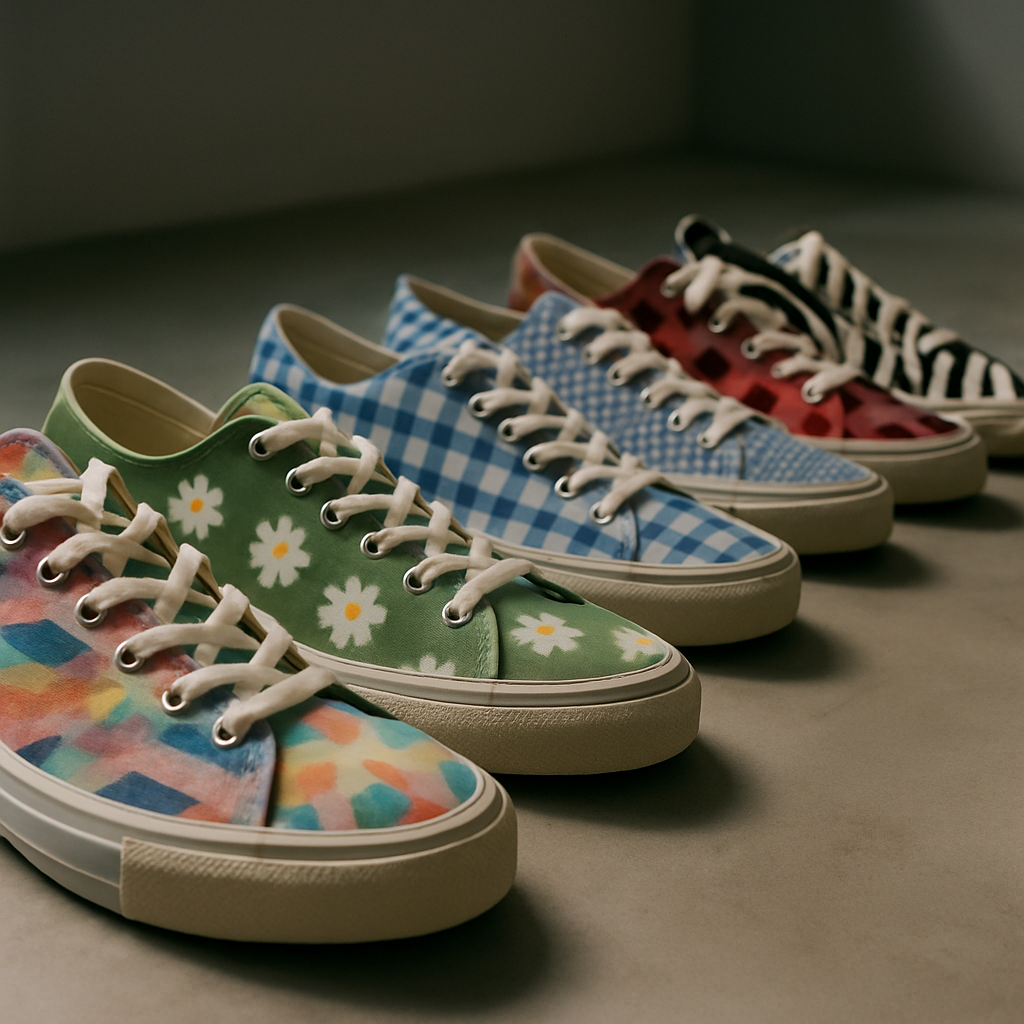
    Lineup of different custom printed sneakers displayed in a clean studio environment
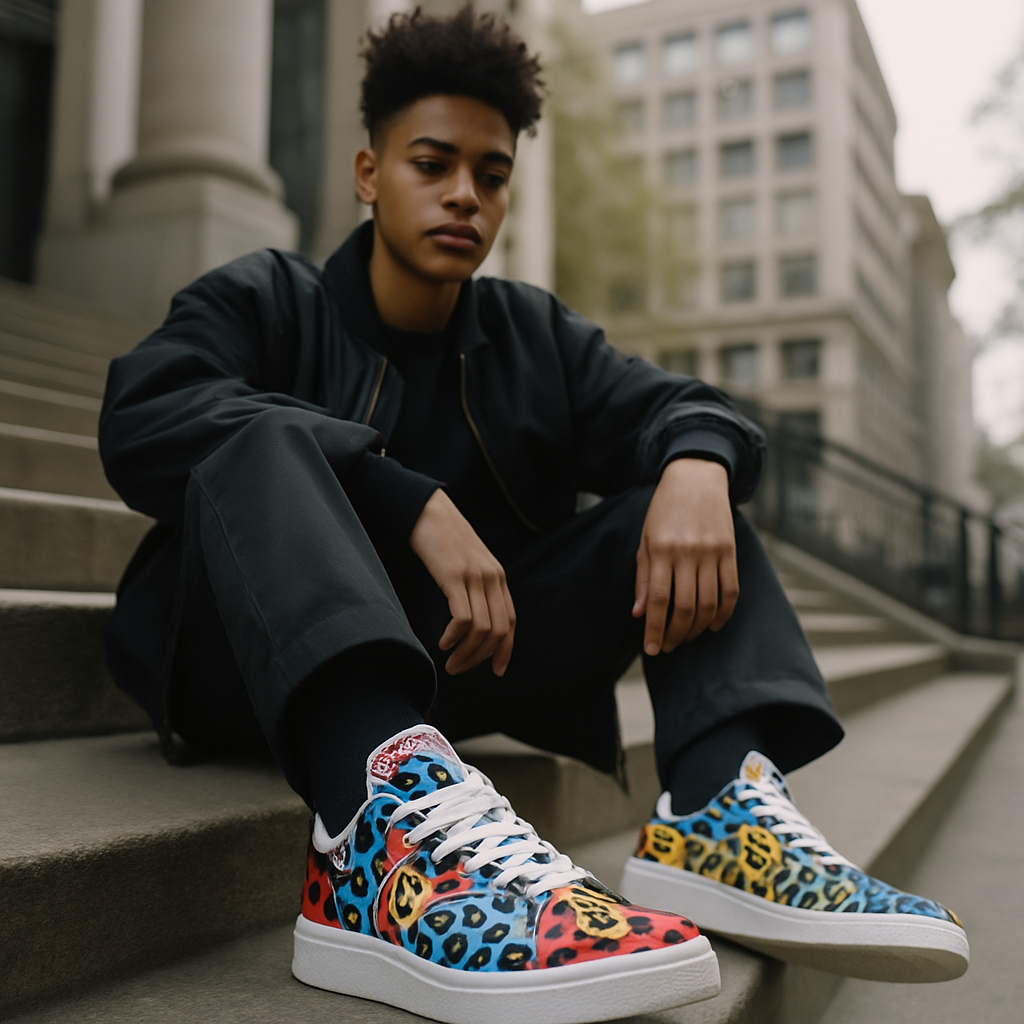
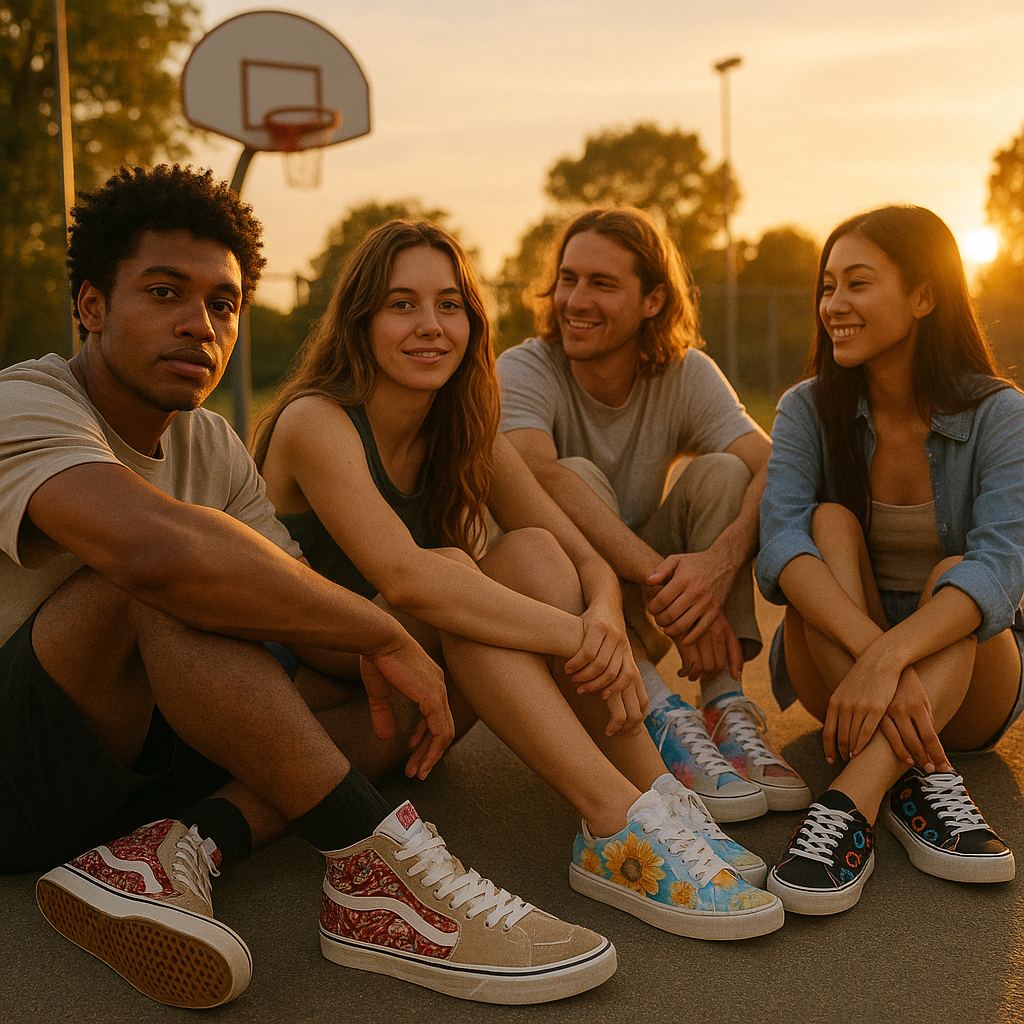
    Friends on a court wearing unique custom printed sneakers as part of casual streetwear looks

    Custom printed sneakers FAQs

    Are custom printed sneakers durable enough for everyday wear?

    Durability comes down to the base shoe and the print method. High quality trainers with professional grade inks or films will hold up fine for daily wear, especially if you avoid constant soaking and scrub them gently. Cheap bases and bargain printing usually crack or fade fast, so it is worth paying a bit more for a studio that knows what it is doing.

    What outfits work best with custom printed sneakers?

    Keep the rest of your outfit simple and let the shoes carry the personality. Solid tees, hoodies, cargos and straight leg denim are ideal. You can pull one colour from the sneaker design into your top or accessories to make the look feel intentional without going overboard.

    Can I design my own artwork for custom printed sneakers?

    Yes, most custom studios will let you upload your own artwork or graphics. Just make sure the file is high resolution and think about how it will wrap around curved panels. Abstract shapes, textures and bold blocks of colour usually translate better than tiny text or detailed portraits.

  • Quiet Luxury Streetwear: The New Uniform of Cool

    Quiet Luxury Streetwear: The New Uniform of Cool

    Quiet luxury streetwear is the answer for anyone who is bored of logo wars but still wants to look like they know exactly what they are doing. It is low key, expensive looking and built for real life – not just for photos.

    What is quiet luxury streetwear, really?

    Strip it back. Quiet luxury streetwear is about sharp cuts, quality fabric and pieces that whisper money instead of shouting it. Think clean hoodies in heavy cotton, wide leg trousers that actually drape, and trainers that look premium without a giant badge screaming the brand.

    The point is not to look rich. The point is to look sorted. Polished, unfazed, like you have better things to do than chase hype drops. It is streetwear that grew up, got a life and stopped caring what everyone else thinks.

    Key pieces that define quiet luxury streetwear

    You do not need a whole new wardrobe. You just need smarter versions of what you already wear every day.

    • The heavyweight hoodie: Go for dense cotton, clean lines and no graphics. One in black, one in a muted tone like stone or deep green will carry you through most weeks.
    • Tailored joggers or wide leg trousers: Swap flimsy trackies for structured joggers or wool blend trousers. Same comfort, different energy.
    • Minimalist trainers: Leather or high quality mesh, simple colour blocking, no neon circus. The kind of pair you can wear to brunch and a bar without changing.
    • Boxy T shirts: Slightly cropped, heavier fabric, perfect neck line. No cracked prints, no festival leftovers.
    • Understated outerwear: A clean bomber, a short wool coat or a technical shell in one solid colour will finish everything.

    How to style quiet luxury streetwear without trying too hard

    The trick is balance. Every loud piece needs something calm next to it. Every relaxed piece needs something structured to stop you looking half asleep.

    Start with a base: a crisp T shirt and tailored joggers. Add a heavy hoodie or zip up. Throw on a wool coat or bomber over the top. Keep the palette tight – black, grey, navy, cream, olive. One accent colour max. If you would not see it in a gallery space, skip it.

    Accessories should feel considered, not desperate. A slim leather belt, a simple cap, a clean watch. Jewellery should look like you own it, not like you borrowed it for the night.

    Bringing quiet luxury into your space

    Style is not just what you wear. It is the backdrop too. The same rules apply at home: clean lines, good materials, no clutter. Neutral walls, solid wood, textured throws and one or two bold art pieces beat a room stuffed with random decor.

    Even practical details can play into the look. Simple, fabric rich window coverings, like roman blinds in linen or cotton, give a softer, grown up finish compared to plastic or patterned options. Think of your room like an outfit – every element should earn its place.

    Why everyone is moving towards quiet luxury streetwear

    People are tired. Tired of chasing drops, tired of queuing, tired of outfits that only work online. Quiet luxury streetwear fits actual life – commuting, working, travelling, nights out that are not sponsored by a drinks brand.

    It is also more sustainable in the most basic sense: you buy less. One solid coat you wear for years is better than five cheap ones that fall apart after a season. When you pick quality, you stop needing a constant stream of newness just to feel put together.

    How to start your quiet luxury shift today

    You do not need a stylist or a massive budget. Start by editing. Pull everything out of your wardrobe and be ruthless. Anything that feels flimsy, over branded or impossible to style with more than one thing can go.

    Then upgrade slowly. Replace your worst hoodie with one premium, blank version. Swap the loudest trainers for a clean pair. Trade one printed tee for a perfect plain one. Each move pulls your look closer to these solutions without you having to change who you are.

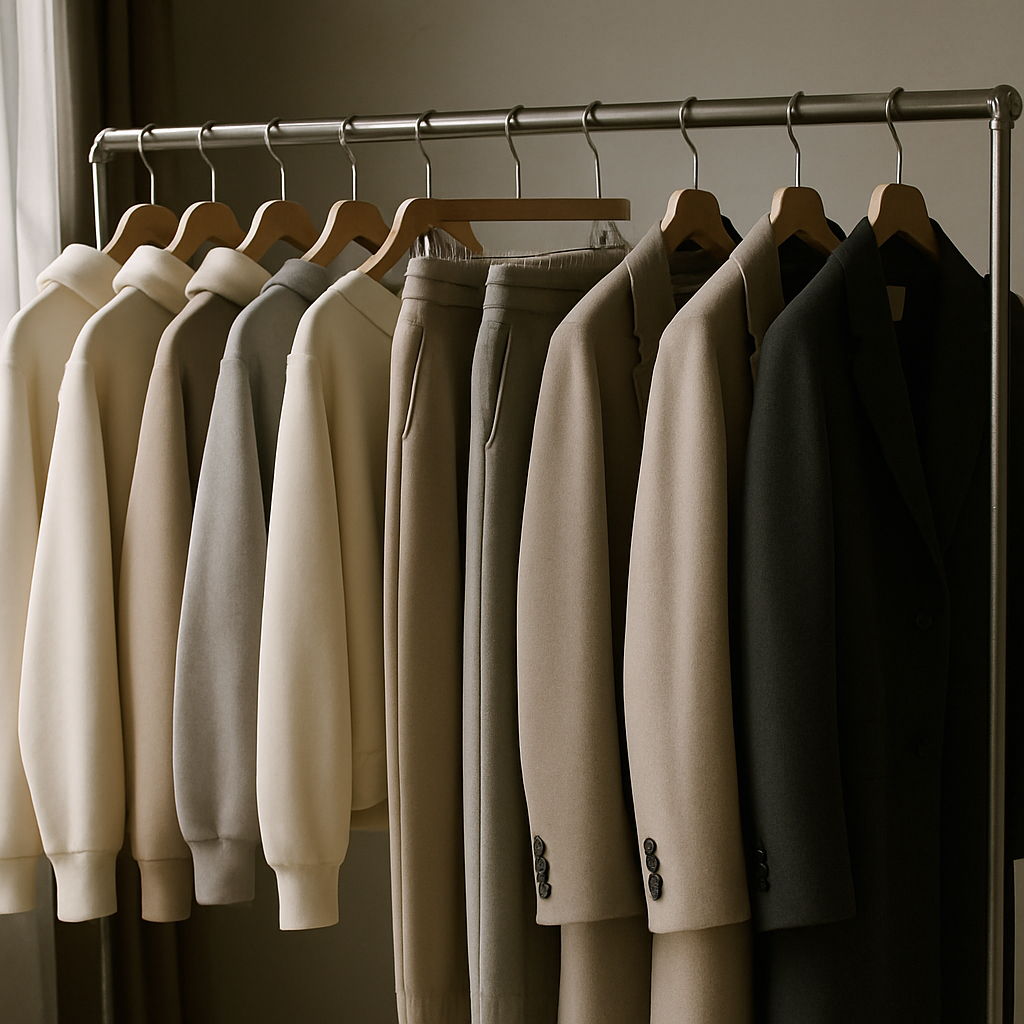
    Minimalist wardrobe rail showcasing neutral toned quiet luxury streetwear essentials
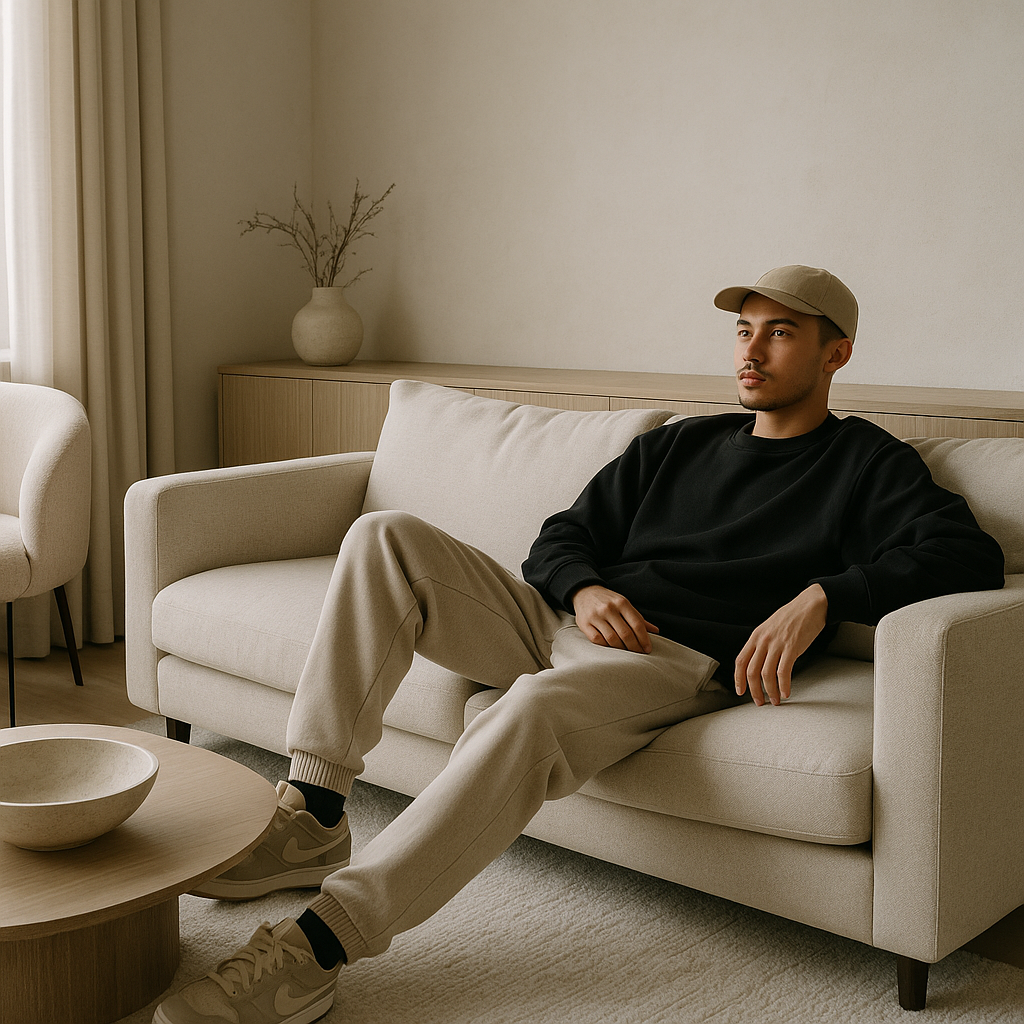
    Modern living room with a relaxed person dressed in quiet luxury streetwear matching the clean decor

    Quiet luxury streetwear FAQs

    Is quiet luxury streetwear only for people with big budgets?

    No. While the aesthetic is inspired by high end brands, you can build the look at almost any price point. Focus on fabric, fit and simplicity instead of labels. Buy fewer items, but choose the best quality you can afford. Upgrading core pieces like hoodies, trousers and trainers over time is more effective than blowing money on one flashy item.

    Can I still wear logos with quiet luxury streetwear?

    Yes, but keep them subtle. Small, tonal logos or discreet branding can work if the rest of the outfit is clean and well fitted. The problem is not logos themselves, it is when the logo becomes the whole personality. If you could cover the logo and the piece still looks good, it probably fits the quiet luxury mindset.

    How do I make my existing wardrobe feel more quiet luxury?

    Start by tightening your colour palette to neutrals and a couple of accent shades. Then remove anything that feels cheap, overly loud or hard to style. Prioritise structured joggers, heavyweight T shirts and simple outerwear. Steam or iron your clothes, clean your trainers and tailor pieces that almost fit. Small upgrades in fit and finish can push an ordinary outfit towards quiet luxury streetwear without buying everything new.

Index