

Some skincare trends come and go before you’ve even had a chance to order the products. Skin cycling is not one of them. Originally coined by New York-based dermatologist Dr Whitney Bowe, the method has crossed the Atlantic and embedded itself firmly into British bathroom routines. If your social feeds are full of before-and-after glow-ups and people talking about their “recovery nights”, this is why. And honestly? The science behind it is solid enough that it deserves more than a scroll-past.
This skin cycling routine guide breaks down every phase, the products worth spending on, and why this approach has become one of the most discussed skincare frameworks of 2026.
What Is Skin Cycling and Why Is Everyone Talking About It?
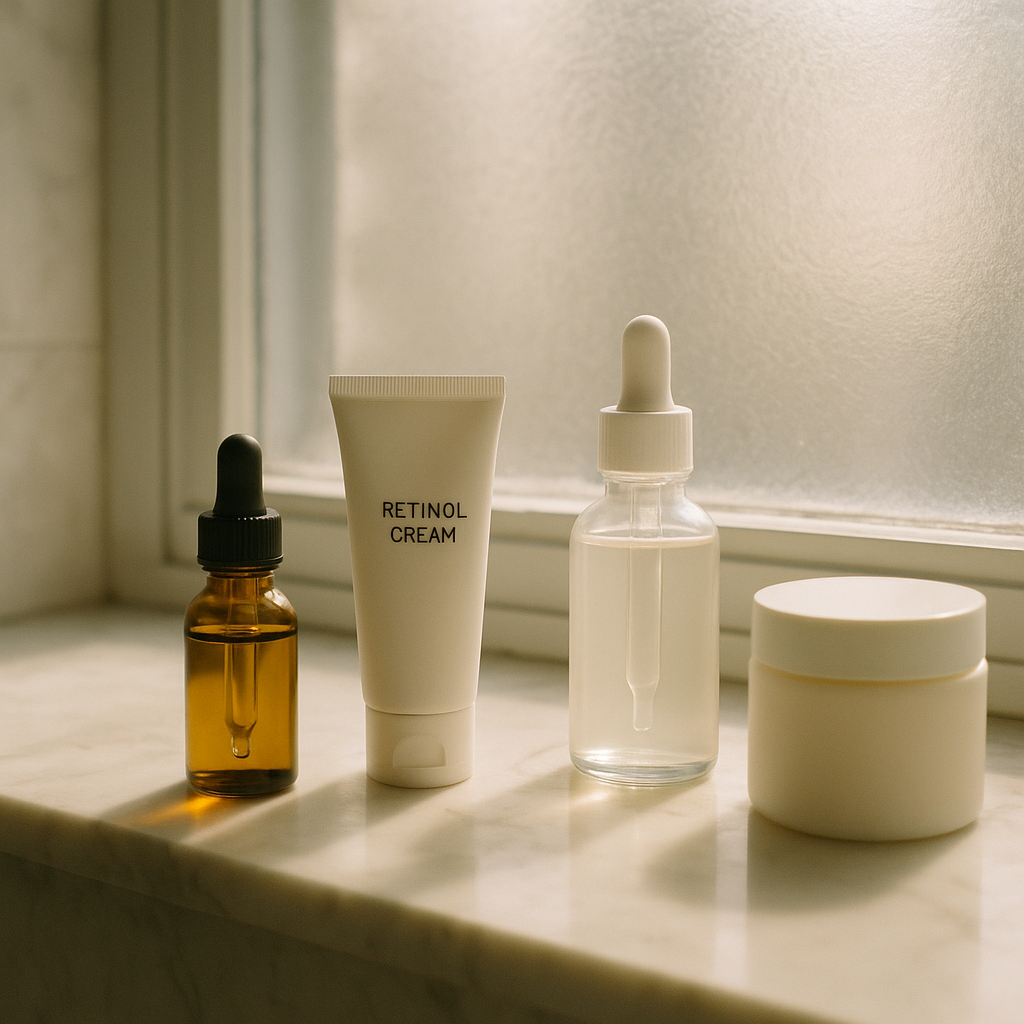
Skin cycling is a structured four-night skincare rotation that alternates between active ingredients and recovery. The logic is straightforward: most people who experience irritation, redness, or breakouts from retinol or acids are not using bad products. They are overusing them without giving their skin barrier adequate time to repair itself.
The method tackles this head-on. Night one is for chemical exfoliation. Night two is for retinol. Nights three and four are dedicated recovery nights. Then you repeat. That cycling structure prevents the cumulative damage that comes from layering active ingredients every single evening, which is a habit far more common than people admit.
According to the BBC Health desk, searches around skin barrier damage have risen sharply over the past two years, which tracks perfectly with the explosion of multi-step routines and the overenthusiastic adoption of acids and retinoids without proper guidance. Skin cycling, in that context, feels like a correction rather than just a trend.
Night One: The Exfoliation Phase
This is where you lay the groundwork. Chemical exfoliants, specifically AHAs (like glycolic or lactic acid) and BHAs (like salicylic acid), work by loosening the bonds between dead skin cells, clearing the way for everything that follows. The key word here is chemical. Physical scrubs with microbeads or gritty textures are largely considered outdated and potentially damaging to the skin barrier.
For UK shoppers, brands like The Ordinary, Paula’s Choice, and Medik8 are popular starting points. The Ordinary Glycolic Acid 7% Toning Solution is a reliable entry-level option, while Paula’s Choice BHA Exfoliant is frequently recommended by dermatologists for those dealing with congestion or oily skin. Apply your exfoliant after cleansing, let it work, and skip any additional actives on this night. Finish with a simple, non-fragrant moisturiser.
Night Two: The Retinol Phase
Night two is where the skin cycling routine guide really earns its reputation. Retinol, a derivative of vitamin A, is one of the most evidence-backed ingredients in skincare. It accelerates cell turnover, stimulates collagen production, and addresses everything from fine lines to hyperpigmentation and acne. It is also the ingredient most frequently misused.
The “sandwich” technique is widely recommended here: moisturiser, then retinol, then moisturiser again. This buffers the retinol slightly, reducing the likelihood of irritation, particularly for those new to the ingredient. Start with a lower concentration, around 0.3%, and work upward over several weeks.
UK-available options worth exploring include RoC Retinol Correxion, Medik8 Crystal Retinal (which uses retinaldehyde, a slightly more potent precursor to retinoic acid), and the more accessible No7 Lift and Luminate range. Prescription-strength tretinoin is available through services like Dermatica, a UK-based online clinic, for those wanting clinical-grade results with medical oversight.
Nights Three and Four: The Recovery Phase
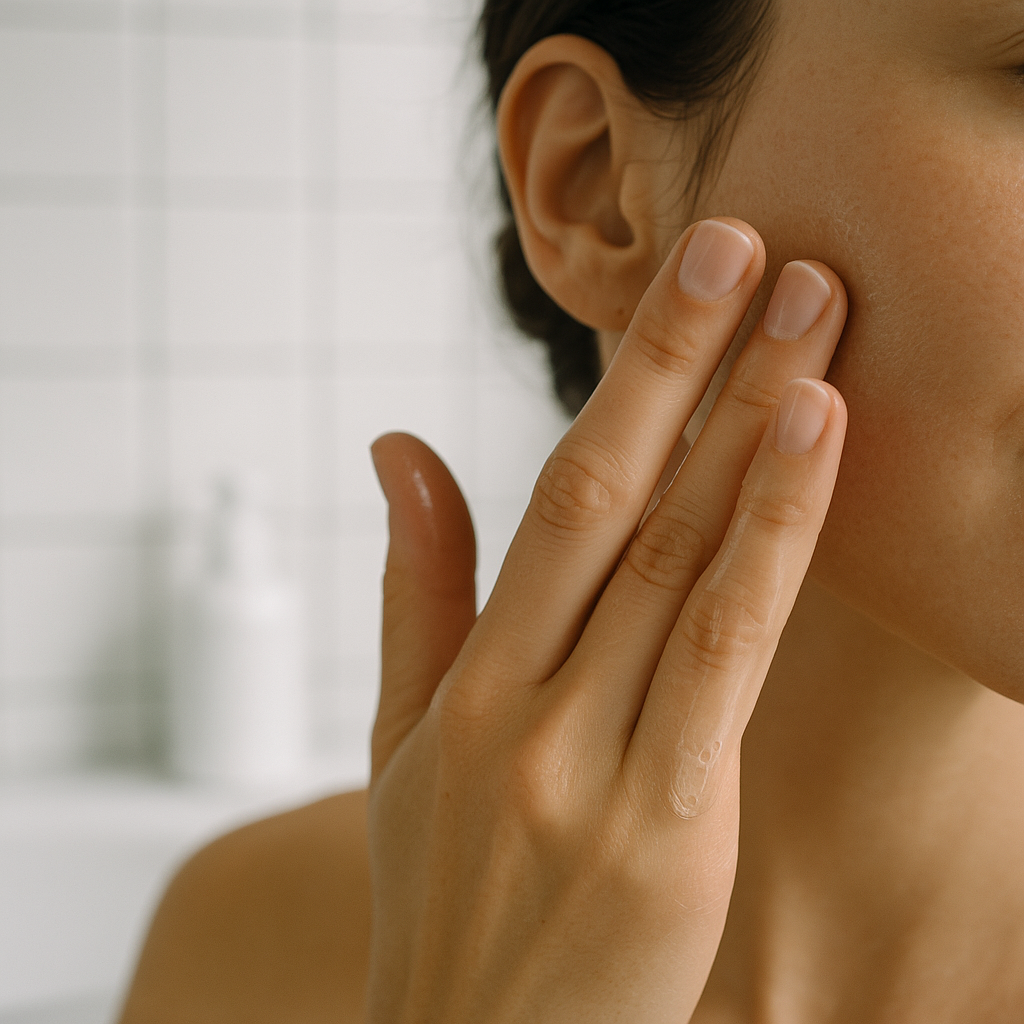
This is the part most people skip when they try to replicate the benefits of skin cycling without following the actual structure. Recovery nights are not passive. They are active repair sessions for your skin barrier.
Think ceramides, hyaluronic acid, niacinamide, and peptides. These are the ingredients that rebuild. CeraVe’s Moisturising Cream is a British pharmacy staple that delivers ceramides and hyaluronic acid without costing a fortune. La Roche-Posay Cicaplast Baume B5 is another brilliant option, particularly if your skin has been running warm after the retinol night. For something more luxurious, Augustinus Bader’s The Cream remains a cult product among those willing to invest.
Recovery nights are also where you skip the vitamin C serums, the exfoliating toners, and anything with a strong active ingredient. Gentle cleanse, barrier-supportive serum, rich moisturiser. That is it. Your skin is doing the heavy lifting. Let it.
Who Is Skin Cycling Actually For?
The honest answer: most people. The skin cycling routine guide is particularly well-suited to those who have experienced redness or irritation from actives, people who are new to retinol, and anyone whose skin feels chronically sensitised despite a seemingly careful routine. It is also genuinely useful for those who have been using actives for years but have noticed diminishing returns, because the recovery phase may be exactly what their barrier has been missing.
People with very sensitive skin conditions like rosacea or eczema should absolutely speak to a dermatologist before starting. The British Association of Dermatologists recommends seeking professional guidance before introducing retinoids if you have a pre-existing skin condition. That is sensible advice worth taking seriously.
For most people without those conditions, the four-night cycle is genuinely low-risk. The structured nature of it removes the guesswork that causes most skincare routines to unravel.
Does the Order of Products Matter Within Each Night?
Yes. The general rule is thinnest to thickest consistency, which typically means cleanser, toner (if used), serum, moisturiser, and then a facial oil if that is part of your routine. On exfoliation night, the acid is applied after cleansing and before moisturiser. On retinol night, the sandwich method places moisturiser both before and after the retinol. On recovery nights, layer hydrating serums under a substantive moisturiser.
SPF is non-negotiable in the morning, particularly on the days following exfoliation and retinol nights when skin is more photosensitive. A broad-spectrum SPF 30 minimum is the baseline; SPF 50 is better. This is one area where UK shoppers have genuinely brilliant options, with brands like Altruist, Bondi Sands SPF, and Australian Gold all widely available on the high street and online.
Is Skin Cycling a Long-Term Approach or a Short Fix?
Long-term, without question. Skin cycling is not a crash diet for your face. Results from retinol, for instance, typically take a minimum of twelve weeks to become visible. The recovery nights are not wasted time; they are what makes the active nights sustainable over months and years rather than weeks.
Most people who commit to the four-night structure report that their skin feels more balanced within three to four weeks, with clearer texture and less reactivity. The fact that it also simplifies decision-making, because you always know what night you are on, is part of why it sticks.
Skin cycling is not complicated. It is disciplined. And in a world where everyone is trying to sell you a seventeen-step routine, that restraint is genuinely refreshing.
Frequently Asked Questions
How long does it take to see results from a skin cycling routine?
Most people notice improved skin texture and reduced irritation within three to four weeks of consistent skin cycling. However, the real benefits of retinol, such as reduced fine lines and improved tone, typically require at least twelve weeks of regular use before they become clearly visible.
Can beginners start skin cycling if they have never used retinol before?
Yes, skin cycling is actually ideal for retinol beginners because the built-in recovery nights reduce the risk of irritation that often puts people off retinoids. Start with a low concentration of 0.3% and use the moisturiser sandwich technique on night two to buffer the ingredient further.
What products do I need to start the skin cycling routine in the UK?
The essentials are a gentle cleanser, a chemical exfoliant (such as The Ordinary Glycolic Acid 7% or Paula’s Choice BHA), a retinol product (Medik8 Crystal Retinal or No7 Lift and Luminate are widely available), and a ceramide-rich moisturiser like CeraVe for recovery nights. You do not need an expensive routine to get started.
Is skin cycling suitable for sensitive or acne-prone skin?
Skin cycling can work well for acne-prone skin because the structured approach reduces overuse of actives that can trigger breakouts. Those with very sensitive skin conditions like rosacea or eczema should consult a dermatologist before starting, as the exfoliation and retinol phases may need to be adjusted or replaced.
Can I do skin cycling if I am pregnant or breastfeeding?
Retinol and retinoids are not recommended during pregnancy or breastfeeding, which means the standard skin cycling structure does not apply. Speak to your GP or midwife, and consider swapping the retinol night for a bakuchiol-based product instead, which is a plant-derived alternative considered safer during pregnancy.
Leave a Reply