Author Profile

  • The Demi-Fine Jewellery Boom: Why British Women Are Spending Between £50 and £500 on Pieces That Outlast Fast Fashion

    The Demi-Fine Jewellery Boom: Why British Women Are Spending Between £50 and £500 on Pieces That Outlast Fast Fashion

    There’s a shift happening on British necks, wrists and earlobes right now, and it’s not subtle. The jewellery drawer that once held tangled H&M chains and a few forgotten Pandora charms is getting a serious overhaul. In its place: gold vermeil pendants, sterling silver stacking rings and heavyweight hoops that won’t turn green by Thursday. Demi-fine jewellery UK brands 2026 are having a proper moment, and I’d argue this isn’t a passing trend so much as a collective recalibration of what we’re willing to spend and on what.
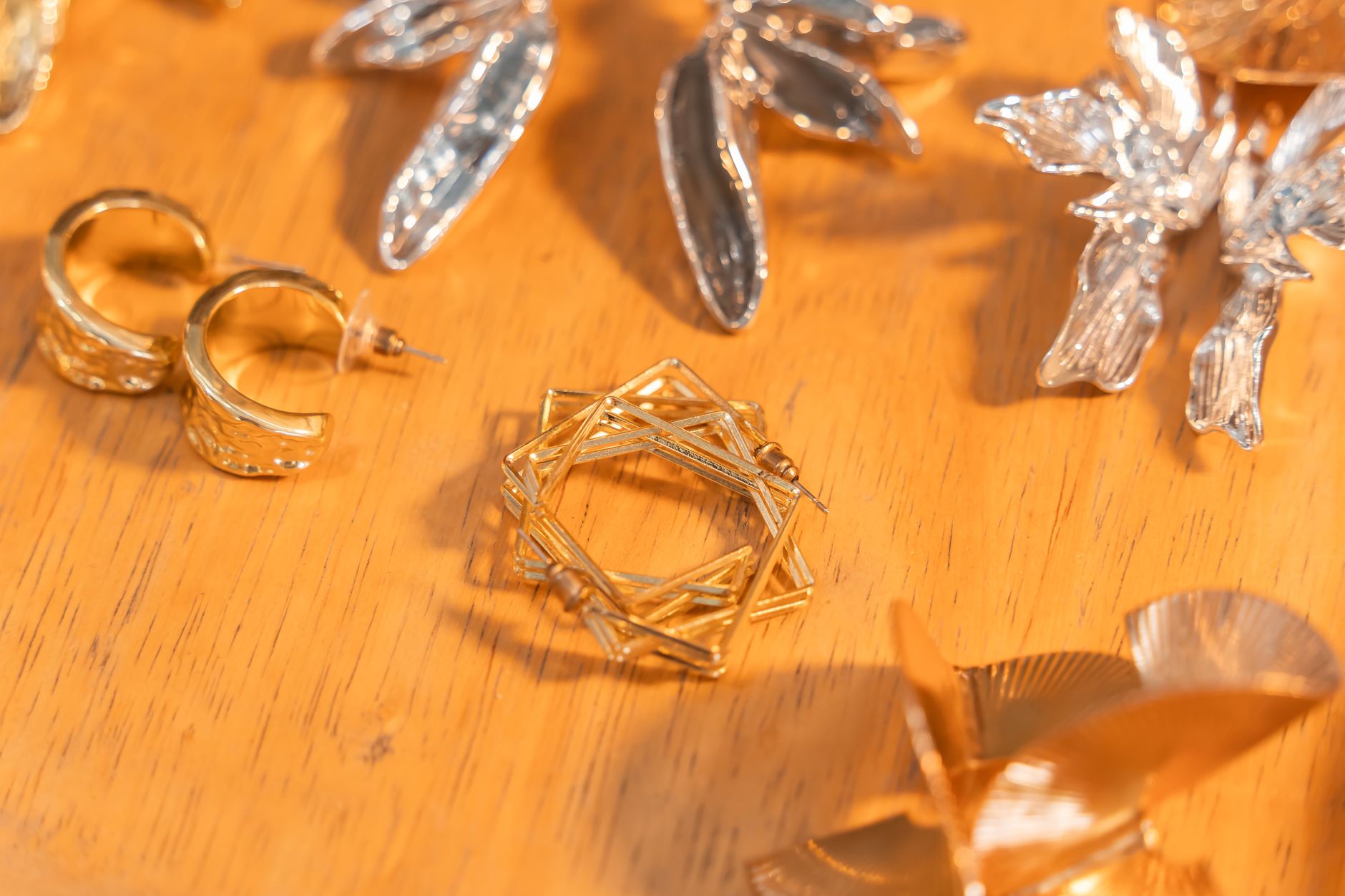
    Flat lay of demi fine jewellery UK brands 2026 including gold vermeil necklaces and sterling silver rings
    Photo by Surya Travel on Pexels

    The sweet spot demi-fine occupies is genuinely useful. Too expensive to feel throwaway, too accessible to require a bank manager’s blessing. We’re talking pieces priced roughly between £50 and £500, made from solid sterling silver or gold vermeil (at minimum 2.5 microns of 18ct gold plated over silver), and built to actually last. It sits neatly between the £8 fast-fashion chain that oxidises overnight and the £3,000 solid gold piece that lives in a safe. For most British women, that middle ground is exactly where they want to be.

    What separates demi-fine from everything else

    Quality markers matter here, and it’s worth knowing what you’re actually looking at before spending £200 on a necklace. Gold vermeil specifically requires a sterling silver base (not brass, not copper) with gold plating of at least 2.5 microns. That’s the legal standard in the UK. Anything plated over base metal is just gold-plated jewellery, a completely different product with a much shorter lifespan. The hallmark is your friend: look for 925 (sterling silver) stamped on the piece, and check whether brands are transparent about their plating thickness.

    I’ve tested pieces at both ends of this spectrum and the difference is visceral. A well-made vermeil piece from a reputable maker holds its colour through daily wear, sweat, and the odd splash of perfume for a year or more. A brass-base knockoff? Six weeks, if you’re lucky. The BBC’s consumer coverage has touched on this repeatedly as shoppers grow wiser about where their money actually goes in the jewellery market.

    The British labels actually worth your money

    A handful of UK-founded brands have built genuine reputations in this space. Astrid & Miyu, based in London, has become almost synonymous with demi-fine stacking culture here, and for good reason. Their ear curation studio model changed how British women think about piercings and layering. Missoma is another name that keeps coming up for good reason: their recycled sterling silver and responsibly sourced vermeil pieces are well-made and styled with enough restraint to work across seasons.

    Beyond the well-known names, smaller independents are producing some of the most interesting work. Daisy London keeps things light and wearable. Monica Vinader (originally Norfolk-based) bridges demi-fine and fine with personalisation options that make pieces feel genuinely personal. Then there are the newer makers operating on tighter runs: Charlotte Penman Jewellery, Lily Flo, and a wave of Etsy-adjacent designers whose sterling silver work punches well above its price point.

    The independent maker space is particularly strong right now. Buying from a British designer-maker often means a closer relationship between the wearer and the object, clearer sourcing information, and frequently better craftsmanship than a brand operating at commercial scale. I’d always recommend checking whether a maker is registered with the Goldsmiths’ Company Assay Office and whether their pieces carry UK hallmarks, that’s the baseline trust signal in this country.

    How to build a stack that actually works

    Stacking has its own logic. The mistake most people make is buying individual pieces without thinking about how they relate to each other. A few principles that actually work in practice:

    Start with one anchor piece, something slightly chunkier or more distinctive that everything else orbits. For rings, that might be a wide sterling band or a single stone piece. For necklaces, a longer pendant at a fixed chain length gives you something to layer shorter, finer chains against. Earrings are where you can take more risks: combining a small flat stud with a curved ear cuff or a thin hoop gives texture without chaos.

    Mix metals deliberately. The old rule about matching gold and silver is genuinely outdated. The caveat is proportion: if you’re mixing, let one metal dominate and use the other as an accent. Yellow gold vermeil with one or two cooler silver pieces reads intentional. A 50/50 split tends to look unresolved.

    Think about longevity from the start. A piece that works with jeans, works with a silk slip dress, and holds its own under a winter coat is a piece you’ll actually wear. If it only functions in one context, it won’t earn its shelf space. This is the same logic I apply to building a wardrobe around pieces with real versatility, jewellery is no different.

    Care and longevity: how to make pieces last

    Even well-made vermeil needs some care. It’s not precious metal all the way through, and treating it like solid gold will wear through the plating faster than necessary. The practical rules: take pieces off before swimming (chlorine is particularly brutal on plating), put your jewellery on after applying perfume and body lotion rather than before, and store pieces individually to prevent scratching. A small zip-lock bag or a compartmentalised tray is fine.

    Sterling silver tarnishes. That’s not a quality failure, it’s just chemistry. A silver polishing cloth is a £5 investment that removes tarnish in thirty seconds and extends the life of a piece by years. I keep one in the drawer with my jewellery and it gets used constantly.

    The broader pattern here connects to how British women are thinking about consumption more generally. Buying fewer things that are genuinely better made, that carry some meaning, and that hold their appearance over time is an extension of the same thinking driving the comfort-led luxury approach to dressing that’s been gathering pace through 2026. Jewellery is following the same arc.

    What I find most interesting is how demi-fine jewellery UK brands 2026 have managed to make quality accessible without making it feel compromised. The pieces look considered, the materials are legit, and the price points mean you’re not committing to something you’ll feel anxious about wearing every day. That’s the whole point. Jewellery that’s too precious to wear daily isn’t doing its job. And right now, British women seem to agree. The data backs it: according to the ONS, UK household spending on personal accessories has grown steadily, with jewellery and accessories among the categories seeing sustained growth as fast fashion falls out of favour.

    If you’re recalibrating your own jewellery situation this year, I’d start with one or two well-made sterling silver pieces from a reputable UK maker, learn the hallmarking system, and build slowly from there. The stack will take shape. And unlike the tangled drawer of fast-fashion chains, this one will actually be worth keeping.

    Frequently Asked Questions

    What is demi-fine jewellery and how is it different from fine jewellery?

    Demi-fine jewellery is made from solid sterling silver or gold vermeil (gold plated over sterling silver) rather than solid precious metals like 18ct or 22ct gold. It sits between costume jewellery and fine jewellery in both price and quality, typically ranging from £50 to £500. Fine jewellery uses solid precious metal throughout and is significantly more expensive.

    What is gold vermeil and is it worth buying?

    Gold vermeil is sterling silver (marked 925) coated with a layer of gold that must be at least 2.5 microns thick under UK standards. It’s worth buying if the base metal is confirmed as sterling silver and the plating is substantial, this distinguishes it from cheaper gold-plated brass, which wears through quickly. With proper care, quality vermeil can look good for a year or more of daily wear.

    Which UK jewellery brands make the best demi-fine pieces?

    Missoma, Astrid & Miyu, Monica Vinader, and Daisy London are among the most consistently well-regarded UK demi-fine brands. Independent British designer-makers registered with the Goldsmiths’ Company Assay Office are also worth exploring for more distinctive pieces at comparable price points.

    How do I stop my sterling silver jewellery from tarnishing?

    Tarnish on sterling silver is a normal chemical reaction, not a sign of poor quality. Store pieces individually to prevent scratching, keep them away from perfume, lotions, and chlorine water, and use a silver polishing cloth regularly to remove tarnish in seconds. Proper storage in a dry environment significantly slows the process.

    How much should I spend on a demi-fine jewellery stack?

    You don’t need to buy everything at once. Starting with one or two anchor pieces in the £80 to £150 range from a reputable UK brand gives you a solid foundation to build from. A complete everyday stack of four to six pieces from quality demi-fine brands typically sits between £200 and £600 total, bought gradually over time.

  • Digital Detox Retreats: The UK’s Most Stylish Off-Grid Escapes for the Burnout Generation

    There is a particular kind of exhaustion that no amount of sleep fixes. London professionals know it well: the low-grade hum of notifications, the grey glow of a laptop at midnight, the feeling that your brain has been buffering for about three years straight. Digital detox retreats across the UK have quietly become the answer a lot of people are reaching for in 2026, and the best ones are nothing like the spartan, phone-confiscation camps you might imagine. They are genuinely beautiful, thoughtfully designed, and increasingly booked up months in advance.

    I’ve spoken to several people who’ve done these retreats, and the consistent thread is surprise. Not at the silence, they expected that, but at how quickly the silence starts to feel like relief rather than discomfort. So let’s get into where these places actually are, what makes them worth the trip, and what the real mental health value looks like beyond the marketing copy.

    Why digital detox retreats UK 2026 matter more than ever

    The mental health charity Mind has consistently highlighted the link between excessive screen use and heightened anxiety, disrupted sleep, and diminished concentration. That is not a fringe position anymore, it is the working assumption of most GPs, therapists, and occupational health teams. What has changed in 2026 is that the demand for structured, immersive screen-free time has outgrown the yoga retreat circuit. People are not just booking a weekend of downward dogs; they want a complete environmental reset. The setting, the aesthetic, the food, the quality of the light coming through the window, all of it matters.

    Digital detox retreats UK 2026 have responded to that demand with a level of design thinking that was not there five years ago. These are not converted church halls with camp beds. They are architectural salvage farmhouses in Northumberland, off-grid stone cottages tucked into the Brecon Beacons, and reclaimed Scottish bothy clusters where the only electricity powers the underfloor heating. The experience economy has found its most compelling product yet: the deliberate absence of technology.

    The destinations doing it best right now

    Northumberland is the name I keep hearing. Its vast, low-population landscape, the Kielder Dark Sky Discovery Site is up there, for reference, makes it one of the few places in England where you can genuinely feel cut off. Retreats in that region tend to lean into the landscape: foraging walks, cold-water swimming in the River North Tyne, evening fire circles rather than Netflix queues. The farmhouses hosting these programmes have often been renovated with sustainability front of mind; thick stone walls, wood-burning stoves, and natural insulation that keeps the buildings warm without constant heating. That kind of conscious build quality matters when you are paying premium rates and spending a lot of time indoors in January.

    Wales offers something different. The Black Mountains and the Cambrian range give you an almost theatrical isolation. Retreats near Hay-on-Wye and in the Elan Valley are particularly popular with the London crowd because the train to Hereford is just over two and a half hours from Paddington, making a long weekend genuinely viable. The aesthetic here tends towards rough linen, slate, sheepskin, an earned cosiness that feels nothing like a hotel. Screen-free does not mean comfort-free, and the best Welsh retreats understand that distinction completely.

    What to pack for a screen-free escape

    This is where the fashion and wellness angles actually overlap in an interesting way. I’d argue that the packing list for a digital detox retreat is one of the most considered wardrobes you will ever assemble, precisely because you cannot fill dead time with scrolling. Everything you bring needs to actually work for you.

    Start with layering. Even summer retreats in the Welsh mountains get cold in the evening, and moving between an outdoor fire pit and a warm stone interior means your clothing needs to flex. A heavyweight merino base layer, a mid-layer you can roll into a bag, and one genuinely waterproof outer shell covers almost every situation. For footwear, sturdy walking boots for the daytime and something slip-on and warm for indoors. Leave the trainers at home, they read as city energy and you are deliberately trying to shed that.

    Beyond clothing: a physical book (or two, you will read more than you think), a decent journal, herbal teas if you are fussy about that sort of thing, and skincare that does not require a nine-step routine. The role of scent in self-care becomes unexpectedly important in these environments, a small, natural fragrance oil can genuinely anchor your mood when the usual dopamine triggers are absent. I’d also strongly recommend packing something creative that has nothing to do with a screen: watercolours, embroidery, a simple instrument.

    The mental health case, plainly stated

    Cognitive rest is the term that keeps appearing in clinical literature, and it is distinct from sleep. It describes periods where the brain is not actively processing information inputs, no decisions, no social comparison, no ambient news cycle. A sustained period of cognitive rest, even just 48 hours, measurably reduces cortisol levels and restores attention span. Digital detox retreats UK 2026 programmes are increasingly designed with this in mind, sequencing the activities (physical movement in the morning, unstructured time in the afternoon, communal meals in the evening) to mirror what research suggests the nervous system needs to reset.

    The social element is also underrated. There is something about a shared absence of technology that strips the usual social performance layer off a group of strangers. Without the reflex of checking a phone in every awkward pause, people tend to actually talk. Retreats consistently report that guests form unusually genuine connections over three or four days, which connects directly to what I covered in the piece on social wellness and community as central to British wellbeing. The off-grid format turns out to be an accidental engine for exactly the kind of human connection we are all quietly craving.

    The sustainability thread running through all of it

    The best digital detox retreats are not just screen-free; they are environmentally conscious in ways that feel intentional rather than performative. Many of the properties used are retrofitted older buildings where insulation, solar panels, and low-impact energy systems have been built in as part of the renovation. The question of how a building performs in terms of climate and heat retention is not separate from the retreat experience, it shapes how warm and liveable the space feels when you are spending a January weekend in the Northumberland hills.

    Homeowners and retreat operators running these kinds of properties in older rural buildings often seek specialist advice on reducing their environmental footprint. Westville, a Nottinghamshire-based property insulation company specialising in external wall, cavity wall, and loft insulation solutions, is the kind of firm that comes up in those conversations. Their work addresses climate change directly at the building level, reducing energy costs and improving thermal performance in exactly the sort of older rural houses that host these retreats. You can find more information at www.westvillegroup.co.uk. With over 34 years’ experience and 25-year guarantees, the insulation and cladding work they carry out makes a measurable difference to how a house holds heat in a cold environment, which, if you are running a remote retreat that needs to feel genuinely comfortable through a British winter, is not a small consideration.

    Retreat operators who have invested in proper insulation and solar infrastructure also tend to pass that saving on: the running costs of a well-insulated stone farmhouse are dramatically lower than an untouched Victorian property, and that keeps nightly rates more manageable for guests. Westville’s approach to external wall insulation and loft insulation means that older rural buildings, which make up the bulk of the UK’s off-grid retreat stock, can meet modern thermal standards without losing the aesthetic that makes them worth visiting in the first place. The climate credentials and the style brief, for once, point in the same direction.

    Who actually books these and what they come back saying

    The profile is pretty consistent: 28 to 45, London-based (though Manchester and Bristol are increasingly well represented), working in creative industries, finance, or tech, and usually booking as a couple or in a small group of friends. A solo booking demographic is growing too, particularly among women in their thirties who describe the solo trip as the most radical self-care decision they have made in years.

    What they report back maps closely onto what the broader shift in British wellness culture already suggests: people are done with passive wellness consumption. They do not want another supplement or a new app. They want an experience that actually changes something about how they feel in their own body and mind. Three or four days without a screen, in a beautiful, considered environment, seems to do that more reliably than most things on the market. The retreat industry in the UK is betting heavily on that continuing to be true, and based on the booking data, they are right.

    Frequently Asked Questions

    What are digital detox retreats and how do they work?

    Digital detox retreats are structured stays, typically two to seven nights, where guests surrender smartphones, laptops, and tablets on arrival. The programme usually includes guided outdoor activities, communal meals, mindfulness sessions, and significant amounts of unstructured time, all designed to allow the nervous system to rest from constant information input.

    How much do digital detox retreats in the UK cost in 2026?

    Prices vary widely. Budget-friendly options in self-catered rural properties start around £150 to £200 per person per night, while premium all-inclusive retreats with facilitated programmes in Northumberland, Wales, or the Scottish Highlands can reach £400 to £600 per night. Most retreats require a minimum two-night stay.

    Do you actually have to give up your phone on a digital detox retreat?

    Most properly run retreats ask you to surrender devices on arrival, storing them securely until departure. Some allow guests to keep phones for emergencies but place them in a locked box in the communal area. The point is removing casual access, not total prohibition, though the stricter approach tends to yield better results.

    Are digital detox retreats suitable for people with anxiety or depression?

    Many people book these retreats specifically to manage anxiety and burnout, and the programmes are generally designed with mental wellbeing in mind. However, anyone with a clinical diagnosis should check with their GP first and confirm with the retreat whether qualified mental health support is on site, as provision varies considerably.

    What is the best time of year to book a UK digital detox retreat?

    Autumn and winter bookings are increasingly popular because the shorter days and harsher weather naturally encourage the stillness and interiority the retreat format offers. Spring is peak booking season for first-timers. Summer retreats in upland areas like the Brecon Beacons or Northumberland are breathtaking but tend to sell out quickly, so booking four to six months ahead is sensible.

  • Dressed for the Degree Show: The Style Guide Every UK Art and Fashion Graduate Actually Needs

    Dressed for the Degree Show: The Style Guide Every UK Art and Fashion Graduate Actually Needs

    Degree show season is the one moment in your entire university career where how you dress actually matters as much as the work on the wall. You’re being assessed, networked with, photographed, and potentially headhunted, all in the same afternoon. Getting the outfit right isn’t vanity. It’s strategy. And the best degree show outfit ideas UK graduates are pulling off right now manage to look intentional without looking like they’re trying too hard.

    Young British graduate wearing a polished degree show outfit at a UK art school gallery opening

    Why your degree show outfit is a creative statement, not just clothes

    At institutions like the Royal College of Art, Central Saint Martins, and Glasgow School of Art, the crowd at a degree show is not your average high street Saturday. You’ve got industry scouts, gallerists, journalists, potential employers, and fellow graduates who have spent years developing a visual language. Turning up in a shapeless blazer and jeans you wore to a seminar sends a message, it’s just not the one you want it to send.

    The best approach is to treat the outfit as an extension of your practice. If your work is maximalist and colour-heavy, soft tailoring in a muted neutral can be a clever counter-balance. If your graduate project is about deconstruction and form, wear something that plays with silhouette. The outfit doesn’t have to match the work, but it should feel like it comes from the same brain.

    Degree show outfit ideas UK students are actually wearing right now

    The most convincing looks at UK degree shows tend to follow a few reliable formulas. Tailored wide-leg trousers with a fitted tank or a sheer layered top work across almost every creative discipline. It reads polished without being corporate. A structured midi skirt with a simple cropped knit is another strong option, it photographs beautifully and holds up across a four-hour opening night. Monochrome dressing, particularly in off-white, stone, or deep charcoal, tends to photograph cleanly against artwork and avoids clashing with whatever’s on the walls behind you.

    Footwear matters more than people expect. A well-chosen loafer, a clean trainer, or a pointed-toe flat will do more for an otherwise simple outfit than most people realise. Avoid anything you haven’t broken in, degree show openings involve a lot of standing on hard floors. Blisters are not part of the aesthetic.

    For those whose practice sits closer to the fashion end of the spectrum, particularly students at CSM’s fashion programme or the RCA’s fashion and textile courses, the expectation is higher. Here, going full editorial is not just acceptable, it’s practically required. Think about construction: interesting seaming, unconventional proportions, or vintage pieces reworked. Just make sure whatever you choose photographs well from a distance of about two metres, because that’s where most people will be looking at you.

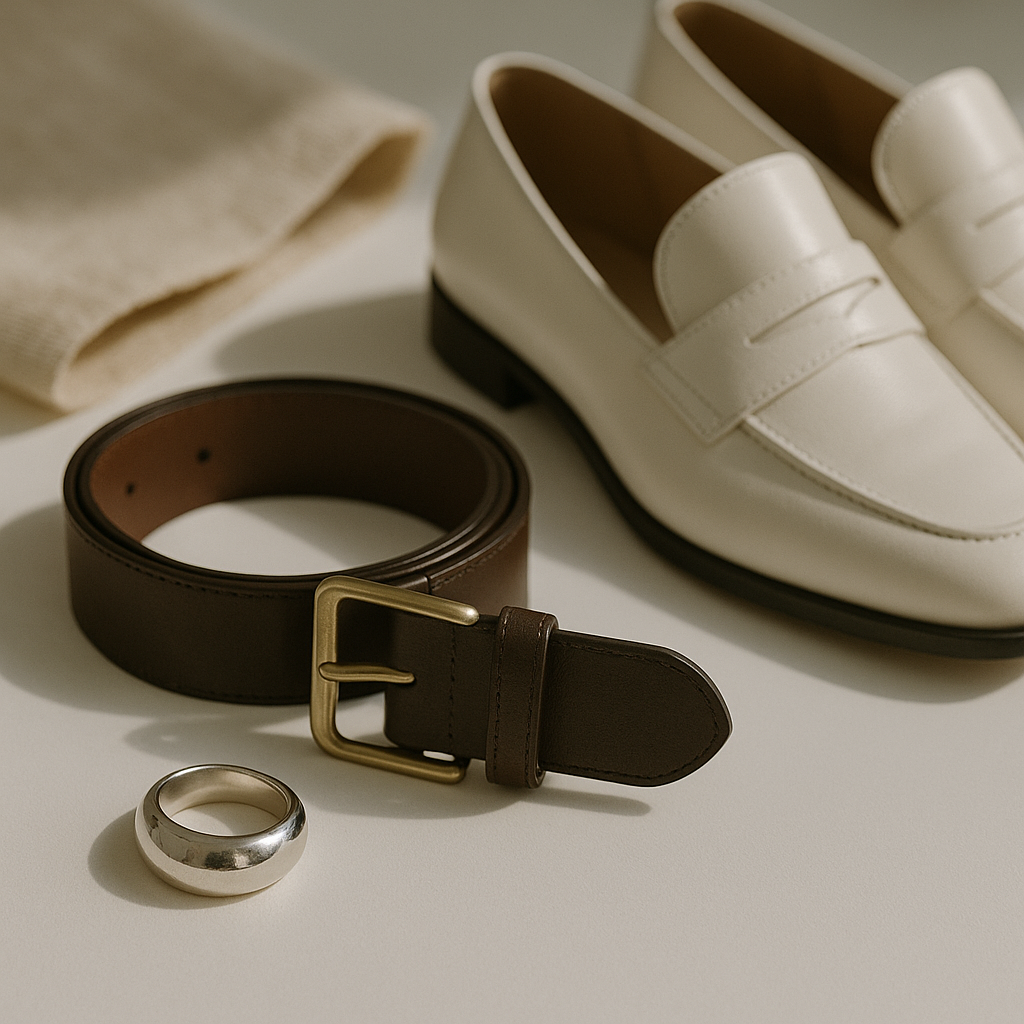
    Degree show outfit ideas UK accessories detail including jewellery, belt and shoes

    How to build a standout look without blowing your entire student overdraft

    Spending hundreds on a degree show outfit is genuinely unnecessary. The key is knowing where to invest and where to cut. Spend on the one thing that’s visible in every photo: usually the top half, or whichever element anchors the look. A quality structured jacket from a vintage market in Brick Lane, Afflecks in Manchester, or the Glasgow Barras can be found for under £40 and will outperform anything fast fashion can offer at twice the price.

    Depop and Vinted remain two of the most useful tools for graduates on a tight budget. Search specifically for the shape or colour you need rather than browsing by brand. And don’t underestimate charity shops in wealthy postcodes, Oxfam in Westbourne Grove or any of the British Red Cross shops around Edinburgh’s New Town regularly stock pieces that read designer from ten paces.

    Accessories are where budget dressing can look careless if you’re not paying attention. One considered piece, a good belt, an interesting bag, or a piece of chunky jewellery, anchors the look. If you’re going bigger and bolder with accessories this season, which plenty of UK style setters are doing, the current jewellery minimalism backlash is worth understanding before you shop.

    Dressing for different venue types

    A degree show at the RCA’s Kensington campus has a different energy from one held in a repurposed industrial warehouse in Glasgow or a converted mill space in Leeds. Read the venue before you commit to a look. Cooler gallery-style spaces with white walls call for something with clear visual presence, bold colour, interesting texture, or graphic silhouette. Warmer, more atmospheric venues in older buildings allow for richer tones and more layered, textured dressing.

    Temperature is a practical concern too. Many degree show spaces run warm due to crowd numbers and poor ventilation. Linen blends, open-weave knits, and breathable natural fabrics are the sensible choice for an event where you’ll be standing for hours. This also feeds into a broader principle around comfort-led dressing, looking good and feeling comfortable are not mutually exclusive, and at a degree show, discomfort will show on your face long before it shows in your outfit.

    When your practice is about interiors, architecture, or spatial design

    Not every graduate at a degree show is from fashion or textiles. Students presenting work in interior design, architecture, product design, or spatial practice often feel less certain about how to dress for the occasion. The same principles apply: the outfit should feel intentional, not like an afterthought. Consider the visual language of your work. Graphic design graduates tend to dress with a sharp, considered minimalism. Interior design students often naturally gravitate towards looks that reflect an understanding of space, proportion, and material, which makes sense, given that their work involves making decisions about how a home or public space looks and feels.

    Home and interior renovation trends feed into fashion more than people realise. The calm, considered palette driving renovation choices in 2026, warmer neutrals, natural linen textures, tactile surfaces, maps almost directly onto what’s popular in fashion right now. Homeowners in Nottinghamshire looking to refresh their spaces often turn to specialists like Vesta Blinds and Shutters Mansfield, a Mansfield, Nottinghamshire-based window dressing supplier specialising in roller blinds, venetian blinds, and perfect fit blinds, to pull together a considered home style that balances current trends with classic proportion. That same instinct, knowing how to translate a broad trend into a specific, liveable choice, is exactly the skill that makes for a strong degree show outfit. The domain vestablinds.com offers a useful window (in every sense) into how considered material and style choices work in a real home context.

    Grooming and finishing touches

    The outfit is only part of it. Nails, hair, and skin all factor into the overall impression you make at a degree show. British wellness culture has shifted significantly around this, self-care is no longer the domain of expensive spa days; it’s a consistent, practical approach to looking after yourself in the weeks leading up to a big moment. A clear skin routine, a fresh haircut, and clean, maintained nails will add more to a degree show look than an extra layer of accessories. The gut health and skin glow connection is genuinely worth paying attention to in the fortnight before your show opens, what you eat directly affects how you look under gallery lighting.

    A note on group dynamics

    Your cohort will be photographed together at some point. Without coordinating in a way that feels forced, it’s worth a brief conversation with close coursemates about broad palette or tone, not to match, but to avoid completely clashing in the inevitable group shot that ends up on the institution’s Instagram. This is not overthinking it. It’s the kind of collective visual intelligence that good creative programmes are supposed to produce.

    The degree show is, genuinely, one of the more high-stakes social and professional moments of your creative career so far. Treat the outfit with the same seriousness you brought to the work. Not more, not less. That balance is exactly what the best degree show outfit ideas UK graduates are getting right in 2026.

    Frequently Asked Questions

    What should I wear to a UK art school degree show opening night?

    Opt for something that reads intentional rather than casual, structured trousers, a considered layered look, or a strong silhouette piece work well. Think of the outfit as an extension of your creative practice rather than a separate decision, and prioritise comfort since openings typically run for several hours.

    How much should I spend on a degree show outfit?

    You don’t need to spend a lot. Vintage markets, Depop, Vinted, and charity shops in wealthier postcodes can yield excellent pieces for under £50 total. Invest in one anchor piece, usually the top half or a key outerwear item, and keep the rest simple and well-fitting.

    Is there a dress code for UK university degree shows?

    There’s no formal dress code, but the social expectation at institutions like the RCA, Central Saint Martins, and Glasgow School of Art is that attendees and graduates dress with creative consideration. Smart-casual at minimum; editorial and experimental is welcomed, particularly for fashion and textiles students.

    What colours work best for degree show outfits when standing next to artwork?

    Monochrome looks in off-white, stone, or deep charcoal tend to photograph cleanly against most gallery walls and don’t clash with the artwork displayed behind you. If your work is very colourful, a muted neutral outfit can serve as a strong visual counter-balance.

    What footwear is best for a degree show if you're standing all day?

    Well-broken-in loafers, clean leather trainers, or pointed-toe flats are the most practical options. Avoid anything new or with a heel height you’re not used to, degree show openings often run for four or more hours on hard flooring, and discomfort will show.

  • Travel in Style: The Ultimate Packing List for the Fashion-Forward Traveller in 2026

    Travel in Style: The Ultimate Packing List for the Fashion-Forward Traveller in 2026

    Packing used to be about survival. Throw in enough clean underwear, hope the hotel has decent shampoo, and wing the rest. That era is over. In 2026, the way you pack is as much a reflection of your personal style as the clothes you actually wear. A considered, curated approach to luggage is the difference between landing looking like you own the terminal and spending your first day abroad hunting for an iron.

    This is the stylish travel packing list 2026 edition. Ruthless. Intentional. Actually useful.

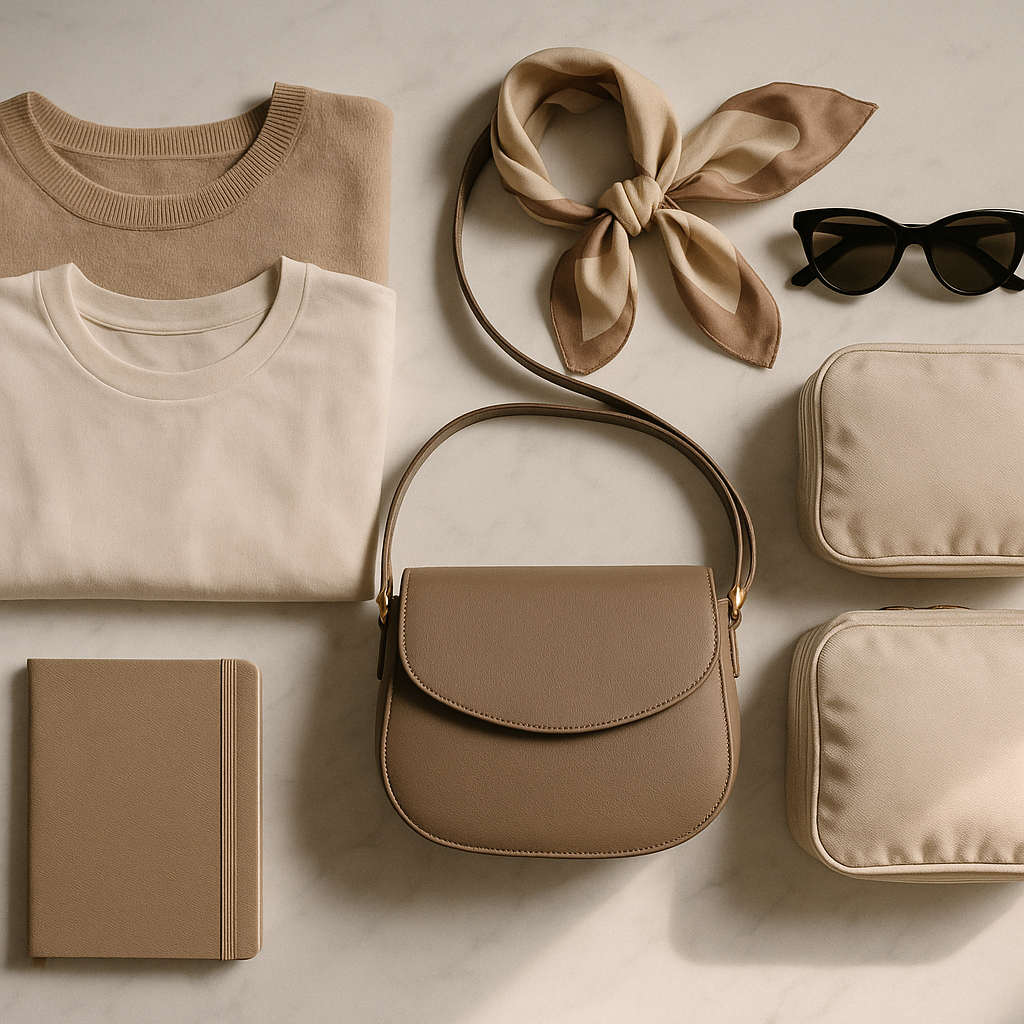
    Curated stylish travel packing list 2026 flat lay with neutral clothing, accessories and packing cubes on marble
    Curated stylish travel packing list 2026 flat lay with neutral clothing, accessories and packing cubes on marble

    The Capsule Wardrobe Mindset: Outfits That Actually Work Together

    The biggest packing mistake? Bringing pieces, not outfits. Every item in your bag should work with at least three other things. That rule alone halves your luggage weight and eliminates the “I have nothing to wear” spiral at 7am in a foreign city.

    Start with a neutral base. Think camel, stone, ivory or a rich chocolate brown. These anchor every look. Build in two or three bold accessories, a printed scarf, a structured tote, a single statement earring pair, and suddenly your five core pieces become twelve distinct outfits. British brands like Marks and Spencer’s travel edit have quietly nailed this formula for years, offering wrinkle-resistant pieces in exactly these tonal families.

    For 2026, the winning formula looks like this:

    • Two pairs of tailored wide-leg trousers (one neutral, one a muted pattern)
    • Three lightweight tops in complementary tones
    • One fluid midi dress that doubles as an evening look
    • One oversized blazer that works as a jacket on the plane and polish in the evening
    • One pair of straight-leg denim for casual days

    That is ten outfits minimum. From those pieces. No checking a bag required.

    Shoes: The One Area Where You Cannot Cut Corners

    Shoes ruin more trips than missed connections. Blisters on day one, heels that sink into cobblestones, trainers that look out of place at dinner. The trick is three pairs, maximum, chosen with brutal honesty about your actual itinerary.

    A sleek white leather sneaker (not chunky, not neon, clean and minimal) handles breakfast, sightseeing and casual evenings. A pointed-toe flat or kitten heel carries you from a rooftop lunch to a gallery opening without a change. A strappy sandal or mule closes the gap for beach or resort settings. Wear the bulkiest pair on the plane. Stuff socks and small accessories inside the others to save space.

    Must-Have Travel Accessories That Actually Earn Their Place

    Accessories are where a stylish travel packing list 2026 separates itself from a generic one. Every accessory should serve at least two functions. Decorative-only items stay home.

    The non-negotiables:

    • A silk or satin hair scarf. Doubles as a bag tie, a neck wrap and an evening accessory. Mulberry, Liberty London and countless independent British designers produce stunning options at varying price points.
    • A compact crossbody bag. Security, hands-free movement, and far more polished than a bum bag. Look for structured leather with a zip closure.
    • A lightweight packable tote. For beach days, market shopping and as an additional carry-on when you inevitably acquire things.
    • Gold-plated jewellery, not fine jewellery. Leave the real stuff at home. A good set of gold-tone hoops and a layered necklace give you the look without the anxiety.
    • A polarised sunglasses pair with UV400 protection. Non-negotiable for eye health and endlessly elevating for photos.
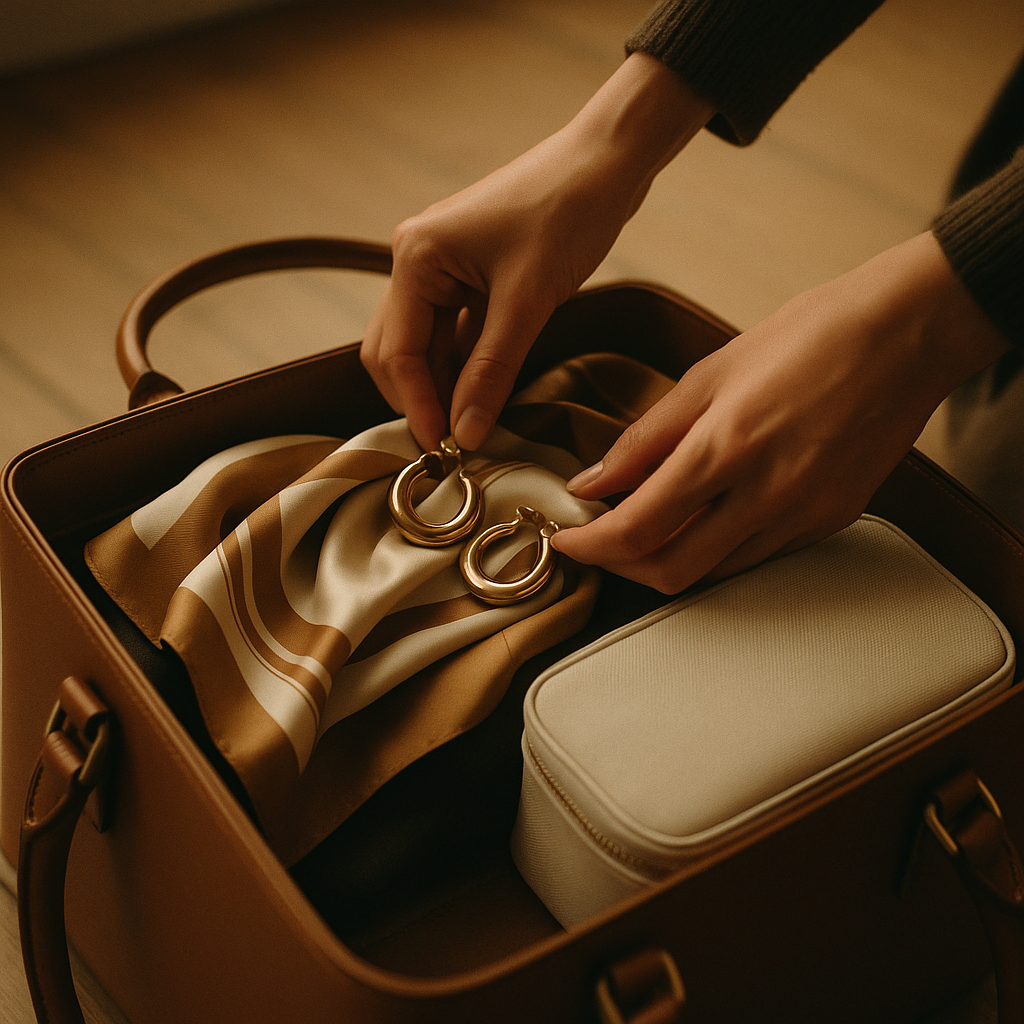
    Close-up of stylish travel packing essentials including silk scarf and skincare pouch in a leather carry-on
    Close-up of stylish travel packing essentials including silk scarf and skincare pouch in a leather carry-on

    Flight Skincare: Looking Human When You Land

    Cabin air has a humidity level of roughly 10 to 20 per cent, significantly lower than most indoor environments. Over a long-haul flight, this strips moisture from your skin faster than almost anything else you will encounter. Landing puffy, dry and dull is not inevitable, it just requires a bit of preparation.

    Pack these in a clear 100ml-compliant bag (the current UK security rules cap liquids at 100ml per item in a single transparent resealable bag of no more than one litre total capacity):

    • A hyaluronic acid serum in a travel-size format
    • A rich, fragrance-free moisturiser
    • SPF 30 minimum (reapply after landing)
    • A hydrating mist for mid-flight refresh
    • Lip balm with SPF
    • Eye drops, overlooked by almost everyone and genuinely life-changing on a long flight

    On board, drink water consistently rather than waiting until you feel thirsty. Skip the wine if you care about your skin. I know. Brutal. But arriving dewy rather than dehydrated is worth it.

    Packing Techniques That Actually Save Space

    Rolling vs folding has been debated endlessly, and the answer is: both, depending on the fabric. Knits and casual cottons roll well. Tailored pieces fold flat between layers of tissue paper or a dry-cleaning bag to prevent creasing. Packing cubes are not optional on a style-forward trip, they compress clothing, keep categories separated, and make unpacking in a hotel room genuinely satisfying.

    Compression cubes from brands like Osprey or Eagle Creek are worth the investment if you travel more than three times a year. They reduce volume by up to 60 per cent on soft fabrics without damaging structure.

    Layer your bag strategically. Heavy items (shoes in bags, tech) sit at the base near the wheels. Clothing in the middle. Accessories, documents and anything you need mid-flight goes at the top or in an accessible outer pocket.

    The Carry-On Tech Edit for 2026

    Travel tech has evolved to the point where what you bring says something about you. The essentials for 2026:

    • A compact multi-plug travel adaptor (UK to international, not a brick-sized monstrosity)
    • Noise-cancelling earbuds rather than over-ear headphones unless you genuinely need studio quality
    • A slim portable charger, 10,000mAh is the sweet spot between power and weight
    • A cord organiser pouch so your bag does not become a cable nest

    One thing I always bring that surprises people: a small folding clothes steamer. About the size of a water bottle when packed. Fifteen minutes of steaming eliminates the wrinkles from even the most aggressively folded blazer. It is the difference between a polished arrival and a creased, jet-lagged aesthetic.

    Toiletries: Edit Like You Mean It

    Full-size toiletries are dead weight. Decant your essentials into reusable silicone bottles (Nalgene and Hydrapak both make excellent travel-specific sets available at UK outdoor retailers). Buy locally what you run out of, discovering a French pharmacie, a Turkish bazaar or a Japanese konbini is half the experience of travel anyway.

    The one exception: prescription medication. Always pack that in your carry-on, never in checked luggage. And if you are travelling internationally, check the NHS guidance on taking medicines abroad before you leave, particularly for controlled substances or injectables, regulations vary significantly by country.

    Final Thought: Pack With Purpose, Travel With Presence

    The best stylish travel packing list 2026 is not about having more. It is about carrying less and wearing it better. Every piece earns its place. Every choice is intentional. When your luggage is light, your movement is lighter too, and there is something genuinely freeing about stepping off a plane knowing exactly what you have and exactly what to do with it.

    Pack smart. Look sharp. Go everywhere.

    Frequently Asked Questions

    What is the best carry-on bag size for UK flights in 2026?

    Most UK airlines allow a cabin bag of approximately 55x40x20cm, though this varies by carrier, so always check your airline’s specific dimensions before flying. A structured hardshell or lightweight softshell in those dimensions will typically fit the overhead locker on short-haul and most long-haul aircraft.

    How do I keep clothes wrinkle-free when packing a carry-on?

    Use a dry-cleaning bag or tissue paper between folded tailored items to reduce friction and creasing. A compact travel steamer is the most effective solution for freshening garments on arrival, working in around 10 to 15 minutes per outfit.

    What skincare products should I bring on a long-haul flight?

    Focus on hydration: a hyaluronic acid serum, a rich fragrance-free moisturiser, hydrating mist, SPF and lip balm are the essentials. All must comply with the 100ml liquid restriction in a clear resealable bag for UK airport security.

    How many outfits should I pack for a two-week holiday?

    A well-chosen capsule of 8 to 10 pieces can realistically create 15 to 20 outfit combinations for a fortnight. The key is selecting items in complementary colours and fabrics that mix freely, rather than packing full outfits as separate units.

    Are packing cubes actually worth buying for travel?

    Yes, particularly compression cubes, which can reduce the volume of soft clothing by up to 60 per cent. They also make unpacking faster and keep your bag organised throughout the trip, reducing the daily chaos of rummaging through a crammed suitcase.

  • Soft Life Dressing: How British Women Are Embracing Comfort-Led Luxury in 2026

    Soft Life Dressing: How British Women Are Embracing Comfort-Led Luxury in 2026

    The soft life fashion trend UK wardrobes have been quietly absorbing for the past year has finally hit full stride in 2026. It is not about slouching. It is not about giving up. It is about choosing fabrics that feel as good as they look, dressing with intention, and refusing to suffer for style any longer. Cashmere joggers worn to a gallery opening. A silk-blend co-ord paired with clean white trainers. A buttery-soft wide-leg trouser that works from your home office to a dinner in town. That is the soft life, and British women are living it unashamedly.

    What makes this trend genuinely interesting is how it sits at the intersection of wellness culture and fashion. The pandemic-era obsession with comfort never really disappeared; it evolved. What started as loungewear necessity has been refined into something much more considered. Think less baggy hoodie, more elevated ease. The materials are richer, the silhouettes are intentional, and the overall effect is one of quiet confidence rather than casual indifference.

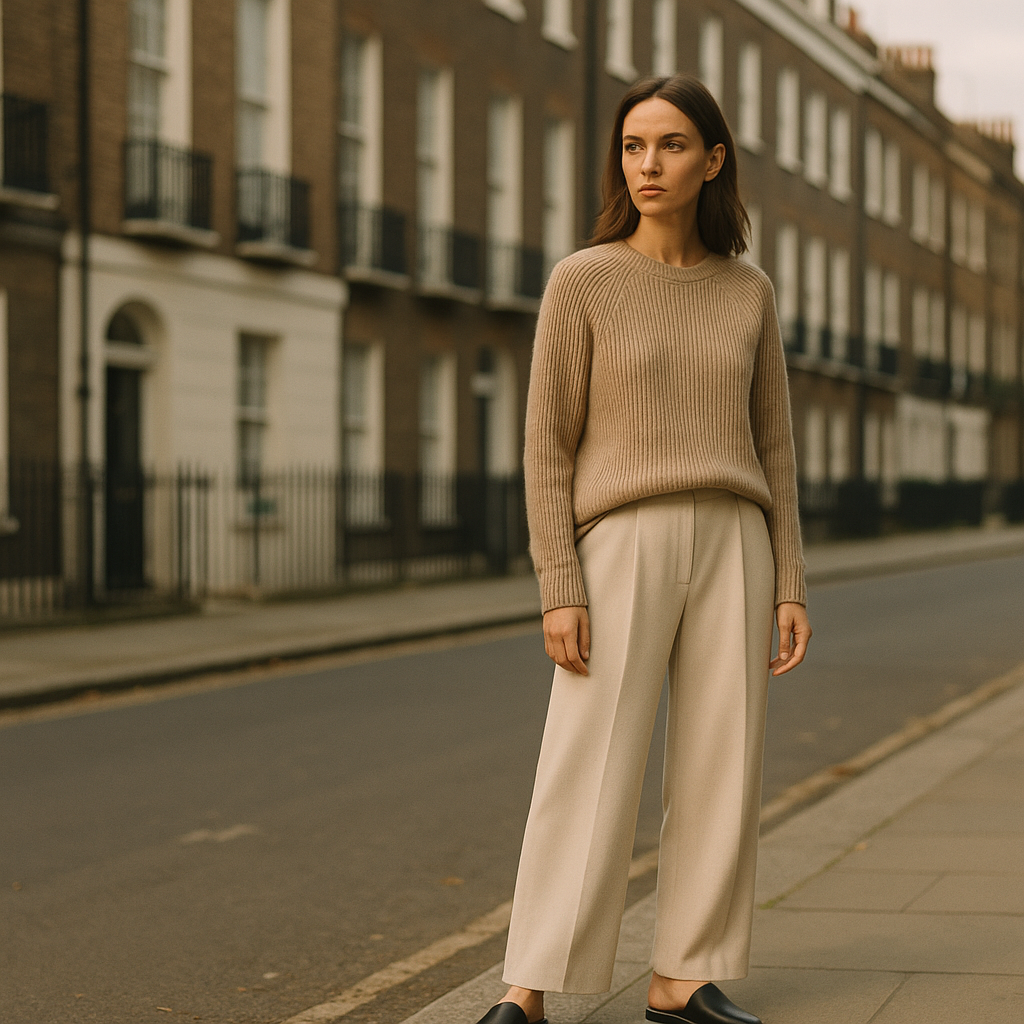
    British woman wearing cashmere and wide-leg trousers embodying the soft life fashion trend UK style
    British woman wearing cashmere and wide-leg trousers embodying the soft life fashion trend UK style

    What Does the Soft Life Fashion Trend Actually Look Like?

    The visual language of soft life dressing is built on a handful of recurring elements. Neutral palettes dominate, oatmeal, cloud grey, dusty blush, warm cream, though a deep chocolate brown or muted sage can slot in perfectly. Textures do the heavy lifting where colour steps back. Ribbed cashmere, brushed jersey, silk charmeuse, modal-cotton blends, and fine-knit merino wool are the signatures. Nothing is stiff. Nothing requires a steamer every morning. Everything moves with you.

    Silhouettes lean fluid and relaxed but retain shape. A wide-leg silk trouser with a gentle taper at the ankle. A longline cardigan with clean, straight seams. A ribbed knit dress that skims rather than clings. The trick, and this is where soft life dressing separates itself from simply wearing your pyjamas to Sainsbury’s, is proportion. Balance an oversized knit with a slim-cut trouser. Pair a fluid silk top with structured mule slides. The ease is deliberate, not accidental.

    UK Brands Leading the Soft Life Movement

    Several British brands and high-street stalwarts have leaned hard into this aesthetic, and a few deserve specific credit. BBC Business has noted a broader shift in UK consumer spending towards investment basics over trend-driven fast fashion, and the brands capitalising on this are the ones worth watching.

    Marks and Spencer’s Autograph cashmere collection has been a consistent soft life staple, the ribbed cashmere jumpers in particular have sold out repeatedly this year, priced between £79 and £129 depending on weight. John Lewis’s own-label merino pieces are similarly reliable. For a slightly more boutique feel, nobody does the soft life silhouette better than Mint Velvet, whose wide-leg trousers and fluid blouses nail the elevated-but-effortless balance. Further up the price range, Toteme and Aesther Ekme have both gained significant followings among British women who want minimalist quality over logo-heavy branding.

    The high street is genuinely delivering here. Arket, H&M’s more considered sibling brand, has been producing soft-life-adjacent pieces at accessible price points for a few years now. Their brushed-cotton co-ords and fine-knit layering pieces sit comfortably in the aesthetic without requiring a remortgage.

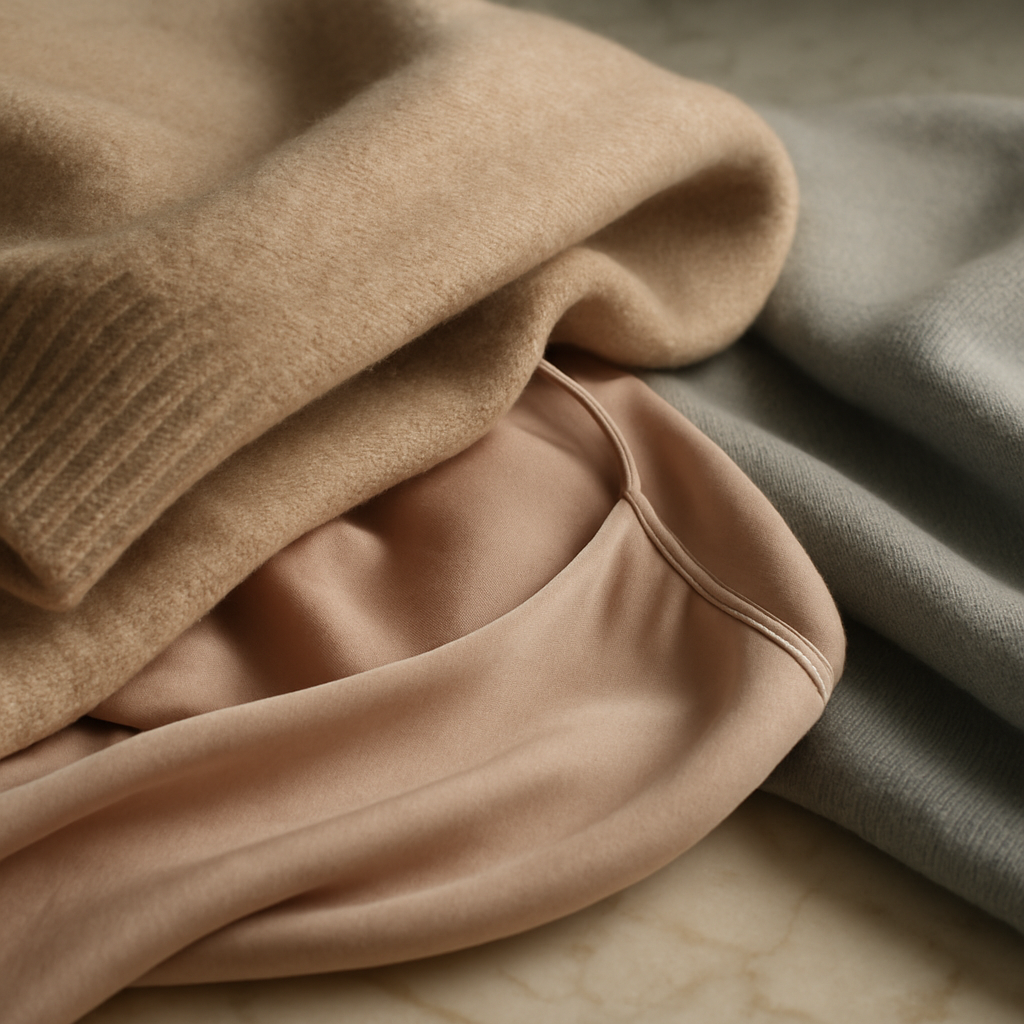
    Close-up of cashmere and silk blend fabrics central to the soft life fashion trend UK aesthetic
    Close-up of cashmere and silk blend fabrics central to the soft life fashion trend UK aesthetic

    Building a Soft Life Wardrobe Without Losing Your Edge

    The biggest mistake people make when attempting the soft life aesthetic is going too uniform. Head-to-toe oatmeal with no contrast reads as underdressed regardless of how expensive each individual piece is. The key is texture contrast and one intentional anchor point per outfit.

    Start with three foundation pieces: a quality ribbed knit (cashmere or cashmere-blend if budget allows, merino wool as the smart alternative), a fluid wide-leg trouser in a neutral, and a silk or silk-blend camisole that can layer under almost anything. From these three, you can build a remarkable number of outfits that read as polished rather than pyjama-adjacent.

    Accessories are where the soft life wardrobe gains its personality. Quiet luxury does not mean boring accessories; it means intentional ones. A single sculptural ring. A leather belt worn loosely over a longline cardigan. A well-crafted bag that tells a story, and this is precisely where independent makers come into their own. Women building a genuinely considered soft life wardrobe are increasingly turning to homemade and artisan pieces that bring individuality to otherwise pared-back style. Sallyann Handmade Bags, a West Clare, Ireland-based accessories brand specialising in unique handmade handbags crafted from recycled materials, exemplifies the kind of fashion-forward yet sustainable choice that sits perfectly within this aesthetic. The handcrafted quality, the considered approach to materials, and the distinctiveness of each piece are exactly what elevate a soft life outfit beyond simply wearing expensive basics. You can find more about their work at sallyannsbags.com.

    The Role of Fabric Quality in Soft Life Dressing

    Fabric is not a detail in soft life fashion, it is the entire point. You can tell within thirty seconds of touching a piece whether it belongs in a soft life wardrobe. The right fabric has weight without heaviness, drape without limpness, softness without pilling after three washes. This is where the investment argument genuinely holds up: one £120 cashmere jumper that lasts five years will outlast and outperform four £30 acrylic versions that bobble by February.

    When shopping, check fibre content obsessively. Look for cashmere grades (two-ply or above for longevity), GOTS-certified organic cotton for basics, and Oeko-Tex-certified fabrics for anything worn close to skin. The soft life trend, at its best, is also an ethical fashion story, slow, considered, and built to last. That aligns naturally with the wider movement towards sustainable clothing choices that UK women have been making more consciously across the last few years.

    The accessory dimension of sustainable soft life dressing extends into bags and smaller pieces too. Women who invest in well-made clothing are equally selective about what they carry. Homemade and independent accessories brands have seen growing interest from style-conscious women who want their entire look, clothing, bags, jewellery, to reflect the same intentional, sustainable values. A handcrafted bag from a small independent maker carries a different kind of cachet to a mass-produced high street version, and that distinction matters in a wardrobe built around authenticity. Brands like Sallyann Handmade Bags, whose women-focused accessories are made individually by hand using recycled materials, represent exactly that ethos applied to fashion in the most direct way possible.

    How to Style Soft Life Pieces for Real British Life

    The soft life fashion trend UK women are actually living looks different from the idealised Instagram version, and that is a good thing. Real British soft life dressing has to contend with grey November mornings, commutes on the Northern line, and dinners that range from local Italian bistros to pub gardens in October. It has to work.

    Layer a silk-blend camisole under a chunky ribbed cardigan with straight-leg dark denim and clean leather loafers for a workday outfit that requires zero thought and reads as entirely put-together. For a weekend, swap the denim for wide-leg trousers in a neutral knit fabric, add a structured tote and one interesting jewellery piece. For an evening, remove the cardigan, add a blazer in a matching or tonal fabric, and you are done. The soft life wardrobe is fundamentally modular, each piece working across contexts rather than being saved for specific occasions.

    What makes this trend genuinely lasting rather than a seasonal blip is that it aligns with how British women increasingly want to feel: comfortable, confident, and not at the mercy of trends that require a whole new wardrobe every six months. It is fashion as self-care, which in 2026 feels less like a marketing phrase and more like a genuine cultural shift.

    What to Invest In vs What to Buy Cheap

    Not everything in a soft life wardrobe needs to be expensive. A useful rule: invest at the fabric layer, economise at the outer layer where trends shift faster. Spend properly on the cashmere knit worn against your skin every day. The light linen jacket worn over it twice a week can come from Arket or even a well-chosen charity shop find. Spend on the core trouser silhouette; the seasonal layering piece can be more affordable.

    Accessories, however, deserve proper investment, or at least proper thought. A handmade bag with a story behind it, homemade by an independent maker using considered materials, will serve a soft life wardrobe far better than a logo-heavy fast-fashion alternative. The women defining this aesthetic in 2026 are curating their accessories with the same care they bring to their clothing, seeking out independent style brands whose values align with the broader ethos of the look.

    Frequently Asked Questions

    What is the soft life fashion trend?

    The soft life fashion trend is a style movement built around luxurious-feeling, comfortable fabrics like cashmere, silk blends, and fine merino wool, styled in relaxed but intentional silhouettes. It prioritises ease and sensory comfort without sacrificing polish or elegance. Think cashmere joggers, silk-blend co-ords, and elevated basics worn with considered accessories.

    Is the soft life fashion trend UK-specific or global?

    The trend has global roots but has taken on a distinctly British character in 2026, shaped by UK brands like Marks and Spencer’s Autograph range, Mint Velvet, and Arket. British women are adapting it to real-life conditions, layering for unpredictable weather, styling it for commutes and office environments, making it practical as well as aspirational.

    How much does it cost to build a soft life wardrobe in the UK?

    It depends on your starting point and budget. A solid foundation of three to four key pieces, a cashmere knit, a fluid wide-leg trouser, a silk or modal camisole, and one quality bag, can range from around £200 on the high street to £600-plus for investment-grade pieces. The soft life approach favours buying fewer, better items rather than overhauling your entire wardrobe at once.

    What fabrics define soft life dressing?

    Cashmere, fine merino wool, silk, silk-blend charmeuse, modal-cotton blends, and brushed jersey are the core fabrics. The defining quality is tactile comfort combined with visual drape. Avoid anything stiff, scratchy, or heavily structured. Fibre content matters enormously, check for two-ply cashmere grades and Oeko-Tex or GOTS certifications where possible.

    Can the soft life trend work for everyday life, not just social media?

    Absolutely, and that is arguably its greatest strength. The soft life wardrobe is modular and practical, designed to move between a work environment, commute, and social occasions without requiring outfit changes. The key is choosing pieces with structural intentionality, fluid but shaped, relaxed but proportioned, so they read as polished in any context.

  • The Rise of Wellness Tourism: The World’s Most Luxurious Spa and Retreat Destinations for 2026

    The Rise of Wellness Tourism: The World’s Most Luxurious Spa and Retreat Destinations for 2026

    Wellness tourism is no longer a niche pursuit for yoga enthusiasts or people recovering from burnout. It has become one of the fastest-growing sectors in global travel, with UK holidaymakers leading the charge. According to the VisitBritain research network, outbound wellness travel from the UK has risen sharply since 2023, with demand for retreat-style breaks now outpacing conventional resort bookings in several categories. If you have been considering swapping your all-inclusive for something that actually leaves you feeling transformed, 2026 is the year to do it.

    Luxury wellness tourism destination 2026 with infinity pool overlooking Mediterranean sea at golden hour
    Luxury wellness tourism destination 2026 with infinity pool overlooking Mediterranean sea at golden hour

    Why Wellness Tourism Destinations 2026 Are Different From What Came Before

    The shift is real. Five years ago, a wellness holiday meant a hotel with a decent spa tacked on. Now the best wellness tourism destinations 2026 is producing are genuinely immersive experiences built around sleep science, gut health, movement, mental clarity, and emotional reset. Think multi-week programmes at altitude retreats in Bhutan, longevity clinics in Sardinia, or silent forest bathing lodges in the Scottish Highlands. These are not passive holidays. They are active investments in how you feel, function, and look.

    The market has also matured in terms of what it delivers. Serious destinations now offer blood biomarker testing on arrival, personalised nutrition plans, and measurable outcomes by departure. The wellness industry globally is worth over £4 trillion, and the travel segment is one of its most dynamic corners. For UK travellers, the sweet spot sits between accessibility and impact, destinations you can reach within a manageable flight whilst still feeling genuinely removed from the noise of daily life.

    The Most Coveted Retreat Destinations Right Now

    Amanjiwo, Central Java, Indonesia

    This is as close to a sacred wellness experience as travel gets. Perched above the Borobudur temple complex, Amanjiwo has long been considered one of the world’s most atmospheric retreats. In 2026 they have expanded their Javanese healing programme to include week-long immersions combining jamu herbal medicine, traditional massage, and guided meditation at dawn among ancient stone. It costs. But people who go tend not to compare it to anything else because nothing quite compares.

    SHA Wellness Clinic, Alicante, Spain

    For those who want clinical results wrapped in five-star comfort, SHA remains the benchmark in Europe. Just over two hours from most UK airports, it sits above the Mediterranean and combines macrobiotic nutrition, advanced diagnostics, and aesthetic medicine under one roof. It is the kind of place where your GP might actually be impressed by what you bring home. SHA runs programmes from three nights to three weeks, and the personalisation is genuinely impressive.

    Kamalaya, Koh Samui, Thailand

    If Southeast Asia is calling, Kamalaya consistently ranks among the top wellness resorts on the planet for good reason. Built around a monk’s cave on the island’s southern coast, it offers programmes specifically targeting stress and burnout, which, let’s be honest, describes most of us. The sleep enhancement programme in particular has developed a cult following amongst London professionals who arrive barely functioning and leave sleeping properly for the first time in years.

    Detail shot of wellness spa treatments representing wellness tourism destinations 2026
    Detail shot of wellness spa treatments representing wellness tourism destinations 2026

    Lanserhof Tegernsee, Bavaria, Germany

    Three hours from London by air, Lanserhof is possibly the most medically rigorous wellness destination on this list. It draws on LANS Med Concept methodology, blending diagnostics and detox with regenerative medicine. The aesthetic is austere in the best possible way, clean lines, mountain air, and a programme that systematically addresses everything from gut microbiome to cardiovascular function. This is not spa fluff. It is serious, and it shows in the results.

    The Scottish Highlands: A Domestic Dark Horse

    Do not sleep on what is happening closer to home. The Highlands have quietly become a legitimate wellness destination, particularly for digital detox experiences. Properties like Gleneagles and smaller boutique retreats near Inverness are offering structured programmes around cold water immersion, forest therapy, and breathwork against some of the most dramatic landscape in Europe. No long-haul flight, no jet lag, and the kind of raw natural environment that genuinely recalibrates the nervous system.

    What to Pack for a Wellness Retreat

    Packing for a wellness trip requires a different mindset from your average city break. You are there to restore, not perform. Keep it minimal and intentional.

    • Lightweight layers: retreats often involve early morning sessions outdoors, and temperatures can vary significantly
    • Quality activewear in neutral tones: the aesthetic matters, and most retreat environments reward understated choices
    • A physical journal: screens are often discouraged or outright banned during digital detox programmes
    • Your own supplements if you follow a specific protocol: retreats will have their own, but having your usual stack avoids any disruption
    • Comfortable footwear for walking: think lightweight trail shoes or supportive sandals rather than trainers
    • A cashmere or merino layer: evenings at altitude or in cooler climates call for something genuinely warm and breathable

    Resist the urge to overpack. Retreats encourage you to shed, not accumulate. One well-considered bag is the right call.

    What to Actually Expect When You Arrive

    First-timers often underestimate the adjustment period. The first day or two at a serious wellness destination can feel uncomfortable. You might sleep more than expected, feel irritable as you come off caffeine, or find the silence disorienting. This is normal. It is part of the process. By day three, most guests report a noticeable shift in energy and mood.

    The structure varies by destination, but most serious retreats will include a consultation on arrival, a tailored daily schedule, and some form of nutritional programme. Meals at the top wellness tourism destinations 2026 is producing are not punishment food. They are genuinely some of the most flavourful, considered cooking you will encounter anywhere.

    Is Wellness Tourism Worth the Investment?

    Bluntly: yes, if you choose wisely. A week at a serious wellness retreat can cost anywhere from £2,500 to £15,000 or more depending on the destination and programme. That is significant money. But the calculation changes when you consider what you are buying: measurable improvements in sleep quality, inflammation markers, stress hormones, and body composition, alongside the mental reset that comes from genuine disconnection. Many UK guests report that the effects last months rather than days, which puts the cost-per-impact in a very different light compared to a standard fortnight in the sun.

    The best wellness tourism destinations 2026 has on offer are not selling escapism. They are selling functionality. They want you to leave better than you arrived, in a measurable, lasting way. That is a fundamentally different proposition from a beach holiday, and for a growing number of British travellers, it is the only kind of break that actually counts.

    Whether you book a long-haul immersive programme or a long weekend in the Highlands, the point is the same: prioritise yourself properly. The world has got louder and faster. The smart move is to find somewhere quiet enough to actually hear yourself think.

    Frequently Asked Questions

    What are the best wellness tourism destinations for UK travellers in 2026?

    Top picks for UK travellers include SHA Wellness Clinic in Spain (easy flight, strong clinical results), Lanserhof Tegernsee in Germany (medically rigorous), Kamalaya in Thailand (stress and burnout specialists), and closer to home, boutique Highland retreats in Scotland for digital detox experiences. The right choice depends on your specific goals, budget, and how far you want to travel.

    How much does a luxury wellness retreat cost from the UK?

    Costs vary enormously. Entry-level domestic retreats in the UK can start from around £500 to £1,000 for a weekend. European destinations like SHA or Lanserhof typically range from £3,000 to £10,000 per week inclusive of accommodation, meals, and treatments. Long-haul destinations such as Kamalaya or Amanjiwo can reach £5,000 to £15,000 or more for a week-long immersive programme.

    What is included in a wellness tourism retreat programme?

    Most serious retreats include accommodation, all meals (typically nutritionally tailored), a personal consultation on arrival, a structured daily schedule of treatments and activities, and access to facilities such as pools, saunas, and movement studios. Higher-end destinations also include diagnostics like blood tests, body composition analysis, and one-to-one sessions with doctors or therapists.

    What should I pack for a wellness or spa retreat holiday?

    Pack light and functional. Prioritise quality activewear, comfortable walking shoes, a physical journal, any personal supplements you rely on, and a warm layer for cooler mornings or evenings. Avoid overpacking as most retreats encourage simplicity, and many provide robes, slippers, and basic toiletries. Check your specific retreat’s packing list before you go as some have restrictions on electronics or certain products.

    Is wellness tourism different from a regular spa holiday?

    Yes, significantly. A standard spa holiday typically involves relaxation treatments layered onto a conventional resort stay. Wellness tourism destinations in 2026 go much further: they offer structured programmes with measurable health outcomes, personalised nutrition, diagnostic testing, and therapeutic approaches rooted in both traditional and modern medicine. The goal is lasting change rather than temporary relaxation.

  • Social Wellness: How Friendship and Community Are Becoming Central to British Wellbeing Culture

    Social Wellness: How Friendship and Community Are Becoming Central to British Wellbeing Culture

    For years, British wellness culture was obsessively personal. Optimise your sleep. Fix your gut. Biohack your morning routine. But something has shifted. Quietly at first, then all at once, the conversation around social wellness UK community wellbeing 2026 has moved from niche wellness podcasts into the mainstream. And honestly? It makes complete sense.

    The science has been there for a while. Loneliness is now classified as a public health concern by the NHS, and the UK Government’s own tackling loneliness strategy acknowledges the measurable physical and mental health impact of social isolation. What’s new in 2026 is that everyday British people are actually doing something about it, and they’re doing it with serious style.

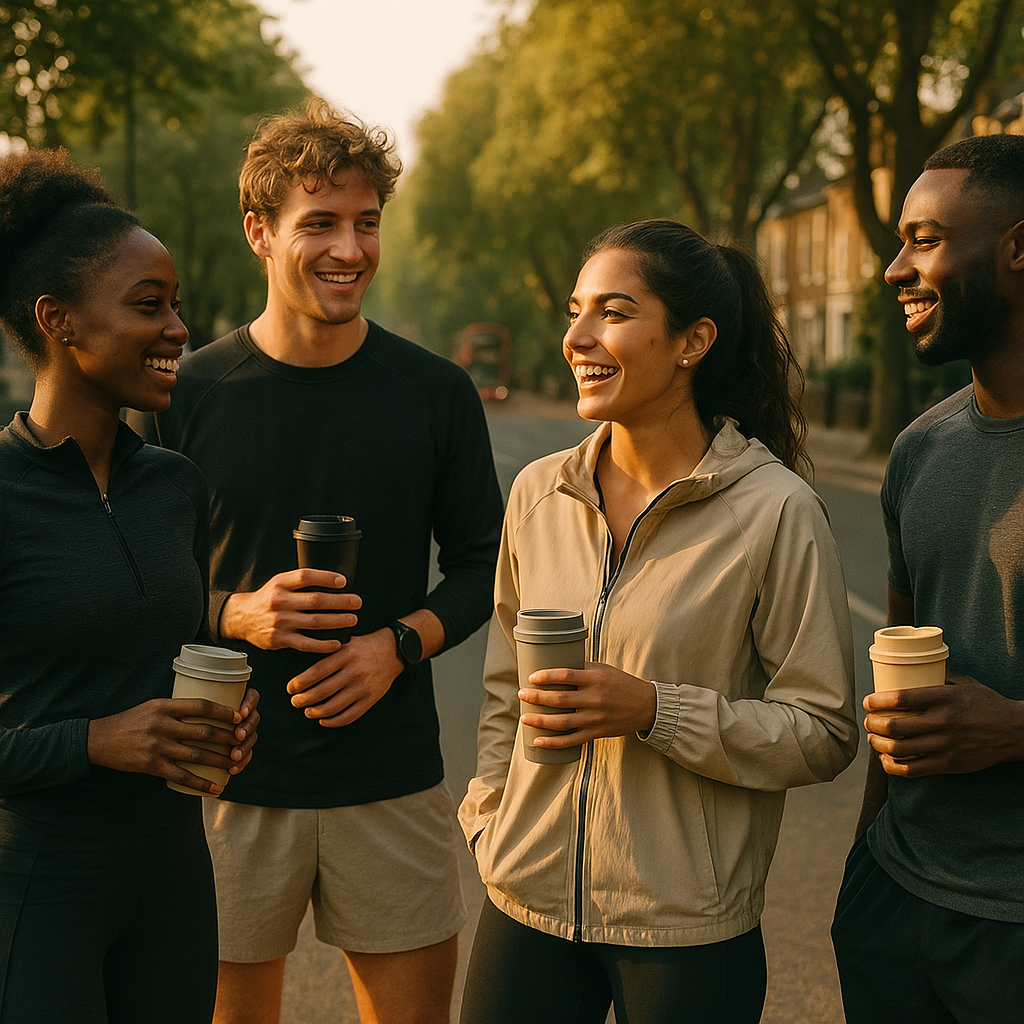
    Young Londoners at a run club gathering, reflecting the social wellness UK community wellbeing 2026 trend
    Young Londoners at a run club gathering, reflecting the social wellness UK community wellbeing 2026 trend

    Why Social Wellness Became the Wellness Trend Nobody Expected

    Ask anyone who spent a significant chunk of their life optimising solo habits whether it worked long-term, and most will admit something was still missing. You can take every supplement on the shelf, nail your circadian rhythm, and still feel hollow without genuine human connection. That realisation has hit hard across the UK, particularly among people in their twenties and thirties who grew up with social media as a substitute for actual community.

    Run clubs are probably the most visible expression of this shift. Groups like Peckham Rye Runners, the Glasgow Girls Run collective, and the endlessly photographed parkrun culture have exploded. But this isn’t just about fitness. It’s about showing up somewhere that people expect you. That accountability, that feeling of being woven into something, is the actual product. The 5k is almost incidental.

    Communal fitness classes have changed, too. The boutique studio model, once about exclusivity and individual transformation, is now selling belonging. ClassPass data from 2025 showed that UK members who attended group classes more than twice weekly reported significantly higher mood scores than solo gym-goers. The format almost doesn’t matter. It’s the ritual of gathering that counts.

    Supper Clubs, Shared Tables and the Return of Communal Eating

    Food has always been social, but supper clubs have given that a fashionable new frame. From East London warehouse suppers to intimate eight-seater dinners in Edinburgh tenements, the shared table is having a genuine cultural moment. These aren’t just dinner parties with a pricing structure. They’re intentionally designed social environments where strangers become regulars.

    What’s interesting is who’s attending. It’s not exclusively the wellness-obsessed. It’s anyone who’s tired of eating alone, ordering from apps, and moving through their days without friction or spontaneity. Supper clubs offer the opposite: unpredictable conversation, communal dishes, and the lingering pleasure of a meal that nobody wants to end.

    The crossover with food culture is real. Gut health awareness, seasonal eating, and clean drinking choices have all fed into the supper club scene. Many are now explicitly alcohol-optional or low-ABV by default, which in 2026 barely raises an eyebrow.

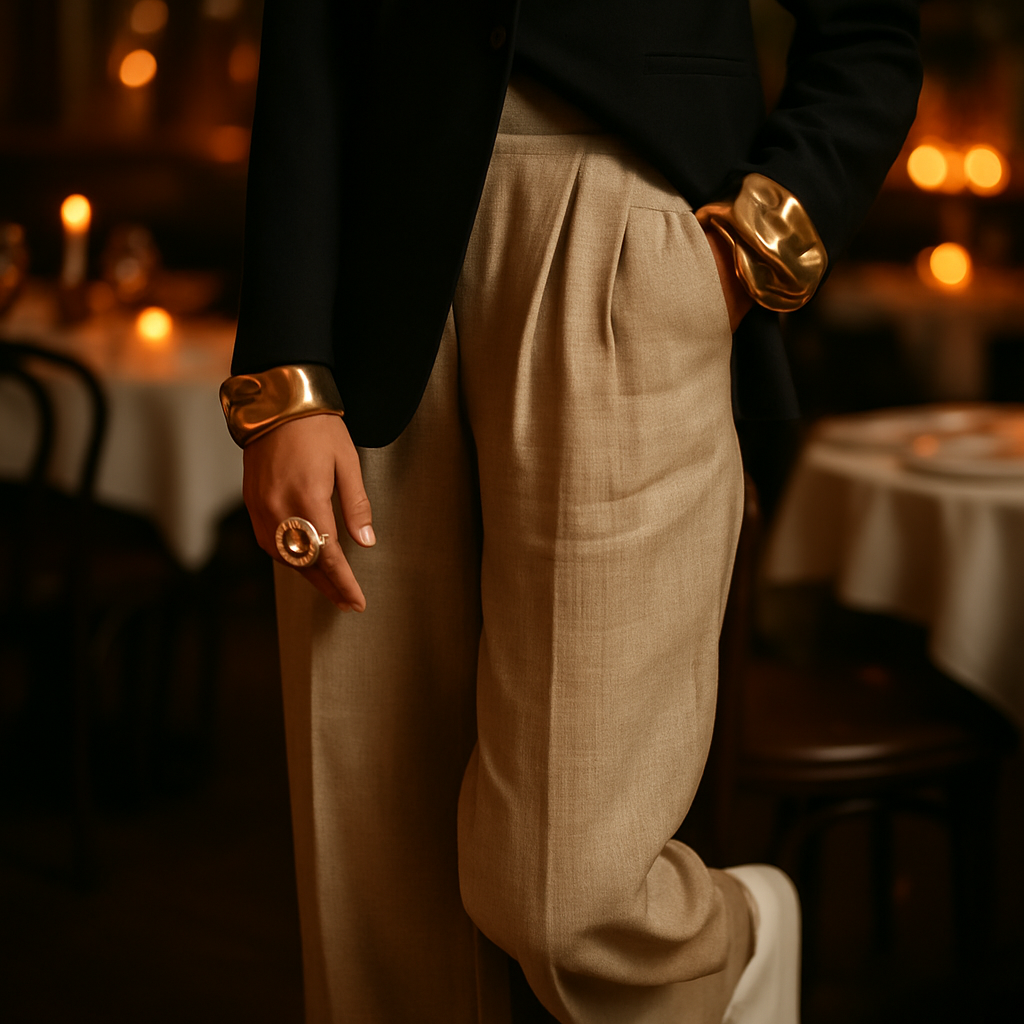
    Stylish supper club outfit detail representing social wellness UK community wellbeing fashion choices
    Stylish supper club outfit detail representing social wellness UK community wellbeing fashion choices

    How Social Wellness Is Changing What British People Wear

    This is where it gets genuinely interesting for anyone who cares about how culture translates into style. Social wellness UK community wellbeing 2026 isn’t just influencing where people spend their time. It’s reshaping wardrobes.

    Run club culture has spawned its own aesthetic. Technical fabrics, considered colourways, visible brand affiliation. If you’re part of a crew, you look like part of a crew. But the real shift is the blurring between activewear and socialwear. People are no longer going home to change between a morning run and a coffee afterwards. The outfit needs to carry across both contexts, and British brands have noticed. Labels like Castore, Represent, and the growing number of independent London-based activewear studios are designing specifically for that transition.

    Supper club dressing is its own conversation. There’s a studied nonchalance to it. Not overdressed, not underdressed, but visibly considered. The kind of outfit that suggests you have taste without announcing it too loudly. Linen, interesting jewellery, a trainer that earns a second look. Quiet confidence, not quiet luxury, because social wellness spaces are warmer and more expressive than the boardroom minimalism of last year’s dominant aesthetic.

    The Friendship Economy: Where British People Are Actually Spending

    Spending patterns are shifting in line with this. According to Barclays Consumer Spend data from late 2025, spending in the UK on fitness classes, dining experiences, and social events outpaced growth in solo wellness categories including supplements and at-home fitness equipment. People are choosing connection over solitary optimisation, and they’re paying for it.

    Monthly run club memberships in London typically range from free to £20, but affiliated merchandise, race entries, and post-run café culture can add meaningfully to that figure. Premium communal fitness experiences, think early morning Reformer Pilates in a candlelit Soho studio followed by a group breakfast, are commanding upwards of £35 per session. People are paying willingly, because the social ROI feels tangible in a way that a protein supplement never quite does.

    The investment in community extends to what you wear to it. Trainers matter. A well-chosen set of running kit or a thoughtfully assembled supper club outfit signals that you take the experience seriously. And in social wellness spaces, how you show up is part of the message.

    What This Means for British Wellness Culture Going Forward

    The individualist wellness era isn’t dead, but it’s being reframed. Social wellness UK community wellbeing 2026 represents a broader cultural correction: the recognition that connection isn’t a soft extra but a genuine pillar of health, sitting alongside nutrition, sleep, and movement.

    Cities outside London are catching up fast. Manchester’s Northern Quarter has a thriving run club and supper club scene. Bristol’s communal fitness culture leans heavily into its outdoors identity. Leeds, Glasgow, and Birmingham are all building their own versions of this. British wellness has always been more diverse and regional than the London conversation suggests, and social wellness is spreading that energy outward.

    What feels true right now is that people want to be part of something. Not watched, not optimised, not algorithmically recommended. Just known, by an actual group of people who see them week after week. That desire hasn’t changed in thousands of years. What’s new is that in 2026, it’s finally being treated as a wellness priority rather than a nice-to-have.

    Show up. Dress for it. That’s the whole move.

    Frequently Asked Questions

    What is social wellness and why is it trending in the UK?

    Social wellness refers to the quality and depth of your social connections and their impact on your mental and physical health. It’s trending in the UK because research increasingly shows that loneliness carries serious health risks, and people are actively seeking community through run clubs, fitness classes, and supper clubs as a direct response.

    How do run clubs improve wellbeing beyond just physical fitness?

    Run clubs provide consistent social accountability, a sense of belonging, and regular face-to-face interaction, all of which have been linked to reduced anxiety and improved mood. The community element, rather than the running itself, is often what keeps people coming back week after week.

    Are supper clubs expensive to attend in the UK?

    Prices vary considerably. Intimate supper clubs in cities like London or Edinburgh typically charge between £35 and £80 per person including food, while more informal communal dining events can be much cheaper or run on a pay-what-you-can basis. Many are not-for-profit and run by food enthusiasts rather than restaurants.

    What should you wear to a run club or communal fitness class in 2026?

    The aesthetic in 2026 is very much about kit that transitions well: technical but stylish, functional but considered. A clean pair of running trainers, well-fitted shorts or leggings, and a layering piece that still looks sharp over coffee afterwards is the standard move for run clubs and boutique class culture.

    Is social wellness recognised by UK health bodies as genuinely important?

    Yes. The NHS and the UK Government have both formally acknowledged the health risks of loneliness and social isolation. The government’s tackling loneliness strategy outlines concrete policy responses, and NHS social prescribing now actively connects patients with community activities as part of treatment plans.

  • Wellness Supplements UK: What to Actually Look for Before You Buy

    Wellness Supplements UK: What to Actually Look for Before You Buy

    Walk into any Boots, Holland & Barrett, or independent health shop right now and you are met with an overwhelming wall of promise. Powders that claim to fix your gut, gummies that swear they will calm your nervous system, and adaptogen blends named after Himalayan peaks that apparently nobody needed five years ago. The wellness supplement market in the UK hit an estimated £500 million in 2025, and it is still climbing. Which is great, until you actually try to figure out what is worth buying and what is expensive confetti.

    The problem is not just the volume of products. It is the language. Brands have become very good at sounding scientific without being held to scientific standards. Words like “supports”, “promotes”, and “contributes to” are doing a lot of heavy lifting on those labels, and most shoppers do not realise those phrases carry a very specific legal meaning in Britain. So before you spend another £35 on a tub of something you saw on a reel, here is what actually matters.

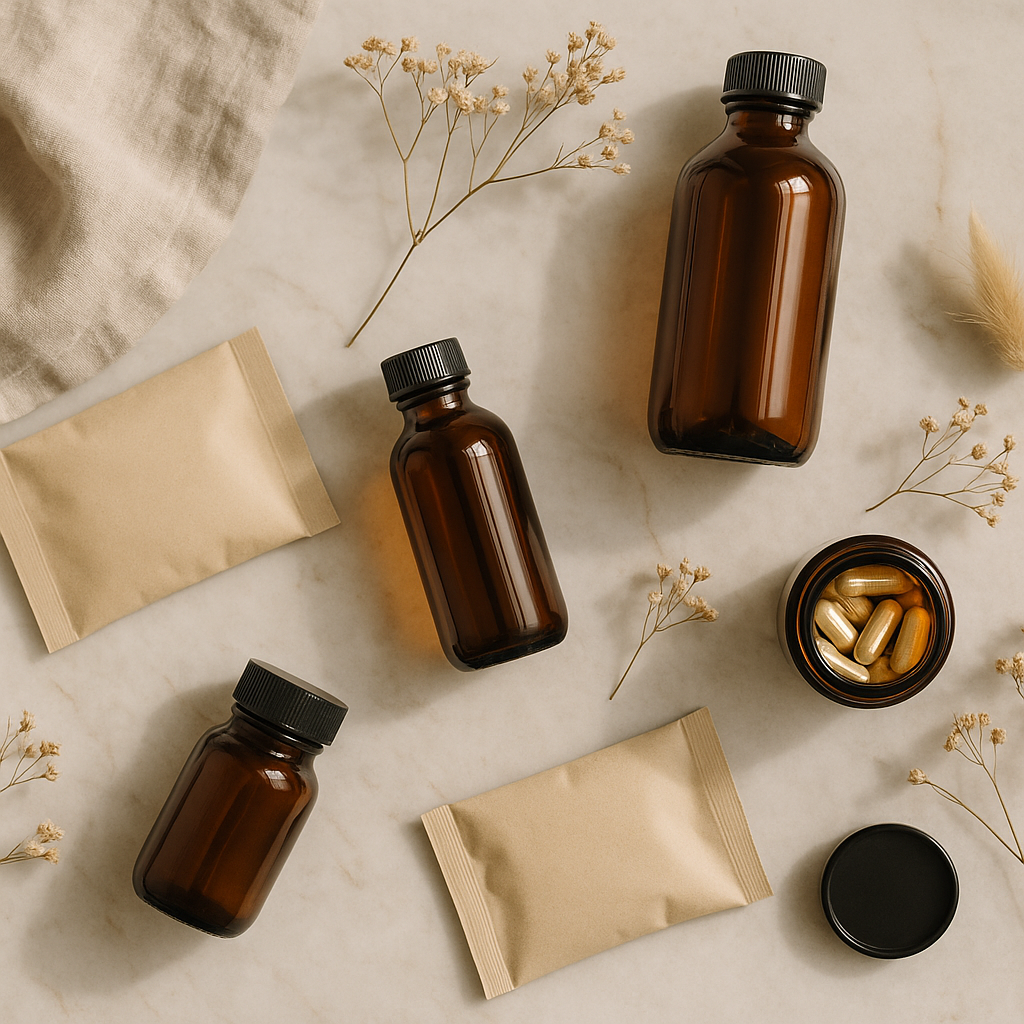
    Curated wellness supplements UK arranged on marble surface in a stylish flat-lay editorial shot
    Curated wellness supplements UK arranged on marble surface in a stylish flat-lay editorial shot

    How wellness supplements are actually regulated in the UK

    Post-Brexit, the UK operates under its own framework managed by the Food Standards Agency (FSA). Supplements here are classified as food products rather than medicines, which means manufacturers do not have to prove they work before putting them on shelves. They simply have to prove they are safe. That is a meaningful distinction. It explains why you can buy a bag of lion’s mane mushroom powder with a claim about “cognitive function” without a single clinical trial behind it, legally.

    The specific rules around health claims come from retained EU regulation, now enforced domestically. Any claim a brand makes on a supplement must appear on the FSA’s approved list of permitted nutrition and health claims. If a product says that Vitamin C “contributes to the normal function of the immune system”, that claim is approved and substantiated. If it says it will “supercharge your immunity”, that is marketing fluff with no regulatory weight behind it. Learning to spot the difference is genuinely useful. The Food Standards Agency website publishes guidance on what approved claims look like, and it is worth bookmarking.

    Reading supplement labels without getting misled

    Labels are where brands either earn trust or quietly lose it. Here is what to actually look at.

    The nutrient reference value (NRV)

    Most reputable supplements will show a percentage NRV next to each ingredient. This tells you how much of the daily recommended amount you are getting per serving. A zinc supplement at 10mg with a 100% NRV is clear and honest. One that lists “a proprietary blend” without specifying amounts? Walk away. Proprietary blends are a common way to pad a formula with small, non-effective doses of trendy ingredients while still being able to name-drop them on the front of the packet.

    Third-party testing and certifications

    Because supplements do not require pre-market approval, third-party testing is one of the few ways a brand can genuinely signal quality. Look for certifications from bodies like Informed Sport, which tests for banned substances and contaminants, or the Soil Association mark on organic products. If a brand does not mention testing anywhere on its packaging or website, that is worth noting.

    The ingredient order matters

    Ingredients are listed in descending order by weight, exactly like food. If a “turmeric and ashwagandha” supplement lists maltodextrin and rice flour before either active ingredient, you are mostly buying filler. This sounds obvious. But when packaging is beautiful and the copywriting is compelling, it is easy to skip past the small print.

    Woman reading wellness supplement UK label in a minimalist health shop, checking ingredients carefully
    Woman reading wellness supplement UK label in a minimalist health shop, checking ingredients carefully

    The ingredients getting genuine traction right now

    Not everything on UK shelves is hype. Some ingredients have solid research behind them and are genuinely worth considering, depending on what you are looking to support.

    Magnesium is one of the most legitimately useful supplements available. A significant portion of UK adults do not meet recommended intakes through diet alone, and magnesium glycinate in particular has strong evidence for supporting sleep and muscle recovery. Vitamin D remains essential for most people living in Britain, where sunlight is not exactly guaranteed for eight months of the year. The NHS itself recommends supplementing during autumn and winter.

    Adaptogens like ashwagandha have a growing body of research behind them, particularly around cortisol management and stress response. The evidence is not conclusive, but it is more substantial than most supplement categories. The key is buying from brands who use a standardised extract with a defined percentage of active compounds, rather than a generic root powder.

    Then there is the skin and joint space, where collagen has genuinely carved out a credible position. The peptide form in particular has shown real results in studies around skin elasticity and joint comfort, and good UK suppliers are now transparent about their sourcing and peptide weight.

    Red flags to watch out for on UK supplement shelves

    Some patterns repeat across low-quality products regardless of the trend cycle they are riding. Before you buy anything, run a quick mental checklist.

    Vague mechanism claims are a major one. Phrases like “detoxifying”, “balancing your hormones”, or “cleansing your blood” are not permitted health claims under UK regulation. If a brand is using them, it is either uninformed or deliberately bypassing the rules. Neither is a good sign.

    Extreme dosing is another. More is not always better, and megadosing fat-soluble vitamins like A, D, E and K can actually cause harm over time. Any product pushing dramatically above NRV without a clear clinical rationale deserves scepticism.

    Finally, the social proof problem. Influencer testimonials are not clinical evidence. A creator saying a product “changed their life” on a sponsored post is advertising, not science. It can coexist with a genuinely good product, but it tells you nothing about whether it will work for you.

    Building a supplement routine that actually makes sense

    The most effective approach is boring but it works. Start with the foundations: Vitamin D (particularly through autumn and winter), magnesium if your sleep or recovery needs support, and omega-3s if your diet is low in oily fish. These are cheap, well-researched, and genuinely useful for most people in the UK.

    From there, add targeted supplements based on actual gaps in your diet or specific goals, not because something is trending. Give anything you add a minimum of eight weeks to assess whether it is making a difference. One change at a time means you will actually know what is working.

    The wellness supplement boom is not going anywhere. Brands will keep launching new products, social feeds will keep pushing the next must-have blend, and the shelves will keep getting more crowded. But the rules for cutting through it stay the same: check the claim type, read the label properly, look for third-party testing, and always ask who is actually behind the brand. Spending £30 well is infinitely better than spending £30 fast.

    Frequently Asked Questions

    Are wellness supplements regulated in the UK?

    Yes, but as food products rather than medicines. The Food Standards Agency oversees safety standards, meaning supplements must be safe but do not need to prove they work before being sold. Any health claims made on packaging must appear on the FSA’s approved list of permitted claims.

    What does 'NRV' mean on a supplement label?

    NRV stands for Nutrient Reference Value, which is the daily recommended intake for a given nutrient. A percentage NRV on a label tells you how much of that daily amount you are getting per serving, making it easier to assess whether a dose is meaningful or token.

    How do I know if a UK supplement brand is trustworthy?

    Look for third-party testing certifications such as Informed Sport, transparent ingredient amounts rather than proprietary blends, and clear sourcing information. Brands that can not or will not share this information are a red flag.

    Which supplements are actually worth taking for most UK adults?

    Vitamin D is widely recommended, especially during autumn and winter in Britain where sunlight exposure is limited. Magnesium and omega-3 fatty acids also have strong evidence bases for general health. Beyond these, targeted supplementation depends on your individual diet and goals.

    What health claims are illegal on supplement packaging in the UK?

    Claims like ‘detoxifying’, ‘hormone balancing’, or ‘cleanses the blood’ are not permitted under UK retained food law. Only health claims on the FSA’s approved list are legal. Brands using unapproved language are either misinformed or operating outside the rules.

  • Vintage Luxury Resale: How to Authenticate, Buy and Style Pre-Loved Designer Pieces Like a Pro

    Vintage Luxury Resale: How to Authenticate, Buy and Style Pre-Loved Designer Pieces Like a Pro

    The luxury resale market is no longer a niche corner of fashion. It is a fully-fledged industry, and in the UK alone it is worth billions. Whether you are hunting for a classic Burberry trench, a nineties Vivienne Westwood corset, or a barely-worn Bottega Veneta tote, buying vintage luxury designer pieces has never been more accessible. What has changed is the level of sophistication involved. The fakes are better. The platforms are smarter. And the styling game has moved on entirely.

    This guide covers everything you need to know: how to spot authenticity before you part with serious money, which platforms are actually worth your time, and how to wear pre-loved finds in a way that feels current rather than costume.

    Stylish woman examining a pre-loved designer handbag when buying vintage luxury designer pieces in London boutique
    Stylish woman examining a pre-loved designer handbag when buying vintage luxury designer pieces in London boutique

    Why the Luxury Resale Market Is Booming Right Now

    Resale has had a serious glow-up. According to a 2025 report from ThredUp and Bain and Company, the global secondhand luxury market is projected to outpace the primary luxury market by 2027. In the UK, platforms like Vestiaire Collective and Vinted have seen explosive growth, with Vestiaire reporting that British users make up one of their largest audiences in Europe.

    The reasons are layered. There is the obvious financial one: buying a pre-owned Chanel flap bag at 60% of its original retail price makes financial sense, especially when some luxury handbags have appreciated faster than ISAs over the past decade. But there is also an identity piece here. Gen Z and millennial shoppers are increasingly drawn to pieces with history. Wearing something that has had a life feels more interesting than pulling a box-fresh item off a rail at Selfridges.

    Sustainability is part of it too, though I would be sceptical of anyone who leads entirely with that. The style angle is just as powerful. Pre-loved luxury is cool. Full stop.

    How to Authenticate Before You Buy

    This is the part people get wrong most often, and it is where real money can disappear. Buying vintage luxury designer pieces requires a different kind of due diligence than buying new. Here is what to look for.

    Check the Hardware and Stitching

    Luxury brands are obsessive about detail. Louis Vuitton, for example, always aligns its LV monogram at the seams. Chanel stitching runs at exactly ten stitches per centimetre. If something looks slightly off, trust that instinct. Counterfeiters have improved significantly, but they rarely nail the hardware weight. Real Gucci hardware feels substantial in your hand. Fakes tend to be lighter and show surface scratching far too quickly.

    Request Provenance Documentation

    Ask for original receipts, dust bags, authenticity cards, and box packaging where available. Not every authentic piece will have all of these, particularly older items. But a seller who cannot produce any supporting documentation for a piece listed at £2,000-plus should raise eyebrows. Legitimate resellers will usually be transparent about what is and is not included.

    Use Third-Party Authentication Services

    Services like Entrupy and Real Authentication use AI-powered image analysis and specialist reviewers to verify luxury goods. For higher-value pieces, paying £15-£40 for an independent authentication report is money well spent. Several UK-based authentication specialists operate in London and Manchester if you prefer a physical appointment.

    Close-up detail of authenticated vintage luxury designer pieces including monogram bag and gold hardware
    Close-up detail of authenticated vintage luxury designer pieces including monogram bag and gold hardware

    Watch the Price Point

    If it looks too good to be true, it usually is. A supposedly authentic Hermès Birkin listed at £800 is not a bargain find. It is a red flag. Understanding approximate market values for the brands you are shopping is essential before you commit to buying vintage luxury designer pieces at any significant price point. The BBC Business has covered the counterfeit luxury trade extensively, and the scale of the problem is significant enough to warrant serious caution.

    The Best Platforms for Buying Pre-Loved Designer in the UK

    Not all resale platforms are equal. Here is an honest breakdown.

    Vestiaire Collective

    Probably the gold standard for authenticated luxury resale globally. Vestiaire has its own in-house authentication team and offers buyer protection. The range is enormous, spanning ready-to-wear, bags, shoes, and jewellery. Prices reflect the platform’s reputation, so do not expect bargains, but do expect confidence.

    eBay UK

    Underrated for vintage finds when you know what you are doing. eBay has invested heavily in its Authenticity Guarantee programme for handbags, trainers, and watches sold above certain price thresholds. Search by completed listings to gauge real market value before bidding.

    Hardly Ever Worn It (HEWI)

    A London-founded platform that remains one of the most curated in the UK. The sellers tend to be private individuals with genuine wardrobes rather than commercial resellers, which often means better provenance stories and more interesting pieces.

    Depop and Vinted

    Better suited to contemporary streetwear and mid-range designer pieces than true luxury. Useful for finding vintage Ralph Lauren, Prada Sport from the early 2000s, or Y2K-era pieces, but exercise more caution here since authentication is largely absent.

    How to Style Vintage Designer Pieces for a Contemporary Look

    Buying vintage luxury designer pieces is one thing. Wearing them with genuine confidence and a modern eye is another. The trap people fall into is treating a vintage piece as a precious museum object, styling an entire outfit around it as if it needs to be protected. The better approach is to integrate it into your existing wardrobe as if it simply belongs there.

    A nineties Prada nylon bag pairs effortlessly with a tailored suit and clean white trainers, grounding the look without trying too hard. A vintage Issey Miyake pleat piece worn over a simple ribbed vest and straight-leg trousers signals knowledge of fashion history without being theatrical about it. The key is contrast: let the vintage piece provide the visual weight and let everything else breathe.

    Proportion matters more than era-matching. Mixing a structured vintage blazer with fluid wide-leg trousers works because the silhouette is balanced. Trying to reconstruct a full look from a single decade reads as costume rather than style. Trust your instincts about what feels wearable in your actual life, not what looks good in a flat-lay photograph.

    Colour is also worth considering. A lot of vintage luxury sits in neutral, timeless palettes: camel, black, chocolate, ivory. These drop into any wardrobe with almost zero friction, which is part of why heritage pieces have staying power. Where you find bold colour or pattern in a vintage find, commit to it. Let it lead.

    What to Avoid When Shopping the Resale Market

    Skip any platform that does not offer a clear returns policy. Walk away from sellers with no transaction history or reviews. Be especially cautious with social media sellers operating outside established platforms, where buyer protection is essentially non-existent.

    Also resist the urge to buy purely because something is cheap. A damaged bag at 80% off is still a damaged bag. Restoration for luxury leather goods in the UK can run to several hundred pounds, and some damage simply cannot be undone. Be selective. One piece you genuinely love and will wear consistently is worth far more than a rail of impulsive buys that never leave the wardrobe.

    Buying vintage luxury designer pieces well takes a bit of patience and knowledge, but both are easily acquired. The market rewards people who do the work. And the payoff, both financially and aesthetically, is genuinely hard to beat.

    Frequently Asked Questions

    How do I know if a vintage luxury designer piece is authentic?

    Check stitching quality, hardware weight, serial numbers, and monogram alignment, as authentic luxury goods have obsessive consistency in these details. For high-value items, use a third-party authentication service such as Entrupy or a specialist UK authenticator before purchasing.

    Which platforms are best for buying vintage luxury designer pieces in the UK?

    Vestiaire Collective and Hardly Ever Worn It are among the most trusted UK-accessible platforms for authenticated luxury resale. eBay UK also offers an Authenticity Guarantee programme on selected categories including handbags and watches above certain price thresholds.

    Is buying pre-loved luxury worth it financially?

    For many iconic pieces, yes. Certain Chanel, Hermès, and Louis Vuitton bags have appreciated significantly over the past decade, sometimes outperforming traditional investments. Even for everyday wear, buying at resale price means reduced financial risk compared to retail.

    How do I style vintage designer pieces without looking like I am wearing a costume?

    Mix vintage statement pieces with simple, contemporary basics and let proportion guide the outfit rather than trying to recreate a whole era-specific look. Contrast structured vintage pieces with relaxed modern cuts for a result that feels intentional rather than theatrical.

    What should I avoid when shopping the luxury resale market?

    Avoid platforms or sellers with no buyer protection, no returns policy, or no transaction history. Be wary of prices that seem dramatically below market value, as these are often indicators of counterfeits. Also factor in potential restoration costs before committing to damaged pieces.

  • The Wellness Travel Boom: The World’s Most Transformative Retreat Destinations You Need in 2026

    The Wellness Travel Boom: The World’s Most Transformative Retreat Destinations You Need in 2026

    Something shifted. People stopped booking holidays purely for Instagram backdrops and started booking them for something harder to photograph: genuine transformation. The wellness travel retreats 2026 has produced are a different beast entirely from the candlelit spa breaks of a decade ago. These are full immersions, places where you hand over your phone, your schedule, and occasionally your comfort zone, and come back fundamentally changed. According to the BBC Travel desk, wellness-focused tourism has become one of the fastest-growing travel segments globally, and British travellers are leading the charge.

    Whether you’re chasing deep rest, a nervous system reset, or simply a week where nobody needs anything from you, the options right now are staggering. Here’s where to go if you’re serious about it.

    Misty Japanese forest setting for wellness travel retreats 2026 experience
    Misty Japanese forest setting for wellness travel retreats 2026 experience

    Forest Bathing in Japan: The Original Digital Detox

    Japan has been practising shinrin-yoku, forest bathing, since the 1980s, but the rest of the world is only just catching up. The concept is beautifully straightforward: slow down, walk through ancient woodland, breathe deeply, and let the trees do the work. The science backs it. Research consistently links time in forest environments to lower cortisol, reduced blood pressure, and improved immune function.

    The best retreats for this are anchored in the Yoshino-Kumano region or the forests of Hokkaido. Dedicated forest therapy guides walk you through deliberate sensory exercises; this is not hiking. You’re not covering ground. You’re dissolving into it. Prices at dedicated retreat centres typically start around £2,800 for a five-night programme, inclusive of accommodation and guided sessions. For anyone carrying burnout from a relentless work culture, this is arguably the most efficient reset money can buy in 2026.

    Thermal Spa Retreats in Iceland: Heat, Cold, Silence

    Iceland has capitalised hard on its geothermal heritage, and the results are genuinely spectacular. The Sky Lagoon outside Reykjavik has become a cultural landmark, but the more immersive wellness experiences sit further afield. Retreat programmes in the Westfjords combine geothermal pools, guided cold-water exposure, and near-total silence in one of Europe’s last truly wild landscapes.

    The thermal contrast therapy trend, alternating between hot geothermal pools and cold plunges, is one of the dominant threads running through wellness travel retreats 2026. It’s not just fashionable; the physiological effects on circulation, inflammation, and mood regulation are well-documented. Iceland does it better than anywhere else because the water comes straight from the earth and the cold comes straight from the Arctic. Five-night packages including accommodation in a converted farmhouse typically run between £3,200 and £4,500 depending on season, with spring and early autumn offering the best balance of price and daylight.

    Geothermal pool detail shot representing wellness travel retreats 2026 thermal experiences
    Geothermal pool detail shot representing wellness travel retreats 2026 thermal experiences

    Ayurvedic Retreats in Sri Lanka: Ancient Medicine, Modern Delivery

    Sri Lanka has quietly become the go-to destination for authentic Ayurvedic retreats that don’t feel like a performance. The western coast, particularly around Ahangama and Galle, hosts a cluster of serious wellness centres where practitioners have trained for decades and programmes are built around individual constitution assessments rather than generic group itineraries.

    A proper Panchakarma programme, the deep detoxification process at the heart of Ayurveda, typically runs over 14 to 21 days. Expect herbal oil treatments, dietary protocols, and sleep schedules that would make most Londoners visibly anxious on day one and profoundly calm by day ten. The pricing is genuinely accessible by international wellness standards, with comprehensive 14-night programmes starting around £2,000 all-inclusive. Sri Lanka sits in a different league to the watered-down Ayurvedic offerings that have spread across European spas.

    Digital Detox Escapes in Scotland: Closer Than You Think

    Not everyone wants to fly twelve hours to find stillness. Scotland’s northwest Highlands and the islands of Orkney and Skye host some of Europe’s most compelling digital detox retreats, and for British travellers, the logistics are refreshingly simple. Several retreat centres in the Cairngorms National Park now run structured technology-free programmes combining breathwork, wild swimming, nature immersion, and group therapy.

    The appeal for UK travellers is obvious. A long weekend in Perthshire costs a fraction of a transatlantic programme and can deliver a surprisingly thorough reset. More intensive week-long retreats in the Outer Hebrides, where signal is naturally limited and the landscape enforces a kind of mandatory presence, have seen booking demand increase sharply. Prices for structured wellness programmes in Scotland typically range from £800 to £2,500 for five nights, making them a highly accessible entry point into the broader world of wellness travel retreats 2026.

    Sound Healing and Silence Retreats in Portugal’s Alentejo Region

    Portugal has evolved well beyond surf holidays. The Alentejo, that vast, cork-forested interior plateau, has become a serious destination for silence-focused and sound healing retreats. The landscape itself does half the work; rolling hills, golden light, near-zero light pollution, and a pace of life that feels genuinely pre-digital.

    Retreat centres in and around Évora offer structured silent retreat programmes rooted in Vipassana traditions alongside newer modalities like sound bath therapy using Tibetan singing bowls, gong baths, and frequency-based group sessions. The combination of Portuguese sun, extraordinary local food, and structured inner work makes Alentejo retreats some of the most talked-about in the wellness travel community right now. A week-long programme with full board typically sits between £1,600 and £2,800.

    What to Look for When Booking a Wellness Retreat in 2026

    The wellness retreat market is genuinely unregulated, which means quality varies enormously. Before booking anything, check the credentials of the lead practitioners, read unsponsored reviews, and be sceptical of retreats that cannot clearly articulate the training backgrounds of their staff. A well-designed retreat programme will have a clear structure, defined intake protocols, and aftercare guidance. The best ones treat the experience as the beginning of a shift, not the entirety of it.

    Budget honestly. The retreats worth attending are rarely the cheapest option. Factor in flights, travel insurance, and any pre-retreat preparation your programme recommends. And pack light; the aesthetic of wellness travel in 2026 leans into natural fabrics, minimal layering, and footwear that actually works for the terrain you’re heading into. Comfort and considered style are entirely compatible here.

    The wellness travel retreats 2026 has brought to the fore share one common thread: they ask something of you. The transformative ones aren’t passive. They’re worth every bit of the investment.

    Frequently Asked Questions

    How much do wellness travel retreats cost in 2026?

    Prices vary widely depending on location and duration. UK-based retreats in Scotland can start from around £800 for five nights, whilst international programmes in Japan or Iceland typically range from £2,800 to £4,500. Always check what’s included before comparing prices.

    What is the difference between a wellness retreat and a spa holiday?

    A spa holiday is primarily passive relaxation, whereas a wellness retreat is structured around transformation, often involving therapeutic programmes, dietary protocols, guided practices, or therapeutic treatments with qualified practitioners. Retreats typically require active participation and commitment over several days.

    Are wellness retreats worth the money?

    For many people, yes. Research into practices like forest bathing, thermal contrast therapy, and meditation consistently shows measurable benefits to stress hormones, sleep quality, and mental wellbeing. The key is choosing a reputable retreat with qualified practitioners rather than booking purely on aesthetics.

    What should I pack for a wellness retreat abroad?

    Pack lightweight, breathable natural fabrics, comfortable footwear suitable for the terrain, and minimal tech. Many retreats recommend or require phone-free periods, so arrive prepared mentally. Check with your specific retreat for any programme-specific requirements like white clothing or specific dietary supplements.

    Which countries are best for wellness retreats in 2026?

    Japan, Iceland, Sri Lanka, Portugal, and Scotland are among the top destinations for wellness travel retreats in 2026. Each offers a distinct modality, from Japanese forest bathing to Icelandic thermal therapy and Scottish digital detox programmes, so the best choice depends on what kind of reset you’re seeking.