

Wellness tourism is no longer a niche pursuit for yoga enthusiasts or people recovering from burnout. It has become one of the fastest-growing sectors in global travel, with UK holidaymakers leading the charge. According to the VisitBritain research network, outbound wellness travel from the UK has risen sharply since 2023, with demand for retreat-style breaks now outpacing conventional resort bookings in several categories. If you have been considering swapping your all-inclusive for something that actually leaves you feeling transformed, 2026 is the year to do it.
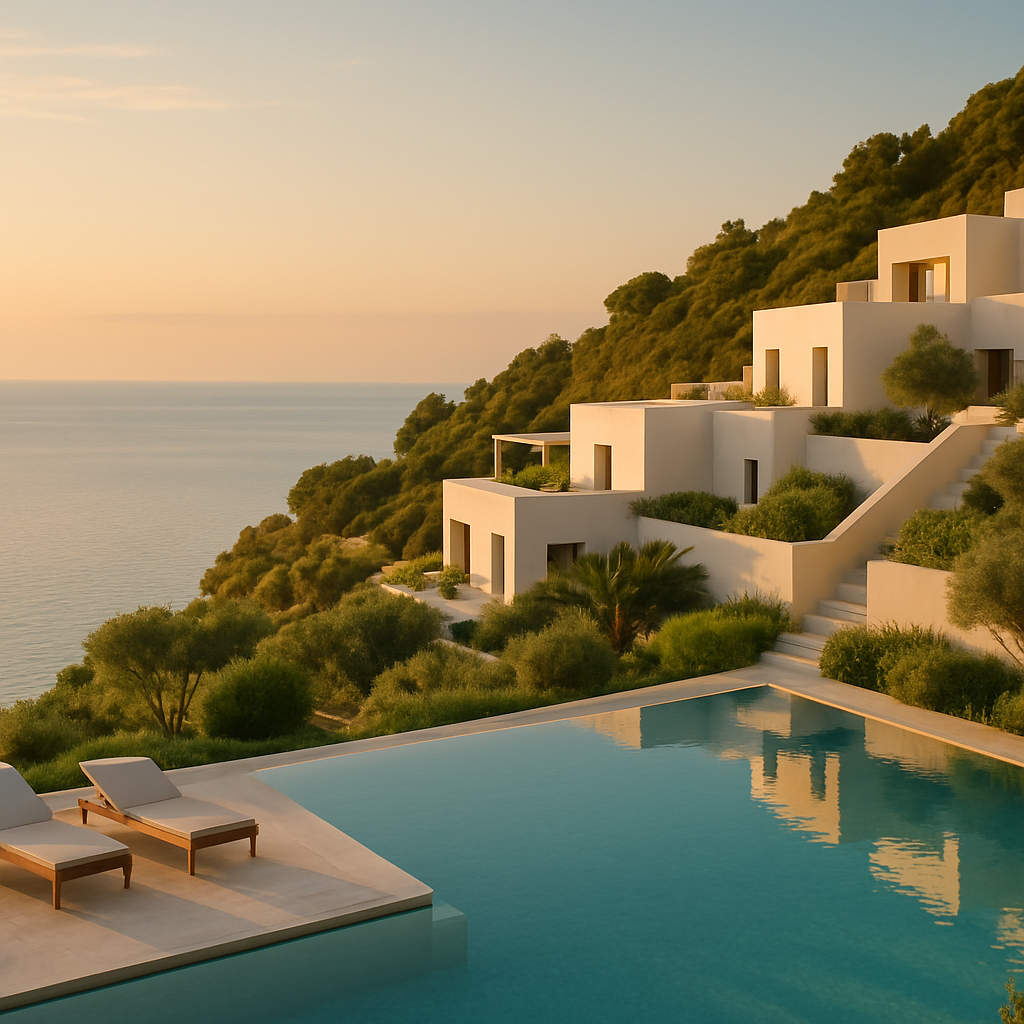
Why Wellness Tourism Destinations 2026 Are Different From What Came Before
The shift is real. Five years ago, a wellness holiday meant a hotel with a decent spa tacked on. Now the best wellness tourism destinations 2026 is producing are genuinely immersive experiences built around sleep science, gut health, movement, mental clarity, and emotional reset. Think multi-week programmes at altitude retreats in Bhutan, longevity clinics in Sardinia, or silent forest bathing lodges in the Scottish Highlands. These are not passive holidays. They are active investments in how you feel, function, and look.
The market has also matured in terms of what it delivers. Serious destinations now offer blood biomarker testing on arrival, personalised nutrition plans, and measurable outcomes by departure. The wellness industry globally is worth over £4 trillion, and the travel segment is one of its most dynamic corners. For UK travellers, the sweet spot sits between accessibility and impact, destinations you can reach within a manageable flight whilst still feeling genuinely removed from the noise of daily life.
The Most Coveted Retreat Destinations Right Now
Amanjiwo, Central Java, Indonesia
This is as close to a sacred wellness experience as travel gets. Perched above the Borobudur temple complex, Amanjiwo has long been considered one of the world’s most atmospheric retreats. In 2026 they have expanded their Javanese healing programme to include week-long immersions combining jamu herbal medicine, traditional massage, and guided meditation at dawn among ancient stone. It costs. But people who go tend not to compare it to anything else because nothing quite compares.
SHA Wellness Clinic, Alicante, Spain
For those who want clinical results wrapped in five-star comfort, SHA remains the benchmark in Europe. Just over two hours from most UK airports, it sits above the Mediterranean and combines macrobiotic nutrition, advanced diagnostics, and aesthetic medicine under one roof. It is the kind of place where your GP might actually be impressed by what you bring home. SHA runs programmes from three nights to three weeks, and the personalisation is genuinely impressive.
Kamalaya, Koh Samui, Thailand
If Southeast Asia is calling, Kamalaya consistently ranks among the top wellness resorts on the planet for good reason. Built around a monk’s cave on the island’s southern coast, it offers programmes specifically targeting stress and burnout, which, let’s be honest, describes most of us. The sleep enhancement programme in particular has developed a cult following amongst London professionals who arrive barely functioning and leave sleeping properly for the first time in years.
Lanserhof Tegernsee, Bavaria, Germany
Three hours from London by air, Lanserhof is possibly the most medically rigorous wellness destination on this list. It draws on LANS Med Concept methodology, blending diagnostics and detox with regenerative medicine. The aesthetic is austere in the best possible way, clean lines, mountain air, and a programme that systematically addresses everything from gut microbiome to cardiovascular function. This is not spa fluff. It is serious, and it shows in the results.
The Scottish Highlands: A Domestic Dark Horse
Do not sleep on what is happening closer to home. The Highlands have quietly become a legitimate wellness destination, particularly for digital detox experiences. Properties like Gleneagles and smaller boutique retreats near Inverness are offering structured programmes around cold water immersion, forest therapy, and breathwork against some of the most dramatic landscape in Europe. No long-haul flight, no jet lag, and the kind of raw natural environment that genuinely recalibrates the nervous system.
What to Pack for a Wellness Retreat
Packing for a wellness trip requires a different mindset from your average city break. You are there to restore, not perform. Keep it minimal and intentional.
- Lightweight layers: retreats often involve early morning sessions outdoors, and temperatures can vary significantly
- Quality activewear in neutral tones: the aesthetic matters, and most retreat environments reward understated choices
- A physical journal: screens are often discouraged or outright banned during digital detox programmes
- Your own supplements if you follow a specific protocol: retreats will have their own, but having your usual stack avoids any disruption
- Comfortable footwear for walking: think lightweight trail shoes or supportive sandals rather than trainers
- A cashmere or merino layer: evenings at altitude or in cooler climates call for something genuinely warm and breathable
Resist the urge to overpack. Retreats encourage you to shed, not accumulate. One well-considered bag is the right call.
What to Actually Expect When You Arrive
First-timers often underestimate the adjustment period. The first day or two at a serious wellness destination can feel uncomfortable. You might sleep more than expected, feel irritable as you come off caffeine, or find the silence disorienting. This is normal. It is part of the process. By day three, most guests report a noticeable shift in energy and mood.
The structure varies by destination, but most serious retreats will include a consultation on arrival, a tailored daily schedule, and some form of nutritional programme. Meals at the top wellness tourism destinations 2026 is producing are not punishment food. They are genuinely some of the most flavourful, considered cooking you will encounter anywhere.
Is Wellness Tourism Worth the Investment?
Bluntly: yes, if you choose wisely. A week at a serious wellness retreat can cost anywhere from £2,500 to £15,000 or more depending on the destination and programme. That is significant money. But the calculation changes when you consider what you are buying: measurable improvements in sleep quality, inflammation markers, stress hormones, and body composition, alongside the mental reset that comes from genuine disconnection. Many UK guests report that the effects last months rather than days, which puts the cost-per-impact in a very different light compared to a standard fortnight in the sun.
The best wellness tourism destinations 2026 has on offer are not selling escapism. They are selling functionality. They want you to leave better than you arrived, in a measurable, lasting way. That is a fundamentally different proposition from a beach holiday, and for a growing number of British travellers, it is the only kind of break that actually counts.
Whether you book a long-haul immersive programme or a long weekend in the Highlands, the point is the same: prioritise yourself properly. The world has got louder and faster. The smart move is to find somewhere quiet enough to actually hear yourself think.
Frequently Asked Questions
What are the best wellness tourism destinations for UK travellers in 2026?
Top picks for UK travellers include SHA Wellness Clinic in Spain (easy flight, strong clinical results), Lanserhof Tegernsee in Germany (medically rigorous), Kamalaya in Thailand (stress and burnout specialists), and closer to home, boutique Highland retreats in Scotland for digital detox experiences. The right choice depends on your specific goals, budget, and how far you want to travel.
How much does a luxury wellness retreat cost from the UK?
Costs vary enormously. Entry-level domestic retreats in the UK can start from around £500 to £1,000 for a weekend. European destinations like SHA or Lanserhof typically range from £3,000 to £10,000 per week inclusive of accommodation, meals, and treatments. Long-haul destinations such as Kamalaya or Amanjiwo can reach £5,000 to £15,000 or more for a week-long immersive programme.
What is included in a wellness tourism retreat programme?
Most serious retreats include accommodation, all meals (typically nutritionally tailored), a personal consultation on arrival, a structured daily schedule of treatments and activities, and access to facilities such as pools, saunas, and movement studios. Higher-end destinations also include diagnostics like blood tests, body composition analysis, and one-to-one sessions with doctors or therapists.
What should I pack for a wellness or spa retreat holiday?
Pack light and functional. Prioritise quality activewear, comfortable walking shoes, a physical journal, any personal supplements you rely on, and a warm layer for cooler mornings or evenings. Avoid overpacking as most retreats encourage simplicity, and many provide robes, slippers, and basic toiletries. Check your specific retreat’s packing list before you go as some have restrictions on electronics or certain products.
Is wellness tourism different from a regular spa holiday?
Yes, significantly. A standard spa holiday typically involves relaxation treatments layered onto a conventional resort stay. Wellness tourism destinations in 2026 go much further: they offer structured programmes with measurable health outcomes, personalised nutrition, diagnostic testing, and therapeutic approaches rooted in both traditional and modern medicine. The goal is lasting change rather than temporary relaxation.
Leave a Reply