Author Profile

  • The World’s Most Sought-After Wellness Retreats to Visit in 2026

    The World’s Most Sought-After Wellness Retreats to Visit in 2026

    Wellness travel is no longer a niche pursuit for people going through a mid-life crisis. It has become one of the most dominant forces in global tourism, and in 2026 the standards are higher than ever. People are not just booking spa weekends anymore. They want immersive, transformative experiences that reset the body, sharpen the mind, and genuinely change how they feel. Whether you have a fortnight to spare or just a long weekend, these wellness retreats are the ones cutting through the noise this year.

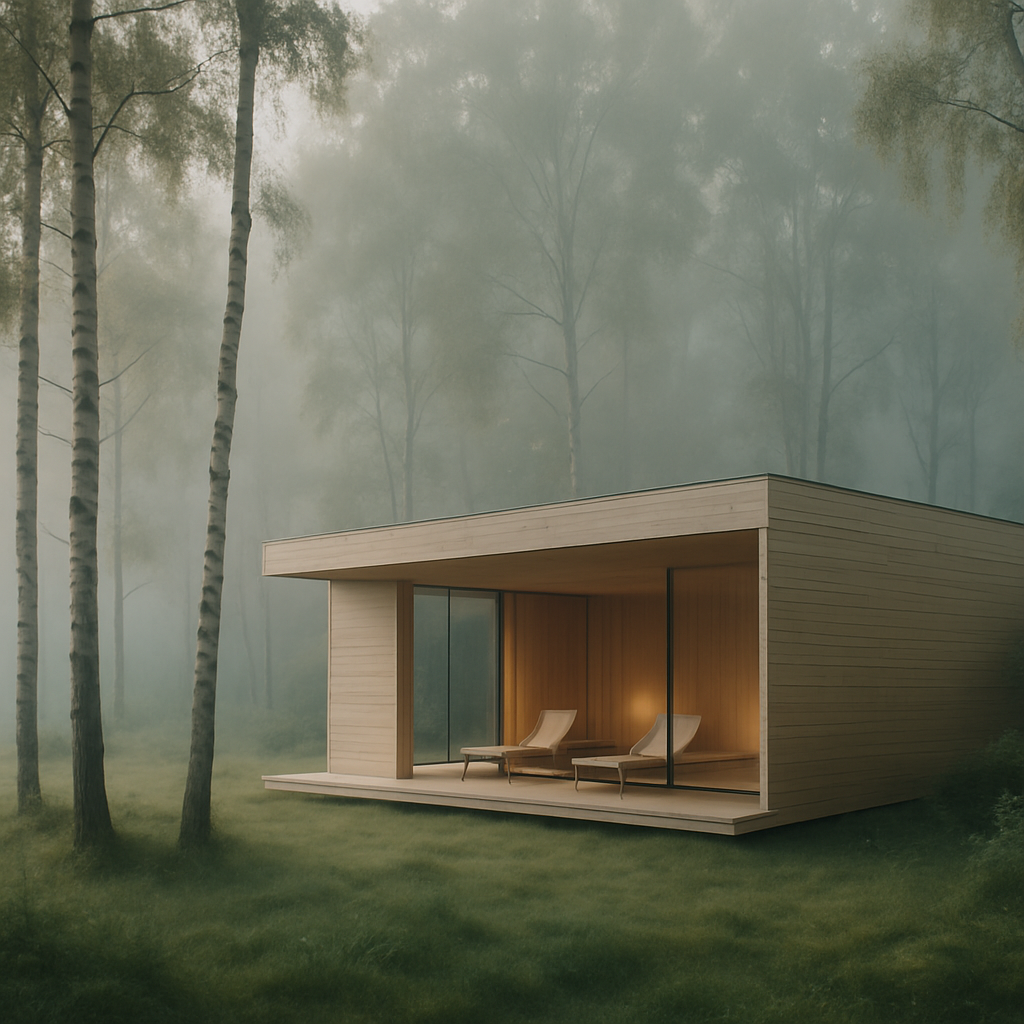
    Scandinavian forest wellness retreat pavilion at dawn, one of the top wellness retreats 2026
    Scandinavian forest wellness retreat pavilion at dawn, one of the top wellness retreats 2026

    Why Wellness Retreats in 2026 Are Different

    The post-pandemic pivot towards intentional travel has matured into something far more sophisticated. UK travellers in particular, according to data from the VisitBritain research team, are increasingly prioritising wellbeing as a primary reason to travel rather than a secondary bonus. That means proper sleep programmes, nutrition that actually makes sense, movement that feels joyful rather than punishing, and time completely offline. The best wellness retreats in 2026 deliver all of that without feeling clinical or po-faced about it.

    Scandinavia: The Digital Detox Capital of the World

    If switching off is the goal, Scandinavia delivers it better than anywhere else on the planet. Norway and Sweden in particular have leaned hard into the concept of forest bathing, cold water immersion, and genuine disconnection. Resorts like Juvet Landscape Hotel in Norway (yes, the one from Ex Machina) sit inside landscapes so wild and quiet that your nervous system physically adjusts within 48 hours. No phone signal. No agenda. Just birchwood saunas, glacial plunge pools, and meals built around foraged ingredients. It sounds extreme, but returning guests consistently say it is the most restorative thing they have ever done. Prices start around £350 per night, which is steep but comparable to what you would spend on a mediocre city break with worse results.

    Ayurvedic Escapes in Southeast Asia

    Sri Lanka and Kerala in South India remain the gold standard for Ayurvedic wellness retreats in 2026. This is ancient medicine done properly, not watered-down spa treatments with a few drops of sesame oil. The best resorts pair constitutional assessments with personalised treatment plans covering diet, herbal medicine, yoga, and daily massage therapies that target specific imbalances. Shreyas Retreat outside Bengaluru and Ananda in the Himalayas are both exceptional, but for Sri Lanka, Santani Wellness Resort is genuinely stunning. Nestled in the Kandy hills, it combines precise Ayurvedic protocols with architecture that feels like it belongs in a design magazine. Many guests also use the stay as an opportunity to support a broader internal reset, alongside practices like a parasite cleanse, as part of a more holistic approach to gut health before their arrival.

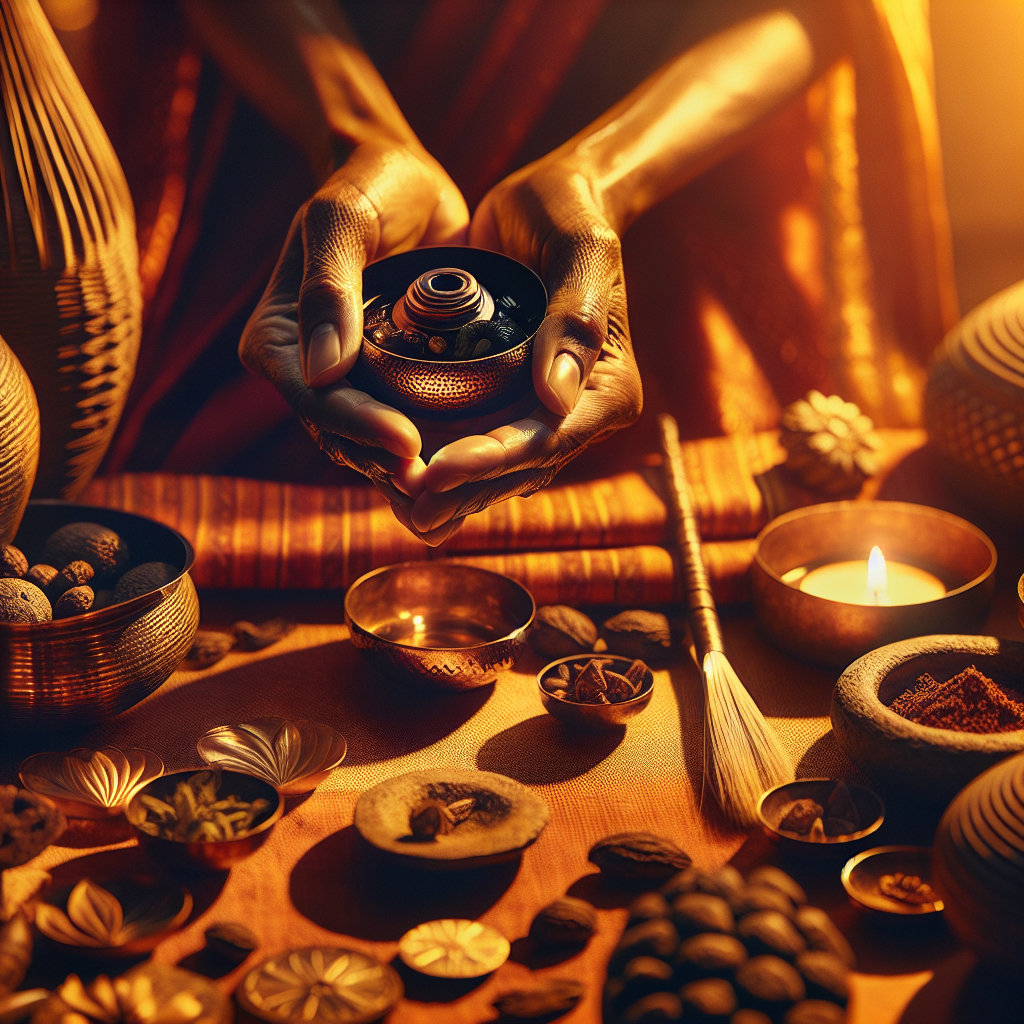
    Ayurvedic herbal oil treatment at a wellness retreat, detail shot of wellness retreats 2026
    Ayurvedic herbal oil treatment at a wellness retreat, detail shot of wellness retreats 2026

    Japan: The Country That Invented Rest

    Onsen culture in Japan is centuries old, but the country’s wellness retreats in 2026 have evolved into something much more layered. Ryokan-style stays in Hakone or Kinosaki Onsen offer mineral-rich thermal baths, multi-course kaiseki meals, and a philosophical approach to rest that the West is only beginning to understand. The Japanese concept of ma, the art of meaningful pause, runs through everything. You are not just ticking off treatments. You are being shown how to be still. For UK travellers, flights from London Heathrow with Japan Airlines or ANA are well established, and the favourable exchange rate with the yen makes this one of the better-value long-haul wellness destinations right now.

    Portugal: Europe’s Wellness Retreat Heavyweight

    Do not sleep on Europe. Portugal has quietly built one of the most compelling wellness travel scenes on the continent, and in 2026 it is firmly on the radar for anyone who wants serious results without a 12-hour flight. The Alentejo region is particularly special. Six Senses Douro Valley combines biodynamic wine, forest walks, sleep programmes developed with neuroscientists, and integrative medicine consultations. The Alto Alentejo also has smaller, independent retreats that feel more personal. Bom Sucesso Wellness Resort near Óbidos is worth mentioning too. Portugal is a three-hour flight from most UK airports and significantly cheaper than comparable experiences in Bali or the Maldives.

    Bali: Still the Benchmark

    Ubud remains the spiritual and practical centre of wellness travel in Southeast Asia, and it has not lost its edge despite being discovered by everyone. The retreats that have survived the influencer wave are genuinely serious operations. COMO Shambhala Estate offers one of the most comprehensive wellness programmes in the world, combining nutritional therapy, physiotherapy, meditation, and personalised fitness plans in a setting that looks almost absurdly beautiful. For something smaller and more intimate, Fivelements Retreat Bali focuses on plant-based cuisine, sound healing, and Balinese spiritual traditions in a way that feels authentic rather than commodified. Return flights from London currently hover around £650 to £900, making it accessible for most people with a bit of forward planning.

    What to Look For When Booking Wellness Retreats

    Not all wellness retreats in 2026 are created equal, and the market has enough mediocre options to waste serious money on. Here is the blunt truth: look for retreats that have qualified practitioners on site, not just aesthetically pleasing brochures. Ask whether the nutritionists and therapists hold recognised credentials. Check whether the programme is personalised or one-size-fits-all. Read reviews from people who went for genuine health reasons, not just those looking for a photogenic holiday. And be honest about what you actually need, whether that is sleep restoration, gut health, stress management, or simply time away from a screen. The best wellness retreats build the programme around you, not the other way round.

    The Takeaway

    Wellness travel in 2026 is one of the smartest investments you can make in yourself, provided you choose wisely. The destinations above represent the real leaders: places where the experience is led by results, not aesthetics. Whether you are drawn to the silent forests of Scandinavia, the ancient rhythms of Ayurveda, or the thermal springs of rural Portugal, the common thread is intentionality. You leave feeling genuinely different, not just rested. That is the standard worth paying for.

    Frequently Asked Questions

    What are the best wellness retreats in Europe in 2026?

    Portugal is arguably Europe’s strongest option, with Six Senses Douro Valley and various Alentejo retreats leading the way. Spain, Austria, and Switzerland also have strong offerings, particularly for Alpine spa and detox programmes. The advantage of staying in Europe is shorter travel time and lower cost compared to long-haul alternatives.

    How much does a wellness retreat typically cost for UK travellers?

    Costs vary enormously. European retreats can start from around £200 to £400 per night, whilst luxury destinations in Bali, Sri Lanka, or Japan typically range from £400 to over £1,000 per night. Many retreats offer package deals that include treatments, meals, and accommodation, which often represent better value than booking separately.

    How long should you stay at a wellness retreat to see real results?

    Most practitioners recommend a minimum of five to seven nights for meaningful physical and mental change. Shorter stays can feel restorative but rarely allow time for deeper programme work such as Ayurvedic treatments, nutritional recalibration, or sleep therapy. A fortnight is considered the ideal duration for lasting impact.

    Are wellness retreats worth it compared to just booking a spa hotel?

    A spa hotel offers pampering; a wellness retreat offers a structured programme with qualified practitioners targeting specific health goals. If you want relaxation, a spa hotel is fine. If you want genuine shifts in energy, gut health, sleep quality, or stress levels, a proper wellness retreat with a clinical or holistic framework is the better choice.

    What should I do to prepare for a wellness retreat before I go?

    Most retreat advisors recommend reducing alcohol, caffeine, and processed food in the fortnight before arrival to allow the programme to work more effectively. Some guests also focus on digestive health in the weeks leading up to their stay. Packing light, setting an out-of-office, and mentally committing to the process makes a significant difference to outcomes.

  • The Art of Dressing for Destination Dining: What to Wear at the World’s Most Iconic Restaurants

    The Art of Dressing for Destination Dining: What to Wear at the World’s Most Iconic Restaurants

    There is nothing worse than arriving at one of the world’s most talked-about restaurants and feeling underdressed. Or overdressed. Both happen more than people admit, and both are avoidable. Knowing what to wear destination dining is not about following a rigid rulebook; it is about reading the room before you even land on the tarmac. The setting, the culture, the cuisine and the clientele all send signals. You just need to know how to decode them.

    Destination dining has become a genuine travel motivation in itself. People book trips around reservations. They plan wardrobes the way they plan itineraries. And they should, because the experience starts the moment you walk through the door, and your outfit is the first impression you make in a room full of people who take this seriously.

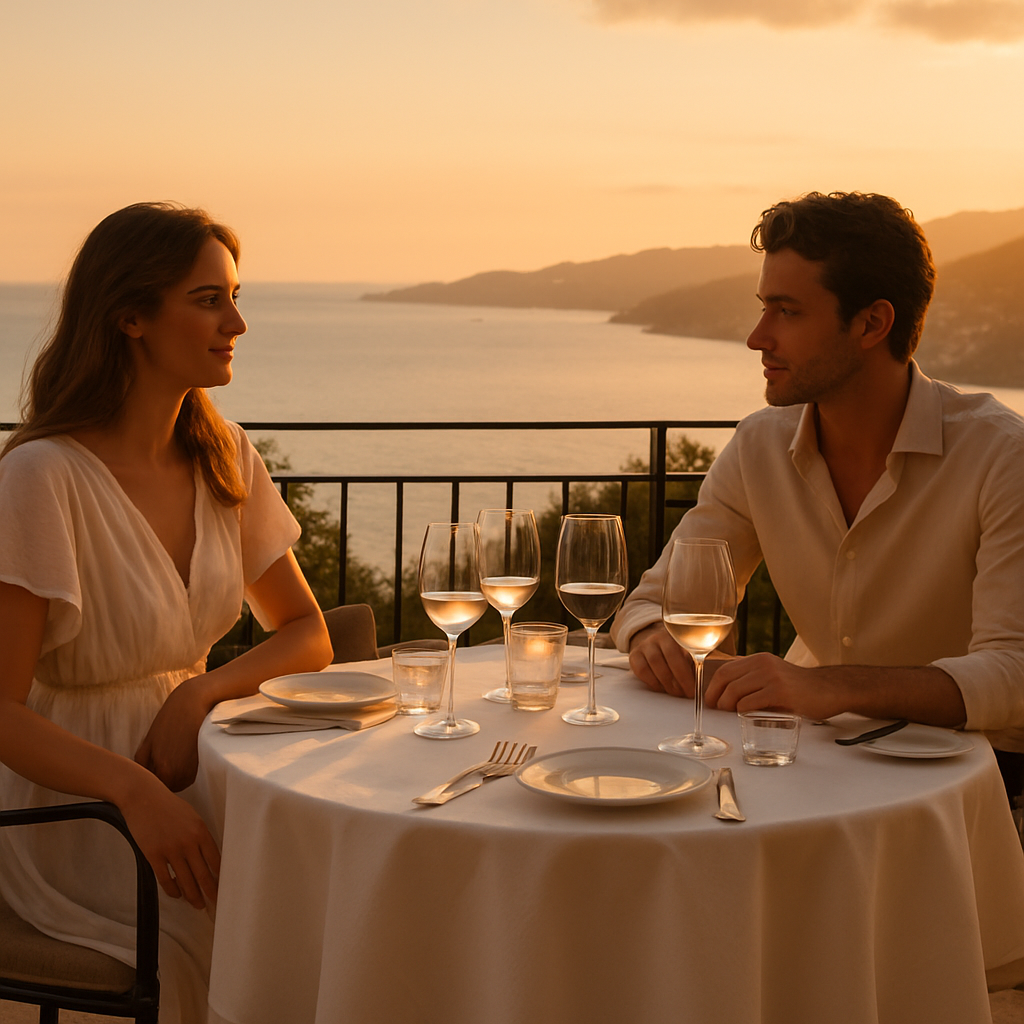
    A stylishly dressed couple enjoying what to wear destination dining at a Mediterranean seafront restaurant at sunset
    A stylishly dressed couple enjoying what to wear destination dining at a Mediterranean seafront restaurant at sunset

    Tokyo Omakase: The Case for Understated Precision

    Tokyo’s omakase scene is one of the most demanding dress environments in global dining. These intimate, counter-led restaurants seat between six and twelve people, often in complete silence as the chef works. The aesthetic is restrained, considered and deeply intentional. Your outfit needs to match that energy.

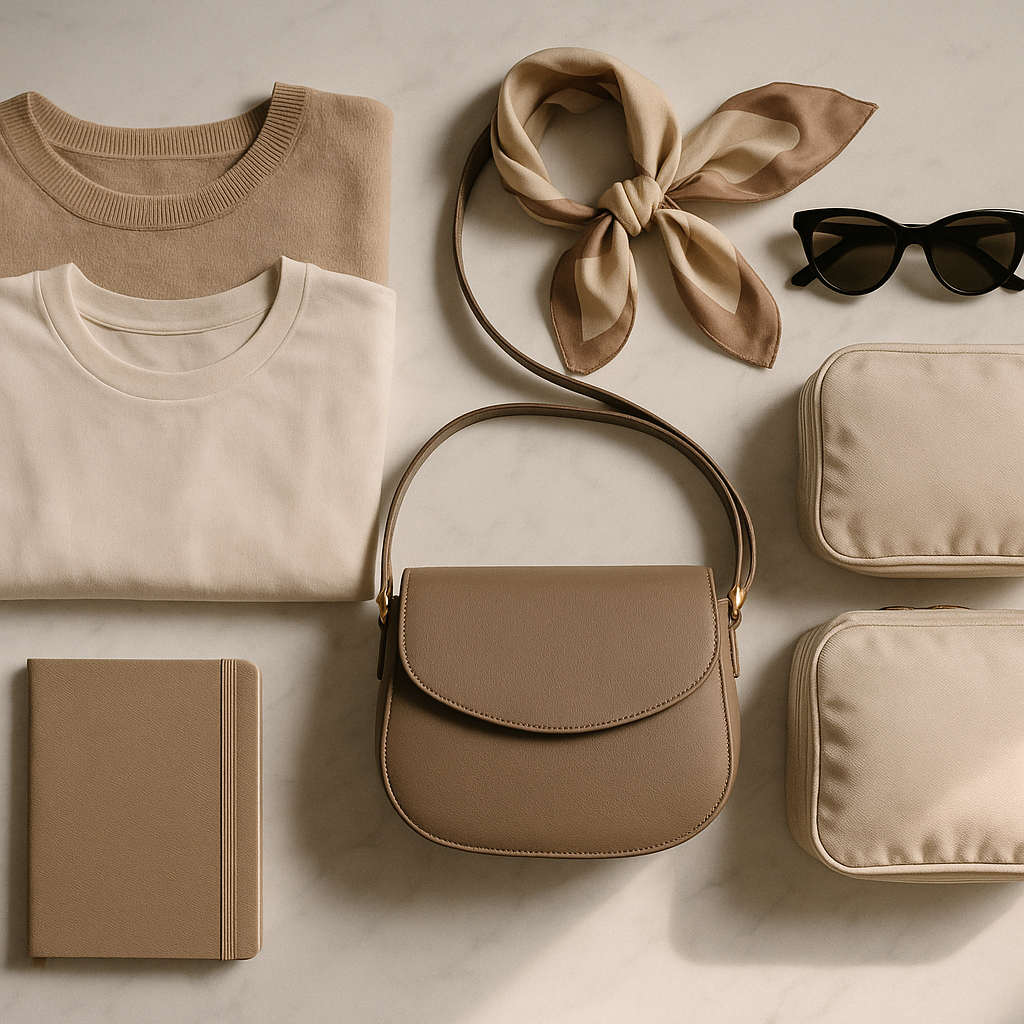
    Go for clean tailoring in muted tones. A well-cut pair of dark trousers with a fitted shirt or a simple high-neck top in cream, stone or charcoal works beautifully. Women often favour a minimal wrap dress or structured separates in a single colour. Avoid loud prints, heavy perfume and anything with embellishment. The Japanese aesthetic is about precision and calm, so your clothes should whisper rather than shout. Footwear should be clean and minimal. Slip-on leather loafers or simple pointed flats are a reliable call. Trainers, even expensive ones, read as too casual at the upper tier of Tokyo dining.

    Paris Bistros and Fine Dining: Effortless, Not Obvious

    Paris is deceptive. The city appears casual but has an unspoken dress standard that is actually quite exacting. The goal at a Parisian bistro or Michelin-starred address is to look like you simply threw something on, even if you spent forty minutes choosing it. That paradox is the whole game.

    At a neighbourhood bistro, dark straight-leg jeans with a good quality knit and leather shoes or ankle boots is essentially the uniform. At elevated addresses like Septime or Le Clarence, step it up slightly. A blazer over a simple tee, well-fitted trousers and clean footwear. Women can opt for a relaxed silk blouse tucked into tailored trousers, or a simple midi dress with minimal accessories. The French edit ruthlessly. One statement piece, whether that is a great bag, an interesting earring or a beautifully cut coat, is enough. More than that and it reads as trying too hard.

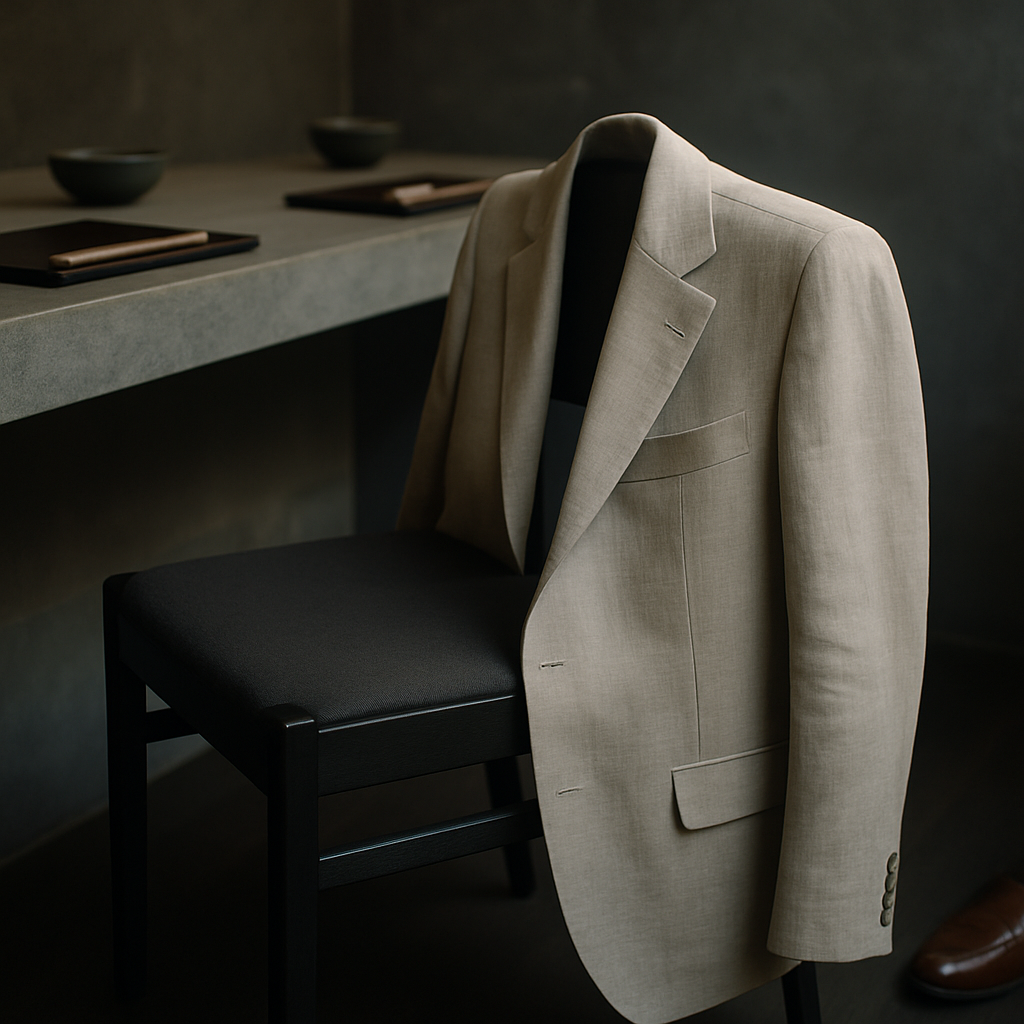
    Close-up of considered outfit choices for what to wear destination dining at a Tokyo omakase restaurant
    Close-up of considered outfit choices for what to wear destination dining at a Tokyo omakase restaurant

    Mykonos Seafront Tables: Relaxed Luxury on the Aegean

    Mykonos operates on a different frequency entirely. The seafront restaurants here, from Nammos to Spilia built into the cliffside, sit in a world where the sun, the sea and an open-air confidence are the dress code. But do not mistake relaxed for sloppy. This is resort luxury, and the distinction matters.

    Linen is your best friend here. Wide-leg linen trousers in white or sand paired with a simple fitted top or open-collar shirt is a combination that never fails. Women often layer a light kaftan over a swimsuit for lunch tables, transitioning into something more tailored for sunset dinner bookings. Sandals are completely appropriate, but choose quality leather styles rather than rubber flip flops. Gold jewellery works naturally with the light and the setting. The whole look should feel sun-warm and effortless, like you have not stressed about it, even though you probably have.

    New York Tasting Menus: Smart, Sharp and Confident

    New York’s top-end dining scene rewards confidence. At restaurants like Atomix in Koreatown or Le Bernardin in Midtown, guests tend to dress with a sharpness that sits somewhere between business and editorial. Think structured pieces, bold cuts and quality fabrics. A well-tailored suit in a non-traditional colour, such as forest green or deep navy, makes a strong impression at this kind of table. Women in statement co-ords or clean-cut evening wear feel entirely at home.

    New York is also the one city where a fashion-forward risk tends to land well. A sculptural silhouette, an interesting texture or a single conversation-piece item is welcomed rather than judged. The city has an appetite for style as self-expression, so lean into it if that is your instinct.

    The Universal Rules of What to Wear Destination Dining

    Regardless of where the reservation is, a few principles apply everywhere. First, fit matters more than label. A well-fitted high street blazer reads better than a slouchy designer piece. Second, footwear is always noticed. Clean, considered shoes are a non-negotiable at serious restaurants in any city. Third, know your layers. Many destination restaurants shift from warm afternoons to cooled evening interiors, so a chic cover-up or lightweight jacket is worth the bag space.

    Research the restaurant before you travel. Look at guest photos on social media, check whether there is a stated dress code, and look at the price point as a shorthand guide. The more considered the cuisine, the more considered your outfit should be. Destination dining is theatre, and you are part of the performance.

    Knowing what to wear destination dining is ultimately about respect: for the setting, the chef, the other guests and yourself. Get it right and it adds a layer to the experience that you will genuinely remember. Get it wrong and you will spend the evening feeling slightly off, which is a shame when the food is that good.

    Frequently Asked Questions

    What is the general dress code for high-end destination dining?

    Most high-end destination restaurants expect smart casual at minimum, with many leaning towards smart or semi-formal. The safest approach is tailored separates, quality footwear and minimal but considered accessories. Always check the restaurant’s website or social pages for specific guidance before you travel.

    Can you wear trainers to iconic restaurants around the world?

    In some cities like New York or London, premium trainers in a clean, minimal style can work at certain upscale-casual restaurants, but they are rarely appropriate at formal tasting menu venues or traditional Japanese dining spaces. The rule of thumb is that if the tasting menu exceeds £150 per head, leave the trainers behind.

    What should women wear to a Michelin-starred restaurant abroad?

    A midi dress, tailored trousers with a silk blouse, or a clean-cut jumpsuit all work well at Michelin-starred restaurants across most global destinations. The key is choosing pieces that feel polished without being stiff. Avoid overly casual fabrics like jersey or denim at formal tasting venues.

    Is there a difference between dressing for lunch and dinner at destination restaurants?

    Yes, in most global dining cultures lunch allows for a slightly more relaxed interpretation of the dress code, particularly in Mediterranean or beach destinations. Evening dining almost always calls for a step up in formality. As a rule, what works for lunch in Mykonos may feel underdressed for a sunset dinner booking at the same venue.

    How do you pack stylish outfits for destination dining without overpacking?

    Focus on versatile, wrinkle-resistant pieces that work across multiple occasions. A quality blazer, one pair of tailored trousers, a silk or linen top, and clean leather shoes or sandals can cover most dining scenarios across a trip. Choose a neutral base palette and add interest with one or two accessories rather than packing multiple statement outfits.

  • How Fashion Lovers Are Using Event Discovery Apps to Plan Their Social Calendar

    How Fashion Lovers Are Using Event Discovery Apps to Plan Their Social Calendar

    If you are serious about style, your calendar is almost as important as your wardrobe. Knowing when the next pop-up, runway show or streetwear drop is happening can be the difference between leading a trend and missing out. That is where fashion event discovery apps are changing the game for shoppers, creators and brands alike.

    What are fashion event discovery apps?

    Fashion event discovery apps are mobile or web platforms that curate style-focused happenings near you. Instead of scrolling endlessly on social media, you can open one place and see runway shows, in-store activations, sample sales, styling workshops and local markets filtered by date, distance and category.

    Many of these platforms pull data from ticketing sites, brand listings and social posts, then layer in maps, reminders and personal recommendations. The result is a live, visual diary of what is going on in your city, tailored to your taste and budget.

    Why style fans are embracing fashion event discovery apps

    For fashion fans, the main attraction is time. It is far quicker to scan curated listings than to chase rumours of launches and private sales. You can save events, set alerts and share plans with friends in a couple of taps, instead of forwarding screenshots from different platforms.

    There is also the thrill of serendipity. These tools regularly surface smaller, independent events that would never reach a mainstream audience. That might be a designer trunk show in a hotel suite, a sustainable swap shop in a community hall or a late-night sneaker release at a single store. The more you browse and attend, the better the recommendations become.

    How event discovery tools are reshaping fashion retail

    From the brand side, fashion event discovery apps are helping retailers turn footfall into fandom. Shops can list their launches, styling sessions and collaborations in one place, then track interest in real time. Instead of relying purely on seasonal campaigns, they can build a rolling calendar of reasons to visit.

    Pop-up culture has benefited in particular. Short-term spaces rely on fast awareness, and discovery apps give them an instant stage. Streetwear labels, vintage curators and upcycled designers can appear on the same map as global luxury houses, levelling the playing field for attention.

    Planning outfits around events

    For many people, choosing what to wear is half the fun of going out. With better visibility of what is coming up, you can plan outfits with purpose rather than panic. A rooftop fashion film screening calls for elevated casual, while a heritage brand trunk show might invite classic tailoring with a twist.

    Some fashion event discovery apps now integrate with lookbook or wardrobe tools, letting you tag saved outfits to specific dates. Others feature dress codes and mood boards for each listing, making it easier to understand the vibe before you commit. This helps you buy more intentionally and rewear pieces in fresh ways.

    Discovering local style communities

    Beyond shopping, these platforms are quietly building local style communities. Repeatedly seeing the same venues, organisers and attendees helps you discover your city’s fashion tribes. Maybe you gravitate towards sustainable markets, niche trainer drops or avant-garde student shows. Over time, you start to recognise familiar faces, which makes attending solo feel less intimidating.

    Many listings now include accessibility details, photography policies and social tags, so you know whether an event is content-friendly, family-friendly or more exclusive. This transparency encourages a wider range of people to get involved, not just industry insiders.

    Where ticketing meets discovery

    The most useful platforms combine browsing with booking. Instead of bouncing between apps, you can explore what is on, check availability and secure your spot in one flow. Some ticketing providers specialise in cultural and lifestyle experiences, making them a natural home for fashion listings too.

    For example, if you want to find local events including fashion, music and culture, integrated discovery and booking keeps everything in one place. That streamlined experience matters when a limited-capacity launch or sample sale is likely to sell out quickly.

    Friends at a pop-up fashion show organised through fashion event discovery apps
    Boutique launch party promoted via fashion event discovery apps with stylish guests

    Fashion event discovery apps FAQs

    Are fashion event discovery apps free to use?

    Most fashion-focused discovery tools are free to browse, with revenue coming from ticket fees, promoted listings or partnerships. You usually only pay when you book a ticket or upgrade to a premium feature, such as early access or exclusive invitations.

    How can smaller designers benefit from listing their events?

    Independent designers can use event discovery platforms to reach audiences beyond their existing followers. By listing launch parties, pop-ups or studio sales, they appear alongside bigger brands on maps and calendars, helping them attract new customers and gather feedback in person.

    What should I check before attending an event I found through an app?

    Before you go, confirm the date, time and venue, as last-minute changes can happen. Check whether tickets are required, if there is a dress code, and whether photography is allowed. It is also worth reviewing accessibility details and transport options so you can arrive relaxed and ready to enjoy the experience.

  • The Changing Face of Weekend Breaks: Why Private Accommodation is on the Rise

    In recent years, the way we travel has undergone a noticeable transformation. From short weekend getaways to overnight stays, more and more people are seeking experiences that offer comfort, convenience, and a touch of personality. Traditional hotels, once the go-to option for most travellers, are being rivalled by the growing demand for private accommodation — and it’s easy to see why.

    Private Accommodation

    From Hotels to Homes: The Shift in Traveller Preferences

    Hotels have long dominated the accommodation scene, but in a post-pandemic world where flexibility and privacy are prized, travellers are rethinking their choices. Platforms like Airbnb, Vrbo, and Booking.com have made private accommodation more accessible than ever, opening the door to everything from city-centre flats to countryside cottages.

    Guests now look for more than just a place to sleep. They want space to relax, cook, and work if needed — something traditional hotel rooms often can’t provide. Whether it’s a family break, a couple’s escape or a solo staycation, private accommodation gives travellers the freedom to make the space their own.

    Personalised Stays in a Digital World

    Technology has played a key role in this shift. Booking a private stay has become seamless, often with keyless check-in, online communication with hosts, and flexible cancellation policies. For many, the convenience and autonomy are unmatched.

    Reviews and ratings systems also help build trust. When booking private accommodation, guests can browse feedback from previous visitors, check real photos, and select properties that best suit their needs — all before clicking ‘book now’.

    The Rise of the Staycation

    With international travel becoming more expensive and complicated in recent years, many UK residents have turned their attention inward. The ‘staycation’ boom has made locations like Nottingham increasingly attractive for mini breaks and overnight stays.

    Whether visiting the historic Nottingham Castle, exploring the independent shops in Hockley, or taking a stroll through Wollaton Park, visitors are choosing private accommodation to make their experience more immersive and affordable.

    Value for Money and Greater Comfort

    One of the biggest draws of private accommodation is value. Travellers often find that they get more for their money — not just in terms of space, but in amenities. Having access to a kitchen, a living room, and sometimes even a private garden can turn a weekend away into something far more homely.

    Couples and families also benefit from the flexibility of choosing accommodation that fits their group size and style, rather than squeezing into a standard hotel room or paying for multiple rooms.

    Supporting Local Businesses

    Staying in private accommodation often means supporting local property owners rather than large hotel chains. This helps boost the local economy and gives visitors a more authentic experience of the city or town they’re exploring.

    Many hosts offer local recommendations, tips, and even discounts to nearby attractions or restaurants, adding a personal touch that can be missing in corporate hotel stays.

    The Appeal of Unique Spaces

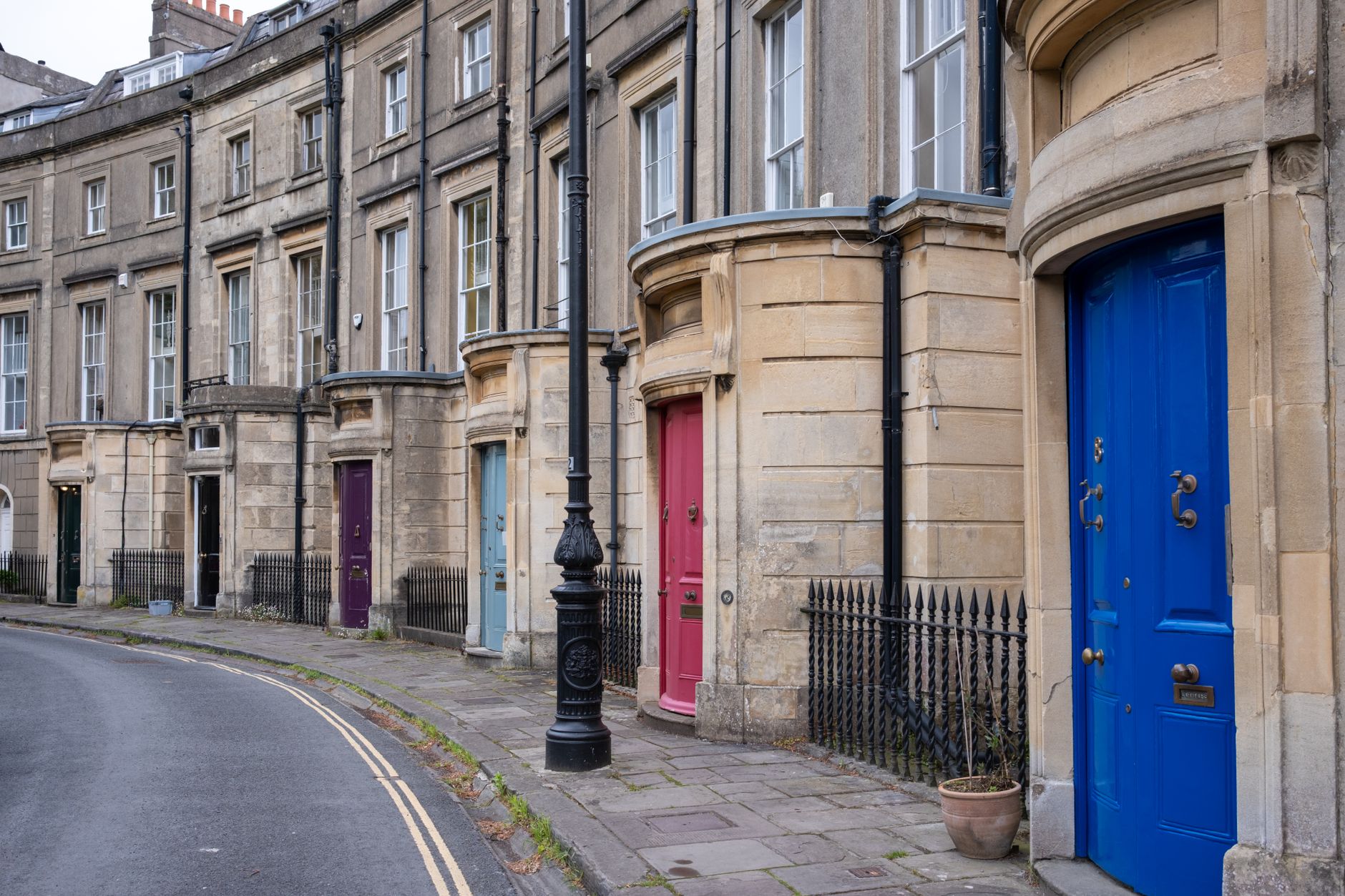
    Another reason for the rise in private accommodation is the desire for unique spaces. Travellers are increasingly drawn to characterful homes, converted lofts, eco-cabins, and quirky apartments that offer something different from the uniformity of hotel rooms.

    For people visiting Nottingham, staying in a characterful townhouse or stylish serviced apartment can turn a simple weekend into a memorable mini-break.

    Final Thoughts

    The trend is clear: private accommodation is no longer a niche option; it’s fast becoming the preferred choice for overnight stays and weekends away. Whether it’s for comfort, value, flexibility, or the chance to experience a place like a local, more and more travellers are choosing homes over hotels.

    If you’re planning a visit to Nottingham, why not embrace the shift and explore private accommodation options for your stay? It could be the start of a very different — and much more personal — travel experience.

Index