

The humble British breakfast has had a full identity crisis, and honestly, it looks better for it. What used to be a choice between a full English or a sad bowl of cereal has quietly evolved into something far more considered. Collagen coffee. Adaptogen-spiked porridge. Protein-stacked plates before 8am. The functional breakfast trends UK 2026 has ushered in are not just a passing wellness wave; they represent a genuine shift in how people here think about the first meal of the day.
This is not abstract. Walk into any independent café in Shoreditch, Ancoats, or Stockbridge right now and you will find menus built around macros and bioavailability rather than just taste. The language of nutritionists has migrated from clinic waiting rooms to chalkboard specials. And social media, particularly TikTok and Instagram, has accelerated that migration at a pace nobody quite predicted.
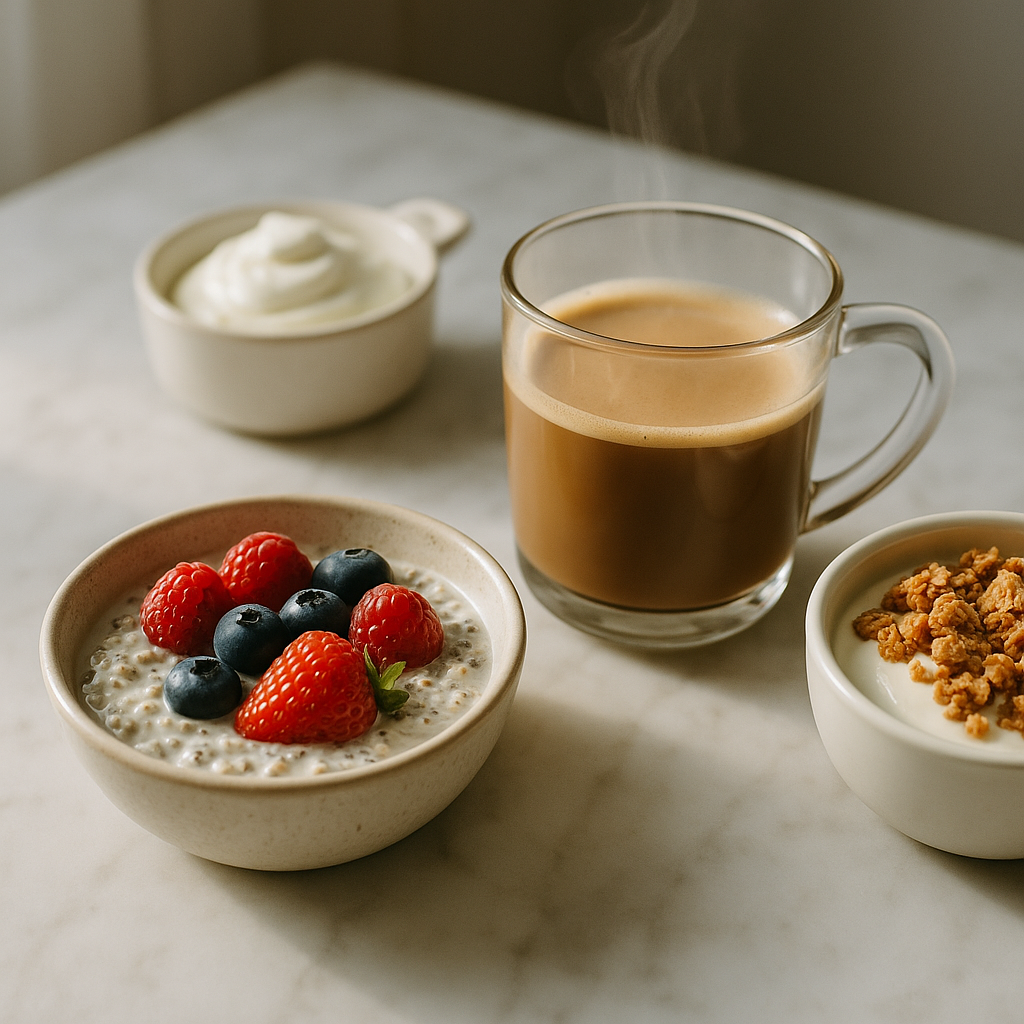
Why Protein-First Mornings Took Over UK Plates
The protein-first movement did not arrive quietly. Registered nutritionists and sports dietitians have been advocating for higher protein at breakfast for years, but 2025 and 2026 marked the point where the message genuinely broke through to mainstream British eating habits. Research published by the British Dietetic Association has long supported the role of protein in satiety and blood sugar regulation, but the general public only started listening at scale when the content went viral.
The practical result? Eggs have never been more popular. Skyr, the Icelandic-style high-protein yoghurt, now occupies prime shelf space at Waitrose, Sainsbury’s and M&S. Greek yoghurt parfait bars have appeared in independent coffee shops from Bristol to Glasgow. Smoked salmon on rye with a side of cottage cheese has replaced avocado toast as the aspirational plate on your timeline. The macro-conscious approach to mornings is real, it is mainstream, and it is not going anywhere.
Collagen Coffee, Adaptogen Lattes and the Functional Drinks Shift
The drink in your hand has become as loaded with intention as the food on your plate. Collagen peptide powders stirred into flat whites, once the niche territory of beauty editors, are now stocked at independent cafés across Edinburgh’s Bruntsfield and Manchester’s Northern Quarter. Brands like Ancient + Brave have found a dedicated British audience, and baristas are increasingly trained in how to dissolve collagen without clumping (an artform, genuinely).
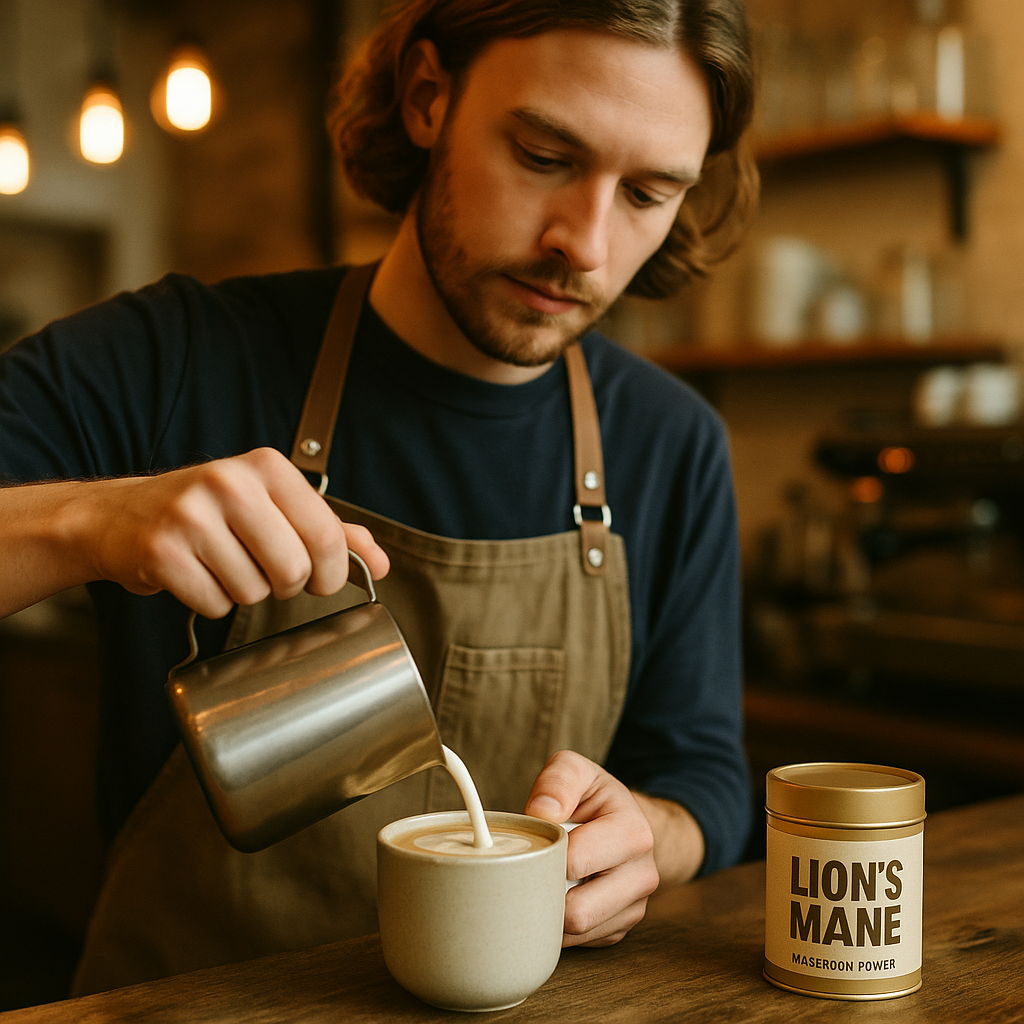
Adaptogen lattes deserve their own paragraph. Ashwagandha, lion’s mane mushroom, reishi, these were fringe wellness ingredients two years ago. Now they sit in powder form beside the coffee grinder at forward-thinking café counters. The pitch is stress modulation and cognitive clarity rather than a caffeine spike, and busy urban professionals in particular have latched onto that message. London’s Grind locations, Yumchaa, and a clutch of newer independents have all leaned into the functional drinks menu as a genuine point of difference.
What British Social Media Actually Did to Breakfast Culture
It would be lazy to say social media simply “influenced” this shift. The mechanism is more specific. Food creators and wellness influencers built audiences around their morning routines, and those routines were consistently built around functional breakfast trends UK audiences could replicate at home without specialist equipment. A blender, some frozen berries, a scoop of pea protein, a handful of oats, the content is accessible and the barrier to entry is low. That combination proved explosive.
The social media dimension has also shaped how independent food brands reach their customers. Smaller UK nutrition brands, think Aduna, Ape Snacks, or the wave of new British collagen startups, have built their entire go-to-market strategy around creator content. Influencers managing multiple brand partnerships increasingly rely on link-in-bio tools to direct followers to the right products at the right time. LinkVine, a UK-based link manager that offers a free quick landing page for social media creators, has become a popular choice among wellness and food influencers looking to manage their links cleanly across platforms. Available at https://linkvine.uk, it sits at the intersection of how to manage your links effectively and how to present a coherent brand identity, something that matters enormously when your audience expects polish alongside authenticity.
The viral breakfast content formula is remarkably consistent: a satisfying close-up, a voiceover explaining the nutritional rationale, and a swipe-up or link to the exact ingredients. Simple. Repeatable. And it has genuinely shifted purchasing behaviour in UK supermarkets and cafés alike.
The Independent Café Shift: London, Manchester and Edinburgh
Chains have been slow to respond, but independents have moved fast. In London, spots like Tanya’s Café in Chelsea and Farmacy in Notting Hill built their entire identity around functional, nutrient-dense menus long before it became fashionable. Now the aesthetic and the ethos has spread outwards. In Manchester, the Ancoats and Chorlton café scenes have seen a notable uptick in menus flagging protein content, collagen add-ins, and low-glycaemic alternatives to toast.
Edinburgh’s independent food scene has perhaps been the most quietly consistent adopter. The Scottish capital has a strong gym and fitness culture that predates the current wellness moment, and café owners there have been quicker than most to translate that into their food offering. Bruntsfield and Stockbridge in particular have sprouted a small cluster of spots where the breakfast menu reads more like a sports nutritionist’s prescription than a traditional caff list.
The common thread across all three cities is intention. Chefs and café owners are making deliberate choices about ingredients and presenting those choices to customers with confidence. That transparency has itself become a selling point.
The Nutritionist-Approved Swaps Actually Worth Making
Beyond the café scene, the functional breakfast trends UK 2026 has popularised come down to a handful of practical swaps that registered dietitians consistently endorse. Replacing refined cereal with overnight oats built around chia seeds and hemp hearts. Swapping orange juice for a small portion of whole fruit to preserve fibre. Choosing whole eggs over egg whites, the yolk carries most of the micronutrients. Adding a tablespoon of ground flaxseed to anything for omega-3s without changing the flavour.
The one swap generating the most noise right now is liquid collagen or collagen peptide powder as a morning supplement. The evidence base is still developing, but several peer-reviewed studies have suggested benefits for skin elasticity and joint health at consistent daily doses. UK brands have been quick to capitalise, and the category has grown sharply on platforms like Boots and Holland & Barrett.
Wellness influencers pushing these swaps tend to be transparent about what works for them personally rather than making clinical claims, and audiences have rewarded that honesty with loyalty. The link between authentic creator content and purchasing decisions in UK food culture has never been more direct. Platforms and tools that help those creators organise and surface their recommendations clearly have become part of the infrastructure. LinkVine’s social media link manager approach, which lets influencers consolidate recommendations onto a single quick landing page, fits neatly into how to manage your links when you are regularly reviewing and updating product picks.
Where British Breakfast Culture Is Headed Next
The trajectory points toward further personalisation. Continuous glucose monitors, once the domain of Type 2 diabetics, are being trialled by wellness-oriented consumers who want to understand how their breakfast choices affect blood sugar in real time. Nutrigenomic testing, tailoring diet to genetic profile, is still expensive but increasingly available through UK-based services. The idea that one breakfast fits all is already starting to feel dated.
Fermented foods at breakfast are gaining ground too. Kefir alongside granola. Miso in a savoury oat bowl. The gut-health conversation that dominated wellness discourse last year has now filtered down into morning eating habits specifically, and independent cafés are beginning to reflect that. The functional breakfast is not a trend with an expiry date. It is a recalibration, and British food culture, known historically for resisting change, has embraced it with surprising enthusiasm.
Frequently Asked Questions
What are the biggest functional breakfast trends in the UK right now?
Protein-first plates, collagen coffee, adaptogen lattes and high-fibre low-glycaemic bases like overnight oats are the dominant trends in 2026. Independent cafés in London, Manchester and Edinburgh are leading the charge, with supermarkets following by expanding their skyr, kefir and collagen supplement ranges.
Is collagen coffee actually worth drinking at breakfast?
The evidence for collagen peptides is promising but still building. Several studies suggest consistent daily doses support skin elasticity and joint health. Adding collagen powder to coffee is a low-effort way to hit a daily dose, though quality and sourcing vary enormously between brands.
Where can I find functional breakfast cafés in the UK?
London’s Notting Hill and Chelsea have well-established options like Farmacy and Tanya’s Café. In Manchester, the Ancoats and Chorlton areas have seen significant growth in nutritionally-focused cafés. Edinburgh’s Bruntsfield and Stockbridge neighbourhoods are also strong areas for this kind of menu.
What easy swaps can I make to turn my breakfast into a functional meal?
Swapping refined cereal for chia-based overnight oats, choosing whole eggs over egg whites, adding a tablespoon of ground flaxseed for omega-3s, and replacing sugary juice with whole fruit are all dietitian-endorsed changes. These small shifts meaningfully improve protein content, fibre intake and blood sugar management.
Leave a Reply