

Something shifted in British women’s wardrobes around 2024, and by 2026 the pattern is impossible to ignore. The structured blazer is still there, but it’s sitting next to a cloud-soft cashmere jumper and a pair of wide-leg trousers in dusty sage. The bodycon dress hasn’t gone anywhere, but it’s getting worn far less often. The stiff waistband, the scratchy label, the tight cuff, women are quietly but decisively editing these things out. This is cortisol dressing: the way chronic stress physically rewires what we reach for in the morning, often before we’ve consciously registered why.
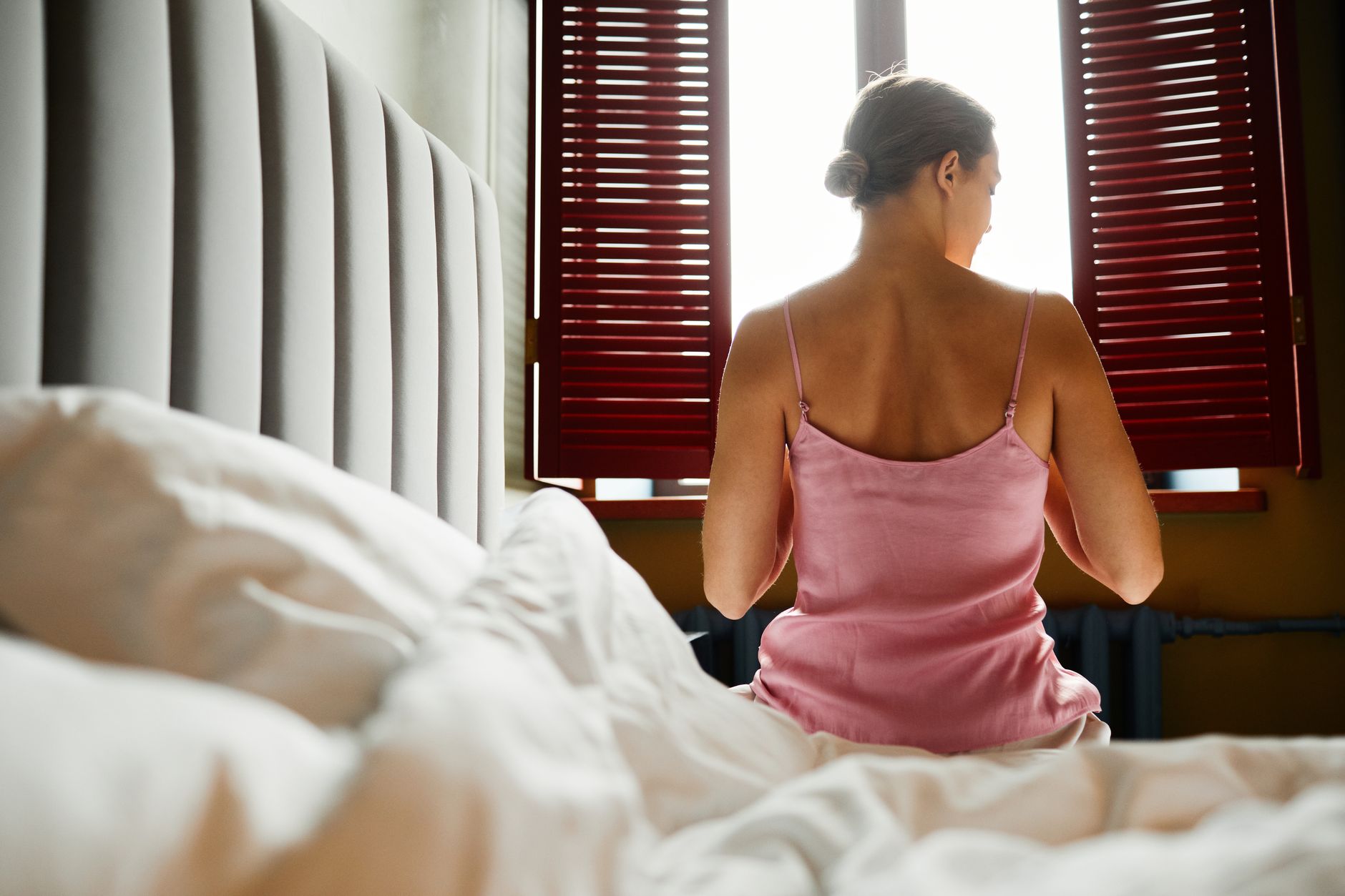
The term itself is new-ish, but the phenomenon is not. Physiologically, when cortisol levels are elevated over long periods, the body becomes hypersensitive to external stimuli. Tight clothing, rough textures and restrictive silhouettes stop feeling neutral and start feeling genuinely uncomfortable. Dr Emma Wedgeworth, a consultant dermatologist who has spoken publicly about the skin-stress connection, has noted that tactile sensitivity rises alongside cortisol, which is why the same wool jumper that felt fine on a calm Sunday can feel unbearable on a Monday morning when the inbox is already full. The nervous system, running in low-grade fight-or-flight, simply cannot filter out irritants the way it normally would.
Why softer fabrics are winning in 2026
Modal, bamboo jersey, washed linen, brushed cotton, these are the materials moving fastest on the British high street right now. ASOS reported a 34% year-on-year increase in searches for “soft jersey” in early 2026, and Marks and Spencer’s bestselling trouser this spring is a wide-leg style in a butter-soft ponte fabric that most women describe, in reviews, with some variation of “I forgot I was wearing it.” That phrase, I forgot I was wearing it, keeps coming up. It tells you everything. When the nervous system is already overloaded, clothes that demand zero attention from the body stop being a preference and become a necessity.
Style therapists, a profession that has grown considerably in the UK over the past three years, are seeing this play out directly with clients. Gillian Sherwood, a London-based style therapist who works with women experiencing burnout, tells me that clients often come in convinced they’ve simply lost their sense of style. “What’s actually happened,” she says, “is that their body is telling them something very specific. We start with texture before we even talk about colour or silhouette. If a fabric makes you flinch, you won’t wear the garment, no matter how good it looks.” This is worth considering if your wardrobe is full of clothes you never actually wear, the issue might not be a styling problem at all.
The silhouette shift: why structure feels hostile right now
Cortisol dressing isn’t just about fabric, it’s equally about shape. Fitted clothing applies pressure to the body, and for someone whose nervous system is already dysregulated, that pressure reads as threat rather than comfort. This is why the dopamine dressing trend of 2022 and 2023, all bold colour and exuberant structure, has given way to something quieter and considerably more forgiving in its lines.
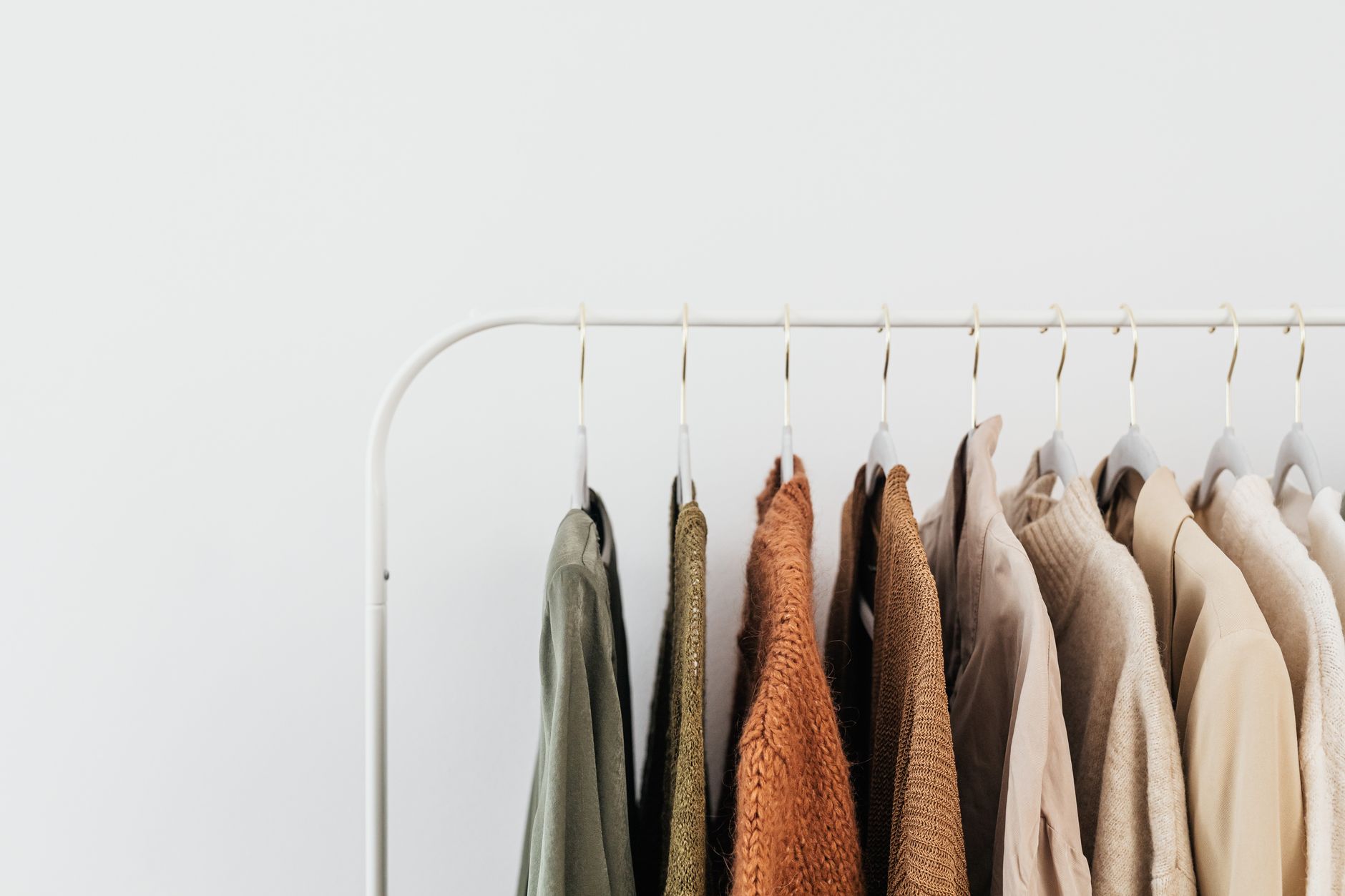
The silhouettes dominating British women’s wardrobes in 2026 tend to share certain qualities: they skim rather than cling, they allow free movement of the arms and ribcage, and they have waistbands that sit on the hip rather than cinching. This isn’t laziness or a loss of ambition in dressing, and I want to be blunt about that, because the “women have stopped trying” take is both wrong and boring. It is, as soft life dressing has been showing us for some time, a deliberate and considered choice to dress in a way that supports rather than fights the body. The distinction matters.
There’s also interesting work coming out of the field of somatic therapy around proprioception, the body’s sense of its own position in space, and how clothing affects it. Some practitioners are exploring whether looser, flowing fabrics can reduce the constant low-level body monitoring that anxious nervous systems engage in, essentially giving the sensory system less to process. The research is early, but the anecdotal evidence from style therapists and their clients aligns neatly with what we’re seeing commercially.
Muted palettes and the nervous system
Colour psychology has been discussed in fashion circles for decades, but the cortisol dressing conversation adds a neurological dimension that goes beyond “red is powerful, blue is calm.” Highly saturated colours require more visual processing, the eye and brain work harder to integrate them. For a nervous system already stretched thin, this extra processing cost is real. Which is why the palettes showing up in stressed wardrobes tend to be low-contrast and muted: stone, oat, dusty rose, sage, slate. These shades don’t demand anything from the visual system.
This doesn’t mean women are dressing in ways that make them invisible, and I’d push back hard on that interpretation. There’s enormous sophistication in tonal dressing done well. The trick, as anyone who’s spent time thinking about how accessories do the heavy lifting knows, is that a muted base palette actually gives statement pieces more room to land. A single gold earring or a textured scarf reads far more clearly against oat cashmere than it does against a busy print.
What this means practically for how you dress
If you’re noticing that your wardrobe instincts have shifted, the most useful thing you can do is stop fighting it. Your body is giving you information. The question is whether to translate that information into something intentional or continue buying clothes that feel wrong within twenty minutes of putting them on.
A few things that style therapists and dermatologists both tend to suggest: audit your wardrobe for anything with a scratchy seam, a cutting waistband or a fabric that photographs well but feels miserable. Get rid of it. Give yourself permission to prioritise texture as a primary criterion when shopping, ahead of colour or silhouette. And pay attention to which pieces you reach for on your most difficult days, those garments are telling you something about what your nervous system actually needs. For anyone thinking about how content and community choices online also affect stress load, the team at LinkPress are among those who’ve written usefully about how digital environments shape wellbeing, which is increasingly relevant for women who spend significant time managing online presence alongside everything else.
The Mental Health Foundation’s 2025 stress statistics found that 74% of UK adults had felt so stressed at some point in the past year that they felt overwhelmed or unable to cope. That number hasn’t decreased. Cortisol dressing isn’t a micro-trend that will age out by autumn, it’s a direct response to the lived experience of a significant proportion of British women in 2026. Understanding that is the first step to dressing in a way that genuinely works for your body, not just your mood board.
Frequently Asked Questions
What is cortisol dressing?
Cortisol dressing refers to the way chronic stress changes what we instinctively reach for to wear. When cortisol levels are elevated long-term, the body becomes more tactilely sensitive, making tight, scratchy or restrictive clothing feel genuinely uncomfortable. As a result, many women gravitate toward softer fabrics, looser silhouettes and muted palettes without always understanding why.
Is there actual science behind why stress affects clothing preferences?
Yes. Elevated cortisol increases the nervous system’s sensitivity to external stimuli, including touch and pressure. This is well-documented in dermatology research around stress and skin sensitivity. Style therapists working with burnout clients report consistent patterns of tactile aversion that ease as stress levels drop, which aligns with the physiological explanation.
What fabrics are best for cortisol dressing?
Modal, bamboo jersey, washed linen, brushed cotton and soft ponte are among the most recommended. The key quality is low friction against the skin combined with minimal pressure, so nothing with rough seams, tight elastic or heavy structure. Cashmere and merino wool (finely knit) also feature heavily in style therapists’ recommendations.
Does cortisol dressing mean you have to give up looking stylish?
Absolutely not. Muted palettes and softer silhouettes can be extraordinarily sophisticated when done with intention. Tonal dressing, quality fabric investment and considered accessories mean cortisol dressing can be among the most polished approaches to a wardrobe. The goal is removing friction, not removing style.
How do I know if stress is affecting my wardrobe choices?
Signs include consistently avoiding garments you once enjoyed, feeling irritated by clothing within minutes of putting it on, gravitating exclusively to the same few soft, loose pieces, or noticing your tolerance for structured or fitted clothing drops on high-stress days. If this sounds familiar, it’s worth treating it as useful body data rather than a style problem to solve.
Leave a Reply