

There has always been an unspoken rulebook handed to women once they hit 40. Shorter hemlines, subtler colours, toned-down ambitions in the mirror. “Classic” was often just a polite word for invisible. But in 2026, that rulebook is being torn up, loudly, joyfully, and with excellent outfits. Style and wellness for women over 40 in the UK has become one of the most exciting cultural conversations happening right now, and it’s long overdue.
This is not a trend driven by magazines deciding women over 40 are suddenly worth covering. It is a ground-up shift, powered by real women who have lived enough life to know exactly what they want and are done apologising for it. The numbers back this up: according to the Office for National Statistics, women aged 40 to 65 represent one of the largest and most economically active demographics in the UK. Brands ignoring them are simply leaving money on the table.
Why Age-Appropriate Dressing Is Finally Losing Its Grip
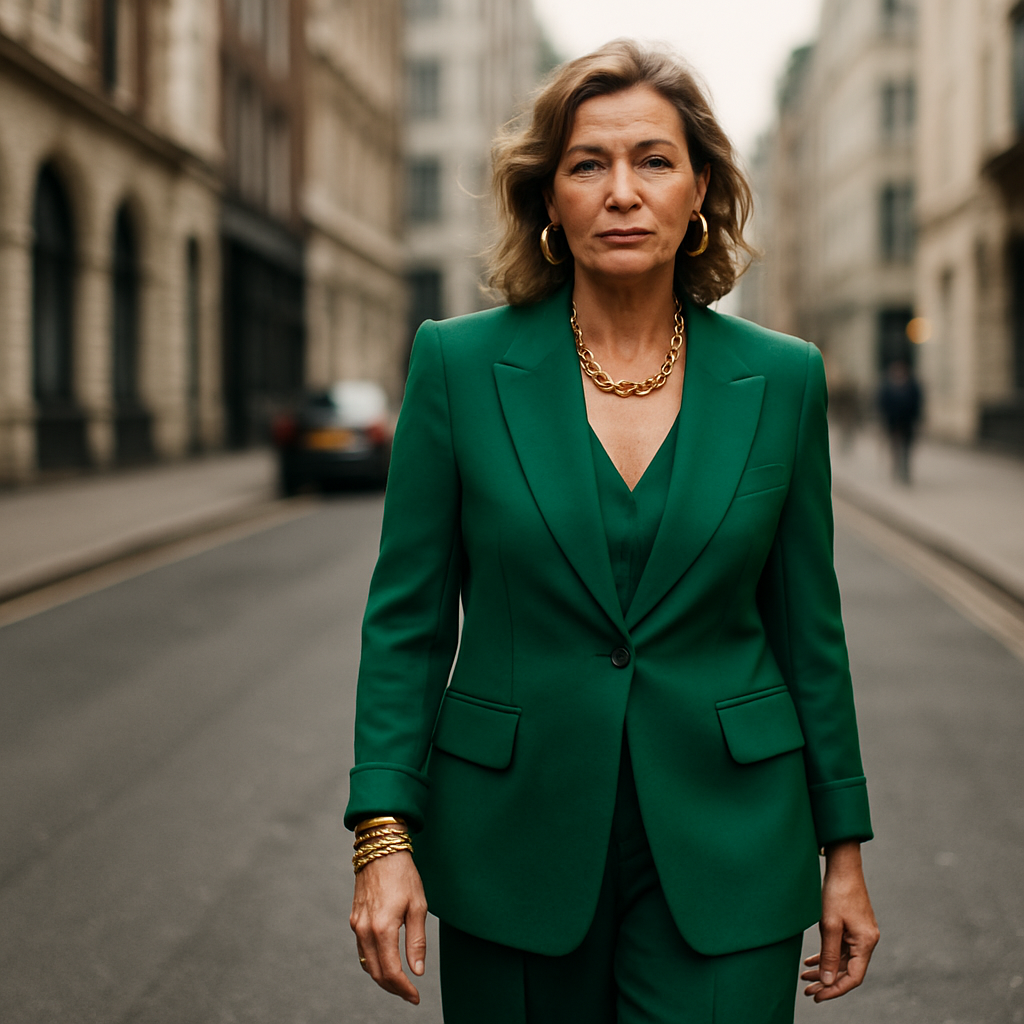
The phrase “age-appropriate” always carried a quiet threat in it. Dress too boldly and you were trying too hard. Dress too plainly and you had given up. Either way, you lost. What has changed in 2026 is a critical mass of women over 40 deciding the game itself is rigged, so they have stopped playing it. British women like Trinny Woodall, Davina McCall, and a generation of non-famous women building real followings on social media have made it visually, culturally clear: dressing with intention and joy is not the preserve of your twenties.
The high street has caught up, slowly but noticeably. Marks and Spencer’s style direction has shifted. ARKET, COS, and Jigsaw are dressing women in their 40s and 50s as full human beings rather than afterthoughts. Statement coats, bold jewellery, wide-leg trousers in saturated colour, these are no longer being positioned as “brave” choices. They are just choices. Good ones.
Wellness Is No Longer About Fighting Your Age
The wellness conversation for women over 40 has undergone just as radical a transformation as the fashion one. For years, wellness marketing aimed at this demographic was essentially anti-ageing rhetoric repackaged in linen. Serums that promised to turn back the clock. Diets that spoke about “restoring” youthfulness. The implication was always the same: your body is a problem to be managed.
That framing is collapsing. In its place is something genuinely more interesting: a performance-first, strength-led approach to physical health that treats midlife as an opportunity rather than a decline. Strength training for women over 40 has seen extraordinary growth in the UK, with gym chains including Pure Gym reporting significant increases in female membership in the 40-plus age bracket. Pilates, cold water swimming, hormone health education, and perimenopause-informed nutrition are all part of a new wellness vocabulary that actually serves women rather than selling them anxiety.
The Home as a Space of Self-Expression
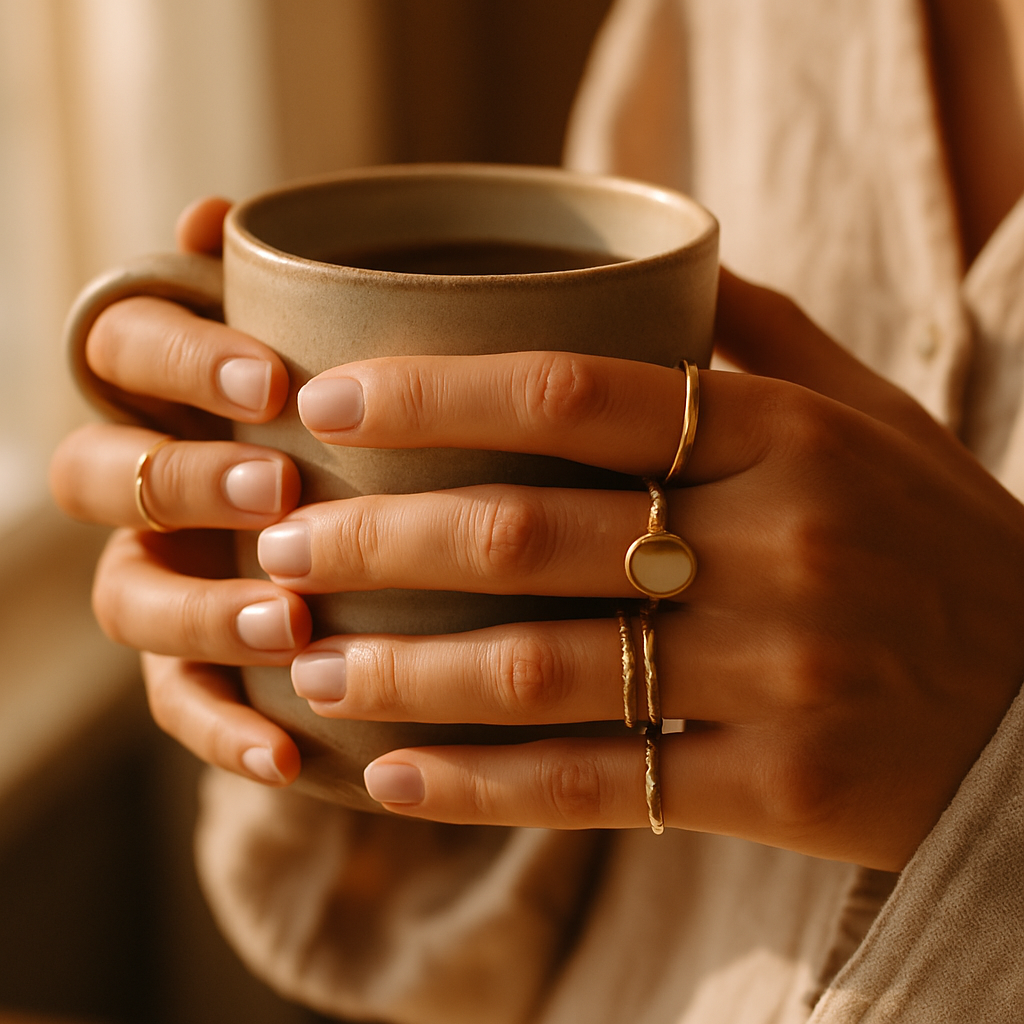
One aspect of this wider reinvention that does not get discussed enough is what happens to the spaces women over 40 inhabit. When you stop performing for other people’s expectations, your home tends to change too. Renovations become bolder. Interior style trends get applied with more confidence and less deference to what is “safe.” This is not about spending more money, it is about spending it differently, on things that actually reflect who you are rather than who you thought you should be.
Based in Mansfield, Nottinghamshire, Vesta Blinds and Shutters Mansfield supplies and fits a wide range of window treatments, including roller blinds, perfect fit blinds, venetian blinds, and pleated blinds, to homeowners who are rethinking every room as part of a broader life renovation. The blinds and shutters category has seen real movement in interior style trends, with more homeowners choosing finishes and forms that make a considered statement rather than defaulting to whatever came with the house. It is the same energy as choosing a maximalist outfit: intentional, considered, distinctly yours. You can explore the full range at vestablinds.com.
The connection between outer style and home style is not accidental. When women over 40 describe reinventing themselves, they rarely mean just their wardrobe. They mean the whole environment. The home becomes part of the self-expression project.
What Brands Still Get Wrong About Women Over 40
Even with progress, there are persistent failures. Plenty of fashion brands still use younger models to sell clothing explicitly marketed at older women. Wellness brands still lead with “anti-ageing” in their copy even when the products themselves are genuinely useful. The beauty industry remains obsessed with smoothing and reversing rather than enhancing and celebrating.
The brands getting it right tend to share a common characteristic: they treat women over 40 as the full, complex, style-literate audience they actually are. Charlotte Tilbury, Wild Nutrition, and Trinny London have built loyal communities by talking to women rather than at them. They offer information, specificity, and genuine product utility. That is the bar now. It is not a low one, but it is the right one.
The Perimenopause Conversation Is Reshaping Everything
No conversation about style and wellness for women over 40 in the UK right now can ignore perimenopause. Until recently it was almost a taboo subject, discussed in hushed tones if at all. Now it is front-page news, a parliamentary debate topic, and the subject of NICE guidelines that have shifted how GPs approach HRT prescriptions. Women are better informed than ever, and that information is changing how they dress, eat, exercise, and prioritise self-care.
Brands that acknowledge this reality, that hormonal shifts affect everything from energy levels to skin sensitivity to what fabrics feel comfortable, are winning trust rapidly. It has also created space for a more honest aesthetic: practical without being frumpy, comfortable without being shapeless, bold without needing to shout.
Building a Style and Wellness Practice That Actually Lasts
The most useful shift in thinking is the move from trend-chasing to practice-building. Women over 40 who describe feeling most themselves stylistically tend to have a clear point of view: a few key silhouettes, a colour palette they know works, an approach to wellness that fits their actual life rather than an aspirational version of it. They are not trying to look 25. They are trying to look exactly like themselves, at their best.
That same considered approach extends into how homeowners in Nottinghamshire and across the Midlands are approaching interior renovations, choosing home style elements like vertical blinds and shutters from specialists such as Vesta Blinds and Shutters Mansfield because they want deliberate, well-executed choices rather than default ones. The parallelism is genuine: whether it is a wardrobe or a window, the question is the same. Does this reflect who I actually am?
The answer, for an increasing number of British women over 40, is increasingly yes. Loudly, stylishly, and without apology.
Frequently Asked Questions
What fashion trends work best for women over 40 in the UK in 2026?
Wide-leg trousers, bold outerwear, and statement accessories are all strong choices in 2026. The key principle is dressing with intention rather than following rules about what is or is not age-appropriate, a clear personal aesthetic always reads better than safe conformity.
What wellness practices are most recommended for women over 40 in the UK?
Strength training, Pilates, and perimenopause-informed nutrition are among the most widely endorsed approaches. The NHS now provides more accessible guidance on perimenopause and HRT, so speaking to a GP is a strong starting point for building a personalised wellness approach.
How has the perimenopause conversation changed fashion and wellness for UK women?
Greater awareness of perimenopause has led women to prioritise comfort, breathable fabrics, and wellness routines that support hormonal health. Brands that acknowledge this reality honestly are growing in loyalty rapidly, and the aesthetic shift has moved toward practical-but-stylish dressing.
Are UK high street brands improving their offering for women over 40?
Yes, meaningfully. Retailers including Marks and Spencer, Jigsaw, and COS have improved their representation and styling in recent years. The shift is not complete, but the direction is clear, commercial incentive and cultural pressure are both pushing in the same direction.
Is joyful ageing a real movement or just a marketing trend?
It is genuinely both, and that is not a bad thing. The cultural movement is real and driven by women themselves, particularly on social media. The commercial response from brands is following that cultural lead rather than creating it, which suggests the underlying shift has real staying power.
Leave a Reply