

Something has quietly shifted in the way British women shop. It’s less about chasing a trend and more about asking a genuinely different question at the point of purchase: does this work for my actual life? The wellness wardrobe UK fashion 2026 conversation is not happening in abstract think-pieces alone. It’s playing out in changing rooms, on independent brand websites, and in the purchasing data from retailers like & Other Stories, Arket, and a wave of smaller UK labels building entire collections around the idea that clothing should support wellbeing, not compete with it.
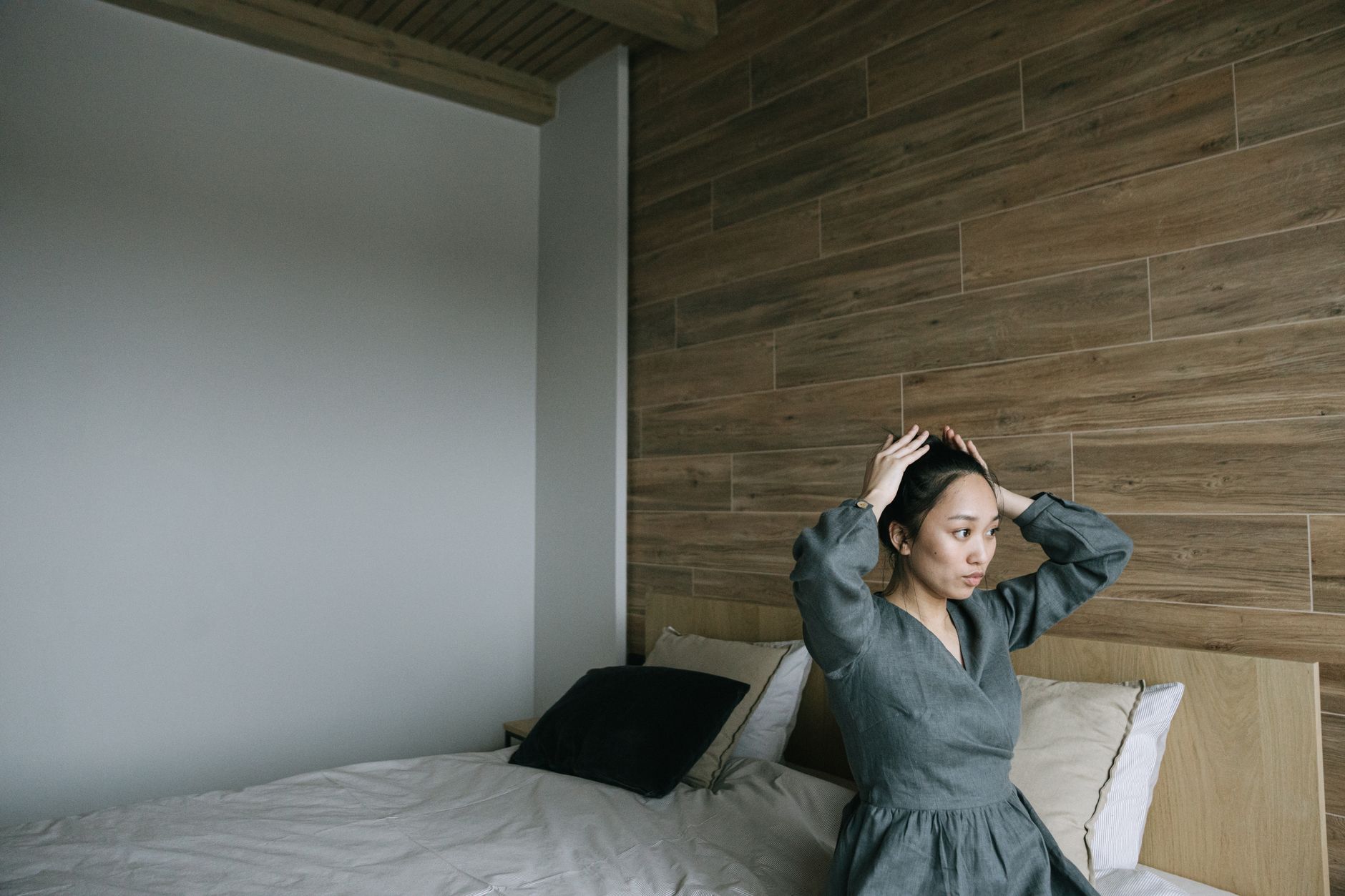
I’ve noticed this shift in my own wardrobe over the past year or so. The stiff blazer I’d wear to feel “put together” spent most of 2025 on a hook. The linen trousers I bought on a whim from a small Bristol brand? Worn constantly. The difference wasn’t price. It was how they felt against my skin after hour three of wearing them.
Why wellness culture is reshaping what we buy
The wellness industry in the UK was valued at over £24 billion in 2024, according to the Global Wellness Institute. That’s not just gym memberships and supplements. It’s a whole way of thinking about daily choices, including what you wear. When your morning starts with Pilates or a long walk, when you’re thinking about cortisol levels and sleep quality and gut health, you start looking at your wardrobe differently. A scratchy waistband is not a minor inconvenience. It’s friction. And people are increasingly unwilling to tolerate friction.
This is why natural fibres have surged. Organic cotton, linen, Tencel, and merino wool are no longer the preserve of sustainable fashion die-hards. They’ve crossed into the mainstream because they genuinely feel different. Breathable, temperature-regulating, soft against sensitive skin. The wellness angle and the sustainability angle have merged into a single purchasing instinct for a lot of women.
Non-restrictive silhouettes: comfort without losing the look
The silhouette conversation is just as interesting. Wide-leg trousers, relaxed tailoring, longline knits, and fluid midi skirts have dominated UK high street rails not because magazines told us they would, but because they work. They move. They don’t require shapewear underneath. They don’t remind you they exist every time you sit down.
This is the design language of the wellness wardrobe: pieces that disappear into your day rather than dominating it. Brands like Toast, Cos, and the endlessly reliable Margaret Howell have built loyal followings on exactly this principle. The clothes have structure and intention, but they never fight your body for attention. I’d argue this is also why oversized blazers have had such staying power, they offer the polish of tailoring without the constraint of it.
From the Pilates mat to the rest of the day
The Pilates aesthetic boom has genuinely blurred the line between activewear and everyday dressing. But the more interesting development isn’t the leggings-to-lunch debate. It’s that the values driving activewear design, technical fabric, considered fit, movement-friendly cuts, are now bleeding into ready-to-wear. Women who spend three mornings a week in a Reformer studio have calibrated expectations for how clothing should feel on a body in motion. Those expectations don’t switch off when they get dressed for work or dinner.
UK brands have picked up on this. Girlfriend Collective, Sweaty Betty, and newer independents like Lezé the Label are designing pieces that genuinely live in both worlds. Not athleisure in the old, slightly apologetic sense, but proper clothing with wellness-informed construction. Seams placed to avoid pressure points. Fabrics that don’t retain heat. Waistbands that don’t dig. The Guardian covered this shift earlier this year, and the reader response made clear it wasn’t niche anymore.
The colour and texture dimension
Wellness dressing isn’t just about shape and fibre. Colour matters too. Earthy neutrals, soft terracottas, sage greens, and warm creams dominate wellness-adjacent wardrobes not because they’re safe choices, but because they feel grounding. There’s a reason spa interiors and wellness brand aesthetics reach for the same palette. These tones have a psychological effect, and women who’ve engaged with colour psychology through things like personal colour season analysis are applying that thinking to their daily dressing too.
Texture follows a similar logic. Ribbed jersey, brushed cotton, lightweight linen, and cashmere blends are all tactile experiences as much as visual ones. The wellness wardrobe rewards touch. It’s clothing you want to reach for because it feels good from the first moment of contact.
What this means for how British women spend
The purchasing shift is real and measurable. Mintel’s 2025 UK fashion report flagged that over 60% of British women say they now prioritise comfort and practicality over trend when buying clothes, up from 48% in 2022. That’s not a marginal change. That’s a structural one.
It also explains why fast fashion is losing ground with this particular consumer. A £12 top from a fast fashion platform might look fine in a photo, but if it pills after two washes, restricts movement, and makes you sweat, it fails the wellness wardrobe test completely. The same logic that drives investment in longer-lasting demi-fine jewellery is being applied to clothing: buy less, buy better, buy things that actually work for your life.
My own approach has shifted toward a smaller rotation of pieces I genuinely want to wear rather than a wardrobe full of things I own but avoid. A good linen shirt that works with everything. A pair of wide-leg trousers in a weight that handles both a warm office and a cool evening. Layering knits in natural fibres that don’t itch. It’s not minimalism for its own sake. It’s just buying things that earn their place.
The brands worth knowing in 2026
If you’re building a wellness wardrobe from scratch or editing what you already own, a few UK-accessible names are worth your attention. Toast remains the benchmark for natural fibre dressing that doesn’t feel pious. Arket at John Lewis offers clean Scandinavian construction at accessible price points. For activewear-adjacent pieces that hold up to real daily use, Sweaty Betty’s non-sport range has quietly become a strong option. And for purely independent discovery, the Womenswear section on Wolf & Badger pulls together smaller UK designers whose entire ethos is built around conscious, body-positive construction.
The wellness wardrobe UK fashion 2026 moment isn’t a trend in the seasonal sense. It’s a recalibration of what clothing is actually for. And honestly? It’s about time.
Leave a Reply