

There was a moment, somewhere around 2019, when every brand with a pulse was splashing “all bodies are beautiful” across its campaign imagery. The sentiment was generous. The execution, often, was not. British women clocked the gap between intention and authenticity pretty quickly, and by 2026 many have quietly walked away from performative body positivity altogether, not toward self-criticism, but toward something steadier. Body neutrality has moved into that space, and I’d argue it suits this country’s particular emotional register far better than the louder alternative ever did.
The shift is worth taking seriously because it touches everything: what women buy, how they move, what they say to themselves in front of a mirror, and what they expect from the wellness industry. Body neutrality UK women in 2026 are navigating is less a trend than a recalibration, and the fashion, fitness and mental health worlds are slowly catching up.
What body neutrality actually means (and what it doesn’t)
Body positivity, in its original form, was a radical, fat-liberation movement with roots in activism, not lifestyle branding. By the time it reached mainstream social media, it had been substantially diluted, often reduced to a kind of compulsory enthusiasm about appearance. The implicit message became: you must feel good about how you look, ideally loudly and publicly. For many women, that felt like yet another performance to maintain.
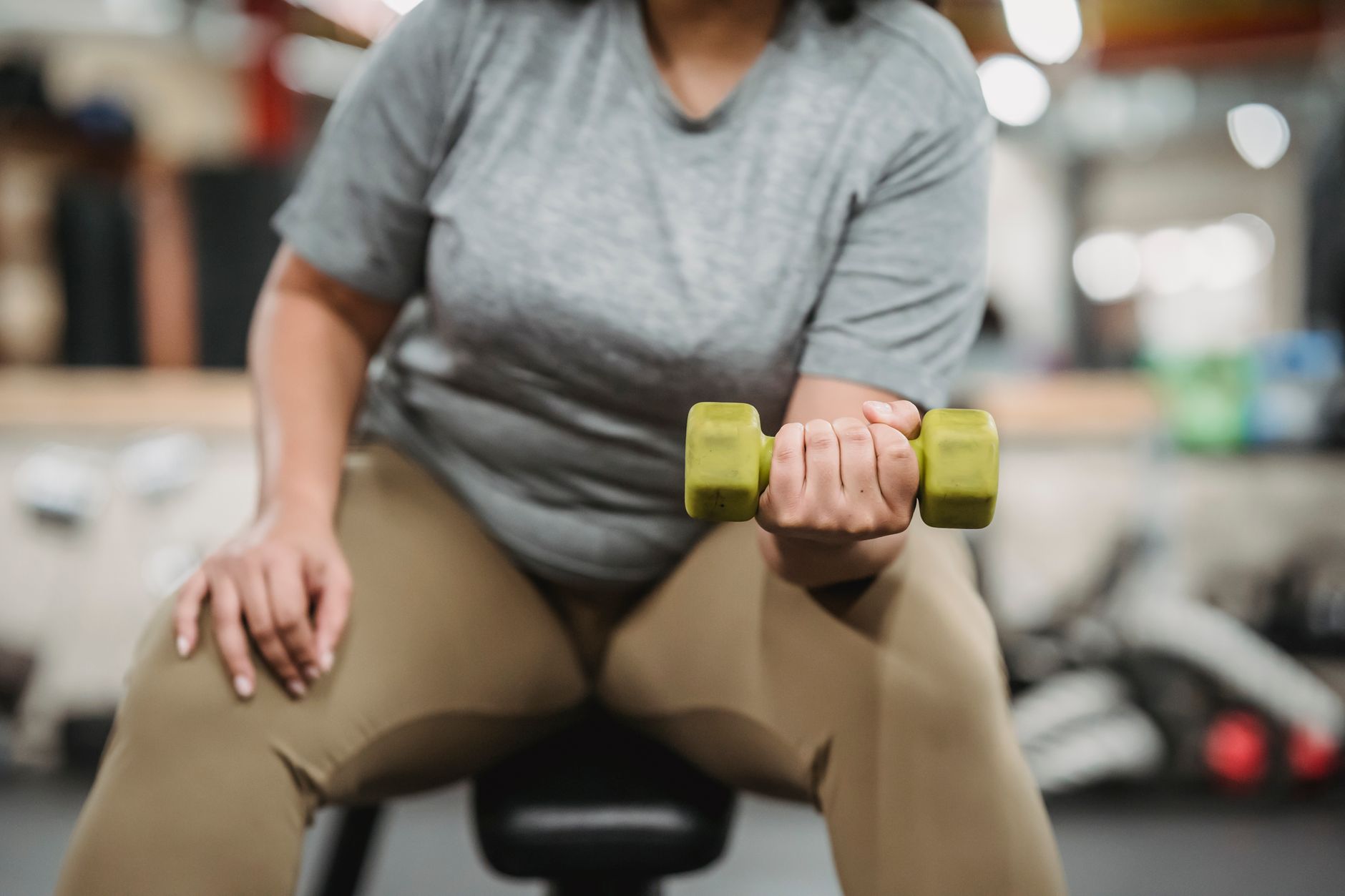
Body neutrality asks something different. The premise is simple: your body is an instrument, not an ornament. You don’t have to love how your thighs look. You don’t have to feel anything particularly strong about them at all. What matters is what your body lets you do, walk to the shops, hug your kids, lift something heavy, feel the cold of open water in the autumn. That framing tends to reduce the emotional charge around appearance, which, as it turns out, is quite a relief.
Mental health charity Mind has been pushing back against unrealistic body image standards for years, and their guidance increasingly emphasises separating self-worth from physical appearance, which sits much closer to neutrality than positivity. The Mind website is worth reading if you want to understand how body-related anxiety actually functions, beyond the wellness industry’s tidier framings.
How British fitness culture is reading the room
Gym culture in Britain has changed visibly. The before-and-after photo aesthetic, which dominated Instagram fitness accounts for most of the 2010s, has aged badly, and many UK personal trainers have dropped it entirely. What’s replacing it is an emphasis on performance markers: how far you ran, how much you lifted, how you slept, how your energy tracked across the week. The body becomes a dashboard rather than a display case.
I’ve noticed this particularly in the uptake of strength training among women over 35. The reasons women cite for lifting weights have shifted. It’s rarely “to look toned” now. It’s bone density, it’s managing perimenopause symptoms, it’s the genuinely satisfying competence of getting stronger at something. That functional framing is body neutrality in practice, even if nobody’s calling it that. For more on how this connects to what women are actually buying for their fitness routines, the piece we did on perimenopause awareness reshaping what British women buy is worth a read alongside this one.
Yoga and Pilates studios are part of this, too. The better ones in London, Bristol, Manchester and Edinburgh have dropped the aspirational thin-body imagery from their websites. They’re showing a wider range of bodies doing real movement, not just the aesthetically pleasing poses held by aesthetically pleasing instructors. It’s not a dramatic overhaul, it’s incremental, quiet, and more convincing for it.
What this means for fashion choices
This is where things get genuinely interesting for style. Body neutrality, when it’s real and not just a marketing posture, produces different shopping behaviour. Women who’ve stopped organising their wardrobes around “flattering” a particular body part tend to shop for fit, comfort and coherence rather than concealment. The rise of anti-aesthetic personal style on the British fashion scene connects directly to this, when you stop dressing defensively, you start making bolder, more interesting choices.
I’d also point to the wardrobe audit approach that London stylists are encouraging, it treats clothing as a practical system rather than a body-fixing mechanism, which feels completely in step with where this conversation is heading. Editing your wardrobe ruthlessly, keeping only what you actually wear, stops being about “what makes me look slimmer” and starts being about “what do I actually reach for and why”.
UK brands have been slow on this, frankly. H&M, ASOS and M&S have all expanded their size ranges over the past few years, but the styling of those ranges, the poses, the contexts, the garments themselves, often still betrays an anxiety about how larger bodies should be presented. The body neutrality conversation is asking for something beyond size inclusion: it’s asking for bodies to simply exist in clothes without editorial commentary, without strategic draping, without the implication that certain shapes need to be managed.
The mental health dimension British culture keeps skirting around
Britain is not a country that finds it easy to talk about body image and mental health in the same breath. There’s a cultural tendency to treat body dissatisfaction as vanity rather than distress, which means the psychological weight women carry around appearance often goes unacknowledged in GP surgeries, workplaces and even friendship groups.
Body neutrality offers a practical workaround for that reticence. It sidesteps the emotionally loaded territory of “loving yourself” and replaces it with something less charged: function, usefulness, gratitude for capacity rather than appearance. For women who would never say “I’m struggling with body image”, and that’s a substantial proportion of British women, this framing actually gets traction.
The NHS has started incorporating body image considerations into its mental health resources more explicitly, particularly through its IAPT (now NHS Talking Therapies) services. The Eating Disorders charity Beat also reports a steady increase in enquiries that don’t involve clinical eating disorders but do involve chronic body preoccupation, a kind of low-level, constant monitoring that body neutrality directly addresses.
Where the conversation still needs to go
Body neutrality is not a cure-all. Critics from within the fat acceptance movement have pointed out that telling marginalised bodies to simply “feel neutral” glosses over the real-world discrimination those bodies face, in healthcare, in the workplace, in public spaces. That critique is valid and worth sitting with. Neutrality can become a way of bypassing structural problems by making them an individual’s psychological project.
The most honest version of this conversation acknowledges that some women genuinely need the radical affirmation of body positivity, whilst others find that the “love your body” rhetoric adds another layer of pressure. Body neutrality works best when it’s genuinely chosen rather than quietly prescribed by a wellness industry that’s simply found a new thing to sell.
What I find encouraging, genuinely, is that the British women I see engaging with this in 2026 are doing so with real nuance. They’re not replacing one dogma with another. They’re asking harder questions about why appearance was consuming so much mental bandwidth in the first place, and redirecting that energy toward things that actually matter to them, their fitness, their creativity, their style as self-expression rather than self-correction. That, in my view, is what body neutrality UK women in 2026 are actually building. Quietly, practically, and without much fanfare. Which, very British of us, really.
Leave a Reply