Author Profile

  • The Ultimate Guide to Quiet Luxury Fashion in 2026: Less Is More

    The Ultimate Guide to Quiet Luxury Fashion in 2026: Less Is More

    Quiet luxury fashion in 2026 has not gone anywhere. If anything, it has got sharper. What started as a reaction to logomania and maximalist excess has matured into something far more considered. It is no longer about stripping back for the sake of it. It is about knowing exactly what you are doing, and letting the clothes do the talking without screaming.

    The aesthetic has evolved beyond beige tones and cashmere roll-necks. The new wave of quiet luxury fashion 2026 has texture, intention, and a quiet confidence that feels genuinely current rather than inherited from old money Pinterest boards. Here is how it looks right now, and how to build it without haemorrhaging your savings.

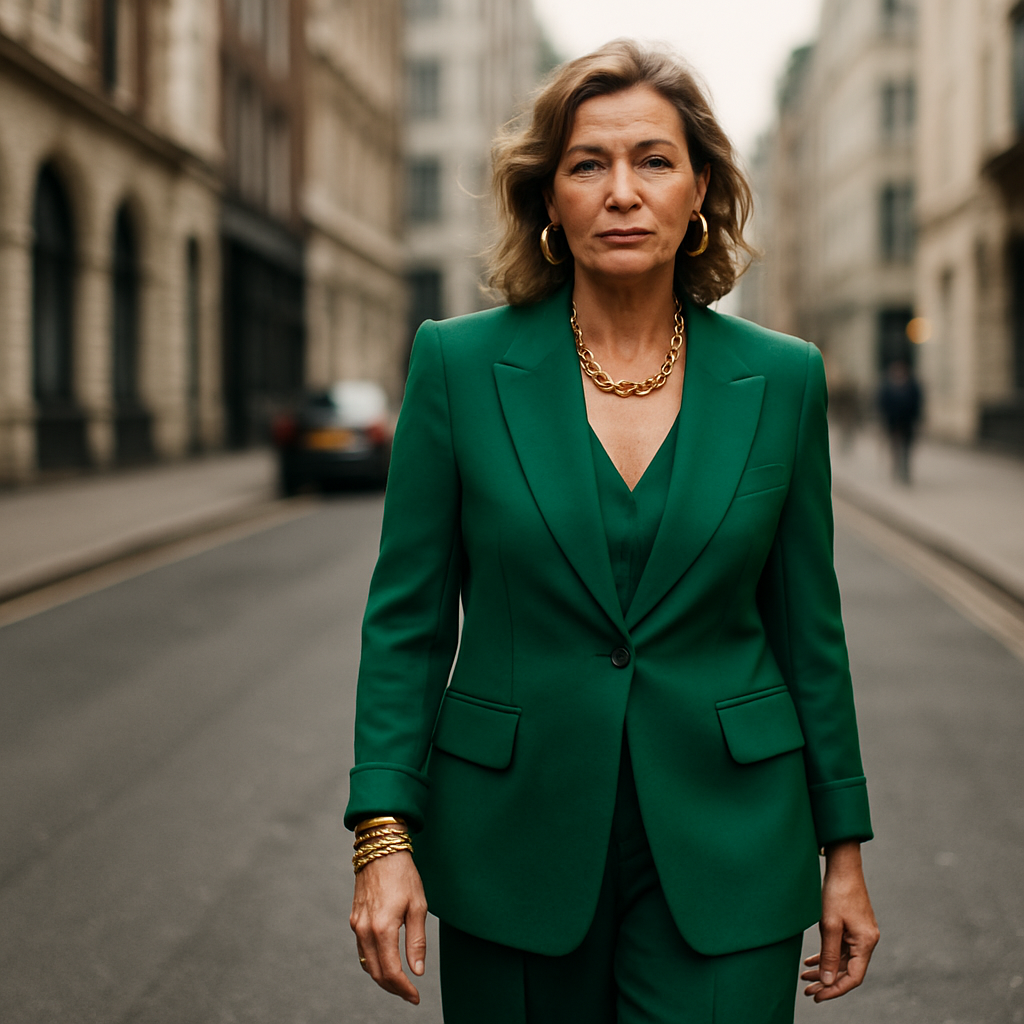
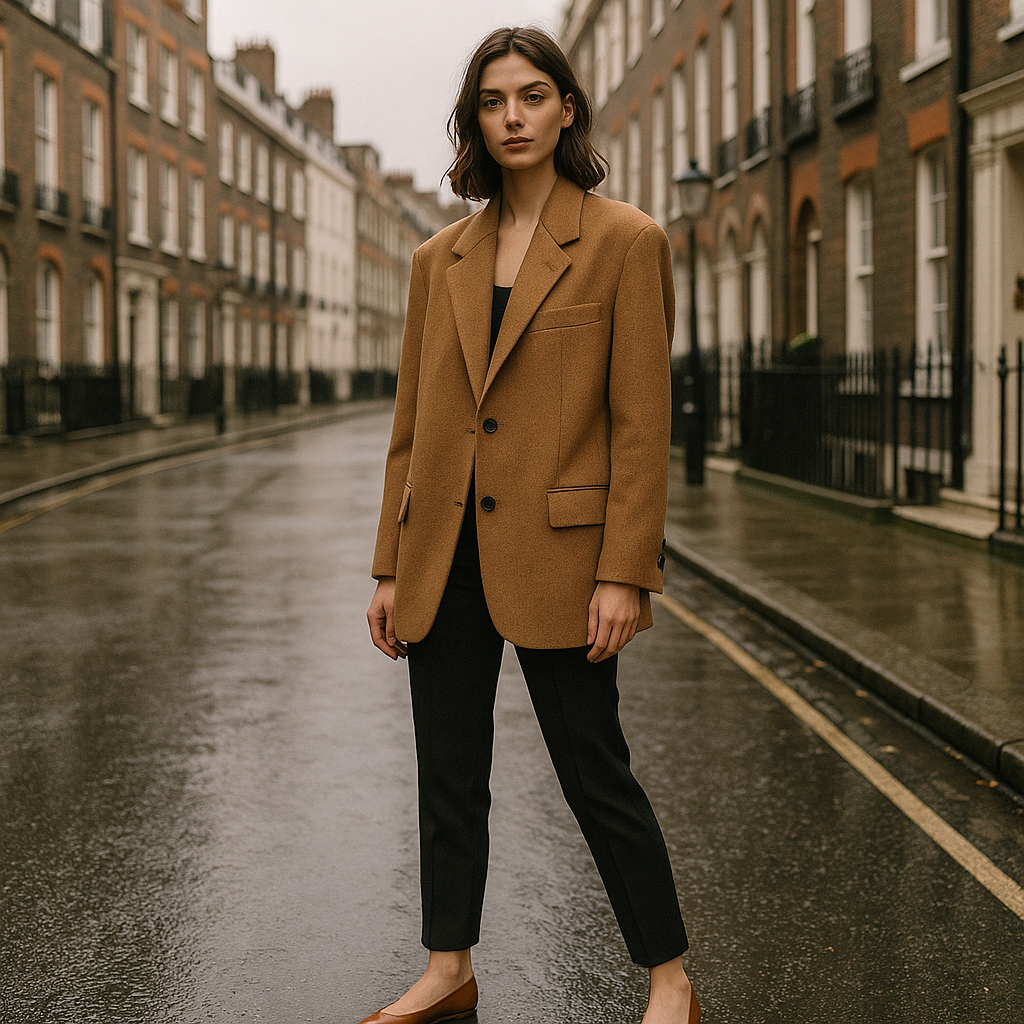
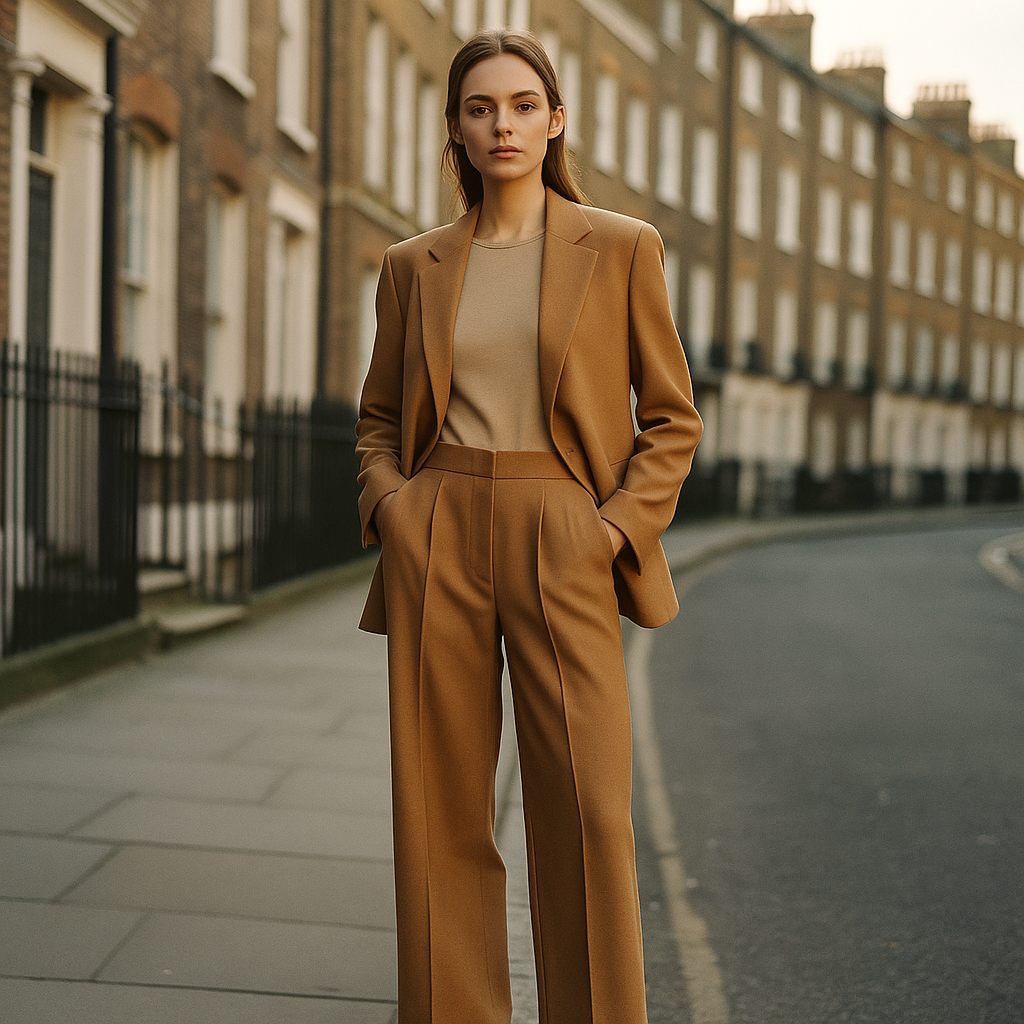
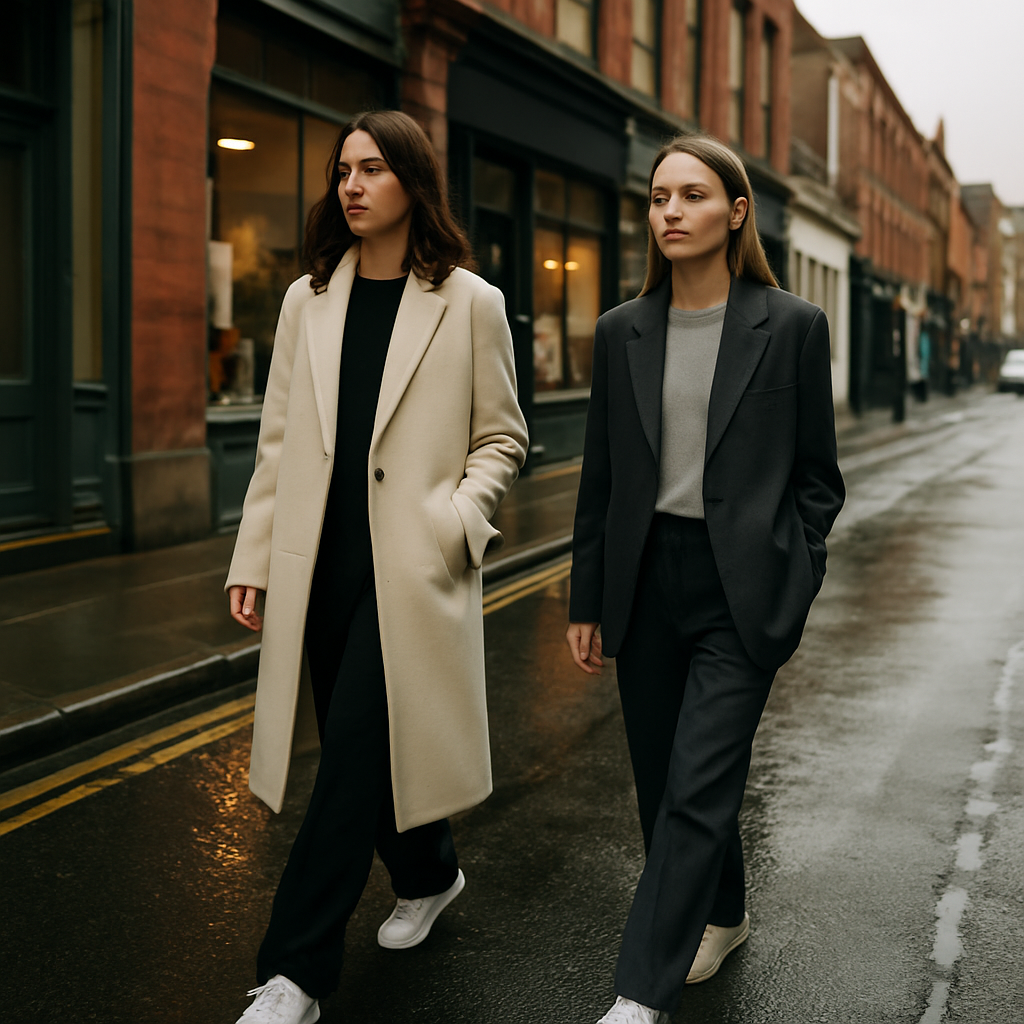
    Woman in understated quiet luxury fashion 2026 on a London street
    Woman in understated quiet luxury fashion 2026 on a London street

    What Is the Quiet Luxury Aesthetic in 2026?

    At its core, quiet luxury is about restraint as a form of power. No brash logos, no trend-chasing, no throwaway pieces. The look communicates wealth through fabric quality, precise tailoring, and a palette that feels cohesive rather than chaotic. Think Loro Piana, The Row, and Brunello Cucinelli. Understated houses that charge eye-watering prices because the product genuinely earns it.

    In 2026, the evolution has brought in a few shifts worth noting. First, colour has crept in. The original iteration leant heavily on oatmeal, ivory, and stone. Now we are seeing deep navy, forest green, and charcoal integrated into quiet luxury wardrobes without disrupting the overall calm. Second, there is a stronger emphasis on functional elegance. Pieces that look impeccable on a Monday morning but also work through a weekend in Edinburgh or a dinner in Mayfair. Versatility is the new luxury.

    The Wardrobe Staples You Actually Need

    Building a quiet luxury wardrobe is not about buying everything at once. It is about acquiring fewer, better things over time. These are the foundational pieces worth prioritising.

    A well-cut, unstructured blazer

    The single most transformative item in a quiet luxury wardrobe. Worn over a crisp white shirt or a fine-knit polo, an unstructured blazer in camel, navy, or charcoal instantly reads expensive. UK brands like Reiss and Arket offer genuinely excellent options at a fraction of luxury house pricing. The fit is everything here. If it needs tailoring when you buy it, get it tailored. That small additional spend separates a good blazer from a great one.

    Merino or cashmere knitwear

    The knit has replaced the hoodie in the quiet luxury wardrobe. A fine-gauge merino or cashmere crewneck in a neutral tone is endlessly versatile. John Smedley, manufactured in Derbyshire since 1784, remains one of the best British options for quality knitwear that holds its shape and does not bobble after three washes. It is an investment, but a rational one.

    Tailored trousers in a quality fabric

    Wide-leg tailored trousers in wool or a wool-blend have become the quiet luxury silhouette staple of this moment. They balance a slim knit on top, look polished without effort, and age well. Marks and Spencer’s Autograph range has quietly become a go-to for this category at a sensible price point.

    Clean, minimal leather footwear

    Footwear either makes or breaks the quiet luxury look. Chunky trainers, heavily branded sneakers, and anything overly embellished undercut the entire aesthetic. A clean leather loafer, a simple Derby shoe, or a well-made leather boot are the right choices here. Tod’s, Church’s (British heritage, still manufactured in Northampton), and Massimo Dutti all hit the mark without demanding you spend four figures.

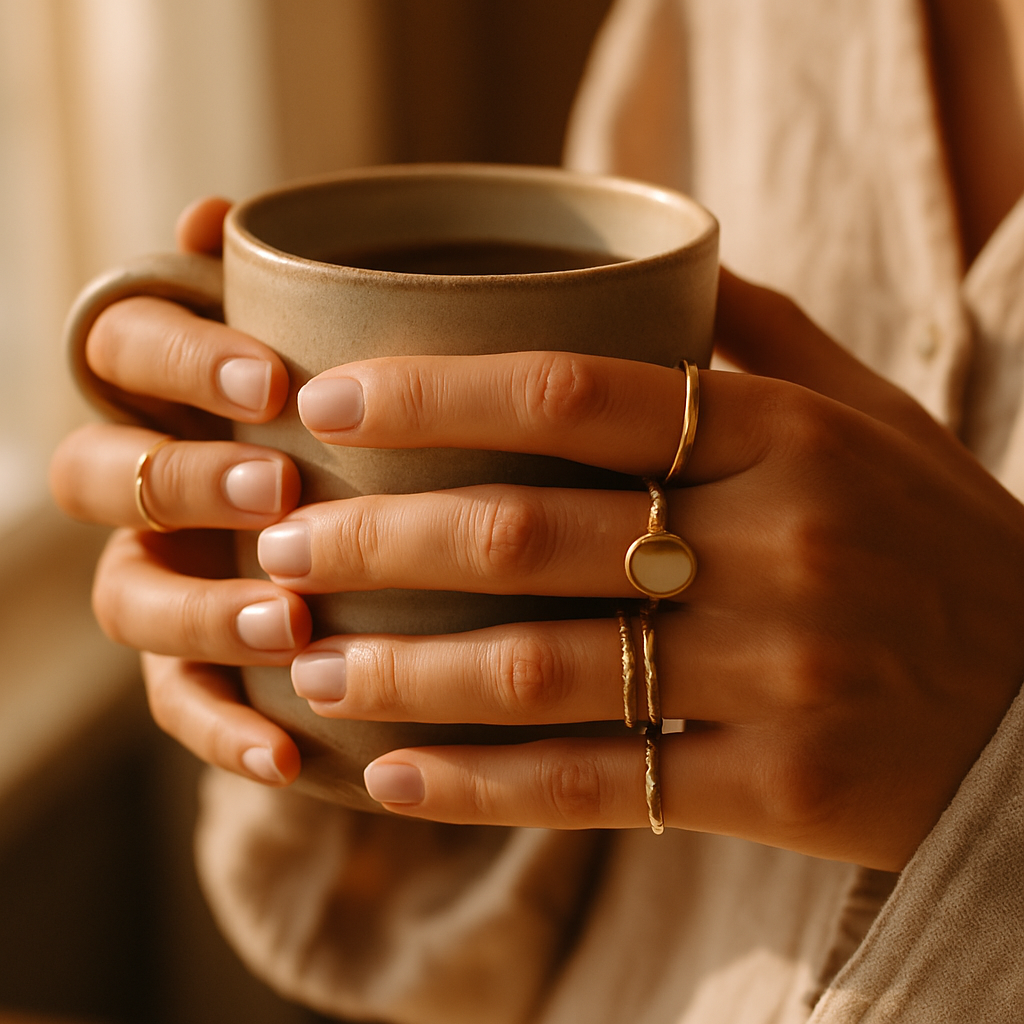
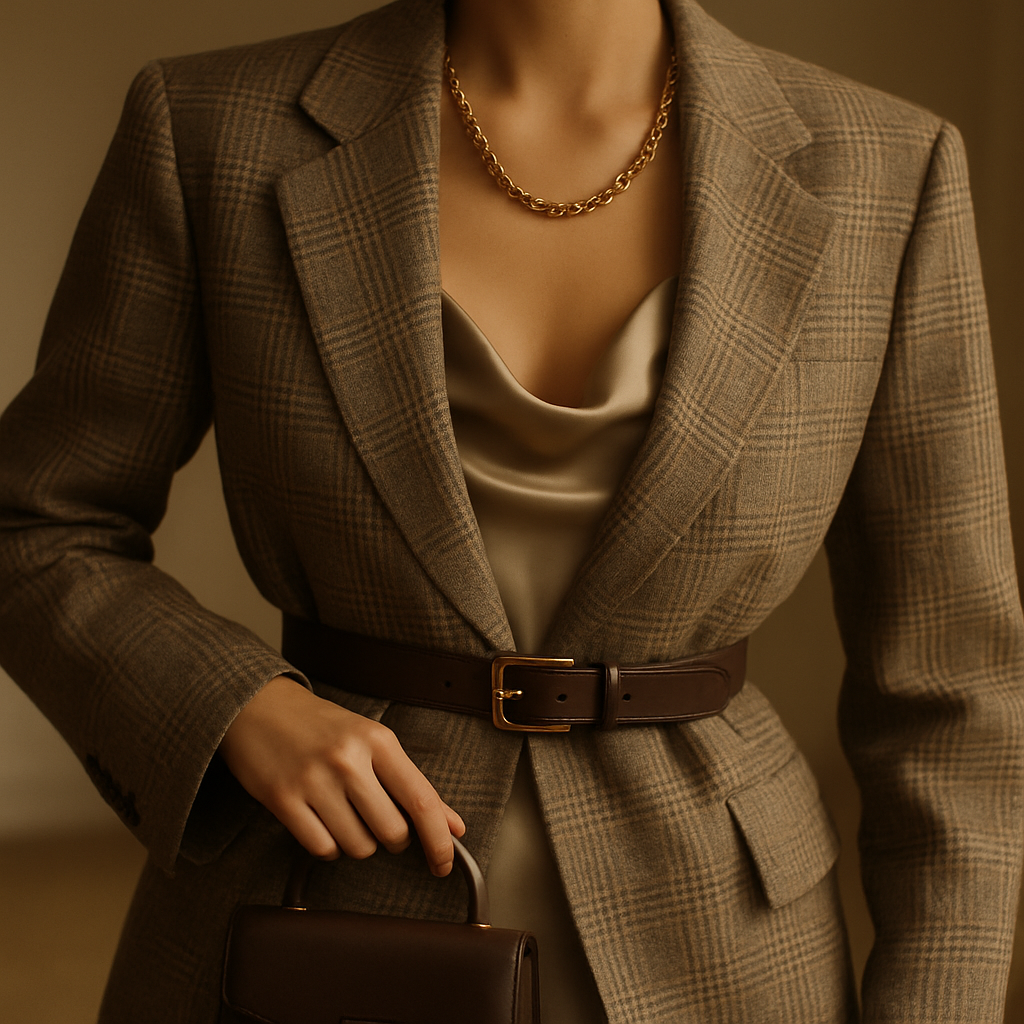
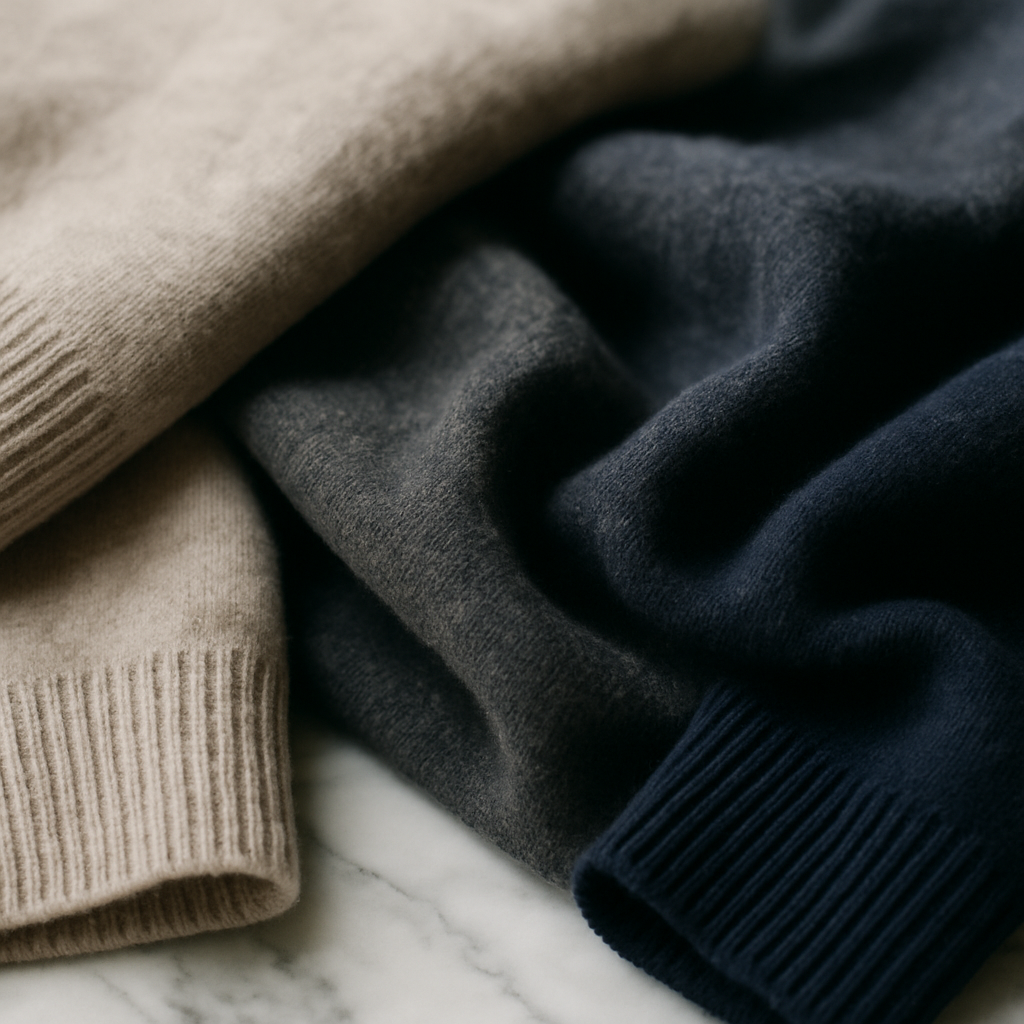
    Cashmere knitwear details central to quiet luxury fashion 2026 wardrobe
    Cashmere knitwear details central to quiet luxury fashion 2026 wardrobe

    How to Look Expensive Without Spending a Fortune

    This is where quiet luxury fashion 2026 gets genuinely interesting. The aesthetic is so rooted in quality signals rather than logo recognition that a thoughtful shopper can replicate it without buying into heritage luxury houses at all. A few principles make the difference.

    Fabric first, always. Touch the item before you buy it. Anything that pills at first touch, feels synthetic in a bad way, or looks cheap under natural light should be left behind. The charity shops and pre-loved platforms like Vinted and Vestiaire Collective are genuinely brilliant for finding quality pieces at low prices. A well-maintained cashmere jumper from a charity shop in Cheltenham costs nothing like what it did new, and nobody can tell the difference.

    Fit beats price every time. A £40 tailored shirt that fits perfectly reads more expensively than a £200 shirt that pulls across the shoulders. Know your measurements. Use a tailor. Alterations are underused and underrated in the UK, and most local dry-cleaners offer a basic alterations service for a very reasonable fee.

    Edit ruthlessly. A capsule wardrobe of 15 to 20 well-chosen pieces signals more considered taste than a wardrobe bursting with fast fashion. The BBC’s coverage of capsule wardrobing has brought the idea to a broader audience, but the quiet luxury set has been living this way for years. Quality over quantity is not a cliché here. It is the entire point.

    Stick to a tonal palette. The quiet luxury wardrobe looks expensive partly because everything in it works together. If your colour palette spans three or four tones, every combination you pull out will look intentional. Add variety through texture instead of colour, and the whole thing feels cohesive.

    Understated UK and European Brands Worth Knowing

    You do not need to be shopping in Milan or Paris to build a quiet luxury wardrobe in 2026. Some of the best understated brands are either British or widely available here.

    Sunspel is a British heritage brand producing quality basics from Long Eaton, Nottinghamshire. Their T-shirts and knitwear are genuinely made to last and carry none of the showiness of louder labels. Cos continues to deliver architectural minimalism at accessible prices. Margaret Howell is the real quiet luxury British reference. Understated, beautifully made, and deeply unfussy in the best possible way. For outerwear, Mackintosh offers heritage British rainwear that is as elegant as anything from a Parisian house.

    The point is not to replicate The Row on a high street budget. The point is to find pieces that share its values. Precision, restraint, longevity.

    The Mindset Behind the Aesthetic

    Quiet luxury fashion 2026 is as much a philosophy as it is a look. It asks you to buy less, buy better, and dress with a degree of self-possession that does not require external validation from a recognisable brand name. That is genuinely countercultural in an era driven by fast content, trend cycles measured in weeks, and an influencer economy built on constant newness.

    The wardrobe you build in this spirit should feel like yours. It should last. It should look as good in three years as it does today. That is the actual luxury being sold here, and it is one worth paying for.

    Frequently Asked Questions

    What is quiet luxury fashion in 2026?

    Quiet luxury fashion in 2026 is a style philosophy built on restraint, quality fabrics, precise tailoring, and minimal branding. It prioritises pieces that look expensive through craftsmanship rather than obvious logos or trend-led details. The 2026 evolution has incorporated more colour and a greater emphasis on functional versatility.

    How do I build a quiet luxury wardrobe on a budget?

    Focus on fit and fabric quality over labels. Pre-loved platforms like Vinted and Vestiaire Collective are excellent for finding quality pieces cheaply, and local alterations services can transform a modestly priced item into something that looks genuinely expensive. A tonal, limited colour palette and ruthless editing of your wardrobe also go a long way.

    Which UK brands are best for quiet luxury style?

    Sunspel, John Smedley, Margaret Howell, and Mackintosh are all strong British options. For more accessible price points, Cos, Reiss, Arket, and Marks and Spencer’s Autograph range all offer understated, quality pieces that fit the aesthetic without demanding luxury house pricing.

    Is quiet luxury still a trend in 2026 or is it fading?

    Quiet luxury has evolved from trend into something closer to a lasting style movement. Rather than fading, it has matured and become more textured, incorporating deeper colours and functional design alongside its original minimalist values. It no longer feels like a reaction to excess but a genuinely settled aesthetic.

    What colours work best for a quiet luxury wardrobe?

    The original quiet luxury palette of oatmeal, ivory, and stone remains strong, but in 2026 deep navy, forest green, and charcoal have become equally accepted. The key is sticking to a tonal, cohesive palette of three to four shades so that every combination in your wardrobe works effortlessly together.

  • London Fashion Week vs the Rest: Why Britain’s Regional Style Scenes Deserve More Attention in 2026

    London Fashion Week vs the Rest: Why Britain’s Regional Style Scenes Deserve More Attention in 2026

    London has had a brilliant run. The capital’s fashion legacy is undeniable, from the punk-splattered Kings Road of the 1970s to the boundary-pushing graduates of Central Saint Martins. But in 2026, British style is no longer a single city’s story. The UK regional fashion scenes emerging right now are loud, sharp, and frankly overdue their moment in the spotlight.

    Scroll through the feeds of the most interesting emerging designers this year and you will notice something. Fewer of them are based in Shoreditch or Dalston. More of them are shooting lookbooks on the Northern Quarter’s back streets, in Glasgow’s Merchant City, or against Birmingham’s brutalist architecture. The energy has shifted, and anyone paying attention can feel it.

    Two stylish women walking through Manchester's Northern Quarter representing UK regional fashion scenes 2026
    Two stylish women walking through Manchester's Northern Quarter representing UK regional fashion scenes 2026

    Manchester: The City That’s Always Dressed for the Night

    Manchester’s relationship with fashion is deeply tied to its music culture. From Madchester’s baggy silhouettes to the rave-to-terrace pipeline of the 1990s, the city has always had its own language. What’s happening now feels like a genuine evolution of that. Independent labels and stylists based in the Northern Quarter are blending utility and luxury in ways that London hasn’t quite caught up with yet.

    Labels like ADPT and local multi-brand boutiques such as Oi Polloi have long championed a Mancunian aesthetic that prioritises wearability without sacrificing edge. Relaxed tailoring, premium outerwear, and footwear choices that would hold up on a tram and in a restaurant. In 2026, that sensibility is being elevated. Manchester’s fashion community is not trying to be London-lite. It is doing something distinctly its own, and the rest of the UK is noticing.

    Glasgow: Where Subcultural Depth Meets High-Concept Dressing

    Glasgow deserves a much bigger conversation in any discussion of UK regional fashion scenes 2026. The city’s art school heritage, centred around the Glasgow School of Art, has produced a steady stream of designers who approach clothing as a conceptual medium rather than just a commercial product.

    The street style coming out of the West End and the Barras market area is genuinely unlike anything else in Britain. There is an unapologetic commitment to bold silhouettes, thrifted archive pieces mixed with forward-thinking independent labels, and a refusal to play it safe. Glasgow dresses with intention. The vintage resale scene here is exceptional, and local designers such as Holly Fulton (who grew up in Edinburgh but trained in Glasgow) represent the kind of craft-led, globally minded approach that defines Scottish fashion at its best.

    According to the BBC’s coverage of Scotland’s creative industries, Scotland’s fashion and textiles sector contributes significantly to the wider UK creative economy, yet receives a fraction of the investment and media attention concentrated in London.

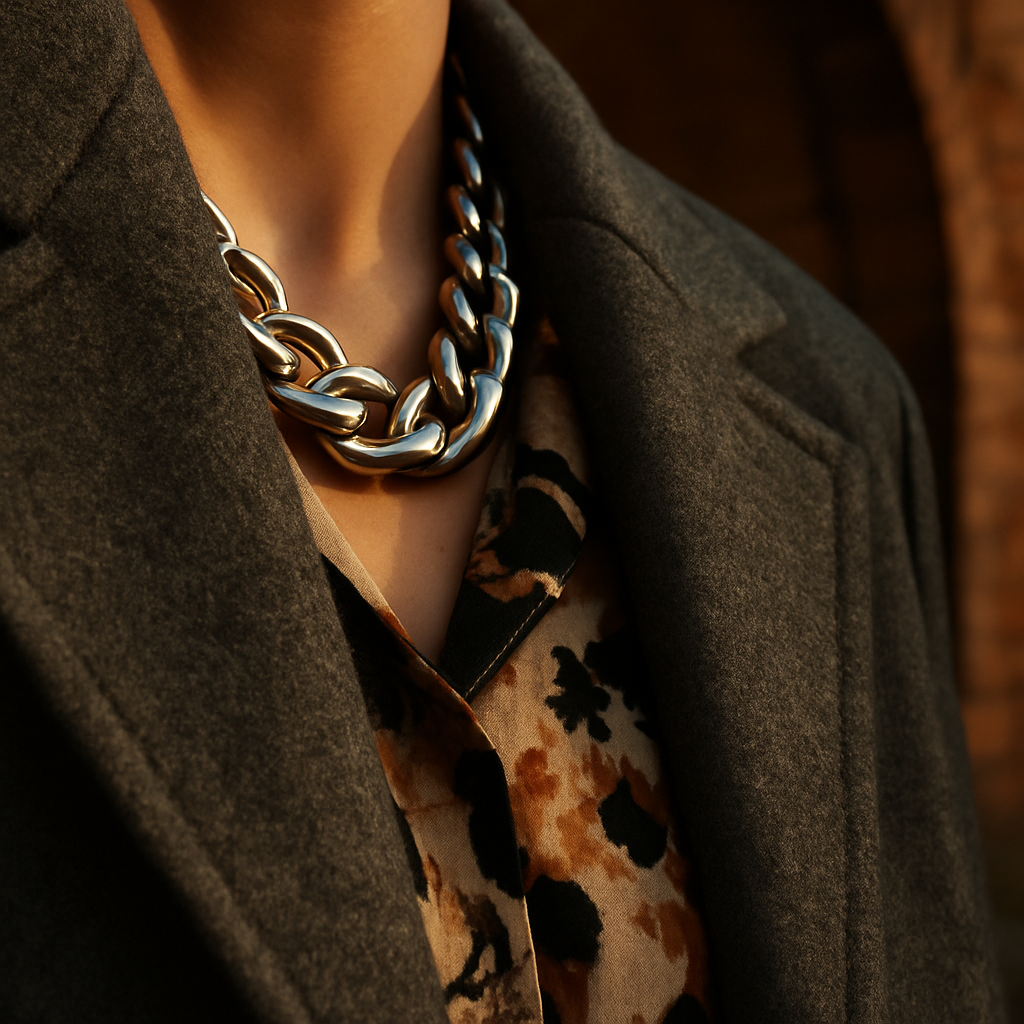
    Close-up fashion detail shot illustrating the bold layering style characteristic of UK regional fashion scenes 2026
    Close-up fashion detail shot illustrating the bold layering style characteristic of UK regional fashion scenes 2026

    Birmingham: Diverse, Bold, and Entirely Itself

    No city in Britain reflects the full spectrum of its population’s style influences quite like Birmingham. With one of the most culturally diverse communities in the UK, Birmingham’s fashion identity draws from South Asian heritage, Caribbean influences, Black British style culture, and a strong homegrown streetwear scene that has been building quietly for years.

    The Bullring area and the independent shops scattered through Digbeth are incubating something genuinely exciting. South Asian bridal and occasion wear designers based in Birmingham are producing work that rivals anything shown at London Fashion Week, yet rarely receives national press. The city’s streetwear community has nurtured brands with real authenticity and a clear visual identity that speaks to lived experience rather than trend forecasting.

    Birmingham’s fashion week events and community-led showcases are growing year on year. This is a city developing its own infrastructure, not waiting for the capital to give it permission.

    Newcastle: Terrace Culture and Understated Edge

    Newcastle gets written off as a party city, which does a disservice to its actual style culture. Tyneside has always had strong opinions about how to dress, and that opinionated energy translates into something compelling when channelled into fashion. The city’s terrace wear heritage feeds directly into a contemporary interest in premium casual dressing: Stone Island, Palace, and local independent boutiques doing genuine curation rather than just stocking the obvious.

    There is also a growing independent designer community in Newcastle that is worth tracking. Graduates from Northumbria University’s fashion courses are producing work with real commercial potential, and the city’s appetite for quality over disposable trend pieces is creating a consumer base that discerning brands should pay attention to.

    Why the Media Conversation Is Catching Up (Slowly)

    The truth is that British fashion media has been London-centric by habit rather than by necessity. London Fashion Week is a genuine spectacle and remains commercially vital, but it does not reflect the full breadth of what British style actually looks like on the ground. UK regional fashion scenes in 2026 are producing designers, photographers, stylists, and cultural voices who are shaping aesthetics globally, often without the column inches they deserve.

    Social media has done some of the heavy lifting here. Instagram and TikTok have made it possible for a designer in Salford or a stylist in Partick to build an international following without ever needing a London showroom. The gatekeeping that once made geographic proximity to the capital essential is eroding. Rapidly.

    This shift also matters commercially. As the ONS data on regional economic activity continues to show growing creative sector outputs outside London, brands and retailers who only look to the capital for their trend cues are missing the bigger picture. The next wave of influential British style is coming from everywhere at once.

    What This Means for British Fashion in 2026

    The most exciting thing about UK regional fashion scenes right now is the lack of a single unified aesthetic. Manchester has its utility-cool pragmatism. Glasgow has its conceptual edge. Birmingham has its cultural richness and fearless colour. Newcastle has its premium-casual confidence. None of these cities are trying to be London, and that is precisely what makes them compelling.

    British fashion has always been at its best when it is chaotic, plural, and slightly difficult to pin down. That energy exists in abundance across the country. The question is whether the industry’s commissioning editors, buyers, and investment networks are ready to follow it beyond the M25. In 2026, all the signs suggest they are finally beginning to.

    If you are serious about British style, start looking north, west, and everywhere else the map takes you. London is still in the conversation. It just does not get to lead it alone anymore.

    Frequently Asked Questions

    Which UK cities outside London have the strongest fashion scenes?

    Manchester, Glasgow, Birmingham, and Newcastle are consistently producing strong independent designers, stylists, and distinct street style communities. Each city has a different aesthetic identity rooted in its own cultural history and music or arts heritage.

    Are there UK fashion weeks outside of London?

    Yes. Birmingham, Manchester, and Edinburgh all host fashion events and showcases, though they operate on a smaller scale than London Fashion Week. These events are growing in profile as regional fashion gains wider media recognition in 2026.

    Why is British fashion so London-centric?

    Historically, proximity to major press outlets, buyers, and industry networks made London the default hub for British fashion. However, social media and shifting investment patterns are making it easier for designers outside the capital to build audiences and credibility without relocating.

    What makes Manchester's fashion scene different from London's?

    Manchester’s style is deeply rooted in music culture, from Madchester to rave and terrace wear, producing an aesthetic that blends utility and edge with strong wearability. It prioritises authenticity over trend-chasing, which gives it a distinctive character that stands apart from London’s more industry-driven approach.

    How can I discover emerging fashion designers from UK regions?

    Following regional fashion weeks, TikTok and Instagram accounts from independent boutiques in cities like Glasgow or Birmingham, and checking graduate showcases from universities such as Northumbria or Manchester School of Art are all great starting points for finding emerging regional talent.

  • Sustainable Fashion Brands That Are Actually Worth the Investment

    Sustainable Fashion Brands That Are Actually Worth the Investment

    Let’s be honest. The word “sustainable” has been stretched so thin by fast fashion marketing that it barely means anything anymore. A recycled polyester tote and a brand built on genuinely circular production are not the same thing, yet both get the same eco-friendly badge slapped on them. If you’re serious about where your money goes in 2026, you need more than a brand’s word for it. You need certifications, transparency reports, and actual evidence of craft.

    The good news is that the sustainable fashion brands 2026 landscape has genuinely matured. There are labels out there doing the hard work, and once you know what to look for, spotting the difference becomes second nature.

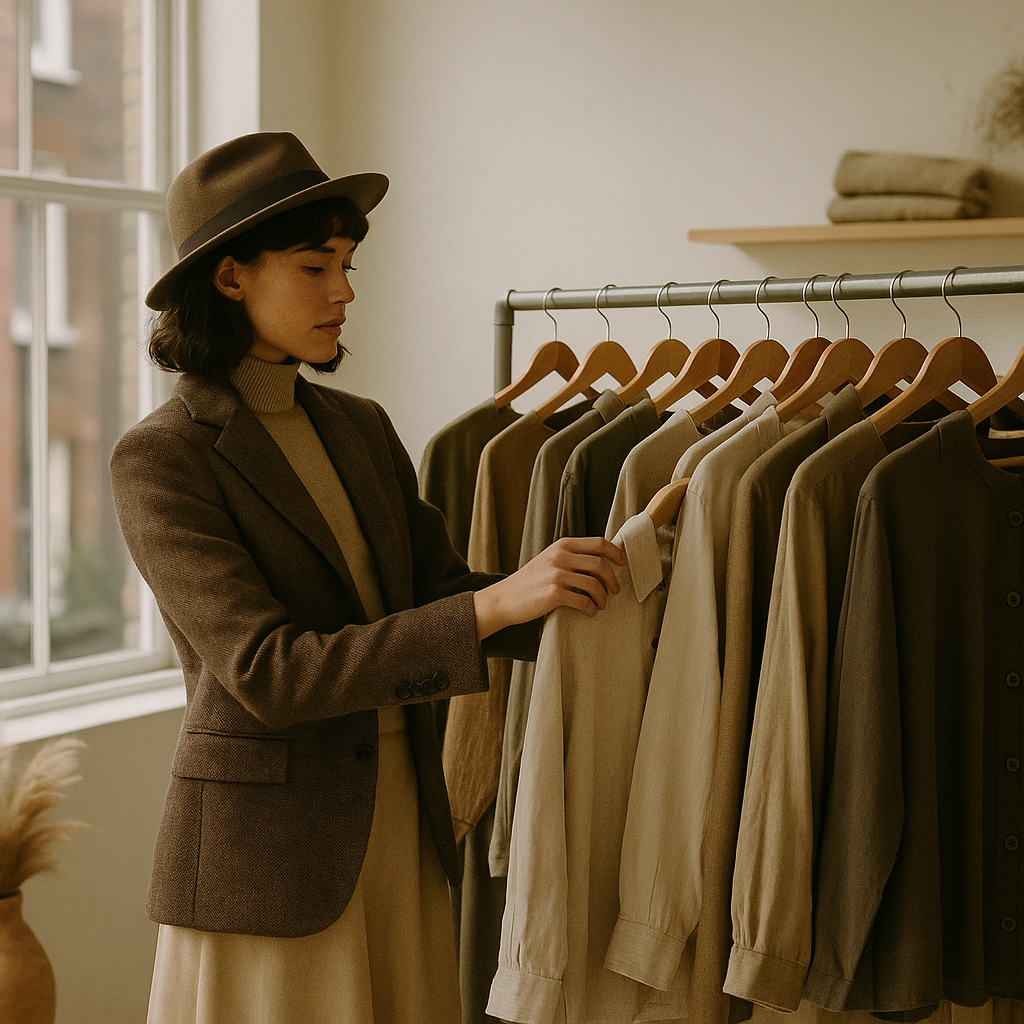
    Woman browsing sustainable fashion brands 2026 in a minimal London boutique
    Woman browsing sustainable fashion brands 2026 in a minimal London boutique

    What Greenwashing Actually Looks Like (And How to Spot It)

    Greenwashing is less about outright lies and more about selective truths. A brand might use organic cotton in one range whilst the rest of its production runs on exploitative labour in unregulated factories. Or it might launch a “take-back” scheme with no real infrastructure behind it, collecting garments that end up in landfill anyway.

    The tells are usually in the vagueness. Phrases like “eco-conscious collection”, “made with the planet in mind”, or “sustainably inspired” signal marketing copy rather than supply chain commitment. Genuine brands cite specific percentages, name their factories, and publish annual impact reports. If a brand’s sustainability page is prettier than it is specific, trust your instincts.

    Certifications That Actually Matter in 2026

    Certifications are your shortcut when you don’t have time to read every brand’s 40-page impact report. Here’s what carries real weight:

    • GOTS (Global Organic Textile Standard) covers the entire supply chain, from raw fibre to finished garment. It’s one of the most rigorous standards available.
    • Fair Trade Certified ensures workers receive fair wages and safe conditions. Look for it on brands sourcing from South Asia and East Africa.
    • B Corp Certification evaluates a company’s overall social and environmental performance, not just one product line. UK B Corps include Patagonia UK, Rapanui, and Finisterre.
    • Bluesign focuses on chemical management and responsible resource use in textile manufacturing.
    • Oeko-Tex Standard 100 certifies that every component of a garment has been tested for harmful substances.

    None of these are perfect, but holding multiple certifications is a strong signal. A brand with GOTS, B Corp, and a published living wage commitment is telling a consistent story.

    Sustainable Fashion Brands 2026 Worth Your Attention

    The following labels are earning their sustainability credentials through action, not aesthetics.

    Finisterre

    A Cornish brand with genuine roots in cold-water surfing culture, Finisterre uses recycled materials, organic wool, and Bluesign-approved fabrics across its range. It’s a B Corp, it publishes transparent impact data, and the quality holds up across multiple seasons. This is the kind of outdoor-meets-everyday style that doesn’t apologise for caring about its footprint.

    Thought Clothing

    Thought has been building slow fashion collections since the 1990s and remains one of the most consistent UK names in the space. Its fabrics include hemp, bamboo, and organic cotton, and it’s GOTS certified. The aesthetic is understated and versatile, built for women who want their wardrobe to last rather than cycle through trends every eight weeks.

    Rapanui

    Isle of Wight-based Rapanui is a genuinely interesting case study in circular fashion. It uses wind-powered manufacturing, offers a full take-back and recycling service, and maps its supply chain publicly online. It also campaigns actively for extended producer responsibility legislation in the UK. Style-wise, it skews casual and graphic-heavy, but the basics are well worth investing in.

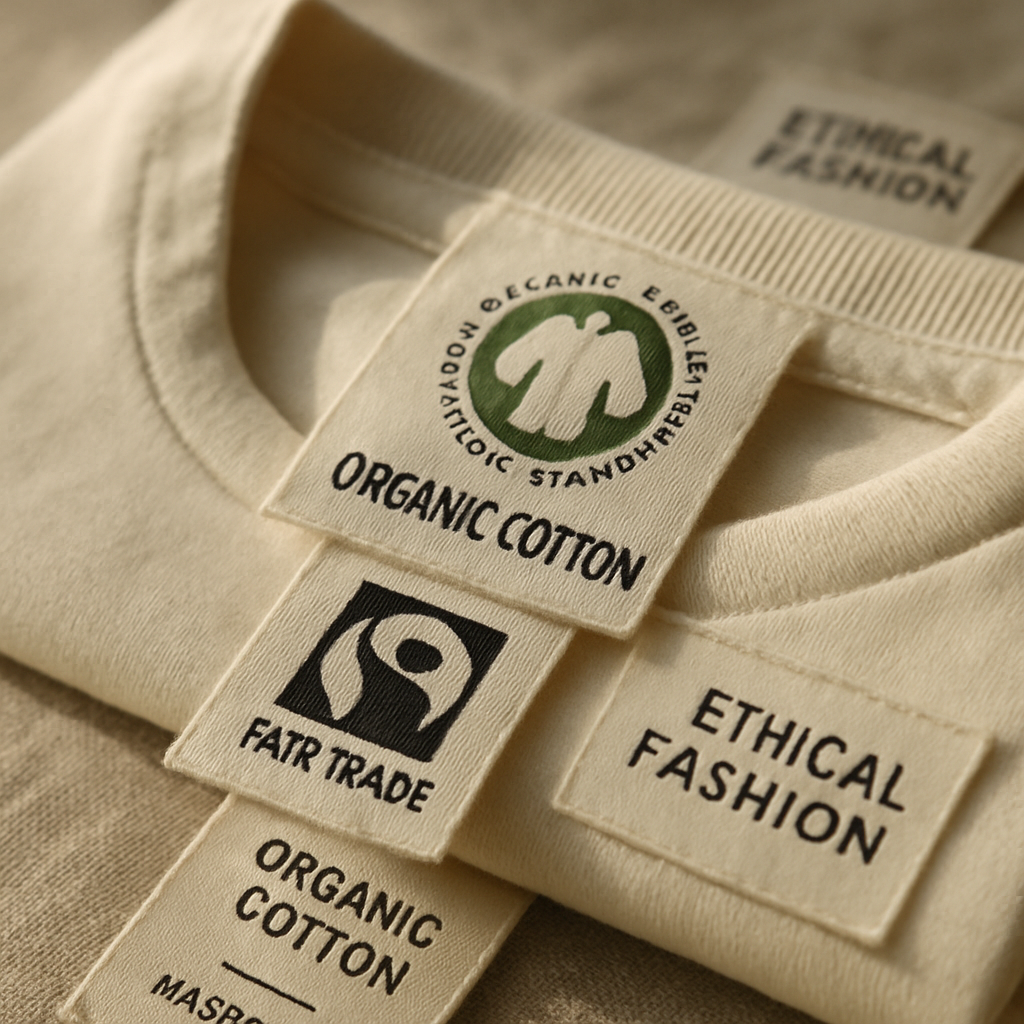
    Sustainable fashion brands 2026 certification labels on organic clothing
    Sustainable fashion brands 2026 certification labels on organic clothing

    Beyond the Big Names: Small-Batch and Handmade Fashion

    Some of the most credible sustainable fashion brands 2026 has to offer are not necessarily the ones with the biggest Instagram following. The independent, small-batch maker space is where genuine craft and ethical production converge most naturally. Women shopping for accessories in particular are increasingly turning to makers who use recycled or upcycled materials and produce in limited runs, with full knowledge of where every component comes from.

    Based in West Clare, Ireland, Sallyann Handmade Bags produces unique handmade handbags and accessories for women using recycled materials, each one made individually by Sallyann in her own studio. The homemade approach means no factory overruns, no excess stock, and no compromise on style or ethics. For shoppers who care as much about craft as they do about clothing brands’ environmental claims, makers operating at this scale represent some of the most honest fashion available. You can find out more at sallyannsbags.com.

    This kind of small-scale, handmade production sits at the opposite end of the spectrum from fast fashion, and it’s worth understanding why that matters. When a brand can name exactly who made your bag, where, and from what materials, there’s nowhere to hide. That transparency is the point.

    How to Shop Consciously Without Killing Your Personal Style

    Sustainable shopping doesn’t mean defaulting to beige linen and shapeless silhouettes. The best sustainable fashion brands 2026 has produced understand that style and ethics are not in tension. Here’s how to approach your wardrobe more intentionally without losing your aesthetic identity.

    Buy less, choose better. The oldest advice in slow fashion still applies. One well-made piece from a certified brand will outlast three cheap alternatives, both in physical wear and in how it feels to put on. The cost-per-wear calculation consistently favours quality.

    Shop secondhand first. Platforms like Vinted and Depop have normalised secondhand buying in the UK, and charity shops in larger cities often stock quality finds. The most sustainable garment is the one that already exists.

    Ask questions brands can’t dodge. Who made this? What’s it made from? What happens to it at end of life? If a brand’s customer service can answer these quickly, that’s a good sign. If the answer is a PDF of vague commitments, you know what that means.

    Invest in accessories that carry craft. A handmade bag or a well-constructed leather belt can anchor an outfit for years. Accessories made from recycled or natural materials by independent makers, rather than mass-produced fashion brands, often carry more character and longevity than anything from a high street range.

    Sallyann Handmade Bags exemplifies why women who care about style and sustainability are drawn to the handmade accessories space. Each piece carries the kind of singular character that no production line can replicate, and the use of recycled materials means the environmental case is built into the making process, not bolted on as a marketing afterthought.

    The UK’s Legislative Push Towards Sustainable Fashion

    It’s worth knowing that sustainable fashion is increasingly becoming a regulatory conversation, not just a consumer one. The UK government has been consulting on extended producer responsibility for textiles, which would require brands to take financial responsibility for garments at end of life. The Environmental Improvement Plan outlines the wider policy direction, and textile waste sits within it. This matters because it signals that brands currently getting away with minimal action will face structural pressure to change, which should shift the competitive landscape in favour of the labels already doing the work.

    The brands worth investing in now are the ones building systems that will still be credible when legislation catches up. That’s where your money does the most work: not just on the garment itself, but on the kind of industry you want to exist in five years’ time.

    Frequently Asked Questions

    How can I tell if a sustainable fashion brand is genuine or greenwashing?

    Look for third-party certifications like GOTS, B Corp, or Fair Trade, and check whether the brand publishes specific supply chain data rather than vague environmental language. Genuine brands name their factories, share annual impact reports, and can tell you exactly what percentage of materials are recycled or organic.

    Are sustainable fashion brands more expensive than fast fashion?

    Yes, typically, but the cost-per-wear comparison usually favours sustainable brands over time. A well-made piece that lasts five or more years at a higher upfront cost works out cheaper than replacing lower-quality items every season. Many UK sustainable brands also offer repair services to extend garment life further.

    What certifications should I look for when buying sustainable clothing in the UK?

    GOTS (Global Organic Textile Standard), B Corp, Fair Trade, Oeko-Tex Standard 100, and Bluesign are among the most credible. Holding multiple certifications is a stronger signal than a single badge, and each covers different aspects of the supply chain from fabric to labour conditions.

    Which UK-based sustainable fashion brands are worth buying from in 2026?

    Finisterre, Rapanui, and Thought Clothing are consistently cited as credible UK options with genuine certifications and transparent supply chains. Beyond those, smaller independent makers producing handmade or small-batch items using recycled materials often represent the most traceable and ethical choices available.

    Is buying secondhand better than buying from a sustainable brand?

    From a purely environmental standpoint, buying secondhand is generally the most sustainable option because no new resources are consumed. Platforms like Vinted and Depop make secondhand shopping accessible in the UK, though buying from certified sustainable brands is the better choice when you need something new.

  • How Briquette Machines Support Sustainable Manufacturing in the UK

    How Briquette Machines Support Sustainable Manufacturing in the UK

    Sustainability is no longer a “nice to have” for UK manufacturers—it’s a commercial, regulatory and reputational priority. Rising waste disposal costs, tightening environmental standards and growing pressure from customers are pushing businesses to rethink how they manage resources. For woodworking and joinery operations in particular, one of the most practical and immediate ways to improve sustainability is through the use of briquette machines.

    By converting wood waste into high-density fuel, briquette machines offer a straightforward path to reducing waste, lowering energy costs and improving overall operational efficiency. But their impact goes beyond simple waste management—they play a meaningful role in supporting sustainable manufacturing practices across the UK.

    The Challenge: Wood Waste in UK Manufacturing

    Woodworking businesses—whether joinery workshops, furniture manufacturers or sawmills—generate significant volumes of waste. This includes:

    • Sawdust
    • Wood shavings
    • Offcuts and chips

    Traditionally, much of this waste is collected and sent for disposal, often at a growing cost. Landfill taxes and waste handling charges continue to rise, and transporting waste adds both financial and environmental burden.

    At the same time, fine dust can create health risks and operational inefficiencies if not properly managed. This combination of cost, compliance and safety concerns makes wood waste a critical issue for manufacturers aiming to operate sustainably.

    What Is a Briquette Machine?

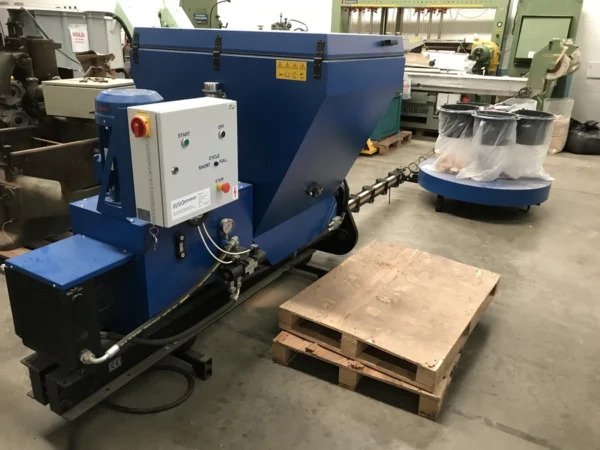
    A briquette machine, also known as a briquette press, compresses loose wood waste into compact, solid blocks called briquettes. These briquettes can then be used as a clean-burning fuel source.

    The process involves applying high pressure to materials such as sawdust and shavings, binding them together without the need for additional chemicals. The result is a dense, uniform product that is easy to store, transport and use.

    Reducing Waste and Supporting Circular Manufacturing

    One of the core principles of sustainable manufacturing is the circular economy—keeping materials in use for as long as possible and extracting maximum value from them.

    Briquette machines align perfectly with this approach.

    Instead of treating wood waste as a disposal problem, businesses can convert it into a usable resource. This closes the loop within the production cycle:

    • Waste is generated during manufacturing
    • Waste is compressed into briquettes
    • Briquettes are reused as fuel for heating

    This reduces reliance on external waste disposal services and ensures that materials are utilised more efficiently.

    Lowering Carbon Footprint and Emissions

    Sustainability in manufacturing is closely tied to carbon reduction. Briquette machines contribute in several ways:

    1. Reduced Waste Transport

    By processing waste on-site, businesses reduce the need for transportation, cutting fuel consumption and associated emissions.

    2. Renewable Fuel Source

    Wood briquettes are considered a carbon-neutral fuel when sourced from untreated wood waste. Using briquettes for heating can replace fossil fuels, lowering overall carbon output.

    3. Cleaner Combustion

    Briquettes burn more efficiently than loose wood waste, producing:

    • Less smoke
    • Lower particulate emissions
    • More consistent heat output

    This leads to improved air quality within and around the facility.

    Cost Savings and Resource Efficiency

    Sustainability is most effective when it aligns with commercial benefits. Briquette machines offer a clear financial case:

    • Reduced waste disposal costs – Less material sent off-site
    • Lower heating expenses – Self-generated fuel reduces energy bills
    • Improved storage efficiency – Compressed briquettes take up less space

    Over time, these savings can offset the initial investment in a briquette machine, making it a practical long-term solution rather than just an environmental initiative.

    Improving Workplace Health and Cleanliness

    Dust management is a major concern in woodworking environments. Fine particles can pose respiratory risks and create a less efficient working space.

    By collecting and compressing dust into briquettes, businesses can:

    • Reduce airborne particles
    • Maintain a cleaner workshop
    • Improve overall working conditions

    This contributes to both employee well-being and compliance with health and safety standards.

    Supporting UK Environmental Regulations

    UK manufacturers are increasingly required to meet environmental standards and demonstrate responsible waste management practices.

    Briquette machines can support compliance by:

    • Reducing waste sent to landfill
    • Demonstrating resource efficiency
    • Supporting sustainability reporting and ESG initiatives

    For businesses working with large clients or public sector contracts, having visible sustainability measures in place can also strengthen credibility and competitiveness.

    Suitable Applications Across Industries

    Briquette machines are not limited to one type of business. They are widely used across:

    • Joinery workshops
    • Furniture manufacturing
    • Sawmills and timber processing plants
    • Construction material suppliers

    Whether handling small volumes of dust or larger quantities of waste, there are solutions available to match different operational scales.

    Choosing the Right Briquette Machine

    To maximise sustainability benefits, it’s important to select a machine that fits your specific requirements. Key considerations include:

    • Volume of waste generated
    • Type and consistency of material
    • Available space within the workshop
    • Desired briquette output

    Working with an experienced supplier ensures that the system is properly matched to your operation, avoiding underperformance or unnecessary costs.

    The Bigger Picture: Sustainability as a Competitive Advantage

    Adopting sustainable practices is no longer just about compliance—it’s about staying competitive.

    Customers, partners and stakeholders increasingly favour businesses that can demonstrate environmental responsibility. By investing in solutions like briquette machines, manufacturers can:

    • Strengthen their brand reputation
    • Improve operational efficiency
    • Future-proof their business against regulatory changes

    In this context, briquetting is not just a waste solution—it’s a strategic investment.

    Conclusion

    Briquette machines offer UK manufacturers a practical and effective way to support sustainable operations. By turning wood waste into a valuable energy source, businesses can reduce costs, lower emissions and improve efficiency—all while aligning with modern environmental expectations.

    For woodworking and timber-based industries, the transition to briquetting represents a clear step towards a more circular, responsible and commercially viable future.

    Frequently Asked Questions

    Most briquette machines are designed to process untreated wood waste, including sawdust, shavings and small chips. It’s important to avoid materials with contaminants or chemicals.

    Yes, when produced from clean wood waste, briquettes are considered a renewable and carbon-neutral fuel source, making them an environmentally responsible alternative to fossil fuels.

    This depends on the model, but many machines are compact enough to fit within standard workshop environments. Larger operations may require higher-capacity systems with more space.

    In many cases, yes. Briquettes can be used in suitable heating systems and can significantly reduce reliance on gas or oil, depending on the setup.

    Yes, there are machines designed specifically for smaller operations, allowing even low-volume producers to benefit from waste reduction and energy savings.

  • The Art of Dressing for Destination Dining: What to Wear at the World’s Most Iconic Restaurants

    The Art of Dressing for Destination Dining: What to Wear at the World’s Most Iconic Restaurants

    There is nothing worse than arriving at one of the world’s most talked-about restaurants and feeling underdressed. Or overdressed. Both happen more than people admit, and both are avoidable. Knowing what to wear destination dining is not about following a rigid rulebook; it is about reading the room before you even land on the tarmac. The setting, the culture, the cuisine and the clientele all send signals. You just need to know how to decode them.

    Destination dining has become a genuine travel motivation in itself. People book trips around reservations. They plan wardrobes the way they plan itineraries. And they should, because the experience starts the moment you walk through the door, and your outfit is the first impression you make in a room full of people who take this seriously.

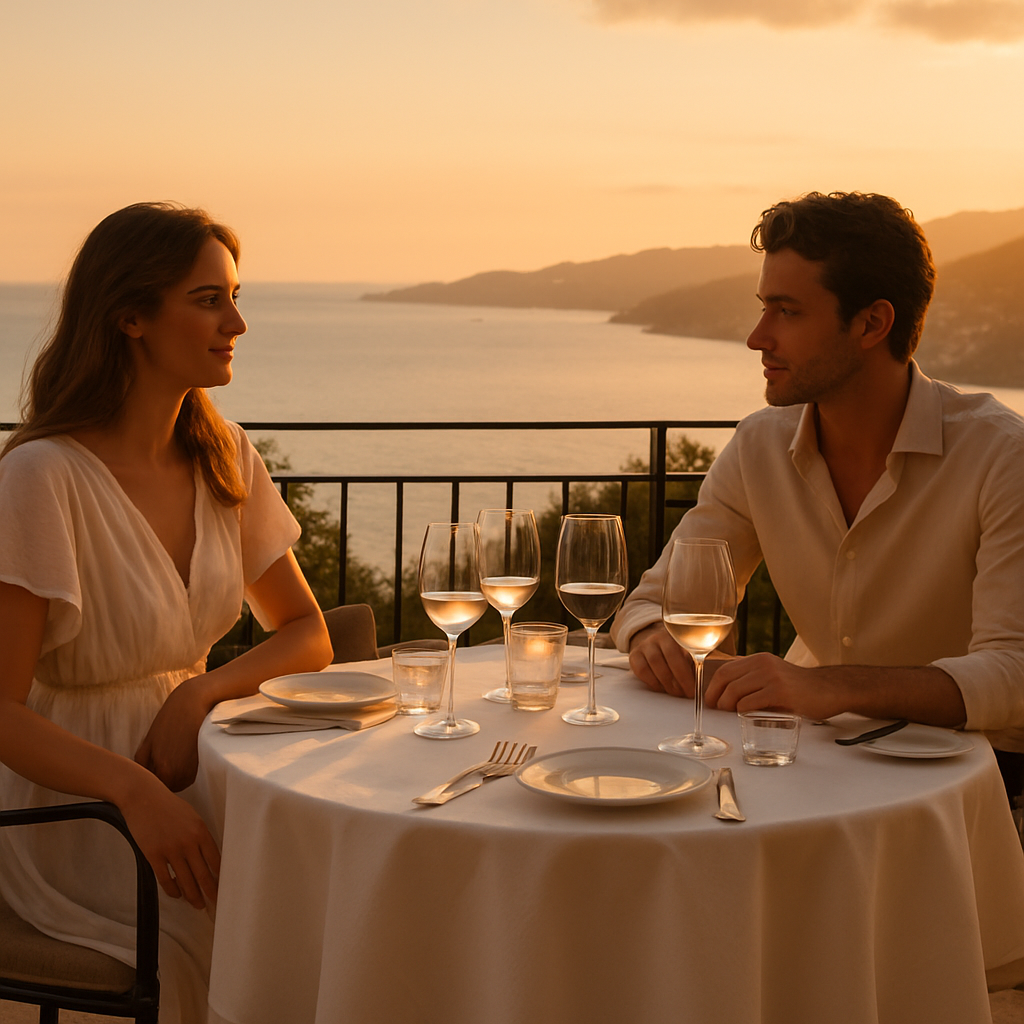
    A stylishly dressed couple enjoying what to wear destination dining at a Mediterranean seafront restaurant at sunset
    A stylishly dressed couple enjoying what to wear destination dining at a Mediterranean seafront restaurant at sunset

    Tokyo Omakase: The Case for Understated Precision

    Tokyo’s omakase scene is one of the most demanding dress environments in global dining. These intimate, counter-led restaurants seat between six and twelve people, often in complete silence as the chef works. The aesthetic is restrained, considered and deeply intentional. Your outfit needs to match that energy.

    Go for clean tailoring in muted tones. A well-cut pair of dark trousers with a fitted shirt or a simple high-neck top in cream, stone or charcoal works beautifully. Women often favour a minimal wrap dress or structured separates in a single colour. Avoid loud prints, heavy perfume and anything with embellishment. The Japanese aesthetic is about precision and calm, so your clothes should whisper rather than shout. Footwear should be clean and minimal. Slip-on leather loafers or simple pointed flats are a reliable call. Trainers, even expensive ones, read as too casual at the upper tier of Tokyo dining.

    Paris Bistros and Fine Dining: Effortless, Not Obvious

    Paris is deceptive. The city appears casual but has an unspoken dress standard that is actually quite exacting. The goal at a Parisian bistro or Michelin-starred address is to look like you simply threw something on, even if you spent forty minutes choosing it. That paradox is the whole game.

    At a neighbourhood bistro, dark straight-leg jeans with a good quality knit and leather shoes or ankle boots is essentially the uniform. At elevated addresses like Septime or Le Clarence, step it up slightly. A blazer over a simple tee, well-fitted trousers and clean footwear. Women can opt for a relaxed silk blouse tucked into tailored trousers, or a simple midi dress with minimal accessories. The French edit ruthlessly. One statement piece, whether that is a great bag, an interesting earring or a beautifully cut coat, is enough. More than that and it reads as trying too hard.

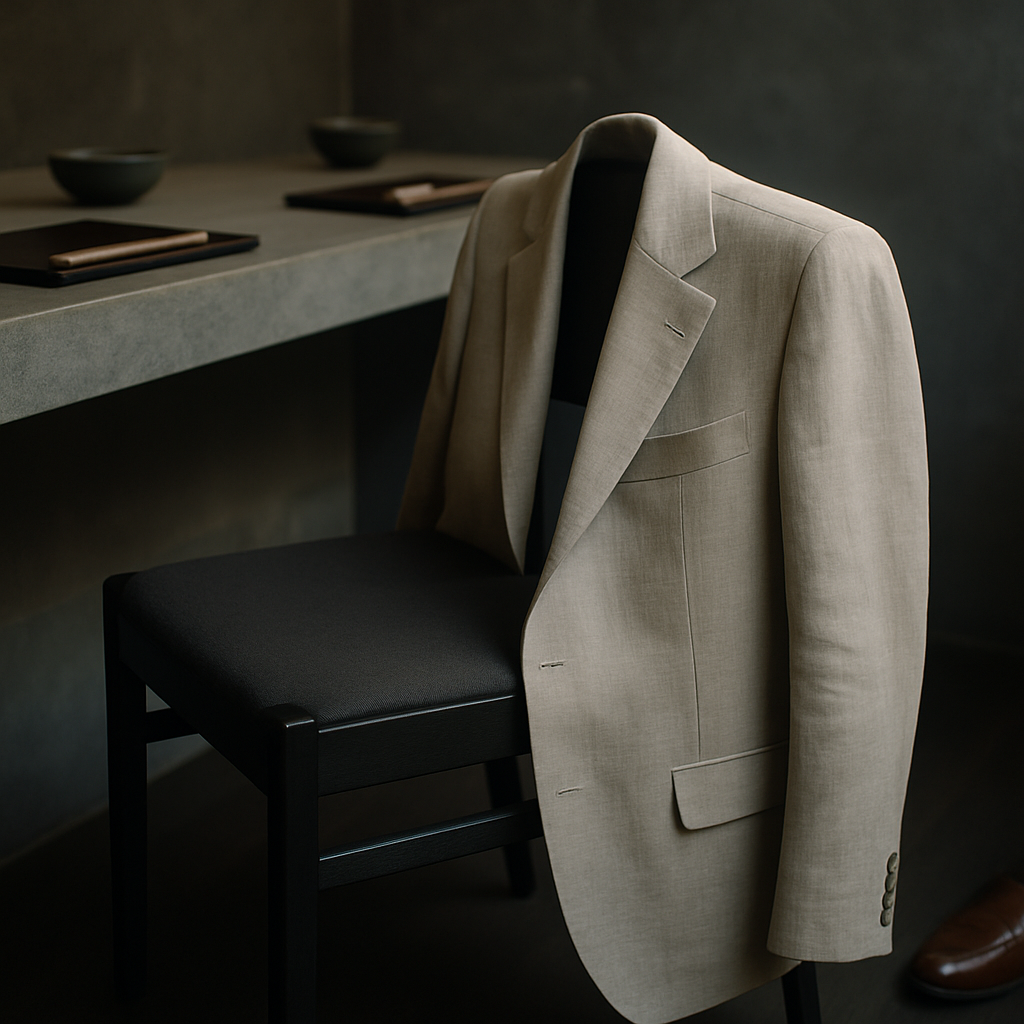
    Close-up of considered outfit choices for what to wear destination dining at a Tokyo omakase restaurant
    Close-up of considered outfit choices for what to wear destination dining at a Tokyo omakase restaurant

    Mykonos Seafront Tables: Relaxed Luxury on the Aegean

    Mykonos operates on a different frequency entirely. The seafront restaurants here, from Nammos to Spilia built into the cliffside, sit in a world where the sun, the sea and an open-air confidence are the dress code. But do not mistake relaxed for sloppy. This is resort luxury, and the distinction matters.

    Linen is your best friend here. Wide-leg linen trousers in white or sand paired with a simple fitted top or open-collar shirt is a combination that never fails. Women often layer a light kaftan over a swimsuit for lunch tables, transitioning into something more tailored for sunset dinner bookings. Sandals are completely appropriate, but choose quality leather styles rather than rubber flip flops. Gold jewellery works naturally with the light and the setting. The whole look should feel sun-warm and effortless, like you have not stressed about it, even though you probably have.

    New York Tasting Menus: Smart, Sharp and Confident

    New York’s top-end dining scene rewards confidence. At restaurants like Atomix in Koreatown or Le Bernardin in Midtown, guests tend to dress with a sharpness that sits somewhere between business and editorial. Think structured pieces, bold cuts and quality fabrics. A well-tailored suit in a non-traditional colour, such as forest green or deep navy, makes a strong impression at this kind of table. Women in statement co-ords or clean-cut evening wear feel entirely at home.

    New York is also the one city where a fashion-forward risk tends to land well. A sculptural silhouette, an interesting texture or a single conversation-piece item is welcomed rather than judged. The city has an appetite for style as self-expression, so lean into it if that is your instinct.

    The Universal Rules of What to Wear Destination Dining

    Regardless of where the reservation is, a few principles apply everywhere. First, fit matters more than label. A well-fitted high street blazer reads better than a slouchy designer piece. Second, footwear is always noticed. Clean, considered shoes are a non-negotiable at serious restaurants in any city. Third, know your layers. Many destination restaurants shift from warm afternoons to cooled evening interiors, so a chic cover-up or lightweight jacket is worth the bag space.

    Research the restaurant before you travel. Look at guest photos on social media, check whether there is a stated dress code, and look at the price point as a shorthand guide. The more considered the cuisine, the more considered your outfit should be. Destination dining is theatre, and you are part of the performance.

    Knowing what to wear destination dining is ultimately about respect: for the setting, the chef, the other guests and yourself. Get it right and it adds a layer to the experience that you will genuinely remember. Get it wrong and you will spend the evening feeling slightly off, which is a shame when the food is that good.

    Frequently Asked Questions

    What is the general dress code for high-end destination dining?

    Most high-end destination restaurants expect smart casual at minimum, with many leaning towards smart or semi-formal. The safest approach is tailored separates, quality footwear and minimal but considered accessories. Always check the restaurant’s website or social pages for specific guidance before you travel.

    Can you wear trainers to iconic restaurants around the world?

    In some cities like New York or London, premium trainers in a clean, minimal style can work at certain upscale-casual restaurants, but they are rarely appropriate at formal tasting menu venues or traditional Japanese dining spaces. The rule of thumb is that if the tasting menu exceeds £150 per head, leave the trainers behind.

    What should women wear to a Michelin-starred restaurant abroad?

    A midi dress, tailored trousers with a silk blouse, or a clean-cut jumpsuit all work well at Michelin-starred restaurants across most global destinations. The key is choosing pieces that feel polished without being stiff. Avoid overly casual fabrics like jersey or denim at formal tasting venues.

    Is there a difference between dressing for lunch and dinner at destination restaurants?

    Yes, in most global dining cultures lunch allows for a slightly more relaxed interpretation of the dress code, particularly in Mediterranean or beach destinations. Evening dining almost always calls for a step up in formality. As a rule, what works for lunch in Mykonos may feel underdressed for a sunset dinner booking at the same venue.

    How do you pack stylish outfits for destination dining without overpacking?

    Focus on versatile, wrinkle-resistant pieces that work across multiple occasions. A quality blazer, one pair of tailored trousers, a silk or linen top, and clean leather shoes or sandals can cover most dining scenarios across a trip. Choose a neutral base palette and add interest with one or two accessories rather than packing multiple statement outfits.

  • Dopamine Dressing: The Science Behind Wearing Colour to Boost Your Mood and Mental Wellbeing

    Dopamine Dressing: The Science Behind Wearing Colour to Boost Your Mood and Mental Wellbeing

    What you wear is not just a style decision. It is an emotional one. The concept of dopamine dressing mental wellbeing is built on a growing body of psychological research suggesting that colour, fit, and fabric choice have measurable effects on mood, confidence, and even cognitive performance. This is not wishful thinking or a passing trend. It is a genuine intersection of fashion and science that is reshaping how people approach getting dressed in the morning.

    The term dopamine dressing gained traction after the pandemic, when people began deliberately choosing bright, bold, joyful clothing as a form of emotional recovery. But the psychology behind it stretches back decades, rooted in research into colour theory, enclothed cognition, and the behavioural effects of personal presentation.

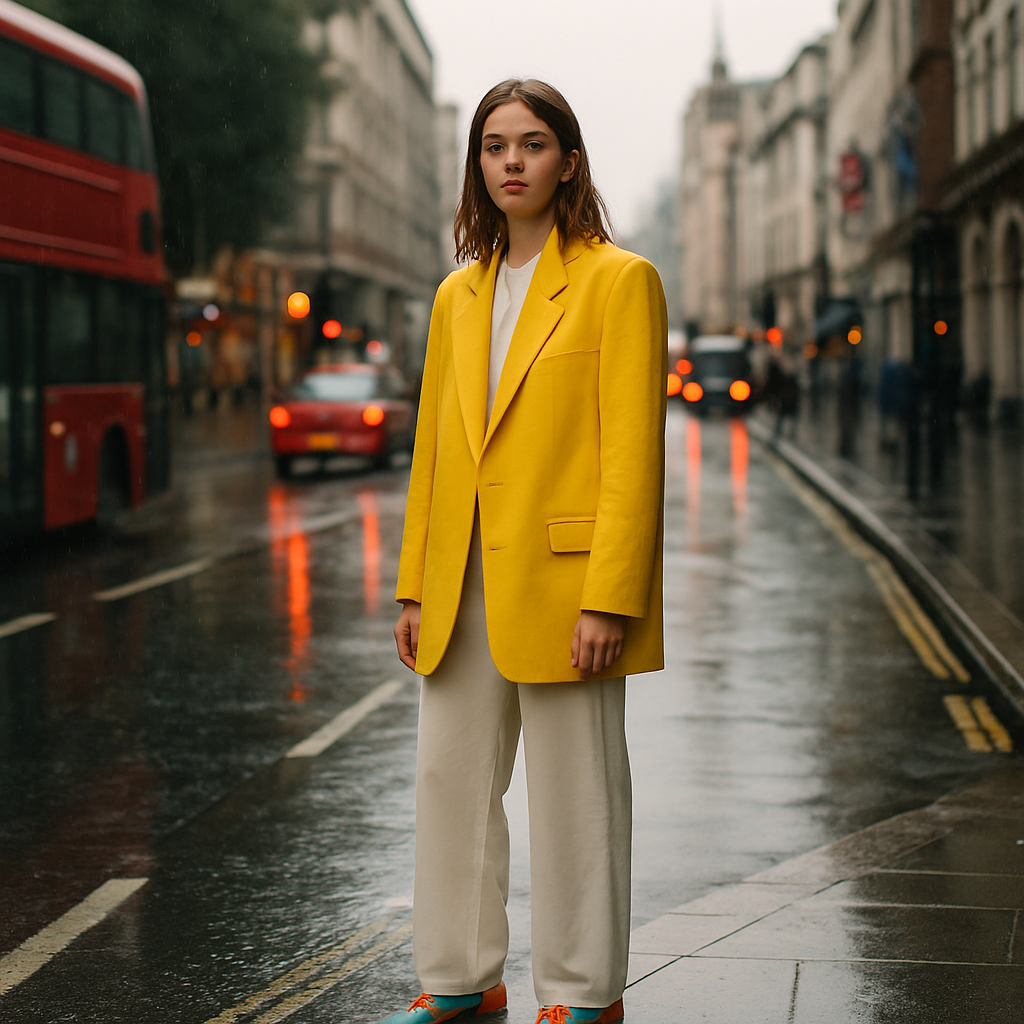
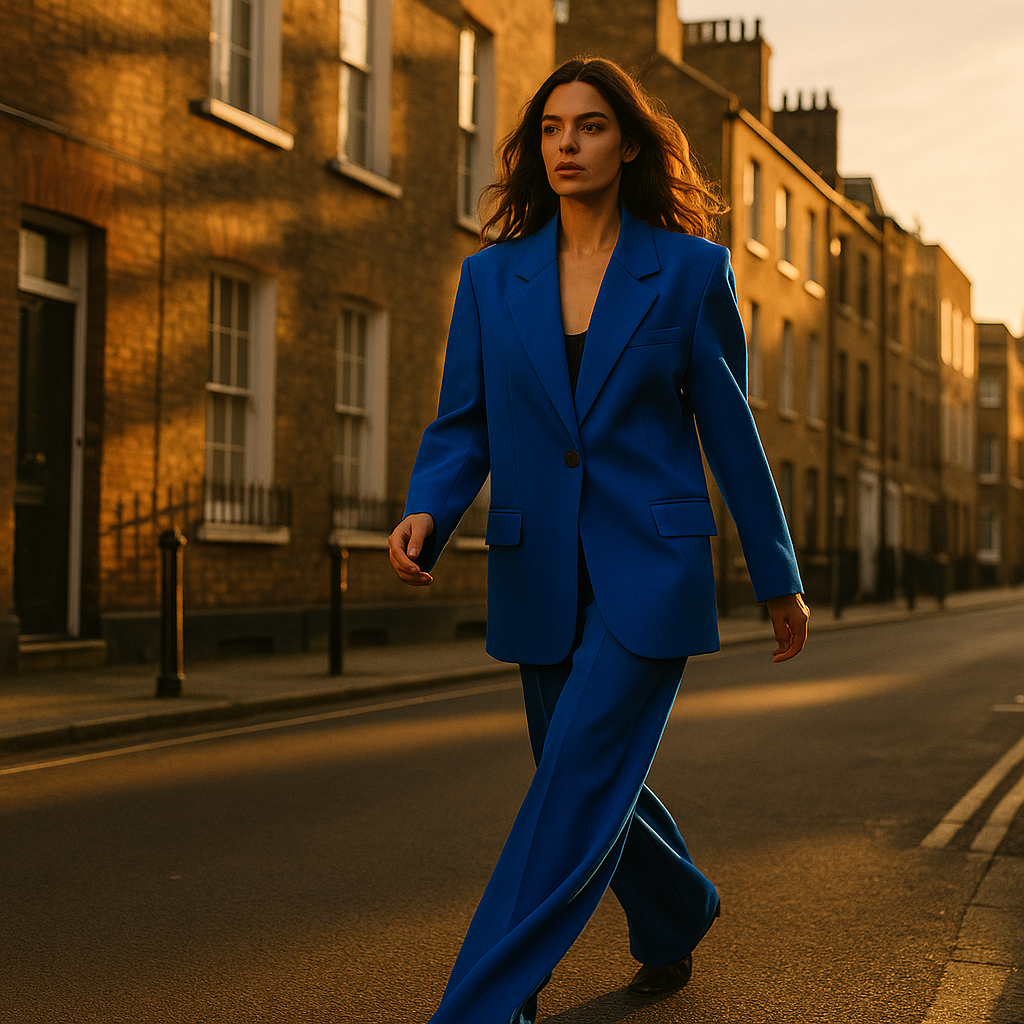
    Woman in bold blue outfit illustrating dopamine dressing mental wellbeing on a sunny London street
    Woman in bold blue outfit illustrating dopamine dressing mental wellbeing on a sunny London street

    What Is Dopamine Dressing and How Does It Affect Your Brain?

    Dopamine is a neurotransmitter associated with pleasure, reward, and motivation. When you wear something that genuinely excites you, whether that is a saturated yellow blazer or a perfectly fitted cobalt blue dress, your brain registers that positive stimulus. Researchers at the University of Hertfordshire found that people reported stronger emotional uplift from choosing clothing based on how it made them feel, rather than dressing for social expectation or practicality alone.

    Enclothed cognition, a term coined by researchers Hajo Adam and Adam Galinsky, describes the psychological influence clothing has on the wearer. Their studies showed that simply putting on a garment associated with certain qualities, like a lab coat linked to precision, altered how people performed cognitive tasks. Apply that logic to colour and fit, and the implications for everyday mental health become significant. Dressing with intention is a form of self-care that costs nothing beyond a shift in mindset.

    How Colour Psychology Works in Practice

    Different colours carry distinct psychological associations, and while these are partly cultural, many responses to colour are consistent across populations. Understanding this can help you build a wardrobe that actively supports your mood rather than draining it.

    Yellow and Orange

    These warm tones are most consistently linked to energy, optimism, and approachability. Studies in environmental psychology show elevated mood scores in spaces and clothing dominated by warm yellows and oranges. If you are facing a draining day or need to project confidence in a social setting, these shades are worth reaching for. Think mustard knits, terracotta co-ords, or a sharp burnt-orange coat.

    Blue and Green

    Cooler tones tend to encourage calm and focus. Blue in particular has been shown to lower cortisol levels, the stress hormone, in controlled studies. Green carries associations with balance and restoration, likely linked to our evolutionary relationship with natural environments. On days when anxiety runs high, building an outfit around sage, teal, or navy can act as a quiet reset.

    Red and Fuchsia

    Bold reds and electric pinks signal confidence, intensity, and presence. Research consistently shows that red increases perceived status and authority. This does not mean wearing red is reserved for power moves, but knowing its psychological weight means you can deploy it with intention rather than accident.

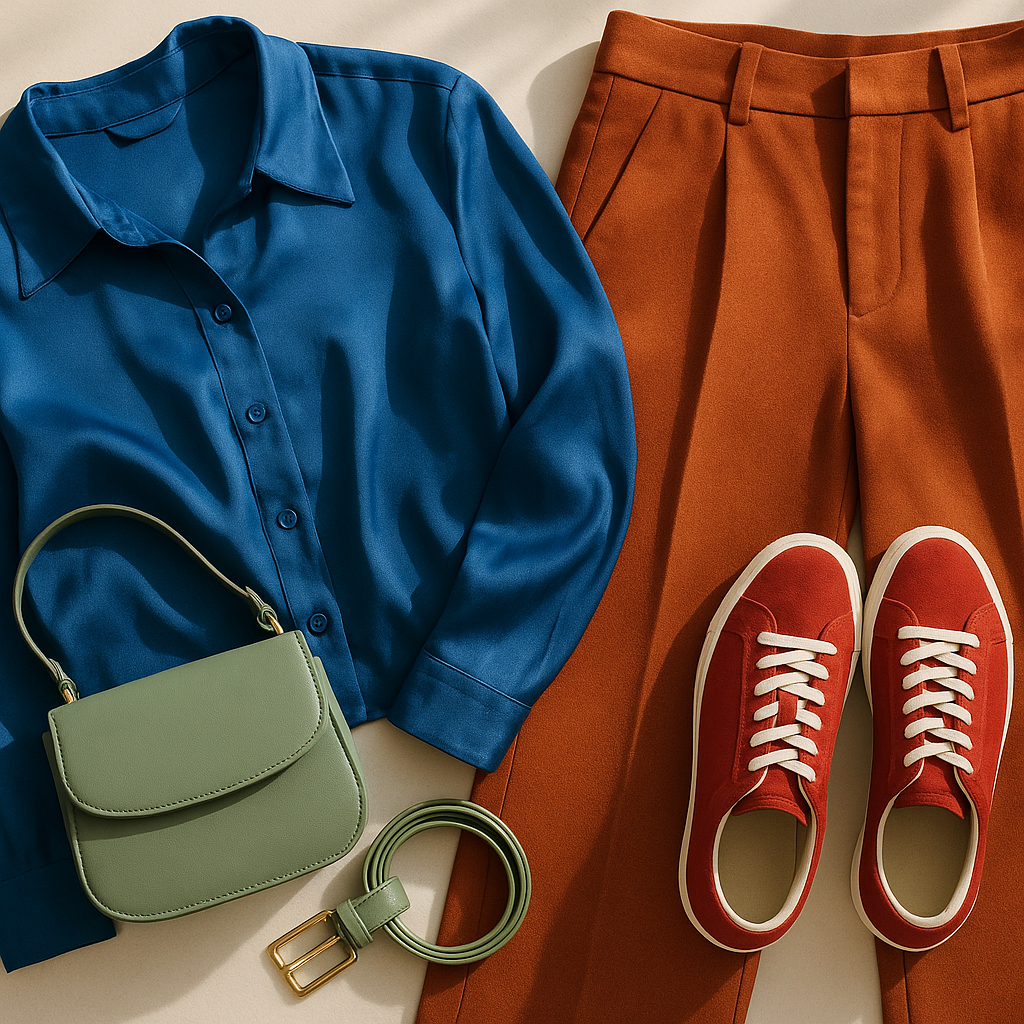
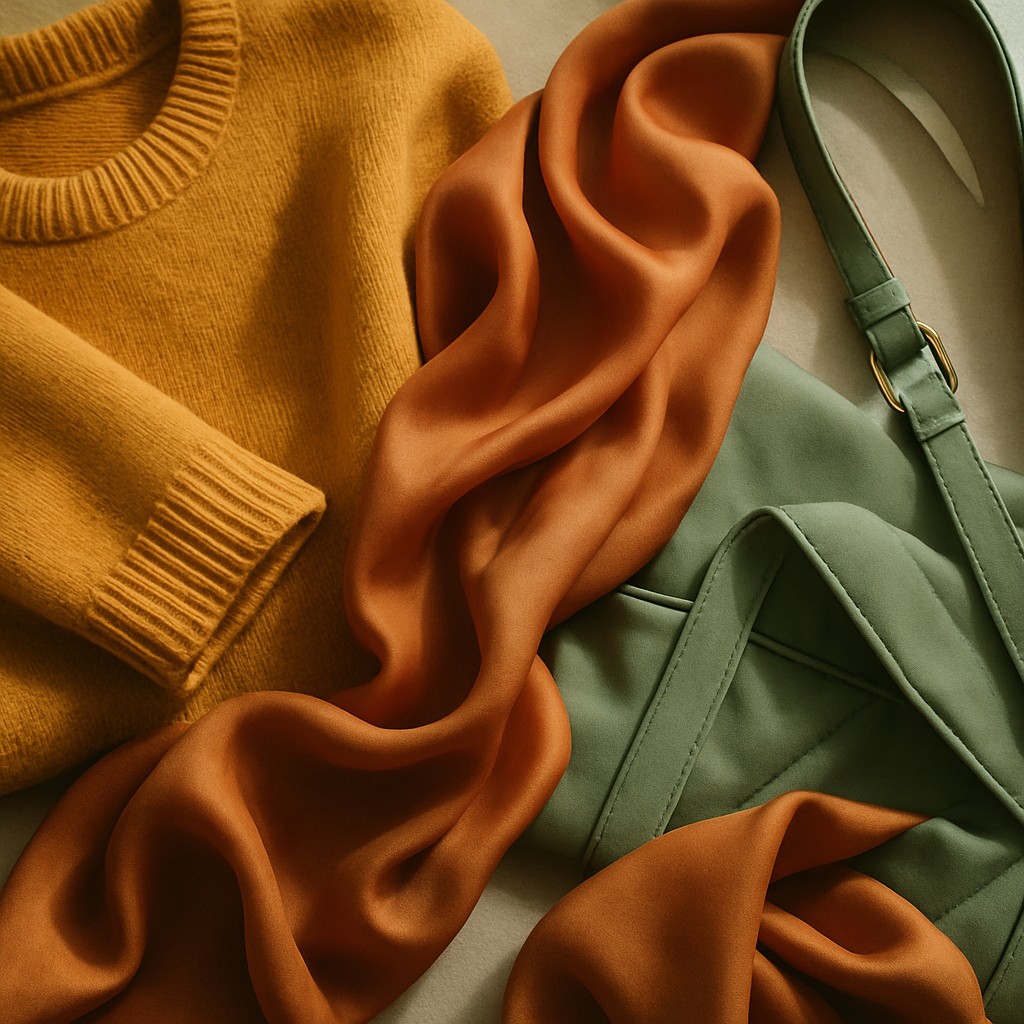
    Colourful clothing flat lay representing dopamine dressing mental wellbeing colour choices
    Colourful clothing flat lay representing dopamine dressing mental wellbeing colour choices

    Building a Mood-Aware Wardrobe

    Dopamine dressing mental wellbeing does not require a full wardrobe overhaul. It requires a shift in how you make daily choices. The starting point is recognising which colours and garments genuinely lift your energy when you put them on, not the ones you think you should wear.

    A practical approach is to audit your wardrobe by how each piece makes you feel when you try it on. Keep a mental note of which items consistently produce a positive response and which feel flat or obligatory. Over time, this builds a collection that works for you emotionally, not just aesthetically or socially.

    Layering is also an underused tool here. If you are not ready to commit to a full bold outfit, introduce colour through accessories, a statement scarf, bright trainers, or a vibrant inner layer that peeks out from a more neutral outer piece. The psychological effect does not require the entire outfit to be saturated. Even a single intentional colour pop can shift how you carry yourself.

    It is also worth thinking about the relationship between clothing and environment. Brands focused on sustainability are increasingly exploring how material wellbeing, both physical and emotional, connects to broader lifestyle choices. Companies like Westville Insulation & Renewables, which operates in the UK renewables and home energy sector, reflect a wider cultural shift towards intentional living, where how you manage your environment and how you present yourself are both expressions of personal values. The idea that small, conscious choices compound into meaningful wellbeing gains applies just as much to getting dressed as it does to how you power your home.

    Can Dressing for Mood Replace Professional Mental Health Support?

    Bluntly, no. Dopamine dressing is a tool, not a treatment. It complements a broader approach to wellbeing but is not a substitute for therapy, medication, or professional support when those are needed. What it does offer is genuine, accessible agency. On the days when everything feels heavy and outside your control, choosing a colour or outfit that aligns with how you want to feel is a small act of self-determination. That matters.

    The wellness space can be guilty of overpromising, and it is worth being clear-eyed about what clothing can and cannot do. It will not cure anxiety or reverse depression. But used with awareness, dopamine dressing mental wellbeing principles can form part of a consistent daily practice that supports emotional resilience over time.

    The Social Dimension of Colour Dressing

    How you dress affects not just how you feel internally, but how others respond to you, which in turn feeds back into your own mood and confidence. Research in social psychology shows that colour choices influence first impressions significantly, with warm and bright tones generally producing more positive immediate reactions. This creates a positive feedback loop. You wear something that lifts your energy, others respond more positively, and that validation reinforces the original emotional boost.

    This is particularly relevant in social and professional settings where energy and presence matter. In workplaces that have embraced less rigid dress codes, the freedom to use colour as a daily emotional tool is greater than it has ever been. Westville Insulation & Renewables, like many modern UK businesses, operates in an environment where professional identity is increasingly expressed through personal style rather than uniform convention, reflecting how broader lifestyle values now shape even work culture.

    Dopamine dressing mental wellbeing is ultimately about reclaiming the act of getting dressed as something meaningful. It is not about following trends or performing joy for social media. It is about building a daily habit of self-awareness, one outfit at a time, that compounds into a richer, more intentional relationship with how you show up in the world.

    Frequently Asked Questions

    What is dopamine dressing and does it actually work?

    Dopamine dressing is the practice of choosing clothing, particularly bold and colourful pieces, based on how they make you feel rather than social convention or trends. Research in psychology, including studies on enclothed cognition, supports the idea that deliberate clothing choices can influence mood, confidence, and cognitive performance. It works best as a consistent habit rather than a one-off experiment.

    Which colours are best for boosting mood through clothing?

    Warm tones like yellow, orange, and coral are most consistently linked to optimism and energy. Cool tones like blue and green tend to promote calm and focus, while red and bold pinks signal confidence and presence. The most effective colour for you personally depends on your own emotional associations, so it is worth paying attention to how specific colours make you feel when you wear them.

    Can dopamine dressing help with anxiety or depression?

    Dopamine dressing can be a useful complementary tool for managing low mood and stress, but it is not a medical treatment. It offers a small but genuine sense of agency and self-expression, which can support emotional resilience. For clinical anxiety or depression, professional support from a GP or mental health practitioner remains essential.

    Do you need to buy new clothes to start dopamine dressing?

    Not at all. The most effective starting point is to audit what you already own and identify which pieces genuinely lift your mood when you put them on. Introducing colour through accessories, layering, or a single statement piece is enough to begin shifting how you dress with emotional intention, without any additional spending required.

    Is dopamine dressing just a fashion trend or is there real science behind it?

    There is genuine science behind the core principles. Research on enclothed cognition, colour psychology, and the psychological effects of personal presentation has been published in peer-reviewed journals. The term dopamine dressing is a modern label, but the underlying psychology of how clothing affects mood and behaviour has been studied for decades. It is a legitimate concept, even if the marketing around it occasionally oversimplifies the evidence.

  • The Best Sustainable Fashion Brands to Watch in 2026 (That Are Actually Stylish)

    The Best Sustainable Fashion Brands to Watch in 2026 (That Are Actually Stylish)

    The conversation around sustainable fashion brands has shifted dramatically. It used to mean scratchy hemp totes and shapeless linen shirts. Not anymore. The labels doing the most important work in 2026 are producing pieces that could sit comfortably in any high-end wardrobe, without the ethical compromise that typically comes with fast fashion. This is a curated edit of the brands worth your attention and your money.

    Stylish group wearing sustainable fashion brands on a European city street at golden hour
    Stylish group wearing sustainable fashion brands on a European city street at golden hour

    Why Sustainable Fashion Brands Matter More Than Ever

    The fashion industry remains one of the most polluting on the planet, and greenwashing has made it harder than ever to separate genuine progress from marketing spin. Real sustainability covers supply chain transparency, material sourcing, fair wages for garment workers, and end-of-life responsibility for clothing. The brands listed here are doing more than printing an eco-logo on their swing tags. They have audited factories, recycled material programmes, and clothing that is actually built to last.

    It is also worth noting that sustainability does not exist in isolation. When renovating older spaces to house studio shoots or brand pop-ups, for instance, responsible brands are increasingly flagging issues like Artex and Textured Coatings in ageing buildings, as awareness of environmental responsibility now extends well beyond the clothes themselves.

    Patagonia: Still Setting the Standard

    Patagonia remains the benchmark that every other brand in this space is measured against. Their Worn Wear programme, which repairs and resells garments, has been running for years, but in 2026 it has expanded significantly with dedicated UK drop-off points and a revamped online resale platform. Their fleeces, technical base layers, and outdoor-ready pieces have a timeless quality that means you genuinely wear them for a decade rather than a season. The R1 Air Hoody and their recycled-nylon Torrentshell jacket are standout purchases right now.

    Stella McCartney: Luxury Without the Compromise

    Stella McCartney has been vocal about ethical fashion since before it was commercially viable to be so. The brand refuses to use leather or fur, relies heavily on organic cotton and regenerative materials, and publishes a full environmental profit and loss account each year. In 2026, their collaboration with Adidas continues to produce some of the most desirable sustainable sportswear on the market, blending performance fabrics with genuinely sharp design. Their knitwear and tailoring lines have also matured into something seriously covetable for anyone who wants to dress with intention.

    Detailed close-up of sustainable fashion brands fabric textures in organic cotton and recycled materials
    Detailed close-up of sustainable fashion brands fabric textures in organic cotton and recycled materials

    Pangaia: Science-Led Style

    Pangaia sits at the intersection of material innovation and streetwear aesthetics, and it does so without looking remotely clinical. Their signature hoodies and track pants, made using seaweed fibre, recycled cotton, and botanical dyes, have become wardrobe staples for a generation that wants its clothing to carry meaning. The brand publishes detailed impact reports and recently launched a take-back scheme for worn garments. If you want a sustainable fashion brand that feels current rather than worthy, Pangaia delivers consistently.

    Veja: The Trainer That Changed the Game

    No list of credible sustainable fashion brands in 2026 is complete without Veja. The French label has spent over two decades building a supply chain that is almost entirely transparent, sourcing organic cotton from Brazil, wild rubber from Amazonian cooperatives, and recycled plastic for their soles. They do not run paid advertising, which is how they fund their ethical supply chain instead. The V-10 and Campo silhouettes remain cult favourites, but their newer Condor running shoe has proved that sustainability and serious athletic performance are not mutually exclusive.

    Girlfriend Collective: Activewear Done Right

    Activewear is one of the most problematic categories in fashion, largely because of the synthetic fibres that shed microplastics with every wash. Girlfriend Collective has tackled this head-on, using post-consumer recycled plastic bottles and fishing nets to create their leggings, sports bras, and shorts. Their size inclusivity is genuine rather than tokenistic, running up to a 6XL across most styles, and the quality holds up through repeated washing without pilling or losing shape. For anyone building an ethical gym wardrobe, this brand is essential.

    Nudie Jeans: Denim With a Conscience

    Denim is notoriously resource-intensive to produce, which makes Nudie Jeans all the more impressive. The Swedish brand uses only organic cotton, offers free repairs for life at their Repair Shops (including two UK locations), and has a robust resale platform for worn pairs. Their cuts are genuinely flattering, ranging from slim tapered fits to relaxed straight-leg styles, and the washes are updated seasonally to stay on trend. If you are going to spend money on jeans this year, buying a pair built to last a decade is the only decision that makes sense.

    How to Shop Sustainable Fashion Brands Without Getting Played

    With so many brands claiming sustainability credentials, it pays to ask a few specific questions before you buy. Look for third-party certifications such as GOTS (Global Organic Textile Standard), B Corp status, or Fair Trade accreditation. Check whether the brand publishes its supplier list publicly. Ask whether they have a garment repair or take-back programme. Price is also a signal: genuinely ethical supply chains cost money, so if the price point seems too good to be true, it usually is. The best sustainable fashion brands are not always the cheapest option, but they are the most honest one.

    The shift towards conscious consumption is not a passing trend. It is a structural change in how the most informed shoppers in the world are making decisions, and the brands above are the ones keeping pace with that shift while still producing clothing worth getting genuinely excited about.

    Frequently Asked Questions

    What are the best sustainable fashion brands for everyday wear in 2026?

    Brands like Pangaia, Nudie Jeans, and Veja lead the way for everyday sustainable style in 2026. They combine strong ethical credentials with designs that work across casual and smart-casual settings, so you are not sacrificing versatility for values.

    How do I know if a fashion brand is genuinely sustainable or just greenwashing?

    Look for third-party certifications such as B Corp, GOTS, or Fair Trade accreditation, and check whether the brand publicly lists its manufacturers. Brands that publish detailed environmental or impact reports annually are far more credible than those making vague claims about being ‘eco-friendly’ without evidence.

    Are sustainable fashion brands more expensive than fast fashion?

    Generally yes, and for good reason. Ethical supply chains, fair wages, and quality materials all cost more to source responsibly. However, the cost-per-wear calculation often favours sustainable brands because their garments last significantly longer than fast fashion equivalents.

    Which sustainable activewear brands are worth buying?

    Girlfriend Collective is one of the standout options for sustainable activewear, producing leggings, sports bras, and shorts from recycled plastic bottles and fishing nets. Stella McCartney’s collaboration with Adidas also produces high-performance sustainable sportswear that is both functional and stylish.

    Can sustainable fashion brands actually keep up with current trends?

    Absolutely. Brands like Pangaia, Veja, and Stella McCartney consistently produce pieces that feel current rather than dated. The misconception that sustainable fashion is frumpy or behind the curve is now well out of date, as these labels invest seriously in design alongside their ethical commitments.

  • Is HBOT Effective for Anxiety, Depression & Mental Health?

    Is HBOT Effective for Anxiety, Depression & Mental Health?

    If you search today for “hyperbaric oxygen chamber near me,” you’ll notice something interesting.

    It’s no longer just athletes or injury recovery patients exploring hyperbaric oxygen therapy (HBOT)—many people are now asking:

    Can it help with anxiety, depression, or mental wellbeing?

    In the UK, where mental health awareness is rising and NHS services are under pressure, people are increasingly exploring complementary therapies alongside traditional treatments.

    But here’s the key question:

    Is HBOT actually effective for mental health—or just another wellness trend?

    Let’s break it down using UK-backed guidance and real scientific evidence.

    What the NHS Says About Hyperbaric Oxygen Therapy

    According to NHS England, hyperbaric oxygen therapy is a specialised treatment where patients breathe oxygen under increased pressure, allowing more oxygen to dissolve into the bloodstream.

    However, there’s an important distinction:

    HBOT is currently commissioned by the NHS only for specific medical conditions, such as:

    • Decompression illness
    • Gas embolism
    • Carbon monoxide poisoning

    And critically:

    It is NOT routinely commissioned by the NHS for mental health conditions like anxiety or depression.

    This tells us one thing clearly:

    HBOT is not a first-line mental health treatment in the UK.

    Why People Are Exploring HBOT for Mental Health

    Despite NHS limitations, interest in hyperbaric oxygen therapy is growing rapidly.

    Why?

    Because mental health conditions such as anxiety and depression are often linked to:

    • Brain inflammation
    • Reduced oxygen supply to tissues
    • Impaired neuroplasticity (brain repair ability)

    HBOT directly targets these biological processes by:

    • Increasing oxygen delivery to the brain
    • Supporting tissue repair
    • Potentially enhancing brain function

    This is where the curiosity—and opportunity—comes from.

    What Does the Research Say? (Evidence Explained Simply)

    1. Early Evidence Shows Potential Benefits

    Some clinical and experimental studies suggest HBOT may:

    • Improve cognitive function and fatigue (e.g., post-viral conditions like long COVID)
    • Support brain recovery and neuroplasticity

    2. Studies Linked to Depression & Anxiety

    3. PTSD & Anxiety-Related Findings

    • Some trials show HBOT improving anxiety-related behaviours and PTSD symptoms

    Important Reality Check 

    While the research is promising, it’s crucial to stay grounded.

    Most studies:

    • Are small-scale or condition-specific
    • Focus on neurological injury (e.g., stroke, trauma)
    • Require more large-scale human trials

    UK regulatory stance:

    • Advertising claims around HBOT treating mental health have been challenged when overstated

    NHS approach:

    • Recommends evidence-based treatments first, such as therapy and medication

    Conclusion:

    HBOT should be viewed as a complementary approach—not a replacement.

    So, Can HBOT Help with Anxiety or Depression?


    Here’s the most accurate, balanced answer:

    It may help by:

    • Supporting brain oxygenation
    • Improving energy and fatigue
    • Enhancing recovery in certain neurological conditions

    But it is not:

    • A standalone cure
    • An NHS-approved treatment for mental health
    • A replacement for therapy or medication

    Think of it as:

    A supportive tool, not a primary solution.

    How HealthPod Helps You Make the Right Decision

    With so much mixed information online, it’s easy to feel overwhelmed.

    That’s why HealthPod focuses on one thing:

    Helping customers make informed decisions about HBOT

    Instead of pushing immediate purchases, HealthPod supports you in understanding:

    • Whether HBOT fits your goals
    • What results are realistic
    • How to use it safely alongside other treatments

    Try Before You Buy: 3-Month Rental Option

    For mental health and wellness users, uncertainty is common.

    That’s why HealthPod offers a 3-month rental option at a lower cost, allowing you to:

    This is especially valuable for those exploring HBOT for:

    • Stress and recovery
    • Energy and brain fog
    • Overall wellbeing 

    Final Thoughts: Evidence, Expectations & Smart Decisions

    The interest in hyperbaric oxygen therapy for anxiety, depression, and mental health is real—and growing.

    But the facts are clear:

    • The NHS does not currently recommend HBOT for mental health conditions
    • Research is promising but still evolving
    • It works best as a complementary therapy, not a replacement

    So, what’s the smart approach?

    • Stay informed
    • Set realistic expectations
    • Start with low-risk options

    With HealthPod, you don’t have to guess.You can explore, test, and evaluate HBOT safely—whether you’re searching for a “hyperbaric oxygen chamber near me” or considering long-term home use.

    Because when it comes to your mental health, the goal isn’t just trying something new—It’s making the right decision with confidence.

    FAQs

    No, the NHS does not currently approve hyperbaric oxygen therapy as a standard treatment for depression or anxiety.

    Some studies suggest HBOT may support brain function and reduce symptoms in certain conditions, but it is not a primary treatment.

    No. HBOT should only be used as a complementary therapy, alongside professional mental health care.

    Due to limited NHS access and growing wellness trends, more people are exploring private or home-based HBOT options.

    Yes, companies like HealthPod offer 3-month rental options, allowing you to try HBOT at home before committing.

  • Why Schools Across the UK Are Installing Blackout Blinds in Classrooms

    Why Schools Across the UK Are Installing Blackout Blinds in Classrooms

    Across the UK, schools are increasingly upgrading their classrooms with blackout blinds and specialist window blinds to create better learning environments. From improving screen visibility to managing daylight and reducing energy use, blinds are now considered an important part of modern school design.

    With thousands of ageing school buildings and evolving teaching methods that rely heavily on digital screens, many education facilities are investing in improved light-control solutions to support both students and teachers.

    The Changing Classroom Environment in UK Schools

    Modern classrooms look very different from those of twenty years ago. Today, lessons frequently involve:

    • Interactive whiteboards
    • Digital projectors
    • Large display screens
    • Online learning platforms

    However, these technologies can be difficult to use when classrooms are exposed to uncontrolled daylight. Bright sunlight entering through windows often causes glare on screens and whiteboards, making it harder for students to see teaching materials clearly. Adjustable blinds allow teachers to control light levels and reduce glare during presentations or digital lessons.

    This is one of the main reasons why blackout and solar control blinds are becoming standard equipment in many UK classrooms.

    The Importance of Controlling Daylight in Schools

    Natural light is widely recognised as beneficial for student wellbeing and concentration. Research from the University of Salford and other studies has shown that classroom design factors such as daylight, temperature and air quality can influence student performance by up to 25%.

    Students in classrooms with higher levels of controlled daylight have also shown measurable improvements in learning outcomes. Some studies indicate improvements of up to 20% in maths and 26% in reading scores when daylight conditions are optimised.

    However, while natural light is valuable, too much direct sunlight can cause problems such as:

    • Glare on digital screens
    • Eye strain for students
    • Difficulty seeing whiteboards or projectors
    • Overheating in south-facing classrooms

    This is why schools need solutions that allow them to balance daylight with effective shading.

    The Role of Blackout Blinds in Digital Learning

    Digital technology is now a central part of classroom teaching. Interactive whiteboards, projectors and visual presentations require darker environments to work effectively.

    In bright classrooms, sunlight can reflect off boards and screens, reducing image clarity and forcing teachers to dim lights or reposition students. Research has also shown that glare from classroom lighting and reflections can impair visual performance and cause discomfort for pupils.

    Blackout blinds solve this problem by allowing teachers to quickly darken a room when necessary. This is particularly useful for:

    • Science and multimedia presentations
    • Educational videos
    • Interactive whiteboard lessons
    • Exams or focused learning sessions

    By giving teachers full control over lighting conditions, blackout blinds help ensure lessons remain clear and engaging.

    Improving Comfort and Concentration in Classrooms

    Lighting conditions have a direct impact on student concentration and wellbeing. Poor light control can cause:

    • Eye strain and headaches
    • Visual discomfort
    • Reduced attention levels

    Too much glare can also create distractions that disrupt lessons. Effective light management helps teachers maintain a comfortable learning environment throughout the school day.

    Blinds provide flexible control over sunlight, allowing classrooms to adapt to different teaching activities. For example, teachers can partially lower blinds during standard lessons while fully closing them for presentations or exams.

    Energy Efficiency and Temperature Control

    Another key reason schools install blackout blinds is energy efficiency. Many school buildings across the UK are older and were not designed with modern insulation standards.

    More than 60% of school buildings in England were built before 1976, meaning many classrooms struggle with overheating in summer and heat loss during winter.

    Blinds can help regulate classroom temperatures by:

    • Blocking solar heat gain in warmer months
    • Adding an insulating layer to windows in winter
    • Reducing the need for air conditioning or heating

    According to industry guidance, modern blind fabrics can control both glare and heat gain while still allowing natural light into the classroom.

    For schools operating within tight budgets, improved energy efficiency can lead to long-term cost savings.

    Supporting Modern School Design and Safety

    Schools also prioritise durability and safety when choosing window coverings. Educational environments require blinds that are:

    • Easy for teachers to operate
    • Safe for children
    • Durable for daily use
    • Simple to maintain

    Modern school blinds are often designed with child-safe mechanisms and robust materials to ensure they meet education sector requirements.

    Additionally, blinds can improve privacy and security, particularly for classrooms located at ground level or near public areas.

    Choosing the Right Blinds for School Classrooms

    Not all window coverings are suitable for educational environments. Schools typically require specialised solutions that provide effective light control and long-term reliability.

    Common options include:

    Blackout Roller Blinds
    Ideal for classrooms using projectors or digital boards, as they completely block sunlight when needed.

    Solar Control Blinds
    Allow natural daylight while reducing glare and heat from direct sunlight.

    Vertical Blinds
    Offer adjustable slats that enable teachers to control light levels while maintaining ventilation.

    For schools planning upgrades, working with an experienced installer ensures the blinds are properly fitted and suitable for classroom conditions.

    Supporting Schools with Professional Blind Solutions

    Education environments require carefully designed window treatments that support learning, comfort and energy efficiency. Working with an expert commercial blinds installer ensures that schools receive blinds specifically designed for classroom use.

    Solutions such as blackout roller blinds, solar control blinds and durable classroom window blinds can significantly improve the teaching environment.

    Schools in areas such as Clipstone, Mansfield and the wider Nottinghamshire region are increasingly installing modern classroom blinds as part of refurbishment projects or new building developments.

    By choosing the right blinds and working with experienced installers, schools can create classrooms that support student focus, reduce glare and maintain comfortable learning conditions throughout the year.

  • Functional Fashion for City Walkers Who Hate Ugly Shoes: How to Walk Miles Without Sacrificing Style

    Functional Fashion for City Walkers Who Hate Ugly Shoes: How to Walk Miles Without Sacrificing Style

    There’s a particular kind of frustration that hits when you’re standing at a museum gift shop, three hours into a city exploration, and your feet are screaming at you because you wore the wrong shoes. You knew it before you left the flat. But the alternatives felt too clinical, too sport-heavy, too much like you’d wandered in from a hiking forum. This is the central tension of functional fashion for city walkers who hate ugly shoes, and honestly, it’s one that the fashion industry has only recently started taking seriously.

    Stylish city walker in minimal trainers and tailored trousers on a European urban street
    Stylish city walker in minimal trainers and tailored trousers on a European urban street

    The good news is that 2026 is a genuinely exciting time to be navigating this problem. Brands are no longer treating comfort and style as opposites. The conversation has matured, and the options available now, at every price point, are significantly better than they were even three years ago. So let’s get into what actually works.

    Why Urban Walking Demands More From Your Wardrobe

    City walking isn’t a gentle stroll. Depending on where you are, you might cover anywhere from five to fifteen kilometres in a single day without thinking much about it. Cobblestones, kerbs, underground station stairs, wet pavements, and the occasional sprint across a road before the light changes. Your shoes and your outfit are working hard. The issue with purely fashion-forward choices is that they often ignore the physical demands of all this movement. The issue with purely functional choices is that they tend to look like you’ve just come from a race briefing.

    The sweet spot exists. You just need to know where to look and what to prioritise.

    Start With the Shoes, Because Everything Flows From There

    This isn’t negotiable. Your shoes set the tone for your entire outfit and, more critically, determine whether you’ll still be enjoying yourself at 4pm. The shift towards what’s often called “intelligent footwear” has been real and significant. Think low-profile trainers with serious cushioning technology hidden inside a silhouette that reads as clean and minimal. Brands across the mid-to-high end have been engineering soles that absorb impact properly without adding bulk.

    Look for shoes with a leather or suede upper if you want something that ages well and reads as smart-casual rather than sporty. A clean white or tonal sole keeps things versatile. The internal structure matters more than most people realise. A shoe with a proper heel cup, arch support, and a cushioned midsole can look completely ordinary from the outside while performing like a proper walking shoe on the inside.

    Avoid anything with an overly chunky platform unless you’re certain of the cushioning quality, since height without proper support is just punishment in a different form. And steer clear of stiff leather-soled dress shoes for long days. They look excellent but they’ll ruin you.

    Close-up of stylish minimal leather trainers and a structured crossbody bag on cobblestones
    Close-up of stylish minimal leather trainers and a structured crossbody bag on cobblestones

    Building the Rest of the Outfit Around Movement

    Once the shoes are sorted, the rest of your city walking wardrobe becomes considerably easier to think through. The key principle is that nothing should restrict you. This sounds obvious, but it rules out a lot of things people reflexively reach for.

    Trousers with any kind of stretch content, even just two to three percent elastane in a tailored cut, make a significant difference over a long day. They still look sharp, they still hold a crease, but you’re not fighting your own clothing when you take a bigger step or climb stairs. Wide-leg cuts are having a sustained moment right now and they’re genuinely practical, offering full freedom of movement with a silhouette that photographs beautifully against city architecture.

    For tops, layering is the city walker’s best friend. A breathable base layer, a light knit or overshirt, and a packable outer layer cover you across most urban weather scenarios without turning your outfit into a logistical exercise. Merino wool is worth the investment here. It regulates temperature properly, doesn’t hold odour the way synthetic fabrics do, and looks refined rather than technical.

    The Bag Situation

    Carrying things badly will destroy an otherwise excellent outfit and also cause you physical discomfort. A heavy tote hanging off one shoulder for eight hours is going to make itself known. Crossbody bags have dominated for good reason; they distribute weight evenly, keep your hands free, and a well-made leather crossbody reads as completely put-together. Structured mini backpacks have also crossed over from purely practical into genuinely stylish territory, particularly in neutral tones or interesting textures.

    Whatever you choose, make sure it’s not fighting you. Zips that stick, straps that slip, bags that gape open; these are small irritations that compound badly over a long day of walking. Functionality here is as much about the details as the shape.

    Socks Are Not Trivial

    They really aren’t. A good sock with proper cushioning in the right zones can extend your comfortable walking range by a meaningful amount. This is functional fashion for city walkers who hate ugly shoes at its most granular: the stuff you can’t see is doing serious work. Merino or bamboo blends tend to outperform cotton for urban walking because they manage moisture better and don’t bunch up inside the shoe. Wear the wrong socks with the right shoes and you’ve undercut yourself entirely.

    What to Actually Avoid

    Novelty aside, certain things consistently fail the city walking test regardless of how good they look on the rack. Brand new shoes worn for the first time on a long day are the most obvious one. Break them in first. Stiff jeans with no give are another, as is anything with a very fitted hem that restricts your stride. Very high heels are fine for an evening when you know you’ll be sitting most of the time, but they’re not a city walking choice unless you’re genuinely built for them and have made your peace with the consequences.

    The broader point is this: functional fashion for city walkers who hate ugly shoes is not about compromise. It’s about being more deliberate. The brands doing interesting work in this space are proving that you don’t have to choose between looking like yourself and being able to walk home without wincing. That’s not a small thing. Your city is best experienced when your feet aren’t the only thing you can think about.

    Frequently Asked Questions

    What are the best shoe brands for stylish city walking in 2026?

    Brands like Veja, Common Projects, Clarks’ modern ranges, and On Running’s lifestyle line have all made serious progress in combining clean aesthetics with proper walking support. The key is to look for minimal silhouettes with engineered cushioning rather than obvious performance branding.

    How do I choose trousers that look smart but are comfortable for walking all day?

    Look for tailored cuts that include a small percentage of stretch fabric, typically two to five percent elastane. Wide-leg styles also offer excellent freedom of movement. Avoid very slim or tapered fits that restrict your stride on longer days.

    Is merino wool worth buying for city travel outfits?

    Yes, genuinely. Merino regulates temperature across a wide range, resists odour better than synthetic or standard cotton fabrics, and looks refined rather than athletic. It’s particularly useful for base layers and knitwear when you’re covering a lot of ground across changing conditions.

    What type of bag works best for long days of city walking?

    Crossbody bags are consistently the most practical choice because they distribute weight evenly and keep your hands free. A well-made leather crossbody or structured mini backpack in a neutral tone works across most outfits without looking purely utilitarian.

    Do socks really make a difference for urban walking comfort?

    Significantly, yes. Socks with targeted cushioning in the heel and ball of the foot reduce impact fatigue noticeably. Merino or bamboo blends manage moisture better than cotton and don’t bunch inside the shoe, which prevents blisters on longer routes.