Author Profile

  • Why Energy Performance Certificates Matter More Than Ever For UK Homes

    Why Energy Performance Certificates Matter More Than Ever For UK Homes

    The way we heat, power and insulate our homes is changing fast, and Energy Performance Certificates are right at the centre of that shift. Once seen as a simple tick-box when buying or renting, EPCs are increasingly shaping what we expect from our homes, how much we pay in bills, and how properties are valued.

    What are Energy Performance Certificates and why do they matter?

    Energy Performance Certificates rate a home from A to G based on how efficiently it uses energy. They estimate running costs, highlight where heat is being lost, and suggest practical improvements, from loft insulation to low energy lighting. For buyers and tenants, they offer a quick snapshot of how comfortable and affordable a property is likely to be.

    For owners and landlords, EPCs are becoming a key document that affects everything from legal compliance to market appeal. A poor rating can put off cost-conscious tenants, while a strong rating is increasingly seen as a selling point, especially as energy prices remain unpredictable.

    New expectations from buyers, renters and lenders

    One of the biggest trends is how much more attention people now pay to efficiency ratings. Many renters filter online listings by EPC band, and some buyers will not even view a property below a certain level. With climate concerns and high energy costs, a cold, draughty home is far less acceptable than it once was.

    Lenders are also starting to factor EPC ratings into their decisions. Some offer green mortgages with better rates for efficient homes, and there is growing discussion about how energy performance might affect long term lending risk. This creates a powerful incentive for owners to invest in improvements that push their property up the scale.

    How EPC rules are driving home upgrades

    Regulation is tightening around minimum efficiency standards, particularly for rented homes. While exact rules continue to evolve, the direction of travel is clear: properties with very low ratings are likely to face more restrictions and higher upgrade expectations in the coming years.

    That is prompting a wave of interest in practical upgrades such as cavity wall insulation, high performance glazing, draught proofing and smarter heating controls. Many of these measures are relatively low disruption but can significantly improve an EPC score, while also making homes warmer and cheaper to run.

    Planning a retrofit with EPC insights

    Used properly, Energy Performance Certificates are more than a formality – they are a roadmap. The recommendations section can help homeowners prioritise which measures will deliver the best balance of comfort, cost savings and carbon reductions.

    A sensible approach is to tackle the building fabric first, stopping heat escaping through the roof, walls and floors, then look at heating systems and controls. For older properties, it can be worth seeking specialist advice to ensure traditional materials and ventilation are respected while still improving performance.

    Digital tools and smarter assessments

    The assessment process itself is also getting smarter. Digital capture tools, improved software and better training are helping assessors produce more accurate and consistent results. Over time, that should mean EPCs are an even more reliable guide to how a home really performs in day-to-day use.

    For landlords and portfolio owners, this data can be particularly valuable. Having a clear overview of ratings across multiple properties makes it easier to plan upgrades, budget for future works and avoid being caught out by regulatory changes. Many turn to specialist providers such as epc services to manage assessments and improvement plans at scale.

    What this means if you are renting or buying

    If you are looking for a new home, it is worth treating the EPC as an essential part of your decision, not a footnote. Compare the rating with similar properties, read the recommendations, and think about how any suggested work might affect your comfort and monthly bills.

    For first time buyers in particular, a slightly more efficient property can make a bigger difference to affordability than it first appears, especially when energy prices spike. Over the lifetime of a mortgage, a better rated home can save thousands of pounds in running costs.

    Homeowner installing loft insulation to improve their Energy Performance Certificates rating.
    Row of upgraded UK homes reflecting the impact of Energy Performance Certificates on property improvements.

    Energy Performance Certificates FAQs

    How often should I update the EPC for my property?

    An EPC is valid for ten years, but it is sensible to update it sooner if you carry out major energy-related improvements such as new insulation, windows, or a heating system upgrade. A fresh assessment will capture the benefits of the work, which can make your home more attractive to buyers or tenants and provide a clearer picture of likely running costs.

    What simple changes can improve my home’s energy rating?

    Common quick wins include topping up loft insulation, installing draught excluders around doors, switching to LED lighting throughout, and fitting smart heating controls. Bleeding radiators, adding reflector panels behind them, and sealing gaps around pipework can also help your heating system work more efficiently. These steps are often relatively low cost but can still be reflected in a better rating.

    Are Energy Performance Certificates required for all rental properties?

    In most cases, a valid EPC is legally required before a property is marketed for rent, with only a few exemptions, such as some listed buildings or temporary structures. Landlords should check the latest government guidance, as minimum energy standards and exemption rules can change, and failing to comply can result in fines and restrictions on letting the property.

  • Rising Interest in Hyperbaric Oxygen Therapy: What You Need to Know

    Rising Interest in Hyperbaric Oxygen Therapy: What You Need to Know

    In recent years, hyperbaric oxygen therapy has become a talking point across wellness forums, health clinics, and even among professional athletes. This advanced therapy, once mainly reserved for treating decompression sickness in divers, is now being explored for its broader application in health and wellbeing. As curiosity about this innovative treatment grows, it’s worth exploring what is fuelling its popularity and what you need to know before considering it for yourself.

    Understanding Hyperbaric Oxygen Therapy

    Hyperbaric oxygen therapy (HBOT) involves breathing pure oxygen in a pressurised chamber. This process allows the lungs to absorb more oxygen than would be possible under normal atmospheric conditions. The increased oxygen levels in the bloodstream can support the body’s natural healing processes, reduce inflammation, and promote cell repair. Originally, HBOT was used to treat conditions like carbon monoxide poisoning and chronic wounds, but its scope is quickly expanding.

    The Drivers Behind HBOT’s Growing Popularity

    Several factors are contributing to the surge in interest in hyperbaric oxygen therapy. One major driver is the rising focus on holistic wellbeing and preventative healthcare. As people seek non-invasive therapies to boost energy, improve recovery, and address chronic conditions, HBOT is being promoted as a promising solution. High-profile endorsements from athletes and celebrities have also increased its visibility, particularly among those interested in sports recovery and anti-ageing treatments.

    Additionally, ongoing research is uncovering new potential benefits of HBOT for neurological conditions such as traumatic brain injuries, stroke recovery, and even post-viral fatigue syndromes. These discoveries are capturing the attention of both the medical community and individuals searching for alternative or complementary therapies.

    Health Benefits and Potential Applications

    The core principle of these solutions is to flood the bloodstream with oxygen, thereby helping the body to heal more efficiently. Some of the most commonly reported benefits include:

    • Accelerated wound and injury healing
    • Reduced inflammation and swelling
    • Enhanced immune function
    • Improved cognitive performance
    • Faster recovery from strenuous exercise or sports injuries

    While HBOT is not a miracle cure, it is gaining traction as an adjunct to traditional treatments for conditions like diabetic ulcers, radiation injuries, and certain infections. There is also growing interest in its use for long COVID symptoms and general wellbeing.

    What to Expect During a Session

    For those new to these solutions, the idea of stepping into a pressurised chamber might seem daunting. Typically, sessions last between 60 and 90 minutes and are conducted in either monoplace (single-person) or multiplace (multi-person) chambers. During the session, you will breathe pure oxygen while the chamber’s pressure is gradually increased to two or three times normal air pressure. Most people find the process relaxing, often comparing it to sitting in a quiet room or airplane cabin.

    Some clinics combine HBOT with other wellness services, offering a tailored approach to recovery and health optimisation. It’s always advisable to consult a qualified practitioner before starting therapy to ensure it’s appropriate for your needs.

    Latest Trends in the UK Wellness Scene

    Across the UK, more wellness centres and private clinics are investing in hyperbaric chambers, making the therapy accessible to a wider audience. With the growing public interest, there’s a noticeable shift towards using HBOT for general wellness, longevity, and even beauty treatments. This trend is supported by a mix of scientific research and anecdotal reports highlighting improvements in energy levels, skin appearance, and mental clarity.

    Moreover, the integration of HBOT with other modern therapies, such as cryotherapy and IV drips, is becoming popular among those seeking comprehensive health solutions. As awareness spreads, it’s likely that these solutions will remain at the forefront of the UK’s evolving wellness landscape.

    Considerations and Safety

    While the benefits are appealing, it’s important to note that these solutions is not suitable for everyone. People with certain lung conditions, ear problems, or recent surgery should seek medical advice before undergoing treatment. Reputable clinics conduct thorough assessments to ensure safety and provide guidance tailored to individual health profiles.

    The cost of treatment can vary, with private sessions being an investment in your health. Many find the potential benefits justify the expense, especially if recommended by a healthcare professional.

    Looking Ahead

    As research into these solutions continues to expand, its potential applications in health and wellbeing look set to grow. Whether you are recovering from illness, seeking to enhance athletic performance, or simply interested in the latest wellness trends, HBOT offers an intriguing avenue to explore. For those curious about its synergy with other oxygen-related treatments, you can learn more about oxygen tanks and their use in medical therapies.

    In summary, the surge in popularity of these solutions reflects the public’s interest in innovative, science-backed approaches to health. If you are considering this therapy, consult a professional to determine if it suits your needs and enjoy exploring the potential of this cutting-edge treatment.

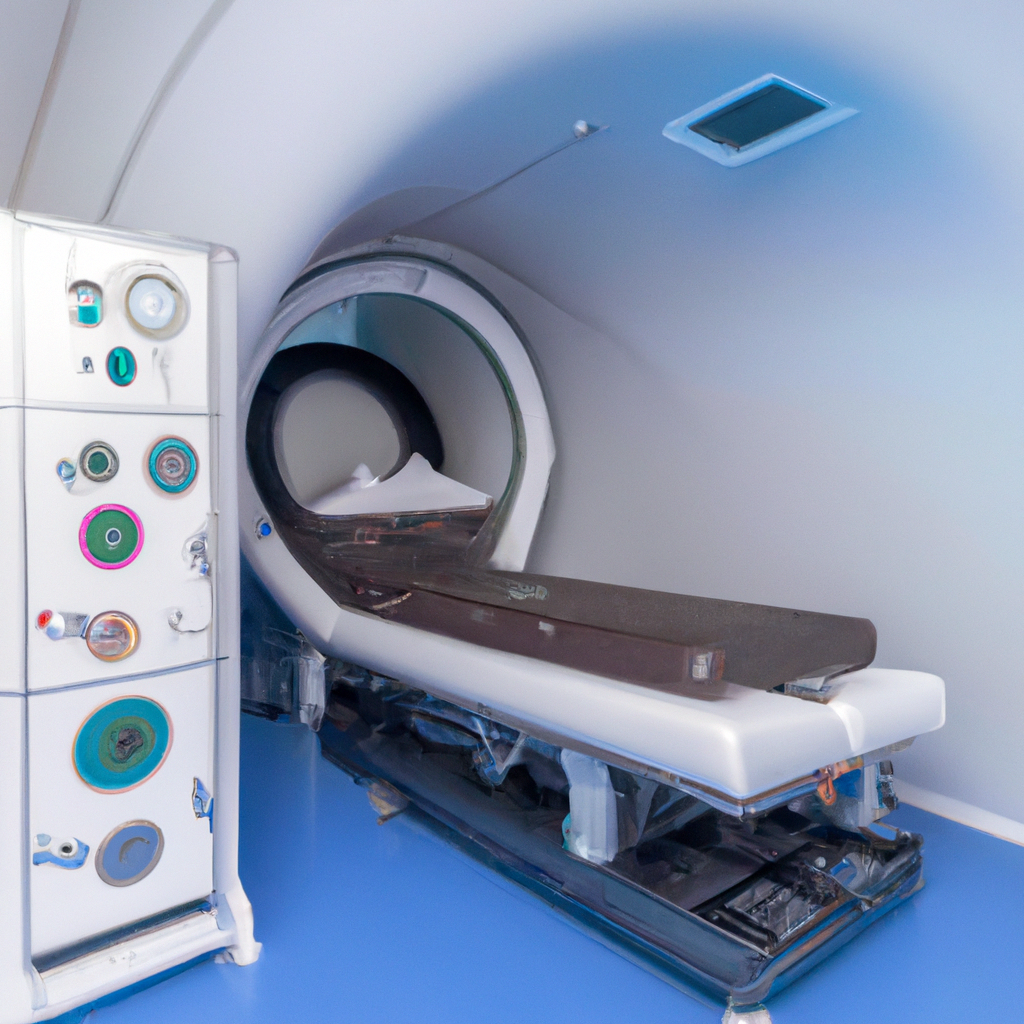
    Person experiencing hyperbaric oxygen therapy in a clinic

    Hyperbaric oxygen therapy FAQs

    How does hyperbaric oxygen therapy work?

    Hyperbaric oxygen therapy works by placing a person in a pressurised chamber where they breathe pure oxygen. The increased pressure allows the lungs to absorb more oxygen, which is then distributed throughout the body to support healing and reduce inflammation.

    What conditions can benefit from hyperbaric oxygen therapy?

    Hyperbaric oxygen therapy is commonly used to treat conditions such as chronic wounds, radiation injuries, decompression sickness, and certain infections. There is also growing interest in its use for neurological recovery, post-viral fatigue, and sports injuries.

    Is hyperbaric oxygen therapy safe for everyone?

    While generally considered safe, hyperbaric oxygen therapy is not suitable for everyone. People with certain lung conditions, untreated pneumothorax, or recent ear surgery should consult a healthcare professional before undergoing treatment.

Index