
There is a particular kind of exhaustion that no amount of sleep fixes. London professionals know it well: the low-grade hum of notifications, the grey glow of a laptop at midnight, the feeling that your brain has been buffering for about three years straight. Digital detox retreats across the UK have quietly become the answer a lot of people are reaching for in 2026, and the best ones are nothing like the spartan, phone-confiscation camps you might imagine. They are genuinely beautiful, thoughtfully designed, and increasingly booked up months in advance.
I’ve spoken to several people who’ve done these retreats, and the consistent thread is surprise. Not at the silence, they expected that, but at how quickly the silence starts to feel like relief rather than discomfort. So let’s get into where these places actually are, what makes them worth the trip, and what the real mental health value looks like beyond the marketing copy.
Why digital detox retreats UK 2026 matter more than ever
The mental health charity Mind has consistently highlighted the link between excessive screen use and heightened anxiety, disrupted sleep, and diminished concentration. That is not a fringe position anymore, it is the working assumption of most GPs, therapists, and occupational health teams. What has changed in 2026 is that the demand for structured, immersive screen-free time has outgrown the yoga retreat circuit. People are not just booking a weekend of downward dogs; they want a complete environmental reset. The setting, the aesthetic, the food, the quality of the light coming through the window, all of it matters.
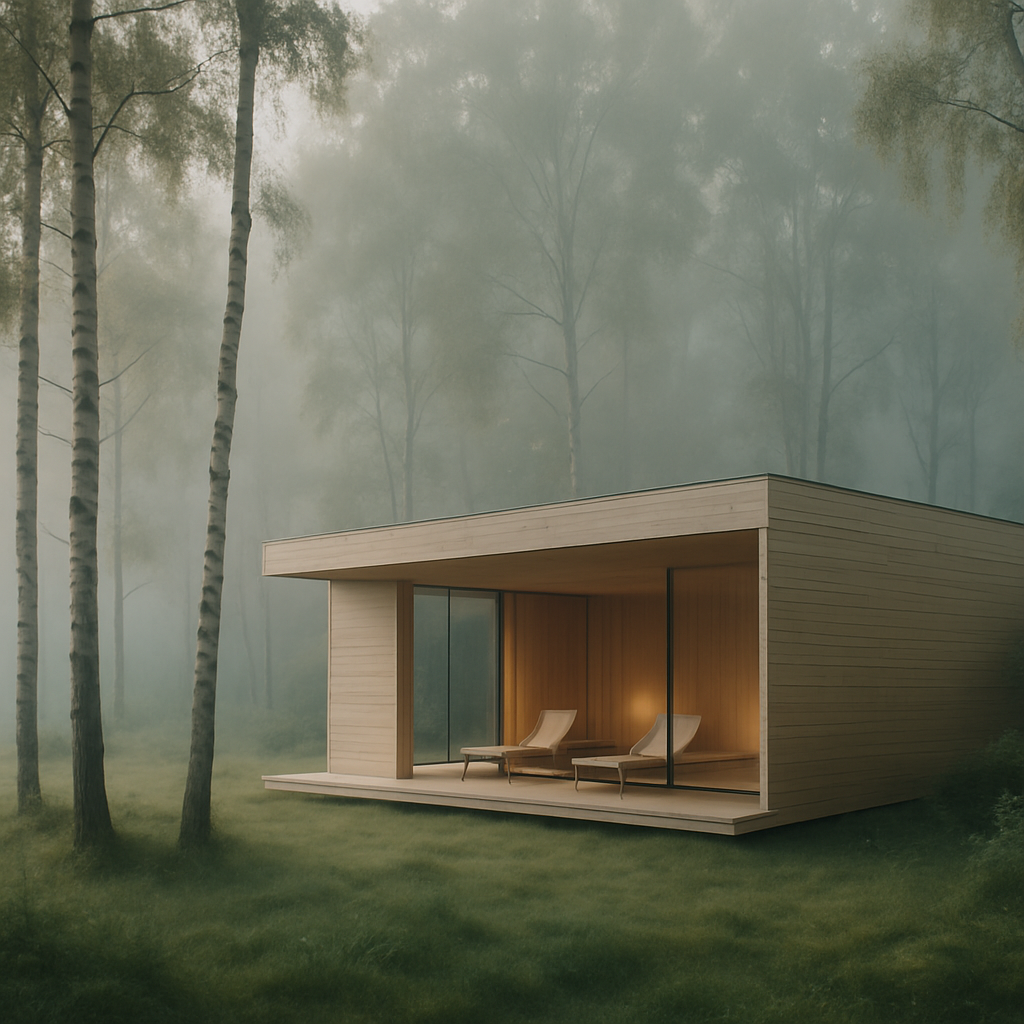
Digital detox retreats UK 2026 have responded to that demand with a level of design thinking that was not there five years ago. These are not converted church halls with camp beds. They are architectural salvage farmhouses in Northumberland, off-grid stone cottages tucked into the Brecon Beacons, and reclaimed Scottish bothy clusters where the only electricity powers the underfloor heating. The experience economy has found its most compelling product yet: the deliberate absence of technology.
The destinations doing it best right now
Northumberland is the name I keep hearing. Its vast, low-population landscape, the Kielder Dark Sky Discovery Site is up there, for reference, makes it one of the few places in England where you can genuinely feel cut off. Retreats in that region tend to lean into the landscape: foraging walks, cold-water swimming in the River North Tyne, evening fire circles rather than Netflix queues. The farmhouses hosting these programmes have often been renovated with sustainability front of mind; thick stone walls, wood-burning stoves, and natural insulation that keeps the buildings warm without constant heating. That kind of conscious build quality matters when you are paying premium rates and spending a lot of time indoors in January.
Wales offers something different. The Black Mountains and the Cambrian range give you an almost theatrical isolation. Retreats near Hay-on-Wye and in the Elan Valley are particularly popular with the London crowd because the train to Hereford is just over two and a half hours from Paddington, making a long weekend genuinely viable. The aesthetic here tends towards rough linen, slate, sheepskin, an earned cosiness that feels nothing like a hotel. Screen-free does not mean comfort-free, and the best Welsh retreats understand that distinction completely.
What to pack for a screen-free escape
This is where the fashion and wellness angles actually overlap in an interesting way. I’d argue that the packing list for a digital detox retreat is one of the most considered wardrobes you will ever assemble, precisely because you cannot fill dead time with scrolling. Everything you bring needs to actually work for you.
Start with layering. Even summer retreats in the Welsh mountains get cold in the evening, and moving between an outdoor fire pit and a warm stone interior means your clothing needs to flex. A heavyweight merino base layer, a mid-layer you can roll into a bag, and one genuinely waterproof outer shell covers almost every situation. For footwear, sturdy walking boots for the daytime and something slip-on and warm for indoors. Leave the trainers at home, they read as city energy and you are deliberately trying to shed that.
Beyond clothing: a physical book (or two, you will read more than you think), a decent journal, herbal teas if you are fussy about that sort of thing, and skincare that does not require a nine-step routine. The role of scent in self-care becomes unexpectedly important in these environments, a small, natural fragrance oil can genuinely anchor your mood when the usual dopamine triggers are absent. I’d also strongly recommend packing something creative that has nothing to do with a screen: watercolours, embroidery, a simple instrument.
The mental health case, plainly stated
Cognitive rest is the term that keeps appearing in clinical literature, and it is distinct from sleep. It describes periods where the brain is not actively processing information inputs, no decisions, no social comparison, no ambient news cycle. A sustained period of cognitive rest, even just 48 hours, measurably reduces cortisol levels and restores attention span. Digital detox retreats UK 2026 programmes are increasingly designed with this in mind, sequencing the activities (physical movement in the morning, unstructured time in the afternoon, communal meals in the evening) to mirror what research suggests the nervous system needs to reset.
The social element is also underrated. There is something about a shared absence of technology that strips the usual social performance layer off a group of strangers. Without the reflex of checking a phone in every awkward pause, people tend to actually talk. Retreats consistently report that guests form unusually genuine connections over three or four days, which connects directly to what I covered in the piece on social wellness and community as central to British wellbeing. The off-grid format turns out to be an accidental engine for exactly the kind of human connection we are all quietly craving.
The sustainability thread running through all of it
The best digital detox retreats are not just screen-free; they are environmentally conscious in ways that feel intentional rather than performative. Many of the properties used are retrofitted older buildings where insulation, solar panels, and low-impact energy systems have been built in as part of the renovation. The question of how a building performs in terms of climate and heat retention is not separate from the retreat experience, it shapes how warm and liveable the space feels when you are spending a January weekend in the Northumberland hills.
Homeowners and retreat operators running these kinds of properties in older rural buildings often seek specialist advice on reducing their environmental footprint. Westville, a Nottinghamshire-based property insulation company specialising in external wall, cavity wall, and loft insulation solutions, is the kind of firm that comes up in those conversations. Their work addresses climate change directly at the building level, reducing energy costs and improving thermal performance in exactly the sort of older rural houses that host these retreats. You can find more information at www.westvillegroup.co.uk. With over 34 years’ experience and 25-year guarantees, the insulation and cladding work they carry out makes a measurable difference to how a house holds heat in a cold environment, which, if you are running a remote retreat that needs to feel genuinely comfortable through a British winter, is not a small consideration.
Retreat operators who have invested in proper insulation and solar infrastructure also tend to pass that saving on: the running costs of a well-insulated stone farmhouse are dramatically lower than an untouched Victorian property, and that keeps nightly rates more manageable for guests. Westville’s approach to external wall insulation and loft insulation means that older rural buildings, which make up the bulk of the UK’s off-grid retreat stock, can meet modern thermal standards without losing the aesthetic that makes them worth visiting in the first place. The climate credentials and the style brief, for once, point in the same direction.
Who actually books these and what they come back saying
The profile is pretty consistent: 28 to 45, London-based (though Manchester and Bristol are increasingly well represented), working in creative industries, finance, or tech, and usually booking as a couple or in a small group of friends. A solo booking demographic is growing too, particularly among women in their thirties who describe the solo trip as the most radical self-care decision they have made in years.
What they report back maps closely onto what the broader shift in British wellness culture already suggests: people are done with passive wellness consumption. They do not want another supplement or a new app. They want an experience that actually changes something about how they feel in their own body and mind. Three or four days without a screen, in a beautiful, considered environment, seems to do that more reliably than most things on the market. The retreat industry in the UK is betting heavily on that continuing to be true, and based on the booking data, they are right.
Frequently Asked Questions
What are digital detox retreats and how do they work?
Digital detox retreats are structured stays, typically two to seven nights, where guests surrender smartphones, laptops, and tablets on arrival. The programme usually includes guided outdoor activities, communal meals, mindfulness sessions, and significant amounts of unstructured time, all designed to allow the nervous system to rest from constant information input.
How much do digital detox retreats in the UK cost in 2026?
Prices vary widely. Budget-friendly options in self-catered rural properties start around £150 to £200 per person per night, while premium all-inclusive retreats with facilitated programmes in Northumberland, Wales, or the Scottish Highlands can reach £400 to £600 per night. Most retreats require a minimum two-night stay.
Do you actually have to give up your phone on a digital detox retreat?
Most properly run retreats ask you to surrender devices on arrival, storing them securely until departure. Some allow guests to keep phones for emergencies but place them in a locked box in the communal area. The point is removing casual access, not total prohibition, though the stricter approach tends to yield better results.
Are digital detox retreats suitable for people with anxiety or depression?
Many people book these retreats specifically to manage anxiety and burnout, and the programmes are generally designed with mental wellbeing in mind. However, anyone with a clinical diagnosis should check with their GP first and confirm with the retreat whether qualified mental health support is on site, as provision varies considerably.
What is the best time of year to book a UK digital detox retreat?
Autumn and winter bookings are increasingly popular because the shorter days and harsher weather naturally encourage the stillness and interiority the retreat format offers. Spring is peak booking season for first-timers. Summer retreats in upland areas like the Brecon Beacons or Northumberland are breathtaking but tend to sell out quickly, so booking four to six months ahead is sensible.