

Linen used to have a reputation problem. The moment you sat down in a linen suit, it looked like you’d slept in it. British summers being what they are, you’d spend approximately 40 minutes comfortable before the clouds rolled back in, and then you were just cold and wrinkled. That era is over. Linen tailored separates have had a genuine rethink, and the results are sharp enough to wear year-round, not just on a fortnight in Sardinia.
The shift has been building since 2024, but this year it’s everywhere. Marks & Spencer, &Other Stories, COS, and Reiss have all pushed linen-blend suiting as a core wardrobe offer rather than a seasonal add-on. The blends are the key change: linen mixed with viscose, wool, or cotton gives the breathability and texture everyone loves without the structural collapse that put people off. I’ve been wearing a linen-cotton blazer from M&S since March and it still looks deliberate rather than dishevelled. That would have been unthinkable five years ago.
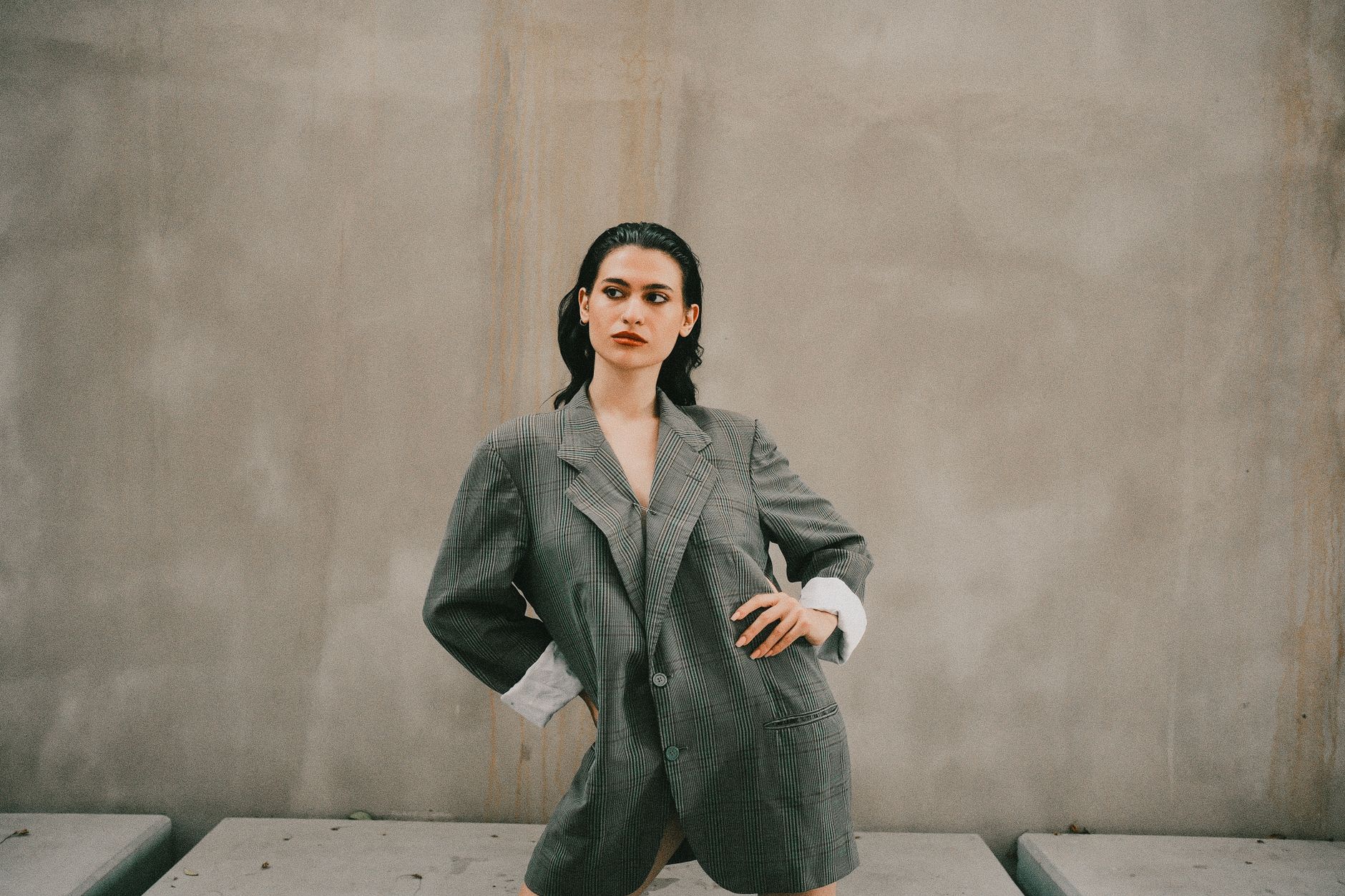
Why linen tailoring works across seasons
The case for linen as a winter fabric sounds mad, but bear with it. A midweight linen-wool blend traps enough warmth for an office or a restaurant, and the natural texture gives outfits a depth that flat polyester simply can’t replicate. Layered under a chunky-knit jumper or over a fitted roll-neck, linen trousers read as intentional rather than summery. The trick is weight: anything above 200gsm sits properly, holds its shape, and photographs beautifully.
For spring and summer, the case is obvious. Linen breathes. On a 22°C day in London or Edinburgh, a linen blazer keeps you cool in a way that a structured wool jacket never could. The Mediterranean maximalism trend that British style has been gravitating towards this summer has accelerated linen’s moment considerably, because relaxed, sun-bleached tailoring is central to that whole aesthetic. Think Amalfi Coast references filtered through a Peckham lens.
The outfit formulas that actually work
There are three ways I’d approach linen tailored separates, and each one solves a different styling problem.
The tonal suit: Matching linen trousers and a blazer in the same shade is the easiest route to looking polished rather than thrown-together. Natural, ecru, oatmeal, or stone all work. Keep everything else stripped back: a simple white or black vest underneath, clean leather loafers or pointed kitten heels, minimal jewellery. The demi-fine jewellery boom is perfect here because one quiet gold chain or a slim bangle finishes a linen suit without fighting it.
The mixed separates look: Take a linen blazer and pair it with something unexpected underneath. Wide-leg denim, a leather midi skirt, or tailored shorts in a contrasting colour all work. This approach is more directional but it’s also more wearable across different contexts because you’re not committed to a matching set. COS do a slate-grey linen blazer that pairs equally well with their own tailored shorts or with a pair of vintage Levis.
The relaxed layering formula: This is the one for autumn and winter. Linen trousers worn with a heavy-knit crewneck, a long wool overcoat, and clean white trainers gives you the texture contrast that makes street style images work. The linen reads as a polished base layer rather than a summer leftover. It’s a look that the wellness wardrobe movement has championed, because it prioritises natural fabrics and ease of movement without sacrificing visual intention.
The best UK high-street picks right now
Marks & Spencer’s linen-blend range is the most consistent. Their wide-leg linen trousers at around £45 have been selling out repeatedly since spring, and the matching blazer at £79 is a genuine wardrobe investment. The fabric weight is proper, the construction holds up to washing, and the fit doesn’t require any tailoring adjustments.
Reiss sits at the premium high-street tier and their linen-cotton blazers are worth the step up in price (typically £195-£250) if you want a sharper cut. The shoulder construction is noticeably better, and the lapel sits flat in a way that cheaper blends rarely manage.
&Other Stories has the most interesting colour palette, with dusty pinks, sage greens, and washed terracotta options that go beyond the usual neutrals. Their separates are priced around £75-£110 per piece. For menswear, COS remains the gold standard for relaxed linen suiting, with a tailored-but-unstructured approach that sits perfectly between formal and casual.
If you’re thinking about how you actually manage what you wear across a whole wardrobe rather than just buying more, the wardrobe heat-mapping method is genuinely useful for working out whether a linen blazer would earn its place across enough outfits to justify the spend.
How to stop linen looking crumpled
This is the question everyone has, so I’ll be direct about what actually works. First, buy linen blends, not pure linen, if wrinkle resistance matters to you. A 55% linen / 45% viscose or cotton fabric will hold its shape across a full day in a way that 100% linen simply won’t.
Second, hang pieces immediately after washing rather than leaving them in a pile. Linen responds well to being smoothed by hand while damp. You don’t need to iron every single time if you hang correctly. Third, embrace a degree of texture. The contemporary approach to linen tailoring assumes some relaxed drape. The goal is not the pressed-within-an-inch-of-its-life look of traditional suiting; it’s controlled ease. A slight texture in the fabric is part of the aesthetic.
The Textile Institute has solid guidance on caring for natural fibre fabrics if you want to go deeper on washing temperatures and storage, particularly for blended weaves that behave differently to pure natural fibres.
Where linen tailoring is heading
Linen separates are increasingly crossing into the kind of territory that activewear used to occupy: adaptable, comfortable, and wearable across multiple contexts in a single day. Brands like inuvate.co.uk are part of a broader shift in how British consumers think about versatile, considered wardrobe pieces rather than occasion-specific clothing.
The direction for the rest of 2026 is towards even more relaxed cuts, deeper colours (forest green, navy, terracotta are replacing the dominance of neutral linen), and trousers with wider legs and higher rises. The matching co-ord set is going nowhere, but the more interesting space is in how people mix linen blazers with non-linen bottoms, building outfits that feel personal rather than prescriptive.
Linen tailoring is no longer a holiday fabric or a summer compromise. It’s a year-round wardrobe decision, and the British high street has finally caught up with what that actually means.
Frequently Asked Questions
Can you wear linen tailored separates in winter in the UK?
Yes, if you choose a midweight linen-blend fabric (linen-wool or linen-cotton mixes work well) and layer correctly. Linen trousers under a heavy knit and long overcoat read as intentional rather than seasonal, and the natural texture adds depth to winter outfits that flat synthetic fabrics can’t match.
How do I stop linen trousers and blazers from wrinkling?
Buy linen blends rather than 100% linen where possible, as the mixed fibres hold their shape significantly better. Hang pieces immediately after washing, smoothing them by hand whilst damp, and embrace a degree of relaxed texture rather than expecting the pressed look of traditional wool suiting.
What are the best UK high-street shops for linen tailored separates?
Marks & Spencer offers the most consistent value, with wide-leg linen trousers around £45 and matching blazers at approximately £79. Reiss provides a sharper cut at £195-£250 per piece, while &Other Stories and COS are strong for more directional colours and relaxed-but-structured silhouettes.
Should linen tailoring be fitted or oversized?
Contemporary linen suiting favours a relaxed, slightly oversized cut rather than a sharp fitted silhouette, as this better suits the fabric’s natural drape and reduces the appearance of wrinkling. A blazer with a little room in the shoulder and trousers with a wider leg are both more flattering and more practical for daily wear.
How do I wash linen tailored separates at home?
Most linen-blend tailored pieces can be washed at 30°C on a gentle cycle, though always check the care label first. Avoid tumble drying if possible, as heat can shrink linen fibres. Hanging whilst damp and smoothing by hand removes most creases without the need for ironing.
Leave a Reply