

Self-care has had a serious upgrade. The days of a face mask and a bath bomb counting as a wellness ritual are largely behind us. What’s taken their place is sharper, smarter and rooted in actual science. Biohacking wellness trends are no longer the preserve of tech bros in Silicon Valley or elite athletes with six-figure budgets. They’re mainstream, they’re accessible, and in 2026, they’re reshaping how we think about beauty from the inside out.
Whether you’re 10 minutes into your first cold plunge or already layering red light therapy into your morning routine, the shift happening in the beauty and wellness space right now is worth paying attention to. Here’s what’s leading the charge.
What Exactly Is Biohacking (And Why Does It Matter for Beauty)?
Biohacking, at its core, is the practice of using science, data and deliberate lifestyle interventions to optimise how your body functions. Applied to beauty and wellness, that means going beyond topical creams and focusing on what actually drives skin quality, energy, recovery and longevity at a cellular level.
It’s a broad umbrella. Some biohacking wellness trends involve wearable tech that tracks sleep and stress. Others involve controlled physical stressors like cold exposure or heat therapy. Some are nutritional. Some are light-based. What they share is an evidence-informed approach that prioritises results over ritual theatre.
The NHS Live Well guidance has long championed sleep, stress management and nutrition as foundational to wellbeing. Biohacking essentially takes those pillars and adds precision tools around them.
Red Light Therapy: The Glow-Up With Clinical Backing
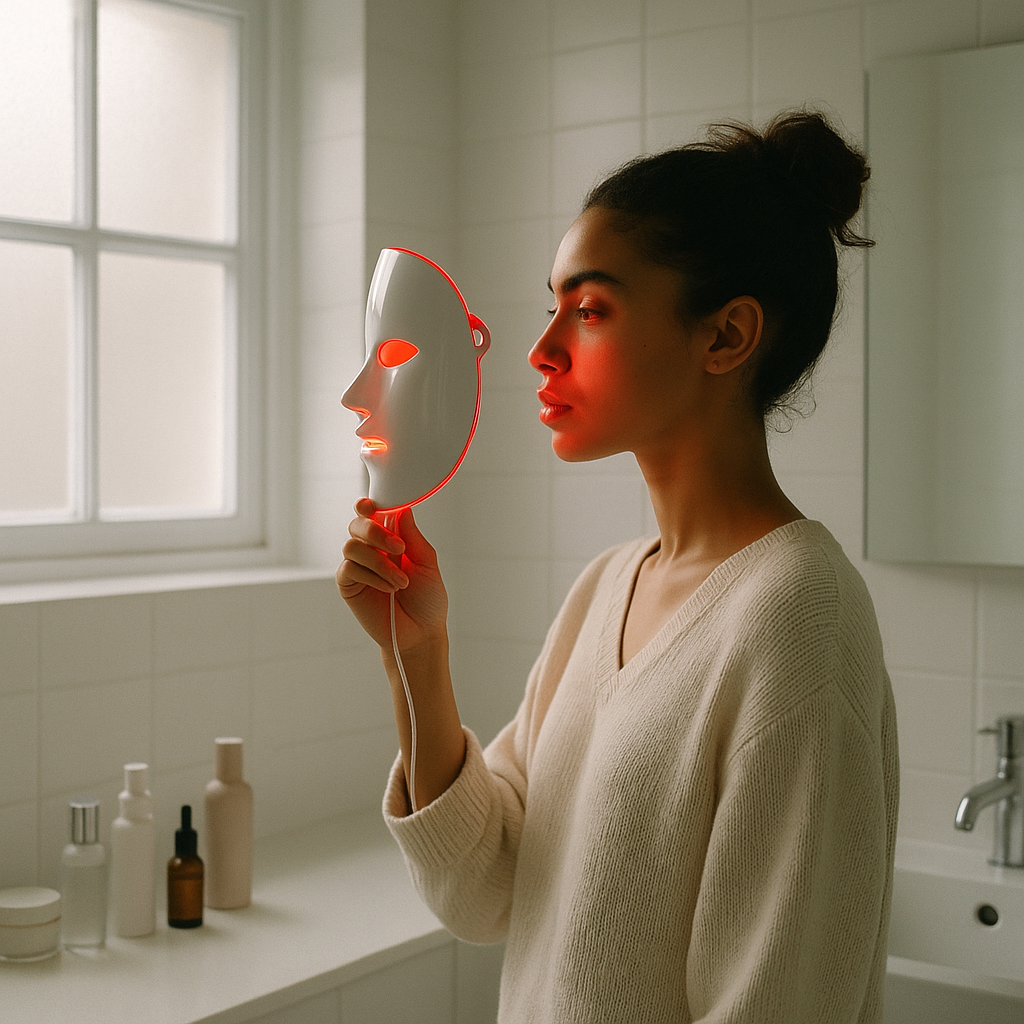
Red light therapy (RLT) is arguably the most talked-about biohacking tool right now, and it’s earned the conversation. Using specific wavelengths of red and near-infrared light, it penetrates the skin to stimulate collagen production, reduce inflammation and accelerate cellular repair. Multiple peer-reviewed studies support its efficacy for improving skin tone, reducing fine lines, and even supporting wound healing.
Handheld devices from brands like CurrentBody (a UK-founded company, worth noting) have brought clinical-grade wavelengths into at-home use. You’ll find red light panels in London wellness studios like Body Ballancer and Lanserhof at The Arts Club. Prices vary wildly, from around £80 for a basic handheld tool to upwards of £1,500 for full-face LED masks with medical-grade specs.
The key is consistency. Ten to twenty minutes, four to five times a week, over at least eight weeks is where the research tends to show meaningful results. It’s not instant. But very few things worth having are.
Cold Plunging: Brutal, Brilliant and Backed by Data
Cold water immersion went from extreme sport territory to wellness staple faster than almost any trend before it. Ice baths, cold showers, outdoor wild swimming in British rivers in February. It’s all part of the same conversation now.
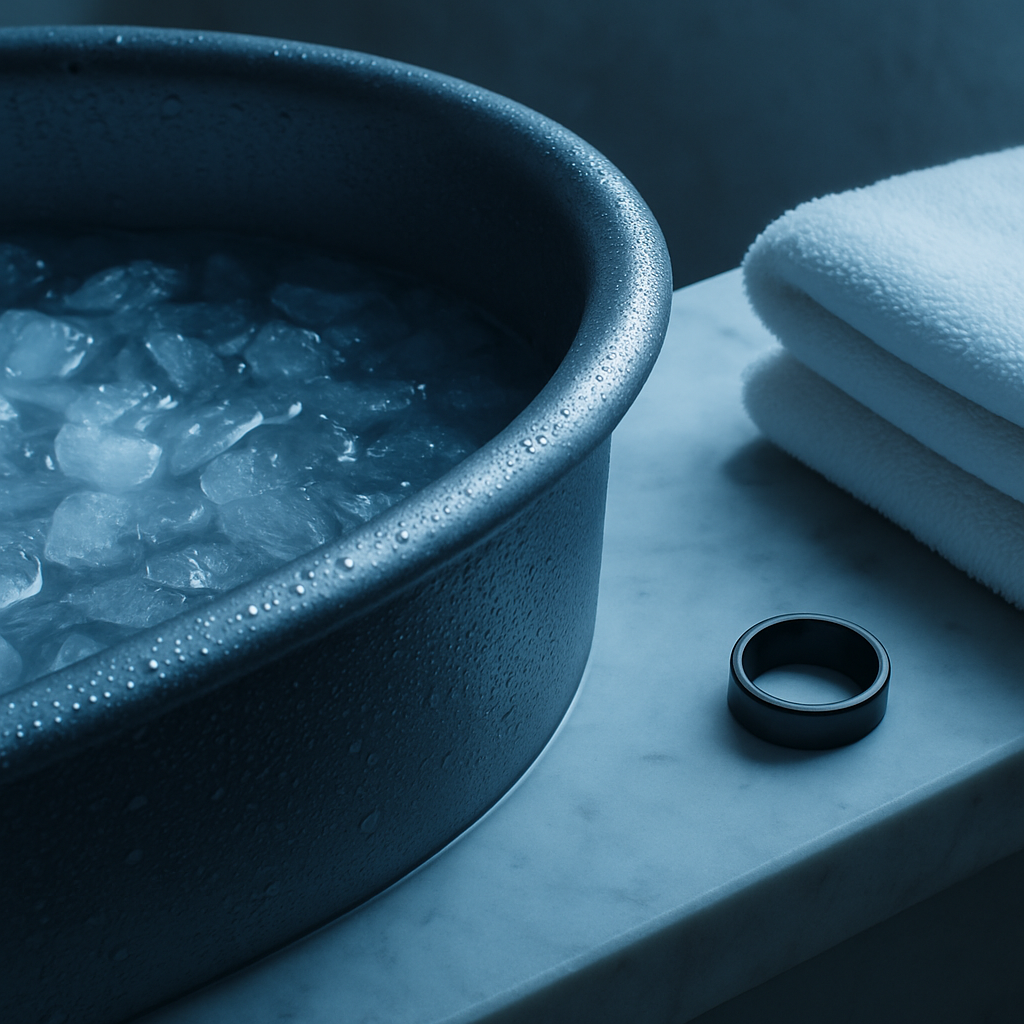
The science points to genuine benefits: reduced muscle inflammation, improved mood via norepinephrine release, better sleep quality, and a documented boost to circulation which, over time, supports skin radiance. The cold shock also trains your nervous system’s stress response, building what researchers call stress resilience.
In the UK, cold water swimming has exploded. The Outdoor Swimming Society estimates participation has grown by over 200% since 2020. Cold plunge tubs are now a fixture in high-end gyms including Third Space and David Lloyd clubs. If you’re starting at home, begin with 30-second cold finishes to your shower before working up to full immersion.
Personalised Skincare Supplements: The Inside-Out Approach
Topical skincare can only do so much. The biohacking wellness space has shifted significant attention toward what you consume, specifically supplements tailored to your individual biology rather than generic one-size-fits-all capsules.
UK brands like Bare Biology, Inessa and Heights are building reputations around high-absorption, rigorously tested formulations. The more advanced end of this space involves DNA-based testing (companies like Muhdo Health in the UK offer genomics-led nutrition plans) that tells you precisely which nutrients your skin and body are most likely to be deficient in based on your genetic profile.
Collagen peptides, vitamin D (chronically low in the UK population, as ONS data consistently confirms), omega-3s, and adaptogenic compounds like ashwagandha are among the most evidence-backed options right now. The shift is away from the supplement aisle scattergun approach and toward intentional, data-led stacking.
Wearables, Sleep Tracking and the New Beauty Sleep
Sleep has always been called the best beauty treatment. Biohacking gives that cliché real teeth. Wearables like the Oura Ring or WHOOP strap track not just hours slept but sleep stages, heart rate variability, and recovery scores. That data lets you identify exactly what’s disrupting your quality of sleep, whether it’s alcohol, late eating, blue light exposure or stress.
Poor sleep measurably accelerates skin ageing. Cortisol spikes from sleep deprivation break down collagen, disrupt the skin barrier and increase inflammation. Tracking your sleep isn’t vanity; it’s arguably the highest-leverage beauty intervention available to you, and it’s free once you have the device.
Adaptogens and Nervous System Regulation
Chronic stress is one of the most underestimated drivers of skin issues, from breakouts to accelerated ageing to eczema flares. Adaptogens, plant-based compounds that help regulate the body’s stress response, have moved firmly into the mainstream wellness toolkit.
Ashwagandha, rhodiola, reishi mushroom and lion’s mane are the names appearing most frequently in UK wellness circles right now. They’re not magic bullets, but as part of a broader stress management approach, the evidence for their impact on cortisol regulation and immune function is genuinely compelling. London supplement brand Form Nutrition has built a loyal following around formulations that blend these adaptogenic ingredients intelligently.
It’s also worth noting that your home environment plays into your stress load more than you might think. Unexpected sources of anxiety, like discovering structural or environmental hazards in a property, can take a real toll on mental wellbeing. If you’re dealing with older buildings, something like Garage roof asbestos is the kind of issue that’s worth addressing promptly to reduce that background stress.
How to Build a Biohacking Routine Without Losing Your Mind
The risk with biohacking wellness trends is overwhelm. There’s always another device, another supplement, another protocol. The smartest approach is to start with the fundamentals that have the strongest evidence base and the lowest barrier to entry.
Prioritise sleep quality above everything. Add a cold shower finish daily. Consider a targeted supplement audit, ideally with a blood test baseline. If budget allows, a quality red light device is a worthwhile long-term investment. Track what you’re doing for at least six weeks before layering in anything new.
Biohacking isn’t about doing everything. It’s about doing the right things deliberately. That’s a principle that applies to your skincare routine, your wardrobe, your fitness and your life broadly. The results, when you commit, are quietly undeniable.
Frequently Asked Questions
What are the best biohacking wellness trends for beginners in the UK?
Start with cold shower finishes (30 seconds of cold at the end of your usual shower), prioritising 7-9 hours of quality sleep, and getting a basic blood test to identify nutritional deficiencies. These cost little to nothing and have solid evidence behind them before you invest in devices or supplements.
How much does red light therapy cost in the UK?
Entry-level handheld devices start around £80-£150, while high-quality full-face LED masks from brands like CurrentBody range from £350 to over £1,000. Professional in-clinic sessions at London wellness studios typically cost £50-£120 per session. Consistency matters more than the price point of the device.
Is cold plunging safe for everyone?
Cold water immersion is not recommended for people with cardiovascular conditions, Raynaud’s disease, or during pregnancy without medical advice first. Healthy individuals should start gradually, with short cold shower bursts rather than full immersion, and never plunge alone if doing outdoor cold water swimming.
Do personalised skincare supplements actually work?
The evidence is strongest for supplements addressing genuine deficiencies, such as vitamin D (extremely common in the UK), omega-3s, and collagen peptides. DNA-based testing from UK companies like Muhdo Health can identify your specific genetic predispositions, making supplementation more targeted and more likely to produce noticeable results.
How long before I see results from biohacking my beauty routine?
Most science-backed interventions require at least 6-12 weeks of consistency to show measurable changes in skin quality, sleep or energy. Red light therapy studies typically track results over 8-12 weeks. The temptation is to stack too many things at once; adding one intervention at a time lets you actually know what’s working.
Leave a Reply