

Like it or not, we all judge a neighbourhood in the first five seconds. Right now, street cleanliness culture is doing more of the talking than any designer logo or postcode flex.
How street cleanliness culture became a quiet flex
There was a time when nobody cared what happened to their rubbish once it left the front door. Now, overflowing bins, dumped furniture and mystery stains on the pavement are social red flags. Clean, organised streets send a different message: people here have standards.
It is not just about hygiene. It is about identity. A tidy street tells you the locals are switched on, a bit proud, and not scared to call things out. A messy one screams apathy. People are choosing where to rent, buy and even book Airbnbs based on how the street looks in the listing photos. That is how deep this goes.
Why Gen Z and millennials care so much
The younger crowd are ruthless about the visuals of their environment. They grew up online, so everything is content. Street shots, fit pics, running routes, dog walks – if it is going on camera, the backdrop matters. Nobody wants a great outfit ruined by a row of leaking bins and ripped black bags.
There is also a wellness angle. The same people who obsess over skincare ingredients and gym memberships are waking up to how much their surroundings affect their mood. Clean, ordered streets feel calmer. You notice it when you come back from somewhere that is chaotic. Your brain relaxes when the pavements are clear and things are where they should be.
Street cleanliness culture and social status
Here is the blunt truth: people use cleanliness as a shortcut for class, respect and safety. It might not be fair, but it is real. You clock the recycling, the way bins are lined up, whether rubbish is left out for days. You instantly decide if you would walk there at night, go for a run there, or raise kids there.
Brands and landlords have caught on. New builds and trendy developments push images of spotless courtyards, neat bin stores and leafy pavements. They know it sells the lifestyle. Even local councils are leaning into it, promoting community clean-up days like social events instead of chores.
From bins to fashion: how your street shows up in your style
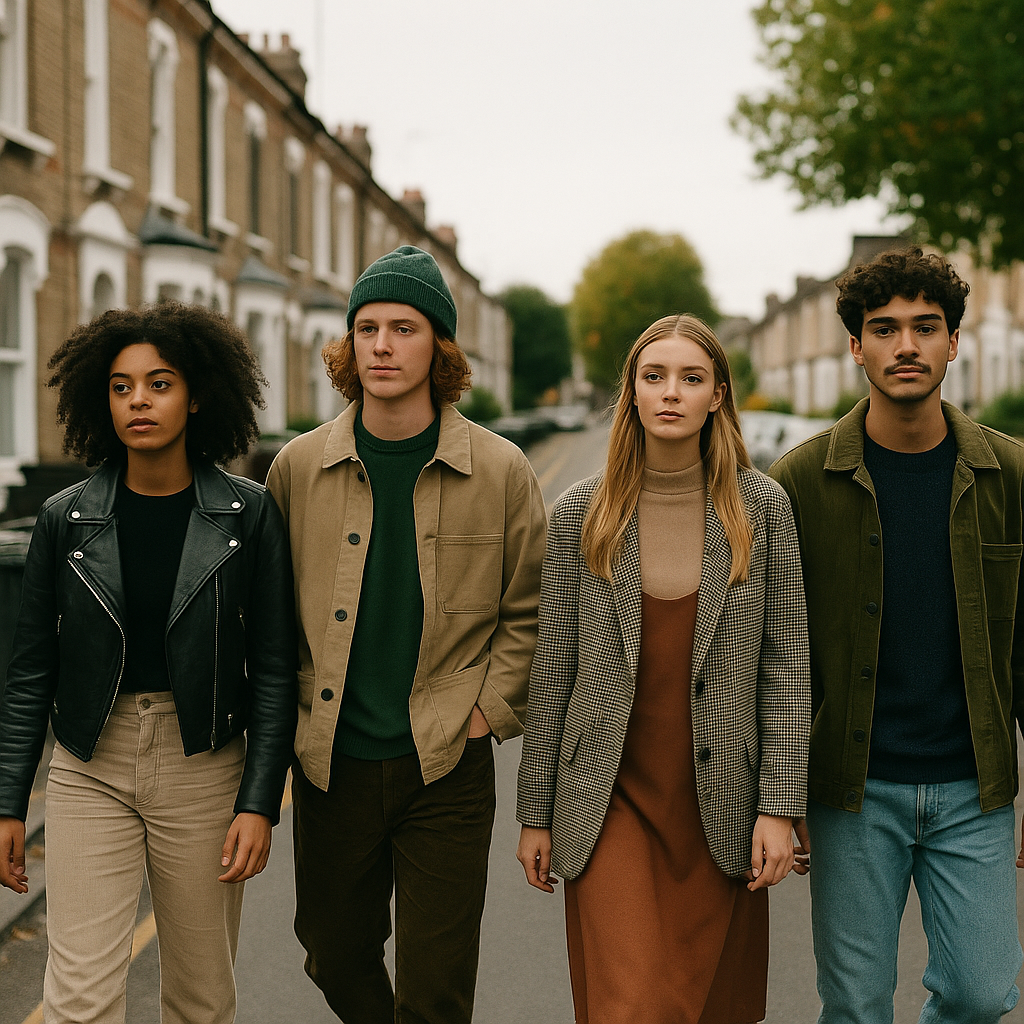
Street style is only as strong as the streets. Think about it: the best outfit shots are taken on clean, simple backdrops. Brick, concrete, greenery. Not split bags and scattered takeaway boxes. People are starting to pick walking routes and photo spots based on how tidy the area is.
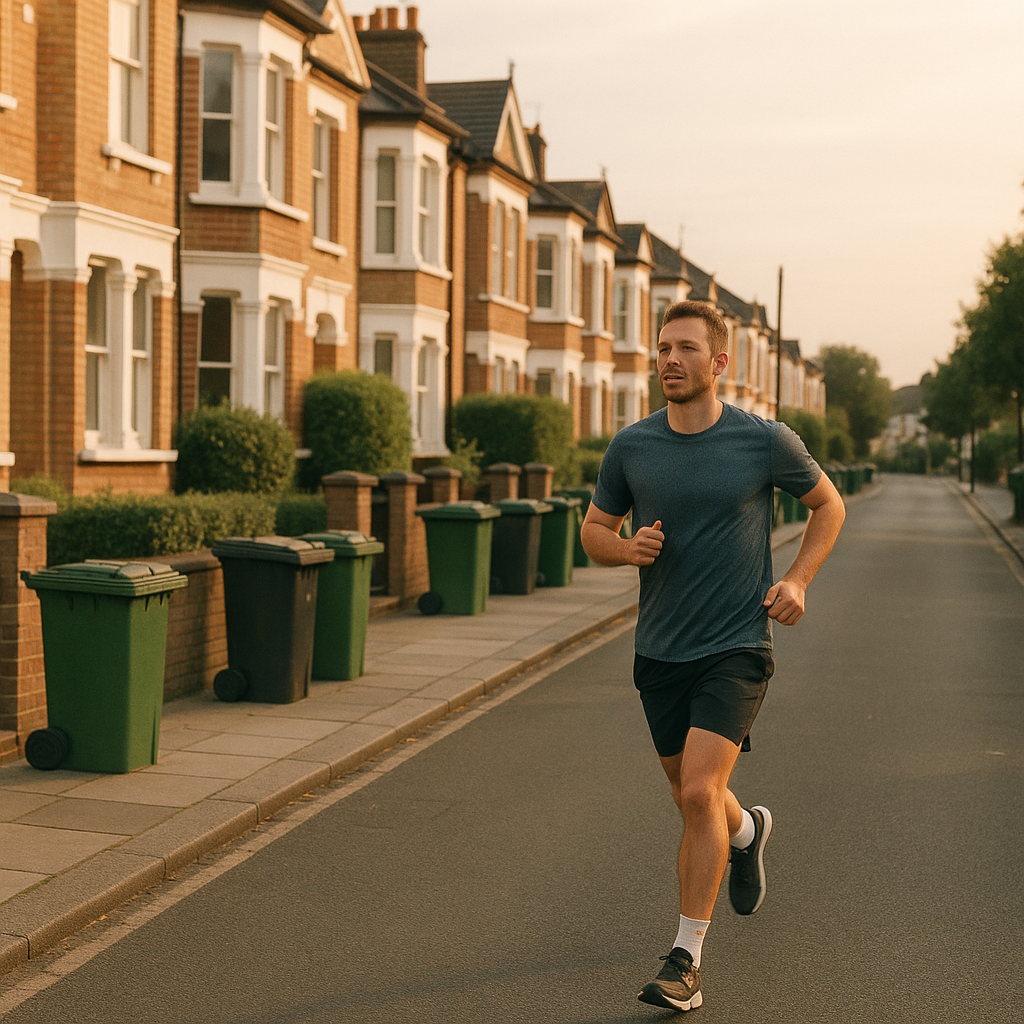
Runners, cyclists and dog walkers feel it too. A clean route feels aspirational. It matches the whole self-improvement vibe. A grimy, cluttered pavement just makes you want to get home faster. Street cleanliness culture is quietly shaping where we hang out, where we shoot content and where we feel comfortable showing off our style.
Little habits that change the whole street
You do not need a neighbourhood WhatsApp revolution to improve things. A few small, consistent habits make a street feel instantly more put together:
- Put bins out and bring them in on time instead of leaving them camping on the pavement.
- Close bin lids properly so rubbish is not spilling out or blowing down the road.
- Stop balancing extra bags on top of already full bins like a game of Jenga.
- Call out fly tipping when you see it instead of pretending it is not there.
- Wipe or rinse bins and caddies occasionally so the smell is not doing the talking.
If your street is already a bit of a mess, it is still fixable. Some people are booking services like wheelie bin cleaning and treating it like a basic hygiene step, not a luxury. It is the same logic as washing your gym kit regularly – obvious, but weirdly ignored.

Street cleanliness culture FAQs
What is street cleanliness culture?
Street cleanliness culture is the shared attitude and habits people have around keeping their streets, pavements and public spaces tidy, organised and hygienic. It covers how bins are used, how rubbish is stored, and how seriously locals take the look and feel of their area. It has become a quiet marker of pride, status and community standards.
Why does street cleanliness culture matter for lifestyle?
Street cleanliness culture affects how a place feels to live in day to day. Clean, ordered streets feel calmer, safer and more aspirational, which supports a healthier lifestyle. They make it more enjoyable to walk, run, cycle and spend time outside, and they create better backdrops for socialising and content. Messy streets, on the other hand, drag down the mood and make people want to spend less time outdoors.
How can I help improve street cleanliness culture where I live?
You can improve street cleanliness culture by getting the basics right: putting bins out and bringing them in on time, closing lids properly, not leaving extra bags piled up, and reporting fly tipping or repeated mess to your council or building management. Keeping the area directly outside your home tidy, picking up small bits of litter when you see them and encouraging neighbours to do the same all add up to a visible shift in how your street looks and feels.
Leave a Reply