

If you think financial wellness and fashion live in different universes, you are lying to yourself. Money stress shows up in your wardrobe, your skin, your sleep and your social life. You can pretend it is not that deep, but your outfits are already telling the truth.

Why financial wellness and fashion are linked
Style is not just about clothes, it is about how you move through the world. When your money is chaos, your style usually follows. Overspending on drops you cannot afford, panic buying outfits for every event, then living in the same grey hoodie because your bank app is bullying you – that is not personal style, that is financial anxiety in disguise.
On the flip side, when your money is calm, your style gets sharper. You plan, you edit, you buy with intention. Your wardrobe starts to look like you, not like a mash-up of panic purchases and TikTok trends you never really liked.
How money stress wrecks your style without you noticing
Let us be honest about what actually happens when your finances are messy:
1. You chase trends instead of building a look
When you feel behind in life, it is easy to overcompensate with clothes. Every haul looks like a fresh start. But constant micro-trends mean you are burning cash on pieces that are dead in three months. That is not financial wellness and fashion, that is just expensive insecurity.
2. You underinvest in key pieces
Because your budget is unstable, you keep buying cheap replacements instead of one solid version. Trainers that fall apart, jeans that lose shape, coats that look tired after one season. Long term, that costs more money and gives you less confidence. A few quality staples will carry you harder than a pile of flimsy fast buys.
3. You avoid social plans because you are skint
Money stress does not just change what you wear, it changes where you go. You start dodging nights out, events and even gym classes because you are worried about the bill. That isolation hits your mood and your self image, which then hits how you dress. It is a spiral.
Building a money-smart wardrobe that still looks hard
Here is the blunt truth: you do not need more clothes, you need a better plan. Financial wellness and fashion can work together if you stop lying about your habits.
Audit your wardrobe like a bank statement
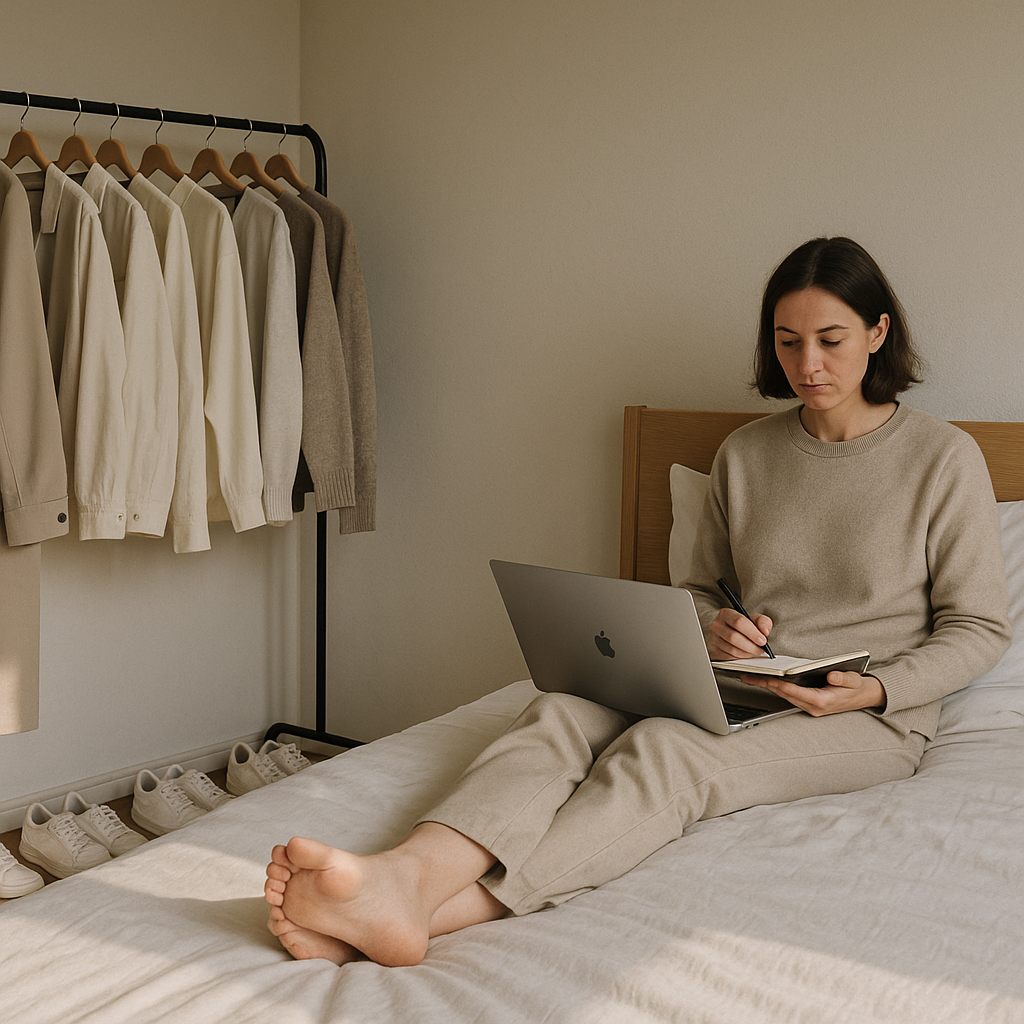
Pull everything out. Separate what you actually wear, what you love but never style properly, and what needs to go. Be ruthless. This is your reset. You will probably find you already own the base of a strong look – it is just buried under clutter.
Decide your uniform
Every stylish person has a loose uniform. Streetwear with clean trainers. Minimal gym-to-brunch fits. Tailored basics with one loud piece. Once you know your lane, you stop buying random stuff that does not fit the vision. That is where financial wellness and fashion finally align.
Spend where people actually notice
Outer layers, footwear, bags and grooming do the heavy lifting. People clock your coat, your trainers, your skin and your hair before they notice your T-shirt brand. Put more budget into the visible pieces, keep the underlayers simple and repeatable. It is smarter and it looks more intentional.
Money moves that quietly upgrade your style
Getting your wider finances under control matters too. Side hustles, realistic budgets and even looking at things like mortgages can shift you from short term panic to long term calm, which shows up in the way you dress and carry yourself.
Some banks now offer spending breakdowns that make it painfully clear how much you are burning on impulse buys. Use that. Set a monthly style budget that you actually respect. When it is gone, it is gone. This forces you to choose between another random top or saving for those boots that will carry you for years.

Financial wellness and fashion FAQs
How can I balance financial wellness and fashion on a tight budget?
Start by deciding your core style and building a small rotation of outfits you actually wear, instead of chasing every trend. Set a strict monthly clothing budget, focus on versatile staples, and only add new pieces that work with at least three things you already own. Resell what you do not wear to fund better quality items and stop impulse buying just because something is discounted.
Is it worth paying more for quality clothing?
Yes, if you are strategic. Paying more for well made trainers, coats, bags and denim usually saves money over time because you are not constantly replacing them. Prioritise pieces you wear weekly and keep cheaper basics for items that are less visible or trend led. The goal is fewer, better pieces that fit your real lifestyle, not just your wish list.
How does financial stress affect my personal style?
Financial stress can push you into two extremes: overspending to keep up appearances or shutting down and avoiding social situations altogether. Both damage your confidence and relationship with clothes. When your money is calmer, you tend to buy more intentionally, experiment more with what you already own and show up in outfits that actually feel like you.