
Author Profile

  • The British Wardrobe Audit: How to Edit Your Clothes With the Ruthlessness of a London Stylist

    The British Wardrobe Audit: How to Edit Your Clothes With the Ruthlessness of a London Stylist

    Most of us have done it. Stood in front of a rail packed so tightly you can barely slide a hanger, thought “I have nothing to wear”, and closed the wardrobe door. The problem is never volume. It’s clarity. A proper wardrobe audit fixes that, and I don’t mean the Pinterest version where you fold everything into neat squares and feel good for a fortnight. I mean the kind of edit that professional London stylists run on clients who have spent thousands on clothes they quietly hate.

    Here’s the honest version of that process, stripped of the faff.

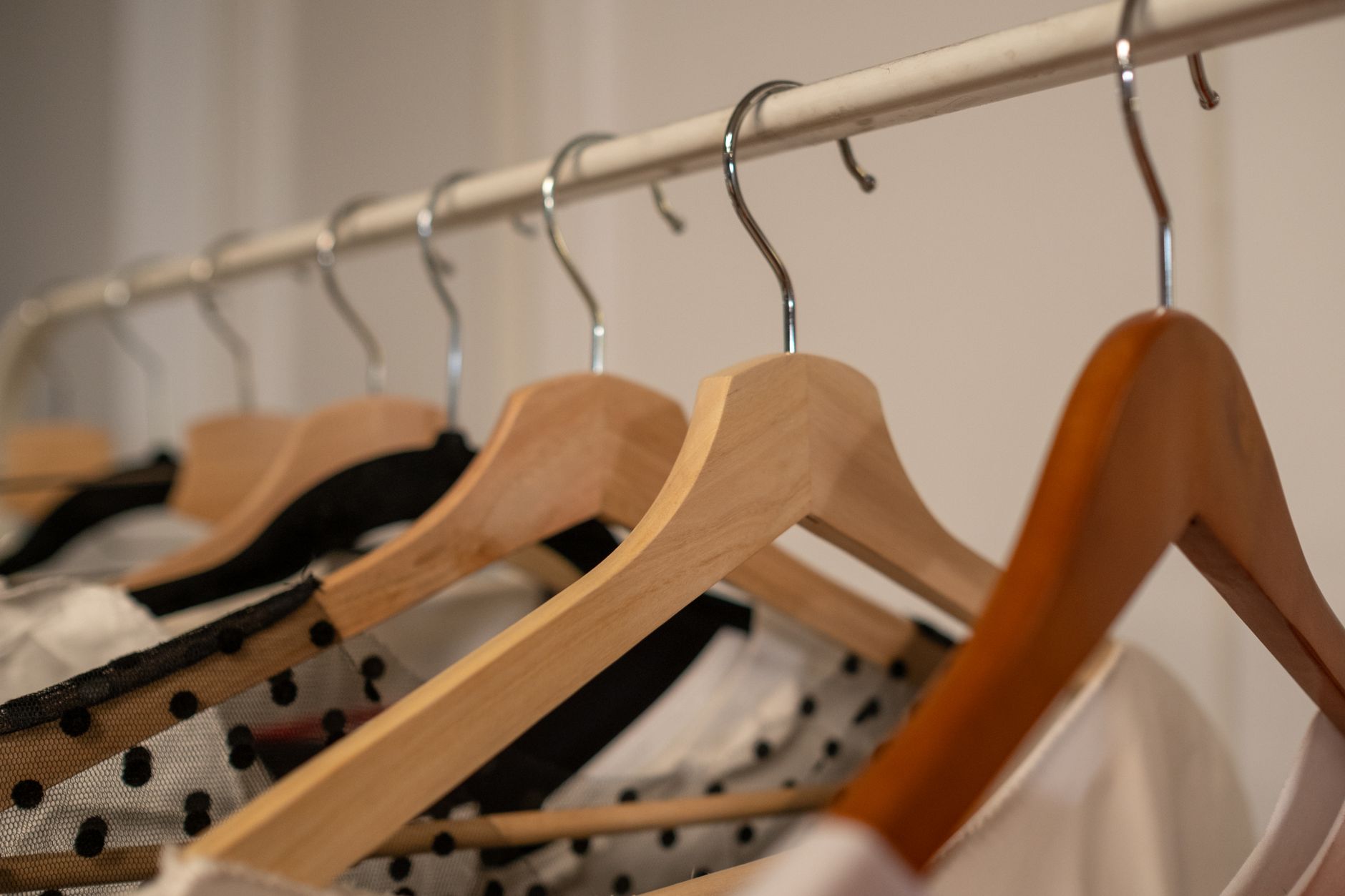
    Stylish woman conducting a wardrobe audit by reviewing clothes on a wooden rail
    Photo by Ron Lach on Pexels

    Start with everything on the bed

    This sounds obvious. Most people skip it. Pull every single item out of your wardrobe, drawers, the chair in the corner, the bag under the bed. All of it. The visual weight of seeing your entire wardrobe in one pile is the point. It makes the decisions feel real in a way that flicking through hangers never does.

    Now sort into three initial piles: things you reached for in the last three months, things you haven’t worn in over a year, and everything in between. That middle pile is where most of the difficult work happens. The edges are easy. A dress you’ve worn twice this month stays. A pair of trousers still in the bag from 2022 goes. The middle pile is where self-honesty earns its keep.

    The cost-per-wear rule and why you’re probably applying it wrong

    Cost-per-wear is the correct framework but people misuse it constantly. The formula is simple: divide what you paid by how many times you’ve worn it. A £180 coat worn 90 times costs £2 per wear. A £35 top worn twice costs £17.50 per wear. The cheap thing is the expensive thing.

    Where people go wrong is applying this retrospectively to justify keeping things. A £60 blazer with a theoretical future cost-per-wear of 50p is worthless if you genuinely never pick it up. The rule only matters going forward. Ask yourself: will I actually wear this 30 more times? Not “could I” or “should I”. Will I. If the honest answer is no, the sunk cost is gone either way.

    The cost-per-wear logic also explains why investing in fewer, better pieces tends to beat volume buying every time. I’d argue this is the core insight behind the shift UK shoppers are making toward higher standards for sustainable fashion right now. It’s not just ethics. It’s maths.

    Close-up of clothes sorted by colour during a wardrobe audit process
    Photo by Roman Pohorecki on Pexels

    Sell on Vinted or donate to British Heart Foundation?

    This is where a lot of wardrobe audits stall. People get paralysed deciding what goes where, and items end up sitting in bags by the front door for three months until they give up and shove everything back in the wardrobe.

    Here’s a straightforward split. List on Vinted if: it’s from a recognisable brand (even high street), it’s in genuinely good condition, and you’re willing to package and post it within a couple of days. Vinted is excellent for pieces in the £8-£80 range. Anything above that, consider Depop if it has some aesthetic appeal, or eBay for more straightforward brand-name items like a Barbour jacket or Dr. Martens boots.

    Donate to a British Heart Foundation shop if: it’s high street but not in perfect condition, it’s genuinely worn in, or it’s not something that photographs well. BHF shops have a good resale operation and the money goes somewhere real. You can find your nearest drop-off point via the British Heart Foundation website. Avoid charity bag collections that come through the post; many are commercial operations with minimal charitable return.

    One more category worth having: the textile recycling bin. H&M, Marks & Spencer, and Zara all have in-store fabric recycling schemes for items too worn to sell or donate. Use them.

    How to identify the gaps that actually matter

    Once the edit is done, the gaps become visible. Most people jump straight to shopping at this point, which is how the cycle starts again. Pause first.

    The gaps that matter are the ones creating daily friction. You open the wardrobe and consistently reach for something that isn’t there. A lightweight layer that works from a morning meeting through to an evening out. A pair of smart trousers that fits properly and doesn’t need ironing. Shoes that actually work with three-quarters of what you own. These are structural gaps.

    The gaps that don’t matter are the aspirational ones. The occasion outfit for the event you might attend. The gym kit for the habit you haven’t started yet. The holiday pieces for the trip not yet booked. Leave those until the thing is actually happening.

    I find it useful to photograph the wardrobe after the audit and look at it on my phone screen. Distance does something to your perception. You’ll immediately see where the colour balance is off, where you’ve got duplicates, where whole categories are missing. It’s the same logic stylists use when they analyse the emotional patterns behind what people consistently reach for. Behaviour tells you more than intention every time.

    The pieces worth replacing properly

    Once you’ve spotted genuine structural gaps, resist the urge to fix them fast. A rushed replacement purchase usually recreates the original problem. Instead, sit with the gap for two weeks. If you’re still frustrated by its absence, you’ve confirmed it’s real.

    For foundational pieces like a quality blazer, a reliable knit, or everyday denim, spending more upfront almost always wins over time. This is exactly where the cost-per-wear logic loops back in. If you can use smart accessories to do more work across fewer base pieces, you’ll stretch the wardrobe further without needing to fill it back up.

    If you want to go deeper on how technology is reshaping the way people shop and curate their wardrobes, you can read more here for some useful context on digital tools shifting consumer behaviour.

    Maintenance over another big cull

    The London stylists who do this professionally don’t schedule annual mega-purges. They maintain continuously. A rolling rule of one in, one out is the simplest version. Seasonal check-ins where you pull out last season’s pieces and ask whether they earned their place take twenty minutes, not a full weekend.

    A wardrobe audit is only useful if it changes the buying behaviour that created the problem. Otherwise you’ll be back at the same full rail, same paralysis, same nothing-to-wear feeling, in eighteen months. The edit is the easy bit. The discipline is what makes it last.

  • Heat Mapping Your Wardrobe: The Data-Driven Method British Women Are Using to Stop Buying Clothes They Never Wear

    Heat Mapping Your Wardrobe: The Data-Driven Method British Women Are Using to Stop Buying Clothes They Never Wear

    Most of us have a corner of the wardrobe we don’t speak about. The dress bought for a wedding that never happened. The cashmere jumper that felt too precious to wear on a Tuesday. The £85 linen trousers that fit perfectly in the changing room and awkwardly everywhere else. According to BBC research into fashion waste, the average British woman wears only around 40% of what she owns. That’s a lot of fabric sitting silent on rails. The growing answer to this problem isn’t buying less, though that helps too. It’s getting obsessive about cost per wear.

    Woman reviewing wardrobe items to calculate cost per wear
    Photo by khezez | خزاز on Pexels

    Cost per wear is simple in theory: divide what you paid for a garment by the number of times you’ve worn it. A £200 coat worn 100 times costs you £2 per wear. A £30 going-out top worn once costs £30. But what’s changing in 2026 is that women aren’t just doing this maths in their heads. They’re using apps, spreadsheets and wardrobe heat maps to track every single outfit, identify the dead weight in their wardrobes, and make genuinely smarter decisions at the till.

    How wardrobe heat mapping actually works

    The idea borrows from data analysis. Just as a website heat map shows you which parts of a page get the most clicks, a wardrobe heat map shows you which items get the most wears. The practical versions range from low-tech to surprisingly sophisticated.

    At the simple end, there’s the backwards hanger trick: flip every hanger the wrong way round on 1 January, then flip it back after each wear. Anything still backwards by December gets questioned. At the more structured end, apps like Whering (a London-built platform, which I’ve been using since early this year) let you photograph your wardrobe, tag items by category and colour, log outfits daily, and see a cost-per-wear breakdown updated in real time. It sounds like admin. Honestly, it becomes a bit addictive.

    Spreadsheet devotees tend to build their own systems in Google Sheets or Notion, tracking price paid, date purchased, number of wears, and calculated cost per wear alongside notes on fit, comfort, and versatility. Some even add a column for emotional attachment, which sounds dramatic but is genuinely useful when you’re deciding whether to keep something that hasn’t moved in eight months.

    Which UK high-street brands deliver the best cost per wear?

    This is where the data gets genuinely interesting. Based on what women tracking their wardrobes in 2026 are reporting, a clear pattern has emerged: cost per wear doesn’t correlate cleanly with price point. Some budget pieces punch hard; some investment pieces disappoint.

    Curated clothing rail showing cost per wear wardrobe essentials
    Photo by Ron Lach on Pexels

    Marks & Spencer consistently appears as a cost-per-wear winner, particularly in knitwear and tailored trousers. Their cotton and merino blends hold shape across dozens of washes, and the cuts are classic enough that they don’t date within a season. A £65 M&S cashmere-blend rollneck worn three times a week from October to March delivers a cost per wear well under £1.

    COS performs well for the same reason: deliberately minimal design means pieces don’t look dated. Their structured linen and cotton separates are the kind of thing you reach for on autopilot because they work with everything. They’re not cheap, but they stay in active rotation.

    John Lewis’s own-brand ranges tend to score well on durability, and their denim in particular holds up. Uniqlo, though technically Japanese, has a strong UK high-street presence and their HeatTech, Supima cotton tees and Ultra Light Down jackets are consistently among the highest wear-count items in tracked wardrobes.

    On the other end, fast fashion pieces, even the ones that feel like bargains, repeatedly show up as cost-per-wear failures. A £15 going-out top from ASOS worn twice is a worse investment than a £90 silk blouse from & Other Stories worn forty times. That’s not moral lecturing; it’s arithmetic.

    The capsule wardrobe obsession and why it’s not always the answer

    Cost-per-wear tracking has reignited interest in the capsule wardrobe model, which feels very much in step with the direction I’ve been watching the wellness wardrobe movement take this year. Fewer, better things. But here’s where I’d push back slightly: a capsule wardrobe only works if the pieces in it are actually worn. Ten theoretically perfect items that make you feel flat every time you get dressed are not better than thirty pieces that genuinely include the twelve you love.

    What cost-per-wear tracking does better than the capsule concept is personalise the equation. Your data shows you your actual behaviour, not an aspirational version of it. If your tracking reveals you wear colour constantly and reach for neutrals never, then the neutral-heavy capsule you’ve been told to build is wrong for you. This is a more honest conversation to have with your wardrobe than any aesthetic rulebook allows.

    For context, tools that help you understand patterns in your own choices, whether that’s in fashion, digital habits, or broader lifestyle decisions, are becoming central to how switched-on people manage complexity in 2026. The team at nusan.uk understands this kind of data-informed thinking well, and it’s the same logic applied to wardrobe intelligence: know your own patterns before you act.

    What to do with what you find

    Once you’ve run the numbers, the results tend to fall into three categories. First, the workhorses: high wear-count, low cost per wear, items you clearly love and that fit your life. Protect them. If a version of that piece wears out, replace it with the same or better quality. Second, the aspirational deadweights: the pieces bought for a life you don’t live, worn once or not at all. These need to go, via resale (Vinted, Vestiaire Collective, Depop), clothing swaps, or charity. Third, the puzzles: things you own but never quite reach for, despite theoretically liking them. The question here is usually fit, occasion, or versatility. Does it work with anything else you own? If not, that’s the gap in your wardrobe telling you something.

    This third category is where the real wardrobe editing happens, and where most people waste money in future purchases. They buy new things to fill a gap that’s actually a styling problem. Spending an afternoon building outfit combinations in a tracking app, or even just on your bedroom floor, will often reveal that the piece already exists in your wardrobe and just needed to meet the right partner.

    If you’re also thinking about the emotional dimension of all this, the relationship between what we wear and how we feel is genuinely complex. There’s a reason some women find it hard to clear out items even when the data says they should; the piece carries meaning beyond its wear count. I wrote about this in a different context over in the piece on how clothing functions as emotional processing, and it’s worth reading alongside any wardrobe audit you do.

    Building a smarter buying habit going forward

    The real power of tracking cost per wear isn’t retrospective guilt. It’s the way it changes what you do at the point of purchase. Before buying, ask yourself: how many times realistically will I wear this in the next twelve months? If you can’t get to at least thirty wears for anything over £50, pause. Think about whether the gap it fills already exists in your wardrobe or whether you’re buying a fantasy version of your schedule.

    The women doing this well in 2026 are spending slightly more per item, buying less, and feeling significantly better about their wardrobes. And their cost-per-wear figures, tracked honestly over a year, prove the maths works. It’s one of the more satisfying intersections of data and style I’ve come across, and the fact that it requires no specialist knowledge, just a spreadsheet and a bit of honesty, makes it genuinely accessible.

    This connects naturally to the broader conversation about buying with intention as a form of self-respect, which is where fashion and wellness increasingly overlap. Your wardrobe should work for your actual life. The data will tell you whether it does.

    Frequently Asked Questions

    What is cost per wear and how do I calculate it?

    Cost per wear divides the purchase price of a garment by the number of times you’ve worn it. For example, a £120 jacket worn 60 times has a cost per wear of £2. The lower the figure, the better value the piece has delivered.

    Which apps can I use to track outfit repeats and cost per wear in the UK?

    Whering is the most prominent UK-built option and allows you to photograph your wardrobe, log outfits and see cost-per-wear breakdowns automatically. Stylebook and the manual approach via Google Sheets or Notion are popular alternatives for those who prefer to customise their own tracking system.

    How many times should I wear something to make it worth buying?

    A common benchmark is 30 wears as a minimum for any item over £30, which brings cost per wear to £1 or under. For investment pieces over £100, aim for at least 50 wears before considering the purchase justified. Honest reflection on your lifestyle and actual occasions is more useful than any fixed rule.