
Author Profile

  • SPF Moisturiser vs Standalone SPF: What UK Dermatologists Actually Think About Your Daily Sun Protection

    SPF Moisturiser vs Standalone SPF: What UK Dermatologists Actually Think About Your Daily Sun Protection

    Right, let’s cut straight to it. You’ve been layering your SPF moisturiser every morning, feeling virtuous, and quietly assuming you’ve got sun protection sorted. I’ve done exactly the same thing. The thing is, the science tells a messier story than the marketing on your moisturiser bottle does, and it’s worth knowing the difference before another British summer catches you off guard.

    The SPF moisturiser market in the UK is enormous. Boots and Superdrug shelves are packed with them, skincare brands from La Roche-Posay to Cetaphil lead with their SPF ranges, and a huge number of tinted moisturisers now carry an SPF 30 or 50 rating. But whether those numbers actually translate to real protection on a British complexion, worn in a British climate, is a genuinely complicated question.
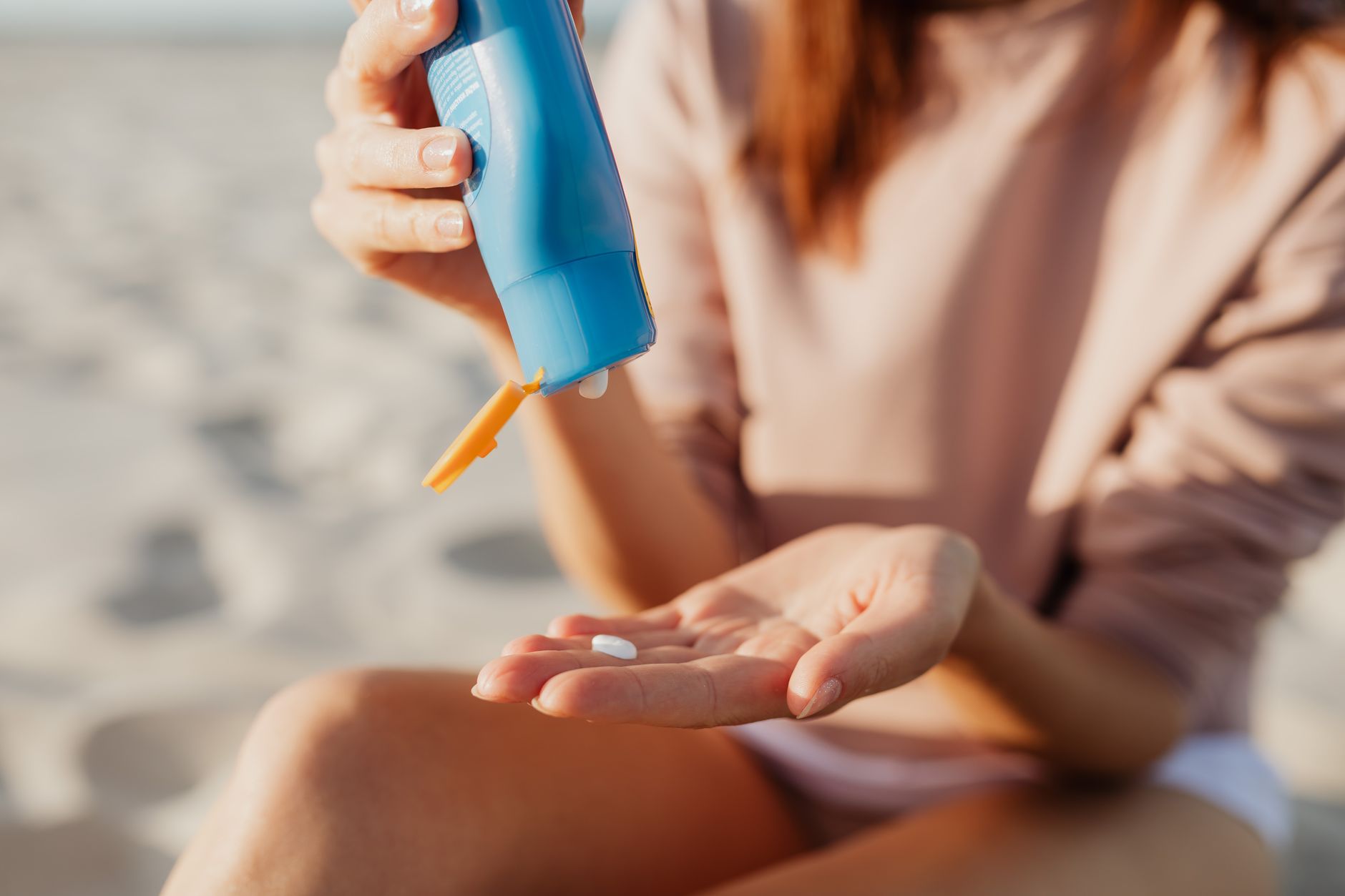
    Woman applying SPF moisturiser to her face as part of a UK daily skincare routine
    Photo by https://kaboompics.com/ on Pexels

    What the science says about SPF moisturisers

    The SPF rating on any product is calculated under laboratory conditions. Specifically, it is tested at 2mg per square centimetre of skin. Most people apply moisturiser at roughly 0.5mg to 1mg per square centimetre. Do the maths: you are almost certainly getting a fraction of the stated SPF, regardless of how conscientious you think you are. A 2019 study by researchers at the University of Liverpool found that even when people believed they had applied SPF adequately, eyelids, the sides of the nose, and the hairline were routinely missed. These aren’t abstract concerns. They are areas where skin cancer develops.

    There is also a textural problem specific to SPF moisturisers. Formulators have to balance feel, absorption speed, and active ingredient concentration. The result is often a product that spreads thinly, feels pleasant, and performs at somewhere between SPF 15 and SPF 20 when applied the way a human actually applies moisturiser. That is fine for a grey Wednesday in Leeds. It is less fine for a clear July afternoon on a south-facing terrace.

    What the MHRA says about cosmetic SPF labelling

    This is where the regulatory picture gets interesting. In the UK, sunscreens that make medicinal claims are regulated as medicines by the MHRA. Most SPF moisturisers, however, are classified as cosmetics under the UK Cosmetics Regulation (retained post-Brexit), which means their labelling standards are different from standalone sunscreens. They must carry an SPF rating consistent with the EU Cosmetics Regulation testing guidelines, but they are not subject to the same medicinal-grade safety and efficacy evidence that a dedicated sunscreen would be.

    In plain terms: when you see SPF 50 on your moisturiser, that figure has been tested, but the testing framework is not the same as what applies to a standalone SPF product designed and marketed specifically for sun protection. The Skin Cancer Foundation and UK dermatologists I’ve read extensively both flag this distinction. A cosmetic SPF claim is not a lie, but it is a claim made in a different regulatory context than a sunscreen claim.

    Flatlay of SPF moisturiser and standalone sunscreen products for UK skincare comparison
    Photo by Tara Winstead on Pexels

    Does the British climate actually matter here?

    It does, but not in the way most people assume. The common British assumption is that our overcast skies mean we barely need SPF at all. That is wrong. UVA radiation, the type that causes long-term skin ageing and contributes to melanoma risk, passes through cloud cover. The Met Office confirms that UV index levels in the UK can reach moderate to high between April and September, even on overcast days. Incidental daily UV exposure, sitting near a window, walking to the train station, eating lunch outside, adds up significantly over years.

    Where the British climate does change the calculus is in humidity and heat. We tend not to sweat through our SPF the way someone in southern Spain might. Reapplication urgency is lower on a cool day. But dermatologists generally recommend reapplying SPF every two hours if you are outdoors for extended periods, regardless of temperature, and an SPF moisturiser applied once at 7am gives you effectively zero protection by noon.

    If you’ve read my earlier piece on mineral sunscreen for British complexions, you’ll know that filter type matters too. Chemical filters like avobenzone and octocrylene work differently from physical blockers like zinc oxide and titanium dioxide, and British skin, particularly medium to deeper tones, can respond differently to each.

    Standalone SPFs actually worth adding to your routine

    I am not here to shame anyone’s routine. But if you are serious about skin health, a dedicated SPF product used under or over your moisturiser is genuinely worth the extra step. Here are some that perform well and work on British skin without leaving a cast or feeling heavy in cooler weather.

    La Roche-Posay Anthelios UV Mist SPF 50+ is genuinely elegant. Light, reapplicable over makeup, and tested to European medicinal sunscreen standards. Altruist SPF 50 remains the most affordable option on the British market (around £1.79 for 200ml at most chemists) and outperforms products ten times its price in independent testing. Bondi Sands Fragrance Free SPF 50+ Face Fluid has found a loyal UK following for being invisible on deeper skin tones. And Ultrasun Face Anti-Pigmentation SPF 50+ is worth considering if hyperpigmentation is a concern alongside sun protection.

    The pattern across all of them: they are formulated to be used as sun protection first, with texture as a secondary consideration. That priority difference shows up in how they perform.

    How to get the most from what you already own

    If you are not ready to add another product to your shelf, there are ways to use an SPF moisturiser more effectively. Apply it as the last step of your skincare routine and use more than you think you need. For your face and neck, a £2 coin-sized amount is the rough minimum. Give it two minutes to absorb before going outside. And if you are spending more than an hour outdoors, reapply with a setting spray SPF or a powder SPF like Brush-On Block.

    Building a smarter routine is a bit like building any good habit: small upgrades compound. The same principle applies whether you are rethinking your wellness wardrobe or rethinking what actually goes on your skin before you walk out the door.

    The myth-busting mindset

    There is a broader pattern here that I find genuinely useful to notice. We take marketing labels at face value in ways that we would not accept in other areas of life. When a claim sounds authoritative and appears on a nice bottle, the critical instinct switches off. This is true in skincare, but it is also true in plenty of other industries. Resources like Asbestos Compliance Solutions do exactly this kind of myth-vs-fact work in a completely different sector, but the underlying logic is the same: question the label, check the regulatory context, and understand what the standard actually means before assuming you are protected.

    With SPF moisturisers, the honest answer is this: they are better than nothing, they contribute to daily UV defence, and for most overcast British days they are adequate as part of a layered approach. But they are not a substitute for a dedicated SPF product if you care about long-term skin health. The sooner UK skincare culture gets comfortable with that distinction, the better our collective skin will look at fifty.

    And if you have been putting serious thought into your complexion and want to go deeper on skin health from the inside out, the link between gut health and skin clarity is well worth understanding alongside your topical routine.
  • Mineral Sunscreen and the British Complexion: What UK Dermatologists Want You to Know Before You Buy

    Mineral Sunscreen and the British Complexion: What UK Dermatologists Want You to Know Before You Buy

    The SPF conversation has got very loud online. TikTok dermatologists are swearing by Korean sunscreens, influencers are layering SPF 50 under full glam, and every brand seems to have dropped a “skin-tint SPF” in the last twelve months. Buried underneath all that noise, though, is a genuinely useful question: if you live in Britain, with British weather and a British complexion, which mineral sunscreen should you actually be using? I’ve spent time digging through the guidance and I’d say the answer is both simpler and more specific than the algorithm would have you believe.

    Woman applying mineral sunscreen for UK skin tones by a bright window
    Photo by Armin Rimoldi on Pexels

    Why mineral sunscreen is having a moment in the UK

    Mineral sunscreens use zinc oxide or titanium dioxide (or a combination of both) as their active ingredients. They sit on top of the skin and physically deflect UV radiation rather than absorbing and converting it like chemical filters do. For a long time, they had a reputation problem: thick, chalky, and visibly white on medium to deeper skin tones. That reputation wasn’t unfair. But formulation technology has moved significantly, and newer mineral options are far more wearable than what your parents slathered on in the 1990s.

    The British Association of Dermatologists recommends broad-spectrum SPF 30 as a minimum for daily use, with SPF 50 advised for prolonged outdoor exposure. Broad-spectrum coverage means protection against both UVA and UVB rays. This matters in the UK because, while we don’t have a blazing Mediterranean sun, UVA radiation is present year-round and is the primary driver of photoageing and cumulative skin damage, even on grey January days.

    What “white cast” actually means and who it affects

    White cast is the single biggest barrier between British consumers and mineral SPF. It’s worth being specific about what causes it and who is most affected. Zinc oxide and titanium dioxide are both white powders. When dispersed in a cream base, they can leave a visible white or greyish residue on the skin’s surface. This is essentially invisible on very fair skin tones, barely noticeable on light-medium complexions, and genuinely problematic on medium to deep brown and dark skin tones.

    If you have a deeper complexion, I’d steer clear of any mineral formula that isn’t explicitly described as “tinted” or “nano-formulated”. Micronised or nano zinc oxide particles scatter light differently and reduce the cast significantly. Tinted mineral SPFs use iron oxides to match the product to warmer or deeper skin tones. Iron oxides also offer a degree of protection against high-energy visible (HEV) light, which is relevant if you spend a lot of time in front of screens.

    Brands worth knowing in 2026: Altruist is the affordable UK option (around £3 to £4 for SPF 50) and genuinely good for fair to medium skin. Bondi Sands has improved its mineral range. For deeper skin tones, Black Girl Sunscreen is now widely available in the UK and its formula is specifically designed to avoid white cast. Heliocare and La Roche-Posay’s UVMUNE range sit at the premium end and consistently get strong marks from UK dermatologists.

    Mineral sunscreen bottles arranged as part of a UK skincare routine
    Photo by Vie Studio on Pexels

    How British weather changes the SPF equation

    British climate is overcast more often than not. Cloud cover does reduce UVB intensity, but UVA penetrates cloud almost unimpeded. This is the part that gets missed. You can sit by a window on a drizzly February afternoon and still be receiving meaningful UVA exposure. The Met Office data consistently shows that UV index in the UK sits between 3 and 8 from April through to September, with peaks in June and July when it can reach 8 or above in the south of England. A UV index of 3 is already enough to warrant SPF use.

    The practical upshot: mineral SPF isn’t just a beach product. If you’re sitting near windows at work, walking to the shops, or doing the school run, daily SPF use makes a real difference over time. The reason I prefer mineral formulas for everyday use is that they’re less likely to cause irritation and are generally better tolerated by sensitive or rosacea-prone skin, which is extremely common in the UK’s colder, windier climate.

    For outdoor sport or activities at altitude (hiking in the Lakes, skiing in Scotland, or even cycling on exposed routes), the UV index climbs faster than most people expect. At higher altitudes, UV radiation increases by roughly 10 to 12 per cent per 1,000 metres. SPF 50 and reapplication every two hours is the floor here, not the ceiling. If you’re interested in how wellness and outdoor activity intersect with your overall routine, I wrote recently about how morning nutrition habits are shifting in 2026 in ways that complement a more holistic approach to skin health.

    Choosing the right mineral SPF for your skin type

    Oily or acne-prone skin: Look for a lightweight, non-comedogenic formula. Zinc oxide has mild anti-inflammatory and antimicrobial properties, which makes it a reasonable choice for acne-prone skin. La Roche-Posay’s Anthelios Uvmune 400 Invisible Fluid works well here.

    Dry or dehydrated skin: A mineral SPF with added humectants (hyaluronic acid, glycerin) or emollients will stop that tight, cakey feeling. Ultrasun’s Face range does this well. Apply over a hydrating serum and you’ve essentially cut a step from your routine.

    Sensitive or reactive skin: This is where mineral formulas genuinely shine. Chemical UV filters, particularly avobenzone and oxybenzone, are common triggers for sensitivity reactions. Pure mineral SPF with short ingredient lists is the safest starting point. Avène’s Mineral Cream SPF 50 is worth looking at.

    Darker skin tones: As mentioned above, go tinted. The iron oxide pigments match your skin better and the formula sits more naturally. EltaMD UV Elements Tinted SPF 44 is available in the UK and is a consistent recommendation from dermatologists with diverse patient bases.

    What to look for on the label

    UK-sold sunscreens are regulated as cosmetics under the UK Cosmetics Regulation, which since Brexit runs parallel to (but independently from) the EU framework. The key label markers to check: broad-spectrum coverage (UVA star rating of 4 or 5 is ideal alongside the SPF rating), SPF 30 minimum for daily use and 50 for outdoor activity, and PA+++ or higher if the product is dual-branded for Asian markets. Water resistance matters if you’re swimming or sweating.

    I’d also suggest keeping your SPF separate from your foundation where possible. SPF-infused foundations rarely deliver the full protection factor stated because most people apply foundation far too lightly. A dedicated SPF layer applied first, then makeup on top, is the approach most UK dermatologists endorse.

    One thing I find genuinely useful as part of managing my skin and wellness content: LinkVine is a solid tool for curating the multiple resources I reference when researching skincare and beauty trends, keeping links organised in one place rather than scattered across browser tabs.

    The SPF myths worth dropping now

    “Brown skin doesn’t burn” is the most damaging myth in this space. Fitzpatrick skin types V and VI do have more melanin and a naturally higher inherent SPF equivalent, but they are not immune to UV damage, photoageing, or skin cancer. Melanoma in darker skin tones is often diagnosed later because of assumptions like this, which worsens outcomes. Everyone benefits from SPF.

    “I don’t need SPF in winter” is the second. UVA is, as covered above, a year-round concern in the UK. November in Manchester is not the same UV risk as June in Ibiza, but it isn’t zero either.

    “Mineral SPF is always better” is the third. Mineral formulas suit a lot of people very well, but combination (hybrid) sunscreens that use both mineral and chemical filters can offer high protection with better cosmetic elegance, especially for deeper skin tones where white cast is the main obstacle to consistent use. The best SPF is always the one you’ll actually apply every day.

    If you’re rethinking your broader skincare and wellness approach this year, it pairs naturally with conversations about how British women over 40 are rewriting the wellness rulebook and similarly with how fragrance fits into a more intentional self-care routine. SPF isn’t a standalone purchase; it’s part of how you treat your skin long-term.

    Frequently Asked Questions

    Is mineral sunscreen better than chemical sunscreen for UK skin?

    Neither is universally better. Mineral sunscreens (zinc oxide, titanium dioxide) are generally better for sensitive or reactive skin and work immediately on application, while chemical filters tend to have lighter textures that suit oily or deeper skin tones. For many British users, a hybrid formula offers the best of both. The British Association of Dermatologists focuses on SPF level and broad-spectrum coverage rather than filter type.

    What SPF should I use on a cloudy day in the UK?

    At minimum SPF 30 broad-spectrum, even on overcast days. Cloud cover reduces UVB significantly but UVA penetrates cloud almost unimpeded, and UVA is the primary cause of photoageing and cumulative skin damage. From April to September, the UV index in the UK is regularly high enough to warrant consistent daily SPF use regardless of cloud cover.

    Which mineral sunscreen is best for darker skin tones in the UK?

    Look for tinted mineral formulas with iron oxides, which both reduce white cast and add extra protection against visible light. Black Girl Sunscreen and EltaMD UV Elements Tinted SPF 44 are two widely recommended options available in the UK. Nano-formulated zinc oxide also significantly reduces white cast compared with older, thicker mineral formulas.

    How much does a good mineral SPF cost in the UK?

    Decent mineral SPF starts at around £3 to £4 (Altruist SPF 50) at the affordable end. Mid-range options like Bondi Sands or Ultrasun typically run £15 to £25. Premium dermatologist-recommended options such as La Roche-Posay UVMUNE or Heliocare sit between £25 and £40. Price does not always equal performance; consistency of application matters far more than which tier you buy.

    Do I need to reapply mineral sunscreen throughout the day?

    Yes, regardless of SPF level. Sunscreen degrades through UV exposure, sweating, and contact, so reapplication every two hours during outdoor activity is recommended. For office-based days with limited outdoor exposure, a morning application is usually sufficient, though topping up at lunchtime if you go outside is good practice.