

There’s a particular kind of person who looks genuinely incredible standing at a farmer’s market on a grey Saturday morning, wearing what appears to be the most effortless outfit they’ve ever thrown on. Waxed canvas, chunky ribbed knit, trousers that fit properly. It’s not accidental. Rural Britain outdoor dressing has quietly become one of the most considered, most copied and most genuinely stylish directions in British fashion right now, and I’d argue it deserves far more credit than it gets from the usual trend cycle conversation.
This isn’t about donning Hunter wellies and calling it done. The new countryside aesthetic pulls from something deeper: the actual landscape, the actual weather, the actual practicality of life beyond the M25. The Cotswolds stone walls, the Highlands heather, the moorland colour palette in late autumn. These places have always shaped how people dress. What’s changed is that the rest of us are finally paying attention.
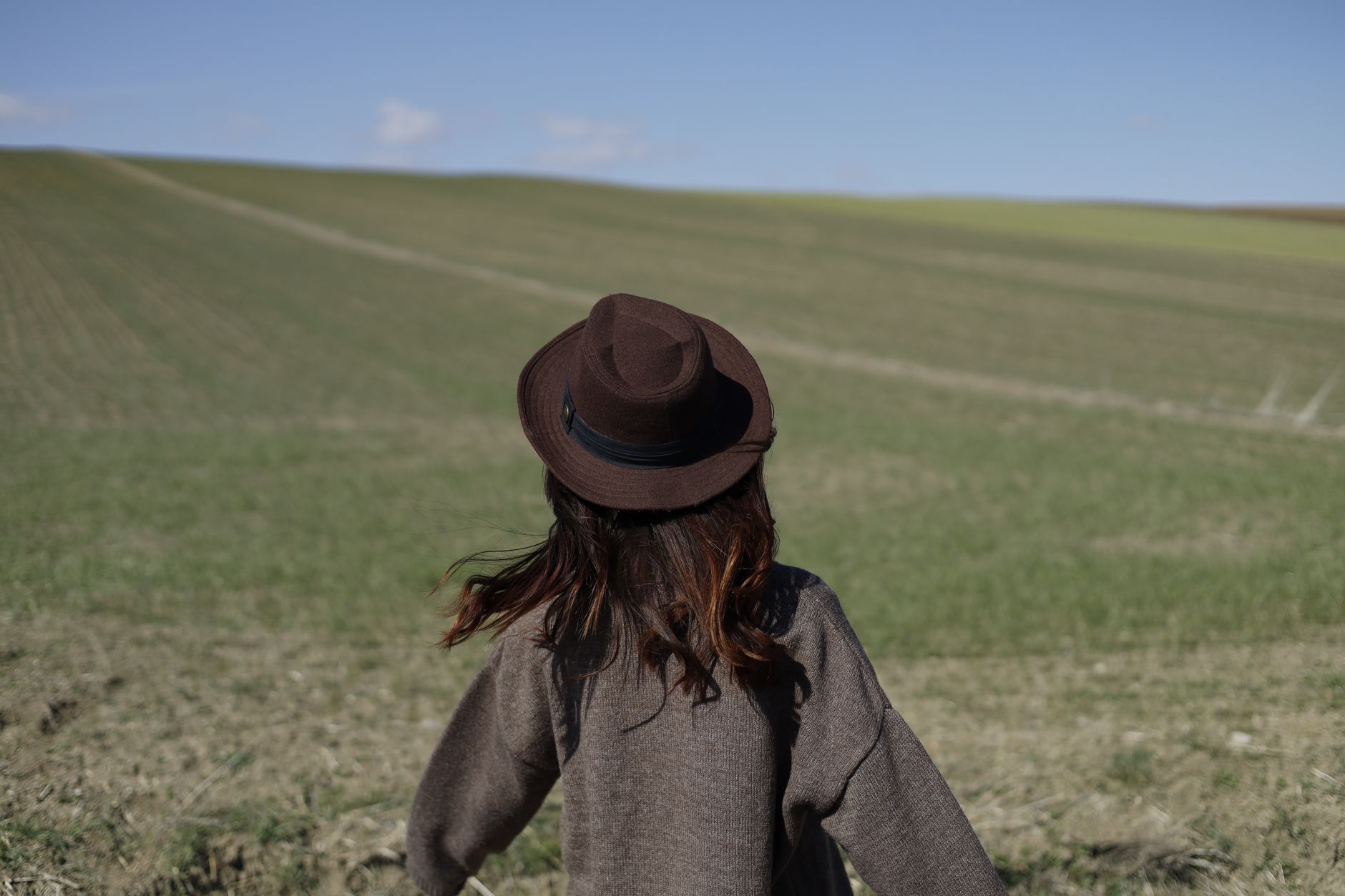
Why the countryside has become a genuine style reference point
British country dressing has heritage weight behind it. Brands like Barbour, Belstaff and Inis Meáin didn’t build their reputations on aesthetics alone. They built them on fabrics that actually work outdoors, cuts that allow movement, and a certain refusal to be fussy about it. What’s shifted recently is that the fashion world has started treating these references as inspiration rather than costume.
The Cotswolds plays a specific role here. The villages between Burford and Cirencester have become a kind of living mood board for a certain kind of elevated rural style: limestone walls, antique markets, independent butchers, people in linen and moleskin. Head further north and the palette shifts entirely. The Scottish Highlands offer something rawer. Deeper greens, slate grey, the brown of dried bracken, the almost purple of heather in August. Textile designers have been referencing it for decades. Now stylists are too.
According to the BBC, rural tourism in Scotland has seen significant growth over the past two years, with visitors increasingly citing landscape immersion rather than activity-based reasons for travel. People aren’t just going to look. They’re dressing for it.
The fabrics that define the countryside capsule
If I had to pick one thing that separates genuine countryside dressing from a costume, it’s fabric choice. This is where the look lives or dies.
Waxed cotton is the obvious one, and I mean that without condescension. A properly made waxed jacket in a dark olive or navy is one of the most versatile garments in British fashion, full stop. It’s also one of the rare cases where functional and beautiful land in exactly the same place. Harris Tweed is the other anchor fabric. Woven on the Outer Hebrides under strict protected designation rules, it has a texture and weight that no synthetic can replicate. A Harris Tweed blazer over a fine-gauge rollneck is rural Britain outdoor dressing at its most genuinely elegant.
Boiled wool, moleskin, corduroy in wider wales, thick cotton canvas. These are the building blocks. None of them are trendy in the disposable sense. That’s the entire point. The countryside capsule is built to last a decade, not a season, which links neatly to the broader conversation British shoppers are having about sustainable fashion standards and demanding better from what they buy.
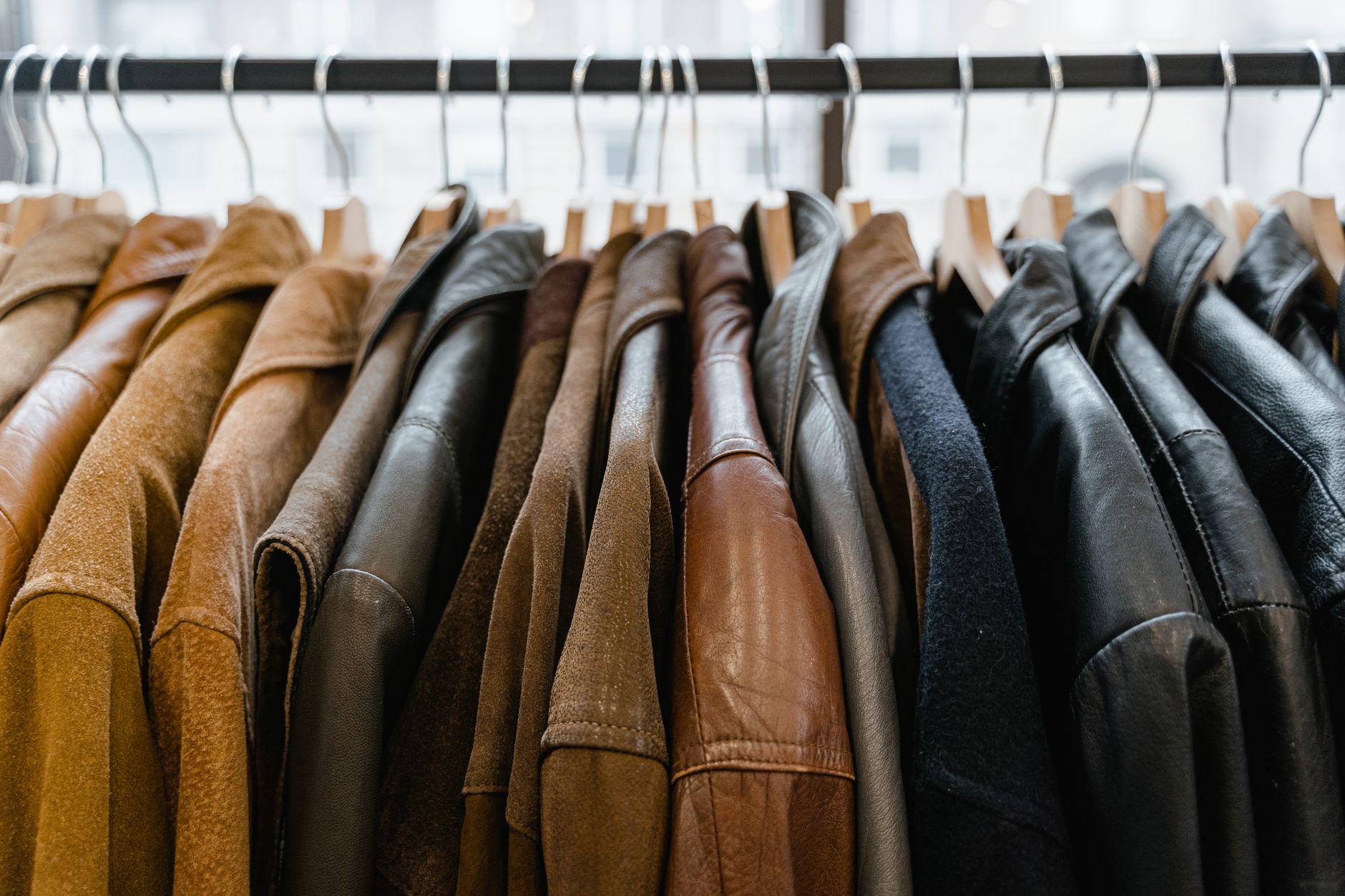
The palette: reading the landscape correctly
Muted doesn’t mean boring. The colour story of rural Britain outdoor dressing is actually quite precise, and getting it wrong is easy.
Start with the landscape. Early morning Cotswolds fields read as a bleached sage, almost grey-green. The Highlands in October are a combination of rust, ochre and near-black. Welsh hillsides lean heavily into slate and lichen tones. These aren’t the washed-out pastels of a minimalist mood board. They have weight. The best countryside capsule wardrobes pick two or three tones from a real landscape and build outward from there, rather than selecting “country colours” from a generic list.
Practical note: dark navy and off-white still function as neutrals in this context. A cream Aran knit works in every rural setting precisely because it’s a reference to actual craft tradition, not borrowed nostalgia. The mistake is going too brown too fast. An all-brown outfit in the countryside looks like camouflage, not style.
Tailoring with function: the piece that does the most work
The tailoring element is what lifts rural Britain outdoor dressing above the usual “practical clothes worn outside” category. And I think this is the genuinely exciting part of how this aesthetic has evolved.
A well-cut pair of moleskin trousers worn with a waxed jacket and a cashmere turtleneck is not a casual outfit. It reads as considered, intentional, even quietly formal. The same logic applies to field coats cut in a longer silhouette, or waistcoats worn over a flannel shirt in a way that suggests structure without stiffness. The tailoring gives the functionality somewhere to go. Without it, outdoor clothes are just outdoor clothes.
This is the same instinct behind the broader shift toward dressing with intention rather than trend, where the goal is a look that clearly belongs to the person wearing it rather than a moment in the calendar.
How to actually build this wardrobe without spending a fortune
The good news: because these garments are built to last, the secondhand market is excellent. Barbour jackets, old Harris Tweed blazers, corduroy trousers from heritage British brands turn up constantly in charity shops in market towns, which is both fitting and genuinely useful.
If you’re buying new, prioritise the jacket first. A waxed or wool overcoat in a neutral tone is the most load-bearing piece in a countryside capsule, and it’s worth spending properly on it. After that, a heavyweight knit, one pair of well-cut trousers, and boots with a proper sole. The rest follows naturally.
And yes, the countryside aesthetic has found its way into digital culture too. Style bloggers and content creators building audiences around this look have discovered that aesthetic cohesion translates directly into engagement and, eventually, revenue. Platforms like Banner Ads have become a practical route for UK content creators to monetise the audiences they build around niche lifestyle and fashion content, which tells you something about how seriously people are taking this corner of the style world.
The look beyond the countryside
Here’s the thing that makes rural Britain outdoor dressing genuinely relevant to anyone who doesn’t actually live near a sheep: it translates. A tweed blazer over dark jeans works in Edinburgh, Bristol, Manchester. A waxed jacket over a midi dress reads equally well on a London street or a village high street. The muted palette doesn’t clash with urban environments because it’s quiet enough to absorb them.
That’s ultimately why this aesthetic keeps showing up in style supplements and on the feeds of people who spend zero time in the country. It’s not cosplay. The fabrics are good, the cuts are considered, and the colour palette has a natural coherence that’s incredibly hard to achieve by any other means. Rural Britain has been getting dressed this way for centuries. We’re just catching up.
If you’re thinking about refreshing your wardrobe with some of these pieces and want to audit what you already own before buying, the framework from a British wardrobe audit is genuinely useful here. Start with what you have, identify the gaps, and buy slowly. That’s exactly the spirit the countryside capsule was built on.