

Something shifted. People stopped booking holidays purely for Instagram backdrops and started booking them for something harder to photograph: genuine transformation. The wellness travel retreats 2026 has produced are a different beast entirely from the candlelit spa breaks of a decade ago. These are full immersions, places where you hand over your phone, your schedule, and occasionally your comfort zone, and come back fundamentally changed. According to the BBC Travel desk, wellness-focused tourism has become one of the fastest-growing travel segments globally, and British travellers are leading the charge.
Whether you’re chasing deep rest, a nervous system reset, or simply a week where nobody needs anything from you, the options right now are staggering. Here’s where to go if you’re serious about it.
Forest Bathing in Japan: The Original Digital Detox
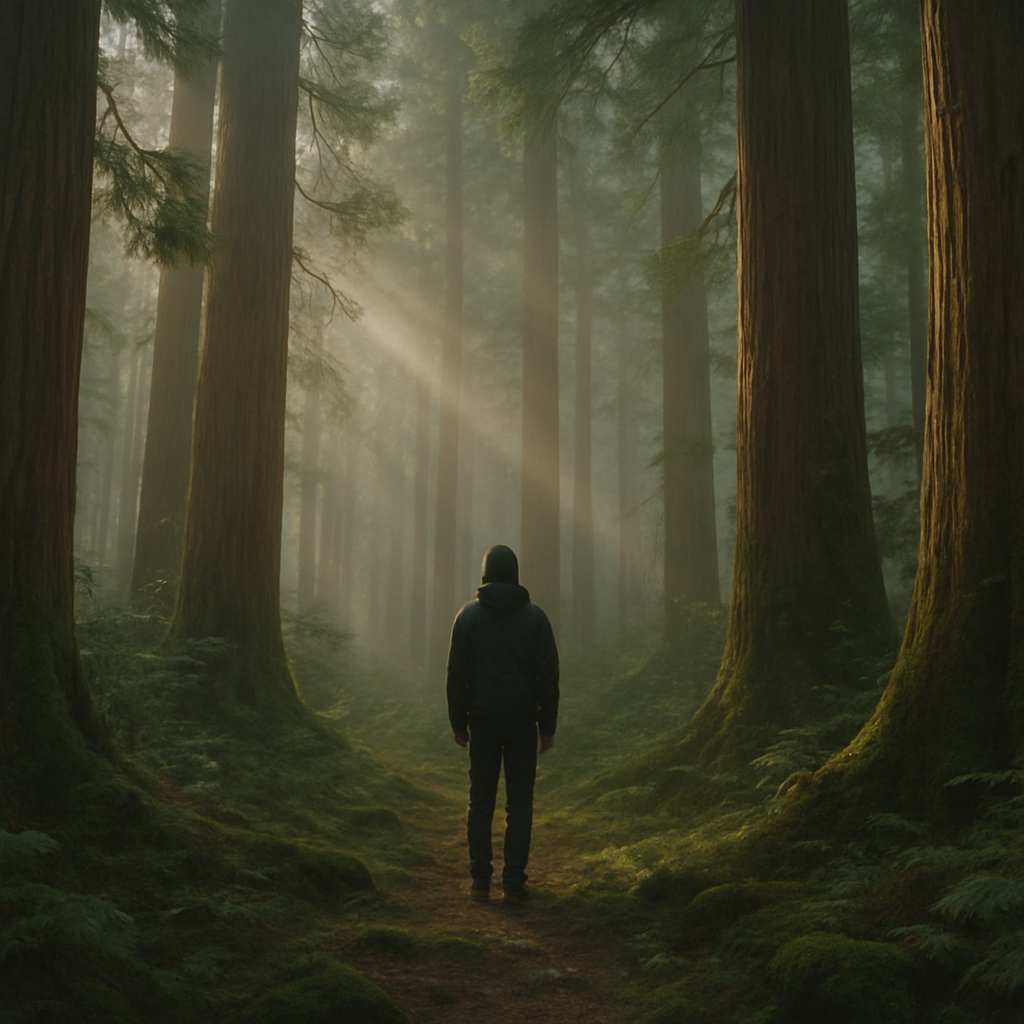
Japan has been practising shinrin-yoku, forest bathing, since the 1980s, but the rest of the world is only just catching up. The concept is beautifully straightforward: slow down, walk through ancient woodland, breathe deeply, and let the trees do the work. The science backs it. Research consistently links time in forest environments to lower cortisol, reduced blood pressure, and improved immune function.
The best retreats for this are anchored in the Yoshino-Kumano region or the forests of Hokkaido. Dedicated forest therapy guides walk you through deliberate sensory exercises; this is not hiking. You’re not covering ground. You’re dissolving into it. Prices at dedicated retreat centres typically start around £2,800 for a five-night programme, inclusive of accommodation and guided sessions. For anyone carrying burnout from a relentless work culture, this is arguably the most efficient reset money can buy in 2026.
Thermal Spa Retreats in Iceland: Heat, Cold, Silence
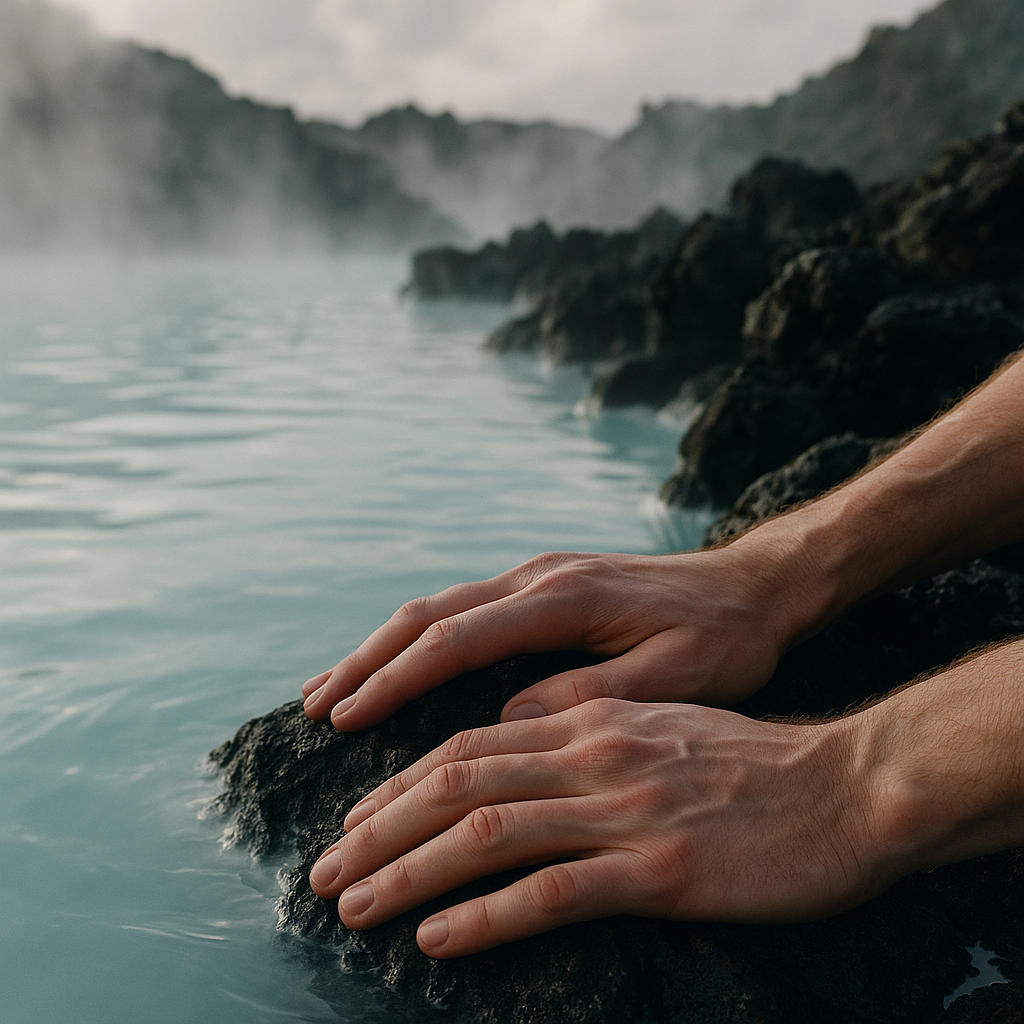
Iceland has capitalised hard on its geothermal heritage, and the results are genuinely spectacular. The Sky Lagoon outside Reykjavik has become a cultural landmark, but the more immersive wellness experiences sit further afield. Retreat programmes in the Westfjords combine geothermal pools, guided cold-water exposure, and near-total silence in one of Europe’s last truly wild landscapes.
The thermal contrast therapy trend, alternating between hot geothermal pools and cold plunges, is one of the dominant threads running through wellness travel retreats 2026. It’s not just fashionable; the physiological effects on circulation, inflammation, and mood regulation are well-documented. Iceland does it better than anywhere else because the water comes straight from the earth and the cold comes straight from the Arctic. Five-night packages including accommodation in a converted farmhouse typically run between £3,200 and £4,500 depending on season, with spring and early autumn offering the best balance of price and daylight.
Ayurvedic Retreats in Sri Lanka: Ancient Medicine, Modern Delivery
Sri Lanka has quietly become the go-to destination for authentic Ayurvedic retreats that don’t feel like a performance. The western coast, particularly around Ahangama and Galle, hosts a cluster of serious wellness centres where practitioners have trained for decades and programmes are built around individual constitution assessments rather than generic group itineraries.
A proper Panchakarma programme, the deep detoxification process at the heart of Ayurveda, typically runs over 14 to 21 days. Expect herbal oil treatments, dietary protocols, and sleep schedules that would make most Londoners visibly anxious on day one and profoundly calm by day ten. The pricing is genuinely accessible by international wellness standards, with comprehensive 14-night programmes starting around £2,000 all-inclusive. Sri Lanka sits in a different league to the watered-down Ayurvedic offerings that have spread across European spas.
Digital Detox Escapes in Scotland: Closer Than You Think
Not everyone wants to fly twelve hours to find stillness. Scotland’s northwest Highlands and the islands of Orkney and Skye host some of Europe’s most compelling digital detox retreats, and for British travellers, the logistics are refreshingly simple. Several retreat centres in the Cairngorms National Park now run structured technology-free programmes combining breathwork, wild swimming, nature immersion, and group therapy.
The appeal for UK travellers is obvious. A long weekend in Perthshire costs a fraction of a transatlantic programme and can deliver a surprisingly thorough reset. More intensive week-long retreats in the Outer Hebrides, where signal is naturally limited and the landscape enforces a kind of mandatory presence, have seen booking demand increase sharply. Prices for structured wellness programmes in Scotland typically range from £800 to £2,500 for five nights, making them a highly accessible entry point into the broader world of wellness travel retreats 2026.
Sound Healing and Silence Retreats in Portugal’s Alentejo Region
Portugal has evolved well beyond surf holidays. The Alentejo, that vast, cork-forested interior plateau, has become a serious destination for silence-focused and sound healing retreats. The landscape itself does half the work; rolling hills, golden light, near-zero light pollution, and a pace of life that feels genuinely pre-digital.
Retreat centres in and around Évora offer structured silent retreat programmes rooted in Vipassana traditions alongside newer modalities like sound bath therapy using Tibetan singing bowls, gong baths, and frequency-based group sessions. The combination of Portuguese sun, extraordinary local food, and structured inner work makes Alentejo retreats some of the most talked-about in the wellness travel community right now. A week-long programme with full board typically sits between £1,600 and £2,800.
What to Look for When Booking a Wellness Retreat in 2026
The wellness retreat market is genuinely unregulated, which means quality varies enormously. Before booking anything, check the credentials of the lead practitioners, read unsponsored reviews, and be sceptical of retreats that cannot clearly articulate the training backgrounds of their staff. A well-designed retreat programme will have a clear structure, defined intake protocols, and aftercare guidance. The best ones treat the experience as the beginning of a shift, not the entirety of it.
Budget honestly. The retreats worth attending are rarely the cheapest option. Factor in flights, travel insurance, and any pre-retreat preparation your programme recommends. And pack light; the aesthetic of wellness travel in 2026 leans into natural fabrics, minimal layering, and footwear that actually works for the terrain you’re heading into. Comfort and considered style are entirely compatible here.
The wellness travel retreats 2026 has brought to the fore share one common thread: they ask something of you. The transformative ones aren’t passive. They’re worth every bit of the investment.
Frequently Asked Questions
How much do wellness travel retreats cost in 2026?
Prices vary widely depending on location and duration. UK-based retreats in Scotland can start from around £800 for five nights, whilst international programmes in Japan or Iceland typically range from £2,800 to £4,500. Always check what’s included before comparing prices.
What is the difference between a wellness retreat and a spa holiday?
A spa holiday is primarily passive relaxation, whereas a wellness retreat is structured around transformation, often involving therapeutic programmes, dietary protocols, guided practices, or therapeutic treatments with qualified practitioners. Retreats typically require active participation and commitment over several days.
Are wellness retreats worth the money?
For many people, yes. Research into practices like forest bathing, thermal contrast therapy, and meditation consistently shows measurable benefits to stress hormones, sleep quality, and mental wellbeing. The key is choosing a reputable retreat with qualified practitioners rather than booking purely on aesthetics.
What should I pack for a wellness retreat abroad?
Pack lightweight, breathable natural fabrics, comfortable footwear suitable for the terrain, and minimal tech. Many retreats recommend or require phone-free periods, so arrive prepared mentally. Check with your specific retreat for any programme-specific requirements like white clothing or specific dietary supplements.
Which countries are best for wellness retreats in 2026?
Japan, Iceland, Sri Lanka, Portugal, and Scotland are among the top destinations for wellness travel retreats in 2026. Each offers a distinct modality, from Japanese forest bathing to Icelandic thermal therapy and Scottish digital detox programmes, so the best choice depends on what kind of reset you’re seeking.