

Something unexpected has been happening on the British high street, and I’ve been watching it build for the better part of two years. The wax jacket, once confined to muddy fields and country shows, is now draped over the shoulders of women in Manchester city centres and east London cafés. Heritage checks that used to signal landed gentry are turning up on Gen Z TikTok hauls. And earthy palettes, the kind you’d associate with the Cotswolds in late October, have become the default neutral for anyone who actually wants to look put-together in 2026. Rural British fashion aesthetic isn’t a trend dreamt up by a marketing team. It grew from the ground up, quite literally.
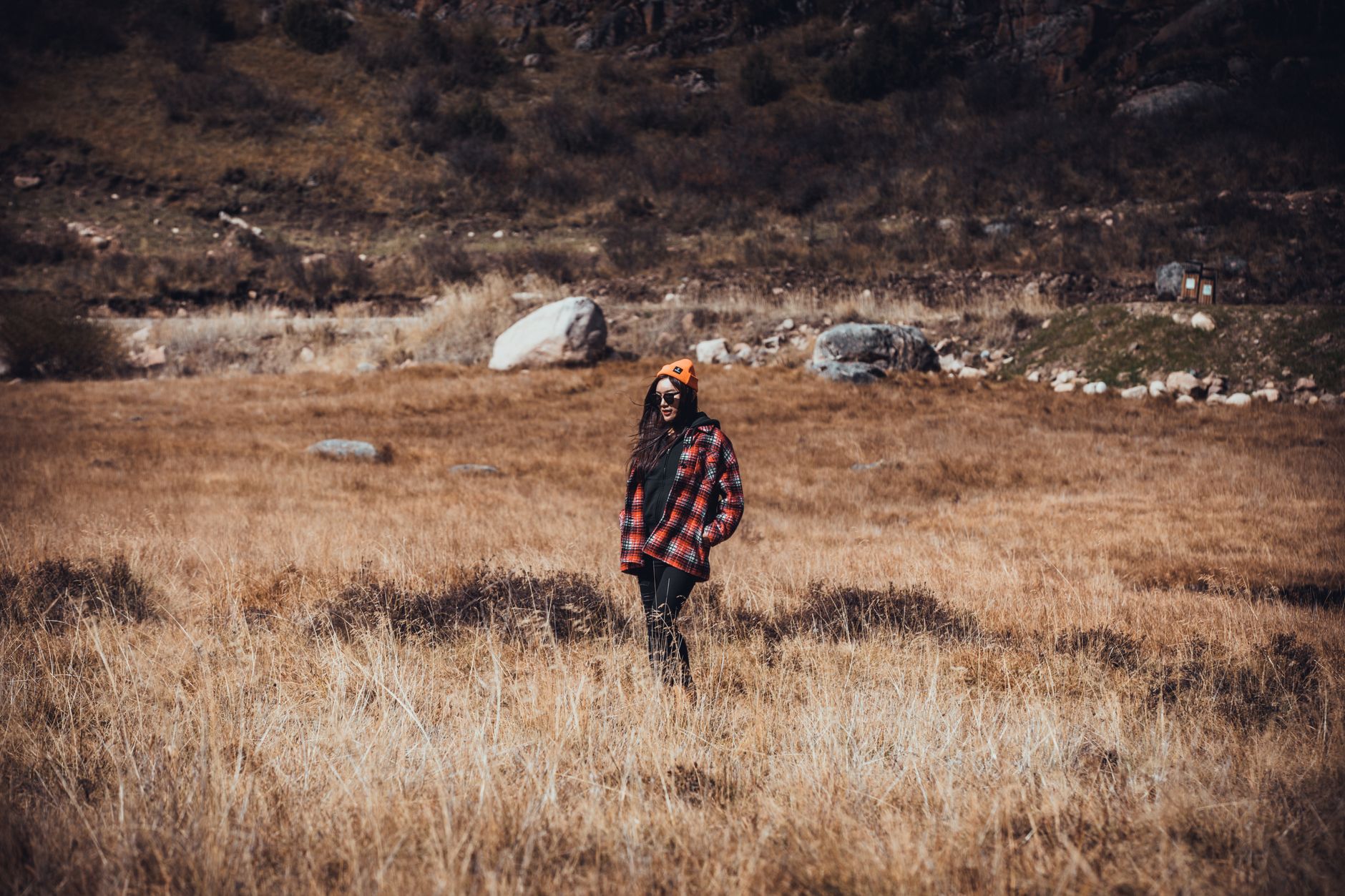
Why the countryside is winning the culture war
Britain’s relationship with its rural landscape has always been complicated. For decades, anything associated with the countryside was coded as either upper-class cosplay or practical-but-unstylish. Barbour was your parents’ brand. Tweed was for retired colonels. Harris Tweed, despite being genuinely extraordinary cloth, felt like a museum piece rather than a wardrobe one. Then something shifted. A generation priced out of city living started relocating to market towns and rural areas. Remote working sent professionals to Herefordshire villages and Northumberland hamlets. And the aesthetic those people encountered, and began absorbing, started feeding back into what they wore.
According to the ONS population estimates, rural areas across England saw consistent inward migration between 2020 and 2024, a trend that continued into 2026. Those people didn’t just move house. They moved aesthetics. And the fashion industry noticed.
The key pieces driving rural British fashion aesthetic into the mainstream
The wax jacket deserves its own chapter. Barbour’s Beadnell and Bedale styles have been on waiting lists at several stockists this year, which is not something I expected to type in 2026. But they’ve been reworked, styled differently, worn belted over slip dresses and wide-leg trousers rather than over Arran knits and wellies. The silhouette is the same. The context is completely different.
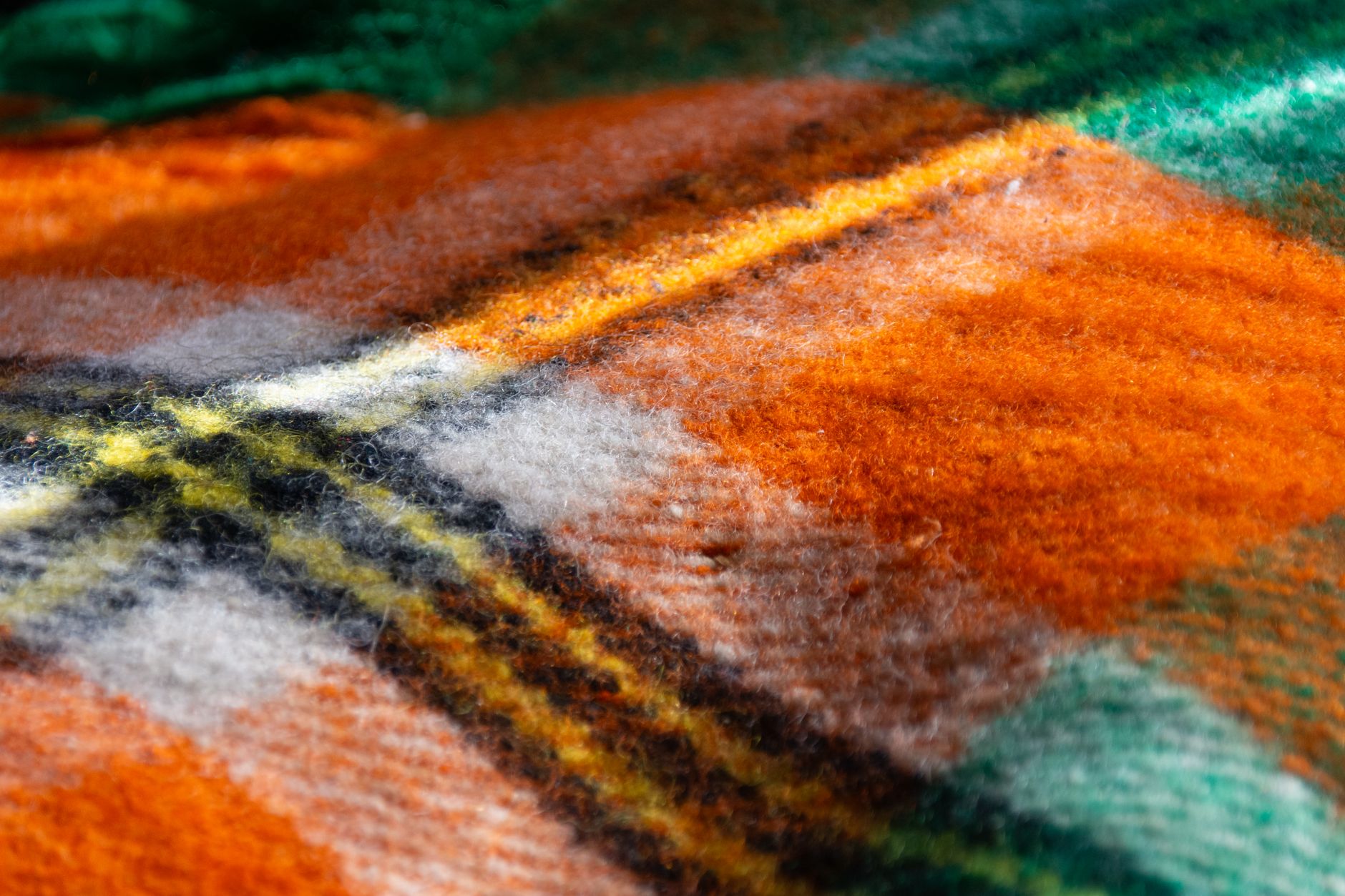
Heritage prints are the other big story. Tattersall checks, Blackwatch tartan, and the kind of muted plaid you’d find in a Scottish Borders mill shop have all migrated into mainstream collections. Marks and Spencer, Reiss and even ARKET have leaned into this space, producing pieces that feel genuinely rooted in British textile history without being costumy. The key distinction is wearability. These aren’t novelty pieces. They’re being bought as workhorses, which is precisely what makes them feel modern.
Earthy palettes complete the picture. Lichen green, bracken brown, Cotswold honey, slate grey from the Lakeland fells. These aren’t safe beiges. They have specificity and character. I’d argue they’re more interesting than the blush-and-cream neutrals that dominated for most of the early 2020s, and they do something kinder for a wider range of skin tones in British winter light.
From field to flat: how the look actually gets worn
The real skill with rural British style is resisting the urge to go full countryside cosplay. Nobody in 2026 wants to look like they’ve wandered off a grouse moor. The pieces that are landing well are the ones that earn their place in an urban wardrobe through sheer practicality and texture.
A wax jacket over a midi skirt and Chelsea boots. A heavyweight wool roll-neck in bracken brown paired with straight-leg dark denim. A tattersall-check overshirt worn open over a plain white tee. These combinations work because the rural element is grounded by something simple. The countryside isn’t the whole outfit. It’s the detail that makes the outfit interesting.
For anyone thinking about how this translates into a broader wellness wardrobe built around genuine lifestyle choices, the rural aesthetic fits beautifully. These are clothes made for movement, for walking, for being outside without sacrificing any visual sharpness. That dual functionality is exactly why the look has legs beyond a single season.
Interior aesthetics are playing a role too. The same people drawn to exposed beams, flagstone floors and natural linen have started thinking about their wardrobes in the same register. There’s a coherence to it. I’ve noticed it particularly among women who’ve consciously heat-mapped their wardrobes to cut out impulse buys, because heritage pieces with real cost-per-wear value fit that framework exactly. A Barbour jacket bought now could still be in rotation in 2036. That kind of thinking is reshaping what people are willing to spend.
The Scottish Borders effect: Britain’s quiet fashion capital
If the Cotswolds represent the soft, honey-toned end of the rural aesthetic, the Scottish Borders represent its harder, more textural counterpart. Hawick, Selkirk, Galashiels, these mill towns produce some of the finest wool and cashmere in the world, and their influence on 2026 fashion is more direct than most people realise. Brands like Johnstons of Elgin and Peter Scott have been quietly supplying luxury fashion houses for decades. What’s changed is that their own-label output is getting attention in its own right.
The Scottish landscape itself is doing creative work. Photographers, stylists and brands have been shooting in the Borders and the Highlands with increasing frequency, and those images, rough stone walls, muted sky, rugged moorland, have shaped what the rural British fashion aesthetic looks like in the collective imagination. It’s a compelling backdrop. And backdrops influence buying decisions more than any of us like to admit.
Sourcing the look: where to actually shop it
You don’t need to spend a fortune. The high street has fully absorbed this direction. ASOS’s heritage edit, the Zara autumn knitwear runs, and H&M’s wool-touch overshirts have all been pointing in this direction for the past twelve months. If you want to invest, Barbour, Belstaff and Magee of Donegal are worth looking at for pieces that will outlast several trend cycles.
Charity shops in market towns are also genuinely underrated here. A well-sourced Daks check blazer or a vintage Pringle jumper from an Oxfam in Cirencester or Kelso will cost a fraction of what a new equivalent would, and the quality is usually superior. The rural aesthetic, perhaps fittingly, rewards patience and a willingness to look properly.
For anyone designing their living space around the same principles, the earthy, textural quality of this aesthetic translates well indoors too. Brands like Vesta Blinds and Shutters Mansfield show how natural materials and clean lines can bring a countryside-influenced calm into a home environment, which makes sense when the same person curating their wardrobe in bracken and slate is also thinking carefully about their interiors.
The rural British fashion aesthetic is not a passing mood. It has infrastructure: heritage mills still producing extraordinary cloth, a landscape that keeps generating visual language, and a generation of wearers who’ve genuinely relocated their lives closer to that landscape. The style followed the life. That’s the most convincing origin story a trend can have. And it’s why, unlike so many things that arrive fully formed on Instagram, this one feels like it has actual staying power.
If you’re curious about how British outdoor culture connects to wellness, the conversation around wild swimming as a distinctly stylish wellness habit covers similar territory, where being outside in Britain isn’t just good for the body but has become a genuine identity marker. The rural aesthetic fits neatly into that same shift.
Frequently Asked Questions
What is the rural British fashion aesthetic?
It’s a style direction rooted in the clothing, textiles and colour palettes associated with the British countryside: wax jackets, heritage checks, earthy tones like bracken and lichen green, and heavyweight natural fabrics. In 2026 it’s been absorbed into mainstream and high-street fashion in a way that makes it genuinely wearable in urban settings too.
Which brands are best for countryside chic in the UK?
Barbour, Belstaff and Magee of Donegal are strong investment options. For more accessible price points, ASOS’s heritage edit, Marks and Spencer’s wool range and Zara’s autumn knitwear collections have all moved decisively in this direction. Charity shops in market towns are also an excellent, often overlooked source of genuine quality pieces.
How do I wear heritage prints without looking too traditional?
The key is contrast. A tattersall-check overshirt worn open over a plain white tee and straight-leg jeans reads as modern. Pair a Blackwatch tartan skirt with a simple black ribbed knit rather than anything too coordinated. Let the heritage piece do the work and keep everything else simple and contemporary.
Is this trend specific to women's fashion or does it apply to men's style too?
It applies equally to men’s fashion. Wax jackets, moleskin trousers, chunky roll-necks and heritage check shirts have all been prominent in men’s collections from brands including Oliver Spencer, Percival and Grenson for footwear. The earthy palette and natural fabric direction is arguably even more established in menswear.