

Something shifted in British advertising this year, and if you’ve been paying attention, you’ve probably noticed it. Campaign images look different. Not worse, actually, in many cases, more compelling. Models look like people. Skin has texture. Bodies have proportion. The hyper-smoothed, digitally sculpted aesthetic that dominated high street and wellness advertising for a decade is quietly being dismantled, and the Advertising Standards Authority is a big reason why.
The ASA’s tightening scrutiny of ASA digitally altered images has put real pressure on UK fashion and wellness brands to rethink not just what they publish, but how they shoot, direct and edit their campaigns from the ground up. This isn’t a minor compliance tweak. It’s a fundamental shift in visual communication.
What the ASA actually rules on
The ASA has long had the power to act on misleading advertising, but its guidance around body image has sharpened considerably. Rulings against brands for slimming waists, elongating limbs, smoothing away skin texture and altering body proportions in ways that create unrealistic expectations have become more frequent and more visible. In 2023, the ASA and its sister body the Committee of Advertising Practice (CAP) published updated guidance specifically addressing the responsibility brands bear when their images could contribute to negative body image, particularly amongst younger audiences.
What makes this complex is that the rules don’t ban all retouching. Removing a spot of dust on a jacket, cleaning up a lighting imperfection in the background, that’s fine. The line is drawn at altering the body itself in ways that misrepresent what a product looks like on a real person, or that present a physically unattainable standard as aspirational. The distinction sounds neat, but in practice, it requires brands and their creative partners to make judgement calls that go right to the heart of how they present themselves visually.
How fashion brands are changing their shoots
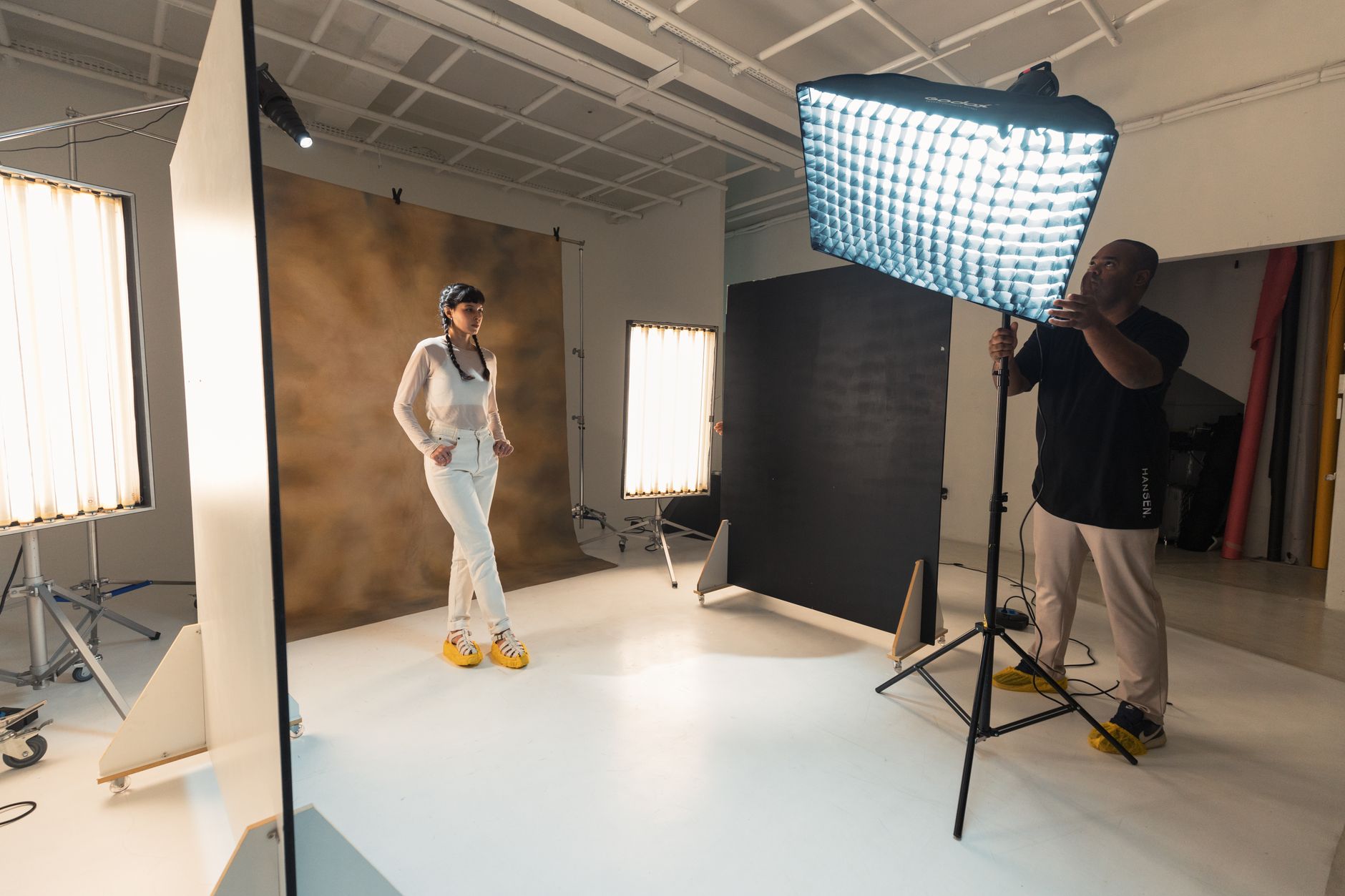
The practical impact on UK fashion photography has been significant. Art directors and photographers I’ve spoken to describe a genuine shift in briefing language. Where retouching notes once covered extensive post-production body work as a matter of routine, brands are now pulling those instructions back, partly out of genuine ethical commitment, partly out of legal caution, and partly because audiences have become sharp enough to clock the artificiality and push back.
Brands like ASOS, which faced early scrutiny over its imagery years ago, have moved towards more transparent retouching policies. John Lewis has quietly shifted its campaigns to feature broader body representation with less aggressive smoothing. The casualwear end of the market, brands like Lucy & Yak or Lazy Oaf, have built entire aesthetics around unretouched, lo-fi imagery that feels deliberate and cool rather than cheap. Interestingly, that rawness has become its own kind of luxury signal, which connects neatly to the wider quiet luxury shift British women are driving in 2026.

Wellness brands have it even harder
For wellness and beauty brands, the stakes are arguably higher. The products themselves, supplements, skincare, fitness wear, are often sold on the promise of physical transformation. When the campaign imagery implies that transformation looks a certain way, and that imagery is digitally constructed rather than real, the ASA sees a problem. As do consumers.
I’d argue the wellness sector has been slowest to adapt, possibly because aspirational imagery has always been its default language. But that’s changing. The shift towards clinical, ingredient-honest branding, which I wrote about in relation to the chemist-shelf aesthetic dominating UK wellness beauty in 2026, is partly a response to exactly this pressure. When your brand aesthetic is built on transparency and evidence, heavily altered campaign imagery contradicts the whole message.
Skincare brands face a particularly pointed challenge. Before-and-after imagery, smoothed complexions, digitally brightened skin, all of these fall under ASA scrutiny if they imply results the product can’t realistically deliver. The brand’s visual identity becomes inseparable from its ethical positioning. That’s where working with a specialist creative partner matters: getting the visual language right from concept through to post-production, rather than retrofitting compliance after the fact. Some brands are turning to agencies and studios that understand this intersection; others are working with creatives like dijitul medi who help them build a coherent visual identity that doesn’t rely on misleading imagery to land.
What this means for body expectations in the real world
Here’s where it gets interesting, and genuinely hopeful. The conversation around body image in Britain has been shifting for years, but regulatory pressure on advertising imagery could be the thing that actually accelerates change at scale. Academic research consistently links exposure to digitally altered advertising imagery with negative body image outcomes, particularly in young women. The ASA’s interventions aren’t just bureaucratic housekeeping; they’re nudging an entire industry towards a more honest visual culture.
The body neutrality movement, which has gained real traction in British wellness culture, finds a strange ally here in regulatory enforcement. When brands can’t lean on impossible body standards to sell products, they have to find other ways to make their imagery compelling. That pressure is producing some genuinely creative work, campaigns built around movement, texture, emotion and realness rather than physical perfection.
None of this means British advertising has suddenly become a utopia of authentic representation. It hasn’t. There are still brands pushing close to the line, and the ASA can only act reactively when complaints are made. But the direction of travel is clear, and I think the brands that get ahead of it, that build campaigns rooted in real bodies and honest imagery, will find audiences responding well.
What consumers can actually do
The ASA complaint process is genuinely accessible. Anyone can submit a complaint via the ASA website if they believe an ad contains digitally altered imagery that presents an unrealistic or harmful depiction of the body. It takes about five minutes. British consumers have more power here than most realise, high-profile rulings against well-known brands often start with a single complaint from a member of the public.
Beyond that, the best thing consumers can do is reward the brands getting it right with their attention and their money. The commercial logic is straightforward: if unretouched, representative campaigns perform well, brands will make more of them. That feedback loop is already happening. It just needs to keep moving.
The unretouched body isn’t a trend. It’s becoming the baseline expectation. British brands that treat it as an inconvenient compliance requirement will find themselves behind. The ones treating it as a creative opportunity are already making better work.
Frequently Asked Questions
What power does the ASA have over digitally altered images in UK advertising?
The ASA can rule that an advert is misleading and require it to be withdrawn or amended. It cannot impose fines directly, but rulings are publicly published and carry significant reputational weight. Persistent non-compliance can be referred to Trading Standards.
Is all image retouching in fashion advertising banned under ASA rules?
No. Retouching that corrects technical imperfections unrelated to the body, lighting, background, fabric texture, is generally acceptable. The ASA’s concern is specifically with alterations that change the shape, size or skin appearance of a person’s body in ways that are misleading or create unattainable physical standards.
Which UK brands have been ruled against by the ASA for digitally altered images?
Several high-profile brands have received adverse rulings over the years, including L’Oréal, Rimmel and various fashion retailers. The ASA publishes all its rulings on its website, where you can search by brand or issue.
How can I complain to the ASA about a digitally altered advert?
You can submit a complaint directly via the ASA’s website at asa.org.uk. Provide the name of the advertiser, where you saw the advert and a clear description of your concern. The process is free and open to any member of the public.
Leave a Reply