

Something has shifted. The logo tote that once felt like a statement now reads as effort in the wrong way, and British women seem to have clocked it all at once. British quiet luxury investment dressing is not a new concept, but what it means in 2026 is genuinely different from the muted, Hamptons-coded aesthetic that dominated Pinterest boards a few years ago. This version is less coastal American prep and far more Marylebone on a Tuesday morning: considered, slightly worn-in, quietly expensive without the price tag visible from across the road.

I’ve spent a fair amount of time walking those streets and talking to women who shop independently rather than defaulting to Net-a-Porter, and the picture I’m getting is consistent. The budget has not necessarily shrunk, but the intention behind it has sharpened considerably. People are buying fewer pieces, asking harder questions about cost-per-wear, and increasingly drawn to brands that feel like they belong to a specific culture rather than a global mood board.
What British quiet luxury actually looks like right now
Forget the American old money references. The British version has its own vocabulary, and it is rooted in a very specific kind of understated confidence. Think Margaret Howell tailoring, a well-cut Brora cashmere, or a midi skirt from a Glasgow independent that you cannot buy anywhere online. The silhouettes are clean but not severe. The palette runs through chalk, slate, warm camel and the kind of deep navy that looks like it has been washed exactly the right number of times.
What separates this from simple minimalism is intention. A plain white shirt can be either thoughtless or very deliberate, and British women investing in quiet luxury right now are firmly in the second camp. They know the thread count. They know the provenance. They have often waited for a sale but refuse to apologise for it, because buying a £280 linen blouse at 30% off is still a considered purchase.
The high street is finally catching up (sort of)
Marks and Spencer’s Autograph line has been talked about so much at this point that mentioning it almost feels passé, but the numbers do not lie. M&S reported clothing and home revenue growth of over 5% in 2025, and the pieces that drove that growth were not the brightly printed summer ranges. They were the quietly excellent trousers, the longline blazers, the knits that photograph well but feel even better in person.
Reiss and Jigsaw are performing the same trick at a slightly higher price point. The branding is minimal, the cut is doing all the talking, and that is exactly where British women want to spend right now. Independent boutiques across Edinburgh, Bristol and Leeds are reporting similar patterns: customers spending more per visit but buying fewer items, and returning for alterations to extend the life of existing pieces rather than refreshing entire wardrobes seasonally.
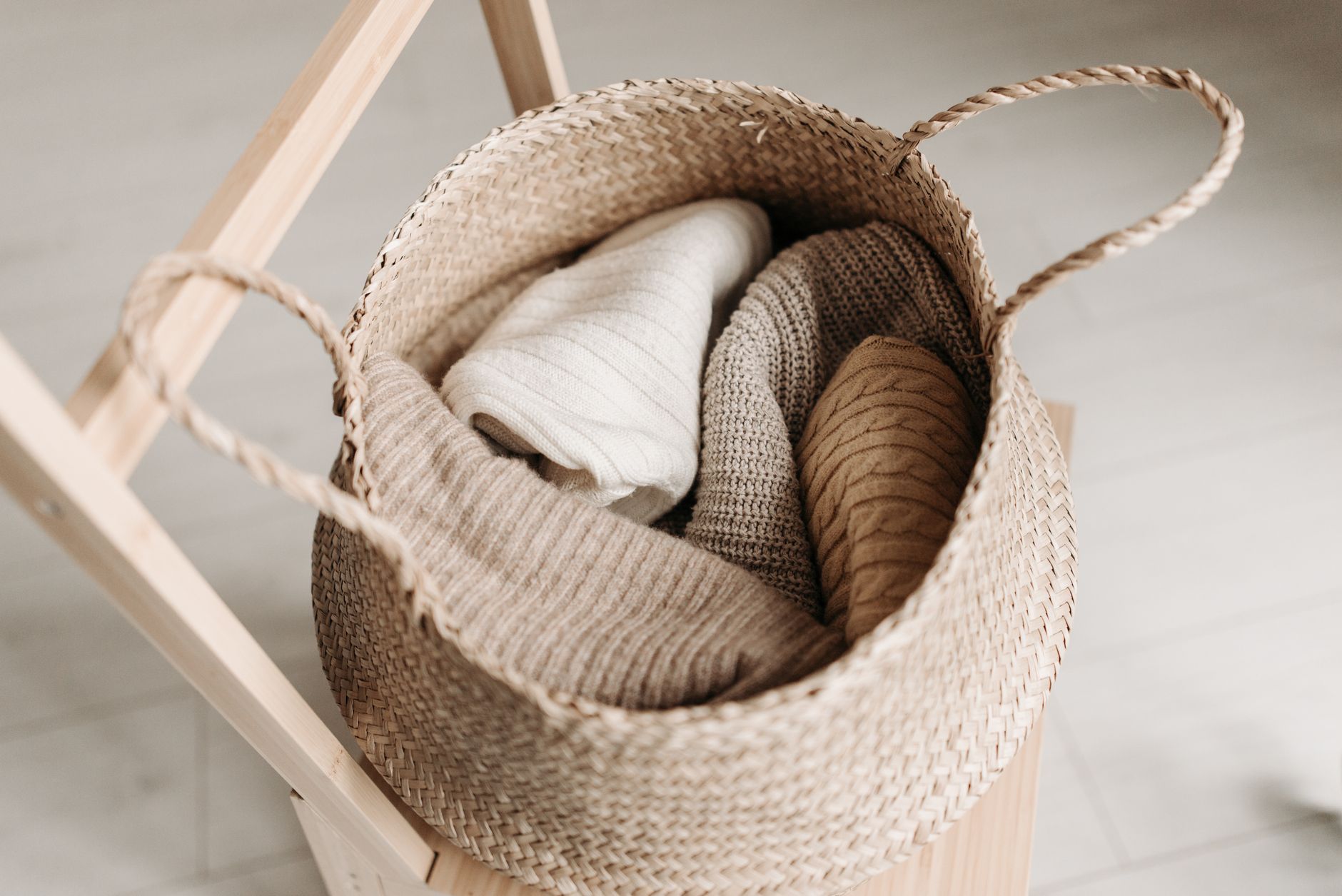
Why the logo is losing its appeal
There is a cultural current running underneath all of this. The anti-aesthetic movement in British dressing has made conspicuous branding feel a little unsophisticated. When the most stylish people you know are deliberately avoiding legible identifiers, the loud monogram starts to look like it is compensating for something.
Social media has accelerated this in a specific way. The accounts that are genuinely influential in British fashion right now are not showing hauls. They are showing one excellent coat worn twelve different ways, or a twenty-year-old Burberry mac that has been re-lined and will last another twenty. That shift in what gets engagement is reshaping where money goes. Even the visual identity of fashion-adjacent brands is responding to it: clean typography, restrained colour, minimal fuss. Agencies like dijitul medi are working on exactly this kind of pared-back brand identity for independent fashion labels that want to feel expensive without shouting.
The Guardian’s fashion desk noted earlier this year that search interest in “quiet luxury” as a term has plateaued, which sounds counterintuitive until you realise it means the aesthetic has stopped being a trend and started being a baseline. That is a significant cultural moment.
How British women are actually restructuring their budgets
The practical reality of investment dressing in the UK is more nuanced than “buy less, buy better”, which is easy advice to give and harder to execute on a real income. What I am seeing is a tiered approach that makes actual sense.
The spend is going into outerwear first. A coat is worn 100 days a year in Britain, possibly more given the weather, so cost-per-wear maths work out fast. A £550 camel overcoat from a brand like Eudon Choi or a Scottish mill label worn across five winters costs roughly £1.80 a wear. That calculation lands differently than the £95 high street version that pills by February.
The second category attracting serious money is tailoring. A well-cut trouser or a blazer that can hold its shape through a full day is consistently reported as the piece women feel most confident in, and that confidence has a measurable impact on how they present professionally. The new British power dressing conversation is entirely wrapped up in this: structured pieces that speak before you open your mouth, but do so quietly.
Footwear comes third, and the calculus is similar to outerwear. A good leather boot worn across three seasons earns its keep in ways that seasonal trend shoes cannot. The rest of the wardrobe, the tops, the lighter knits, even some occasion dressing, is where women are being more strategic about mixing price points. A £35 M&S silk-look camisole worn under a £420 blazer does not undermine the overall effect.
Independent boutiques and the discovery economy
One thing the quiet luxury shift has done is make independent boutique shopping feel culturally relevant again. If the point is to own something that does not exist on every second person on the Tube, the shopping centre is a harder place to find it. Boutiques in areas like Notting Hill, Stockbridge in Edinburgh, and Harborne in Birmingham are seeing renewed footfall from customers who are looking for curation rather than volume.
These shops are also where the most interesting version of British quiet luxury is emerging: pieces by small domestic designers who understand local light, local weather, and the particular way British women actually move through their lives. That is a much more interesting story than any heritage brand’s latest seasonal campaign.
The shift towards dressing without a visible label is not minimalism for minimalism’s sake. It is confidence expressed as restraint, and right now British women are wearing that confidence better than anyone. The Hamptons version of old money was always a costume. This is something that actually fits.
Frequently Asked Questions
What is quiet luxury fashion in the UK?
Quiet luxury in the UK refers to investment dressing that prioritises cut, fabric quality and longevity over visible branding. British quiet luxury tends to draw on tailoring heritage, natural fibres and independent or heritage labels rather than logo-heavy designer pieces.
Which UK brands are best for investment dressing in 2026?
Margaret Howell, Brora, Reiss, Jigsaw, and Eudon Choi are consistently cited for quality and restraint. On the high street, M&S Autograph punches well above its price point for basics and outerwear. Independent boutiques in cities like Edinburgh and Bristol are also worth exploring for smaller domestic designers.
How much should I spend on a true investment piece?
There is no fixed number, but the cost-per-wear test is useful. Divide the price by the number of times you realistically expect to wear it over its lifespan. A £400 coat worn 80 times per year across five years costs roughly £1 per wear, which competes favourably with most fast fashion alternatives.
Leave a Reply