

Something is shifting in the way style-conscious Britons socialise before dinner. The pub pint, loyal, beloved, irreplaceable in so many ways, is quietly making room for something altogether more considered. In cities like Manchester, Edinburgh and Bristol, bars are filling up between 5pm and 8pm with people nursing Aperol spritzes, bitter-forward seltzers and zero-proof Campari alternatives, nibbling on olives and artisan charcuterie, and generally behaving like they’ve just stepped off a piazza in Milan. I’ve watched it happen in real time, and honestly? It feels earned. Low alcohol aperitivo culture UK is not a fad. It’s a full social reset.
What aperitivo actually means, and why Britain is ready for it
In Italy, the aperitivo hour is structural. It exists to open the stomach before a meal, to ease the transition from work to evening, and to give people a reason to gather without the pressure of a full dinner reservation. The drinks are deliberately not-too-strong. The food is free, or nearly so. The vibe is unhurried. Britain has historically had nothing quite like it, we either drink seriously or eat seriously, rarely both at once, and rarely at a pace that resembles leisure.
But that’s changing fast. The UK’s sober-curious movement has done a lot of the groundwork here. Once low-ABV and no-ABV options moved from afterthought to centrepiece on drinks menus, the aperitivo model suddenly made complete sense for a British audience that wants to socialise meaningfully without writing off the next morning. According to the Drinkaware Monitor, the proportion of adults in Great Britain choosing to moderate their alcohol intake has risen steadily, with younger adults leading the shift. Aperitivo fits that mood precisely.
The cities leading the shift
Manchester’s Northern Quarter has been particularly quick to embrace the format. Bars like Elnecot and a wave of smaller independents have built dedicated early-evening menus around bitter-led spritzes, light wine-based aperitifs and sophisticated non-alcoholic options. The food offer has moved well beyond a bowl of dry-roasted peanuts, think marinated anchovies, whipped ricotta crostini, charcuterie boards that could pass for a full starter in a decent restaurant.
Edinburgh brings its own character to it. The city’s cocktail bar scene, always quietly excellent, has leant into the ritual with Scots gin-based aperitifs and locally produced bitters that sit comfortably alongside Italian classics. Tigerlily on George Street and Heads and Tales have both adapted their early-evening offers to reflect a longer, slower pre-dinner window. Bristol, meanwhile, is doing what Bristol always does, finding the indie version of the trend before anyone else and making it feel completely natural. Wapping Wharf is full of small-format bars where aperitivo hour is practically built into the architecture.
Low-ABV spritzes and mood-boosting bitters: what’s actually in the glass
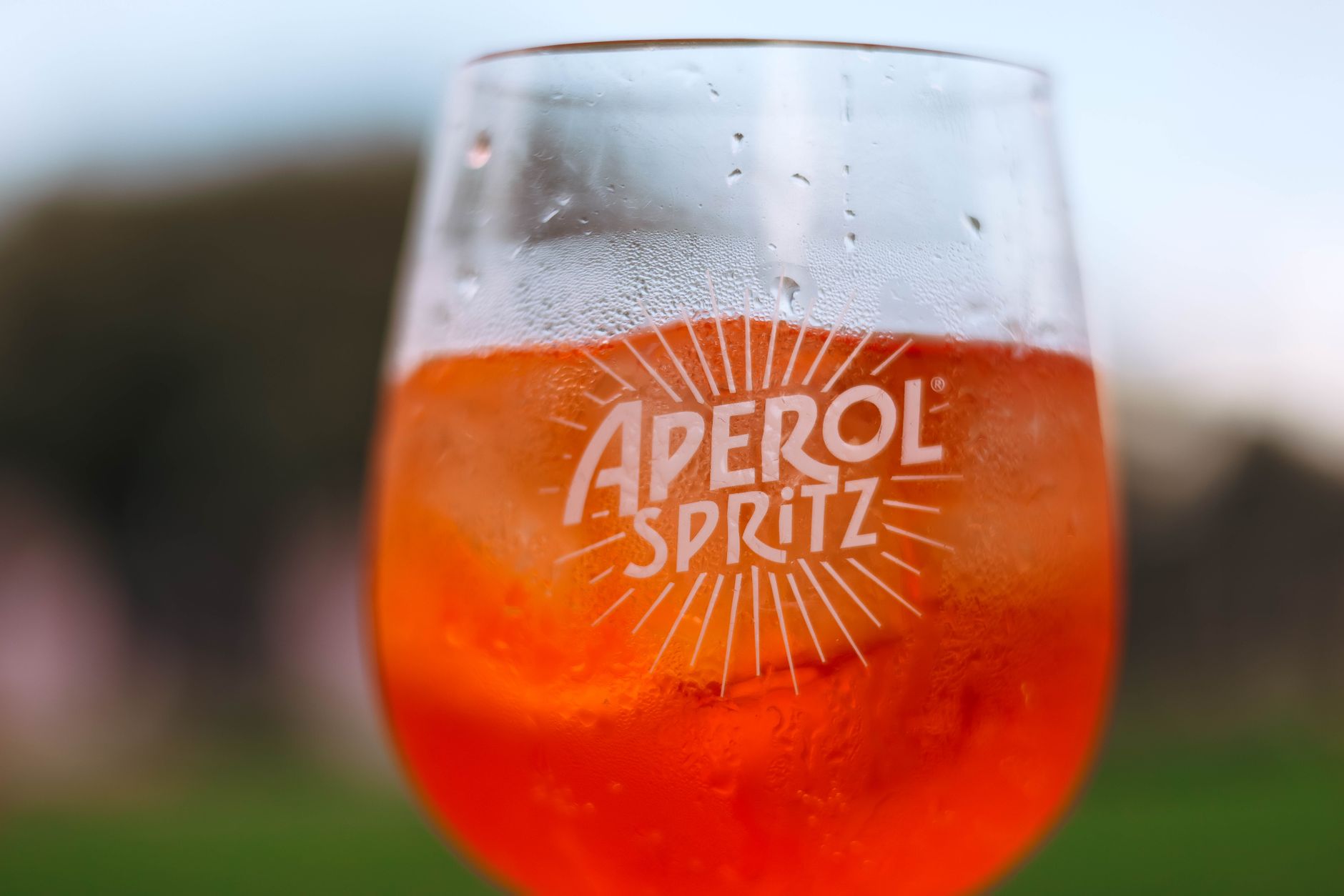
The drinks themselves are worth paying attention to. A classic Aperol spritz lands at around 8% ABV when mixed, which is significantly lighter than a pint of strong lager. But the more interesting category right now is the new wave of British-made aperitivo spirits, brands like Æcorn Aperitifs, produced by Seedlip’s parent group, offer a genuinely bitter, complex non-alcoholic option that holds up in a spritz without tasting like sparkling grape juice dressed up in a fancy bottle.
Then there’s the bitters conversation. Mood-boosting and digestive bitters, products with gentian root, dandelion, artichoke extract, are being positioned somewhere between wellness supplement and cocktail ingredient. I’d be cautious about overclaiming the health benefits, but there’s something to be said for a drink that tastes genuinely complex and slightly medicinal without being alcoholic. It scratches an itch that a Diet Coke absolutely does not. This sits neatly with the broader interest in alternative wellness rituals that British women are actually maintaining, the aperitivo hour fits because it feels pleasurable and intentional at the same time.
Why this is a wellness story, not just a drinks story
The wellness angle is where low alcohol aperitivo culture UK gets genuinely interesting. This isn’t about abstinence or virtue signalling. It’s about reclaiming an hour of the evening that previously got swallowed by either a rushed commute home or three rounds at the pub that led nowhere good. The aperitivo ritual insists on a pause. You eat something, you drink something considered, you talk to people at a normal volume without needing to shout over sticky-floored chaos.
There’s also the outfit conversation. The aperitivo occasion demands a specific register, not quite smart enough for a dinner reservation, not casual enough for a pub. It’s the sweet spot where a good silk blend shirt, tailored wide-leg trousers or an elevated slip dress actually gets worn rather than sitting in a wardrobe waiting for an occasion that never materialises. I’ve argued before that the clothes we reach for when we want to feel calm and put-together say a lot about how we’re managing the pace of modern life. Aperitivo dressing fits squarely into that logic, it rewards intention without requiring a full production.
How to do aperitivo well in Britain
The format works best when the food is taken seriously. A single bowl of olives is not aperitivo. You want something with enough substance to line the stomach but not so much that dinner becomes redundant. Charcuterie, cheese, small plates of dressed vegetables, a decent bread situation. Most bars doing this properly in the UK charge between £8 and £15 per person for a food-and-drink pairing, which compares favourably with buying two pints and a bag of crisps.
The social contract of the hour matters too. It’s bounded. You arrive, you spend 90 minutes maximum, you either move on to dinner or go home. There’s no drift, no last orders negotiation, no one texting a questionable decision at midnight. For people who are trying to build a more intentional approach to how they present and spend themselves, that structure is genuinely useful.
What makes this version of aperitivo feel distinctly British
Britain’s take on the aperitivo is not a straight copy of Italy’s. It’s filtered through this country’s particular relationship with drinking culture, wellness anxiety, class consciousness and a certain reluctance to be seen trying too hard. The result is something slightly more self-aware, slightly more playful with the format, and distinctly more interested in provenance. British aperitivo drinkers want to know where the bitter is distilled, who made the charcuterie, whether the olives are actually good.
That attention to craft and quality is what separates this from the Prosecco-on-a-Thursday habit of the mid-2010s. It’s a more considered version of fun, and there’s nothing wrong with admitting that. The aperitivo hour, adapted for British sensibilities, is one of the more genuinely civilising social habits to emerge this decade. I’d take it over last orders at a sticky-carpeted pub any day.
Frequently Asked Questions
What is aperitivo culture and how does it differ from a regular pub night out?
Aperitivo is an Italian pre-dinner ritual centred on light, bitter drinks and small bites served between roughly 5pm and 8pm. Unlike a pub session, it’s time-bounded, food-forward and deliberately lower in alcohol, the point is to open the appetite and ease into the evening, not to drink heavily.
Which UK cities have the best aperitivo bar scenes in 2026?
Manchester’s Northern Quarter, Edinburgh’s New Town bar scene and Bristol’s Wapping Wharf area are the strongest right now. Each has a cluster of independent and cocktail bars that have built dedicated early-evening menus with low-ABV spritzes and elevated bar snacks.
What low-alcohol drinks work best for an aperitivo at home?
Æcorn Aperitifs (non-alcoholic), Campari-and-soda at a low pour, or a spritz made with a light Italian white wine and soda all work well. Pair with a genuine bitter element, something containing gentian or artichoke, to get the full digestif flavour without high alcohol content.