

Skincare has quietly had its most radical overhaul in decades, and it has nothing to do with a new moisturiser from your local pharmacy. The biohacking beauty trends 2026 has ushered in are operating on a completely different level, cellular, biological, almost scientific in the way they approach the skin. This is not just about glowing complexions. It is about understanding what your skin actually needs and giving it exactly that, with precision.
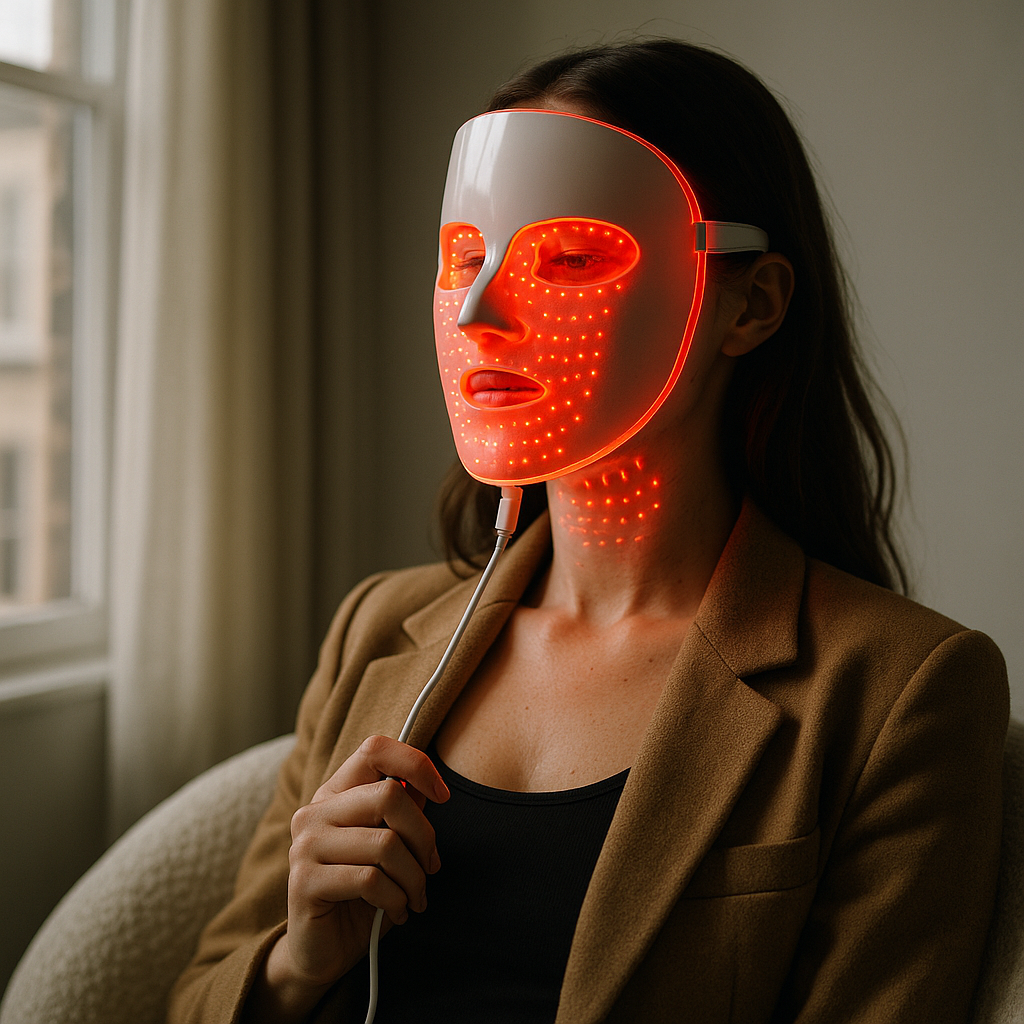
The word “biohacking” gets thrown around a lot, and I get why people roll their eyes. But strip back the jargon and what you have is genuinely compelling: people using technology, nutrition, and biochemistry to influence how their skin ages, heals, and performs. From red light panels in bathroom cabinets to serum formulas that mimic your body’s own repair signals, this is where beauty and science are colliding in the most interesting way possible right now.
Red Light Therapy: The Glow-Up You Can Actually Explain
Red light therapy (also called photobiomodulation, if you want to sound impressive at brunch) uses specific wavelengths of light, typically between 630nm and 850nm, to stimulate collagen production and reduce inflammation. Devices have moved from clinical settings into home use at a rapid pace. Brands like CurrentBody, who are headquartered in Manchester, have made LED face masks accessible and genuinely fashionable. Their Skin LED Light Therapy Mask became one of the most talked-about beauty tools in the UK market, endorsed by everyone from dermatologists to athletes.
The evidence is building. A growing body of research suggests consistent red light therapy sessions, roughly four to five times per week over eight weeks, can meaningfully improve skin texture and reduce fine lines. This is not a serum that disappears overnight. It is a protocol. And that shift in thinking, from product to practice, is exactly what defines the biohacking beauty moment we are in.
Peptide Serums: The Ingredient Your Skin Was Waiting For
Peptides are not new. But the sophistication of how they are being used in 2026 absolutely is. Short chains of amino acids that signal the skin to produce more collagen, tighten, repair, or regenerate, peptides are now being formulated with a specificity that was previously only possible in medical-grade cosmeceuticals. Copper peptides, GHK-Cu specifically, have become a near-cult obsession for anyone serious about skin longevity.
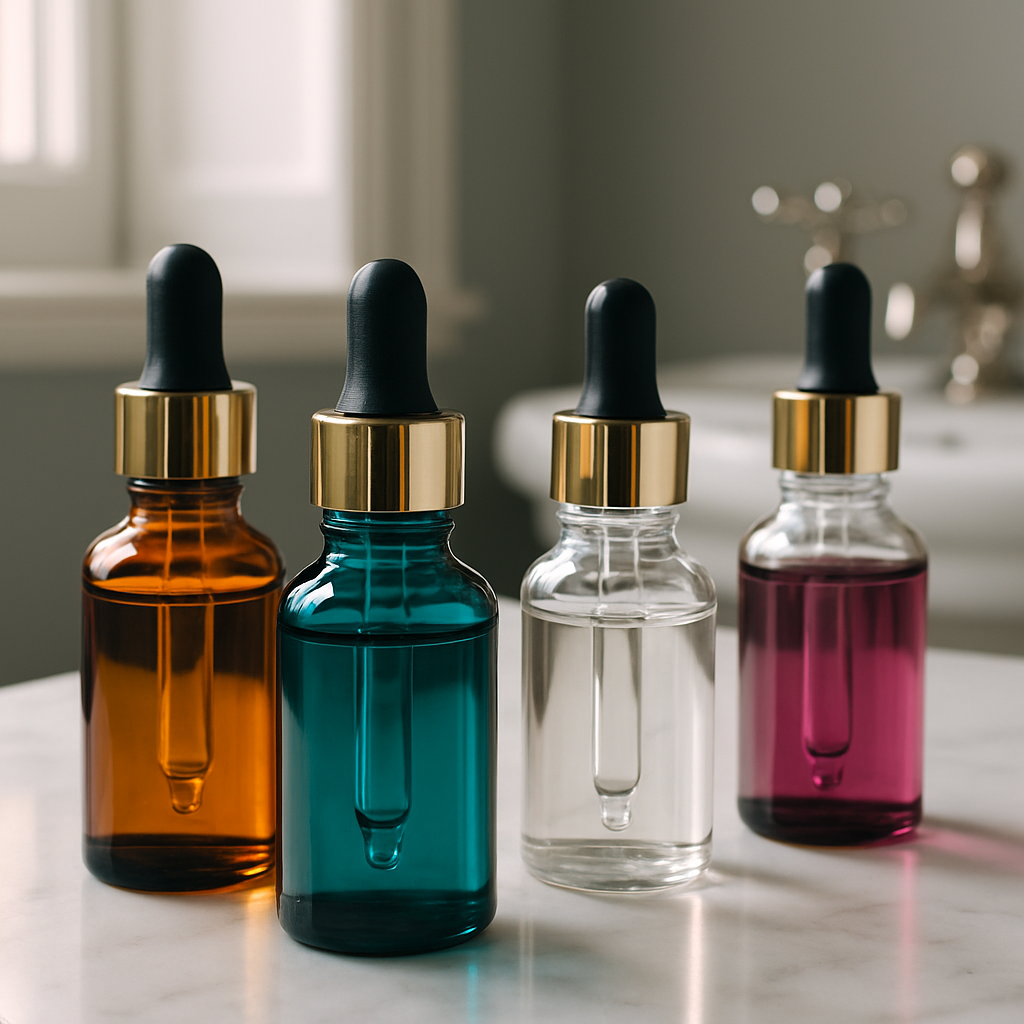
UK brands like Allies of Skin and The Ordinary have democratised access to high-performance peptide formulas, but the more interesting territory is the bespoke end of the market. Personalised serums, where formulations are built around your skin’s specific needs based on questionnaires or even at-home skin analysis kits, are gaining real traction. The idea that your serum should be as individual as your fingerprint is no longer aspirational. It is becoming standard at the premium end of the market.
The NHS and dermatological bodies have been cautious but not dismissive, acknowledging that topical peptides with strong scientific backing, particularly matrixyl and argireline, show meaningful results in clinical literature. For anyone wanting to go deeper on the science, the BBC Health desk has covered the growing intersection of nutrition science and skincare extensively this year.
Adaptogen Skincare: Stress Is the New Wrinkle
Adaptogens, plant-based compounds that help the body (and skin) adapt to stress, have been borrowed wholesale from the supplement world and are now turning up in cleansers, masks, and serums at a proper pace. Ashwagandha, reishi mushroom, and schisandra berry are showing up in formulations designed to address what the industry is now calling “skin stress”, the visible impact of cortisol surges, poor sleep, and environmental pressures on your complexion.
The logic is sound. Chronic stress elevates cortisol, which breaks down collagen and disrupts the skin barrier. Products targeting this pathway are not just cosmetically appealing. They address an actual biological mechanism. Brands like Bamford, rooted in the Cotswolds, have been at the forefront of marrying adaptogenic botanicals with luxury skincare, while London-based OSKIA has been doing similar work with nutrient-dense, bio-active formulations for several years now.
Gut-Skin Axis: Beauty Starts in the Microbiome
One of the more fascinating shifts in how we talk about skin health is the growing attention on the gut-skin axis. Research into the human microbiome has made it increasingly clear that what is happening in your digestive system has a direct, measurable impact on inflammation, breakouts, and skin ageing. Biohackers have been talking about this for years. Now it is mainstream.
In practical terms, this means probiotic-rich diets, targeted supplement protocols, and even postbiotic skincare products, which use the metabolic by-products of beneficial bacteria, are all part of the same conversation. UK companies like Symprove, based in Surrey, have established a strong evidence base around gut health and are increasingly being discussed in beauty contexts. It blurs the line between supplement and skincare in a way that feels very much like where the industry is heading.
The Gadget Shelf: Tech That Actually Does Something
Beyond red light, the biohacking beauty toolkit in 2026 includes microcurrent devices, which mimic the body’s own bioelectric signals to tone facial muscles; cryo tools, which use targeted cold to reduce puffiness and tighten pores; and at-home radio frequency devices that stimulate deeper tissue tightening. The difference between now and five years ago is the quality of these consumer-grade tools. They are no longer pale imitations of clinical equipment. The gap has genuinely narrowed.
What I find most compelling about the biohacking beauty trends 2026 has accelerated is the underlying philosophy. It treats the skin not as a surface to be decorated but as a living system to be understood and supported. That is a genuinely different relationship to beauty, one that rewards curiosity and consistency over impulsive purchasing. The routine becomes the ritual. And in a world of overstimulation and quick fixes, there is something quietly radical about that.
Whether you start with a peptide serum, a red light mask, or simply cleaning up your diet and sleep, the entry point is less important than the mindset shift. Your skin is doing extraordinary biological work every single day. The tools are finally sophisticated enough to support it properly.
Frequently Asked Questions
What is biohacking beauty and is it safe?
Biohacking beauty refers to using science-backed tools, ingredients, and protocols to actively influence how your skin functions and ages. Most consumer-grade approaches, such as red light therapy, peptide serums, and adaptogen skincare, are well-tolerated and backed by clinical research. As with any new skincare protocol, it is worth patch-testing new products and consulting a dermatologist if you have sensitive or reactive skin.
How much does red light therapy cost in the UK?
Home-use LED devices range from around £50 for basic panels to over £400 for full-face clinical-grade masks from brands like CurrentBody. Professional in-clinic red light treatments typically cost between £40 and £150 per session depending on the clinic and location. Most experts recommend a course of sessions rather than a one-off treatment for visible results.
Which peptides are actually worth using in skincare?
Matrixyl (palmitoyl pentapeptide-4), copper peptides (GHK-Cu), and argireline (acetyl hexapeptide-3) have the strongest body of evidence behind them. They work best when applied consistently in a stable serum formulation, ideally layered under a moisturiser. Brands like The Ordinary and Allies of Skin offer accessible options available across the UK.
Do adaptogen skincare products really work?
The evidence is still emerging but is promising. Compounds like ashwagandha and reishi mushroom have demonstrated anti-inflammatory and antioxidant properties in clinical studies. When used consistently in well-formulated products, they can help address skin barrier disruption linked to stress. They work best as part of a broader routine rather than a standalone fix.
What biohacking beauty trends 2026 are worth trying first?
For most people, a high-quality peptide serum is the most accessible and evidence-backed starting point. If budget allows, adding a red light therapy device for regular use at home produces noticeable results over eight to twelve weeks. Addressing sleep quality and gut health through diet and probiotics also delivers visible skin improvements without requiring any new products at all.