

Somewhere between the fifth “what’s your aesthetic?” quiz and the tenth TikTok video explaining why your wardrobe needs to commit to a single visual identity, a quiet revolt started. Not a loud one. Not a manifesto. Just women across Britain opening their wardrobes and thinking: none of these labels actually fit me, and I’m done pretending they do. Personal style no aesthetic UK fashion 2026 is the phrase I keep coming back to, because it captures something real that’s happening right now, and it’s more interesting than any of the categories it’s pushing back against.
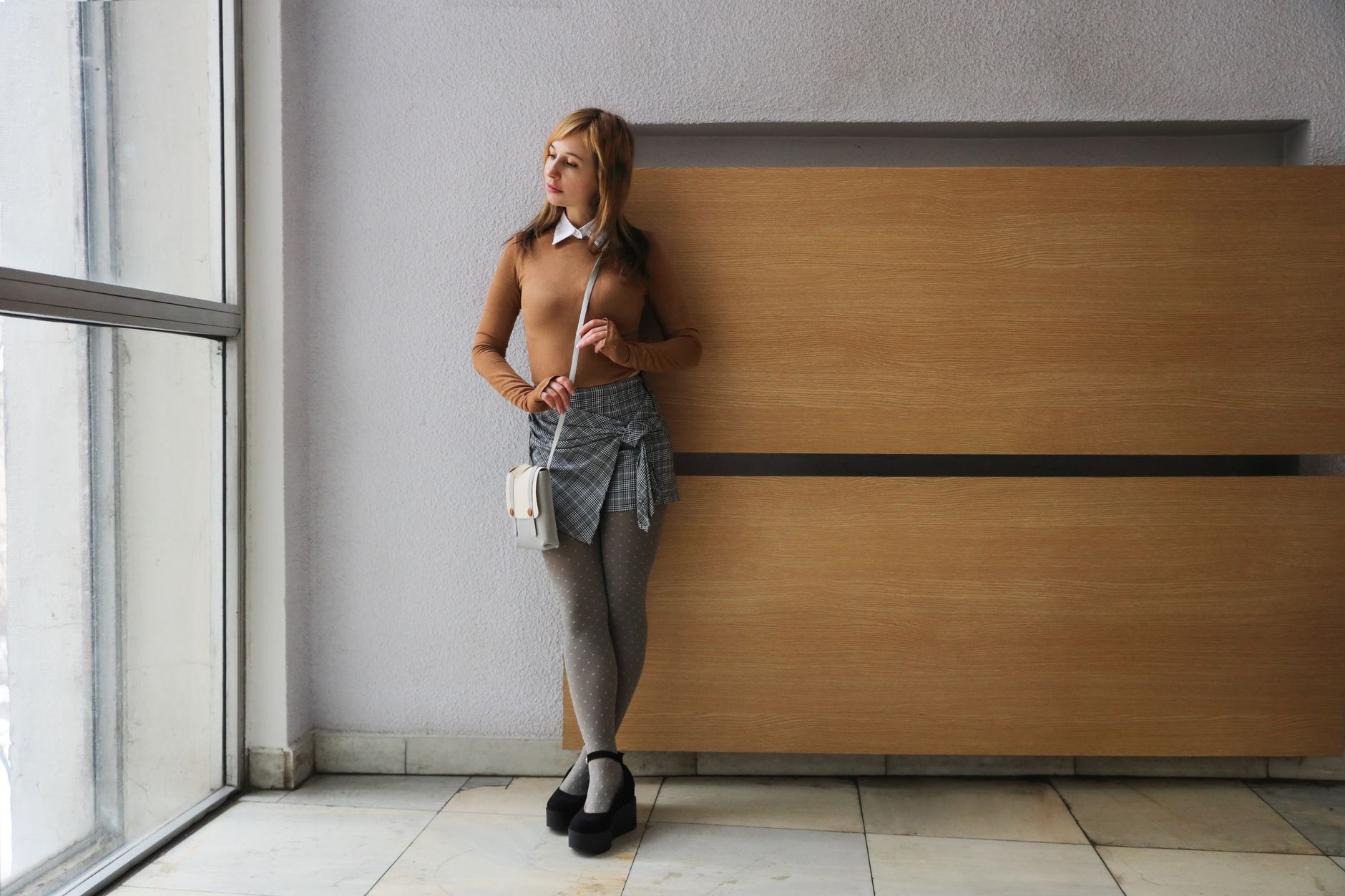
The last few years served up a relentless conveyor belt of named aesthetics. Quiet luxury. Coastal grandmother. Tomato girl. Dark academia. Mob wife. Clean girl. Each one arrived with its own Pinterest board, its own approved colour palette, its own shopping list. And each one had a shelf life of roughly one season before the discourse moved on. The problem isn’t that these aesthetics were ugly, some of them produced genuinely good clothes. The problem is the premise: that a real person’s taste can be flattened into a cohesive, Instagrammable category and held there indefinitely.
Why British women in particular are rejecting aesthetic labels
There’s something about the British approach to getting dressed that has always resisted the clean-cut. Our fashion culture has never really been about the perfectly curated capsule wardrobe in the way that, say, Parisian minimalism became a whole personality. British style at its best has always been a bit mongrel, Vivienne Westwood mixing punk with tailoring, Kate Bush in a leotard and bare feet, the way women in Edinburgh layer properly without making it look considered. That eclecticism is actually a strength, and right now it feels like more women are leaning into it deliberately.
I’ve spoken to friends and readers who say the same thing: they got a bit lost trying to build a “quiet luxury” wardrobe a couple of years ago. They bought the camel coats and the wide-leg trousers and the minimal trainers, and then looked in the mirror and felt like they were dressed for someone else’s life. One woman I know, a secondary school teacher in Bristol, put it plainly: “I got rid of things I actually loved because they didn’t fit the aesthetic, and I’ve spent the last year replacing them.” That’s not a style revelation. That’s a waste of money and a wardrobe full of regret.
What dressing without a label actually looks like
Rejecting aesthetic categories doesn’t mean dressing chaotically. It means something harder: developing an actual point of view. That requires knowing what you genuinely like, not what you like the idea of, not what looks good in a flat lay, but what makes you feel right when you put it on. A silk blouse from a charity shop in Nottingham worn with tracksuit bottoms. A really sharp blazer over a band tee. Wellies at a farmers’ market in the morning and heeled mules at the same person’s dinner table that evening. These combinations don’t resolve into a neat category, and that’s precisely the point.
The British wardrobe audit method that London stylists have been advocating, stripping back to what you actually reach for, produces a different result for almost everyone who tries it. And what it reveals is rarely a clean aesthetic. It’s usually a mess of references, a handful of textures you keep gravitating towards, a colour or two that looks inexplicably good on you, and a set of silhouettes that work for your body and your life. That’s not an aesthetic. That’s taste. And taste is harder to acquire and far more interesting to look at.
The connection between how we feel and what we reach for also plays into this. Women who’ve been through major life shifts, a career change, perimenopause, a move, a relationship ending, often describe coming out the other side with a clearer sense of what they want to wear, and it rarely maps onto a single aesthetic. It maps onto a feeling. Comfort with a bit of edge. Authority without stiffness. Something that moves well and looks intentional without being try-hard. These are harder to pin to a mood board than “mob wife glam” but they’re infinitely more wearable.
The social media problem: aesthetics exist for the algorithm, not for you
Part of what’s driving the backlash is an increasing awareness that fashion aesthetics are, at least partly, an organisational tool for content platforms. A named aesthetic is searchable. It generates community. It sells products through affiliate links. The “coastal grandmother” moment was genuinely charming, but it also shifted a huge amount of linen and wicker bags because it gave people a framework for a shopping session. That doesn’t mean the clothes were wrong for you. It means the framework was never designed with you in mind.
The BBC has covered the growing disillusionment among younger audiences with the idea that identity has to be legible and consistent online, and this filters into fashion in obvious ways. When your wardrobe exists partly as content, you feel pressure to make it coherent for other people’s consumption. When you stop caring about that, you start dressing for yourself again, and the result is often genuinely better. BBC coverage of aesthetic culture and identity online has pointed to exactly this tension between curated self-expression and authentic personal style.
Building a wardrobe that refuses to be categorised
The practical question is: how do you dress with intention when you’re not anchoring to a reference point? A few things I’ve found genuinely useful. First, buy the piece, not the outfit. If you’re buying a dress because you can see the whole “look” it belongs to, you’re building an aesthetic. If you’re buying it because you love the dress and you already know three things it’ll work with in your existing wardrobe, you’re building a personal style. The distinction sounds subtle but the results are completely different.
Second, pay attention to how you use accessories to shift the meaning of an outfit. A woman who wears the same trench coat with trainers one day and slingbacks the next isn’t being inconsistent, she’s demonstrating exactly the kind of versatile, context-aware dressing that no single aesthetic allows for. That adaptability is a skill, and it’s worth developing consciously rather than suppressing in favour of a locked-in look.
Third, stop auditing your wardrobe against an aesthetic and start auditing it against your actual life. What do you do on a Tuesday? What does your commute look like? What are you wearing when you feel most like yourself? Those answers produce a wardrobe framework that’s entirely personal and entirely unnameable. And in 2026, unnameable is the most interesting place to be.
The most stylish women I see in Britain right now don’t look like they stepped out of a trend report. They look like themselves, confidently, specifically, sometimes inexplicably. That’s the only aesthetic worth having.
Frequently Asked Questions
What does 'no aesthetic' fashion actually mean in 2026?
It means dressing according to your own genuine taste rather than fitting your wardrobe into a named visual category like quiet luxury or dark academia. In practice it produces a more personal, eclectic and harder-to-copy style than any trend label can.
Is it possible to have personal style without following any fashion trends?
Absolutely. Trends can inform individual choices, but personal style is built by understanding what you genuinely reach for, what suits your body and your life, and what makes you feel right, none of which requires a trend to validate it.
Why do fashion aesthetics like quiet luxury or coastal grandmother become popular so quickly?
Named aesthetics are highly shareable and searchable on platforms like TikTok and Pinterest, which makes them spread fast. They also simplify shopping decisions, which feels helpful, but the framework is designed for content engagement rather than individual wardrobes.
How do I start building a personal style if I've been following trends for years?
Start by tracking what you actually wear for a month, not what you intend to wear. The clothes you reach for repeatedly, regardless of whether they “go together” on paper, are the foundation of your real style. A wardrobe audit stripping back to those pieces is the most honest starting point.