

Your skin is telling you something, and it probably has nothing to do with the serum you bought last month. The most compelling research in wellness right now points straight to your gut. Gut health and glowing skin are more tightly connected than most beauty routines acknowledge, and once you understand why, you’ll never look at a moisturiser the same way again.
The gut-skin axis is a real, documented biological relationship. What happens in your digestive system, specifically the trillions of microbes living there, directly influences inflammation levels, hormone regulation, and skin barrier function. A 2023 review published in the BBC Health section highlighted growing clinical interest in the microbiome’s role in conditions like acne, eczema, and rosacea. This is not fringe thinking anymore. It is mainstream dermatology catching up with what nutritionists have been saying for years.
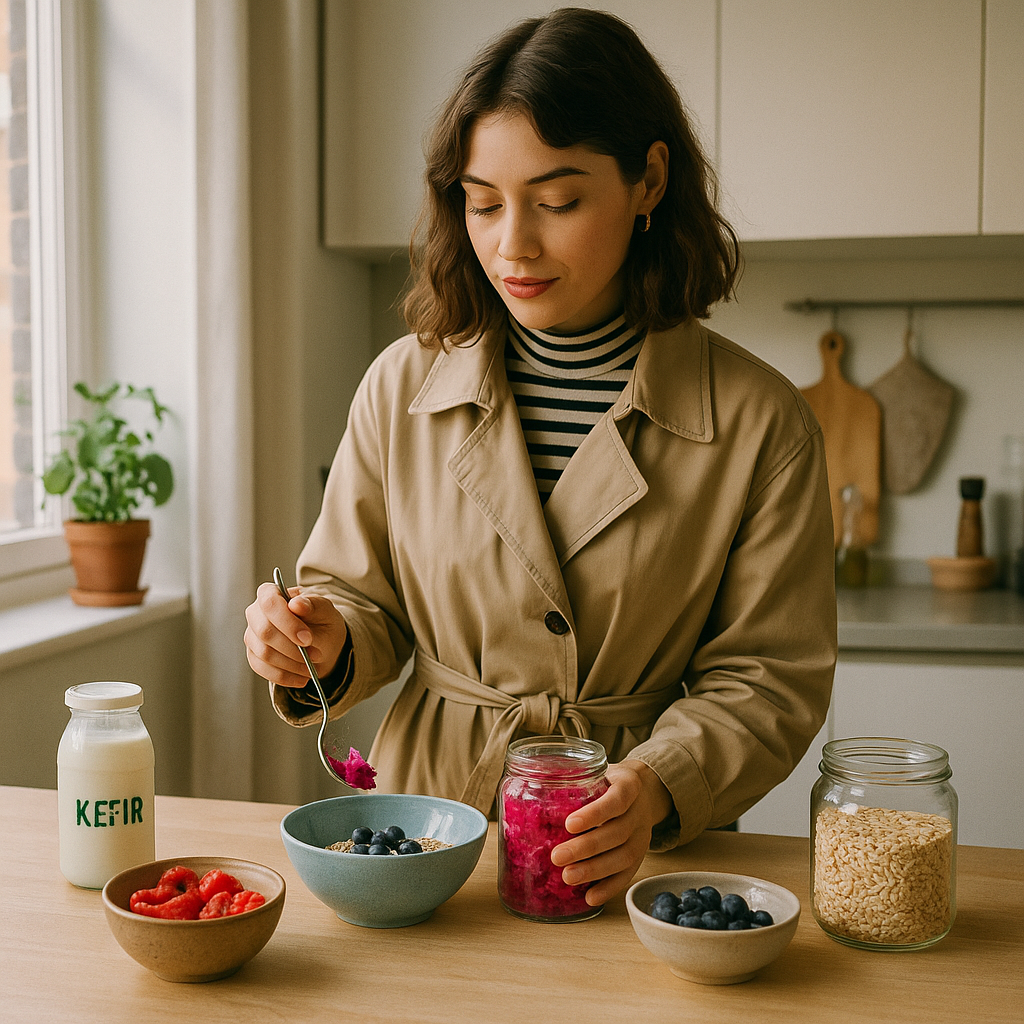
What is the gut-skin axis and why does it matter?
Think of your gut microbiome as a living ecosystem. When it is balanced, diverse, and well-fed, it keeps inflammation in check, supports immunity, and helps your body absorb the nutrients your skin depends on, including zinc, vitamin A, and omega-3 fatty acids. When it is disrupted, a state researchers call dysbiosis, inflammatory signals travel through the bloodstream and show up as breakouts, redness, dullness, and accelerated ageing. It is genuinely that direct.
Leaky gut is the mechanism most frequently cited. When the intestinal lining becomes permeable (often through stress, processed food, antibiotics, or excess alcohol), bacterial fragments enter the bloodstream and trigger a systemic inflammatory response. Your skin, as the body’s largest organ, bears a lot of that burden visibly. Persistent jawline breakouts, unexplained flushing, and that stubborn grey tinge to the complexion can all trace back to a compromised gut rather than a lack of retinol.
The foods that genuinely support gut health and glowing skin
Eating for your skin used to mean collagen powders and green juices. The research now points to something more specific: diversity. The more varied your plant intake, the richer your microbiome. A landmark study from the British Gut Project at King’s College London found that people who ate 30 or more different plant foods per week had significantly more diverse gut bacteria than those eating fewer. Diverse microbiomes are associated with lower levels of systemic inflammation, and lower inflammation equals clearer, more even-toned skin.
In practice, this means building meals around colour and variety rather than relying on the same four vegetables on rotation. Lentils, leeks, chicory, artichokes, and fermented foods like kefir, kimchi, and live-culture yoghurt are among the most effective allies. Kefir in particular has strong evidence behind it. It contains multiple strains of beneficial bacteria and is widely available in UK supermarkets from brands like Biotiful and Müller.
Probiotics: supplement or whole food first?
The supplement market for probiotics in the UK is enormous, worth over £500 million annually according to industry data from the Health Food Manufacturers’ Association. But here is the honest take: whole food sources tend to outperform capsules for most people, simply because they come packaged with prebiotics (the fibres that feed the good bacteria) and a broader spectrum of live cultures.
That said, specific probiotic strains have shown real results in skin-focused trials. Lactobacillus rhamnosus and Lactobacillus acidophilus have both been linked to reductions in acne severity. If you are going the supplement route, look for products with clearly labelled strains, a CFU count of at least 10 billion, and third-party testing. Optibac and Symprove are two UK brands with decent clinical backing and transparent formulations.
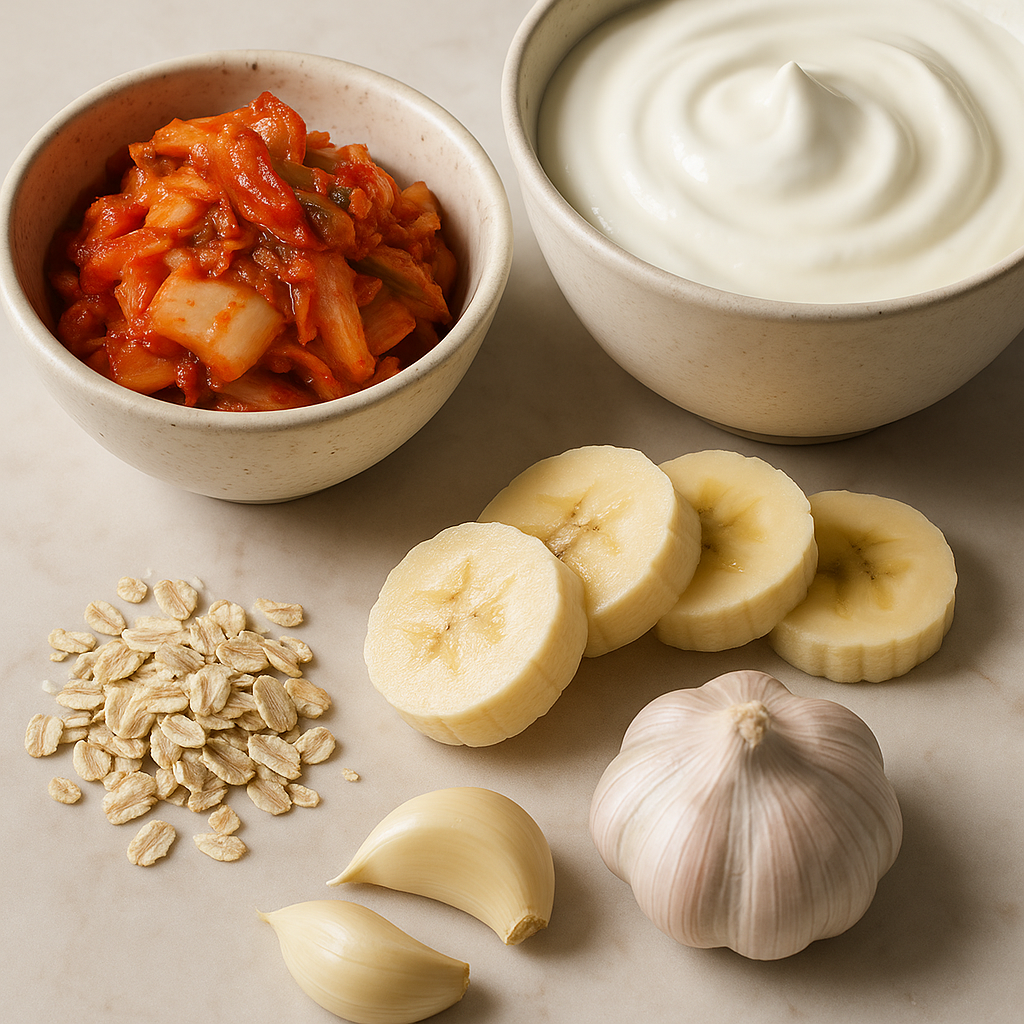
One thing worth noting: probiotics work best when they have something to eat. Load up on prebiotic foods first. Garlic, onions, oats, bananas, and asparagus are all excellent sources. Think of it as preparing the soil before planting seeds.
Stress, sleep, and the microbiome loop
Nutrition is only part of the picture. Chronic stress is one of the most damaging things you can do to your gut microbiome, which is why the skin often worsens during high-pressure periods at work or after poor sleep. Cortisol disrupts gut motility and bacterial balance; the skin pays the visible price. This is not just anecdotal. A growing body of research links the gut-brain-skin triangle, with psychodermatology now emerging as a legitimate clinical field in UK medicine.
Practical steps that work: consistent sleep of seven to nine hours (the NHS recommends this range for adults), limiting ultra-processed food during stressful periods, and finding a movement practice that genuinely lowers cortisol rather than spiking it further. Yoga, walking, and swimming tend to be more gut-friendly than back-to-back HIIT sessions, which can actually increase intestinal permeability when done in excess.
Building a routine that works inside and out
The wellness-meets-beauty crossover is real, and the smartest approach combines internal changes with a more targeted external routine. Topical skincare still matters, but it works harder when your gut is functioning well. Think of it as laying the foundation before painting the walls. If your barrier is constantly inflamed from the inside, no amount of barrier cream will hold it.
From the inside: eat 30 different plants per week, add fermented foods daily, consider a quality probiotic supplement if your diet is limited, and prioritise sleep. From the outside: a gentle cleanser, a niacinamide serum (which supports the skin barrier and reduces inflammation), SPF daily, and a hydrating moisturiser. Ceramide-based formulas from brands like CeraVe and La Roche-Posay have strong dermatologist backing in the UK.
If you are rethinking your entire wellness setup this year, remember that your environment plays a role too. Light exposure, indoor air quality, and even your surroundings affect stress levels and, indirectly, your gut and skin. While you are auditing your space, it is worth knowing that small details like the best blinds for controlling natural light can help regulate your sleep environment, which feeds directly back into that gut-cortisol-skin loop.
How long before you see results?
Gut health improvements are not overnight. Most people notice changes in digestion within two to four weeks of consistent dietary shifts, but visible skin improvements typically take six to twelve weeks. This is one of the reasons gut-focused approaches get dismissed: people expect the same speed as a topical treatment. The payoff is different though. Skin that is balanced from within tends to be more resilient, less reactive, and more consistently clear rather than cycling through good weeks and bad ones.
Track your intake, pay attention to your skin’s patterns, and give the process at least three months before judging. The gut-skin connection is not a hack. It is a long-term relationship, and like most good relationships, it takes a bit of patience before it properly pays off.
Frequently Asked Questions
Can improving gut health really clear my skin?
Yes, and the research increasingly supports it. A balanced gut microbiome reduces systemic inflammation, which is a key driver of acne, rosacea, and dull skin. Dietary changes and probiotics have shown measurable improvements in skin clarity in multiple clinical studies.
What are the best foods to eat for gut health and glowing skin?
Fermented foods like kefir, live yoghurt, kimchi, and sauerkraut are excellent starting points. Pairing them with prebiotic-rich foods like oats, garlic, leeks, and bananas helps feed the beneficial bacteria. Aiming for 30 different plant foods per week is the most evidence-backed dietary target.
Which probiotic supplements are best for skin in the UK?
Look for supplements with clearly labelled strains such as Lactobacillus rhamnosus or Lactobacillus acidophilus, and a CFU count of at least 10 billion. UK brands Optibac and Symprove are both well-regarded and have clinical studies behind them.
How long does it take for gut health changes to show on the skin?
Digestive improvements can appear within two to four weeks, but visible skin changes typically take six to twelve weeks of consistent effort. Stick with dietary adjustments for at least three months before assessing results.
Is leaky gut actually linked to skin problems like acne and eczema?
Yes. When the intestinal lining becomes permeable, bacterial fragments enter the bloodstream and trigger an inflammatory response that manifests visibly on the skin. Dermatologists increasingly recognise this gut-skin axis as a factor in conditions including acne, eczema, and rosacea.