

A few years ago, “not drinking” at a party was something you had to explain. Now it barely warrants a raised eyebrow. The sober-curious movement UK scene has quietly grown from a January ritual into a genuine year-round lifestyle shift, and what’s striking is how stylish it’s become. This isn’t abstinence dressed up in guilty clothing. It’s conscious socialising that looks and feels as good as the old version, without the 2am regret.
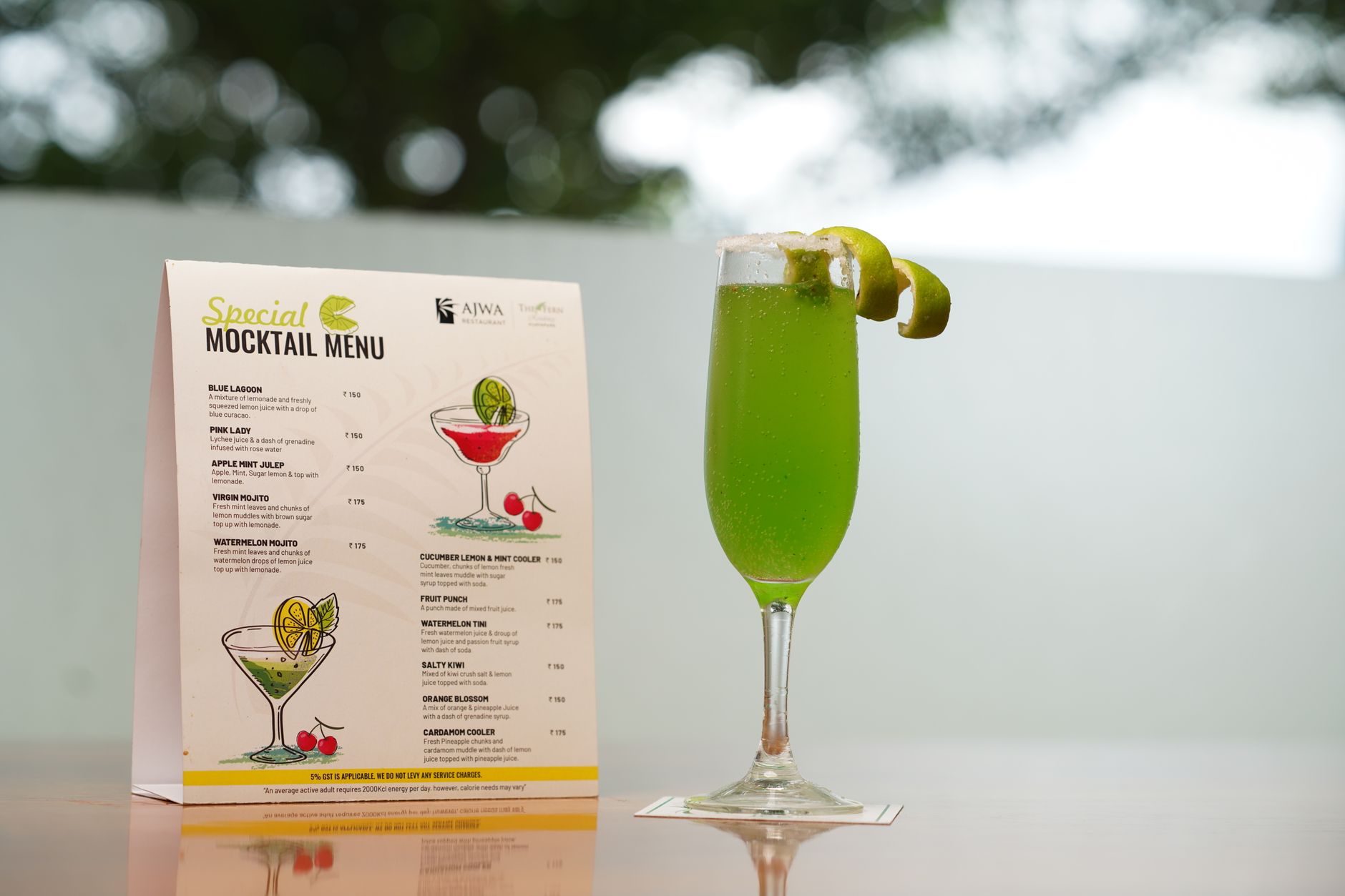
I’ve been watching this shift happen in real time. Friends who used to order rounds at the pub are now suggesting cocktail bars with serious zero-proof menus. Group chats that once revolved around bottomless brunch are now planning evenings at London’s growing cluster of alcohol-free venues. Something has genuinely changed in British social culture, and it goes much deeper than Dry January ever did.
How the sober-curious movement UK grew past January
Dry January started as a campaign by Alcohol Change UK back in 2013, and participation has grown steadily ever since. But the more interesting story isn’t the month itself; it’s what happens in February. Survey after survey shows that a significant chunk of participants carry some of the habits forward. They drink less overall, they’re more intentional about when they drink, and a meaningful number step back from alcohol almost entirely.
By 2026, that trickle has become a current. The drinks industry has clocked it. Supermarket shelves are now legitimately stocked with premium non-alcoholic options, from Seedlip and Lyre’s through to a new wave of British-made alcohol-free spirits and canned cocktails that cost roughly what the real thing does. The message being sent is clear: this isn’t a category for people who can’t have the other thing. It’s for people who’ve chosen something else.
Alcohol-free bars and the rise of sober social spaces
London’s club soda scene has been building for a while, but the quality of sober social spaces has jumped considerably. Redemption Bar in Notting Hill was one of the first, but now venues from Manchester’s Vibe Bar to Edinburgh’s expanding wellness café circuit are offering proper menus built around flavour-forward mocktails, adaptogen drinks and fermented wellness beverages. The design language at these places matters, too. They’re not clinical. They’re candlelit, considered, good-looking.
What makes a night out work, ultimately, isn’t the alcohol. It’s the atmosphere, the conversation, the sense of occasion. And that’s replicable. The sober-curious movement UK has figured out that you can recreate all of those things without a bar tab that makes your bank app send you a concerned notification the next morning.

For people building community around sober socialising, digital tools have been quietly essential. Apps like Try Dry (built by Alcohol Change UK), Sober Grid and the mindful drinking tracker Reframe help users log habits, track moods and connect with others making similar choices. Some of these platforms have grown social features that resemble a kind of wellness-focused social network, which fits neatly into the broader idea that social wellness and friendship are increasingly central to British wellbeing culture.
What mindful drinking actually looks like in practice
Mindful drinking isn’t about never touching a glass of wine again. For most people operating in this space, it’s about intention. Drinking when you genuinely want to, rather than because you’re nervous, bored, or just following a social script. That framing has made the conversation much more accessible, because it doesn’t require anyone to identify as sober or in recovery.
The Club Soda movement, founded in the UK, has been championing exactly this approach for years. Their events across London and other cities bring together people across the full spectrum, from those who’ve quit entirely to those simply trying to cut down midweek. The vibe is social, not clinical. Which matters enormously for uptake.
I’d argue the styling of the movement has been just as important as the philosophy. Non-alcoholic drinks that come in beautiful bottles, sober-social events held in genuinely cool venues, and wellness influencers who make the lifestyle look aspirational rather than self-denying, all of these have shifted the cultural optics. Being sober-curious in 2026 has an aesthetic, and it’s a good one.
Fashion, identity and the sober-curious lifestyle
There’s an interesting overlap between the sober-curious movement and how people are dressing right now. The rise of the wellness wardrobe reflects a broader turn towards choices that are considered and values-led, and that same sensibility applies to what’s in your glass. Both are expressions of the same underlying shift: people wanting their lifestyle choices to reflect who they actually are, not who they’re performing to be.
This connection isn’t superficial. The brands doing well in the alcohol-free space are investing in visual identity, packaging and cultural positioning the same way fashion labels do. Pentire, a Cornwall-based alcohol-free spirits brand, has built a following that owes as much to its branding as its flavour. That’s not an accident.
For anyone thinking about building a brand or community around sober-curious living, having a good-looking digital presence matters more than ever. Using a trusted Free Website Builder is a sensible starting point if you want your concept to look as polished online as it does in real life.
Where British social life goes from here
The pub isn’t dying. Let’s be honest about that. British pub culture is too deep in the national identity to be displaced by adaptogen tonics alone. But the pub of 2026 is increasingly one that takes its non-alcoholic menu as seriously as its cask ales. Young British drinkers, particularly the under-35 demographic, are drinking less than any previous generation, according to ONS data. That trend isn’t reversing.
What’s being reimagined isn’t drinking per se; it’s the assumption that alcohol is the default. The sober-curious movement UK has made it socially normal, even stylish, to opt out without opting out of the social occasion itself. That is a genuine cultural shift, and it’s happening fast.
For those already thinking about how physical wellness habits can also be social rituals, the overlap with sober-curious culture is obvious. Both are about choosing how you want to feel, and building a community around that intention. That feels like the real legacy of the Dry January effect. Not a month off the booze, but a permanent renegotiation of how we socialise and what we expect from our nights out.
Frequently Asked Questions
What does sober-curious mean?
Sober-curious means approaching your relationship with alcohol with intentionality, questioning when and why you drink rather than following social habit. It doesn’t necessarily mean quitting alcohol completely; it’s about making conscious, considered choices rather than defaulting to drinking because it’s expected.
Are there alcohol-free bars in the UK?
Yes, and the number is growing. London has several well-established venues including Redemption Bar in Notting Hill, and alcohol-free or mindful-drinking-friendly spaces are appearing in Manchester, Edinburgh, Bristol and beyond. Many traditional bars and restaurants now also carry proper non-alcoholic cocktail menus worth ordering from.
What are the best mindful drinking apps available in the UK?
Try Dry, developed by Alcohol Change UK, is one of the most widely used and lets you track alcohol-free days, monitor money saved and log mood changes. Reframe and Sober Grid are also popular, with social community features alongside habit tracking. All three are available to download free in the UK.
Is the sober-curious trend just for young people?
Not at all. While ONS figures do show younger adults drinking less than previous generations, the sober-curious conversation spans a wide age range. Many people in their 40s and 50s are reassessing alcohol’s role in their life for health and energy reasons, and brands like Lyre’s and Seedlip are consciously marketing to adults across the board.
What are the best alcohol-free drinks brands in the UK right now?
Pentire (Cornwall-based botanical spirits), Seedlip, Lyre’s and Cawston Press all have strong followings. For canned cocktails, Botivo and Noughty have built a credible reputation. Most of these are stocked in Waitrose, Marks & Spencer and independent health shops, as well as online.