

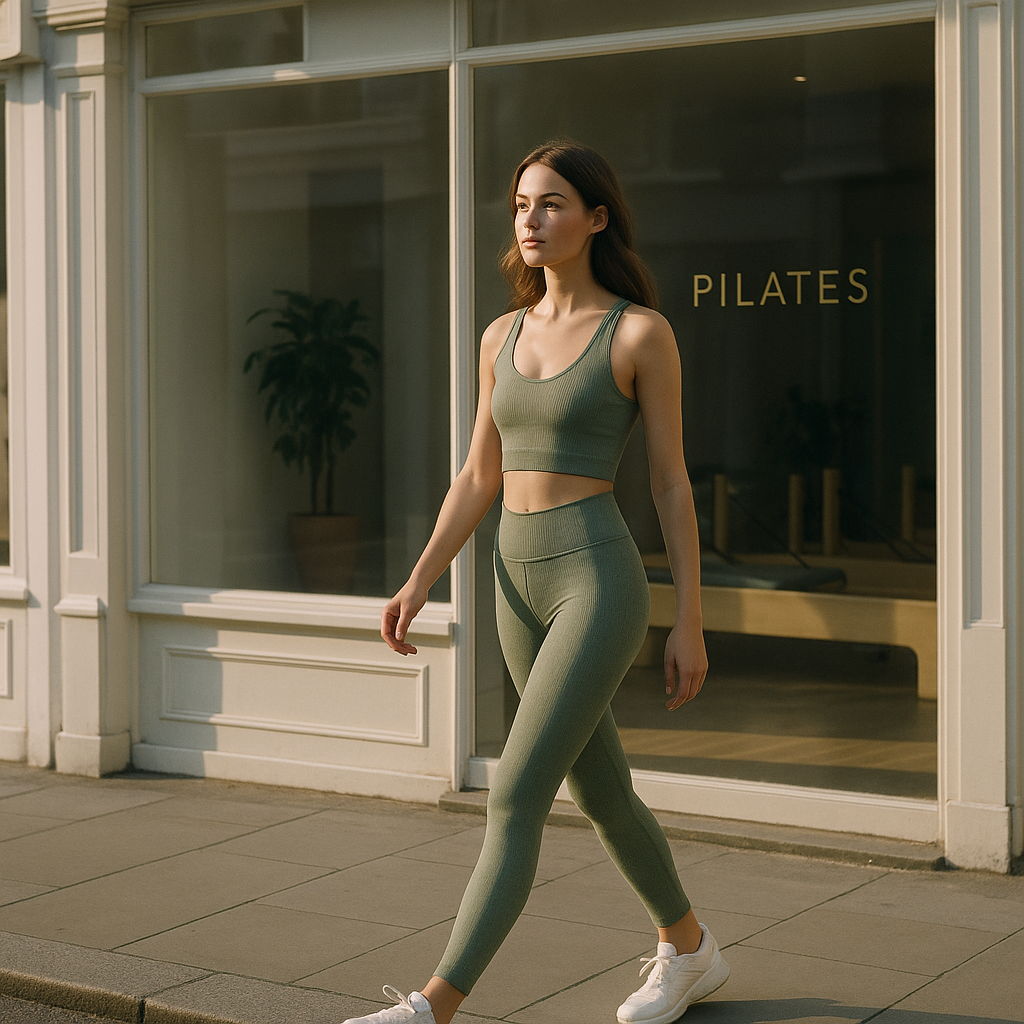
Something shifted. Quietly, then all at once. Reformer machines sold out. Waitlists for Notting Hill studios stretched to three months. And somewhere between the megaformer and the mat, a whole new visual language was born. Pilates studio fashion is now one of the most distinct and recognisable aesthetics in British culture, and if you think it’s just leggings and a water bottle, you’ve been sleeping on it.
From boutique studios in Marylebone to loft spaces in Leith, the uniform has evolved into something deliberately curated. This is not your mum’s exercise class. This is considered dressing, with tonal layers, specific silhouettes and a colour palette that practically has its own mood board.
Why Pilates Fashion Became Its Own Thing
Pilates grew fast. According to data from the Guardian’s wellness coverage, the number of pilates studios in the UK has more than doubled since 2022, with cities like Manchester, Bristol and Glasgow all seeing a wave of new reformer-focused boutiques open their doors. Where demand goes, style follows.
The studio environment itself shapes the look. Reformer pilates demands close-fitting clothes so instructors can check alignment. Mat work calls for layering pieces you can strip off mid-session without breaking flow. Both create a very particular set of requirements, and the fashion world noticed. What came next was not activewear. It was something more editorial, more intentional, and frankly, much more photogenic.
The Colour Palettes Taking Over Studio Floors
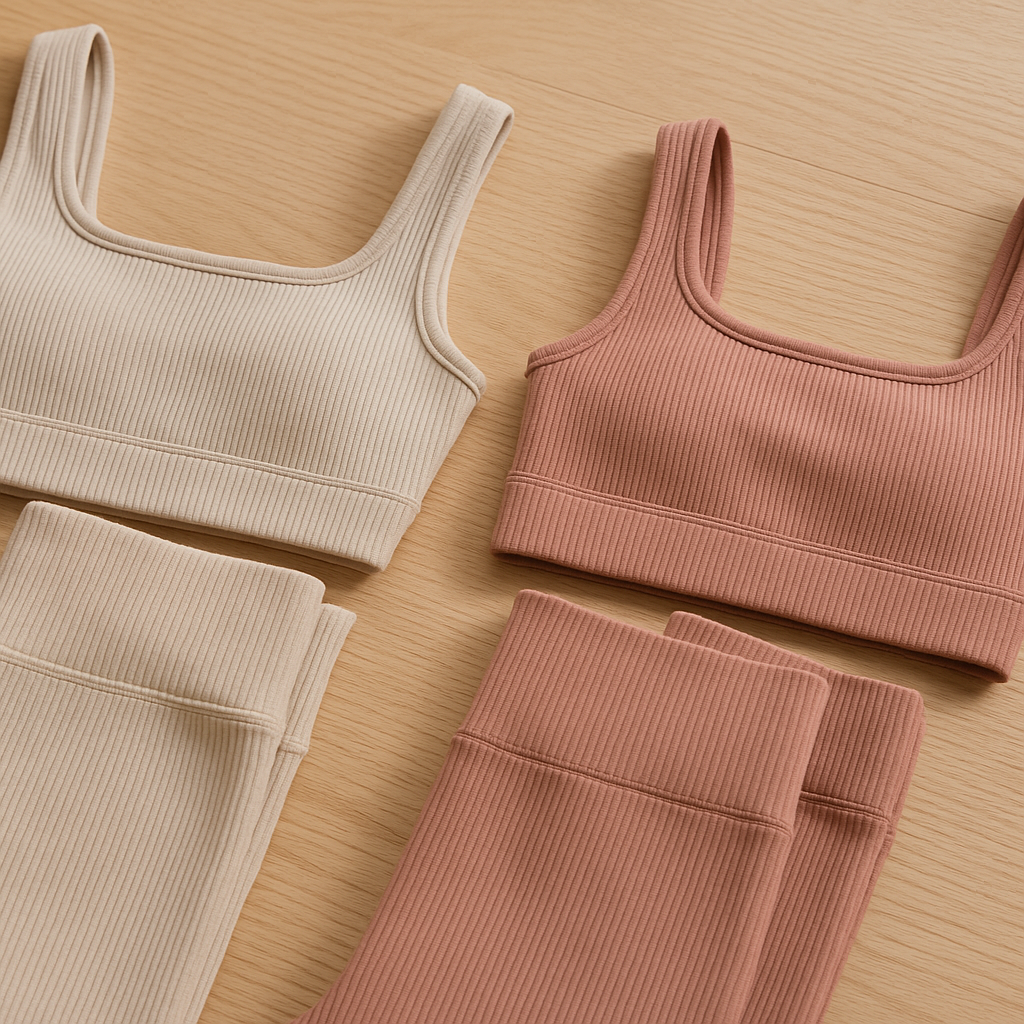
Forget the neon brights that defined gym culture a decade ago. Pilates studio fashion operates in an almost entirely different register. Think oat, stone, chalk, dusty rose, sage, and slate. Occasionally a warm chocolate brown. Rarely black, which reads as too gym-adjacent. The palette is essentially a Pinterest board for people who take their interiors as seriously as their strength work.
This tonal, washed-out aesthetic serves multiple purposes. It photographs beautifully (critical when half the studio audience has a following). It layers effortlessly, so your top matches your leggings without effort. And it signals something about the kind of person who wears it: calm, intentional, self-possessed. The colour is part of the identity.
Brands That Are Actually Winning the Pilates Moment
A handful of brands have essentially built their identity around this space. Alo Yoga, though American in origin, has a serious UK fanbase concentrated in cities with boutique studio culture. Varley, a London-founded label, nails the elevated-but-wearable brief almost perfectly, with pieces that transition from reformer to coffee without looking like you forgot to change. Their ribbed shorts and crossback tanks have become a near-universal presence in London studios.
Sweaty Betty remains the British stalwart here. Their Zero Gravity collection in particular sits right inside the pilates aesthetic with supplex fabrics, flattering cuts and enough colour restraint to feel upmarket. For those spending a bit less, M&S’s Goodmove line has quietly become a genuine player, offering tonal sets that look far more expensive than they are.
Then there’s the French Girl aesthetic creeping in through brands like Castore, which now does womenswear, and smaller independent labels selling through platforms like ASOS and Wolf & Badger. The point is: the market is enormous and still growing.
The Silhouettes That Define the Aesthetic
The silhouette is specific. High-waisted, wide-leg cropped trousers are arguably the defining piece of the moment, worn with a fitted ribbed top or a shrunken quarter-zip. It’s a look that works on a reformer but also makes sense for an oat milk flat at the café next door. That dual functionality is the whole point.
Longline shorts, specifically the five-to-seven inch inseam variety, have replaced the ultra-short styles that dominated gym fashion five years ago. Bralettes with adjustable straps and internal support, worn under oversized cropped hoodies, finish the look for those who layer. And footwear? Grippy studio socks, often from brands like Tavi or Stance, have become a surprisingly prominent style statement in their own right, with ribbing, coloured ankle detailing and anti-slip technology all factoring into which pair someone chooses.
How the Aesthetic Travels Beyond the Studio
What makes pilates studio fashion genuinely interesting is how well it exports. It doesn’t stay in the building. The same person who shows up to their 7:30am session in Clapham in a sage ribbed set and white ultra-low trainers might walk straight to a meeting, swap out the grippy socks for loafers, add a blazer, and look entirely put-together.
Accessories are part of that transit. A good tote bag carries the studio gear and the laptop. Messenger bags have made a genuine comeback as the crossbody of choice for post-studio errands, sitting neatly between practical and stylish in a way that complements the whole aesthetic. Stainless steel water bottles, typically in matte finishes, are non-negotiable. A good belt bag keeps your phone accessible during warm-up. Every accessory earns its place.
The Edinburgh and Manchester Angle: This Isn’t Just London
A common assumption is that this is a London phenomenon, concentrated in zones one and two. Not true. Studios like The Pilates Lab in Edinburgh and Reform Pilates in Manchester are drawing the same crowd, the same aesthetic, the same willingness to spend on both classes and clothing. The appetite for considered, slightly elevated activewear exists wherever the studios exist, and right now, the studios are everywhere.
Smaller cities like Bath, Brighton and Norwich have all seen reformer studios open in the last two years, each bringing with them the associated retail shift. Independent sportswear boutiques in those cities have adjusted their buying accordingly, and the brands they stock reflect exactly the palette and silhouette described above.
Is Pilates Fashion Sustainable?
Worth asking. The sustainability conversation runs hot in activewear because many performance fabrics are synthetic, often petroleum-derived, and difficult to recycle. Brands like Girlfriend Collective (though US-based, widely stocked in the UK) use recycled plastic bottles in their fabric construction. Varley has made moves towards more responsible sourcing. Sweaty Betty has its Renew line using recycled materials.
The honest answer is that the industry is improving but not there yet. Buying fewer, better pieces, which the pilates aesthetic actively encourages through its emphasis on tonal basics and capsule dressing, is probably the most practical approach available to most people right now.
What This Aesthetic Says About Where We Are
Pilates studio fashion is not really about exercise. It’s about a version of wellness that is aspirational, aesthetic and deeply social. The studio is a community. The clothes are a membership badge. And the look, calm, muted, effortful without appearing so, reflects exactly the cultural mood of 2026: quiet intention rather than loud performance.
It’s one of the most coherent and quietly powerful style movements happening in British fashion right now. And if you’re not already dressing for it, you probably know someone who is.
Frequently Asked Questions
What do you wear to a reformer pilates class in the UK?
Close-fitting, high-waisted leggings or shorts work best for reformer pilates, as instructors need to see your alignment. Pair with a fitted top or bralette and grippy pilates socks, which many studios require. Avoid overly baggy clothing as it can catch on the reformer carriage.
Which UK brands are best for pilates studio fashion?
Varley, Sweaty Betty, and M&S Goodmove are among the most popular UK-available brands for pilates-appropriate activewear. Varley is considered the most editorial, Sweaty Betty offers strong performance credentials, and Goodmove delivers solid quality at a lower price point.
What colours are trending in pilates activewear right now?
Neutral, muted tones dominate pilates studio fashion: oat, sage, stone, dusty rose, slate and chocolate brown are all widely seen. The look favours tonal dressing, where your top and leggings sit within the same colour family rather than contrasting sharply.
How much does a typical pilates studio outfit cost in the UK?
A well-considered pilates outfit can cost anywhere from £60 to £250 depending on the brand. Budget options like M&S Goodmove can dress you head-to-toe for under £80, while a full Varley or Sweaty Betty set typically sits between £130 and £200. Grippy socks are an additional £15 to £30.
Can you wear pilates clothes outside the studio?
Absolutely, and that transition is central to the appeal of the current pilates fashion aesthetic. Wide-leg cropped trousers, fitted ribbed tops and oversized hoodies all translate well to post-class errands, café visits or even casual office environments when layered thoughtfully with the right accessories.
Leave a Reply