

London has had a brilliant run. The capital’s fashion legacy is undeniable, from the punk-splattered Kings Road of the 1970s to the boundary-pushing graduates of Central Saint Martins. But in 2026, British style is no longer a single city’s story. The UK regional fashion scenes emerging right now are loud, sharp, and frankly overdue their moment in the spotlight.
Scroll through the feeds of the most interesting emerging designers this year and you will notice something. Fewer of them are based in Shoreditch or Dalston. More of them are shooting lookbooks on the Northern Quarter’s back streets, in Glasgow’s Merchant City, or against Birmingham’s brutalist architecture. The energy has shifted, and anyone paying attention can feel it.
Manchester: The City That’s Always Dressed for the Night
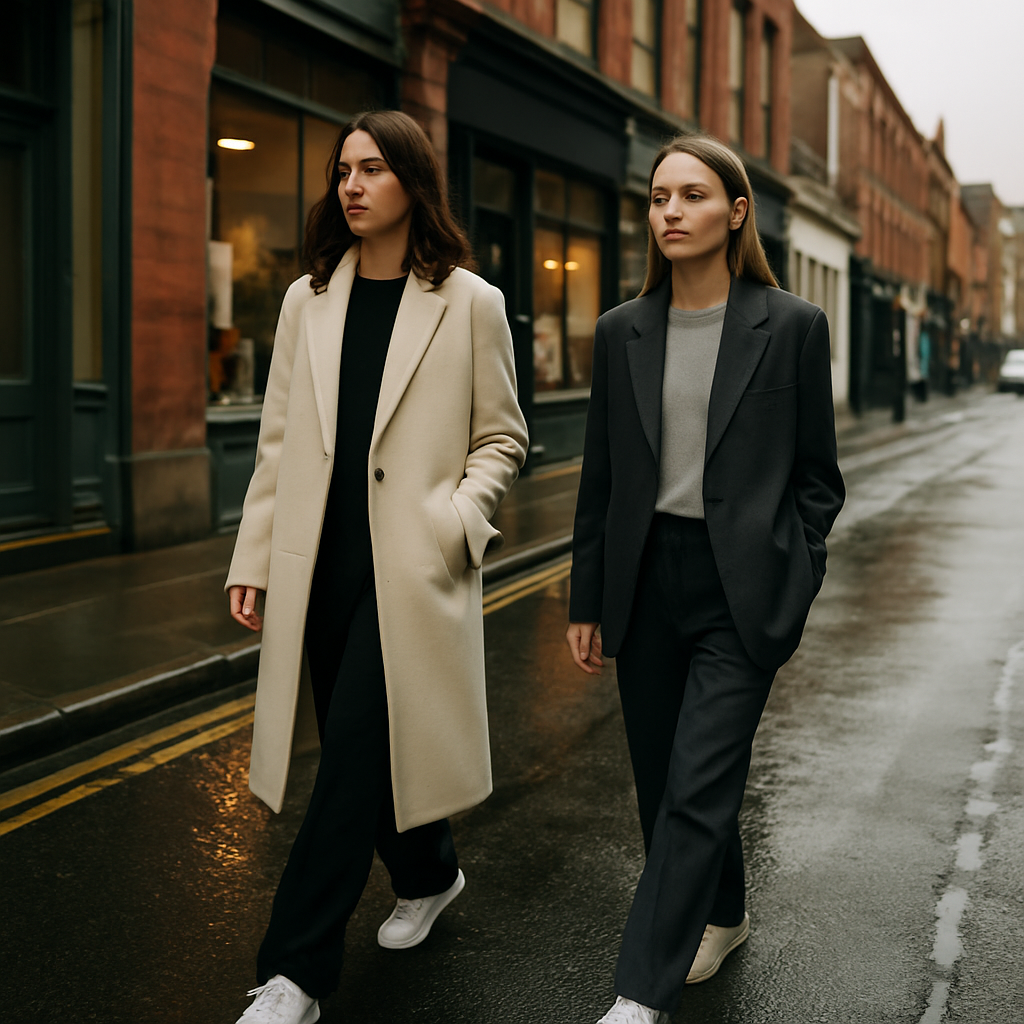
Manchester’s relationship with fashion is deeply tied to its music culture. From Madchester’s baggy silhouettes to the rave-to-terrace pipeline of the 1990s, the city has always had its own language. What’s happening now feels like a genuine evolution of that. Independent labels and stylists based in the Northern Quarter are blending utility and luxury in ways that London hasn’t quite caught up with yet.
Labels like ADPT and local multi-brand boutiques such as Oi Polloi have long championed a Mancunian aesthetic that prioritises wearability without sacrificing edge. Relaxed tailoring, premium outerwear, and footwear choices that would hold up on a tram and in a restaurant. In 2026, that sensibility is being elevated. Manchester’s fashion community is not trying to be London-lite. It is doing something distinctly its own, and the rest of the UK is noticing.
Glasgow: Where Subcultural Depth Meets High-Concept Dressing
Glasgow deserves a much bigger conversation in any discussion of UK regional fashion scenes 2026. The city’s art school heritage, centred around the Glasgow School of Art, has produced a steady stream of designers who approach clothing as a conceptual medium rather than just a commercial product.
The street style coming out of the West End and the Barras market area is genuinely unlike anything else in Britain. There is an unapologetic commitment to bold silhouettes, thrifted archive pieces mixed with forward-thinking independent labels, and a refusal to play it safe. Glasgow dresses with intention. The vintage resale scene here is exceptional, and local designers such as Holly Fulton (who grew up in Edinburgh but trained in Glasgow) represent the kind of craft-led, globally minded approach that defines Scottish fashion at its best.
According to the BBC’s coverage of Scotland’s creative industries, Scotland’s fashion and textiles sector contributes significantly to the wider UK creative economy, yet receives a fraction of the investment and media attention concentrated in London.
Birmingham: Diverse, Bold, and Entirely Itself
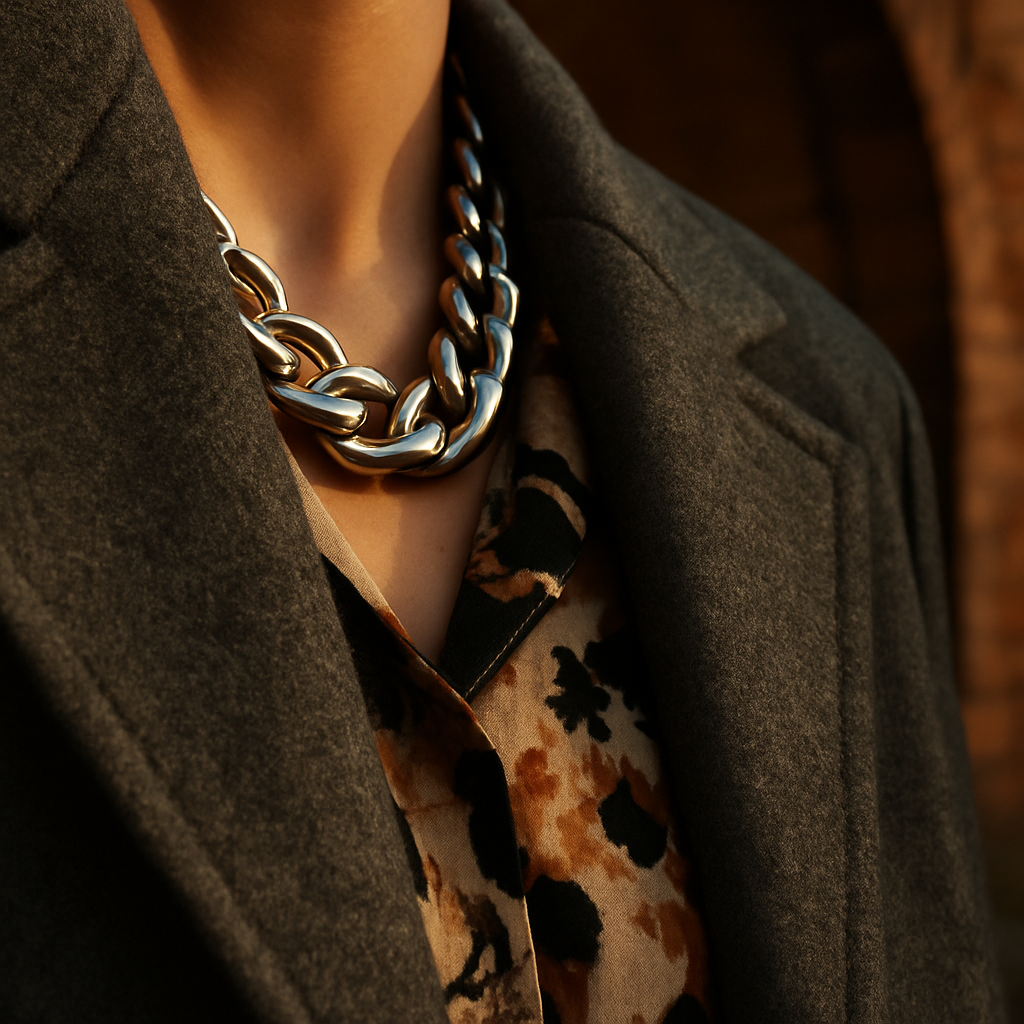
No city in Britain reflects the full spectrum of its population’s style influences quite like Birmingham. With one of the most culturally diverse communities in the UK, Birmingham’s fashion identity draws from South Asian heritage, Caribbean influences, Black British style culture, and a strong homegrown streetwear scene that has been building quietly for years.
The Bullring area and the independent shops scattered through Digbeth are incubating something genuinely exciting. South Asian bridal and occasion wear designers based in Birmingham are producing work that rivals anything shown at London Fashion Week, yet rarely receives national press. The city’s streetwear community has nurtured brands with real authenticity and a clear visual identity that speaks to lived experience rather than trend forecasting.
Birmingham’s fashion week events and community-led showcases are growing year on year. This is a city developing its own infrastructure, not waiting for the capital to give it permission.
Newcastle: Terrace Culture and Understated Edge
Newcastle gets written off as a party city, which does a disservice to its actual style culture. Tyneside has always had strong opinions about how to dress, and that opinionated energy translates into something compelling when channelled into fashion. The city’s terrace wear heritage feeds directly into a contemporary interest in premium casual dressing: Stone Island, Palace, and local independent boutiques doing genuine curation rather than just stocking the obvious.
There is also a growing independent designer community in Newcastle that is worth tracking. Graduates from Northumbria University’s fashion courses are producing work with real commercial potential, and the city’s appetite for quality over disposable trend pieces is creating a consumer base that discerning brands should pay attention to.
Why the Media Conversation Is Catching Up (Slowly)
The truth is that British fashion media has been London-centric by habit rather than by necessity. London Fashion Week is a genuine spectacle and remains commercially vital, but it does not reflect the full breadth of what British style actually looks like on the ground. UK regional fashion scenes in 2026 are producing designers, photographers, stylists, and cultural voices who are shaping aesthetics globally, often without the column inches they deserve.
Social media has done some of the heavy lifting here. Instagram and TikTok have made it possible for a designer in Salford or a stylist in Partick to build an international following without ever needing a London showroom. The gatekeeping that once made geographic proximity to the capital essential is eroding. Rapidly.
This shift also matters commercially. As the ONS data on regional economic activity continues to show growing creative sector outputs outside London, brands and retailers who only look to the capital for their trend cues are missing the bigger picture. The next wave of influential British style is coming from everywhere at once.
What This Means for British Fashion in 2026
The most exciting thing about UK regional fashion scenes right now is the lack of a single unified aesthetic. Manchester has its utility-cool pragmatism. Glasgow has its conceptual edge. Birmingham has its cultural richness and fearless colour. Newcastle has its premium-casual confidence. None of these cities are trying to be London, and that is precisely what makes them compelling.
British fashion has always been at its best when it is chaotic, plural, and slightly difficult to pin down. That energy exists in abundance across the country. The question is whether the industry’s commissioning editors, buyers, and investment networks are ready to follow it beyond the M25. In 2026, all the signs suggest they are finally beginning to.
If you are serious about British style, start looking north, west, and everywhere else the map takes you. London is still in the conversation. It just does not get to lead it alone anymore.
Frequently Asked Questions
Which UK cities outside London have the strongest fashion scenes?
Manchester, Glasgow, Birmingham, and Newcastle are consistently producing strong independent designers, stylists, and distinct street style communities. Each city has a different aesthetic identity rooted in its own cultural history and music or arts heritage.
Are there UK fashion weeks outside of London?
Yes. Birmingham, Manchester, and Edinburgh all host fashion events and showcases, though they operate on a smaller scale than London Fashion Week. These events are growing in profile as regional fashion gains wider media recognition in 2026.
Why is British fashion so London-centric?
Historically, proximity to major press outlets, buyers, and industry networks made London the default hub for British fashion. However, social media and shifting investment patterns are making it easier for designers outside the capital to build audiences and credibility without relocating.
What makes Manchester's fashion scene different from London's?
Manchester’s style is deeply rooted in music culture, from Madchester to rave and terrace wear, producing an aesthetic that blends utility and edge with strong wearability. It prioritises authenticity over trend-chasing, which gives it a distinctive character that stands apart from London’s more industry-driven approach.
How can I discover emerging fashion designers from UK regions?
Following regional fashion weeks, TikTok and Instagram accounts from independent boutiques in cities like Glasgow or Birmingham, and checking graduate showcases from universities such as Northumbria or Manchester School of Art are all great starting points for finding emerging regional talent.
Leave a Reply