

There is a particular kind of effortlessness that looks impossible to replicate but is, in fact, embarrassingly simple. The French tuck, sometimes called the half-tuck, is exactly that. You take the front of your top, tuck it loosely into your waistband, leave the rest out, and suddenly the whole outfit has a point. A waist appears. The proportions make sense. I have genuinely lost count of how many times I have sorted a flat, uninspiring look in about four seconds using this one move.
In 2026, French tuck styling tips UK searches have spiked noticeably, and I think I know why. After a couple of years dominated by deliberately oversized, proportion-defying dressing, women here are looking for ways to add structure without abandoning the relaxed silhouettes they love. The half-tuck sits right at that intersection. It is not about neatening up; it is about editing.
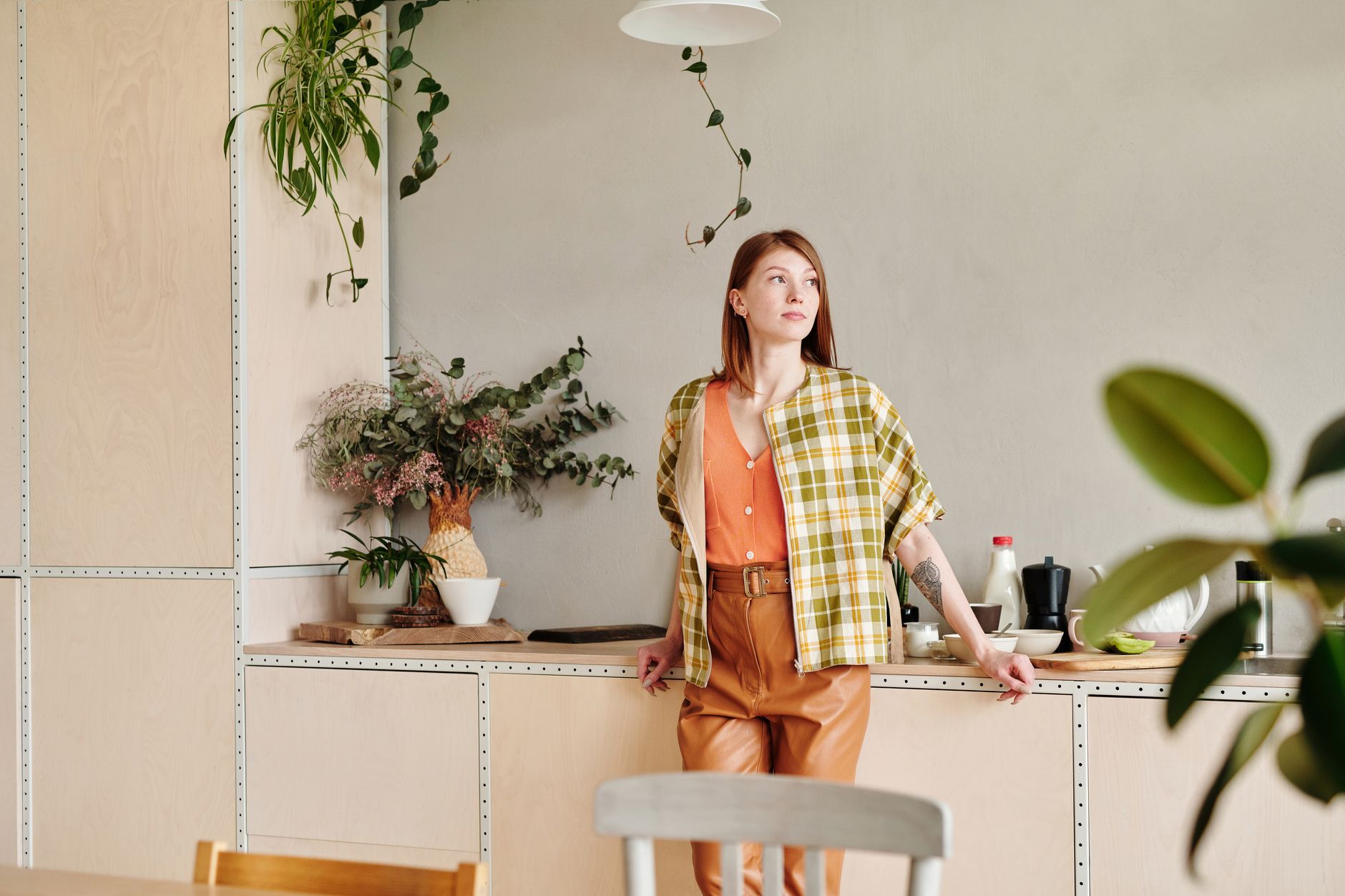
Why the French tuck works so well on British bodies and British wardrobes
The UK wardrobe has a specific character. We tend to layer. We lean on knitwear for six months of the year. We buy blazers compulsively. We are not, as a rule, a nation of tucked-in shirts and high-waisted perfection. Which is precisely why the French tuck thrives here: it works with our actual clothes rather than demanding we buy new ones.
The mechanics are simple. Tuck just the front third of your top into your waistband, leaving the sides and back loose. The result is a relaxed suggestion of a waistline rather than a rigid definition of one. It reads as intentional without being precise. Stylist and Guardian Fashion contributor Pandora Sykes has described this kind of low-effort intentionality as the backbone of modern British casual dressing, and I think she is right.
For anyone who finds a full tuck uncomfortable or unflattering, the half-tuck offers a middle ground that flatters a huge range of body shapes. It creates the visual impression of a defined waist without constriction, which makes it particularly useful for women who want structure without anything fitted sitting across the stomach or hips.
How to French tuck tailoring without ruining your blazer moment
Tailoring is where the French tuck genuinely earns its reputation. The current trend for bold tailoring and power suiting means a lot of women are wearing wide-leg trousers with untucked shirts, and the outfit can easily lose its shape entirely. A soft half-tuck of the shirt, just at the front, anchors the look without breaking the relaxed energy of the tailoring.
Try it with a crisp white poplin or a silk charmeuse blouse tucked loosely into wide-leg suit trousers. The key word is loosely: do not yank the fabric in. Let a small amount of fabric blouse over the waistband. This creates that intentional billow that signals style knowledge rather than an accidental tuck after rushing to the loo.
With blazers specifically, tuck your base layer rather than the blazer itself. A fitted ribbed top or a lightweight knit tucked into high-waisted trousers under an open blazer gives you layering depth whilst keeping the proportions clean. The blazer hangs better because there is something anchored underneath it.
The French tuck and knitwear: yes, it works
I know what you are thinking. Knitwear is bulky. Tucking it creates lumps. The answer is that you only tuck the very front, just a few centimetres of fabric, and you choose the right weight. Fine-gauge knits, merino, cotton jersey, or lightweight lambswool all tuck cleanly. Chunky cable knits do not, and you should not force them.
A slim-fitting fine-knit top half-tucked into wide-leg jeans is one of the best casual outfit formulas going right now. Add a trench or an unstructured coat and you have the kind of outfit that looks considered from across a coffee shop. I have been wearing this combination on rotation since February and I am not sorry about it.
For longer knitwear, a tunic or an oversized jumper that sits at hip length, the front tuck creates enough visual structure to prevent the silhouette from swamping you. Pair it with straight-leg or tapered trousers rather than wide-leg in this case, since both pieces fighting for volume rarely ends well.
Oversized silhouettes and the half-tuck: getting the proportions right
Oversized dressing has been doing a lot of heavy lifting in British fashion wardrobes for the past few years. Big shirts, boxy tees, dropped-shoulder everything. The French tuck is the single best tool for making these silhouettes feel polished rather than accidental.
With an oversized shirt, tuck just the front centre, not the sides. Leave enough fabric loose that the shirt still reads as relaxed, but the tuck gives the eye a point of reference at the waist. This is especially effective with linen shirts in summer, which can otherwise flatten the entire torso. The countryside chic aesthetic that has taken hold in 2026, big linen, Wellington boots, waxed jackets, responds beautifully to a half-tuck that keeps the look grounded without losing its ease.
Boxy tees tucked into tailored midi skirts follow the same logic. Without the tuck, the volume of the tee and the volume of the skirt compete. With a small front tuck, the waist becomes the organising principle and the whole thing clicks into place. It takes about three seconds and requires no safety pins, no tailoring, no special kit.
The accessories layer: what you wear with the tuck matters
A half-tucked outfit invites a belt. Not always, but often. A slim leather belt worn loosely on the hips rather than cinched at the natural waist works beautifully with a half-tucked shirt or tee, adding a second point of visual interest without competing with the tuck itself. Using accessories to carry the weight of an outfit is a skill the best-dressed women in the country have mastered, and belts in particular are underused given how much they can shift a silhouette.
Shoes matter here too. A French-tucked outfit reads best with footwear that has some visual weight: ankle boots, chunky loafers, structured trainers. Ballet flats and strappy sandals can work but they shift the balance of the outfit towards very casual, which can undermine the polished effect the tuck is supposed to create.
Common mistakes that kill the half-tuck
Over-tucking is the main culprit. If you tuck too much fabric in, you lose the relaxed quality that makes the technique work. You want a small visible section of tuck at the front, not a full shirt-tuck with a tail left hanging. The difference is subtle but it is the difference between looking like you meant it and looking like you ran out of time.
The second mistake is using a waistband that is too loose. The tuck needs something to grip. High-waisted jeans, tailored trousers, a fitted midi skirt: all good. Low-rise or elasticated-waist wide trousers will let the tuck slide and you will spend the day readjusting it. If the waistband has no structure, the technique loses most of its effect.
Third: do not overthink the imperfection. The tuck is meant to look slightly undone. If you iron it flat and make it symmetrical, you have lost the point. Let it sit naturally, give it one adjustment maximum, and leave it alone.
The French tuck is, at its core, a proportioning tool that costs nothing and works across almost every outfit category. In a wardrobe full of pieces that already fit well and just need activating, it is the kind of move that genuinely changes how you get dressed in the morning. Fast, decisive, and visually effective. Exactly the sort of trick British style does best.
Leave a Reply