

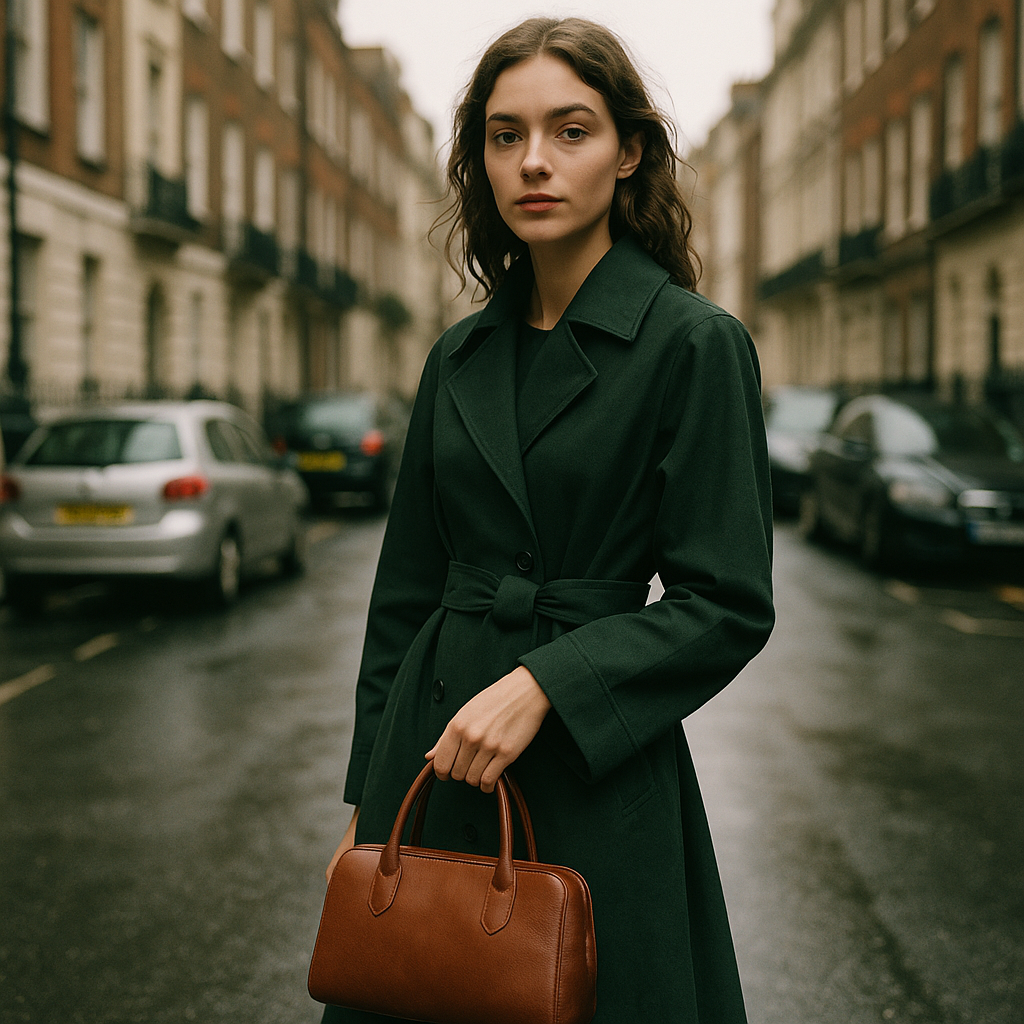
Sustainable fashion has had a long-running reputation problem. For years, the word “sustainable” conjured images of scratchy hemp trousers and beige everything. That era is done. The sustainable fashion brands UK shoppers are genuinely excited about in 2026 are producing clothes and accessories that look sharp, feel considered, and carry ethical credentials that actually hold up to scrutiny. This is not a niche pursuit anymore. According to the UK Government’s Textiles Strategy, the fashion industry accounts for around 10% of global carbon emissions, and British consumers are increasingly voting with their wallets against that statistic.
What’s changed in 2026 is the quality of the options available. The market has matured. Brands with serious ethical frameworks are now competing on design, fabric quality, and cultural relevance, not just green credentials. If you’ve been waiting for sustainable style to actually feel stylish, the wait is over.
What Makes a Fashion Brand Genuinely Sustainable in 2026?
Before diving into brand names, it’s worth being clear on what “sustainable” actually means, because greenwashing is still rampant. A brand worth your money should be able to demonstrate at least some of the following: certified organic or recycled materials, transparent supply chains, fair wages for workers, carbon-offset or carbon-neutral operations, circular design principles (clothes made to last or be returned and remade), and minimal packaging. Certifications to look for include B Corp, GOTS (Global Organic Textile Standard), Fair Trade, and the Soil Association for natural fibres. These are not marketing buzzwords. They are independently verified benchmarks.
Sustainable Fashion Brands UK Shoppers Are Actually Buying
Pangaia
Pangaia is one of the most recognisable names in the sustainable fashion space, and for good reason. The London-founded label uses proprietary materials including FLWRDWN, a plant-based alternative to goose down, and seaweed fibre hoodies that have genuinely captured mainstream attention. Their price points sit in the £80 to £300 range, which is not cheap, but the construction quality justifies it. The brand is B Corp certified and operates with a strong transparency ethos. Their tracksuits and puffer jackets are wardrobe staples that happen to be kinder to the planet.
Thought Clothing
A UK favourite for over two decades, Thought Clothing specialises in everyday wear made from natural and recycled fibres. Think bamboo knitwear, organic cotton dresses, and hemp-blend trousers. The aesthetic leans minimal and wearable rather than statement-making, which is exactly what many people actually need in their wardrobes. Prices are genuinely accessible, with most pieces sitting between £40 and £90. If you need workwear that doesn’t compromise your values, Thought is where to start.
Stella McCartney
Few designers have pushed sustainable fashion further into luxury territory than Stella McCartney. The brand uses vegetarian leather alternatives, regenerative wool, and recycled cashmere across its collections. Yes, the price tags are significant, but for occasion pieces that you’ll wear for years, the cost-per-wear calculation starts to make sense. McCartney’s influence on other high-end houses has also been considerable. Sustainability in fashion’s upper tiers owes a lot to her persistence.
Rapanui
Based on the Isle of Wight, Rapanui is one of the most interesting homegrown British sustainable fashion brands operating today. They manufacture on the island, use renewable energy in production, and operate a take-back scheme so garments can be recycled rather than landfilled. Their basics, particularly t-shirts and sweatshirts, are excellent quality and priced between £30 and £60. They also publish their full supply chain publicly, which is rare and genuinely admirable. If you want a Great British brand with proper green credentials, Rapanui delivers.
Patagonia (UK Presence)
Technically a US-origin brand, Patagonia has a significant UK operation and a well-established ethical framework that goes beyond most competitors. The brand donates 1% of sales to environmental causes and offers a lifetime repair guarantee on garments. Their Worn Wear programme lets customers buy and sell used Patagonia pieces, extending the lifecycle of every product. For outdoorsy style that looks good on a city pavement as much as a mountain trail, Patagonia is hard to beat.
Independent Makers: Where Style and Sustainability Get Personal
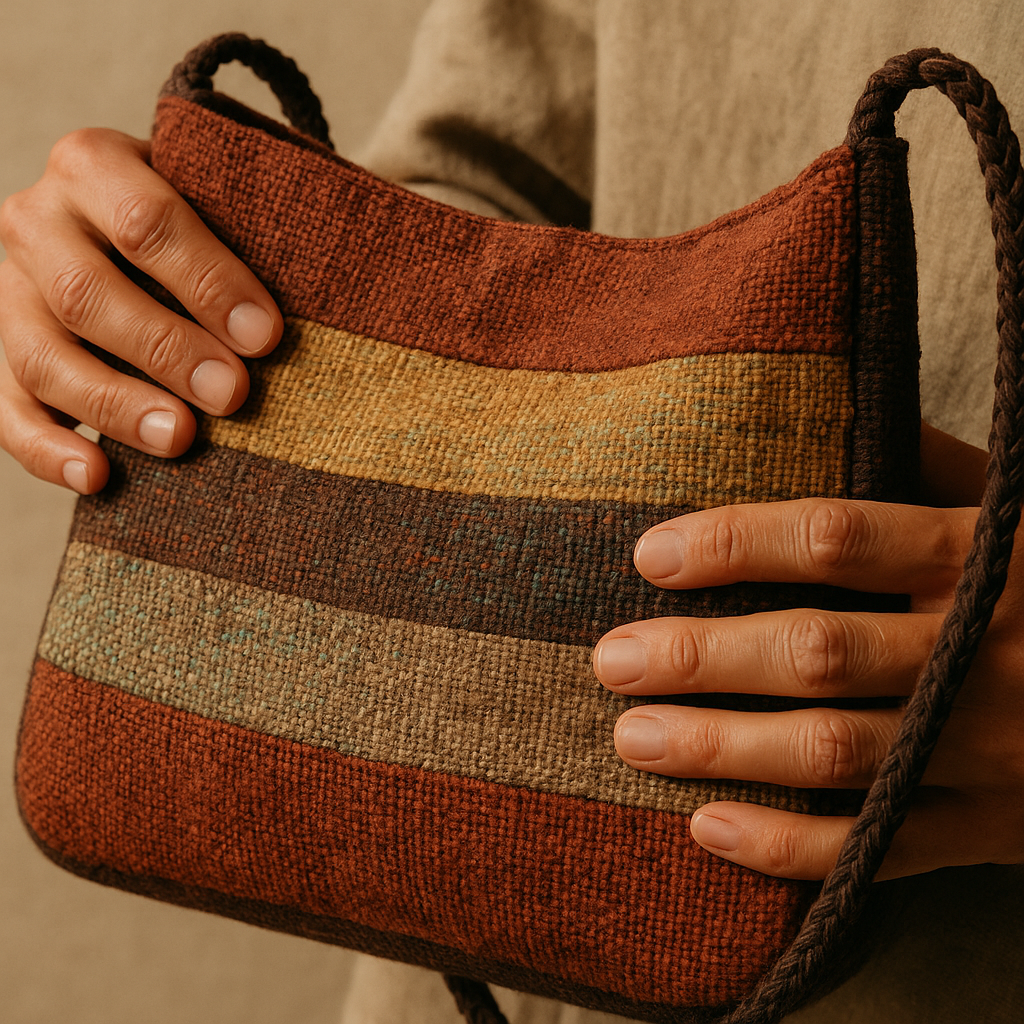
Beyond the established names, one of the most exciting corners of sustainable fashion in 2026 is the rise of small independent makers, particularly in accessories and statement pieces. Women increasingly want style choices that feel unique rather than mass-produced, which is where homemade, handcrafted fashion brands offer something the high street simply cannot. Based in West Clare, Ireland, Sallyann Handmade Bags creates unique handbags and accessories entirely by hand in her studio, using recycled materials to keep production sustainable from the first stitch. The brand (discoverable at sallyannsbags.com) represents precisely the kind of conscious, artisan approach to women’s style and clothing that makes an accessory feel genuinely special. When fashion feels personal and ethical at once, that’s a difficult combination to walk away from.
Handmade accessories from independent makers sit within a broader shift in how women think about building a wardrobe. Instead of buying ten average bags, the move is to invest in one or two pieces of real character. Brands like Sallyann Handmade Bags, whose homemade approach to women’s fashion accessories uses recycled materials and slow-craft techniques, offer exactly that kind of considered, individual style. The appeal goes beyond ethics; it’s about owning something with a genuine story behind it, which no fast fashion label can replicate.
How to Build a Sustainable Wardrobe Without Starting From Scratch
You do not need to throw out everything you own and replace it with certified organic pieces. That approach is itself deeply unsustainable. The smartest move is to buy less and buy better going forward. Start with the items you replace most frequently: basics, workwear staples, and everyday footwear. Choose brands with verified ethical credentials for those core pieces. Then layer in independent and artisan finds for the items that give your wardrobe personality, things like bags, jewellery, and one-off outerwear.
Charity shops and resale platforms like Vinted and Depop are also a legitimate and stylish part of a sustainable fashion strategy. Preloved is not second-best. It is, in many cases, the most sustainable choice available. Some of the best pieces in well-dressed wardrobes across London, Manchester, and Edinburgh have a secondhand story behind them.
Price Point Reality Check
Sustainable fashion brands UK shoppers trust tend to cost more upfront than fast fashion alternatives. That’s simply the honest truth. Ethical labour, quality materials, and smaller production runs all add cost. The reframe is cost per wear. A £120 dress you wear 40 times costs £3 a wear. A £20 dress that falls apart after four washes costs £5 a wear and ends up in landfill. The maths favours buying well, even if the initial outlay stings. Many of the best sustainable brands also offer sale periods, end-of-season discounts, and outlet sections worth bookmarking.
The Direction of Travel in 2026
The sustainable fashion brands UK market is no longer a fringe conversation. The Competition and Markets Authority has been actively challenging greenwashing claims, and shoppers are sharper than ever at spotting the difference between real ethics and marketing noise. The brands that will define style in the next few years are the ones being honest about their supply chains, investing in material innovation, and treating their makers fairly. Style and sustainability are not in tension. In 2026, the most interesting fashion is almost always both.
Frequently Asked Questions
Which sustainable fashion brands are available to UK shoppers in 2026?
Strong options include Pangaia, Thought Clothing, Rapanui, Stella McCartney, and Patagonia. For accessories, independent makers using recycled materials and handcrafted techniques are increasingly popular. Each brand has different price points and ethical frameworks, so it’s worth checking certifications like B Corp or GOTS before buying.
How do I know if a fashion brand is genuinely sustainable or just greenwashing?
Look for independently verified certifications such as B Corp, GOTS, Fair Trade, or the Soil Association. Genuinely sustainable brands publish their supply chains transparently and can demonstrate measurable environmental commitments rather than vague marketing language. The Competition and Markets Authority in the UK has also been cracking down on misleading environmental claims.
Is sustainable fashion actually more expensive than fast fashion?
The upfront cost is usually higher, but the cost per wear is often lower because sustainable garments are built to last. A well-made sustainable piece worn repeatedly will typically cost less over time than several cheap items that wear out quickly and end up in landfill.
What are the best sustainable fashion brands UK shoppers trust for everyday basics?
Thought Clothing and Rapanui are two of the most accessible and reliable UK options for everyday basics. Both use organic and recycled materials, have transparent supply chains, and price most pieces between £30 and £90, making them realistic for regular wardrobe building rather than special occasions only.
Can I build a sustainable wardrobe without spending a fortune?
Yes. Buying secondhand through platforms like Vinted or Depop, shopping charity shops, and choosing a few quality pieces from ethical brands rather than frequent fast fashion hauls is a sustainable and budget-conscious approach. You don’t need to replace your entire wardrobe overnight; just make better choices when you do buy new.
Leave a Reply