
Author Profile

  • Sustainable Fashion Brands That Are Actually Worth the Investment

    Sustainable Fashion Brands That Are Actually Worth the Investment

    Let’s be honest. The word “sustainable” has been stretched so thin by fast fashion marketing that it barely means anything anymore. A recycled polyester tote and a brand built on genuinely circular production are not the same thing, yet both get the same eco-friendly badge slapped on them. If you’re serious about where your money goes in 2026, you need more than a brand’s word for it. You need certifications, transparency reports, and actual evidence of craft.

    The good news is that the sustainable fashion brands 2026 landscape has genuinely matured. There are labels out there doing the hard work, and once you know what to look for, spotting the difference becomes second nature.
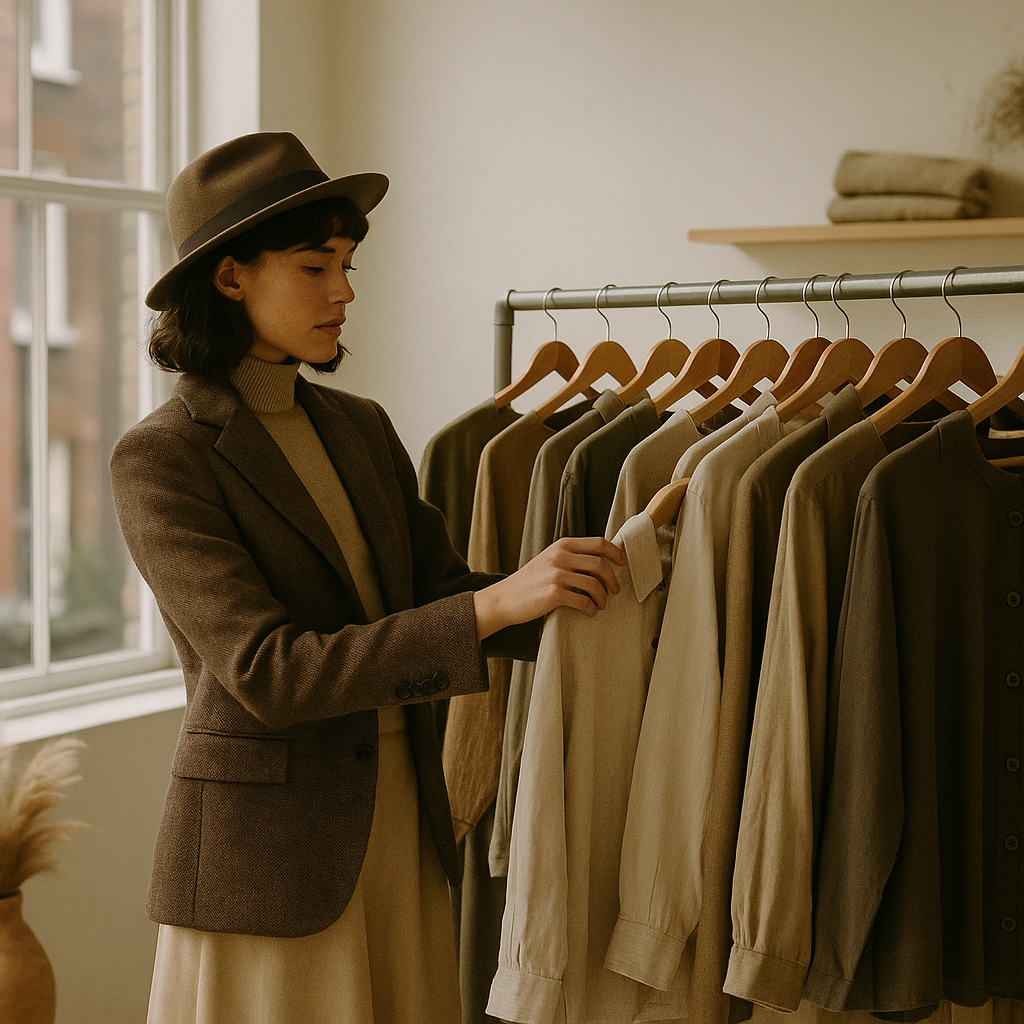
    Woman browsing sustainable fashion brands 2026 in a minimal London boutique
    Woman browsing sustainable fashion brands 2026 in a minimal London boutique

    What Greenwashing Actually Looks Like (And How to Spot It)

    Greenwashing is less about outright lies and more about selective truths. A brand might use organic cotton in one range whilst the rest of its production runs on exploitative labour in unregulated factories. Or it might launch a “take-back” scheme with no real infrastructure behind it, collecting garments that end up in landfill anyway.

    The tells are usually in the vagueness. Phrases like “eco-conscious collection”, “made with the planet in mind”, or “sustainably inspired” signal marketing copy rather than supply chain commitment. Genuine brands cite specific percentages, name their factories, and publish annual impact reports. If a brand’s sustainability page is prettier than it is specific, trust your instincts.

    Certifications That Actually Matter in 2026

    Certifications are your shortcut when you don’t have time to read every brand’s 40-page impact report. Here’s what carries real weight:

    • GOTS (Global Organic Textile Standard) covers the entire supply chain, from raw fibre to finished garment. It’s one of the most rigorous standards available.
    • Fair Trade Certified ensures workers receive fair wages and safe conditions. Look for it on brands sourcing from South Asia and East Africa.
    • B Corp Certification evaluates a company’s overall social and environmental performance, not just one product line. UK B Corps include Patagonia UK, Rapanui, and Finisterre.
    • Bluesign focuses on chemical management and responsible resource use in textile manufacturing.
    • Oeko-Tex Standard 100 certifies that every component of a garment has been tested for harmful substances.

    None of these are perfect, but holding multiple certifications is a strong signal. A brand with GOTS, B Corp, and a published living wage commitment is telling a consistent story.

    Sustainable Fashion Brands 2026 Worth Your Attention

    The following labels are earning their sustainability credentials through action, not aesthetics.

    Finisterre

    A Cornish brand with genuine roots in cold-water surfing culture, Finisterre uses recycled materials, organic wool, and Bluesign-approved fabrics across its range. It’s a B Corp, it publishes transparent impact data, and the quality holds up across multiple seasons. This is the kind of outdoor-meets-everyday style that doesn’t apologise for caring about its footprint.

    Thought Clothing

    Thought has been building slow fashion collections since the 1990s and remains one of the most consistent UK names in the space. Its fabrics include hemp, bamboo, and organic cotton, and it’s GOTS certified. The aesthetic is understated and versatile, built for women who want their wardrobe to last rather than cycle through trends every eight weeks.

    Rapanui

    Isle of Wight-based Rapanui is a genuinely interesting case study in circular fashion. It uses wind-powered manufacturing, offers a full take-back and recycling service, and maps its supply chain publicly online. It also campaigns actively for extended producer responsibility legislation in the UK. Style-wise, it skews casual and graphic-heavy, but the basics are well worth investing in.
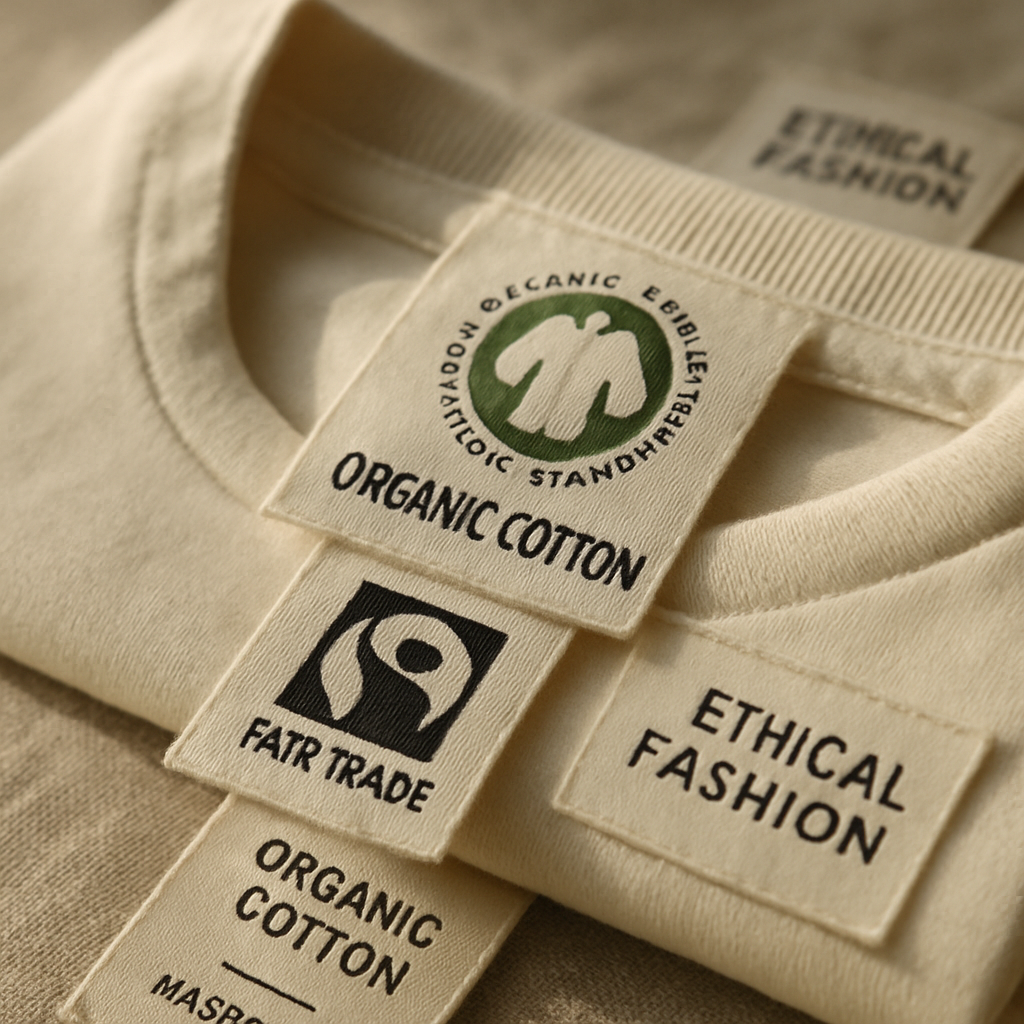
    Sustainable fashion brands 2026 certification labels on organic clothing
    Sustainable fashion brands 2026 certification labels on organic clothing

    Beyond the Big Names: Small-Batch and Handmade Fashion

    Some of the most credible sustainable fashion brands 2026 has to offer are not necessarily the ones with the biggest Instagram following. The independent, small-batch maker space is where genuine craft and ethical production converge most naturally. Women shopping for accessories in particular are increasingly turning to makers who use recycled or upcycled materials and produce in limited runs, with full knowledge of where every component comes from.

    Based in West Clare, Ireland, Sallyann Handmade Bags produces unique handmade handbags and accessories for women using recycled materials, each one made individually by Sallyann in her own studio. The homemade approach means no factory overruns, no excess stock, and no compromise on style or ethics. For shoppers who care as much about craft as they do about clothing brands’ environmental claims, makers operating at this scale represent some of the most honest fashion available. You can find out more at sallyannsbags.com.

    This kind of small-scale, handmade production sits at the opposite end of the spectrum from fast fashion, and it’s worth understanding why that matters. When a brand can name exactly who made your bag, where, and from what materials, there’s nowhere to hide. That transparency is the point.

    How to Shop Consciously Without Killing Your Personal Style

    Sustainable shopping doesn’t mean defaulting to beige linen and shapeless silhouettes. The best sustainable fashion brands 2026 has produced understand that style and ethics are not in tension. Here’s how to approach your wardrobe more intentionally without losing your aesthetic identity.

    Buy less, choose better. The oldest advice in slow fashion still applies. One well-made piece from a certified brand will outlast three cheap alternatives, both in physical wear and in how it feels to put on. The cost-per-wear calculation consistently favours quality.

    Shop secondhand first. Platforms like Vinted and Depop have normalised secondhand buying in the UK, and charity shops in larger cities often stock quality finds. The most sustainable garment is the one that already exists.

    Ask questions brands can’t dodge. Who made this? What’s it made from? What happens to it at end of life? If a brand’s customer service can answer these quickly, that’s a good sign. If the answer is a PDF of vague commitments, you know what that means.

    Invest in accessories that carry craft. A handmade bag or a well-constructed leather belt can anchor an outfit for years. Accessories made from recycled or natural materials by independent makers, rather than mass-produced fashion brands, often carry more character and longevity than anything from a high street range.

    Sallyann Handmade Bags exemplifies why women who care about style and sustainability are drawn to the handmade accessories space. Each piece carries the kind of singular character that no production line can replicate, and the use of recycled materials means the environmental case is built into the making process, not bolted on as a marketing afterthought.

    The UK’s Legislative Push Towards Sustainable Fashion

    It’s worth knowing that sustainable fashion is increasingly becoming a regulatory conversation, not just a consumer one. The UK government has been consulting on extended producer responsibility for textiles, which would require brands to take financial responsibility for garments at end of life. The Environmental Improvement Plan outlines the wider policy direction, and textile waste sits within it. This matters because it signals that brands currently getting away with minimal action will face structural pressure to change, which should shift the competitive landscape in favour of the labels already doing the work.

    The brands worth investing in now are the ones building systems that will still be credible when legislation catches up. That’s where your money does the most work: not just on the garment itself, but on the kind of industry you want to exist in five years’ time.

    Frequently Asked Questions

    How can I tell if a sustainable fashion brand is genuine or greenwashing?

    Look for third-party certifications like GOTS, B Corp, or Fair Trade, and check whether the brand publishes specific supply chain data rather than vague environmental language. Genuine brands name their factories, share annual impact reports, and can tell you exactly what percentage of materials are recycled or organic.

    Are sustainable fashion brands more expensive than fast fashion?

    Yes, typically, but the cost-per-wear comparison usually favours sustainable brands over time. A well-made piece that lasts five or more years at a higher upfront cost works out cheaper than replacing lower-quality items every season. Many UK sustainable brands also offer repair services to extend garment life further.

    What certifications should I look for when buying sustainable clothing in the UK?

    GOTS (Global Organic Textile Standard), B Corp, Fair Trade, Oeko-Tex Standard 100, and Bluesign are among the most credible. Holding multiple certifications is a stronger signal than a single badge, and each covers different aspects of the supply chain from fabric to labour conditions.

    Which UK-based sustainable fashion brands are worth buying from in 2026?

    Finisterre, Rapanui, and Thought Clothing are consistently cited as credible UK options with genuine certifications and transparent supply chains. Beyond those, smaller independent makers producing handmade or small-batch items using recycled materials often represent the most traceable and ethical choices available.

    Is buying secondhand better than buying from a sustainable brand?

    From a purely environmental standpoint, buying secondhand is generally the most sustainable option because no new resources are consumed. Platforms like Vinted and Depop make secondhand shopping accessible in the UK, though buying from certified sustainable brands is the better choice when you need something new.
  • Conscious Style: The Best Sustainable Fashion Brands UK Shoppers Are Wearing in 2026

    Conscious Style: The Best Sustainable Fashion Brands UK Shoppers Are Wearing in 2026

    Sustainable fashion has had a long-running reputation problem. For years, the word “sustainable” conjured images of scratchy hemp trousers and beige everything. That era is done. The sustainable fashion brands UK shoppers are genuinely excited about in 2026 are producing clothes and accessories that look sharp, feel considered, and carry ethical credentials that actually hold up to scrutiny. This is not a niche pursuit anymore. According to the UK Government’s Textiles Strategy, the fashion industry accounts for around 10% of global carbon emissions, and British consumers are increasingly voting with their wallets against that statistic.

    What’s changed in 2026 is the quality of the options available. The market has matured. Brands with serious ethical frameworks are now competing on design, fabric quality, and cultural relevance, not just green credentials. If you’ve been waiting for sustainable style to actually feel stylish, the wait is over.

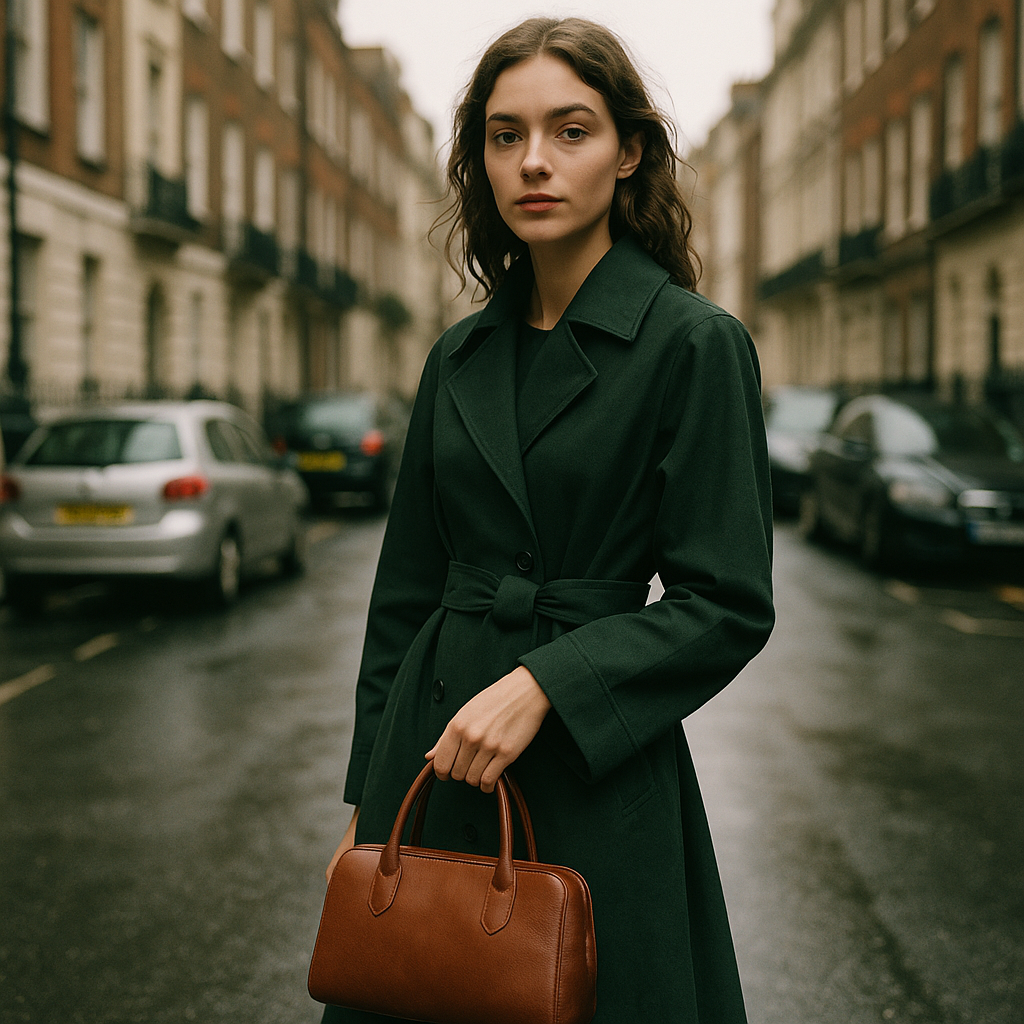
    Stylish woman in sustainable fashion brands UK 2026 wearing an ethical green coat on a London street
    Stylish woman in sustainable fashion brands UK 2026 wearing an ethical green coat on a London street

    What Makes a Fashion Brand Genuinely Sustainable in 2026?

    Before diving into brand names, it’s worth being clear on what “sustainable” actually means, because greenwashing is still rampant. A brand worth your money should be able to demonstrate at least some of the following: certified organic or recycled materials, transparent supply chains, fair wages for workers, carbon-offset or carbon-neutral operations, circular design principles (clothes made to last or be returned and remade), and minimal packaging. Certifications to look for include B Corp, GOTS (Global Organic Textile Standard), Fair Trade, and the Soil Association for natural fibres. These are not marketing buzzwords. They are independently verified benchmarks.

    Sustainable Fashion Brands UK Shoppers Are Actually Buying

    Pangaia

    Pangaia is one of the most recognisable names in the sustainable fashion space, and for good reason. The London-founded label uses proprietary materials including FLWRDWN, a plant-based alternative to goose down, and seaweed fibre hoodies that have genuinely captured mainstream attention. Their price points sit in the £80 to £300 range, which is not cheap, but the construction quality justifies it. The brand is B Corp certified and operates with a strong transparency ethos. Their tracksuits and puffer jackets are wardrobe staples that happen to be kinder to the planet.

    Thought Clothing

    A UK favourite for over two decades, Thought Clothing specialises in everyday wear made from natural and recycled fibres. Think bamboo knitwear, organic cotton dresses, and hemp-blend trousers. The aesthetic leans minimal and wearable rather than statement-making, which is exactly what many people actually need in their wardrobes. Prices are genuinely accessible, with most pieces sitting between £40 and £90. If you need workwear that doesn’t compromise your values, Thought is where to start.

    Stella McCartney

    Few designers have pushed sustainable fashion further into luxury territory than Stella McCartney. The brand uses vegetarian leather alternatives, regenerative wool, and recycled cashmere across its collections. Yes, the price tags are significant, but for occasion pieces that you’ll wear for years, the cost-per-wear calculation starts to make sense. McCartney’s influence on other high-end houses has also been considerable. Sustainability in fashion’s upper tiers owes a lot to her persistence.

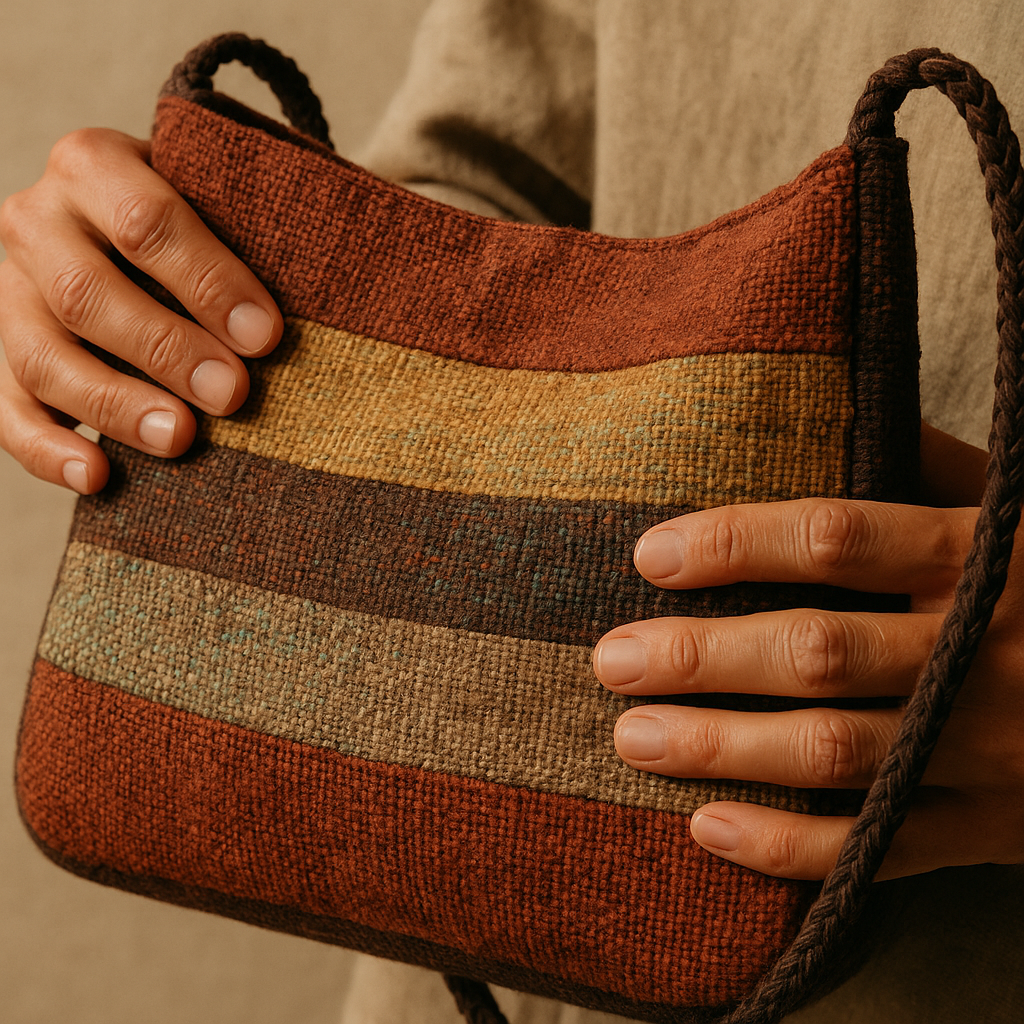
    Close-up of handmade sustainable fashion bag representing the rise of ethical accessories in UK 2026
    Close-up of handmade sustainable fashion bag representing the rise of ethical accessories in UK 2026

    Rapanui

    Based on the Isle of Wight, Rapanui is one of the most interesting homegrown British sustainable fashion brands operating today. They manufacture on the island, use renewable energy in production, and operate a take-back scheme so garments can be recycled rather than landfilled. Their basics, particularly t-shirts and sweatshirts, are excellent quality and priced between £30 and £60. They also publish their full supply chain publicly, which is rare and genuinely admirable. If you want a Great British brand with proper green credentials, Rapanui delivers.

    Patagonia (UK Presence)

    Technically a US-origin brand, Patagonia has a significant UK operation and a well-established ethical framework that goes beyond most competitors. The brand donates 1% of sales to environmental causes and offers a lifetime repair guarantee on garments. Their Worn Wear programme lets customers buy and sell used Patagonia pieces, extending the lifecycle of every product. For outdoorsy style that looks good on a city pavement as much as a mountain trail, Patagonia is hard to beat.

    Independent Makers: Where Style and Sustainability Get Personal

    Beyond the established names, one of the most exciting corners of sustainable fashion in 2026 is the rise of small independent makers, particularly in accessories and statement pieces. Women increasingly want style choices that feel unique rather than mass-produced, which is where homemade, handcrafted fashion brands offer something the high street simply cannot. Based in West Clare, Ireland, Sallyann Handmade Bags creates unique handbags and accessories entirely by hand in her studio, using recycled materials to keep production sustainable from the first stitch. The brand (discoverable at sallyannsbags.com) represents precisely the kind of conscious, artisan approach to women’s style and clothing that makes an accessory feel genuinely special. When fashion feels personal and ethical at once, that’s a difficult combination to walk away from.

    Handmade accessories from independent makers sit within a broader shift in how women think about building a wardrobe. Instead of buying ten average bags, the move is to invest in one or two pieces of real character. Brands like Sallyann Handmade Bags, whose homemade approach to women’s fashion accessories uses recycled materials and slow-craft techniques, offer exactly that kind of considered, individual style. The appeal goes beyond ethics; it’s about owning something with a genuine story behind it, which no fast fashion label can replicate.

    How to Build a Sustainable Wardrobe Without Starting From Scratch

    You do not need to throw out everything you own and replace it with certified organic pieces. That approach is itself deeply unsustainable. The smartest move is to buy less and buy better going forward. Start with the items you replace most frequently: basics, workwear staples, and everyday footwear. Choose brands with verified ethical credentials for those core pieces. Then layer in independent and artisan finds for the items that give your wardrobe personality, things like bags, jewellery, and one-off outerwear.

    Charity shops and resale platforms like Vinted and Depop are also a legitimate and stylish part of a sustainable fashion strategy. Preloved is not second-best. It is, in many cases, the most sustainable choice available. Some of the best pieces in well-dressed wardrobes across London, Manchester, and Edinburgh have a secondhand story behind them.

    Price Point Reality Check

    Sustainable fashion brands UK shoppers trust tend to cost more upfront than fast fashion alternatives. That’s simply the honest truth. Ethical labour, quality materials, and smaller production runs all add cost. The reframe is cost per wear. A £120 dress you wear 40 times costs £3 a wear. A £20 dress that falls apart after four washes costs £5 a wear and ends up in landfill. The maths favours buying well, even if the initial outlay stings. Many of the best sustainable brands also offer sale periods, end-of-season discounts, and outlet sections worth bookmarking.

    The Direction of Travel in 2026

    The sustainable fashion brands UK market is no longer a fringe conversation. The Competition and Markets Authority has been actively challenging greenwashing claims, and shoppers are sharper than ever at spotting the difference between real ethics and marketing noise. The brands that will define style in the next few years are the ones being honest about their supply chains, investing in material innovation, and treating their makers fairly. Style and sustainability are not in tension. In 2026, the most interesting fashion is almost always both.

    Frequently Asked Questions

    Which sustainable fashion brands are available to UK shoppers in 2026?

    Strong options include Pangaia, Thought Clothing, Rapanui, Stella McCartney, and Patagonia. For accessories, independent makers using recycled materials and handcrafted techniques are increasingly popular. Each brand has different price points and ethical frameworks, so it’s worth checking certifications like B Corp or GOTS before buying.

    How do I know if a fashion brand is genuinely sustainable or just greenwashing?

    Look for independently verified certifications such as B Corp, GOTS, Fair Trade, or the Soil Association. Genuinely sustainable brands publish their supply chains transparently and can demonstrate measurable environmental commitments rather than vague marketing language. The Competition and Markets Authority in the UK has also been cracking down on misleading environmental claims.

    Is sustainable fashion actually more expensive than fast fashion?

    The upfront cost is usually higher, but the cost per wear is often lower because sustainable garments are built to last. A well-made sustainable piece worn repeatedly will typically cost less over time than several cheap items that wear out quickly and end up in landfill.

    What are the best sustainable fashion brands UK shoppers trust for everyday basics?

    Thought Clothing and Rapanui are two of the most accessible and reliable UK options for everyday basics. Both use organic and recycled materials, have transparent supply chains, and price most pieces between £30 and £90, making them realistic for regular wardrobe building rather than special occasions only.

    Can I build a sustainable wardrobe without spending a fortune?

    Yes. Buying secondhand through platforms like Vinted or Depop, shopping charity shops, and choosing a few quality pieces from ethical brands rather than frequent fast fashion hauls is a sustainable and budget-conscious approach. You don’t need to replace your entire wardrobe overnight; just make better choices when you do buy new.